The secret to a bountiful harvest does not lie solely in the seeds you buy or the frequency of your watering schedule. The true foundation of any productive garden is the soil. Often misunderstood as mere “dirt,” soil is a complex, living ecosystem. Over time, plants deplete the soil of essential nutrients, and natural weathering can compress its structure. This is where soil amendments come into play. Unlike fertilizers, which primarily feed the plants, soil amendments are designed to improve the physical properties and biological health of the soil itself. By understanding how to use these tools, you can transform unproductive ground into a high-yield paradise.
1. Understanding Soil
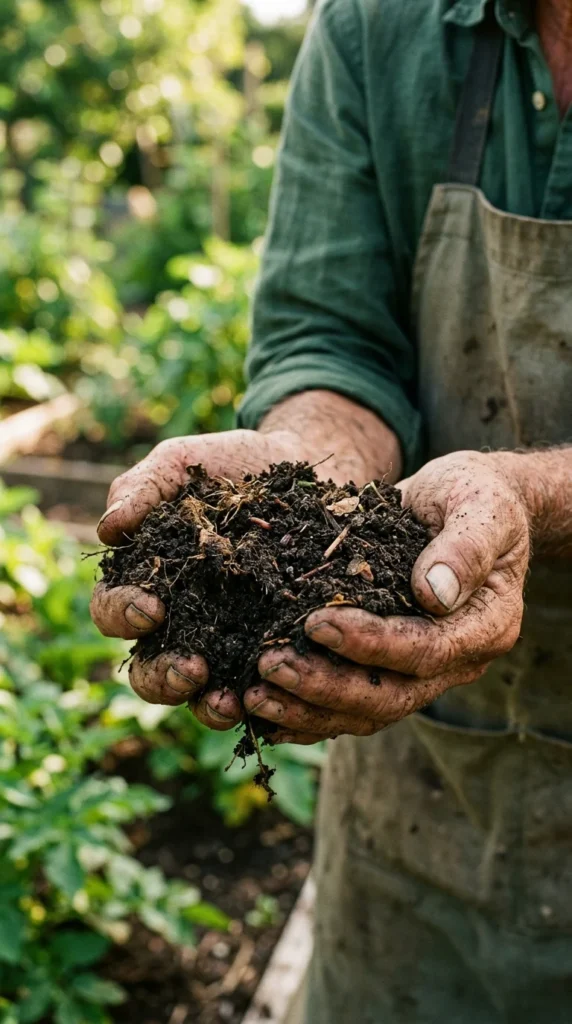
Before adding anything to your garden, you must identify your soil’s texture. Soil is generally categorized into three types: sand, clay, and silt. Sandy soil has large particles that drain water quickly but struggle to retain nutrients. Clay soil consists of tiny, flat particles that pack together tightly, leading to poor drainage and limited oxygen for roots. Silt is an intermediate texture but can easily become compacted.
The ideal texture is “loam,” a balanced mixture of all three. Amendments allow you to push your soil toward this ideal. For instance, adding organic matter to sandy soil increases its water-holding capacity, while adding it to clay soil creates “peds” or clumps that allow for better aeration and drainage.
2. Soil Testing
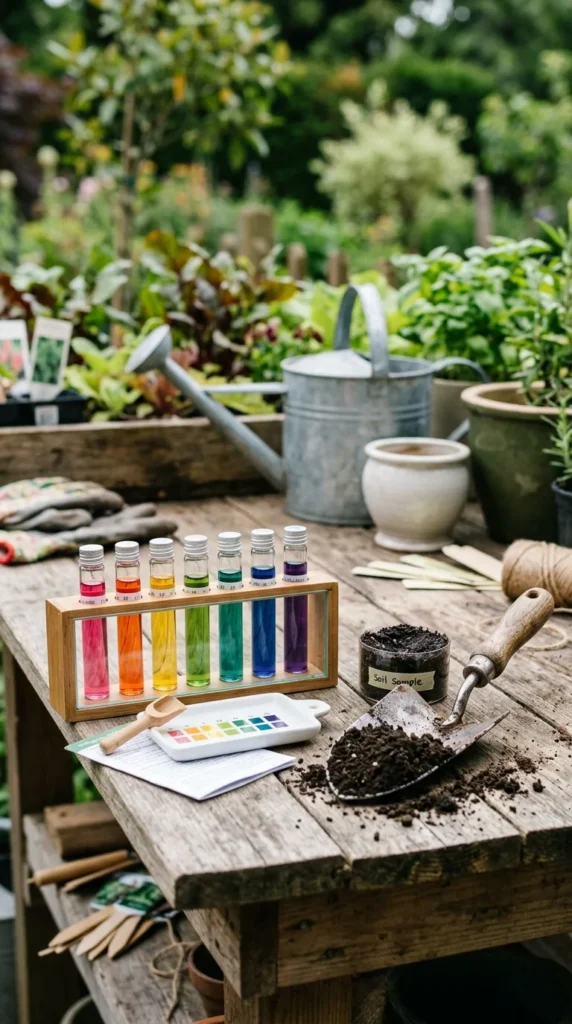
Applying amendments without testing your soil is like taking medicine without a diagnosis. A comprehensive soil test reveals two critical factors: nutrient levels (Nitrogen, Phosphorus, Potassium) and pH balance. Soil pH is measured on a scale from 0 to 14. Most vegetables and flowers thrive in slightly acidic to neutral soil, typically between 6.0 and 7.0.
If your pH is too low (acidic), plants cannot absorb nutrients, regardless of how much fertilizer you add. If it is too high (alkaline), certain micronutrients like iron become “locked” and unavailable. Soil tests also provide a baseline for organic matter percentage, helping you determine how much bulk material you need to incorporate.
3. Finished Compost
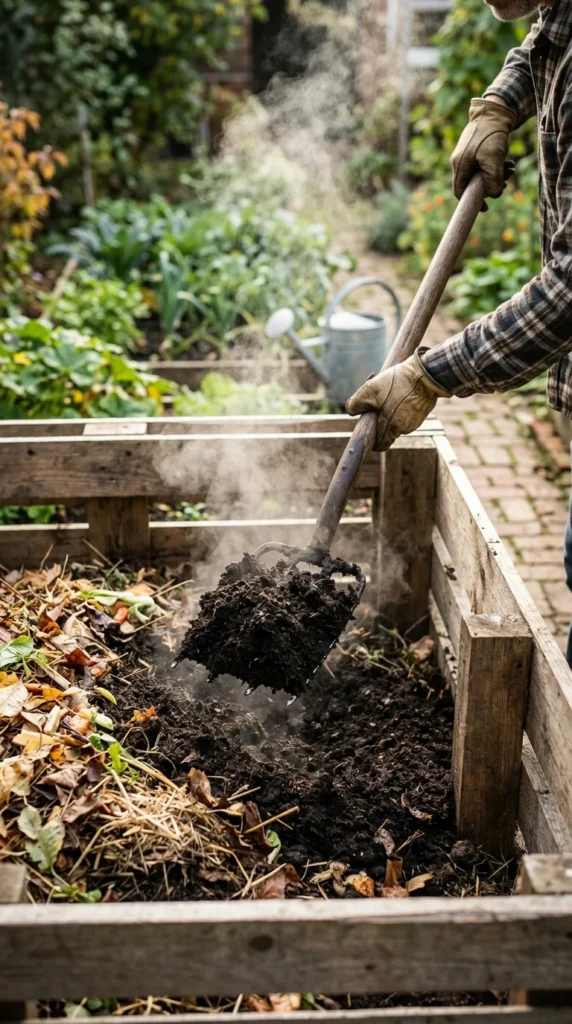
Compost is often referred to as “black gold” for a reason. It is the single most effective amendment for any soil type. Created from decomposed organic matter—such as kitchen scraps, yard waste, and straw—finished compost is teeming with beneficial microbes, fungi, and bacteria.
When added to the garden, compost introduces a slow-release supply of macro and micronutrients. More importantly, it improves “tilth.” In heavy clay, compost creates channels for air and water. In sandy soil, it acts like a sponge, grabbing onto moisture and minerals that would otherwise wash away. For a productive garden, aim to incorporate two to four inches of compost into your beds every year.
4. Animal Manure
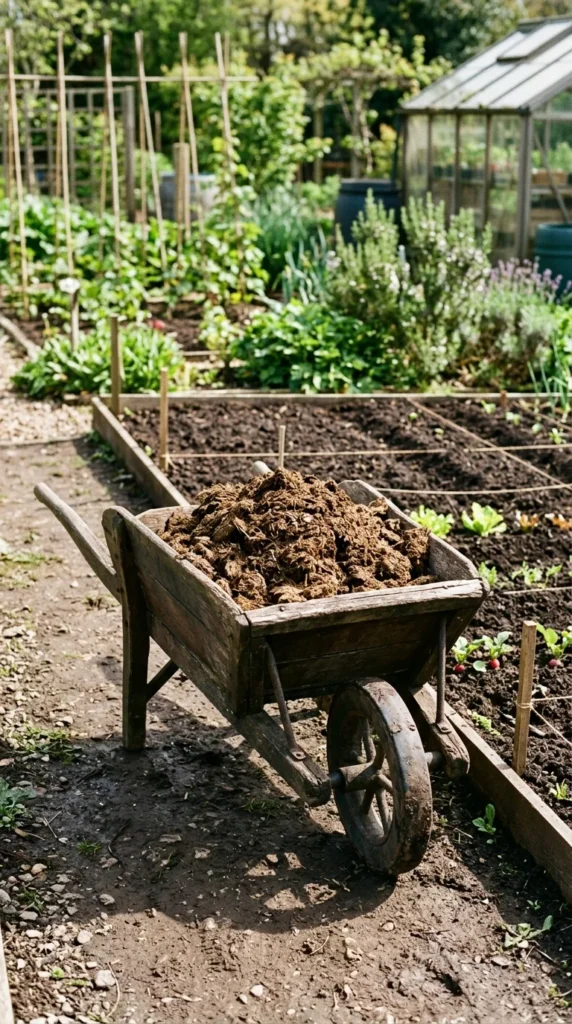
Manure is an excellent source of nitrogen, which is the primary driver of leafy green growth. However, it must be used with caution. Fresh manure is “hot,” meaning it contains high levels of ammonia and salts that can burn plant roots and may carry harmful pathogens like E. coli.
To use manure safely and effectively, it must be aged or composted for at least six months. Well-rotted manure from cows, horses, or chickens adds significant organic bulk to the soil. If you have access to fresh manure, apply it in the fall and let it break down over the winter before planting in the spring.
5. Leaf Mold

Leaf mold is simply compost made entirely of deciduous leaves. While it doesn’t offer the high nutrient punch of animal manure, it is an unparalleled soil conditioner. Leaf mold can hold several times its weight in water, making it an incredible amendment for drought-prone areas.
It also provides a habitat for mycorrhizal fungi, which form a symbiotic relationship with plant roots, helping them reach deep-seated water and minerals. You can make leaf mold by piling fallen leaves in a corner of your yard and letting them sit for one to two years until they turn into a dark, earthy mulch.
6. Worm Castings
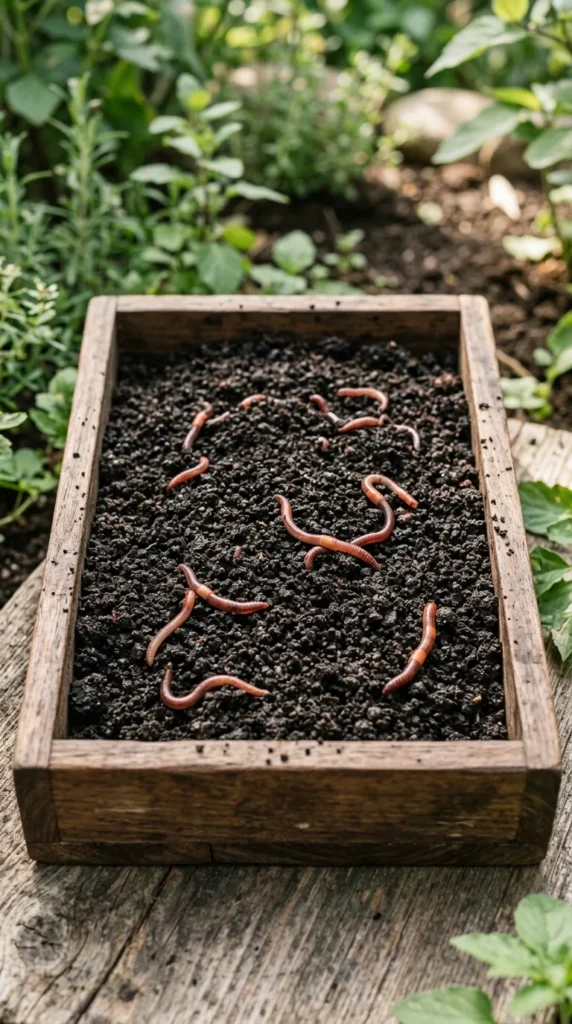
Worm castings, or vermicompost, are essentially the waste produced by earthworms. They are considered one of the most nutrient-dense amendments available. Castings are rich in humic acid, which stimulates plant growth, and they contain a higher concentration of minerals than standard compost.
Because worm castings are gentle and won’t burn plants, they are perfect for “side-dressing” (placing a handful at the base of a plant) during the peak growing season. They also help suppress certain soil-borne diseases and pests, such as aphids and spider mites, by increasing the plant’s natural defenses.
7. Perlite/Vermiculite
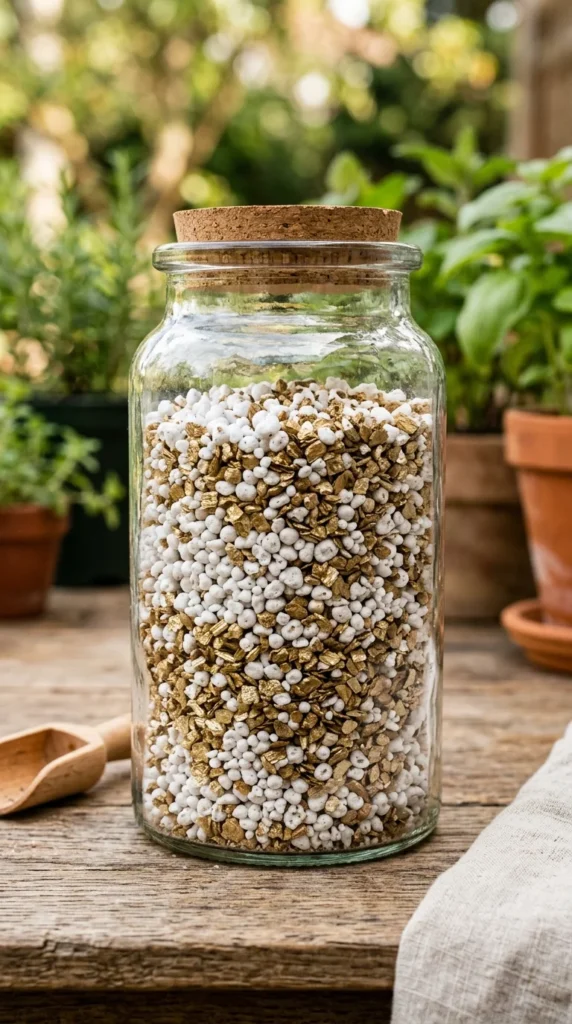
These are inorganic amendments used primarily to alter the physical structure of the soil. Perlite is a volcanic glass that has been heated until it “pops.” It is incredibly lightweight and creates permanent air pockets in the soil, which is vital for preventing root rot in heavy soils.
Vermiculite is a silicate mineral that expands when heated. Unlike perlite, which sheds water, vermiculite is highly absorbent. It is best used in seed-starting mixes or for plants that require consistently moist soil. Use perlite if you need better drainage and vermiculite if you need better water retention.
8. pH Adjusters
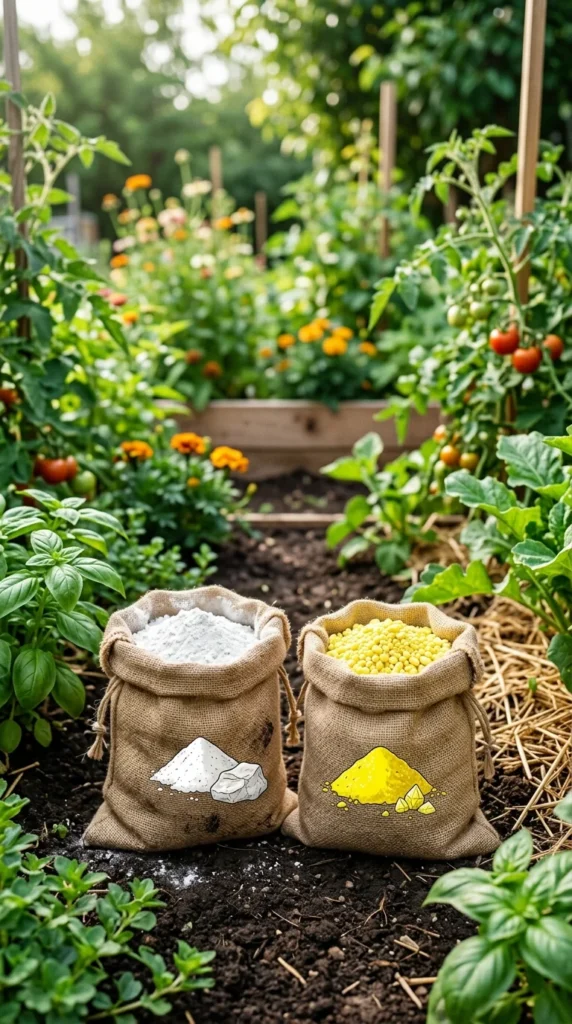
If your soil test indicates a pH imbalance, you will need specific mineral amendments. To raise the pH of acidic soil, gardeners use “garden lime” (ground limestone). This adds calcium and magnesium while neutralizing acidity.
To lower the pH of alkaline soil, elemental sulfur or aluminum sulfate is used. This is particularly important for “acid-loving” plants like blueberries, azaleas, and hydrangeas. These adjustments happen slowly; it often takes several months for the chemistry of the soil to shift, so these amendments are best applied in the autumn.
9. Application Methods
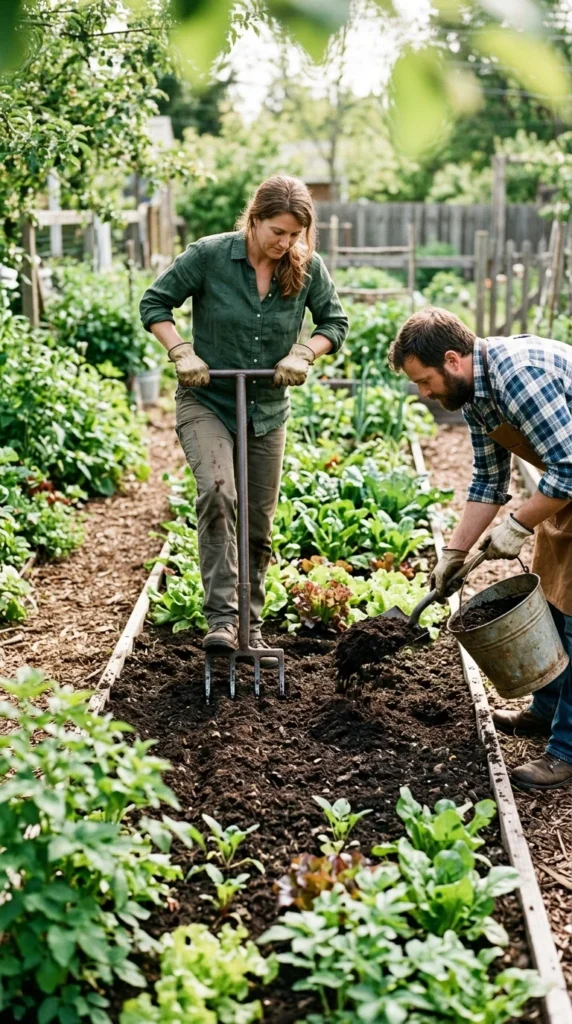
How you add amendments is just as important as what you add. The traditional method is tilling, where amendments are mechanically turned into the top 6 to 12 inches of soil. While this provides immediate results, frequent tilling can destroy soil structure and kill beneficial earthworms.
An alternative is the “No-Dig” or “No-Till” method. In this approach, you simply spread amendments like compost and manure over the surface of the soil. Over time, rain and soil organisms like worms pull the nutrients down into the root zone. This preserves the delicate fungal networks in the soil and results in fewer weeds, as weed seeds remain buried and dormant.
10. Cover Crops
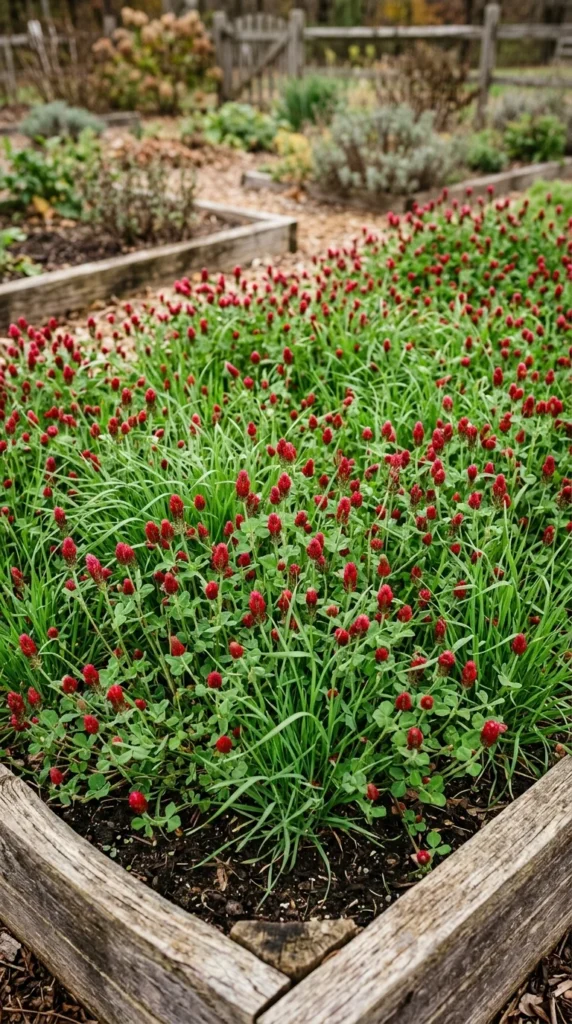
Often called “green manure,” cover crops are plants grown specifically to be returned to the soil. Instead of leaving your garden beds bare over the winter, you plant crops like clover, vetch, or winter rye.
Legumes (like clover and vetch) have the unique ability to “fix” nitrogen from the air into the soil through their roots. In the spring, you mow these crops down and let them decompose on the surface or lightly incorporate them. This adds massive amounts of organic matter and fresh nutrients back into the cycle, ensuring that your garden is more productive with each passing year.