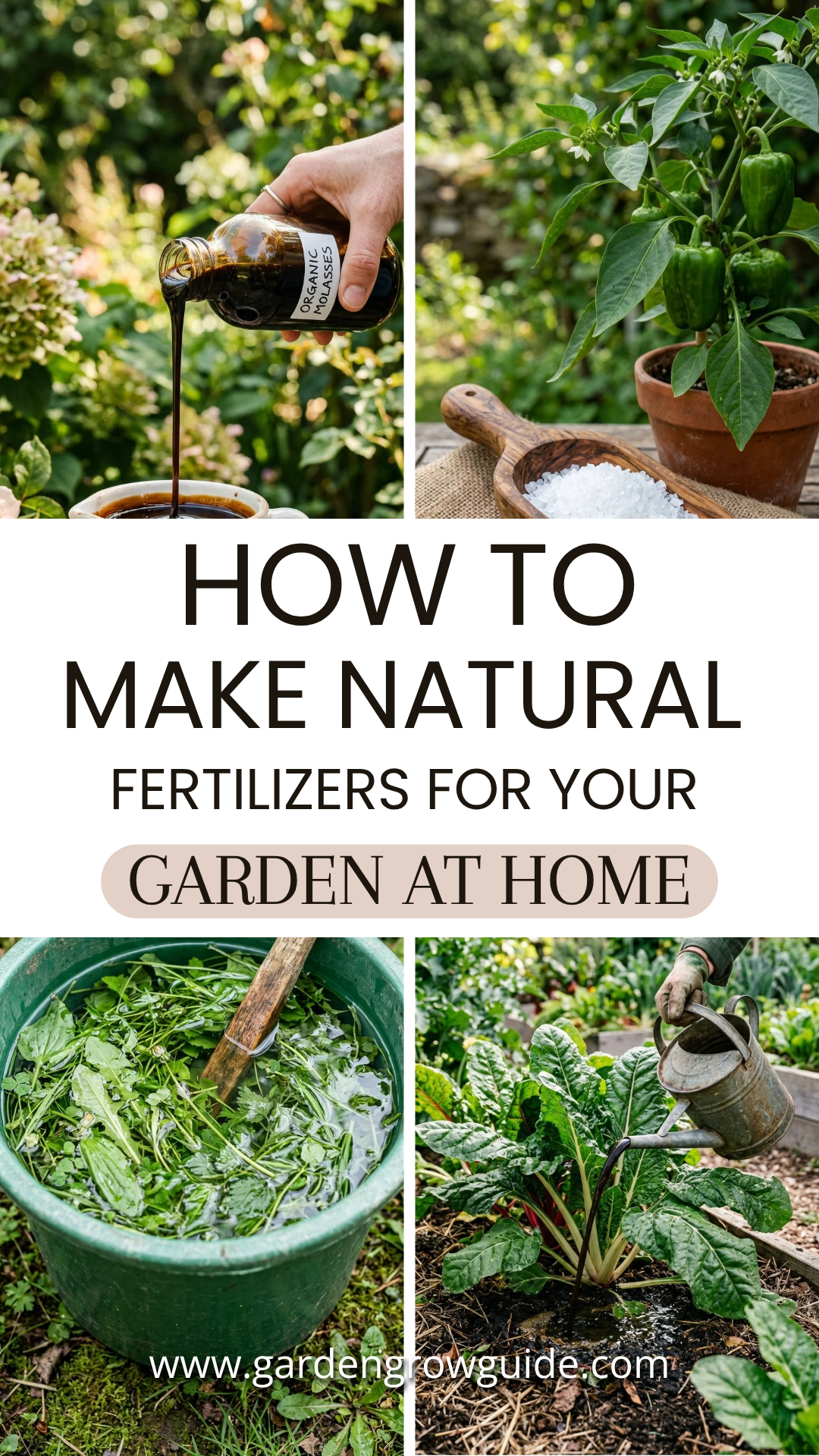
The pursuit of a flourishing garden often leads gardeners to the aisles of commercial fertilizers, filled with synthetic chemicals and plastic packaging. However, the secret to a thriving, organic sanctuary lies not in a store-bought bottle, but within your own kitchen and backyard. Natural fertilizers offer a sustainable, cost-effective, and highly effective way to nourish your plants while improving the long-term health of your soil. By recycling organic “waste,” you create a closed-loop system that mimics nature’s own cycles of decay and rebirth.
1. Coffee Grounds
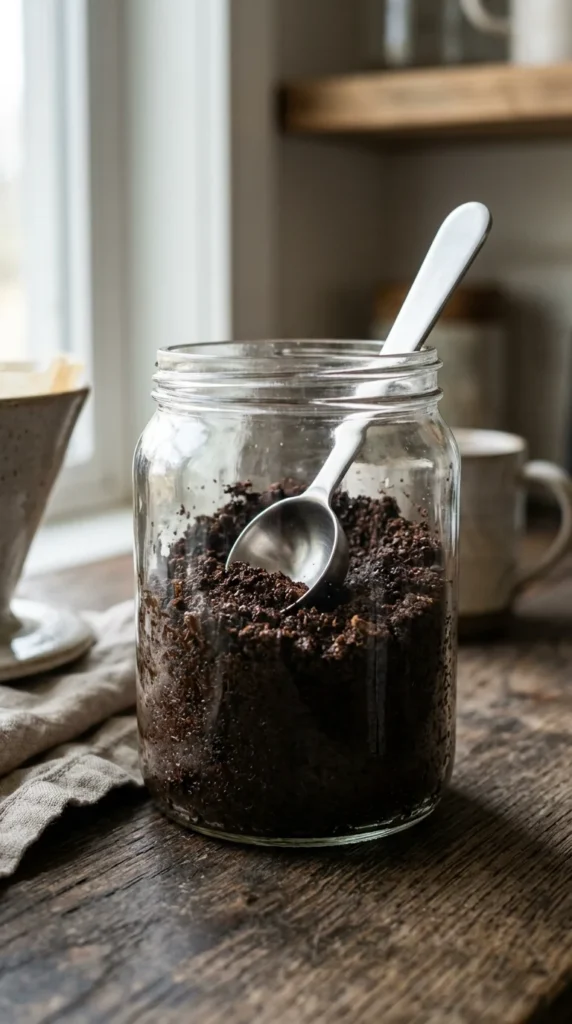
Used coffee grounds are a goldmine for gardeners, particularly those growing acid-loving plants like blueberries, azaleas, and roses. While the brewing process removes much of the acidity, the grounds remain rich in nitrogen, which is essential for lush, green foliage. Coffee grounds also contain significant amounts of potassium and phosphorus, along with micronutrients like magnesium and copper.
To use them, you can sprinkle thin layers of dried grounds directly onto the soil surface or work them into the top inch of dirt. They are also excellent additions to a compost pile, where they act as a “green” or nitrogen-rich material that helps speed up the decomposition of “brown” materials like dried leaves. Beyond nutrition, the gritty texture of coffee grounds can help improve soil drainage and aeration.
2. Eggshells
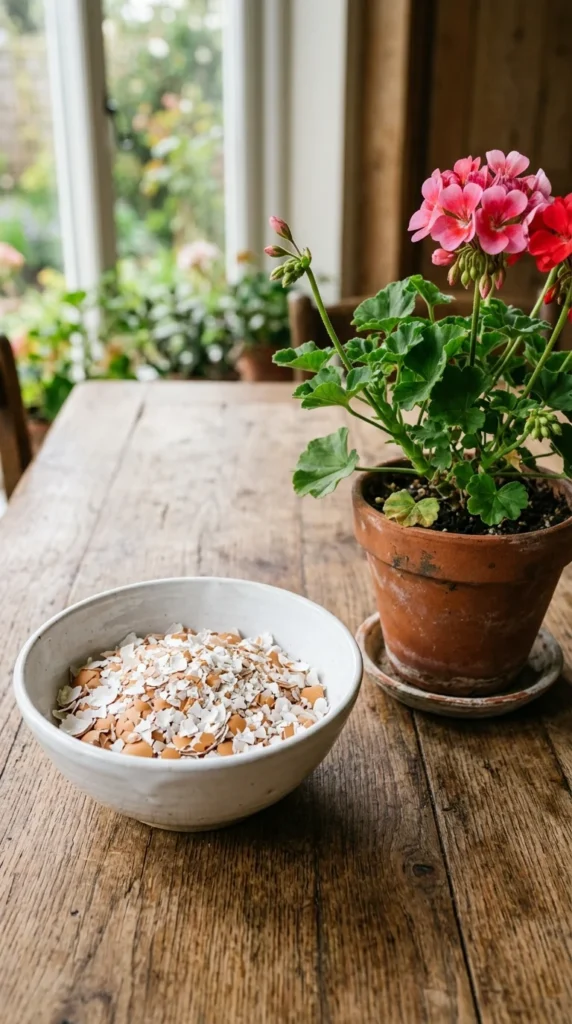
Eggshells are an incredible source of calcium carbonate, a vital nutrient that strengthens plant cell walls. In the garden, a calcium deficiency often manifests as “blossom end rot” in tomatoes, peppers, and squash—a condition where the bottom of the fruit turns black and decays.
To prepare eggshells, rinse them thoroughly to remove any egg residue and allow them to air dry. Once dry, grind them into a fine powder using a mortar and pestle or a coffee grinder. The finer the powder, the faster the soil microbes can break it down and make the calcium available to the plant roots. Sprinkle the powder into the planting hole when transplanting seedlings, or top-dress the soil around established plants.
3. Banana Peels
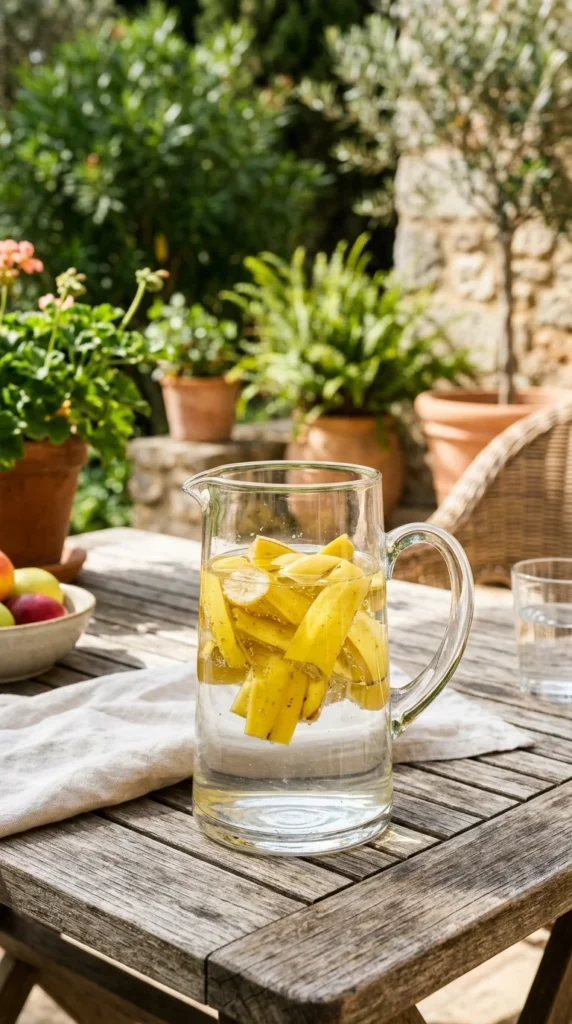
Bananas are famous for their potassium content, and their peels are no different. Potassium is a “macronutrient” that helps plants move water and nutrients between cells, strengthens stems, and aids in fruit and flower production.
There are several ways to use banana peels. The easiest method is to chop them into small pieces and bury them an inch or two deep around the base of your plants. For a more immediate “tea,” place chopped peels in a jar of water and let them sit for 48 hours. Remove the peels (add them to your compost) and use the nutrient-rich water to hydrate your plants. This is particularly beneficial for rose bushes and flowering perennials.
4. Grass Clippings
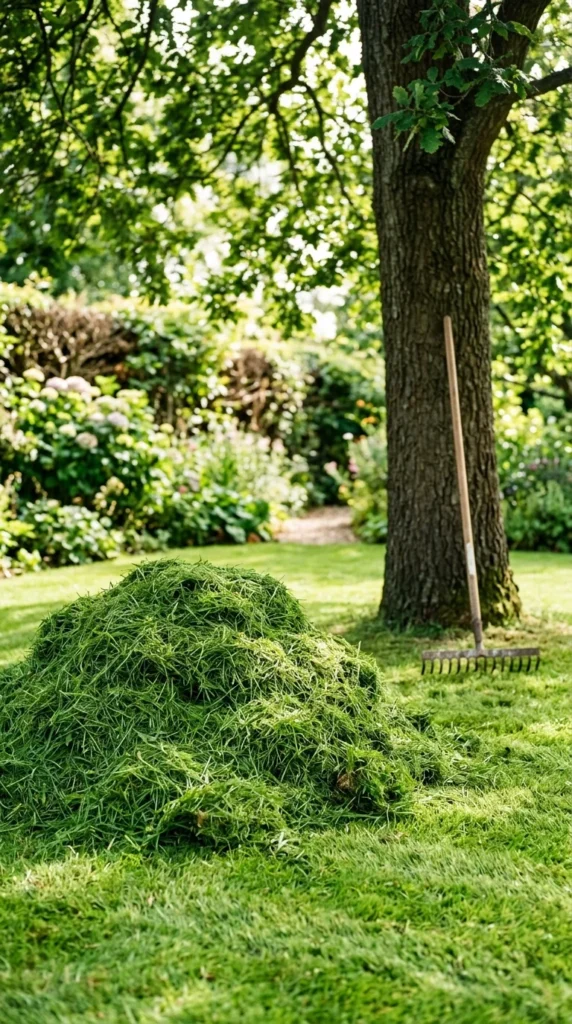
If you have a lawn, you have a free and abundant source of nitrogen. Fresh grass clippings are highly potent and break down quickly, releasing nutrients back into the earth. They serve a dual purpose: they act as a high-nitrogen fertilizer and a mulch that suppresses weeds and retains soil moisture.
When using grass clippings, ensure they are free of herbicides or “weed and feed” chemicals, as these can kill your garden plants. Spread them in thin layers (no more than an inch thick) around the base of your vegetables. Avoid thick mats, as these can become slimy and prevent water from reaching the soil. As the grass turns brown, it continues to provide carbon to the soil.
5. Epsom Salt
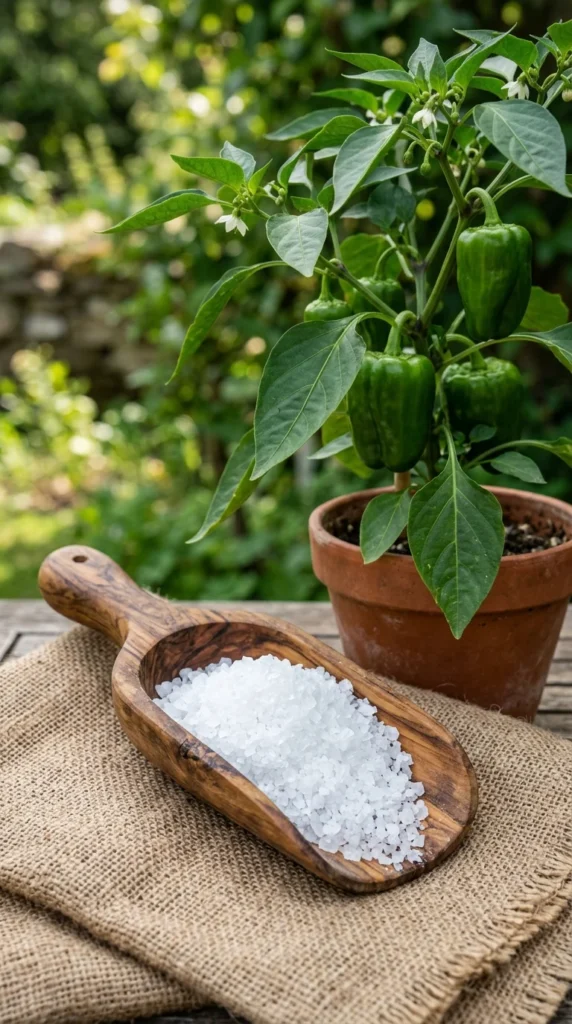
Epsom salt is not actually salt in the traditional sense; it is a mineral compound of magnesium and sulfate. Magnesium is the central atom in the chlorophyll molecule, making it essential for photosynthesis. Plants that are magnesium-deficient often have yellowing leaves with green veins.
Peppers, tomatoes, and roses are particularly fond of Epsom salt. To apply, dissolve one tablespoon of Epsom salt in a gallon of water and use it as a foliar spray or a soil drench once a month during the growing season. This boost helps with seed germination, increases chlorophyll production, and helps plants take up other nutrients like nitrogen and phosphorus more efficiently.
6. Wood Ash

If you have a wood-burning fireplace or a fire pit, save the ash. Wood ash is an excellent source of potassium and calcium carbonate. It acts as a natural liming agent, which means it can help raise the pH of overly acidic soil.
However, caution is required. Wood ash is highly alkaline, so it should never be used around acid-loving plants like blueberries or potatoes (which can develop scab in alkaline soil). Before applying, it is best to test your soil’s pH. If your soil is acidic, sprinkle a light dusting of ash over the garden bed in the early spring and rake it in. Avoid using ash from treated lumber or charcoal briquettes, as these contain harmful chemicals.
7. Compost Tea
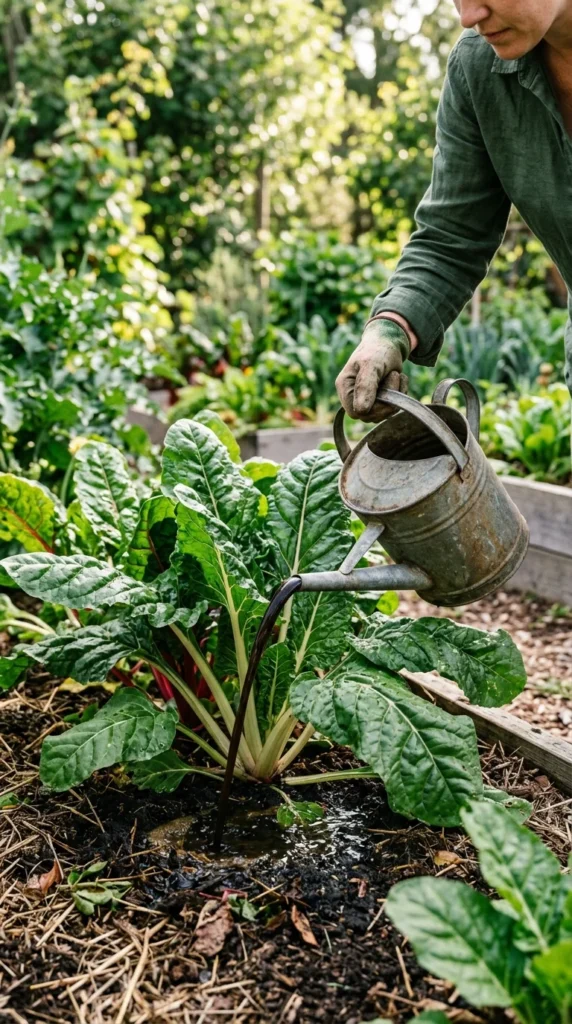
Compost tea is often referred to as “liquid gold” by organic gardeners. It is essentially a concentrated liquid extract of compost, teeming with beneficial bacteria, fungi, and protozoa. Unlike solid compost, which acts as a slow-release fertilizer, compost tea provides an immediate boost of nutrients and microbes.
To make it, fill a burlap bag or an old pillowcase with finished compost and “steep” it in a five-gallon bucket of water for 24 to 48 hours. For an aerated version, which promotes the growth of aerobic (oxygen-loving) microbes, use an aquarium pump to bubble oxygen through the water. Use the resulting dark liquid to water your plants or spray it directly onto the leaves to help prevent foliar diseases.
8. Weed Tea
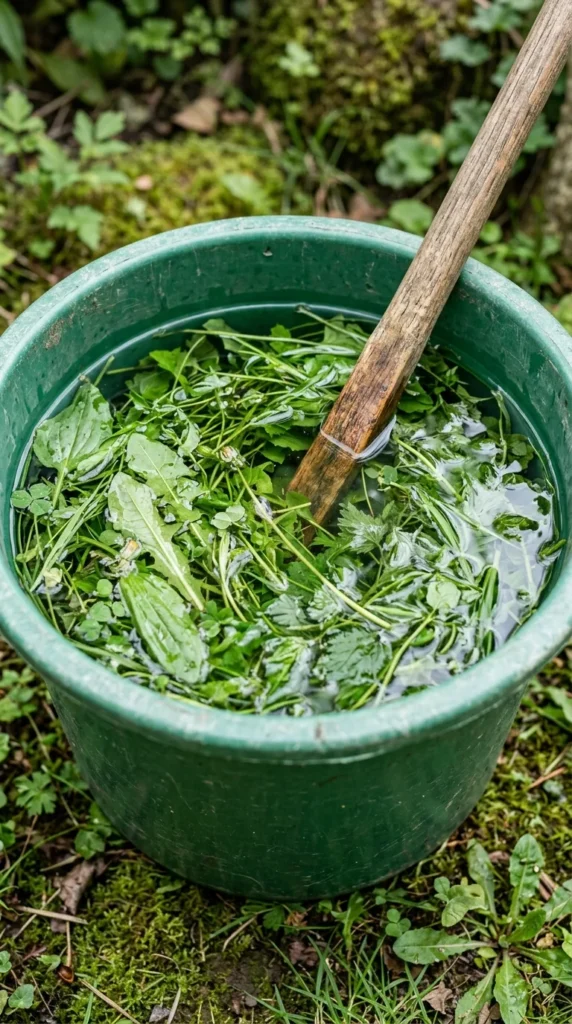
It may seem counterintuitive to use weeds to help your garden, but many common weeds—like nettles, comfrey, and dandelions—are “dynamic accumulators.” This means their long taproots reach deep into the subsoil to pull up minerals that shallow-rooted vegetables cannot reach.
By soaking these weeds in water, you create a nutrient-rich brew. Fill a bucket about halfway with pulled weeds (ensure they haven’t gone to seed yet), top with water, and cover it. Let it ferment for two to four weeks. Warning: this mixture will smell quite strong as it ferments. Once ready, strain the liquid and dilute it (one part tea to ten parts water) before applying it to your soil.
9. Molasses

While molasses doesn’t provide a massive amount of N-P-K (Nitrogen, Phosphorus, Potassium) on its own, it is a powerhouse for soil health. It serves as a high-carbon food source for the beneficial microbes living in your soil. When the microbial population thrives, they break down organic matter faster, making more nutrients available to your plants.
To use molasses as a soil amendment, mix two tablespoons of unsulphured blackstrap molasses into a gallon of water. Use this solution once a month to water your garden. It is particularly effective when used in conjunction with compost tea, as the sugar “wakes up” the bacteria and encourages rapid reproduction.
10. Fish Emulsion
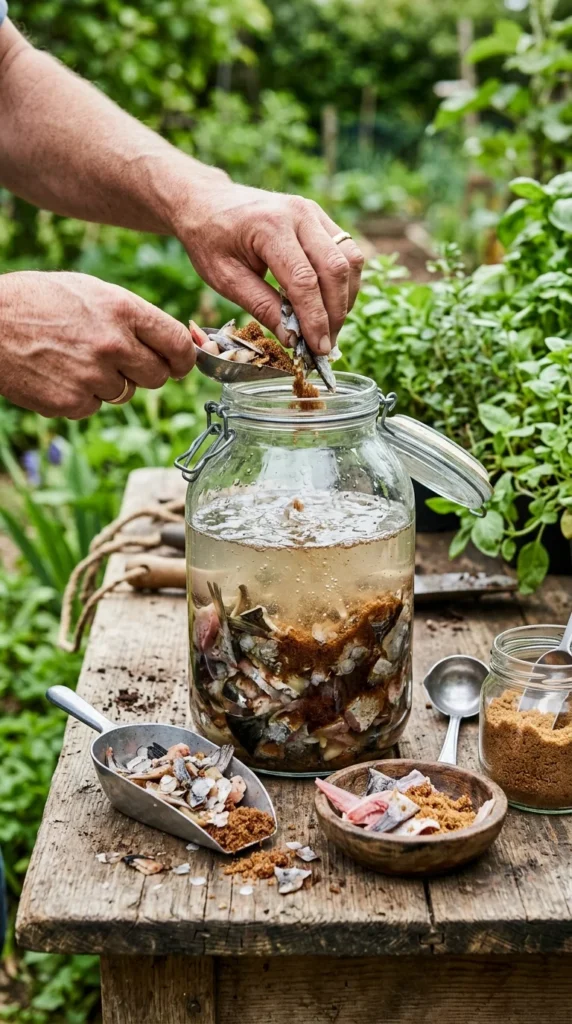
Fish emulsion is a potent, fast-acting liquid fertilizer rich in nitrogen, phosphorus, and potassium, as well as trace elements. While you can buy it, you can also make a version at home if you have access to fish scraps (heads, guts, and bones).
To create a homemade version, fill a large container with one part fish scraps and two parts water. Add some brown sugar or molasses to help feed the bacteria that will break the fish down and to help manage the odor. Cover the container with a lid (but leave it slightly cracked for gases to escape) and let it sit for several weeks in a cool, dark place. Strain the liquid and dilute it significantly—about one tablespoon per gallon of water—before using it. It is an exceptional fertilizer for leafy greens and heavy feeders like corn.