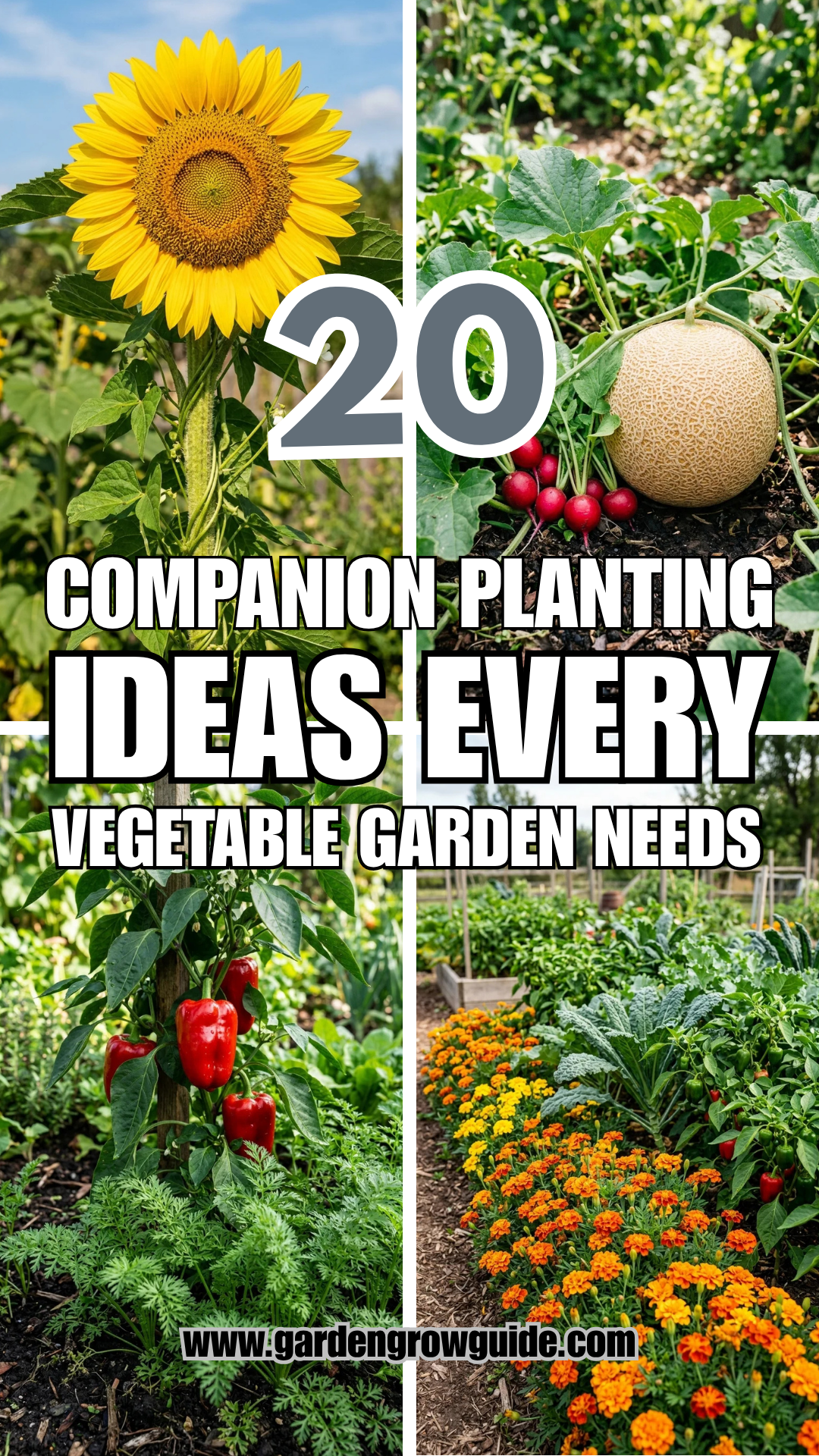
Companion planting is the age-old practice of grouping specific plants together to enhance growth, deter pests, and improve soil health. It is essentially nature’s way of creating a balanced ecosystem within the confines of your garden. By understanding the chemical and physical relationships between different species, you can maximize your harvest without relying on synthetic fertilizers or harsh pesticides.
The benefits of companion planting are multifaceted. Some plants act as “dynamic accumulators,” pulling nutrients from deep in the soil to the surface for their neighbors. Others provide physical support, such as a sturdy stalk for a climbing vine. Some emit strong scents that mask the “smell” of a host plant from hungry insects, while others attract beneficial predators like ladybugs and lacewings.
Whether you are a seasoned gardener or a beginner with a few pots on a balcony, these 20 companion planting combinations will help you cultivate a more resilient and productive garden.
1. Tomatoes and Basil
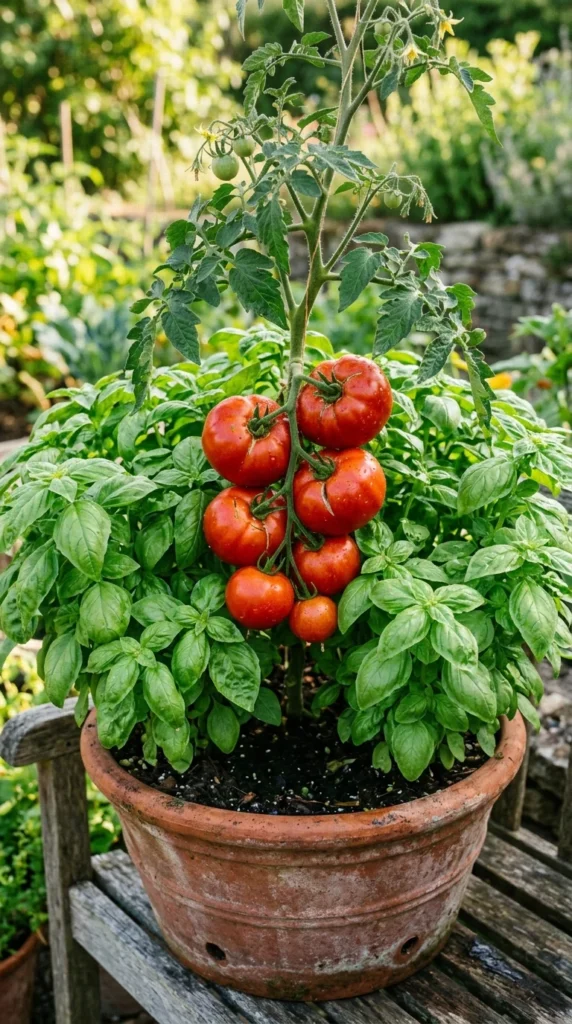
This is perhaps the most famous pairing in the gardening world, and for good reason. Not only do tomatoes and basil taste incredible together on a plate, but they also thrive together in the soil. Basil is believed to improve the flavor of tomatoes when grown nearby. More importantly, the strong scent of basil helps repel common tomato pests like thrips and tomato hornworms. In return, the tall tomato plants provide much-needed afternoon shade for the basil, preventing it from bolting (flowering and becoming bitter) too early in the summer heat.
2. Carrots and Onions
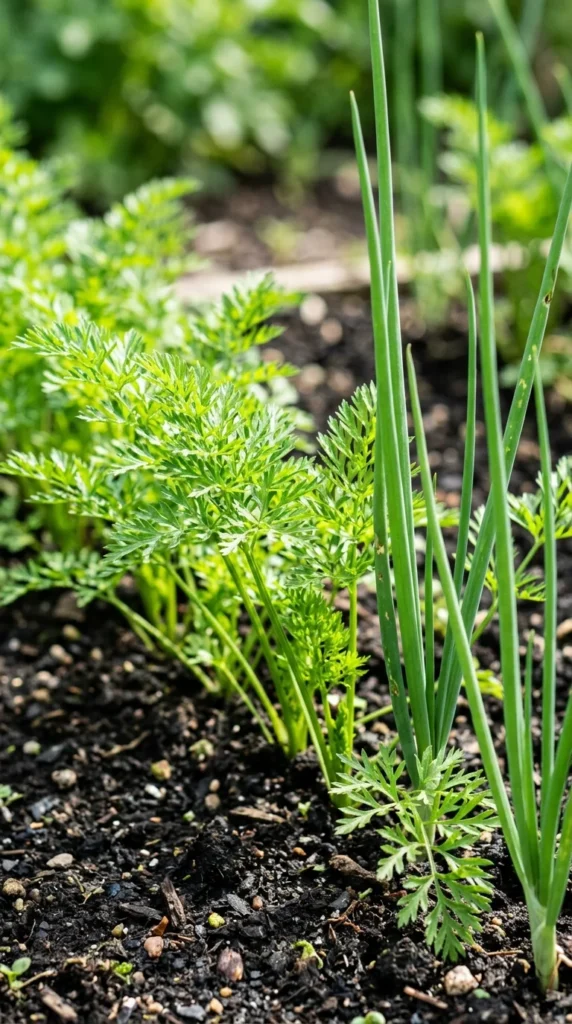
The relationship between carrots and onions is a classic example of pest confusion. Carrots are frequently targeted by the carrot rust fly, while onions are bothered by the onion fly. When planted together, the pungent smell of the onions masks the scent of the carrots, confusing the carrot rust fly. Conversely, the carrot scent confuses the onion fly. This “smell screen” protects both crops. Furthermore, carrots are deep-rooting plants that help aerate the soil, while onions have shallow roots, meaning they don’t compete for the same nutrients or space.
3. Marigolds
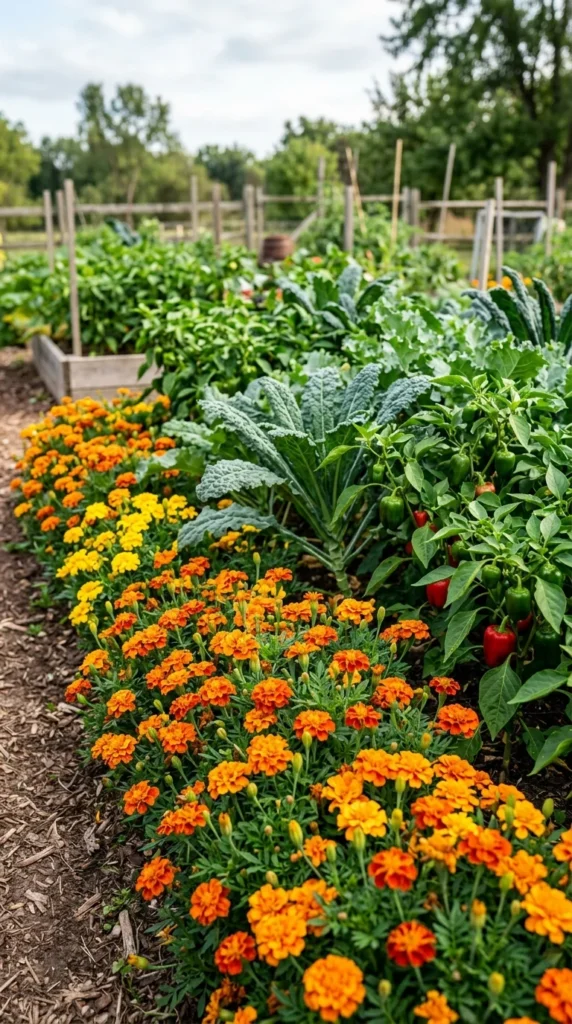
Marigolds are the “workhorses” of the companion planting world. They produce a chemical called alpha-terthienyl, which is toxic to root-knot nematodes—microscopic worms that attack the roots of many vegetables. While nearly every plant benefits from having a marigold nearby, they are particularly effective when planted with tomatoes, eggplants, and peppers. Additionally, their bright blooms attract hoverflies, whose larvae are voracious eaters of aphids.
4. The Three Sisters
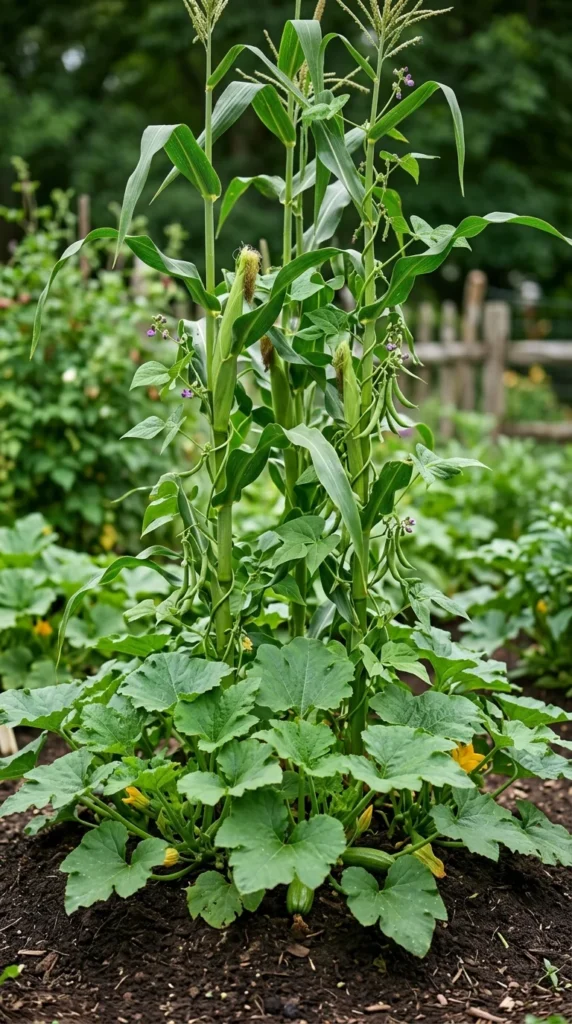
Originating from Native American agricultural traditions, “The Three Sisters” consist of corn, pole beans, and squash. This is a masterpiece of functional design. The corn provides a sturdy vertical structure for the beans to climb. The beans, being legumes, fix nitrogen from the air into the soil, feeding the nitrogen-hungry corn and squash. The large, prickly leaves of the squash act as a “living mulch,” shading the soil to retain moisture and preventing weeds from germinating. The prickliness of the squash vines also helps deter small mammals from raiding the corn.
5. Lettuce and Tall Plants
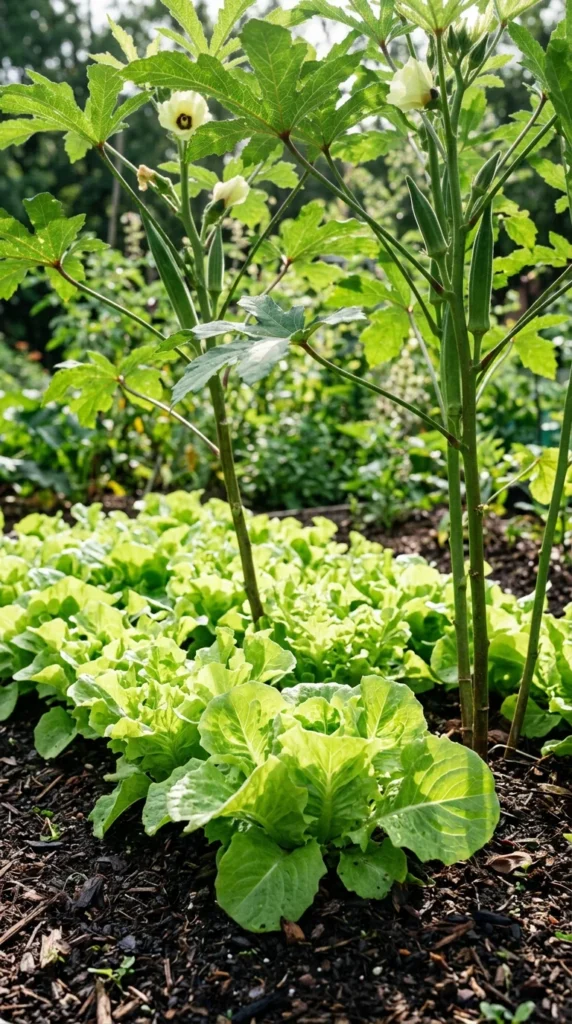
Lettuce is a cool-weather crop that tends to wilt or turn bitter when exposed to the intense mid-summer sun. By planting lettuce beneath taller, sun-loving plants like tomatoes, corn, or sunflowers, you can extend your lettuce harvest well into the warmer months. The taller plants act as a natural parasol, providing a cooler microclimate and filtered light that keeps the lettuce tender and sweet.
6. Cabbage and Dill
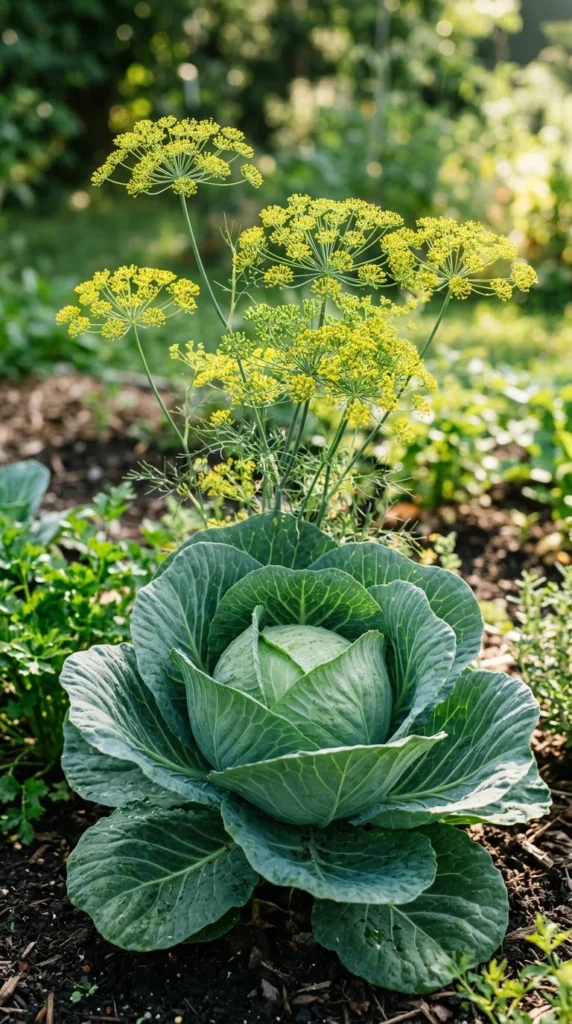
Members of the brassica family, such as cabbage, broccoli, and kale, are often targeted by the cabbage looper and the imported cabbageworm. Dill is an excellent companion because its flowers attract predatory wasps. These tiny wasps are harmless to humans but are the natural enemies of cabbage pests. Additionally, dill is thought to improve the overall health and growth of cabbage, though it should be harvested before it goes to seed if you want to avoid it spreading throughout the garden.
7. Cucumbers and Nasturtiums
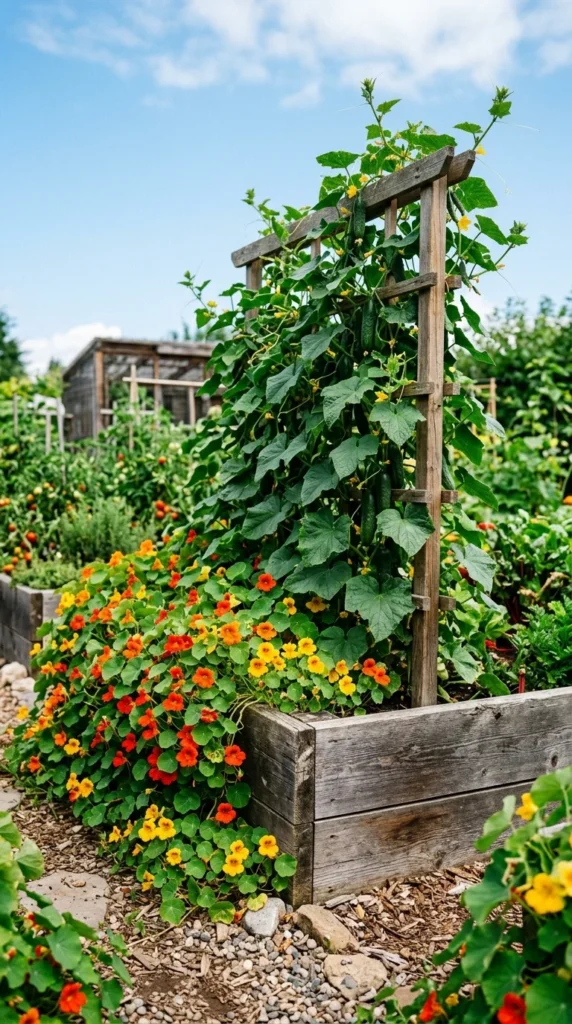
Nasturtiums are beautiful edible flowers that serve as a “trap crop” for aphids. Aphids are highly attracted to nasturtiums and will often congregate there instead of on your cucumber vines. Furthermore, nasturtiums are known to repel cucumber beetles, which can carry wilt diseases that kill cucumber plants overnight. The trailing habit of nasturtiums also provides ground cover, which helps keep the soil moist for the water-hungry cucumbers.
8. Potatoes and Beans
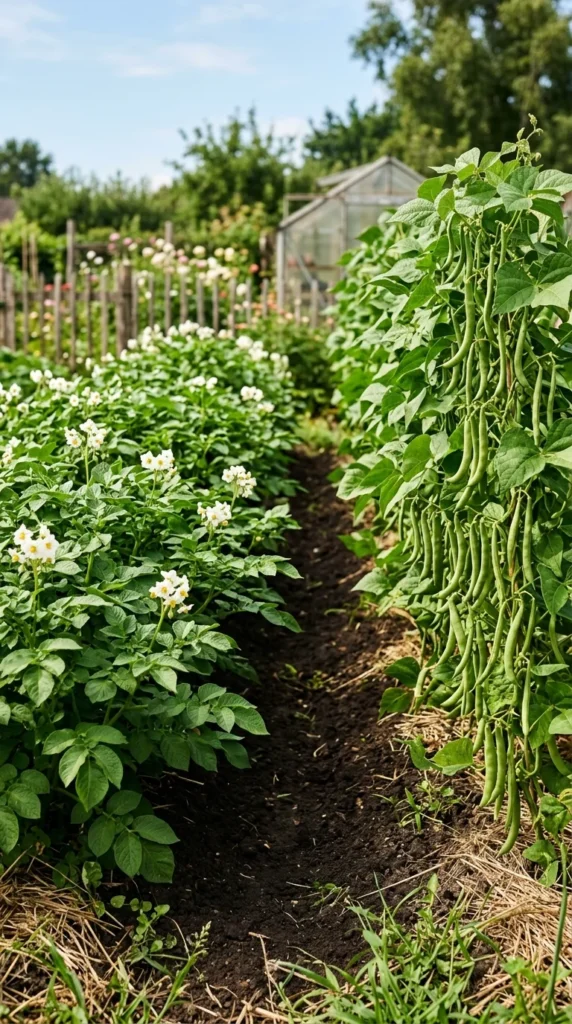
Potatoes and beans are a symbiotic pair that protects one another from their respective nemesis. The beans repel the Colorado potato beetle, which can defoliate a potato patch in days. In return, the potato plants help deter the Mexican bean beetle. This mutual protection allows both crops to thrive with minimal intervention. Like all legumes, the beans also contribute nitrogen to the soil, which benefits the heavy-feeding potato plants.
9. Asparagus and Parsley
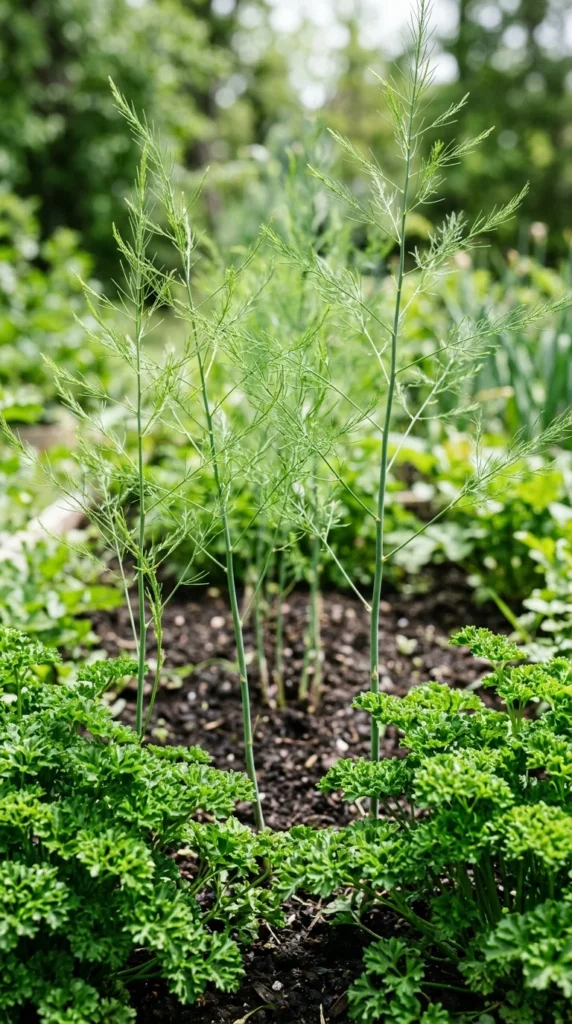
Asparagus is a perennial crop that stays in the same spot for years, and it has a very specific friend: parsley. Parsley is believed to stimulate the growth of asparagus. More importantly, when asparagus is allowed to “fern out” after the harvest season, it provides the perfect amount of light shade for parsley, which can struggle in the scorching heat. Some gardeners also find that tomatoes grow well in this group, as asparagus provides a chemical that repels certain tomato pests, while tomatoes repel the asparagus beetle.
10. Peppers and Carrots
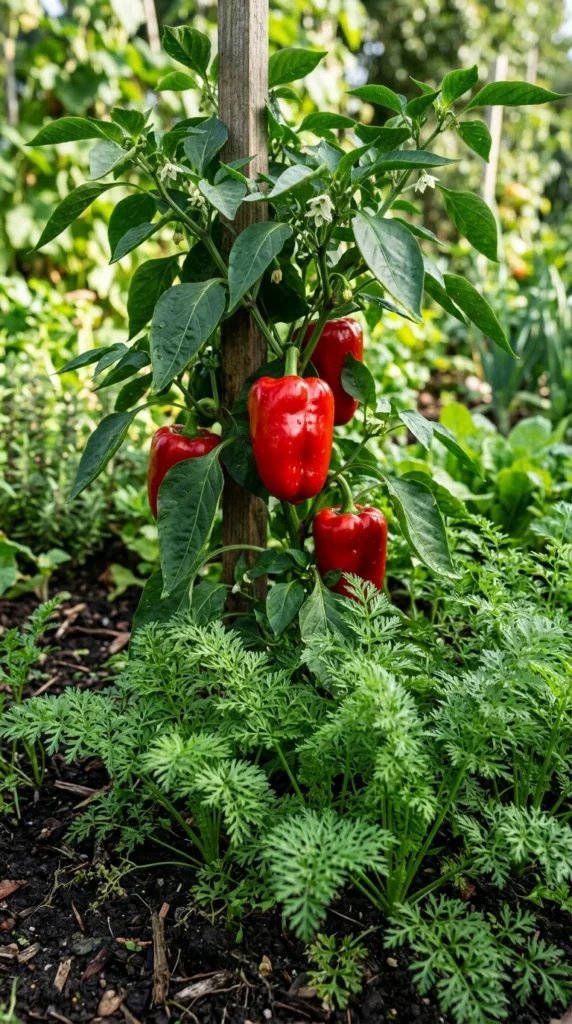
Peppers love heat and humidity, but their roots prefer to stay cool. Planting carrots around the base of pepper plants creates a living mulch that keeps the soil temperature regulated. The peppers, as they grow tall and bushy, provide shade to the carrot tops during the hottest part of the day. Because carrots grow deep and peppers have relatively shallow roots, they don’t compete for the same space in the soil profile.
11. Broccoli and Rosemary
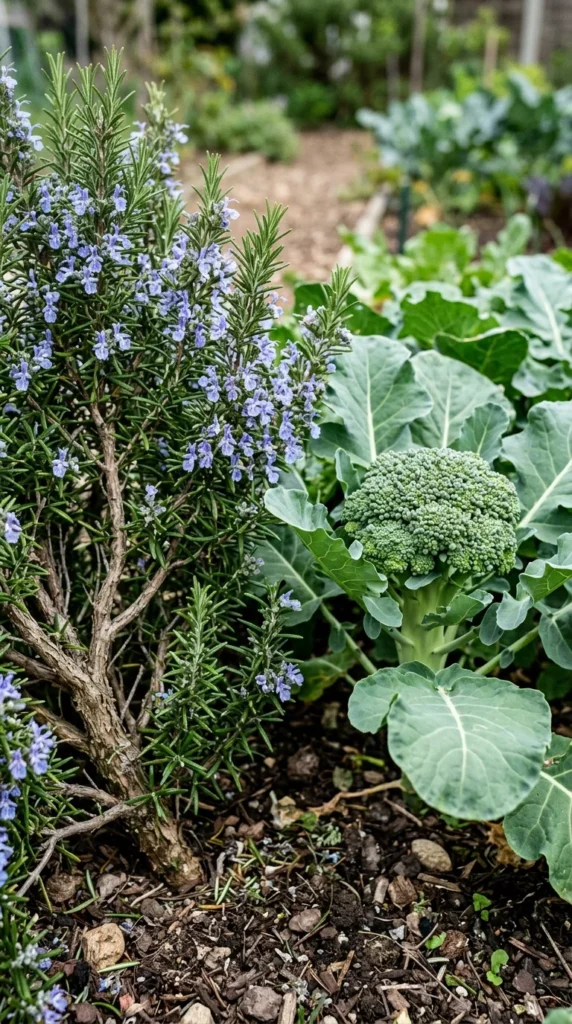
Rosemary is a highly aromatic herb that acts as a powerful deterrent for the cabbage fly, which often lays its eggs near the base of broccoli and other brassicas. The strong, resinous scent of rosemary masks the smell of the broccoli, making it harder for the flies to locate their target. Rosemary also attracts pollinators and beneficial insects that help maintain a healthy garden balance.
12. Kale and Sage
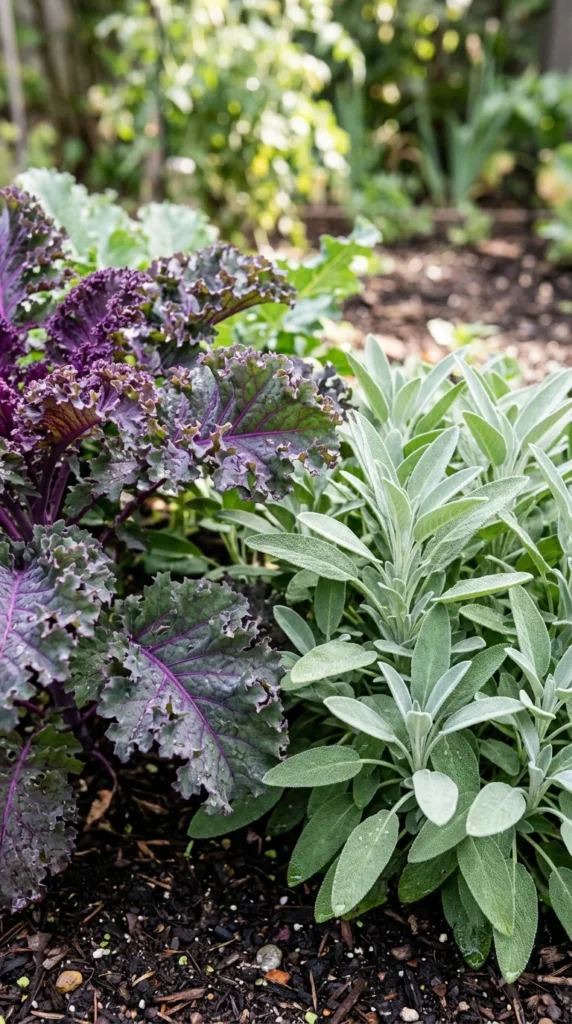
Kale is a hardy leafy green that is unfortunately a favorite of the cabbage moth. Sage, with its intense fragrance and textured leaves, is a great neighbor for kale because it repels these moths. Additionally, sage is a perennial herb that, once established, requires very little maintenance, making it an easy companion to include in your kale beds year after year.
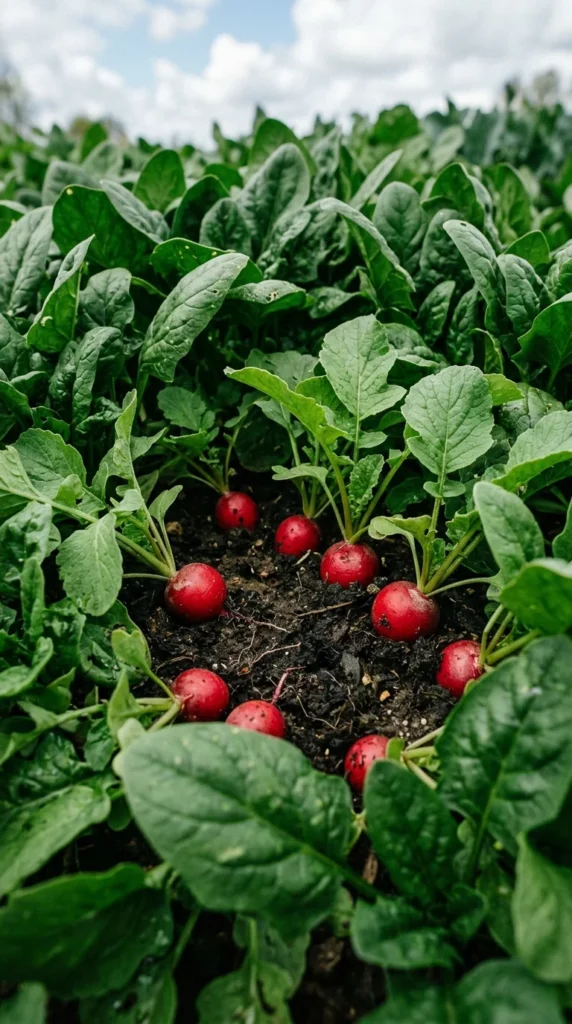
13. Radishes and Spinach
Radishes can be used as a “decoy” or “trap crop” for leaf miners. Leaf miners love radish leaves but rarely do significant damage to the root, which is the part we eat. By planting radishes among your spinach, the leaf miners will attack the radish foliage first, leaving your spinach leaves pristine and hole-free. Since radishes grow very quickly, they can be harvested and replanted several times during the spinach growing season.
14. Beets and Garlic
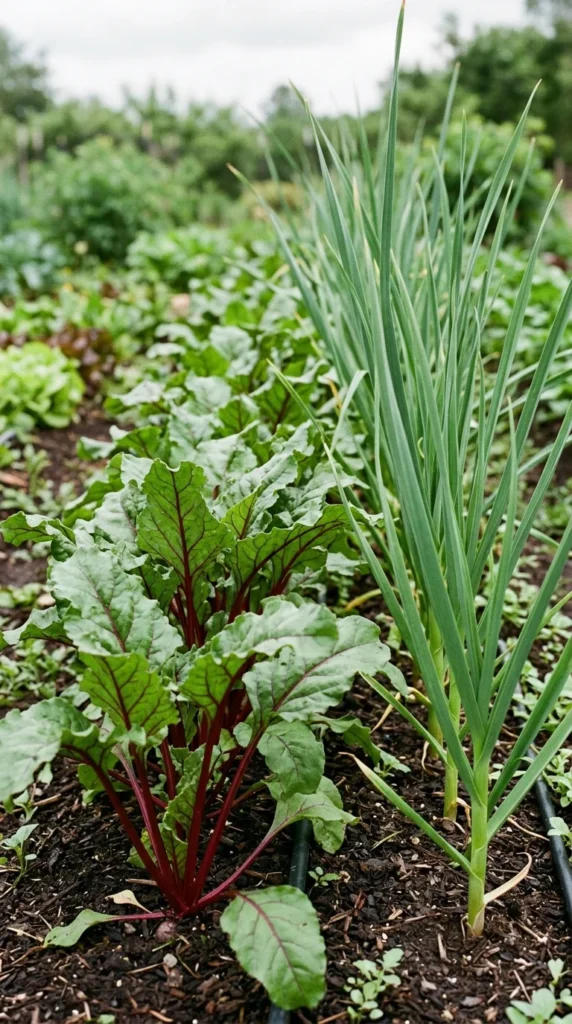
Garlic is nature’s fungicide and pesticide. Its sulfurous compounds help protect beets from various fungal diseases and deter aphids and mites. Beets, in turn, don’t mind the proximity of garlic and benefit from the cleaner environment. This pairing is also space-efficient, as both can be tucked into small gaps in the garden.
15. Eggplant and Thyme
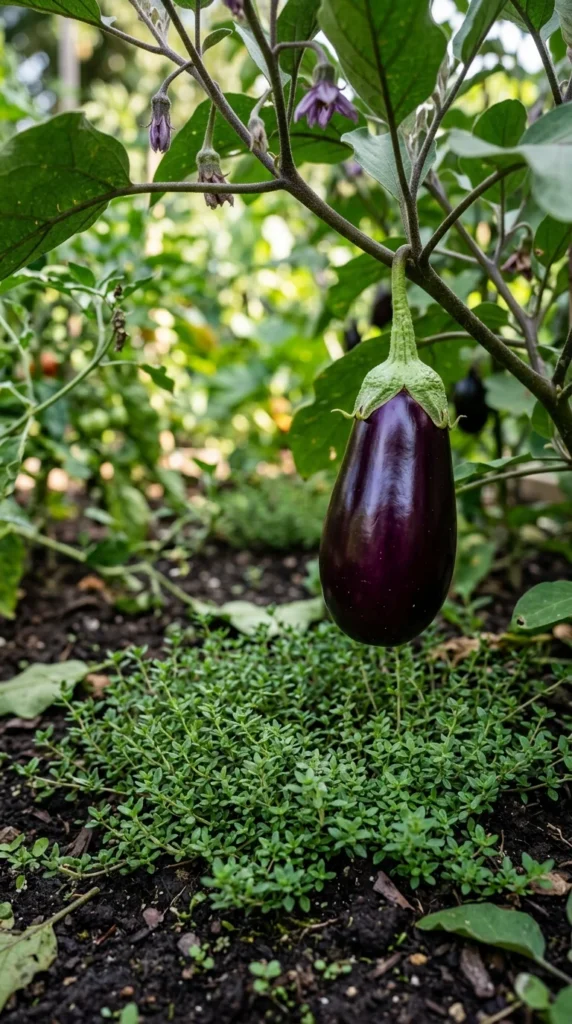
Eggplants are susceptible to flea beetles, which eat tiny holes in the leaves and can stunt the plant’s growth. Thyme, when used as a ground cover around the base of the eggplant, creates a fragrant barrier that confuses these pests. Thyme also helps retain soil moisture and suppresses weeds, which is vital for the slow-growing eggplant.
16. Peas and Mint
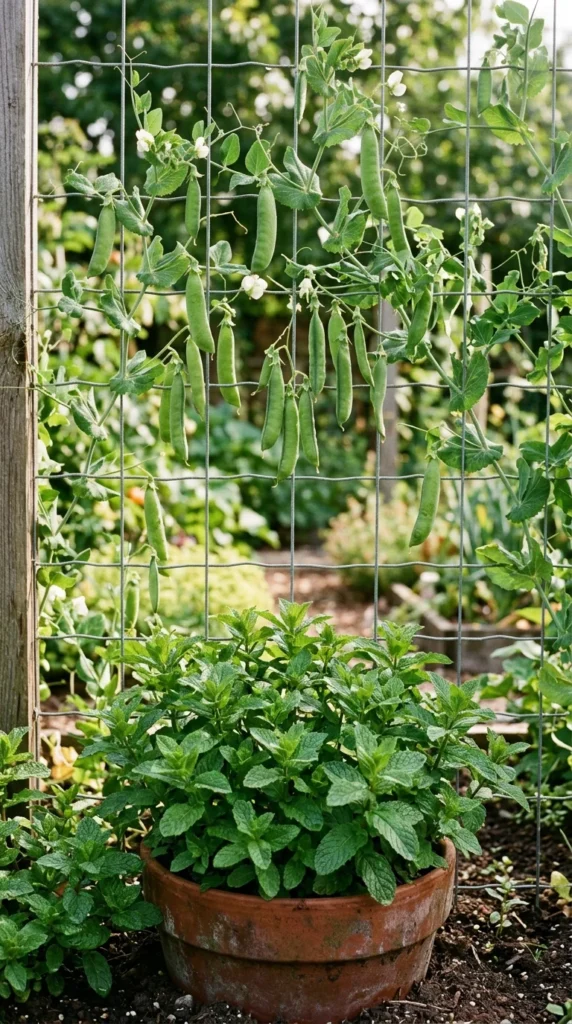
Peas and mint are wonderful companions because mint is known to improve the overall health and flavor of the peas. However, a word of caution: mint is highly invasive and can quickly take over a garden bed. It is best to plant the mint in a pot and sink the pot into the soil near your peas to keep its roots contained while still allowing its aromatic benefits to reach the pea plants.
17. Sunflowers and Pole Beans
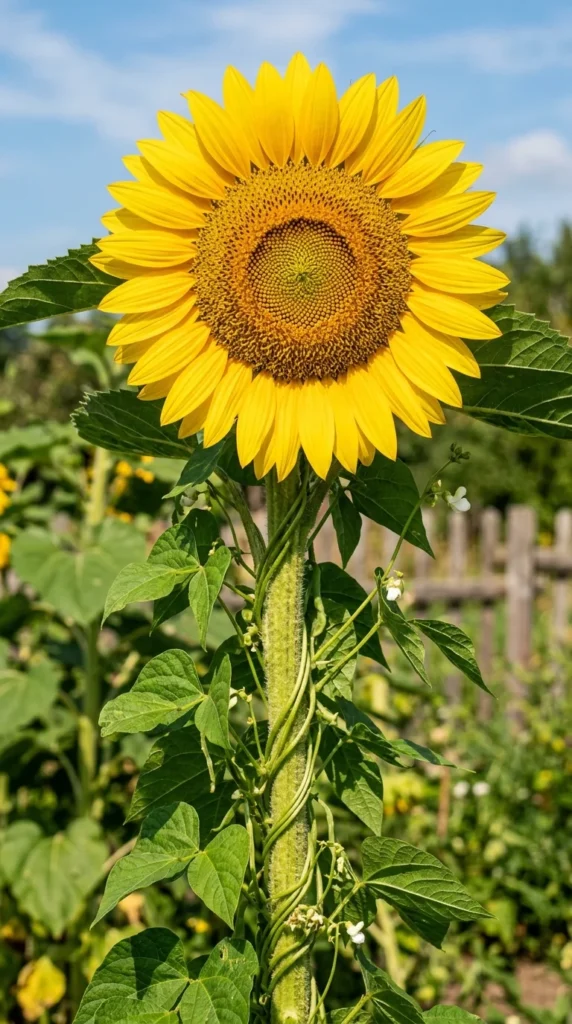
Sunflowers are the ultimate natural trellis. Their thick, sturdy stalks can easily support the weight of climbing pole beans. In return, the beans provide nitrogen to the soil, which helps the sunflower reach its impressive height. This is a great way to save space in a small garden by utilizing vertical growth.
18. Zucchini and Borage
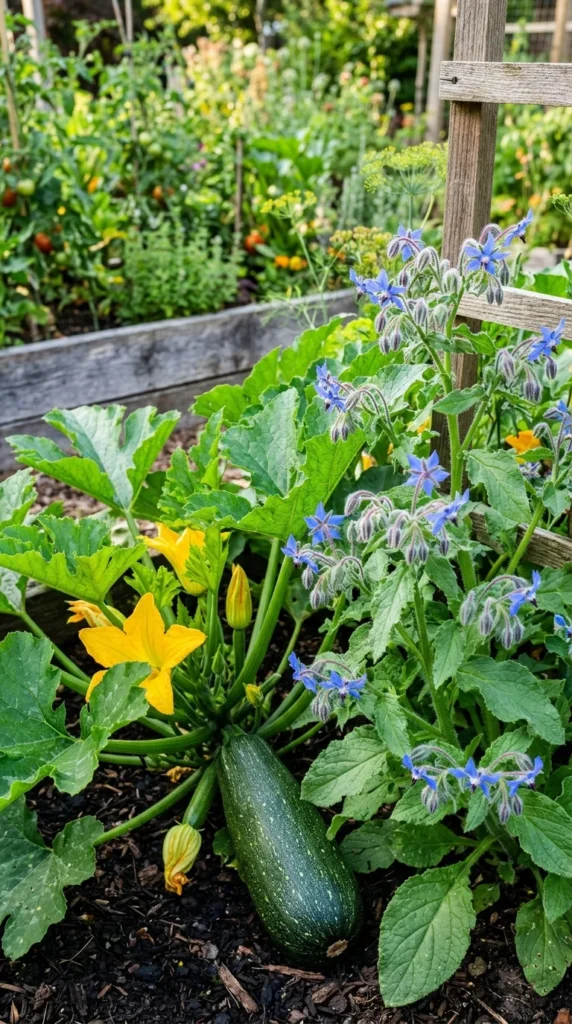
Borage is often called the “bee bread” because it is one of the best plants for attracting honeybees and bumblebees. Zucchini and other squash require heavy pollination to produce fruit. By planting borage nearby, you ensure a steady stream of pollinators to visit your zucchini flowers. Borage is also said to improve the flavor of squash and deter tomato hornworms if you have tomatoes nearby.
19. Melons and Radishes
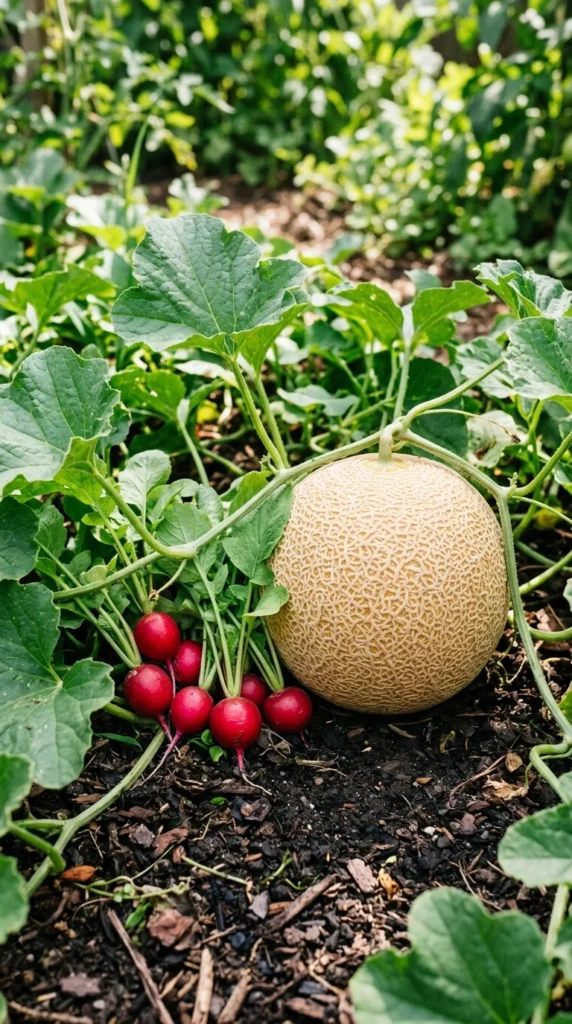
Melons are often targeted by striped and spotted cucumber beetles. Radishes, particularly when allowed to grow and even flower, act as a deterrent to these beetles. Planting a few radishes in every melon mound is a simple and effective way to protect your developing fruit from beetle damage and the diseases they carry.
20. Celery and Leeks
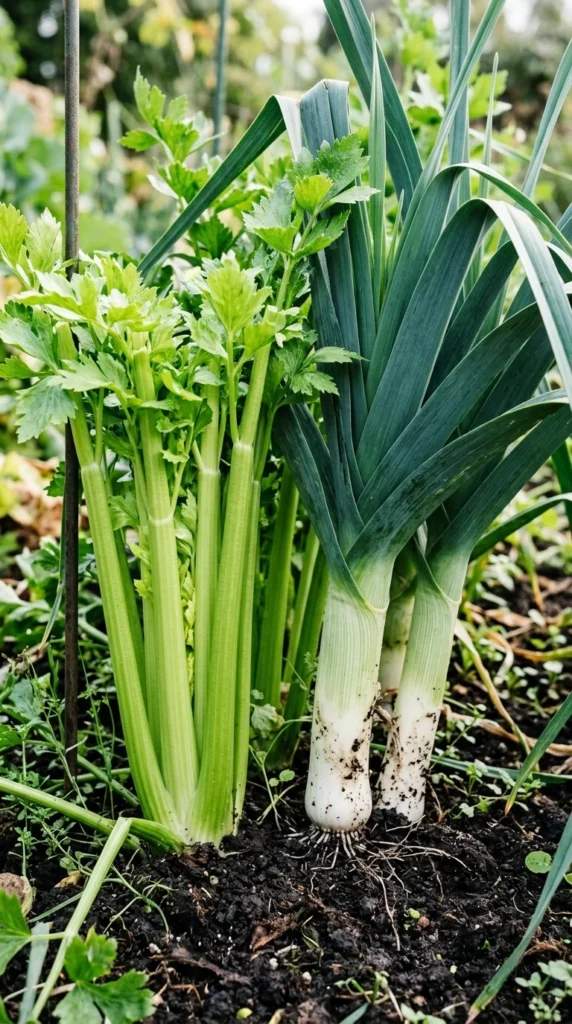
Celery and leeks are excellent companions because they have different rooting depths and nutrient requirements. Leeks have a relatively shallow, fibrous root system, while celery roots go deeper. They can be planted closely together without competing for resources. Additionally, the upright growth of leeks doesn’t shade out the celery, and both thrive in the same moist, fertile soil conditions.