Growing your own food is one of the most rewarding endeavors a person can undertake. Beyond the obvious benefit of having fresh, organic produce at your fingertips, gardening offers a profound connection to the natural world, a source of gentle exercise, and a significant reduction in your grocery bill. For the beginner, the prospect of turning a patch of dirt into a bountiful harvest can seem daunting. However, by understanding the fundamental pillars of horticulture, anyone can transform their backyard, balcony, or windowsill into a thriving edible landscape.
1. Sunlight
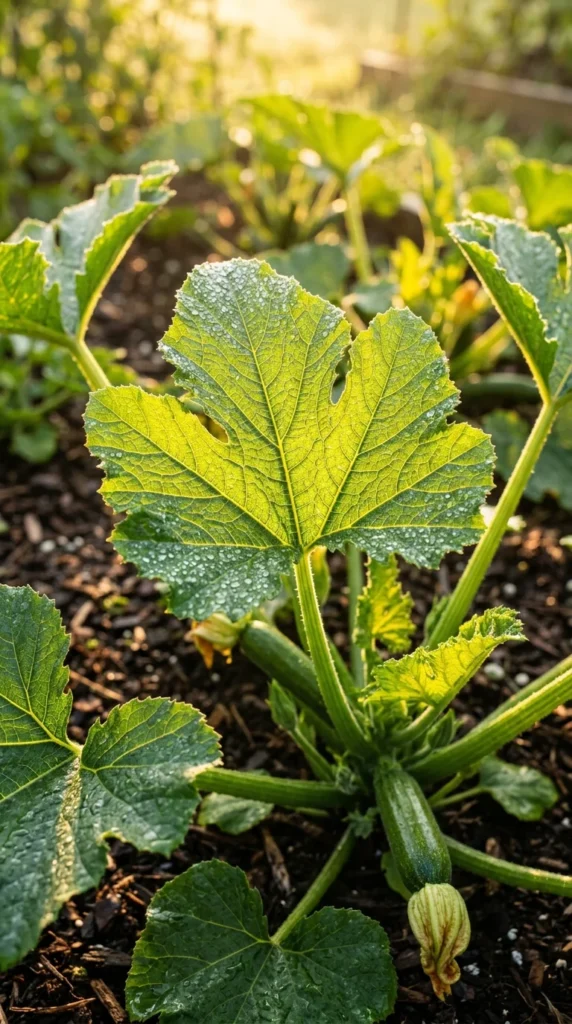
The single most important factor in vegetable gardening is light. Most vegetables are “full sun” plants, meaning they require at least six to eight hours of direct sunlight daily to photosynthesize effectively and produce fruit. Sunlight provides the energy necessary for the plant to convert water and carbon dioxide into sugars.
When choosing a spot for your garden, observe the path of the sun throughout the day. South-facing locations typically receive the most consistent light. If you have a shadier yard, don’t despair; leafy greens like spinach, lettuce, and kale, as well as root vegetables like radishes and beets, can tolerate partial shade (about four hours of sun). However, fruiting plants like tomatoes, peppers, and cucumbers will struggle and produce poor yields without intense, direct light.
2. Soil
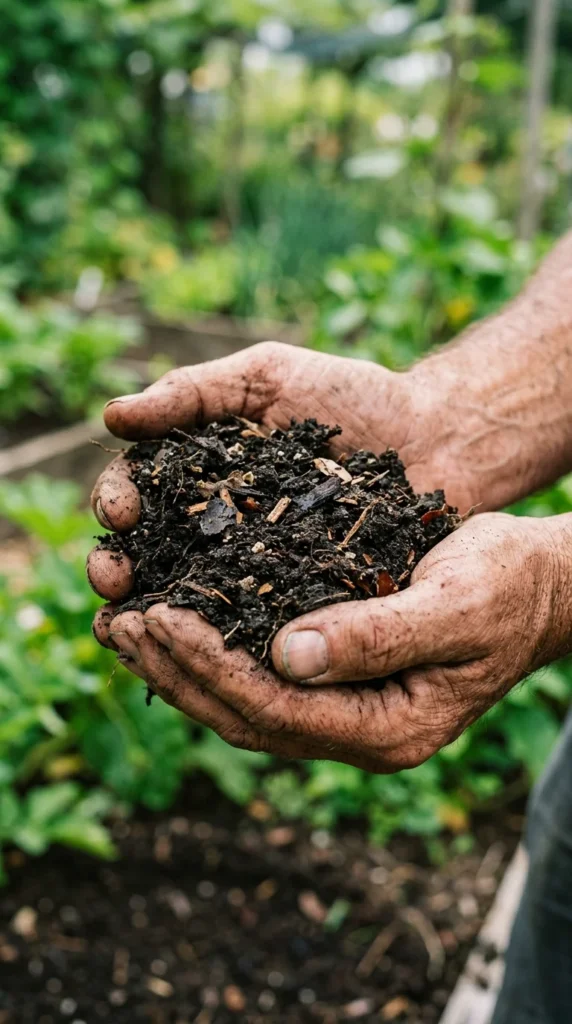
Soil is the foundation of your garden’s health. It is not merely “dirt” but a complex ecosystem of minerals, organic matter, and living organisms. For vegetables to thrive, they need soil that is well-draining, rich in nutrients, and has a loose texture that allows roots to penetrate easily.
Most beginners start with “loamy” soil—a balanced mix of sand, silt, and clay. If your soil is too sandy, water will drain away too quickly; if it has too much clay, it will become waterlogged and suffocate the roots. The best way to improve any soil type is by adding organic matter, such as compost or well-rotted manure. This improves the soil structure, encourages beneficial microbial activity, and provides a slow-release source of nutrients for your plants.
3. Space
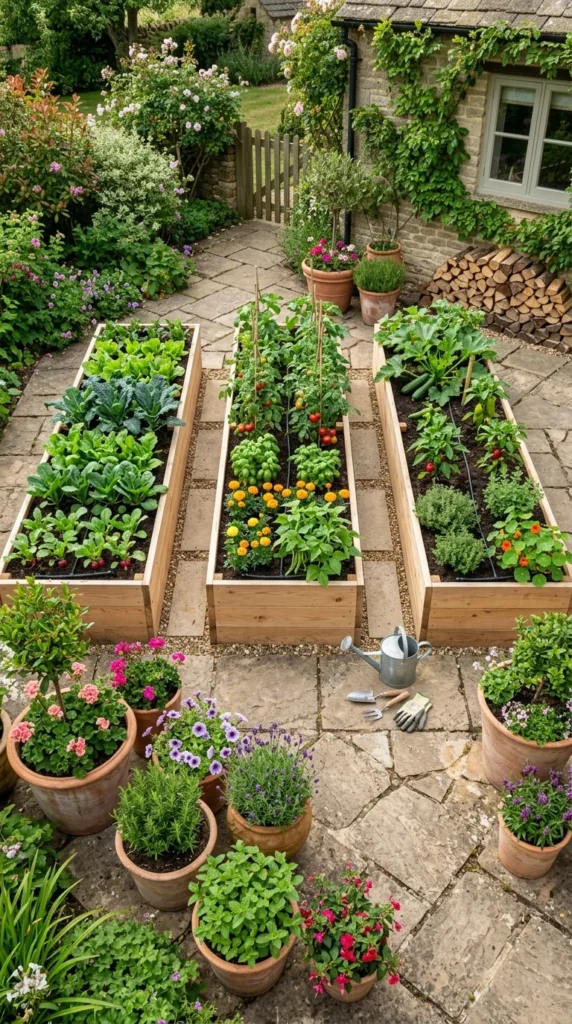
You don’t need an acre of land to grow a significant amount of food. The key is choosing the right method for your available space. There are three primary ways to set up a home garden:
- In-Ground Beds: The traditional method involves digging directly into the earth. This is cost-effective but requires more physical labor to till and weed.
- Raised Beds: These are frames (usually wood or metal) filled with high-quality soil. They offer better drainage, warm up faster in the spring, and are easier on your back.
- Container Gardening: Ideal for balconies and small patios. Almost any vegetable can grow in a pot as long as the container is large enough and has drainage holes.
When planning your layout, remember the “reach” rule: never make a garden bed so wide that you cannot reach the center from either side without stepping on the soil, which compacts it and hurts root growth.
4. Water
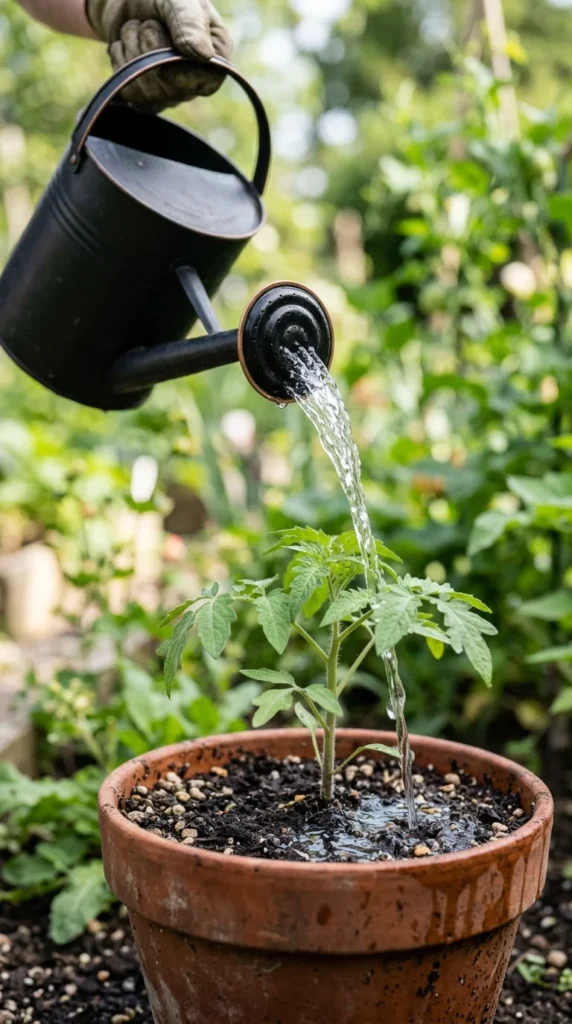
Vegetables are largely composed of water, and consistent moisture is vital for their development. The goal is to keep the soil consistently moist but not soggy. A general rule of thumb is that gardens need about one inch of water per week, either from rain or manual watering.
The timing and method of watering are crucial. It is best to water in the early morning; this allows the plants to hydrate before the heat of the day and ensures that any water on the leaves dries quickly, preventing fungal diseases. Always aim the water at the base of the plant rather than spraying the foliage. Deep, infrequent watering is better than shallow, daily sprinkles, as it encourages roots to grow deeper into the soil in search of moisture.
5. Seeds
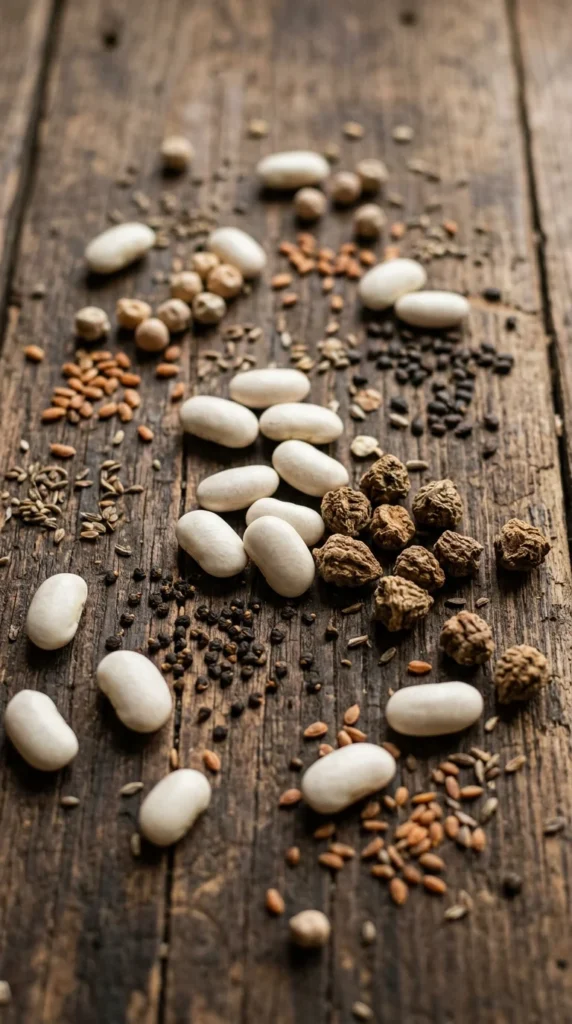
Choosing what to plant is the most exciting part for beginners. You have two choices: starting from seeds or buying “transplants” (young plants) from a nursery. Starting from seed is cheaper and offers a wider variety of cultivars, but it requires more patience and often specialized equipment like grow lights for indoor starts.
For your first garden, consider easy-to-grow “beginner” vegetables:
- Radishes: Fast-growing and ready to eat in 25 days.
- Lettuce: Grows quickly and can be harvested multiple times.
- Zucchini: Known for its high yield and resilience.
- Cherry Tomatoes: Generally hardier and more prolific than large beefsteak varieties.
- Green Beans: Easy to handle and fast-climbing.
6. Tools
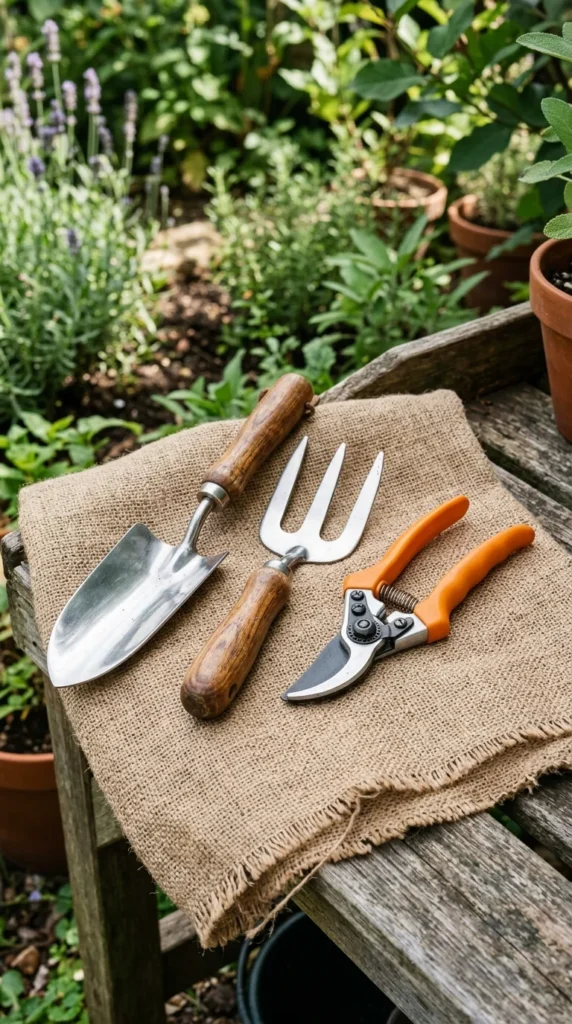
You do not need a shed full of expensive machinery to start a garden. A few high-quality hand tools will suffice for most home setups.
- Trowel: Essential for digging small holes and transplanting seedlings.
- Garden Fork: Useful for turning soil and breaking up clumps.
- Hose or Watering Can: For consistent hydration.
- Pruning Shears: Necessary for harvesting and trimming dead foliage.
- Garden Gloves: To protect your hands from thorns, insects, and blisters.
Investing in stainless steel or forged steel tools will ensure they last for many seasons. Always clean your tools after use to prevent the spread of soil-borne diseases.
7. Mulch
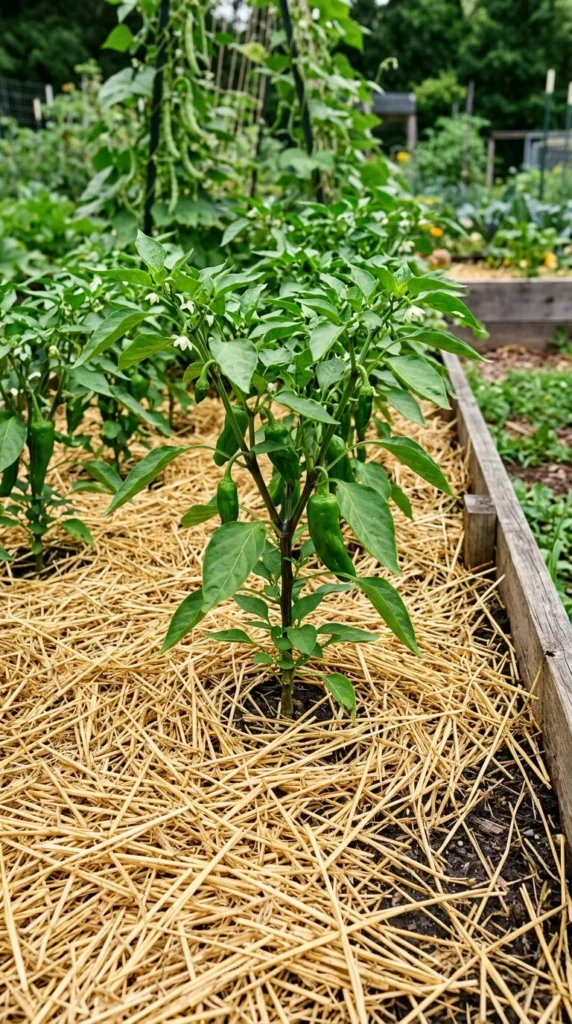
Mulching is the “secret weapon” of successful gardeners. Mulch is a layer of organic material—such as straw, shredded leaves, or wood chips—spread over the surface of the soil. It serves several vital functions:
- Moisture Retention: It prevents evaporation, keeping the root zone cool and hydrated.
- Weed Suppression: It blocks sunlight from reaching weed seeds, preventing them from germinating.
- Soil Improvement: As organic mulch breaks down, it adds nutrients and improves the soil texture.
Apply a layer of 2 to 3 inches of mulch once your seedlings are established, being careful not to pile it directly against the stems of the plants, which can cause rot.
8. Pests
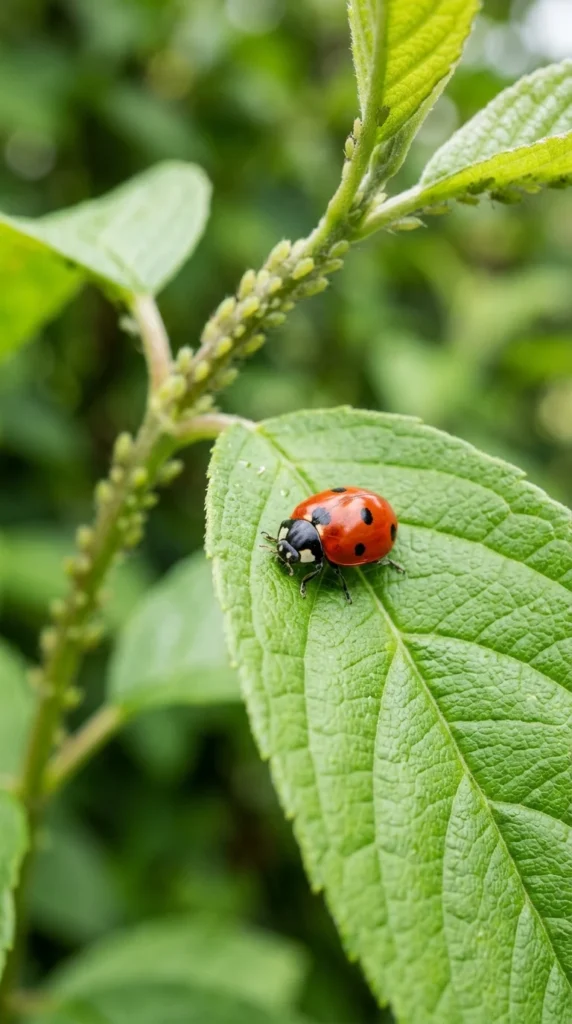
Insects are a natural part of any garden ecosystem, but some can be destructive. The key to pest management is observation. Check your plants every few days for holes in leaves, discoloration, or visible bugs.
Before reaching for chemical pesticides, which can kill beneficial insects like bees and ladybugs, try natural methods:
- Hand-Picking: Physically removing large pests like tomato hornworms.
- Companion Planting: Growing certain plants together to deter pests (e.g., planting marigolds to ward off nematodes).
- Beneficial Insects: Encouraging predators like ladybugs and lacewings that eat aphids.
- Water Sprays: Using a sharp stream of water to knock aphids off plants.
9. Nutrients
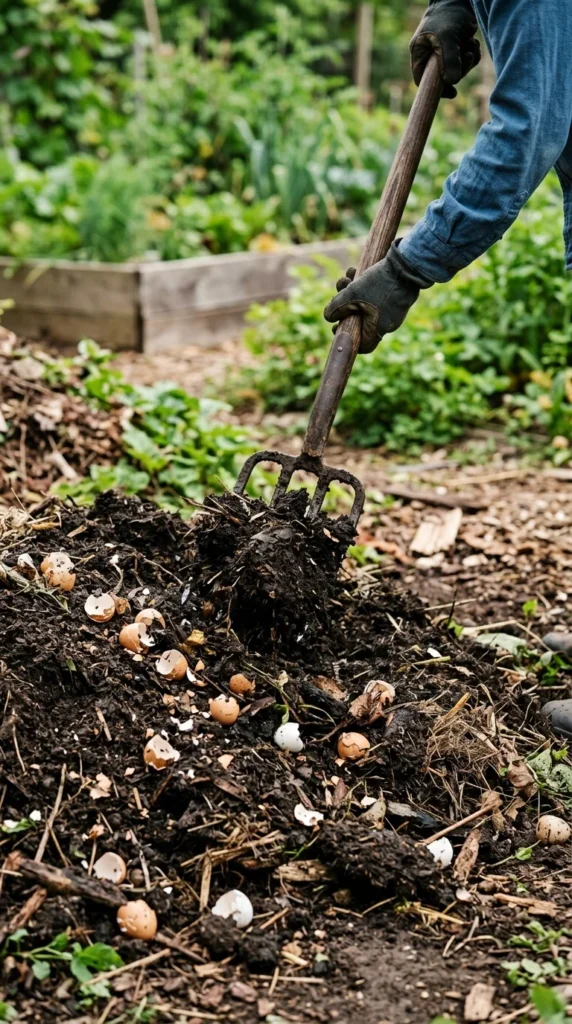
Just as humans need vitamins, plants need nutrients to grow strong and resist disease. The three primary nutrients are Nitrogen (for leaf growth), Phosphorus (for root and flower development), and Potassium (for overall plant health).
While good compost provides a wide range of these nutrients, “heavy feeders” like tomatoes and corn may need an extra boost. Organic fertilizers, such as fish emulsion or seaweed extract, are excellent choices because they feed the soil microbes as well as the plants. Avoid over-fertilizing, especially with high-nitrogen products, as this can result in lush green leaves but very little actual fruit.
10. Harvest
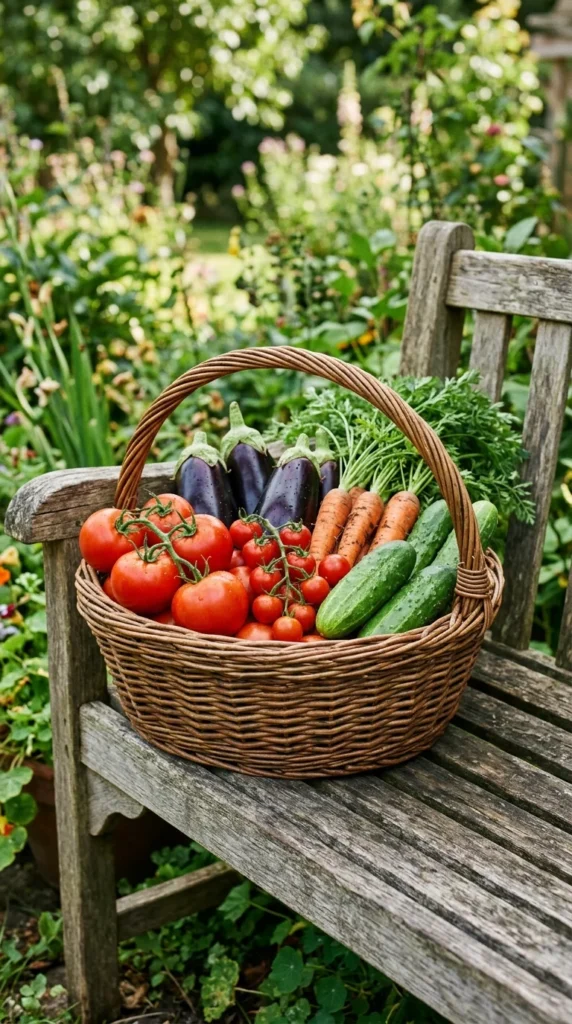
The moment of truth arrives when it is time to harvest. Knowing when to pick is an art. Most vegetables are at their peak flavor when they are young and tender.
- Leafy Greens: Harvest as soon as the leaves are large enough to eat.
- Root Crops: Carrots and beets can be harvested as soon as they reach a usable size; the flavor is often sweeter when they are smaller.
- Tomatoes: Pick when they are fully colored but still firm.
- Squash and Cucumbers: Don’t let them get too big, or they will become seedy and bitter.
Regular harvesting actually encourages many plants to produce even more. The more you pick your beans, peas, and zucchinis, the more the plant will strive to produce new fruit. Once harvested, enjoy your produce immediately for the best flavor and nutritional value, or learn basic preservation techniques like freezing and canning to enjoy your garden’s bounty all winter long.