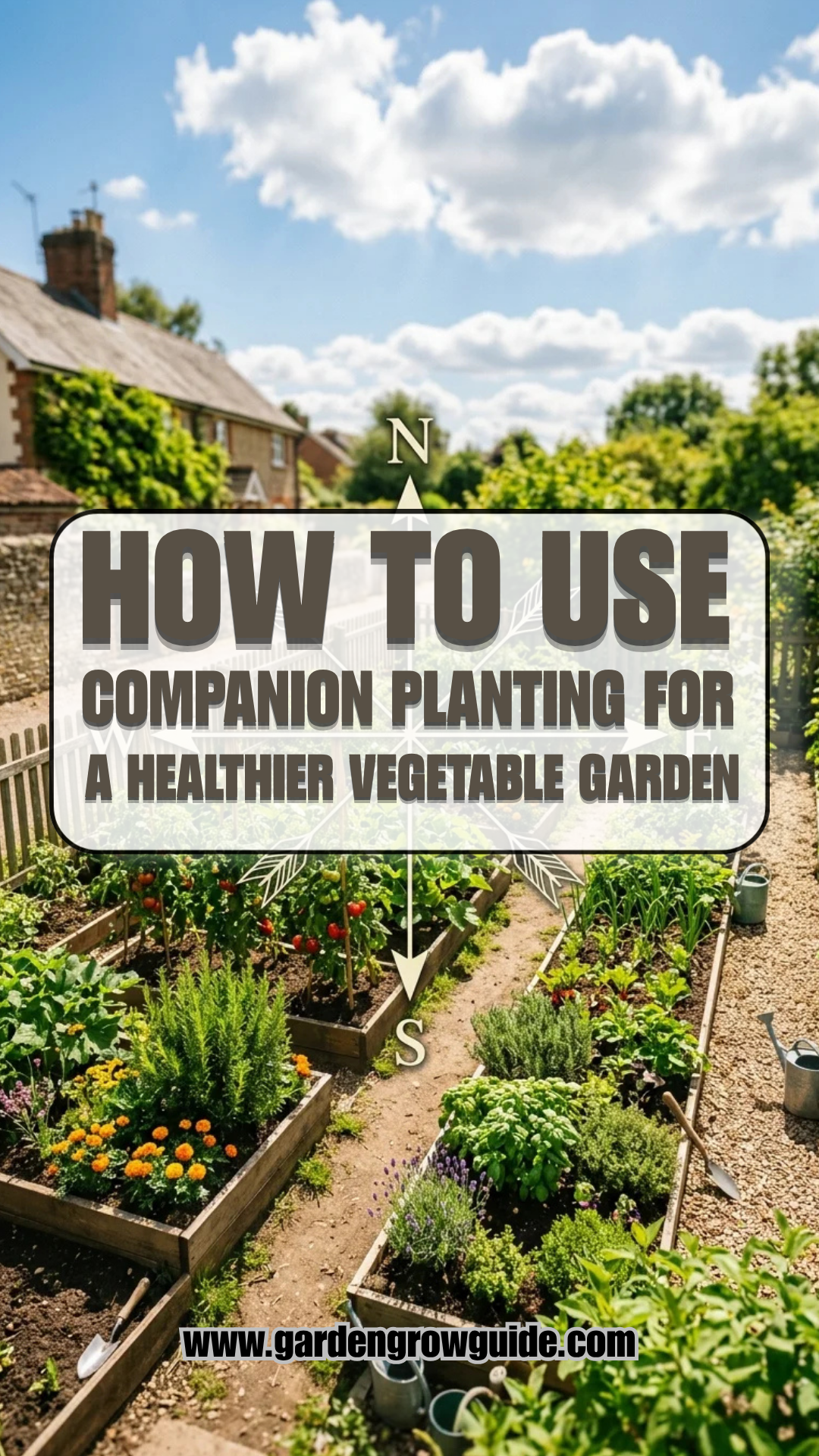
Companion planting is an age-old gardening technique that involves growing different plants in close proximity to enhance each other’s growth, flavor, and resilience. Far from being a mere folklore practice, modern science back many of these pairings, showing how plants interact through chemical signals, root systems, and physical structures to create a miniature ecosystem. By strategically placing “best friends” together, you can naturally deter pests, improve soil health, and maximize your harvest without relying on synthetic chemicals.
The philosophy behind companion planting is biodiversity. In nature, plants rarely grow in monocultures. Instead, they form complex communities where one species might provide shade, another might fix nitrogen into the soil, and a third might emit a scent that confuses harmful insects. Implementing these principles in your backyard garden transforms it from a high-maintenance plot into a self-sustaining habitat.
1. Tomatoes and Basil
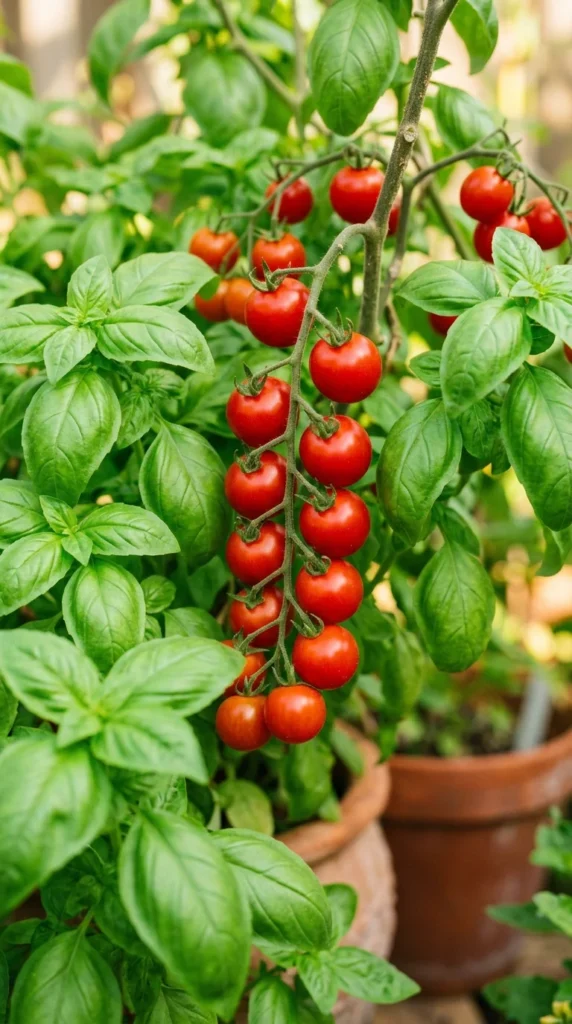
The pairing of tomatoes and basil is perhaps the most famous example of companion planting, and for good reason. Gardeners have long observed that basil improves the overall flavor of tomatoes when grown nearby. Beyond culinary benefits, the pungent aroma of basil acts as a natural deterrent for whiteflies, aphids, and the dreaded tomato hornworm.
From a structural standpoint, basil thrives in the partial shade provided by the lower foliage of tall tomato plants. In return, the dense growth of basil acts as a living mulch, helping to retain moisture in the soil and preventing the soil-borne diseases that often splash onto tomato leaves during heavy rain.
2. Carrots and Onions
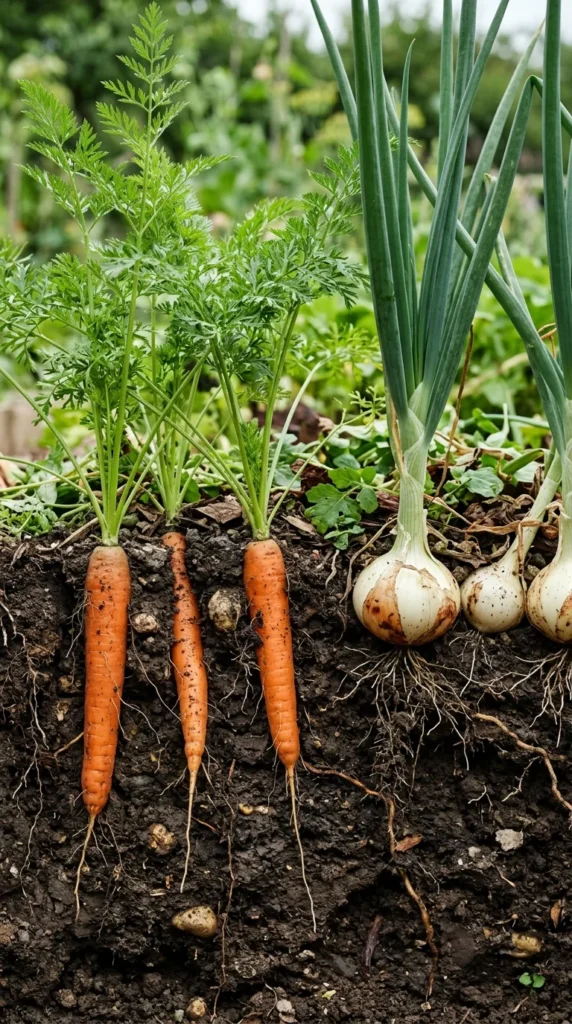
Carrots and onions are a “win-win” duo that works primarily through pest confusion. Carrots are frequently targeted by the carrot rust fly, which locates its host by smell. Onions, with their strong sulfuric scent, effectively mask the carrot’s aroma, making it difficult for the fly to find its target.
Conversely, carrots help onions by loosening the soil as their deep taproots grow, allowing onion bulbs to expand more easily. Furthermore, onions deter onion flies, which are known to attack carrots if they are left unprotected. This subterranean partnership ensures that both root crops reach their full potential with minimal insect damage.
3. Corn and Beans
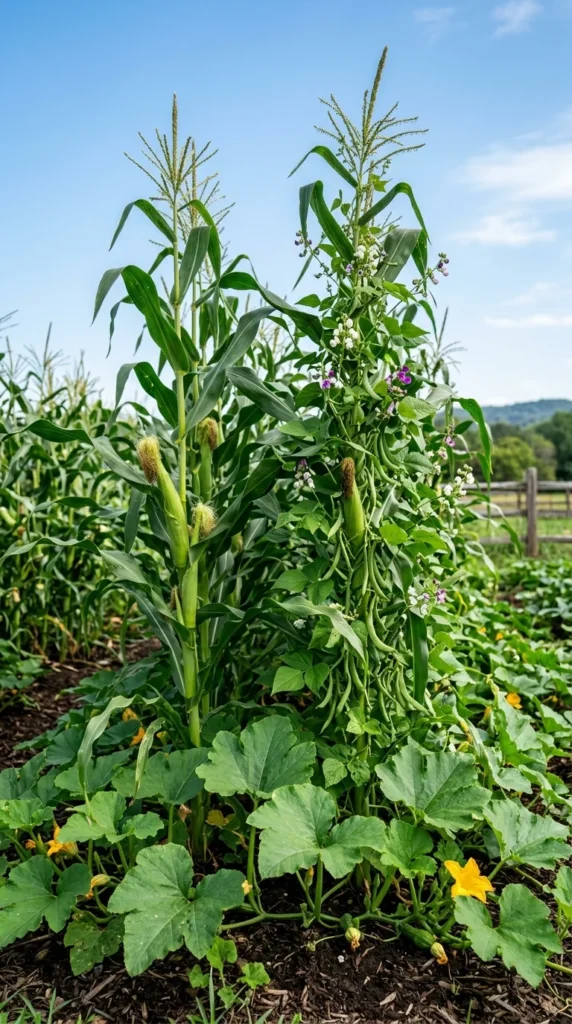
Part of the legendary “Three Sisters” planting method developed by Indigenous peoples in North America, corn and beans provide a perfect example of structural and chemical synergy. Corn acts as a natural trellis, providing a sturdy vertical support for climbing pole beans. This eliminates the need for wooden stakes or metal cages.
In exchange for the support, beans—which are legumes—perform “nitrogen fixation.” They harbor bacteria in their root nodules that convert atmospheric nitrogen into a form that plants can use. Since corn is a heavy feeder that requires significant nitrogen to produce large ears, the beans provide a slow-release fertilizer directly to the corn’s root zone.
4. Marigolds and Peppers
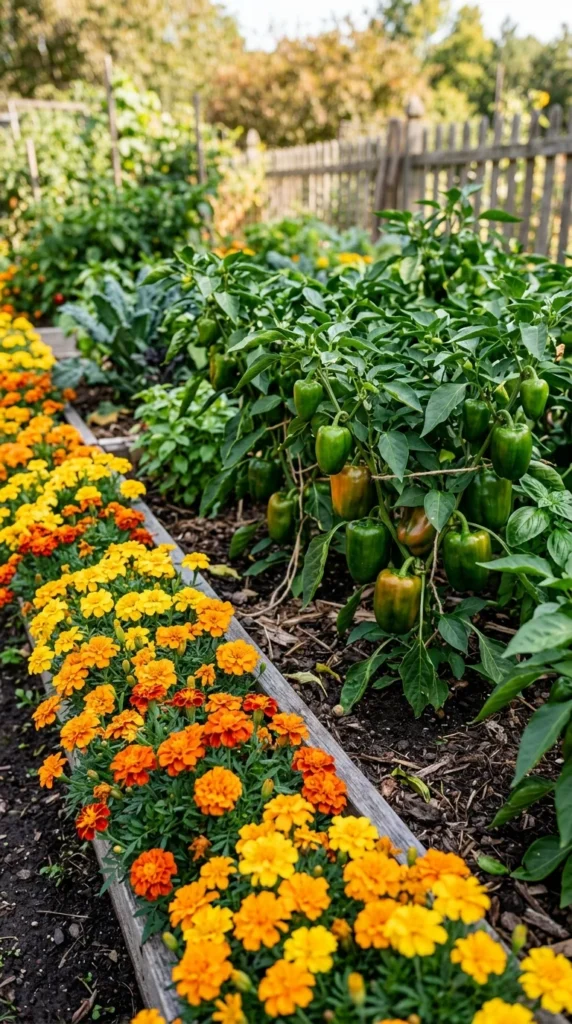
Marigolds are the “workhorses” of the companion planting world. They produce a chemical called alpha-terthienyl, which is toxic to root-knot nematodes—microscopic worms that attack the roots of peppers and other nightshades. Planting marigolds throughout your pepper patch creates a protective barrier under the soil.
Above ground, the bright blooms of marigolds attract beneficial insects like hoverflies and ladybugs, which prey on aphids that commonly plague pepper plants. The strong scent of the marigold foliage also helps confuse beetles and other leaf-eating pests, keeping your pepper leaves intact and healthy.
5. Cucumbers and Nasturtiums
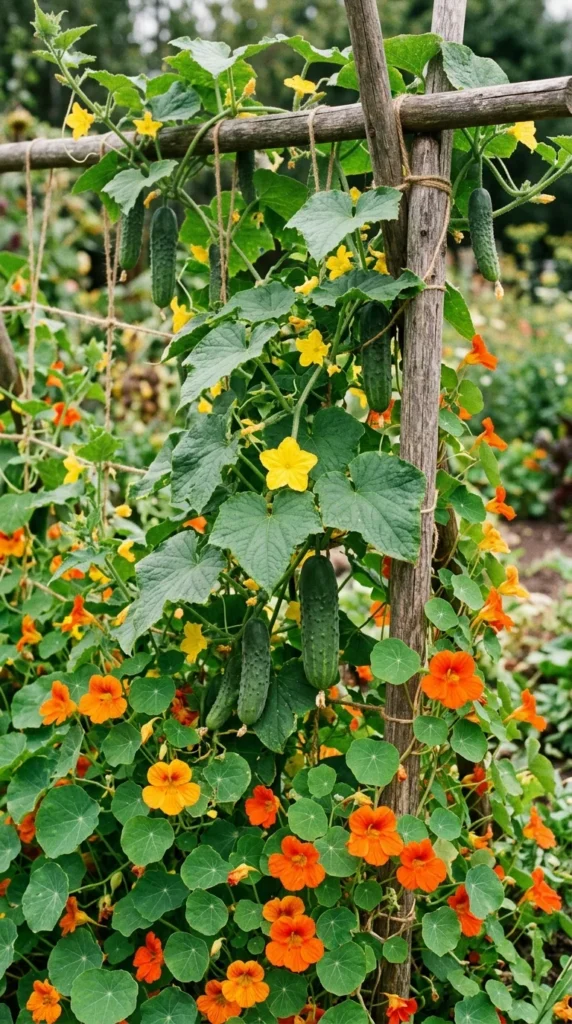
Nasturtiums are often used as a “trap crop” in the vegetable garden. They are highly attractive to aphids and squash bugs. By planting nasturtiums near your cucumbers, you entice the pests away from your main crop and onto the nasturtiums. Because nasturtiums are vigorous and fast-growing, they can usually handle a bit of pest damage without dying.
Additionally, nasturtiums emit a scent that is particularly offensive to the cucumber beetle, which is notorious for spreading bacterial wilt. By keeping these beetles at bay, you significantly increase the lifespan of your cucumber vines. The flowers also attract pollinators like bees, ensuring every cucumber blossom is successfully fertilized.
6. Lettuce and Tall Herbs
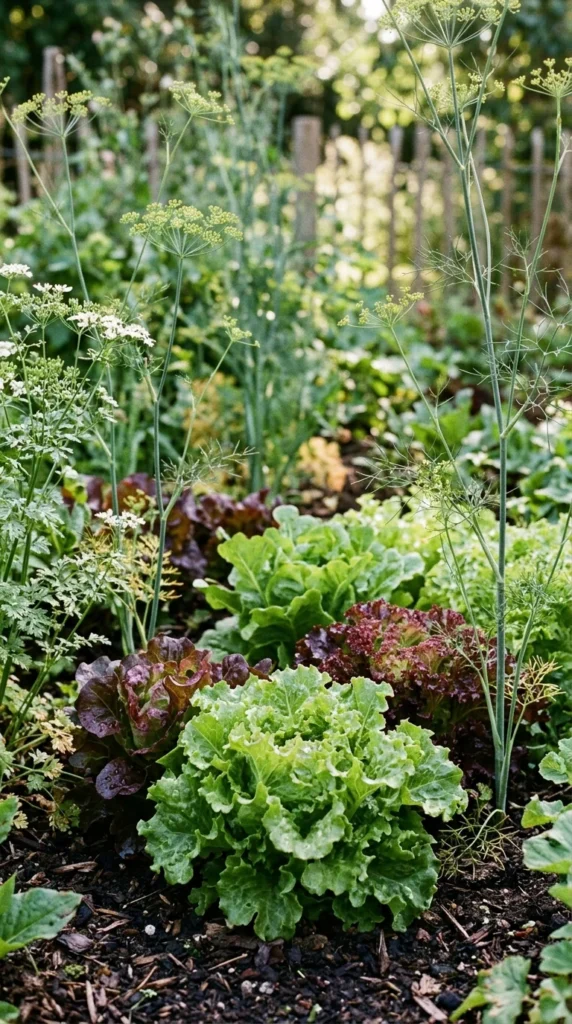
Lettuce is a cool-weather crop that often “bolts” or goes to seed and becomes bitter when the summer sun gets too intense. Planting lettuce in the shadow of tall, airy herbs like dill, cilantro, or fennel provides much-needed relief from the heat. This “intercropping” technique allows you to extend your lettuce harvest well into the warmer months.
While the herbs provide shade, they also provide protection. Dill and cilantro attract predatory wasps and other beneficial insects that eat the caterpillars and slugs that enjoy munching on tender lettuce leaves. This creates a balanced environment where the lettuce stays cool and pest-free while the herbs flourish in the full sun above.
The Science of Garden Synergy
Successful companion planting relies on understanding the four primary ways plants help each other:
- Nutrient Sharing: Some plants, like legumes, add nutrients to the soil, while others have deep taproots (like dandelions or borage) that “mine” minerals from deep in the earth and bring them to the surface.
- Pest Management: This occurs through “masking” scents, acting as “trap crops,” or attracting “beneficial predators” like lacewings and parasitic wasps.
- Physical Protection: Tall plants provide windbreaks or shade for delicate neighbors, while ground-hugging plants (like squash or clover) act as living mulch to suppress weeds and cool the soil.
- Spatial Optimization: By mixing deep-rooted plants with shallow-rooted ones, or tall plants with short ones, you can grow more food in less space without the plants competing for the same resources.
Pairings to Avoid
Just as some plants are best friends, others are “antagonists.” For example, onions and garlic can stunt the growth of beans and peas because they produce antibacterial compounds that interfere with the nitrogen-fixing bacteria on the legume roots. Similarly, potatoes and tomatoes should be kept apart because they are both susceptible to the same blights and pests; placing them together allows diseases to spread like wildfire through the garden.
By observing these natural relationships and planning your garden layout with intention, you can create a vibrant, resilient, and highly productive vegetable garden that works with nature rather than against it.