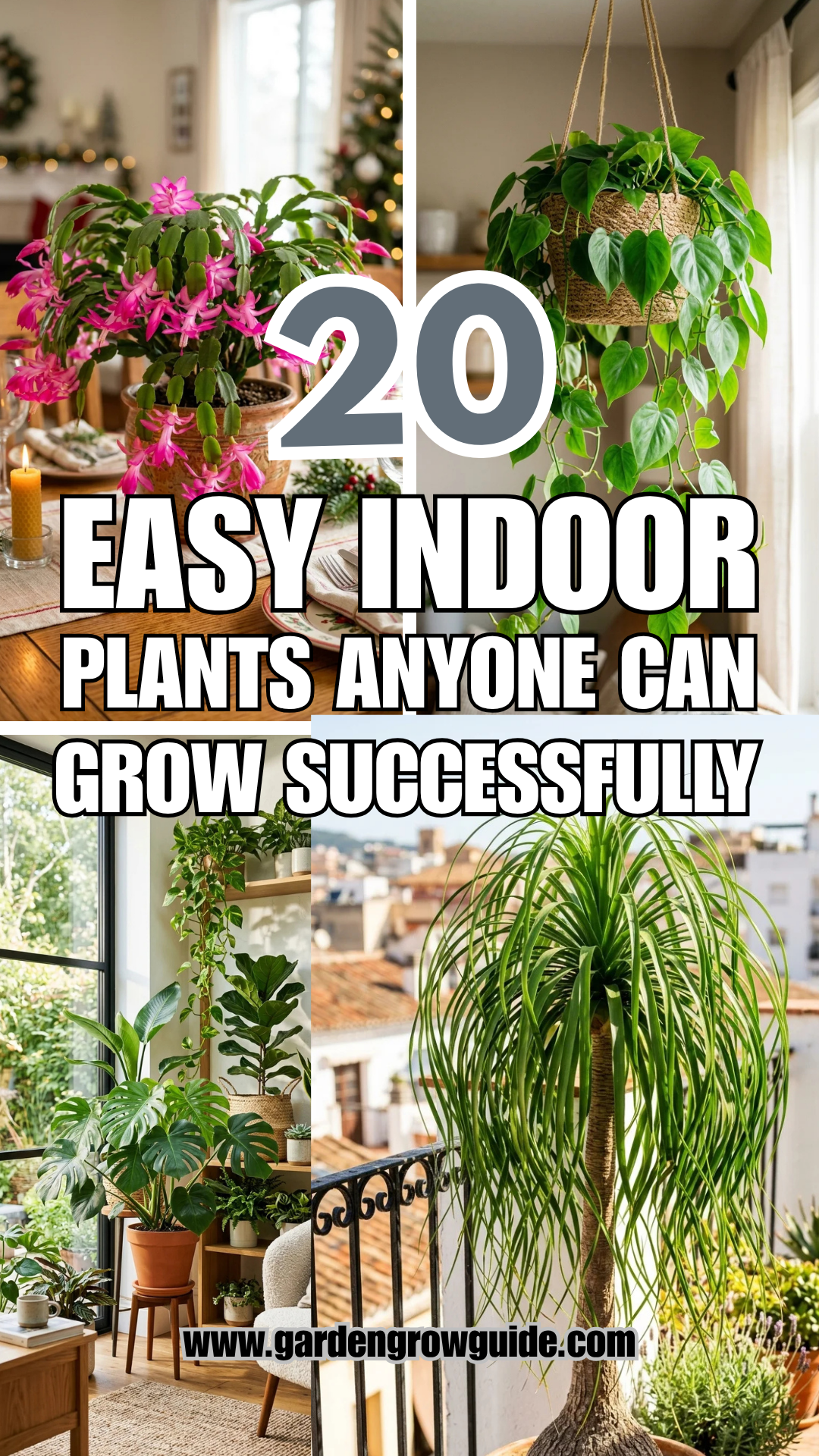
Bringing nature indoors has evolved from a simple decor trend into a lifestyle choice that enhances mental well-being and improves air quality. However, many aspiring “plant parents” are deterred by the fear of a “black thumb.” The secret to indoor gardening success lies not in innate talent, but in selecting the right species that can thrive in home environments. The following 20 plants are selected for their resilience, low-maintenance requirements, and aesthetic appeal, making them perfect for beginners and seasoned enthusiasts alike.
1. Snake Plant
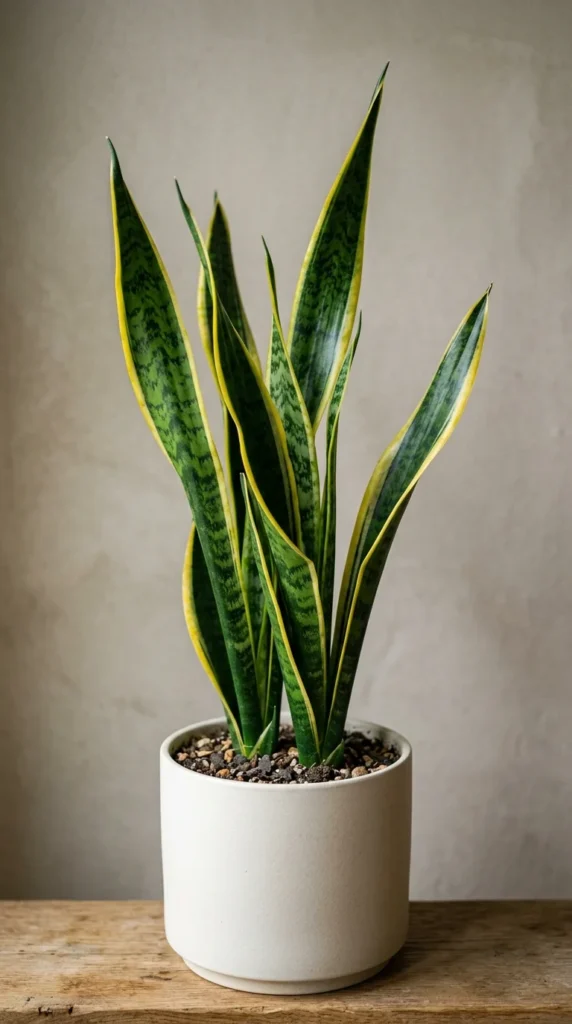
Commonly known as “Mother-in-Law’s Tongue,” the Snake Plant is arguably the most resilient indoor plant in existence. It is incredibly tolerant of neglect, making it ideal for frequent travelers or busy professionals. This plant can survive in very low light conditions and requires infrequent watering—typically only once every 2-4 weeks. Scientifically known as Sansevieria, it is also famous for its ability to filter indoor air, converting carbon dioxide into oxygen even at night.
2. Pothos
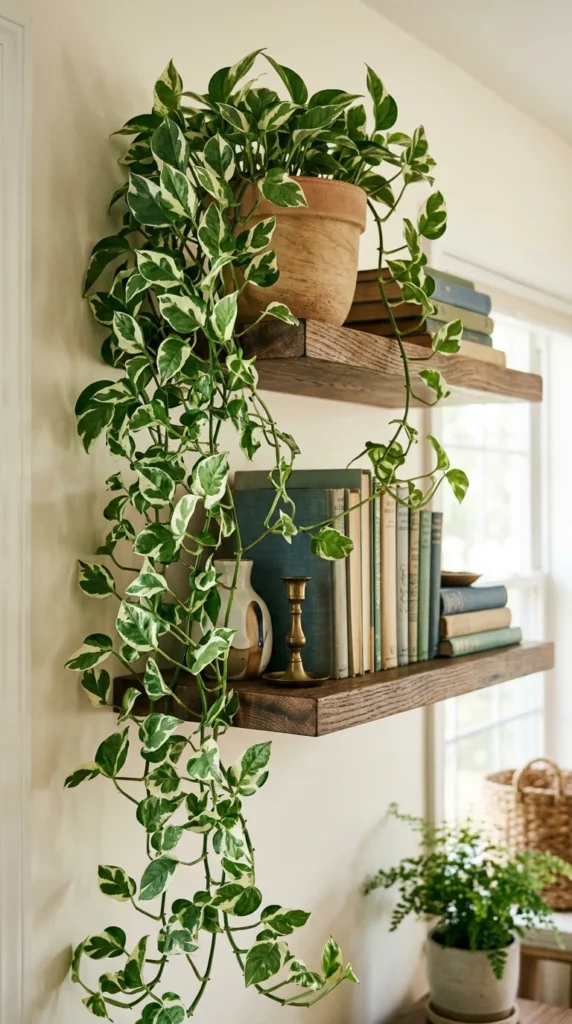
Pothos, or “Devil’s Ivy,” is the quintessential beginner plant. It is loved for its fast-growing, trailing vines that can be draped over bookshelves or hung in baskets. Pothos is highly communicative; when it needs water, its leaves will wilt slightly, bouncing back almost immediately after a drink. It thrives in a variety of lighting conditions, from low light to bright, indirect sun, and is easily propagated by simply placing a stem cutting in water.
3. Spider Plant
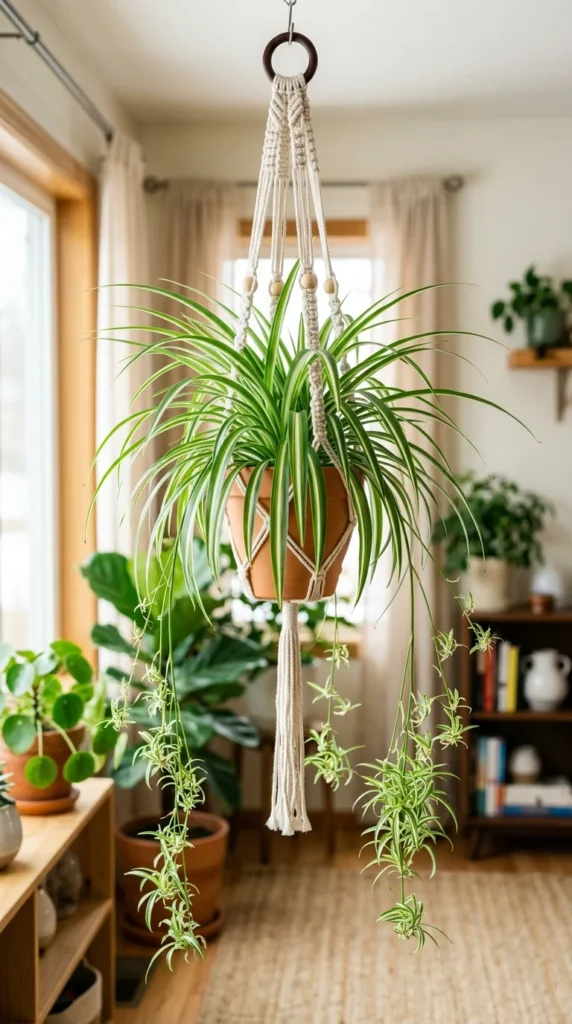
The Spider Plant is a classic choice for those looking to add texture and movement to a room. It is remarkably adaptable and can handle a wide range of temperatures. One of its most charming features is the production of “pups”—small baby plants that grow on long stems. These can be left to hang for a full, bushy look or snipped off and planted to create new plants for friends. They prefer bright, indirect light and well-draining soil.
4. ZZ Plant
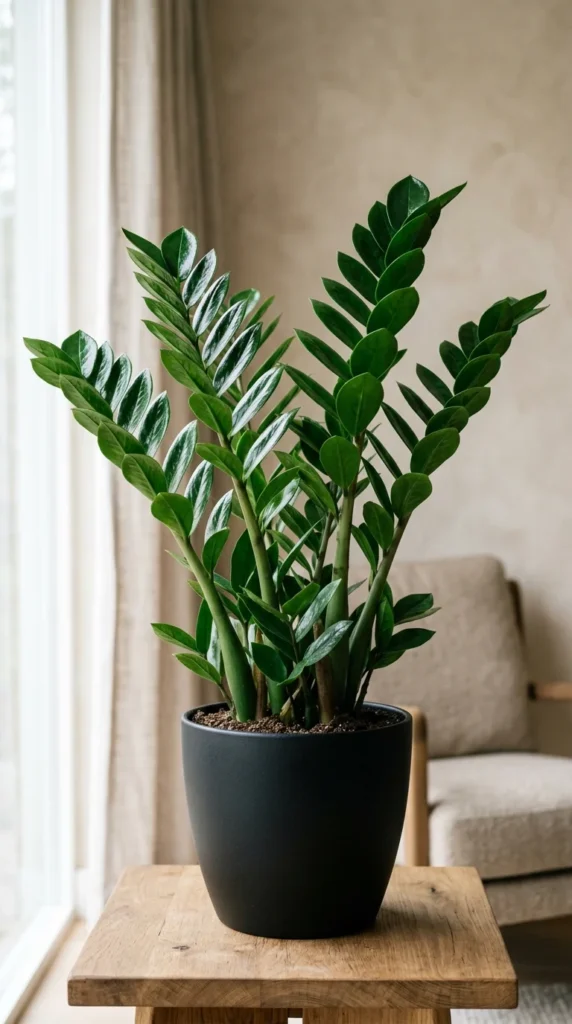
The Zamioculcas zamiifolia, or ZZ Plant, is often mistaken for a plastic plant because of its perfectly shiny, waxy leaves. This is a “set it and forget it” plant. It thrives in low-light corners where most other plants would struggle and has a unique rhizome system under the soil that stores water, allowing it to survive months without a drop. It is a slow grower, meaning it won’t outgrow its space quickly, making it perfect for office desks.
5. Aloe Vera
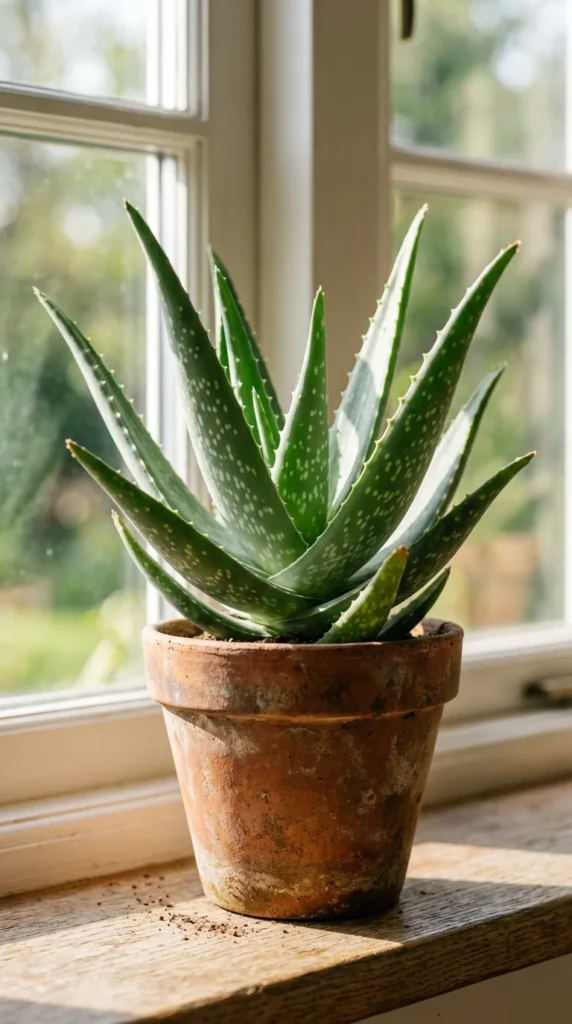
Aloe Vera is as functional as it is beautiful. Known for the healing gel inside its leaves, which can be used to treat minor burns and skin irritations, this succulent is a sun-lover. It requires very little water, as it stores moisture in its thick leaves. Place it on a bright windowsill and water it only when the soil is completely dry. It is a sturdy plant that adds a structural, architectural element to any sunny room.
6. Peace Lily
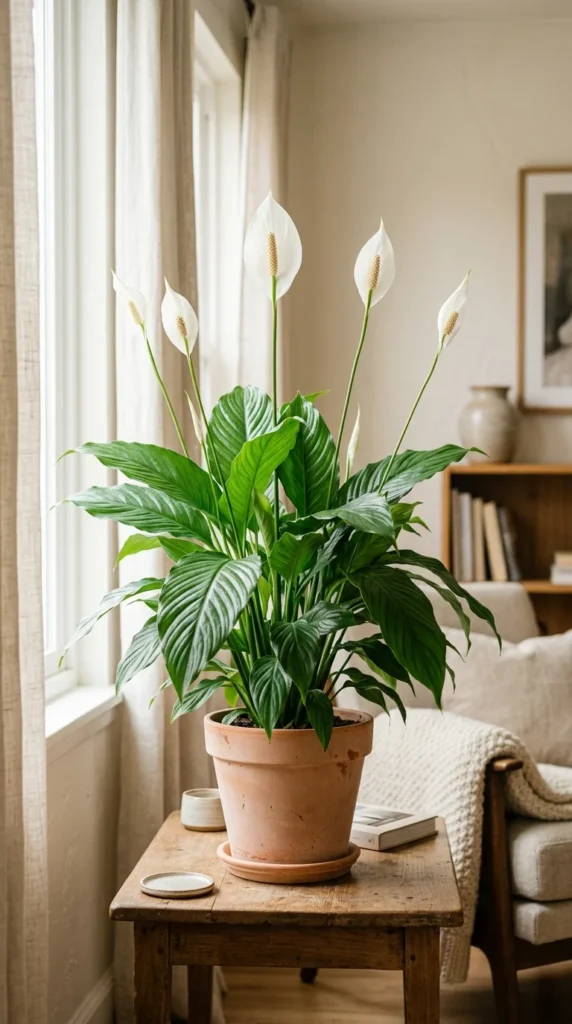
For those who want flowers without the fuss, the Peace Lily is an excellent choice. While it can tolerate low light, it is more likely to bloom in brighter, indirect light. Peace Lilies are famous for “fainting”—the leaves will dramatically droop when the plant is thirsty, serving as a visual reminder that it’s time to water. Once watered, it perks up within hours. It is also highly rated by NASA for its air-purifying capabilities.
7. Rubber Tree
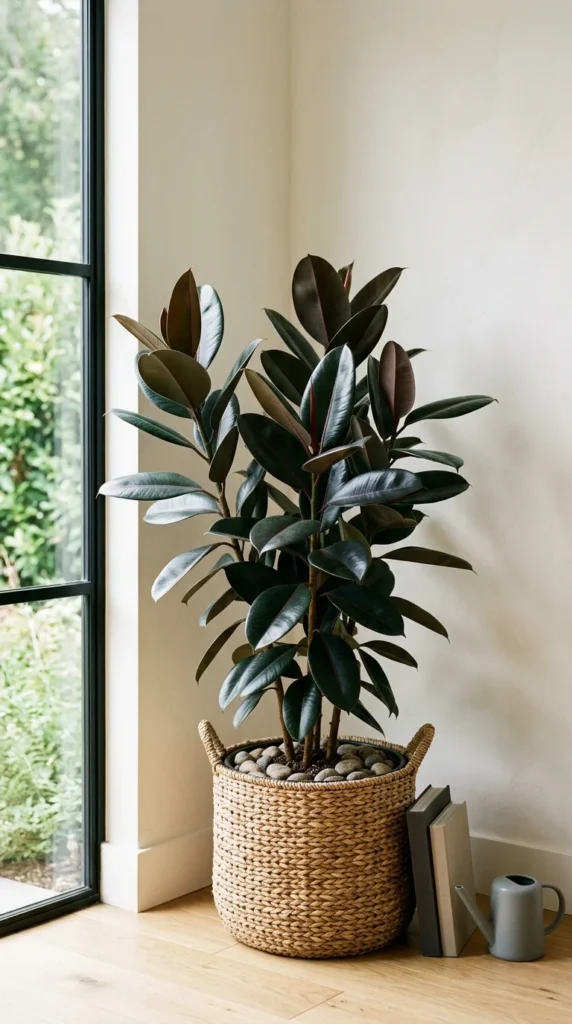
The Rubber Tree (Ficus elastica) is a fantastic choice for those looking to add a vertical element to their decor. It can grow into a small indoor tree if given enough space and light. Its leaves are thick and rubbery (hence the name) and come in shades ranging from dark green to deep burgundy or even variegated pink. They prefer bright, filtered light and should be watered when the top inch of soil feels dry.
8. Monstera Deliciosa
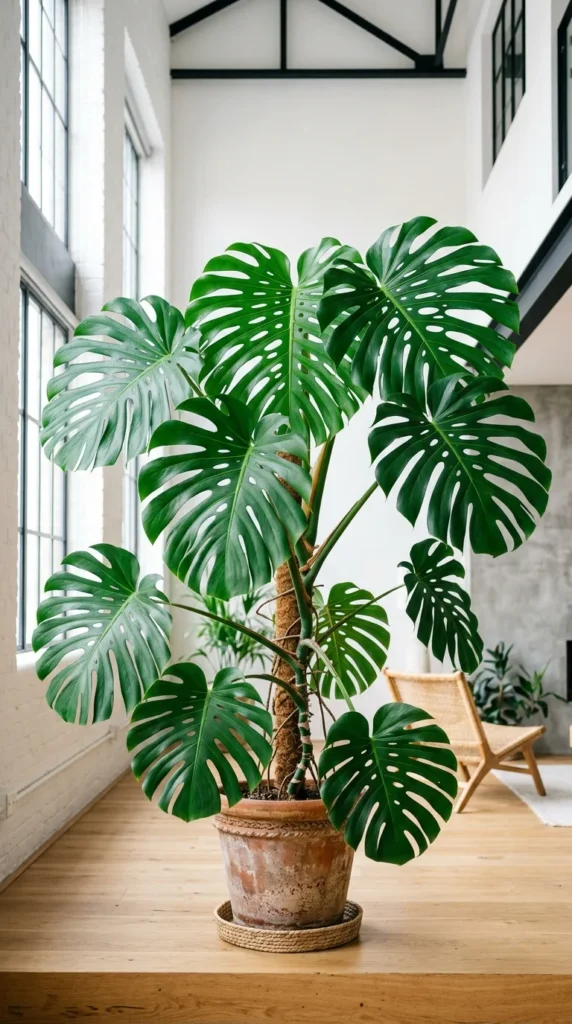
Often called the “Swiss Cheese Plant,” the Monstera Deliciosa is a social media favorite. Its large, iconic leaves with natural perforations bring an instant tropical vibe to any space. Despite its exotic look, it is surprisingly easy to care for. It enjoys bright, indirect light and a sturdy pole to climb as it grows. With regular watering and occasional leaf-dusting, a Monstera can become the stunning centerpiece of a home.
9. Jade Plant
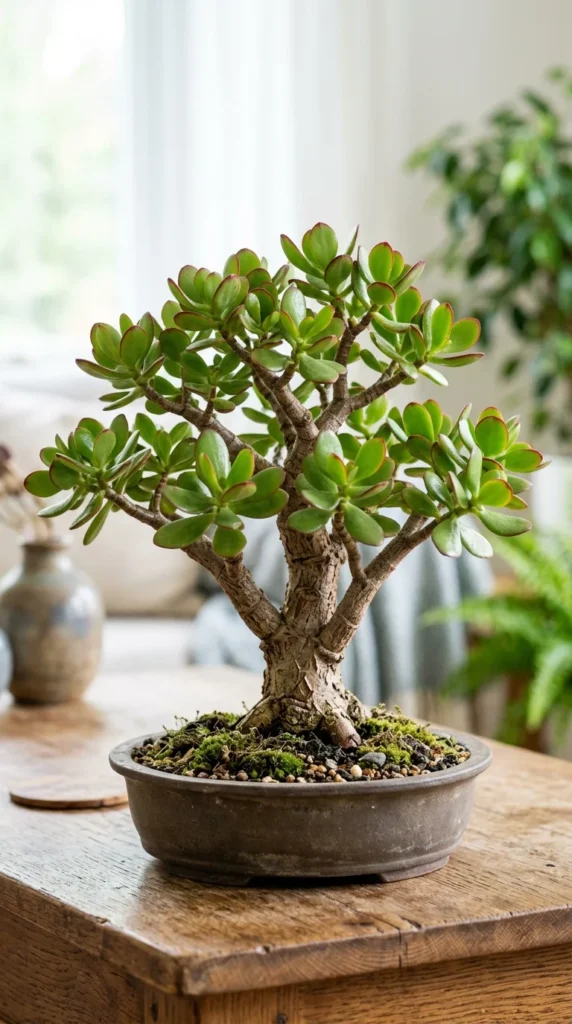
The Jade Plant is a long-lived succulent often associated with good luck and prosperity. Because it is a succulent, it stores water in its round, fleshy leaves, making it very drought-tolerant. It grows slowly and can live for decades, often being passed down through generations. Jade plants prefer a lot of sunlight and a well-draining soil mix to prevent root rot.
10. Cast Iron Plant
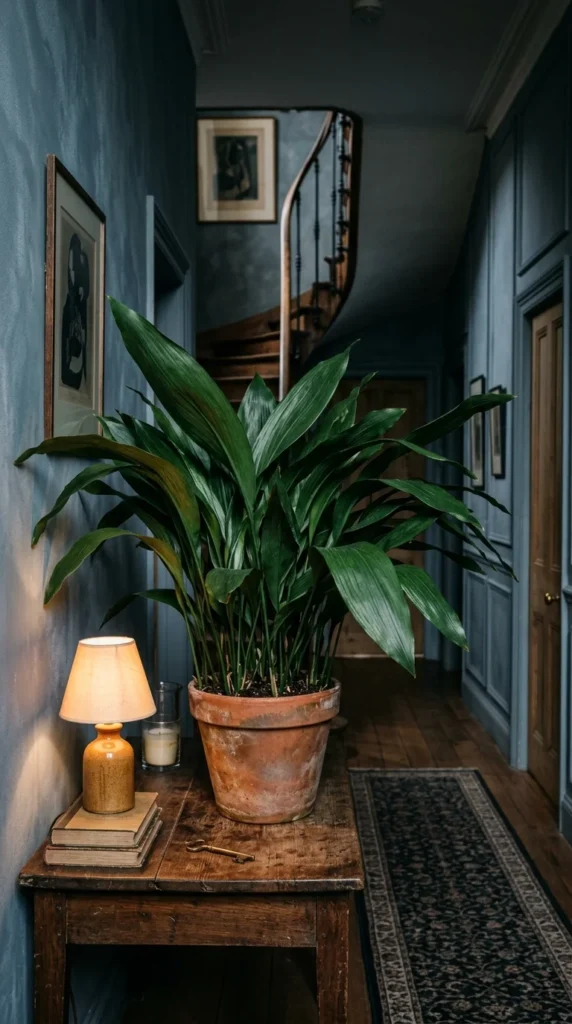
True to its name, the Cast Iron Plant (Aspidistra elatior) is nearly indestructible. It earned its name in the Victorian era for being one of the few plants that could survive the dark, drafty, and soot-filled homes of the time. It is the perfect choice for hallways, basements, or dark corners where no other plant will grow. It handles neglect, low light, and temperature fluctuations with ease.
11. Chinese Evergreen
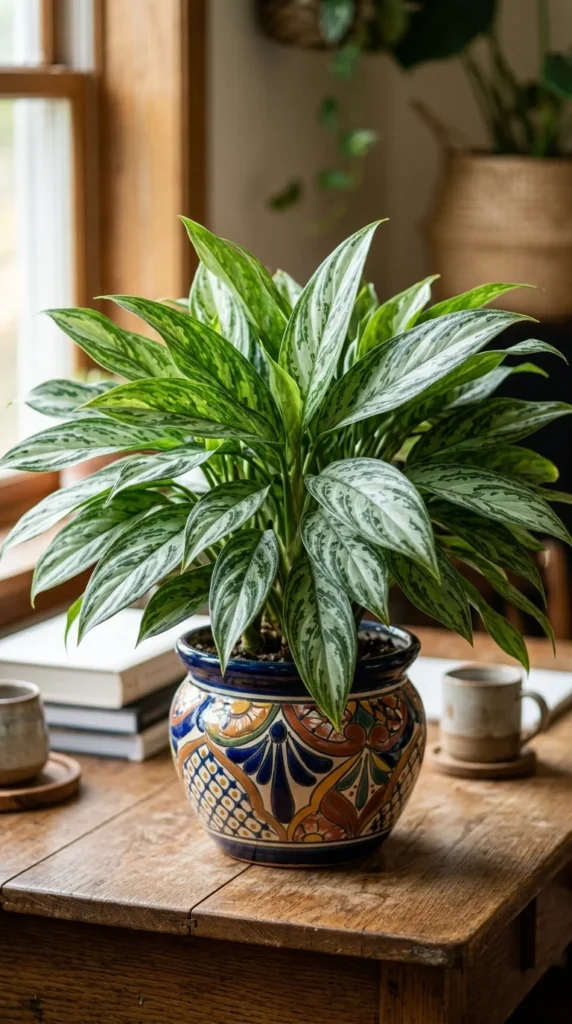
The Chinese Evergreen (Aglaonema) is one of the most decorative easy-care plants. Available in many varieties with different leaf patterns and colors (including pink and red), it is remarkably tolerant of low light and dry air. It doesn’t mind a bit of irregular watering, making it a “forgiving” plant for those who occasionally forget their gardening chores.
12. Parlor Palm
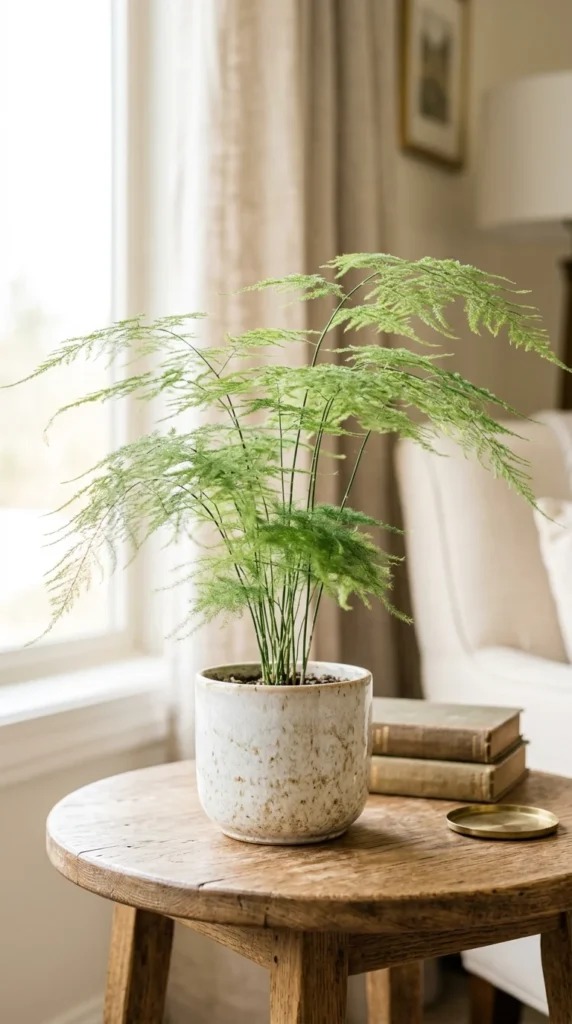
If you want the tropical look of a palm tree without the massive size, the Parlor Palm is the answer. It has been a popular indoor plant since Victorian times because of its ability to thrive in modest indoor conditions. It grows slowly and prefers consistent moisture and indirect light. Its soft, feathery fronds are excellent for softening the sharp lines of modern furniture.
13. Air Plants
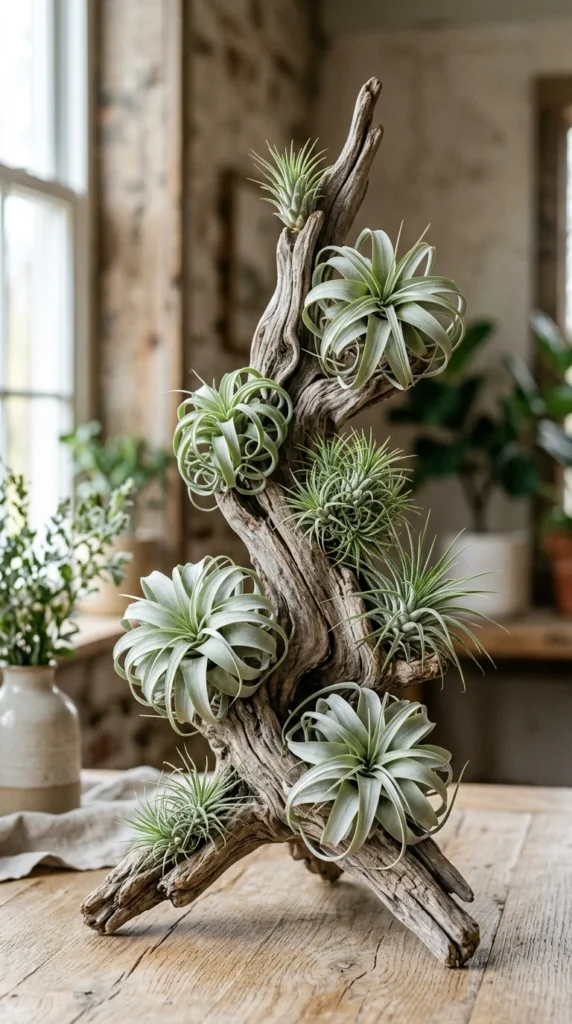
Air Plants (Tillandsia) are unique because they do not require soil to grow. In nature, they cling to trees or rocks and absorb moisture and nutrients through their leaves. In a home, they can be displayed in glass terrariums, on pieces of wood, or even hanging from strings. To care for them, simply mist them with water or soak them in a bowl for 20 minutes once a week.
14. Lucky Bamboo
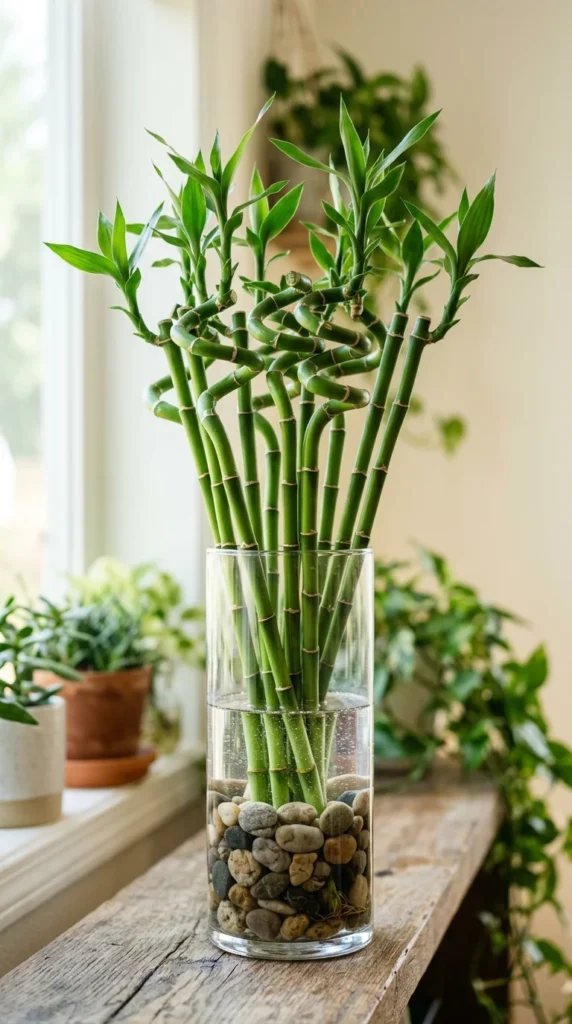
Lucky Bamboo isn’t actually bamboo; it’s a member of the Dracaena family. It is most commonly grown in water with pebbles for stability. It is extremely low-maintenance—just ensure the roots stay submerged in water and change the water every couple of weeks. It thrives in low to medium light and is often trained into interesting shapes like spirals or braids.
15. English Ivy
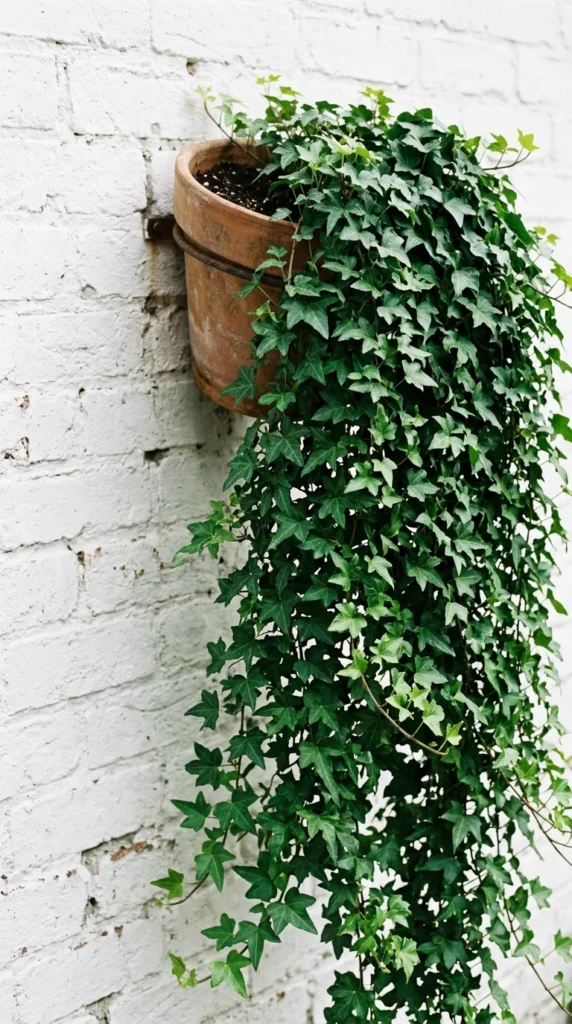
English Ivy is a versatile climber or trailer. Indoors, it looks beautiful cascading from a mantle or a tall shelf. It prefers cooler temperatures and consistent moisture. While it enjoys bright light, it can adapt to lower light levels. It’s also known for its ability to reduce airborne mold particles, making it a functional addition to a bedroom or bathroom.
16. Philodendron
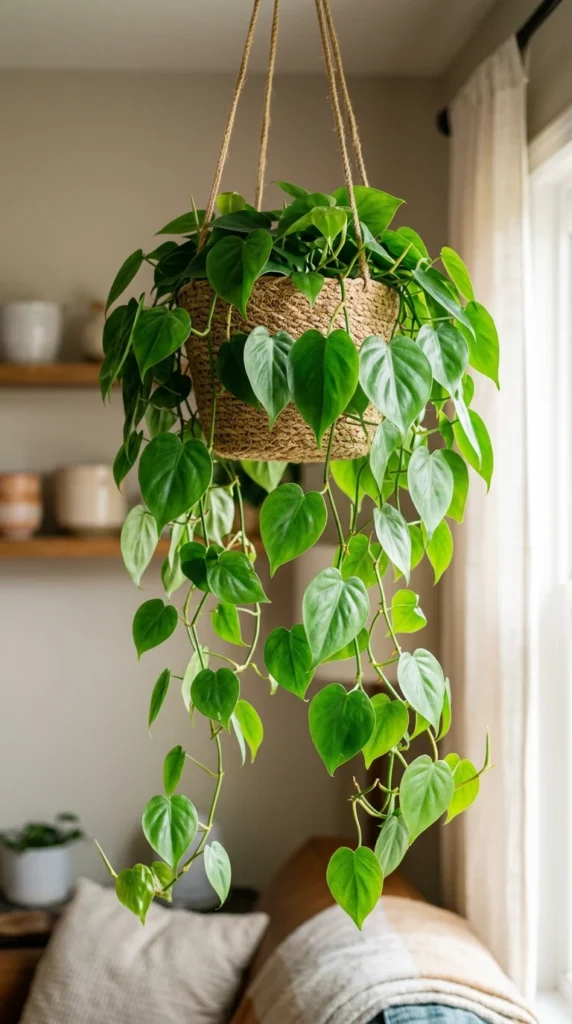
Often confused with Pothos, the Heart-leaf Philodendron is just as easy to grow but features slightly thinner, heart-shaped leaves. It is a fast grower and very tolerant of various light conditions. It is an excellent choice for adding a lush, green feel to a room quickly. Like the Pothos, it can be easily propagated and is very resilient to pruning.
17. Christmas Cactus
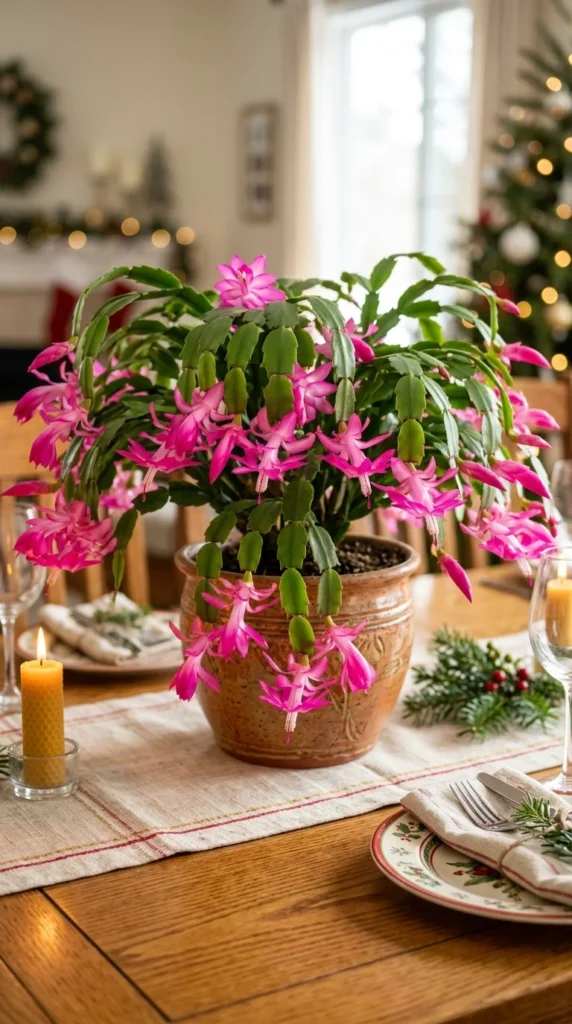
Unlike desert cacti, the Christmas Cactus is a tropical cactus that likes more frequent watering and indirect light. It is famous for its stunning blooms that appear during the winter months, providing a splash of color when most other plants are dormant. With minimal care, this plant can live for decades, often becoming a family heirloom.
18. Anthurium
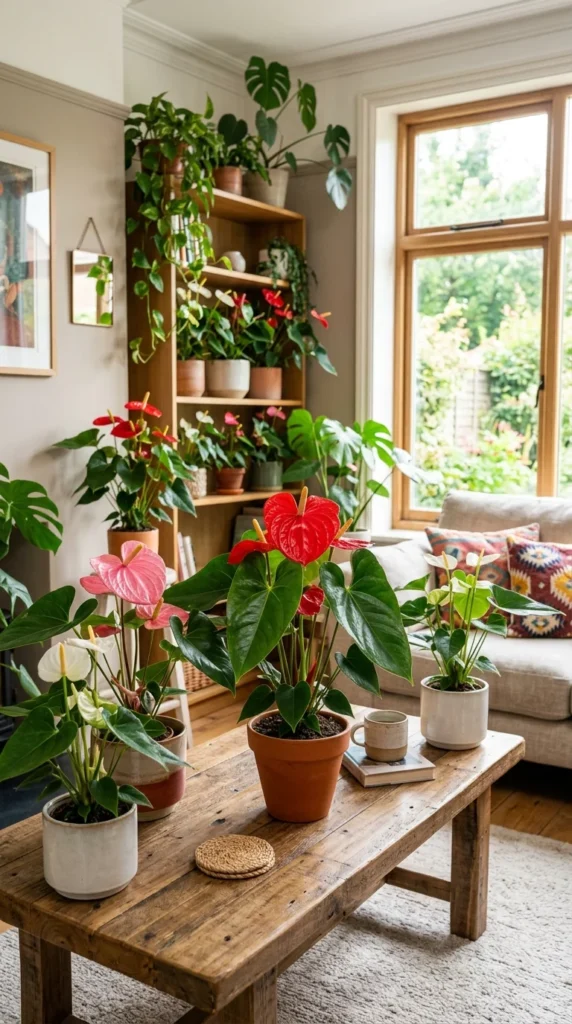
Anthuriums are known for their long-lasting, waxy blooms that come in shades of red, pink, and white. While they look exotic, they are quite hardy. They prefer bright, indirect light and well-draining soil. The “flower” is actually a modified leaf called a spathe, which means the color lasts much longer than a traditional petal flower.
19. Dracaena
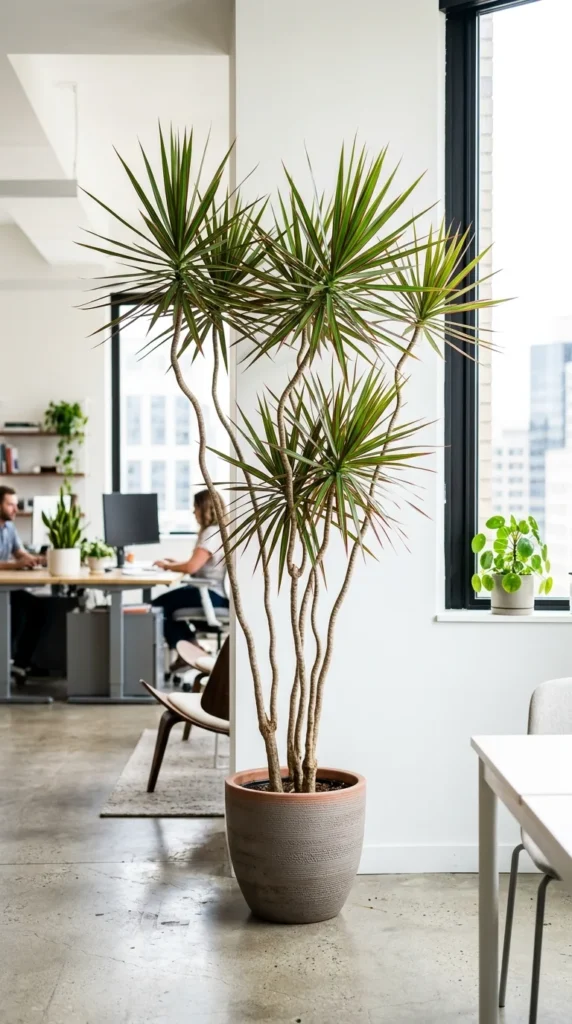
Dracaenas come in many shapes and sizes, but the “Dragon Tree” (Dracaena marginata) is one of the most popular for beginners. It features narrow leaves with red edges on top of thin, woody stems. It is very tolerant of underwatering and can handle lower light levels, though its colors will be more vibrant in brighter spots.
20. Ponytail Palm
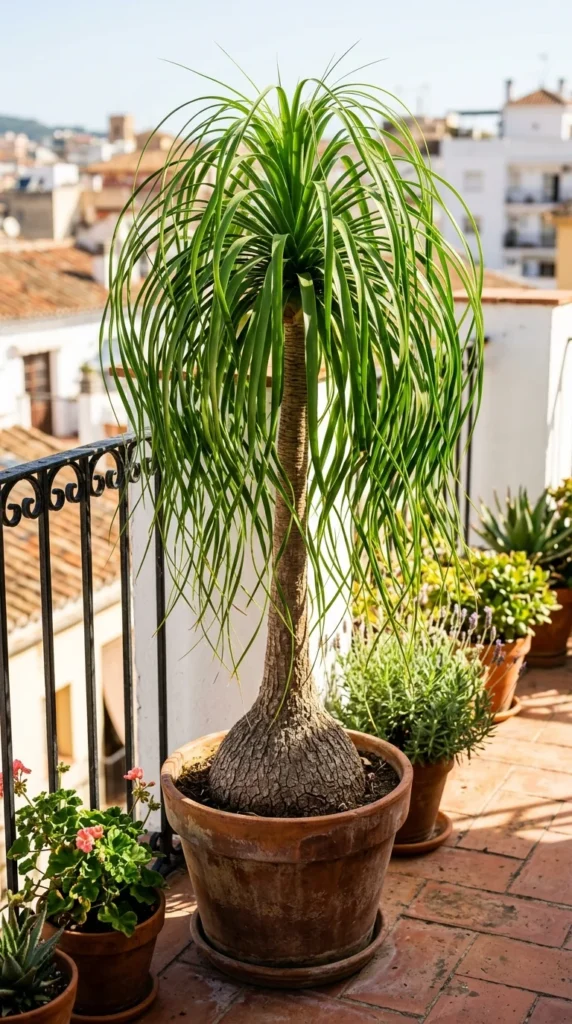
The Ponytail Palm is neither a palm nor a tree; it is actually a succulent. The large, bulbous base of the stem is used to store water, which makes it extremely drought-tolerant. Its long, curly leaves give it a whimsical look. It thrives in bright light and requires very little attention, making it perfect for someone who wants a unique-looking plant that requires minimal effort.