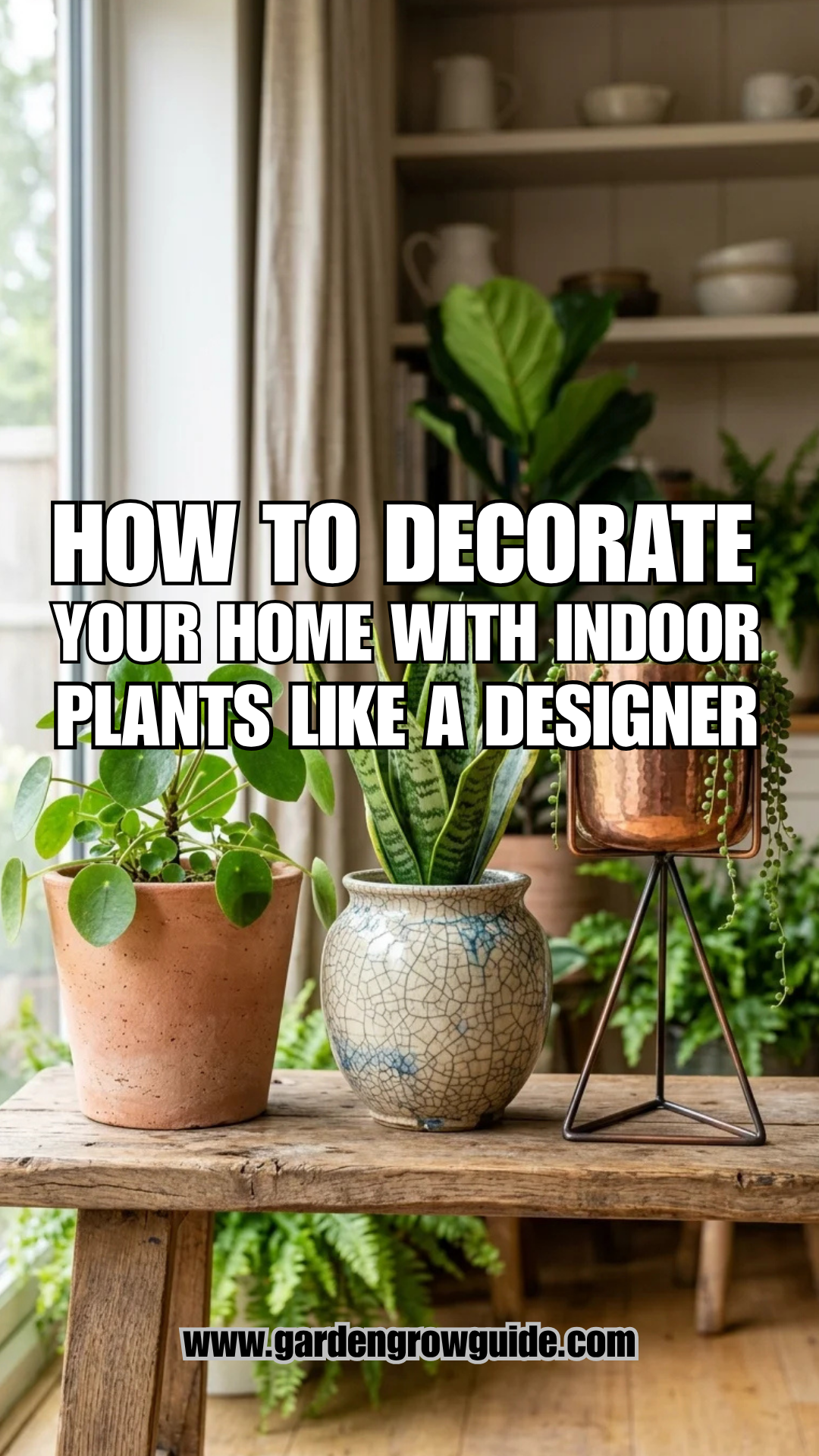
Indoor plants are no longer just a hobby for the green-thumbed; they have become a fundamental element of interior design. Professional designers use greenery to soften hard architectural lines, inject color without painting walls, and create a sense of tranquility that only nature can provide. Moving beyond simply placing a cactus on a windowsill, “plant styling” involves a deep understanding of scale, light, and composition. To transform your living space into a designer-curated botanical sanctuary, you must treat your plants as living sculptures rather than mere accessories.
1. Light Levels
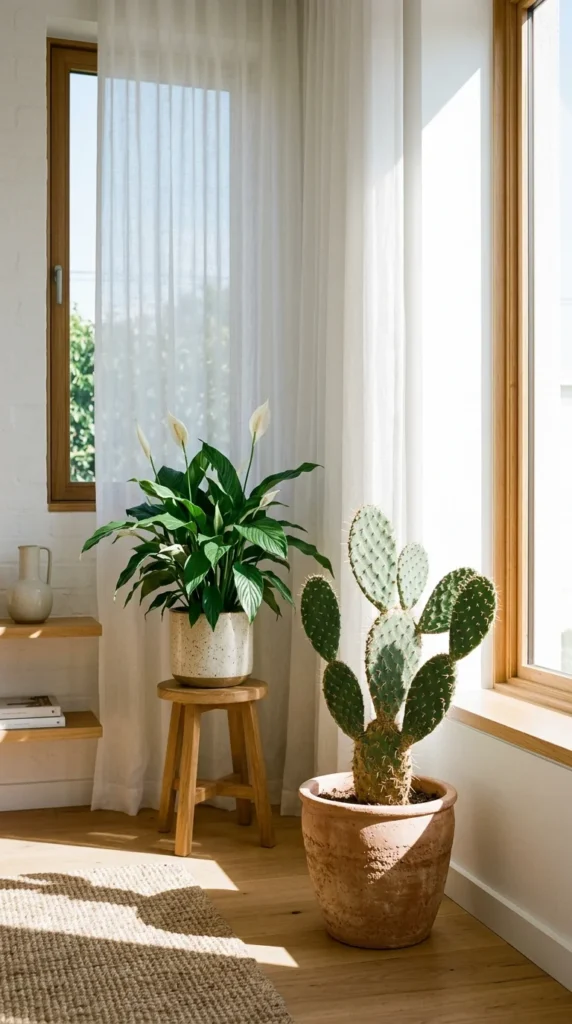
The most common mistake amateur decorators make is choosing a plant based on aesthetics alone without considering the light requirements of the space. Designers always start with a “light audit.” A south-facing window provides intense, direct light ideal for succulents, cacti, and bird of paradise plants. Conversely, north-facing windows or deep corners offer low light, where ZZ plants, snake plants, and pothos thrive. Understanding the “foot-candles” of light in your room ensures that your design remains lush and green rather than brown and wilting. When styling, use the light source as your guide: place sun-loving architectural plants near the glass and shade-tolerant varieties in the “interior” of the room to create depth.
2. Scale & Proportion
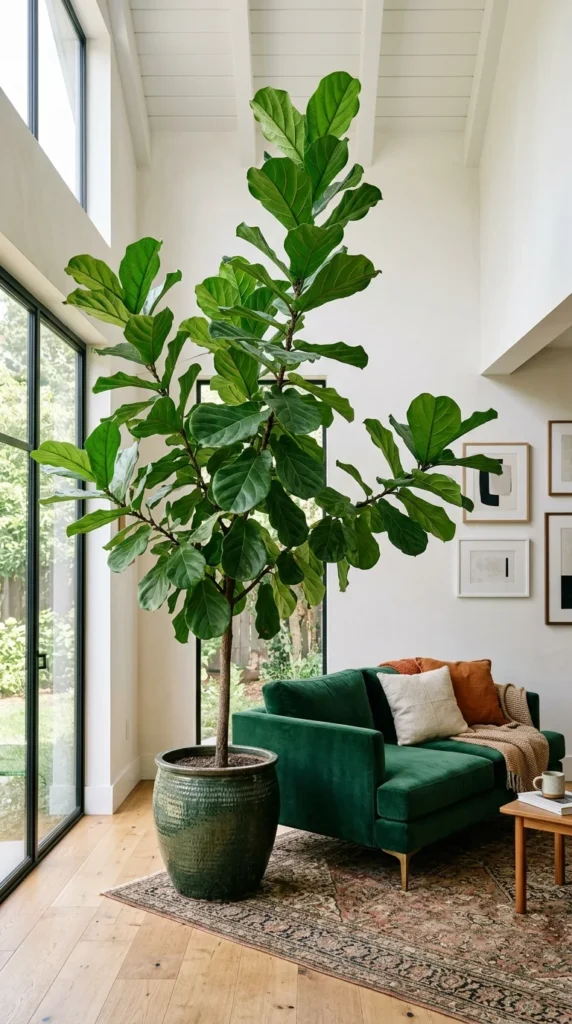
Designers use scale to create drama and balance. A small succulent lost on a massive dining table looks accidental, not intentional. To style like a pro, choose at least one “anchor” plant—a large floor specimen that stands at least five to six feet tall. This draws the eye upward, emphasizing ceiling height and creating a structural focal point. In contrast, use smaller plants to fill gaps in eye-level shelving or to decorate side tables. The key is to match the plant’s volume to the furniture it sits near; a spindly plant will look weak next to a heavy mahogany desk, while a dense, bushy fern will provide the necessary visual weight.
3. Focal Points
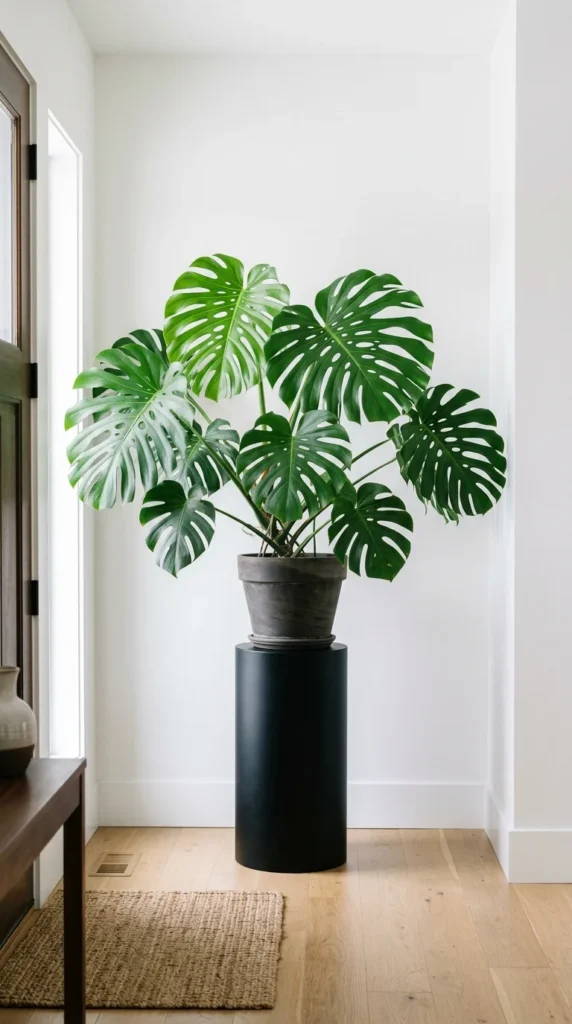
Every room needs a “hero” element, and a spectacular plant is often the most cost-effective way to achieve this. A focal point plant is usually characterized by unique leaf shapes, variegated colors, or impressive size. Instead of scattering many small plants around a room—which can lead to visual clutter—designate one area for a high-impact specimen. This could be a Swiss Cheese Plant (Monstera) with its iconic fenestrations or a tall, slender Olive Tree for a Mediterranean vibe. By giving a single plant its own dedicated space, you elevate it to the status of fine art.
4. Plant Clusters
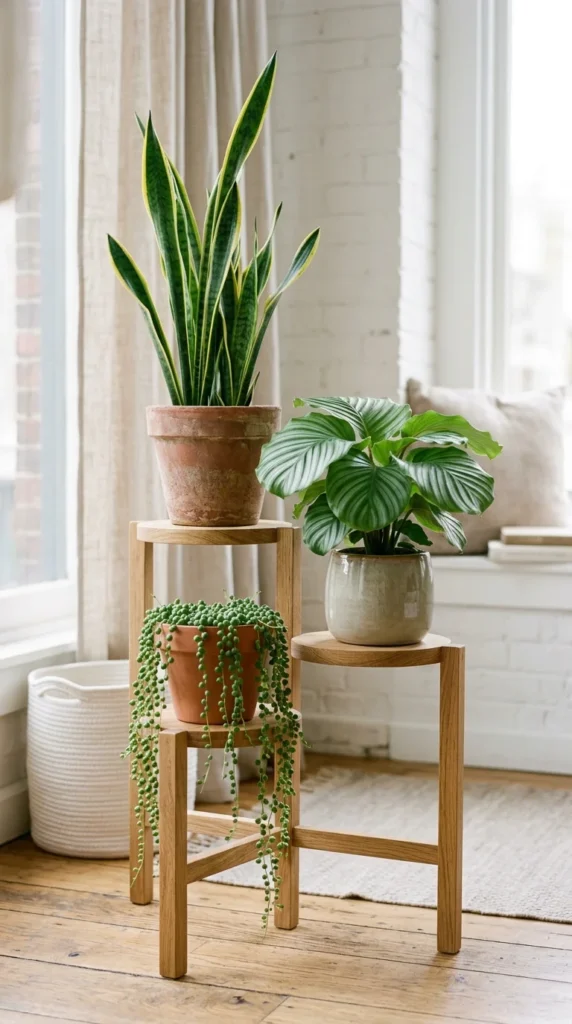
When decorating with smaller plants, designers rarely place them in a straight line. Instead, they “cluster” them using the “Rule of Three.” Grouping plants in odd numbers creates a more natural, organic feel. When building a cluster, vary the heights, leaf shapes, and pot textures to create visual interest. For example, pair a tall, spiky Dracaena with a round, leafy Pilea and a trailing Ivy. This creates a “mini-landscape” within your home. Ensure the plants in a cluster share similar light and humidity needs so that their maintenance routine is streamlined.
5. Vertical Greenery
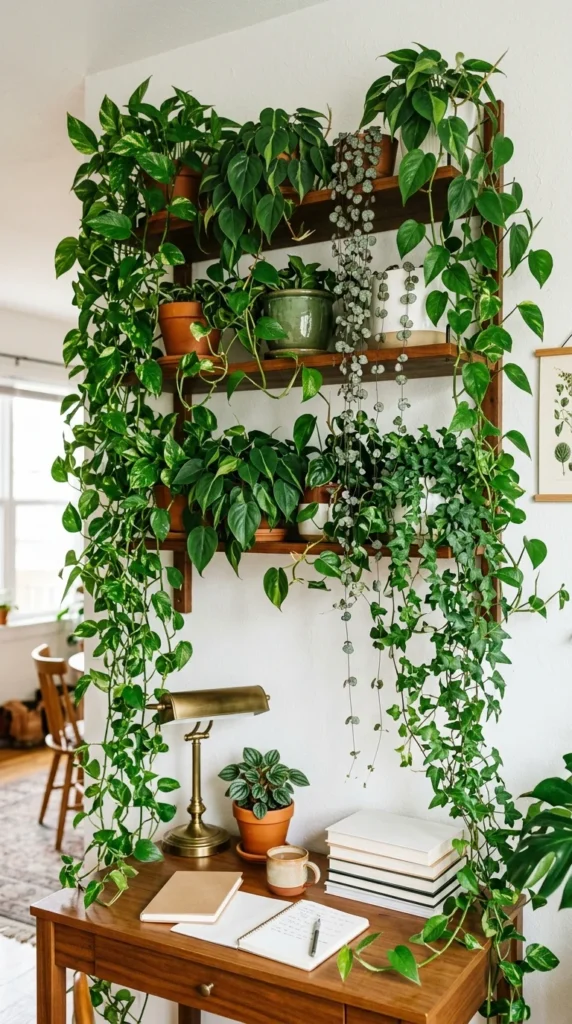
If floor space is at a premium, designers look to the walls and ceilings. Vertical gardening is a sophisticated way to add layers of green to a room. This can be achieved through hanging macramé planters, wall-mounted “living pockets,” or by placing trailing plants on high bookshelves. Trailing plants like the “String of Hearts” or “English Ivy” create soft, fluid lines that break up the rigid vertical and horizontal lines of shelves and cabinets. This technique draws the eye around the entire room, making the space feel more immersive and lush.
6. Textural Variety
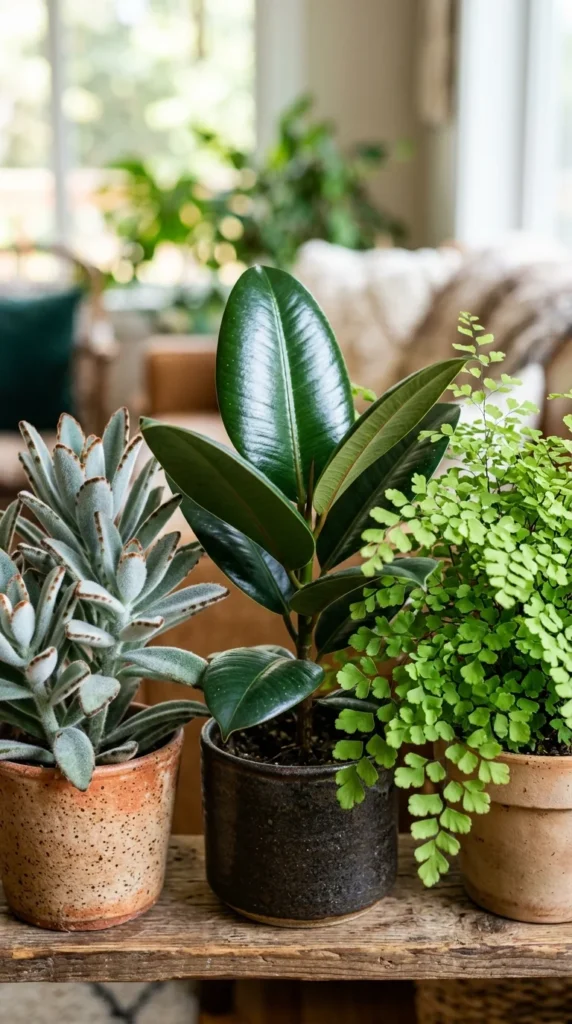
Texture is a secret weapon in interior design. A room filled only with broad, waxy leaves can feel heavy and monotonous. To create a designer look, mix textures just as you would with throw pillows and rugs. Combine the “soft” texture of a delicate fern with the “hard” architectural lines of a Sansevieria. Incorporating plants with different finishes—matte, glossy, fuzzy, or even “velvet” like the Philodendron Gloriosum—adds a tactile dimension to the room that feels rich and thoughtfully curated.
7. Designer Planters
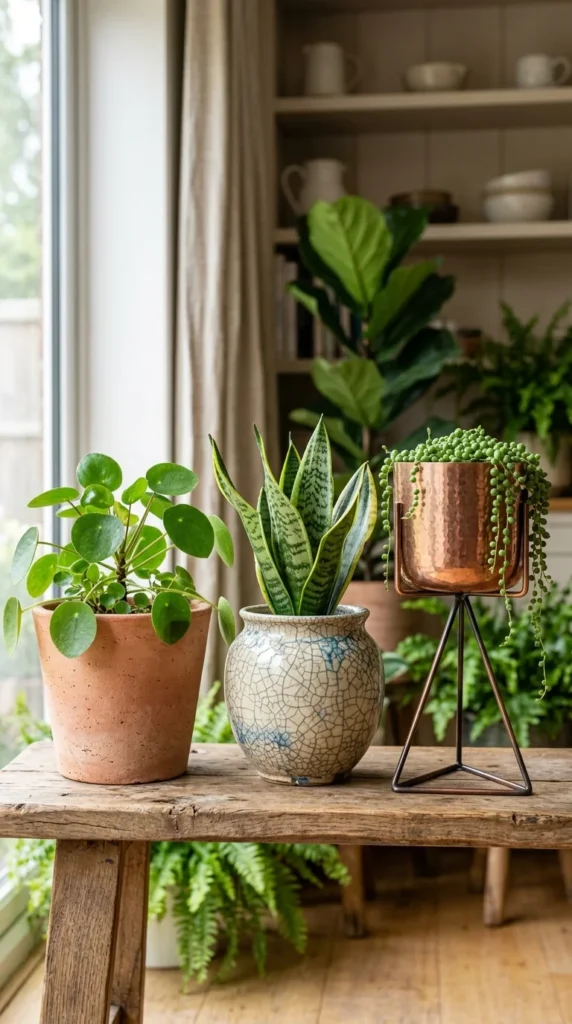
The pot is just as important as the plant itself. Designers use planters to bridge the gap between the organic plant and the room’s decor style. For a modern, minimalist look, choose monochromatic pots in matte black, white, or concrete. For a bohemian feel, opt for woven baskets or terracotta. A common designer trick is to keep the “nursery pot” (the plastic one the plant comes in) and place it inside a “cachepot” (the decorative outer pot). This allows for easy watering and prevents damage to the decorative vessel. Using a cohesive color palette for your pots throughout a house creates a sense of flow and intentionality.
8. Negative Space
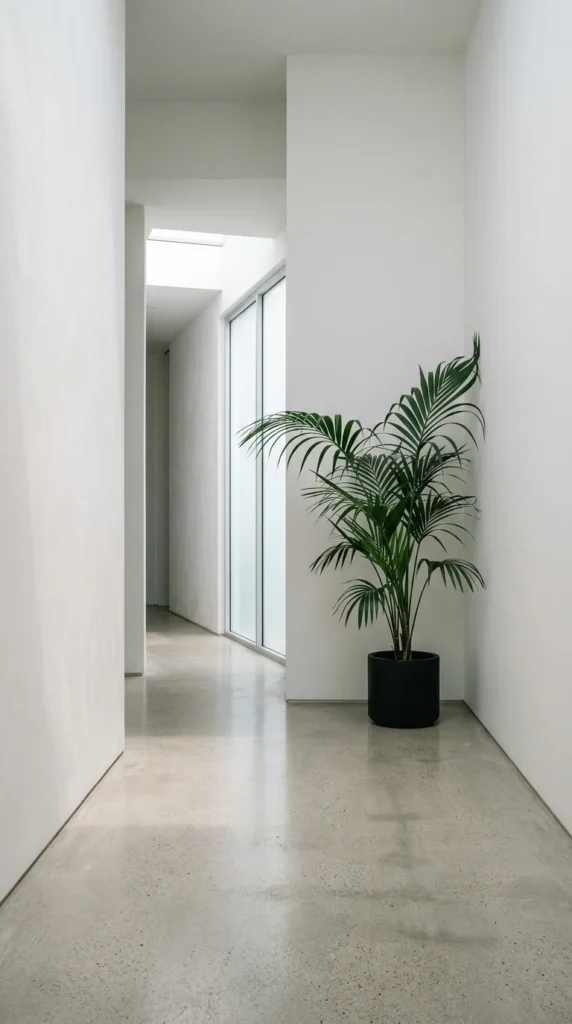
One of the hardest lessons in design is knowing when to stop. “Jungle-core” is a popular trend, but a professional designer knows the value of negative space. Leaving breathing room around a plant allows its form and beauty to be fully appreciated. If every square inch of a room is covered in foliage, the individual beauty of each plant is lost, and the room can feel claustrophobic. Use plants to highlight architectural features, like an empty corner or the space under a staircase, but leave enough open space so the room still feels airy and functional.
9. Shelf Styling
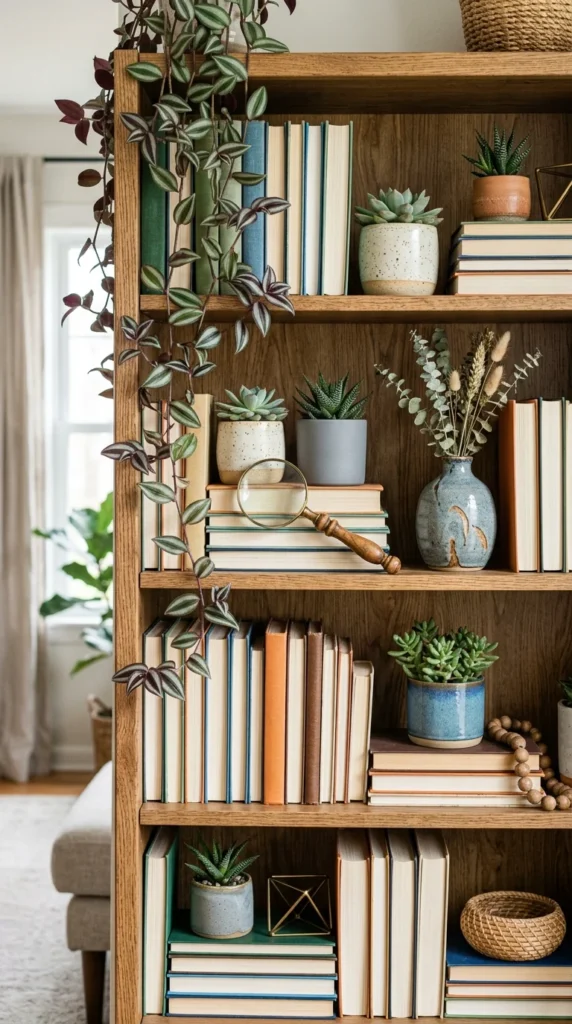
Plants are the perfect “filler” for bookshelves and mantels. They add a living element to static objects like books and vases. When styling a shelf, use “the spill, the thrill, and the fill” method. The “spill” is a trailing plant that hangs over the edge; the “thrill” is a taller, more dramatic plant that provides height; and the “fill” are smaller, mounded plants that occupy the mid-ground. Interspersing greenery with decorative objects prevents the shelf from looking like a library and turns it into a curated display of your personality.
10. Bedroom Sanctuary
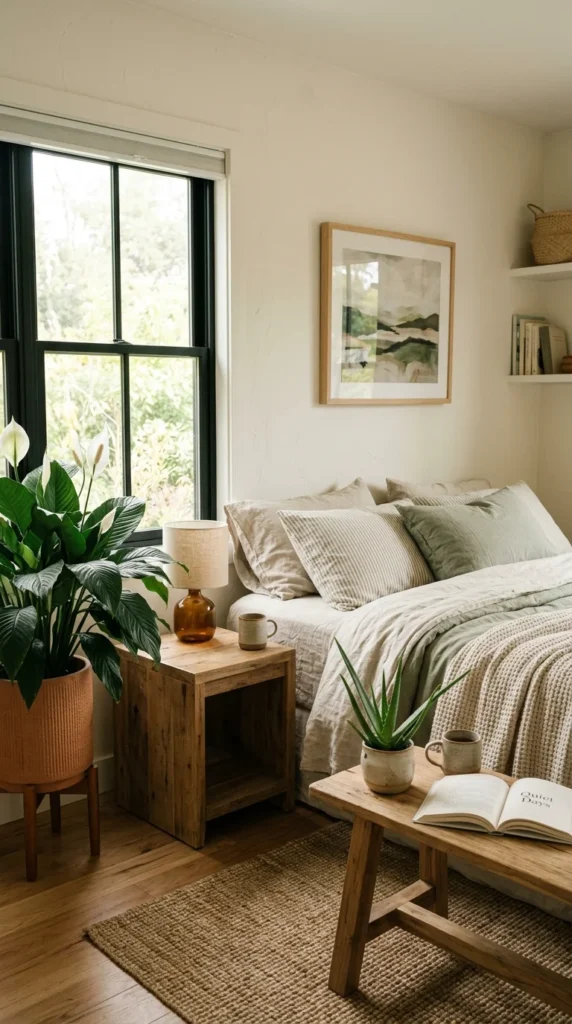
Designers often prioritize plants in the bedroom to create a “wellness retreat.” Beyond the aesthetic, certain plants like Lavender, Jasmine, and Snake Plants are chosen for their calming scents or their ability to oxygenate the air at night. In the bedroom, the styling should be understated. Avoid cluttered clusters; instead, opt for one or two medium-sized plants with soft, rounded leaves. Placing a plant on a nightstand or in a corner visible from the bed helps create a direct connection to nature the moment you wake up, promoting a sense of peace and well-being.