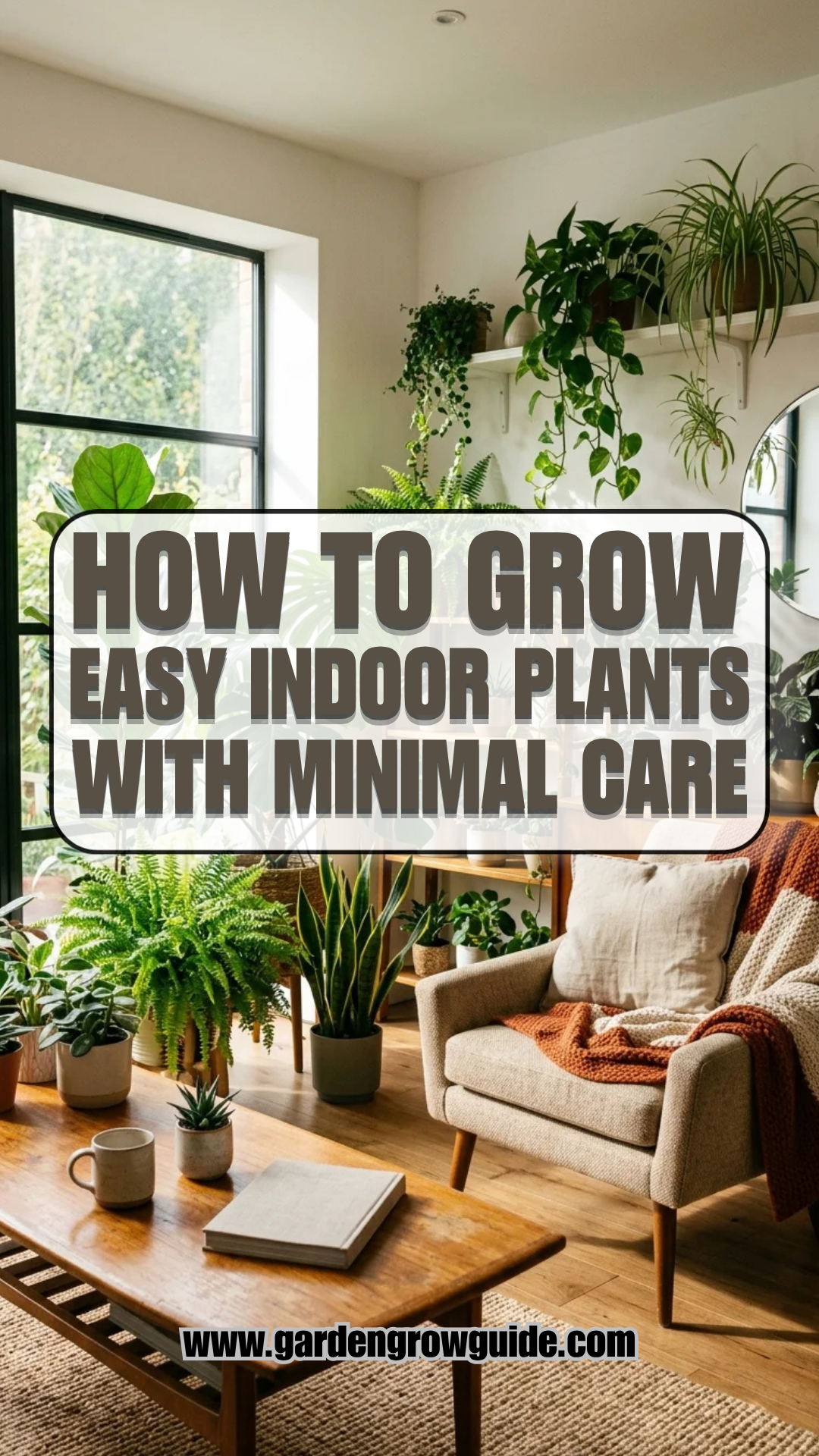
The dream of a lush, green sanctuary inside the home is one shared by many, yet often sidelined by the fear of the “black thumb.” We lead busy lives, and the thought of maintaining a delicate botanical specimen can feel like an added chore. However, indoor gardening does not have to be a high-stakes endeavor. Many of the most beautiful houseplants are remarkably resilient, evolving in harsh natural environments that have prepared them to survive—and even thrive—under the care of a forgetful owner.
Growing easy indoor plants is about understanding the balance between providing basic needs and practicing “beneficial neglect.” Most indoor plant fatalities are caused by over-care, particularly overwatering, rather than a lack of attention. By selecting the right species and setting up a sustainable environment, you can enjoy the air-purifying benefits and aesthetic beauty of nature without the stress of constant maintenance.
Understanding the Basics of Low-Maintenance Care
Before diving into specific species, it is crucial to understand the three pillars of indoor plant health: light, water, and soil. Even the toughest plants have their limits.
- Light Requirements: Most “easy” plants prefer bright, indirect light. This means a spot near a window where the sun doesn’t shine directly on the leaves, which can cause scorching. However, many low-maintenance varieties are famous for their ability to tolerate low-light corners.
- The Golden Rule of Watering: The quickest way to kill a houseplant is by keeping the soil perpetually soggy. For almost all beginner-friendly plants, it is better to wait until the top inch or two of soil is dry to the touch before watering again.
- Drainage is Non-Negotiable: Always use a pot with drainage holes. If you find a decorative “cachepot” without holes, keep the plant in its plastic nursery pot inside the decorative one so excess water can escape.
1. Snake Plant
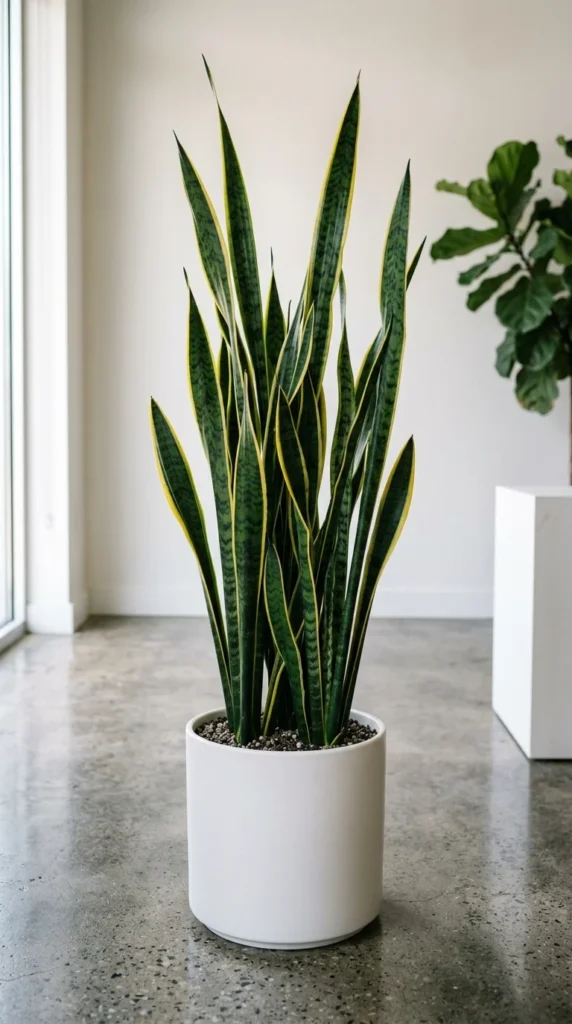
The Snake Plant, also known as Mother-in-Law’s Tongue, is perhaps the gold standard for low-maintenance greenery. It is functionally indestructible. These plants are succulents, meaning they store water in their thick, waxy leaves, allowing them to survive for weeks (and sometimes months) without a drink.
- Light: They are incredibly adaptable, surviving in very low light conditions but growing faster in bright, indirect light.
- Water: Only water when the soil is completely dry. In winter, this might mean watering only once every 4 to 6 weeks.
- Benefit: They are one of the few plants that continue to produce oxygen at night, making them perfect for bedrooms.
2. Pothos
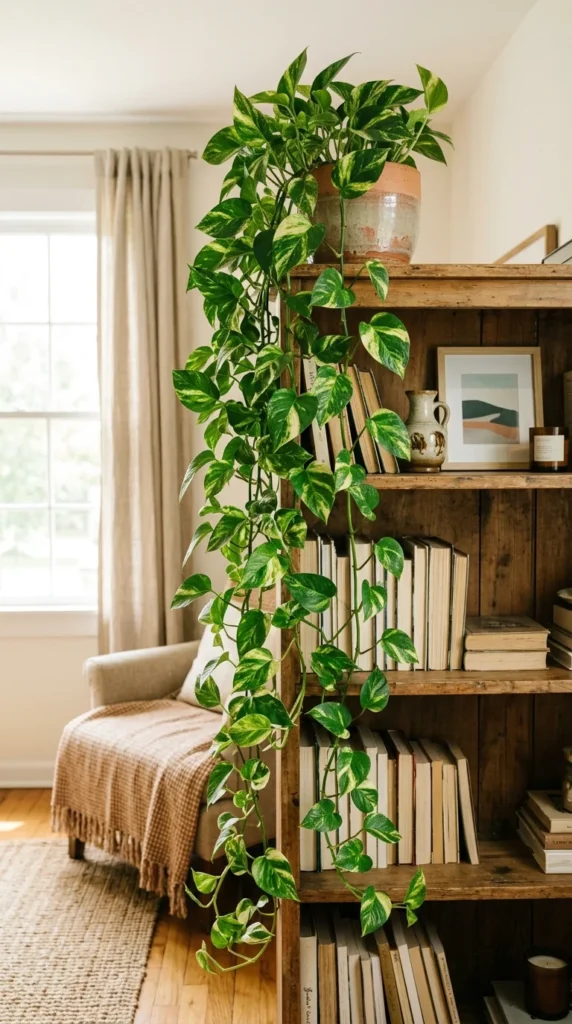
Often called “the cubicle plant,” the Pothos is a trailing vine that grows at an impressive rate. It is highly communicative; when it needs water, its leaves will start to wilt slightly, but they spring back to life almost immediately after a drink.
- Light: Prefers moderate light but will tolerate low light. Variegated versions (with white or yellow spots) may lose some of their coloring in dark corners.
- Water: Water when the top half of the soil feels dry.
- Maintenance: If the vines get too long, you can simply snip them off. These cuttings can be placed in a glass of water to grow new roots, giving you free plants indefinitely.
3. ZZ Plant
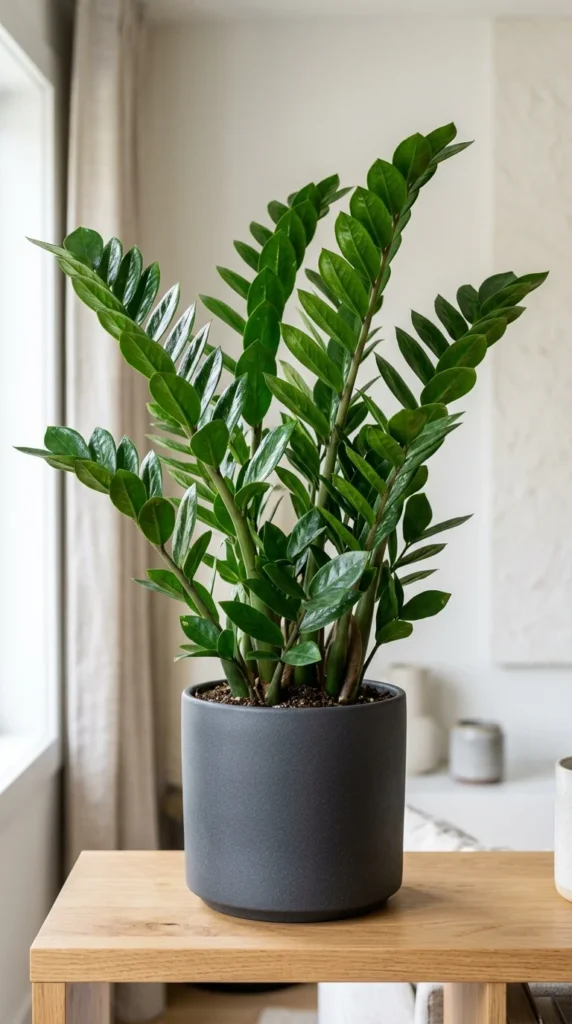
The ZZ Plant (Zamioculcas zamiifolia) looks so perfect that people often mistake it for a fake plant. It has evolved to survive extreme droughts in Africa, making it the perfect companion for frequent travelers or those who simply forget their plants exist.
- Light: Thrives in low to medium light. It is a popular choice for windowless offices with fluorescent lighting.
- Water: The ZZ plant grows from rhizomes (thick, potato-like bulbs under the soil) that store water. Overwatering is its only enemy; water it once every few weeks.
- Texture: Its glossy, light-reflecting leaves add a touch of elegance to any interior design.
4. Spider Plant
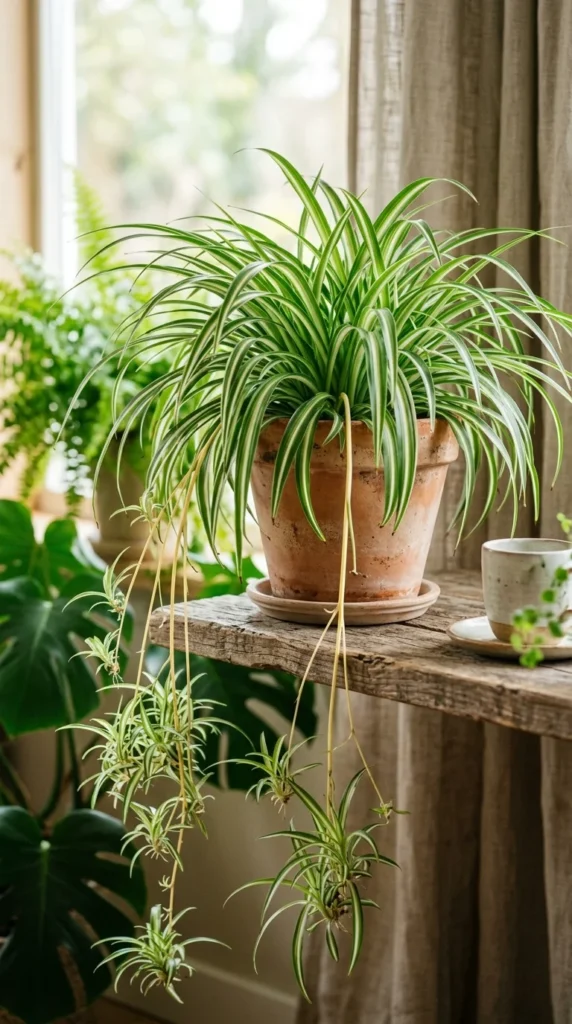
The Spider Plant is a classic for a reason. It is exceptionally hardy and produces “spiderettes”—small baby plants that dangle from the mother plant like ornaments. It is one of the most effective air-purifying plants available, filtering out common household toxins.
- Light: Bright, indirect light is best, though they can handle some shade.
- Water: They prefer to dry out slightly between waterings. If the tips of the leaves turn brown, it usually indicates chemicals like fluoride in tap water; using filtered water can solve this.
- Versatility: They look fantastic in hanging baskets where their arching leaves and babies can be fully displayed.
5. Peace Lily
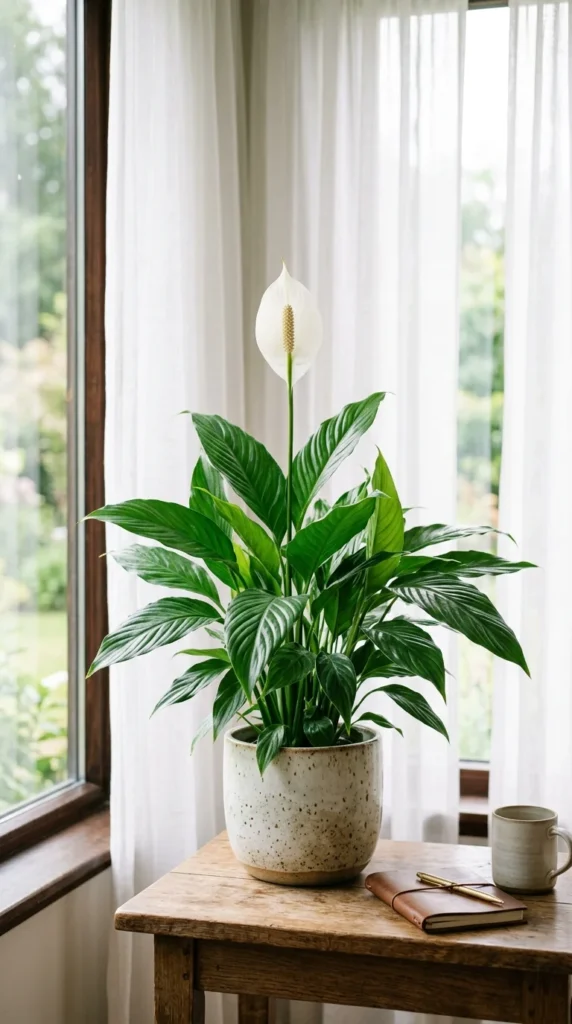
The Peace Lily is the “drama queen” of the plant world in the best way possible. It is one of the few low-care plants that frequently produces beautiful white blooms. It is also an excellent communicator, drooping dramatically when it is thirsty and perking up within hours of being watered.
- Light: Low to medium indirect light. Direct sun will burn the leaves.
- Water: Keep the soil consistently moist but never soggy. If the plant wilts, it’s time to water.
- Safety Note: Keep in mind that Peace Lilies are toxic to cats and dogs, so place them on high surfaces away from curious pets.
6. Aloe Vera
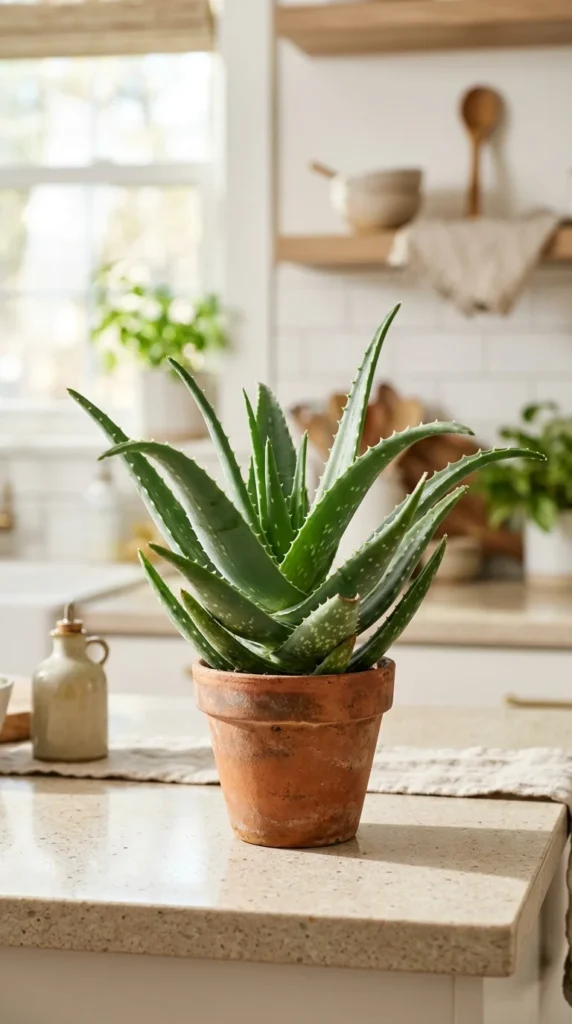
Aloe Vera is a functional powerhouse. Not only does it require almost no attention, but the gel inside its leaves can be used to soothe burns and skin irritations. As a succulent, it prefers a “set it and forget it” approach.
- Light: Aloe loves the sun. Place it on a bright windowsill where it can soak up as much light as possible.
- Water: Deep but infrequent watering is key. Allow the soil to dry out completely before saturating it again.
- Soil: Use a cactus or succulent potting mix to ensure fast drainage.
7. Rubber Plant
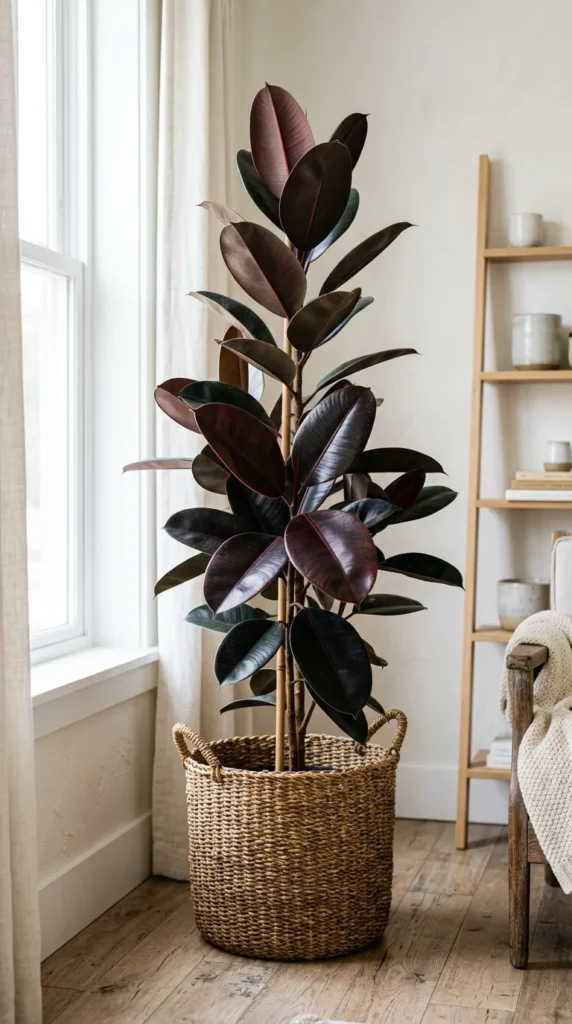
For those looking for something with a bit more height and presence, the Rubber Plant (Ficus elastica) is an excellent choice. It has a sturdy, tree-like structure and broad, shiny leaves that can be dark green, variegated, or even a deep, moody burgundy.
- Light: It thrives in bright, filtered light. Too little light will cause it to drop its lower leaves.
- Water: Water when the top of the soil is dry. During the growing season (spring and summer), it may need more frequent attention than in the winter.
- Cleaning: Because the leaves are so large, they can collect dust. Wiping them down with a damp cloth every few months keeps the plant healthy and looking its best.
Common Pitfalls to Avoid
Even with the easiest plants, a few common mistakes can lead to trouble. Being aware of these will ensure your indoor garden remains vibrant.
- The “Death by Kindness” (Overwatering): Most people water on a schedule (e.g., “every Monday”). Instead, water based on the plant’s needs. Stick your finger in the soil; if it feels damp, wait a few days.
- Ignoring the Seasons: Plants grow much slower in the winter. During these months, they need significantly less water and no fertilizer.
- Direct Midday Sun: While we think plants love sun, the glass in our windows can magnify heat. Direct afternoon sun can literally cook the leaves of a Pothos or Peace Lily. Stick to “bright indirect” light for safety.
- Poor Drainage: If a pot doesn’t have a hole at the bottom, water will pool at the roots, causing “root rot,” which is usually fatal. Always ensure water can escape.
Enhancing Your Space with Greenery
Beyond their survival, indoor plants serve as a vital element of interior design. To make the most of your easy-care plants, consider their placement:
- Vertical Interest: Use trailing plants like Pothos on high shelves or in hanging planters to draw the eye upward.
- Grouping: Placing plants together doesn’t just look good; it creates a small microclimate of higher humidity, which benefits the plants.
- Contrast: Pair the architectural, upright lines of a Snake Plant with the soft, flowing leaves of a Spider Plant for visual balance.
Indoor gardening is a journey of discovery. By starting with these resilient varieties, you build the confidence and understanding needed to eventually tackle more demanding species. For now, enjoy the calm, the cleaner air, and the effortless beauty that these “easy” plants bring into your home.