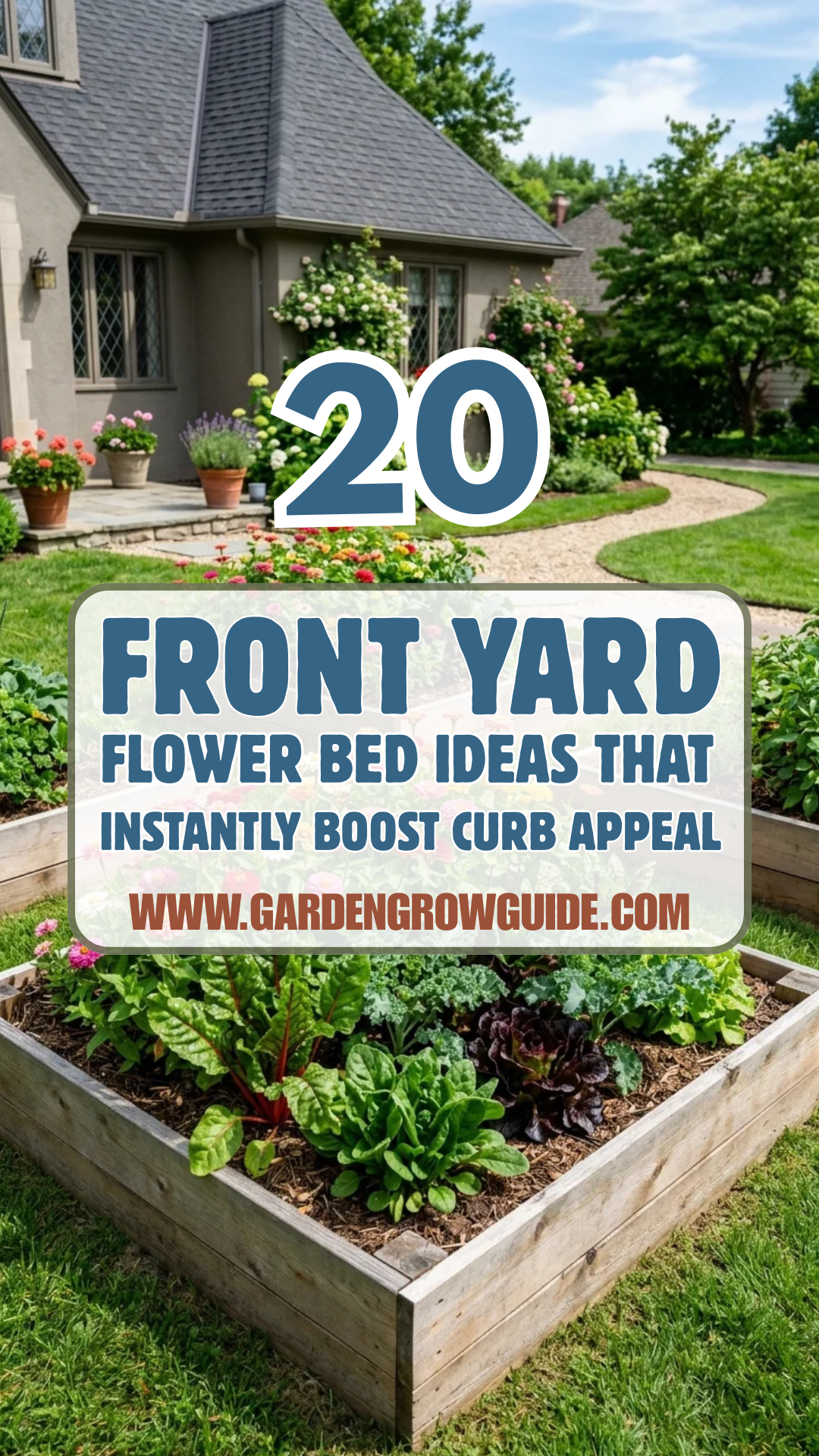
Creating a stunning front yard is about more than just maintaining a green lawn; it is about designing a welcoming environment that reflects your home’s personality. Flower beds are the most effective way to add color, texture, and structure to your property. Whether you prefer a wild cottage look or a sleek modern aesthetic, the right combination of plants and hardscaping can transform a bland entryway into a neighborhood showstopper.
Here are 20 front yard flower bed ideas to help you elevate your home’s curb appeal.
1. Layered Borders
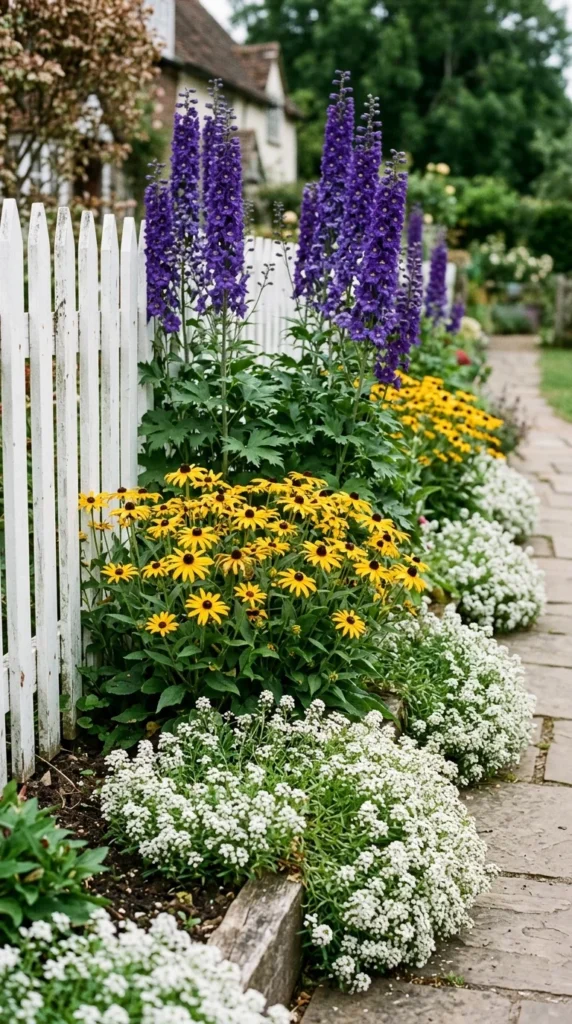
Layering is the golden rule of professional landscaping. By placing the tallest plants at the back (closest to the house or fence) and gradually stepping down to the shortest plants at the front, you create a sense of depth and abundance. This technique ensures that every plant is visible and receives adequate sunlight. For a classic look, use evergreens for structure, flowering shrubs for height, and seasonal annuals for a pop of color at the ground level.
2. Rock Gardens
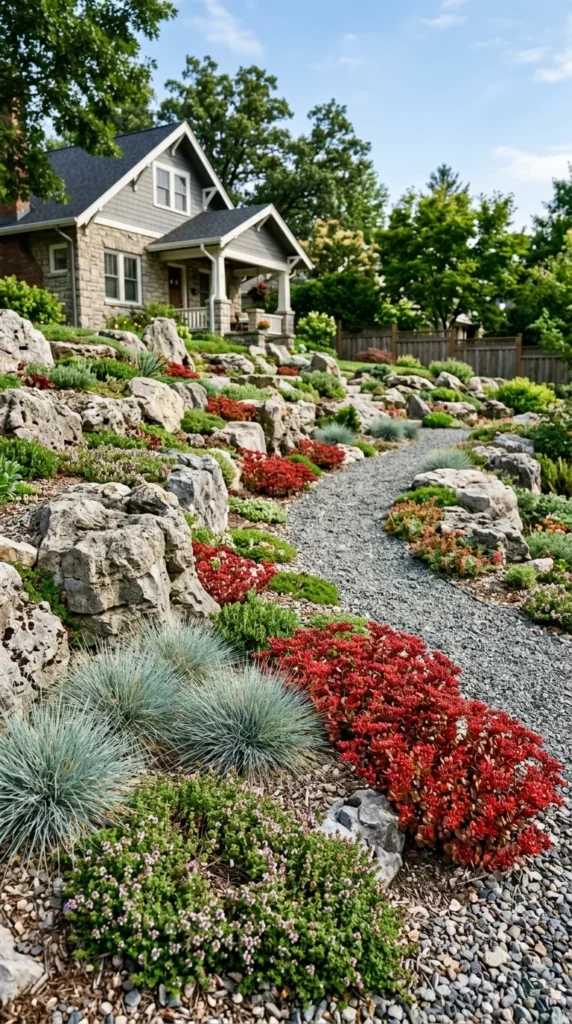
If you have a sloped yard or poor soil, a rock garden is a practical and beautiful solution. Incorporating large boulders and various sizes of river stones provides a naturalistic backdrop for hardy plants. Succulents, alpine flowers, and ornamental grasses thrive in these well-drained environments. The contrast between the rugged, gray stones and the soft, colorful foliage creates a sophisticated, low-maintenance focal point.
3. Cottage Gardens
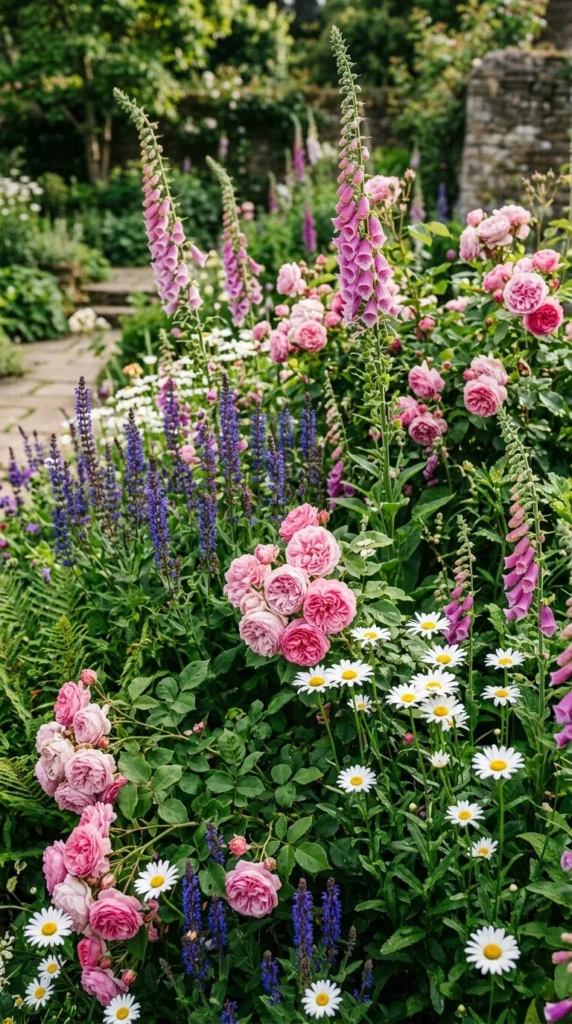
Cottage gardens are characterized by their “organized chaos.” They prioritize density and variety over strict structure. To achieve this look, mix perennials like peonies and hollyhocks with self-seeding annuals. The goal is to have something blooming at all times. This style is perfect for those who want a romantic, old-world feel that attracts pollinators like butterflies and bees.
4. Succulent Beds
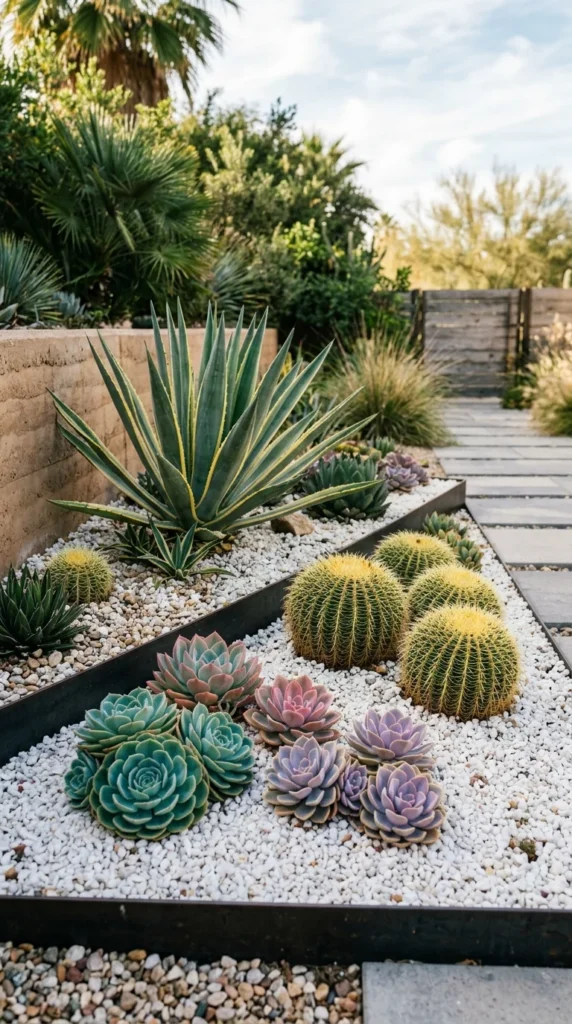
For homeowners in arid climates or those seeking a high-impact, low-water option, succulent beds are ideal. These plants offer incredible geometric shapes and a palette of muted greens, blues, and purples. Use different heights—like tall yucca paired with low-lying hens-and-chicks—to keep the eye moving. Succulents are incredibly resilient and provide year-round interest without the need for constant deadheading.
5. Pathside Perennials
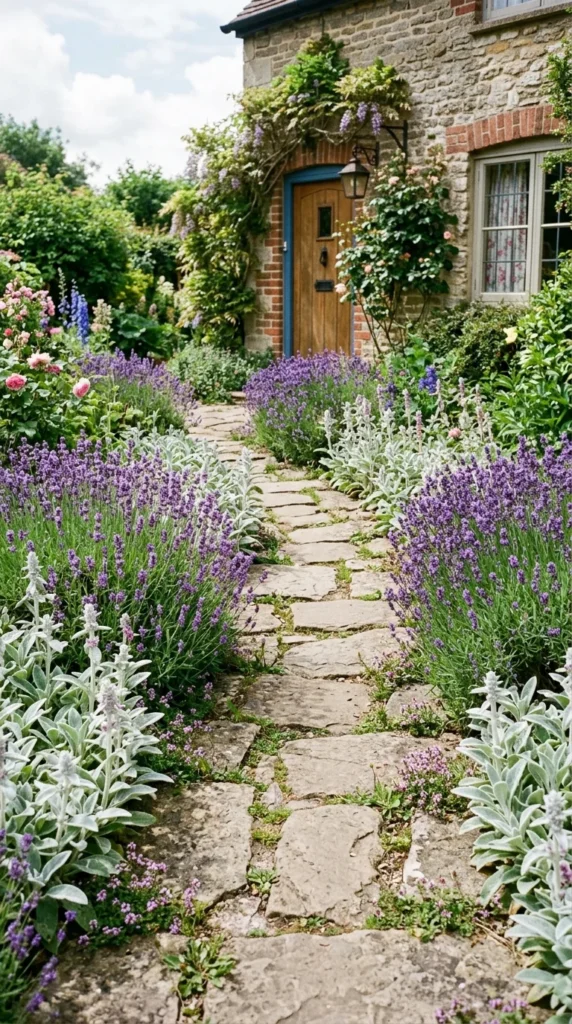
Framing your front walkway with flowers makes the journey to your door an experience. Choose fragrant plants like lavender, rosemary, or creeping gardenia to engage the senses of your guests. Low-growing perennials that won’t overgrow the path are best. This approach softens the hard lines of a concrete or stone walkway and makes the entryway feel more integrated into the landscape.
6. Retaining Walls
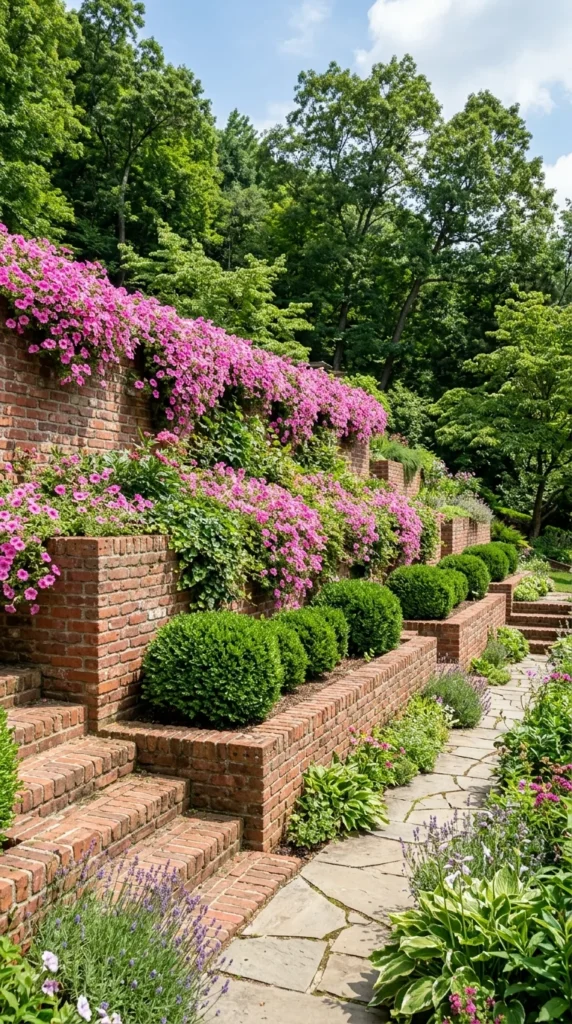
Retaining walls serve a dual purpose: they manage erosion on hilly lots and provide built-in planters for stunning floral displays. By using tiered walls, you can create “shelves” of color. Trailing plants like ivy or “Silver Falls” dichondra look spectacular when allowed to spill over the edges of stone or brick walls, softening the masonry.
7. Window Boxes
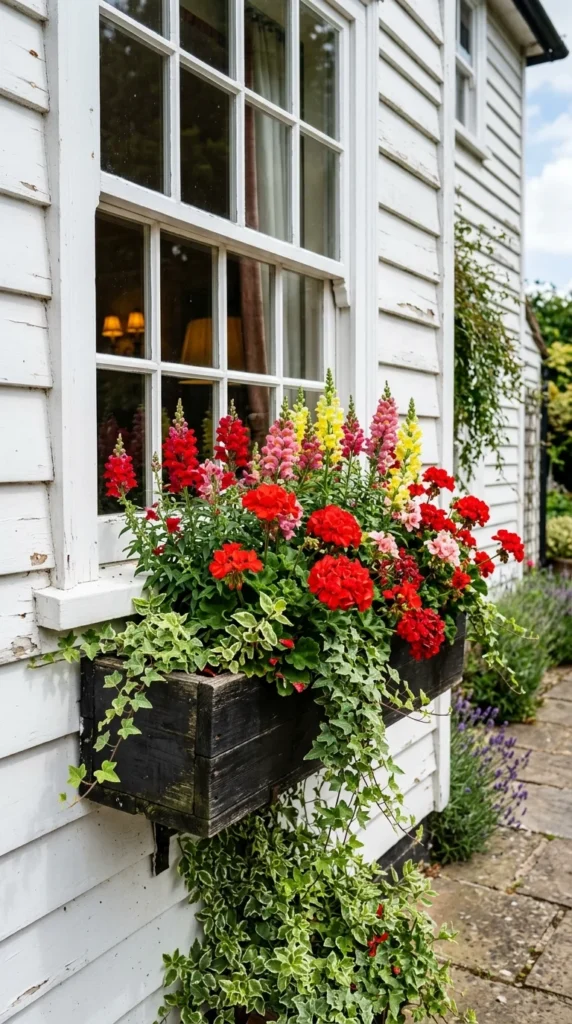
While technically an extension of the house, window boxes act as elevated flower beds that draw the eye upward. They are perfect for adding color to homes with limited yard space. To create a professional look, follow the “thriller, filler, spiller” formula: use a tall focal plant (thriller), mounding flowers to fill the space (filler), and trailing vines to hang over the edge (spiller).
8. Island Beds
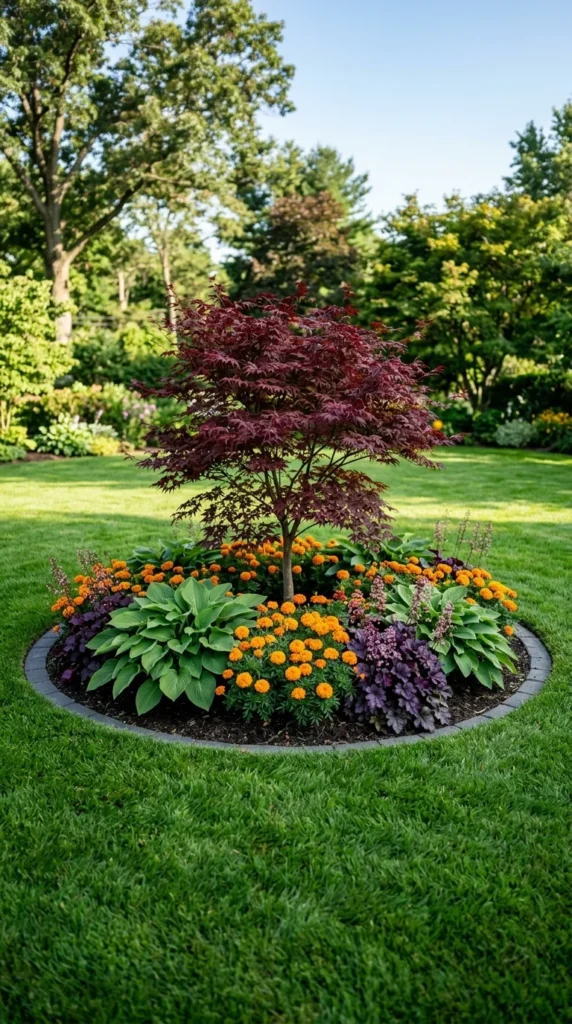
An island bed is a standalone garden located in the middle of the lawn, away from the house walls. This is an excellent way to break up a large expanse of grass. Often centered around a focal point like a specimen tree, a birdbath, or a statue, island beds can be viewed from all sides. Use circular or kidney-shaped outlines to create a flowy, organic feel.
9. Monochromatic Schemes
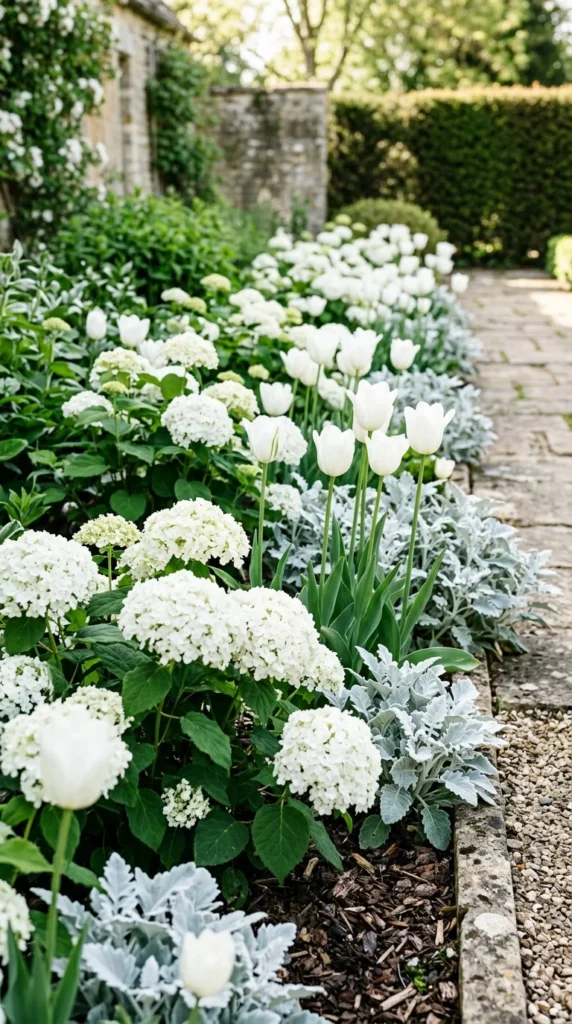
A monochromatic color palette—using different shades and tints of a single color—creates a look of intentional elegance. An all-white “moon garden” is particularly popular because the flowers seem to glow at dusk. Alternatively, a “red hot” garden with various crimson and scarlet blooms can make a bold, energetic statement against a neutral-colored house.
10. Native Plants
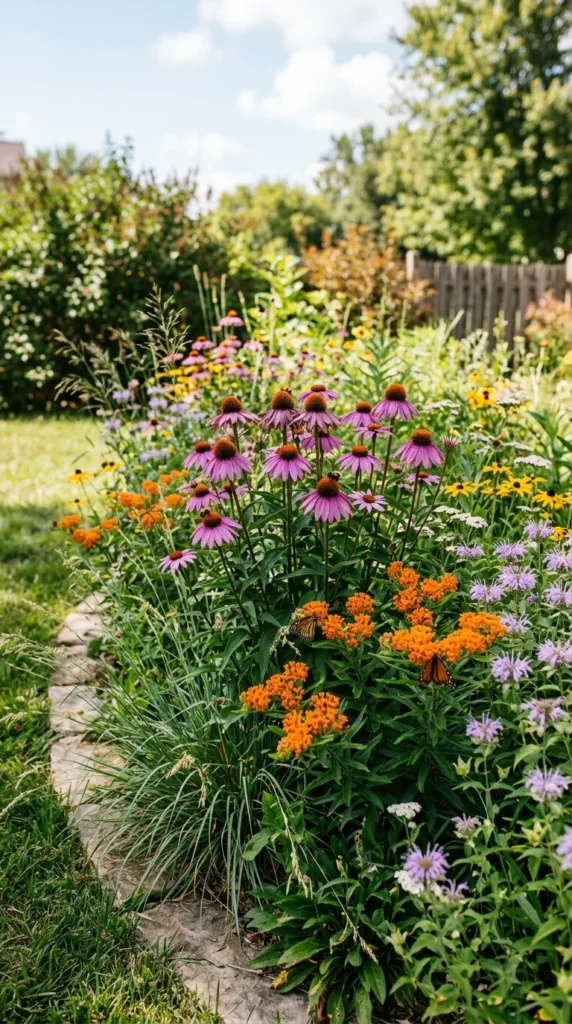
Designing with native plants is one of the most sustainable choices a homeowner can make. Native species are adapted to the local climate and soil, meaning they require less water and fewer fertilizers. They also provide essential habitats for local wildlife. A native flower bed can look incredibly lush and vibrant while being much easier to maintain than exotic species.
11. Raised Beds
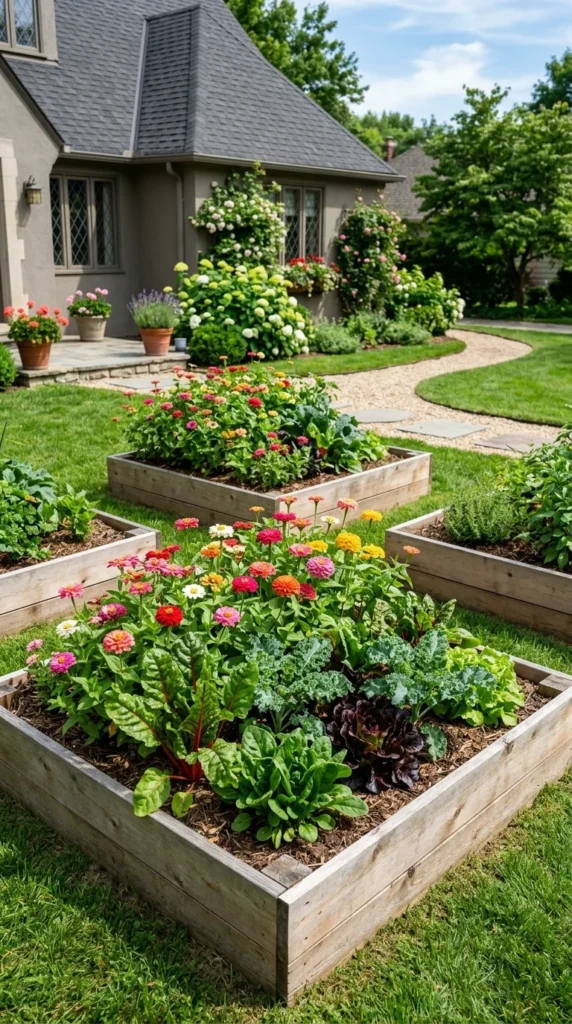
Raised beds offer excellent drainage and prevent soil compaction. They also provide a clean, structured look that fits well with modern or traditional architecture. By raising the planting surface, you also make gardening tasks like weeding and pruning much easier on your back. Use high-quality timber or stone to match the aesthetic of your home’s exterior.
12. Tropical Lushness
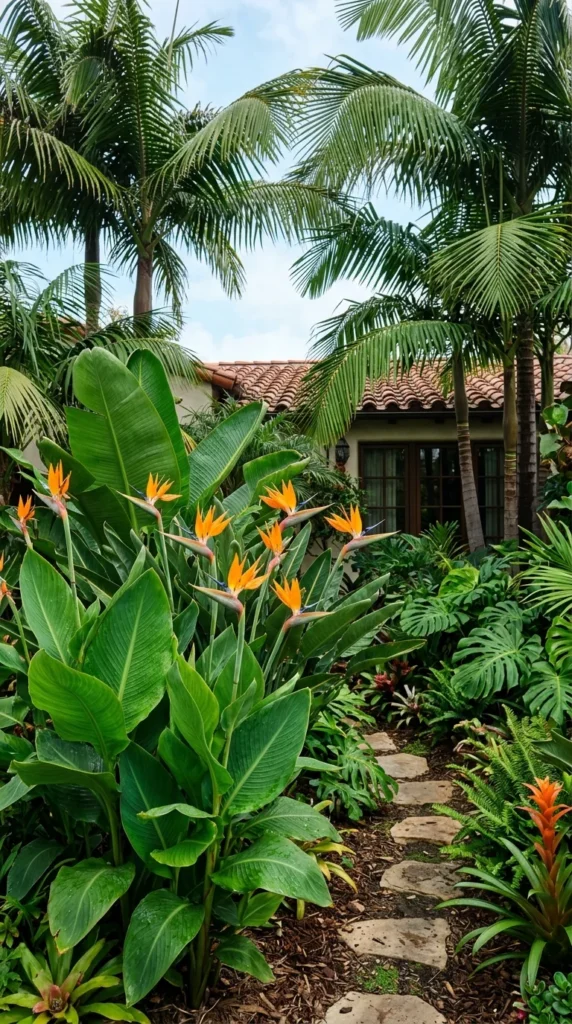
If you live in a warm climate, you can create a vacation-like vibe with a tropical-inspired flower bed. Focus on plants with large, dramatic foliage and saturated colors. Hibiscus, bromeliads, and elephant ears provide a high-contrast look that feels luxurious and bold. Even in cooler climates, many of these can be grown as annuals or brought indoors for the winter.
13. Shade Lovers
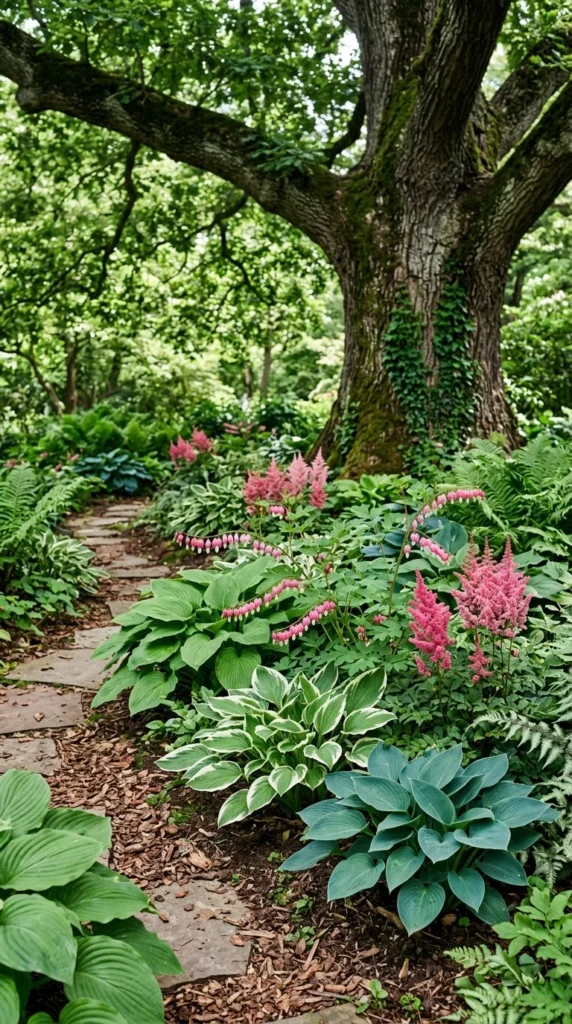
Don’t let a lack of sun stop you from having a beautiful front yard. Shade gardens rely on texture and subtle color variations to make an impact. Hostas come in hundreds of varieties with variegated leaves, while ferns add a soft, lacy texture. To add color, look for shade-tolerant bloomers like impatiens, begonias, or the architectural spikes of foxgloves.
14. Symmetrical Entryways
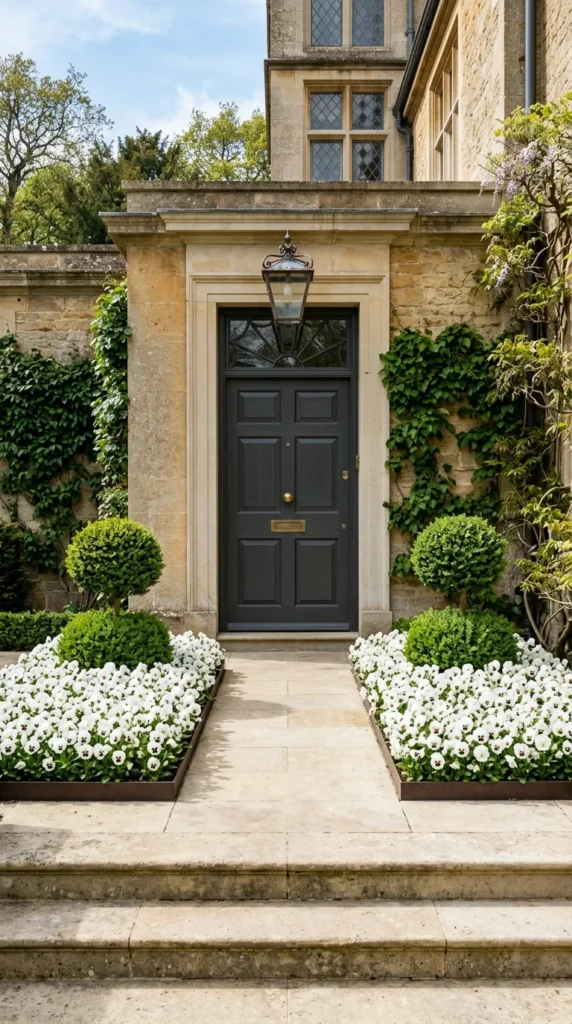
Symmetry creates a sense of order and formality. If your home has a traditional or colonial architectural style, mirroring your flower beds on either side of the front door can enhance the grandeur of the entryway. Use matched pairs of evergreen shrubs for year-round structure and rotate seasonal flowers to keep the look fresh.
15. Wildlife Habitats
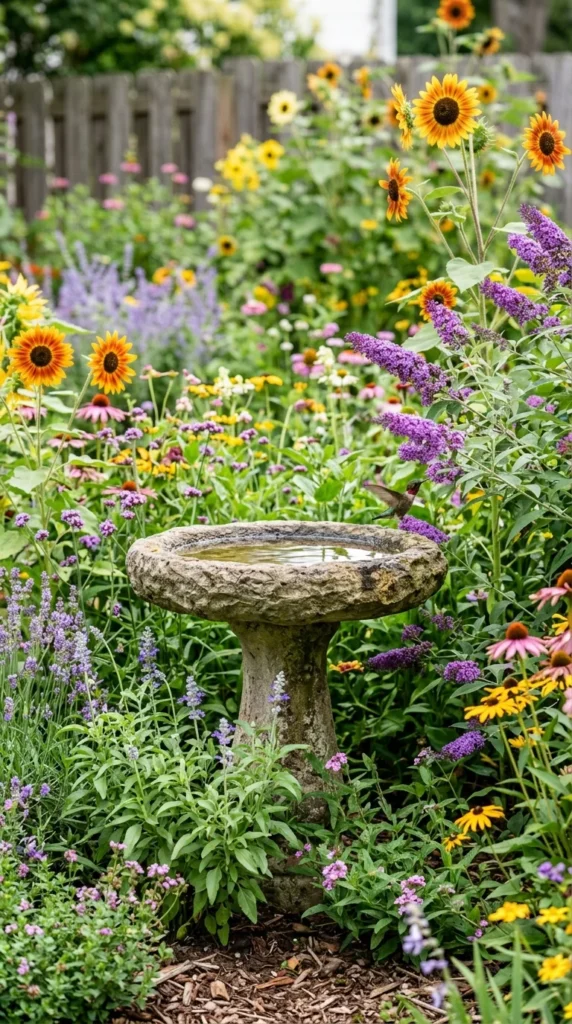
A garden can be both beautiful and functional by serving as a sanctuary for birds, butterflies, and pollinators. Incorporate a water feature, like a small pond or birdbath, and plant a variety of nectar-producing flowers. This creates a “living” flower bed that adds movement and sound to your front yard, making it a more engaging space for you and your neighbors.
16. Edible Landscapes
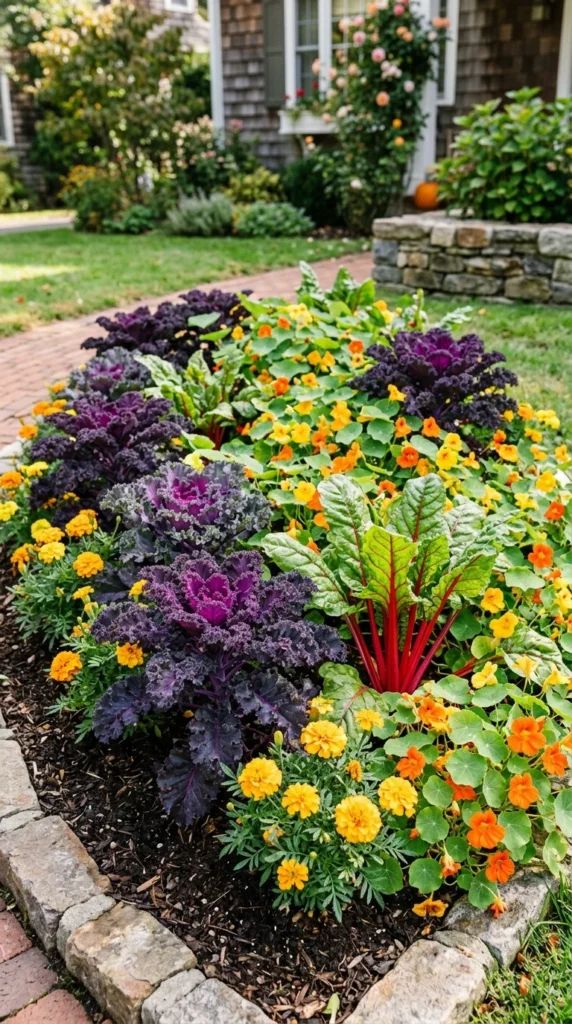
“Foodscaping” is the practice of integrating edible plants into your ornamental flower beds. Many vegetables and herbs are quite beautiful; for example, the dark, crinkly leaves of Lacinato kale or the vibrant stems of Swiss chard provide excellent contrast. Mixing in herbs like rosemary or chives adds fragrance and utility, proving that a front yard can be both productive and pretty.
17. Modern Minimalism
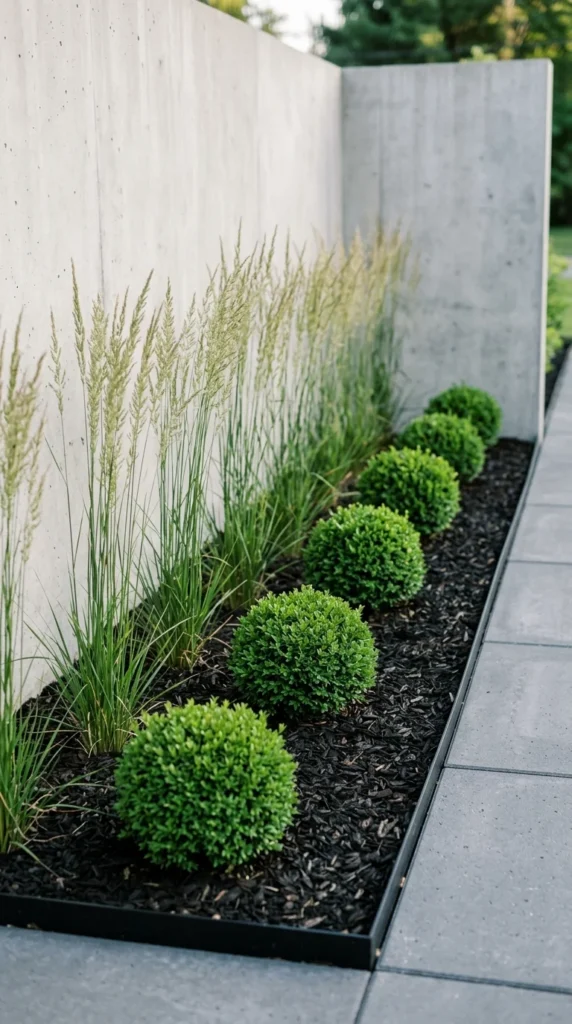
Modern landscaping focuses on “less is more.” This style uses a limited color palette and emphasizes form and structure. Repeating a single type of plant, like Horsetail or Feather Reed Grass, creates a clean, architectural line. This look works best with contemporary homes and is generally very low-maintenance once established.
18. Corner Accents
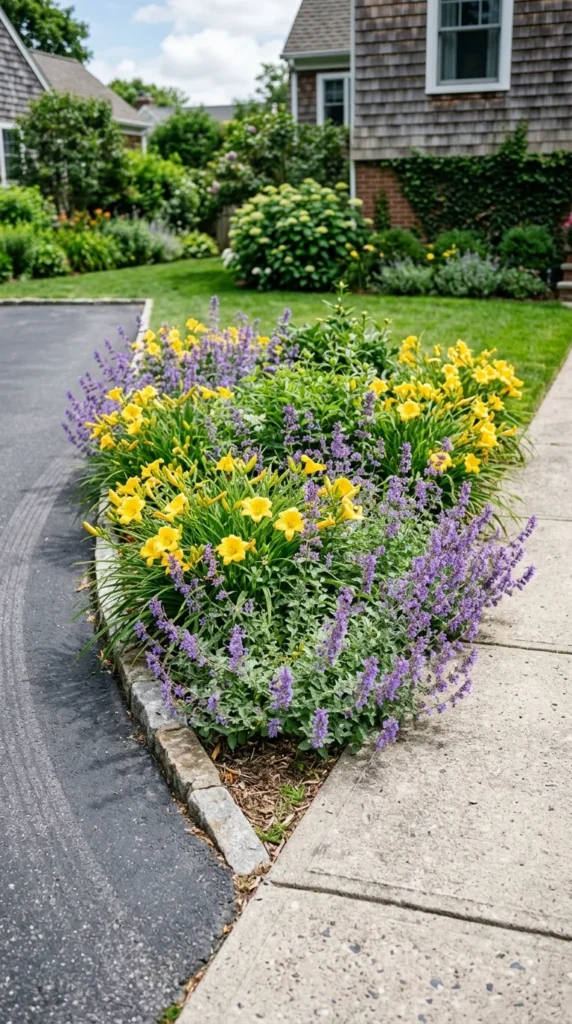
Corners are often overlooked spaces that can become weeds’ favorite spots. Turning a corner into a flower bed softens the transition between different areas of your yard. A triangular bed at the edge of the driveway or the corner of the house can anchor the landscape and provide a welcoming splash of color as you pull into the property.
19. Ornamental Grasses
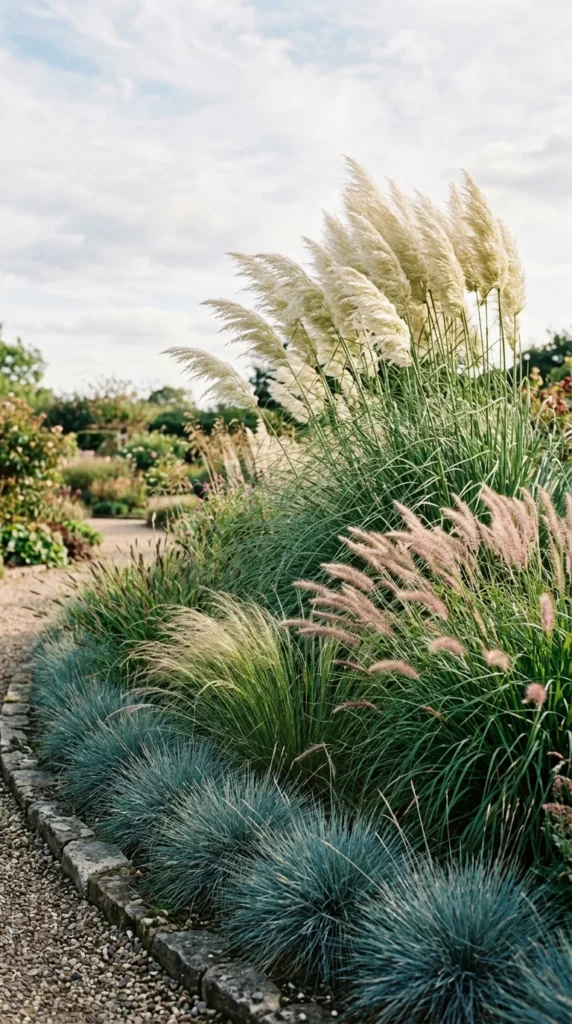
Ornamental grasses provide something that many flowers cannot: movement and sound. As they catch the breeze, they add a dynamic element to the front yard. They also provide excellent winter interest, as many varieties retain their shape and golden color even in the snow. Pair them with late-season bloomers like sedum or asters for a stunning autumn display.
20. Seasonal Rotations
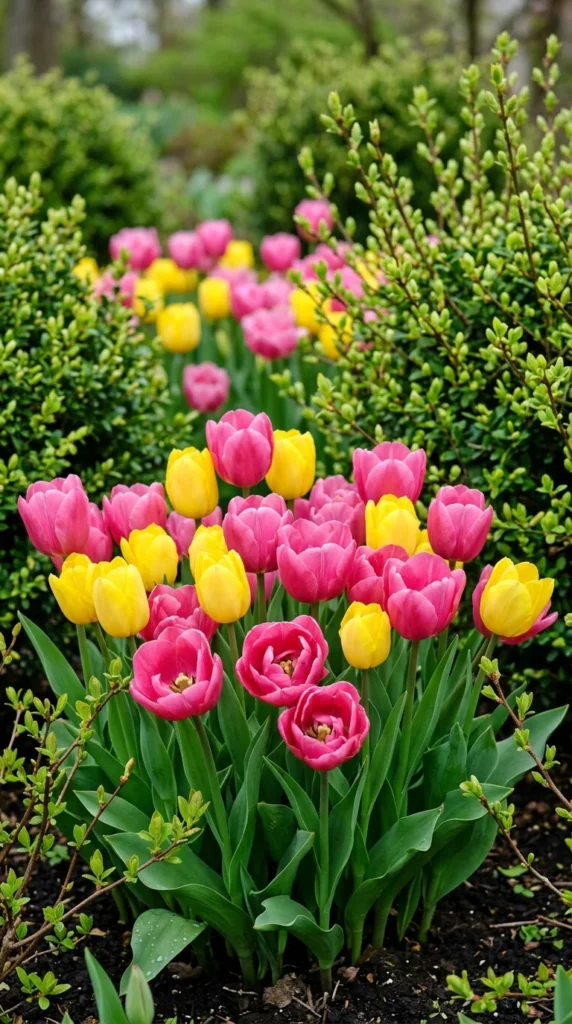
To keep your curb appeal at its peak all year, plan for seasonal rotations. This involves leaving space in your beds for “plugging in” seasonal favorites. Think tulips and daffodils in the spring, petunias and zinnias in the summer, mums and ornamental peppers in the fall, and evergreen boughs or pansies in the winter. This ensures your home always looks cared for and vibrant, regardless of the month.