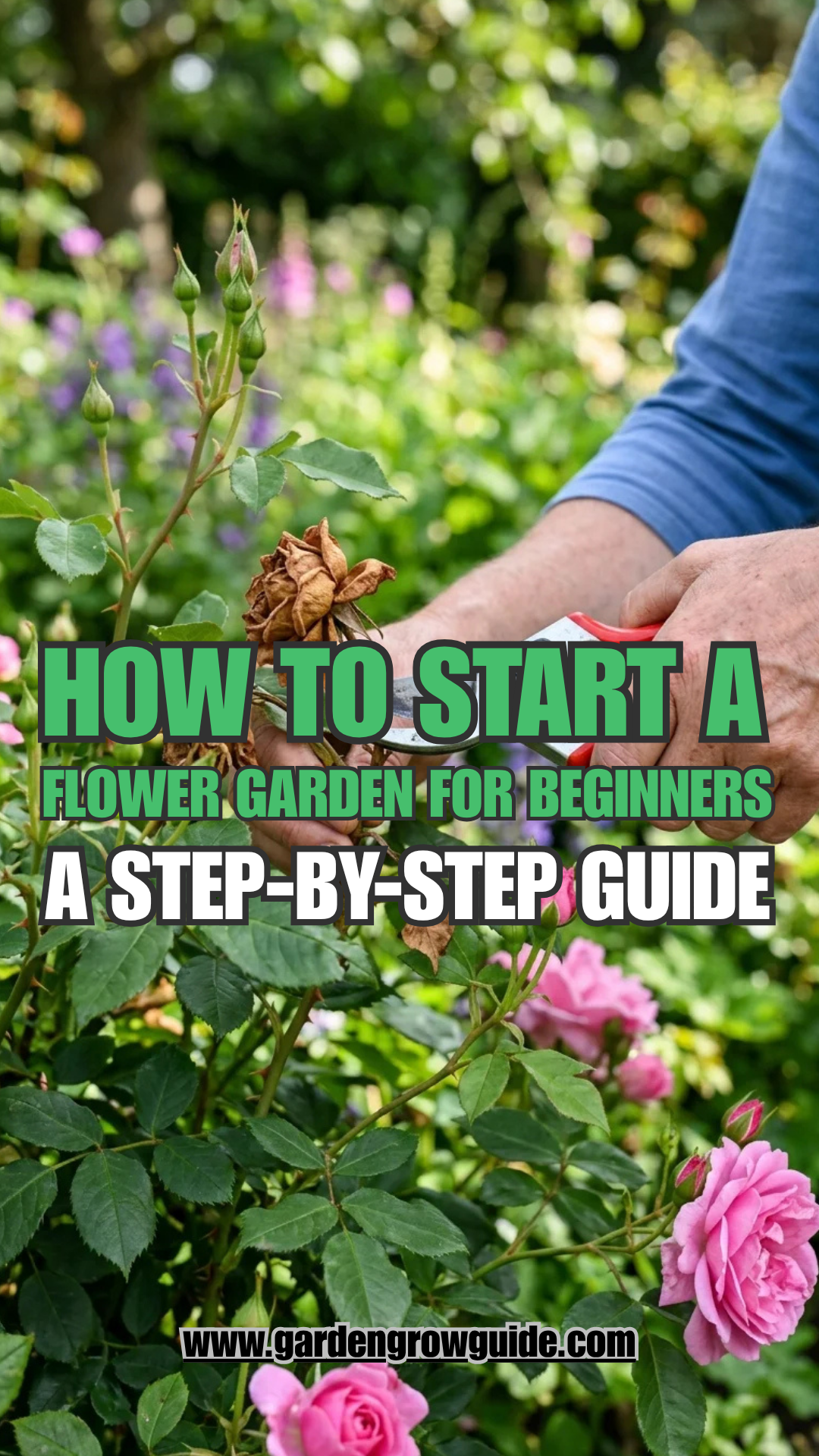
Starting a flower garden is one of the most rewarding projects a homeowner or hobbyist can undertake. Beyond the aesthetic appeal and the boost to curb appeal, gardening offers profound mental health benefits, creates a sanctuary for local pollinators, and provides a tangible sense of accomplishment. While the prospect of turning a patch of dirt into a floral masterpiece might seem daunting, the process is remarkably logical when broken down into manageable steps. This guide will walk you through everything from the first shovel hit to the first bloom.
1. Location
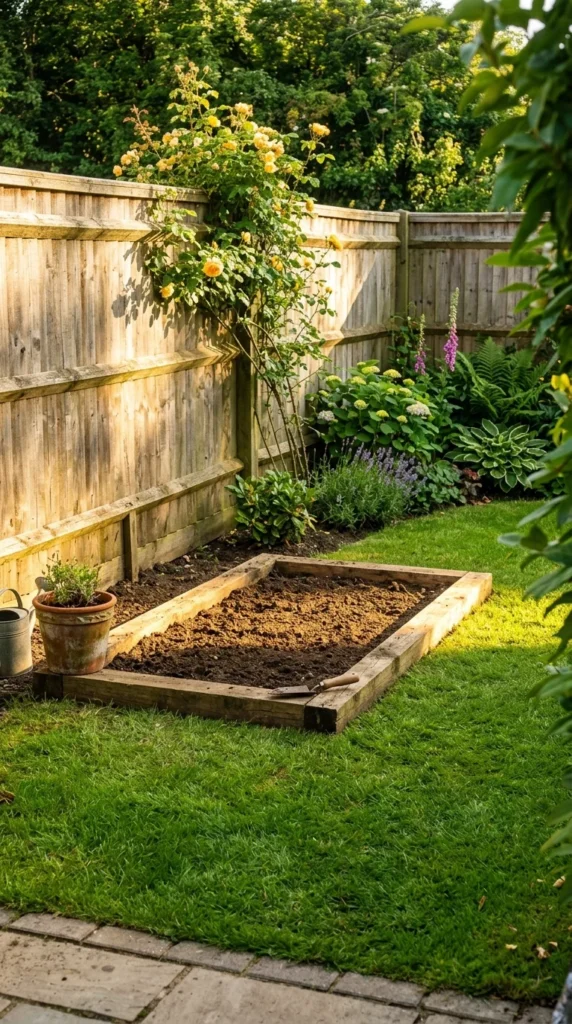
The success of your flower garden depends heavily on where you place it. Most flowering plants require at least six to eight hours of full sunlight daily to produce vibrant blooms and maintain strong stems. Observe your yard throughout the day to identify which areas receive “full sun,” “partial shade,” or “full shade.”
Beyond sunlight, consider the proximity to a water source. Dragging a heavy hose across the yard every morning can quickly turn a hobby into a chore. Additionally, ensure the spot is visible from a window or a patio where you spend time. A garden you see every day is a garden you will care for. Lastly, look for a level area; gardening on a steep slope requires advanced terracing techniques that can be difficult for beginners.
2. Soil
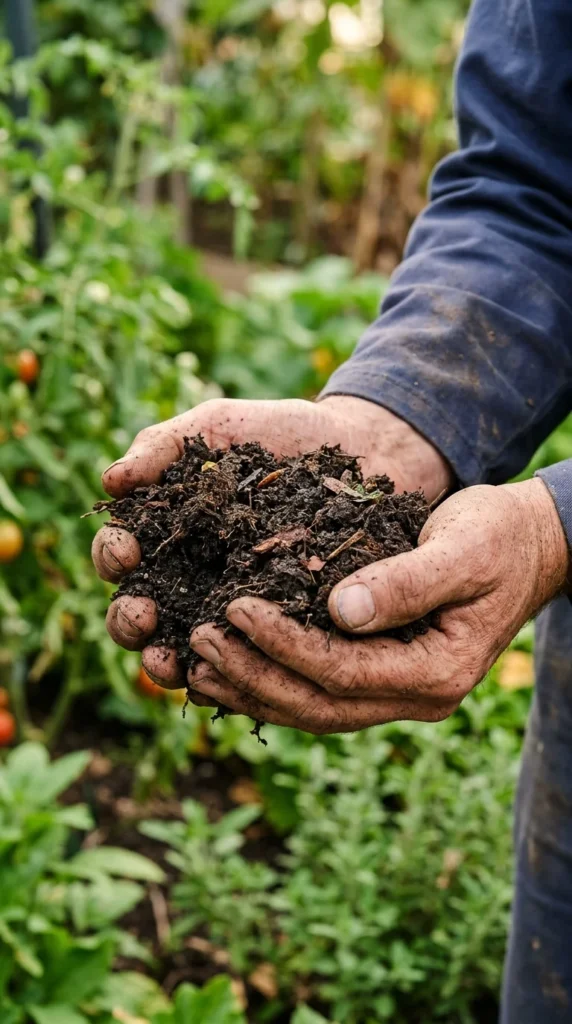
The secret to a thriving garden isn’t what happens above the ground, but what happens beneath it. Soil is the lifeblood of your flowers. Most flowers prefer well-draining soil rich in organic matter. If your soil is too sandy, water will run through it too quickly; if it has too much clay, it will hold water like a bucket, potentially rotting the roots of your plants.
Begin by testing your soil. You can buy a simple pH test kit at a garden center to see if your soil is acidic, alkaline, or neutral. Most flowers thrive in a slightly acidic to neutral pH (6.0 to 7.0). To improve your soil, “amend” it by digging in 2-3 inches of organic matter such as compost, aged manure, or peat moss. This improves the soil structure and provides a slow-release source of nutrients for your new plants.
3. Selection
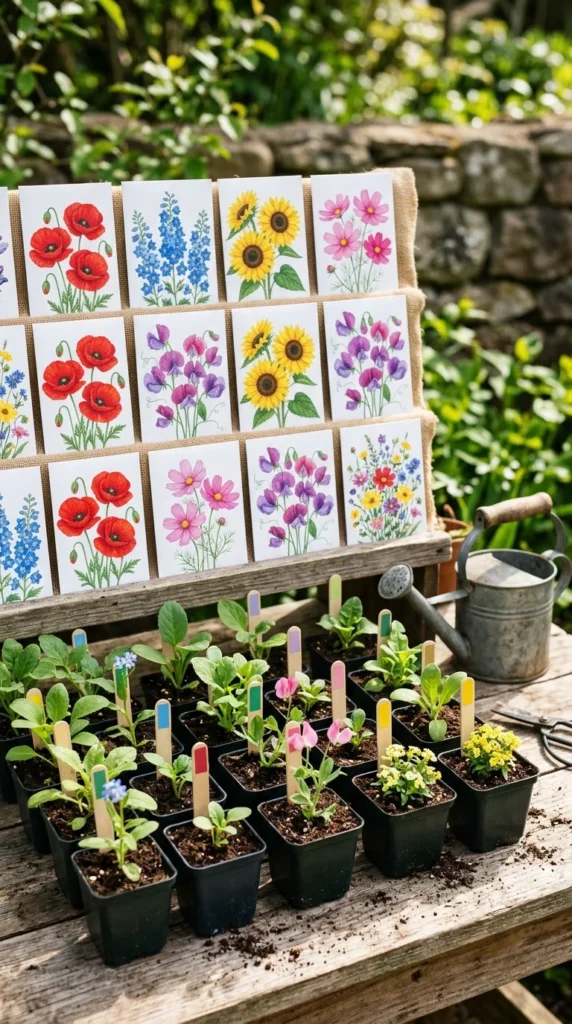
Choosing which flowers to grow is the most exciting part of the process, but it requires restraint. For beginners, it is helpful to understand the difference between annuals and perennials.
- Annuals: These plants go through their entire life cycle in one season. They grow fast and bloom all summer long but die when the frost hits. Examples include Zinnias, Marigolds, and Petunias.
- Perennials: These plants return year after year. Their bloom time is usually shorter (2-4 weeks), but they provide the “bones” of your garden. Examples include Coneflowers, Hostas, and Daylilies.
A successful beginner garden usually features a mix of both. Focus on “hardy” varieties that are native to your region, as they are naturally adapted to your climate and soil, making them much easier to maintain.
4. Planting
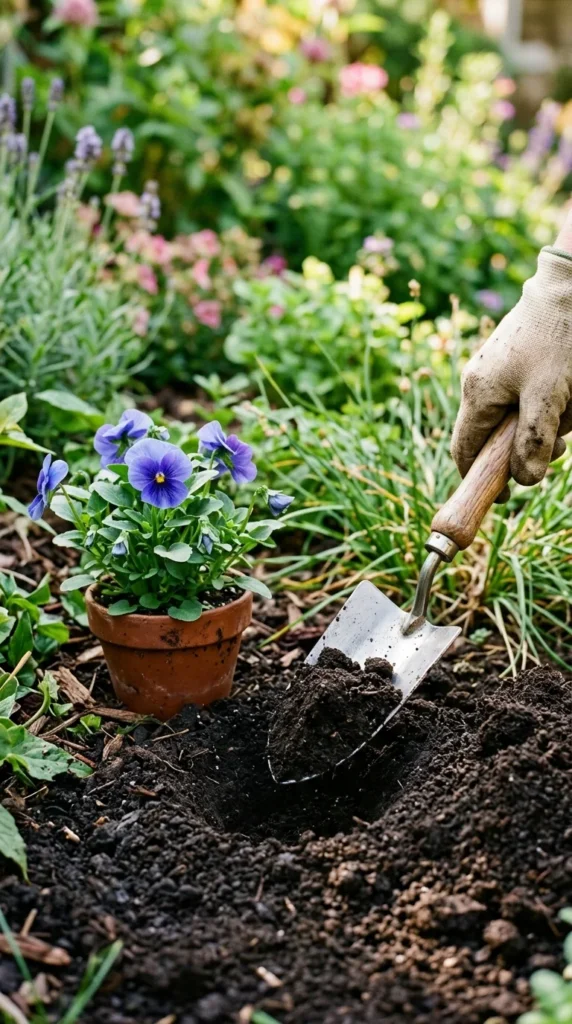
Once you have your plants and your soil is prepared, it is time to put them in the ground. The best time to plant is usually on a cloudy day or in the late afternoon to prevent the young plants from wilting under the midday sun.
When transplanting from a pot, gently squeeze the sides of the container to loosen the root ball. Avoid pulling the plant by its stem. If the roots are circling the pot (root-bound), gently tease them outward with your fingers. Dig a hole twice as wide as the root ball but no deeper. When you place the plant in the hole, the top of the root ball should be level with the surrounding soil. Fill in the gaps with soil, and press down firmly—but not too hard—to remove air pockets.
5. Hydration
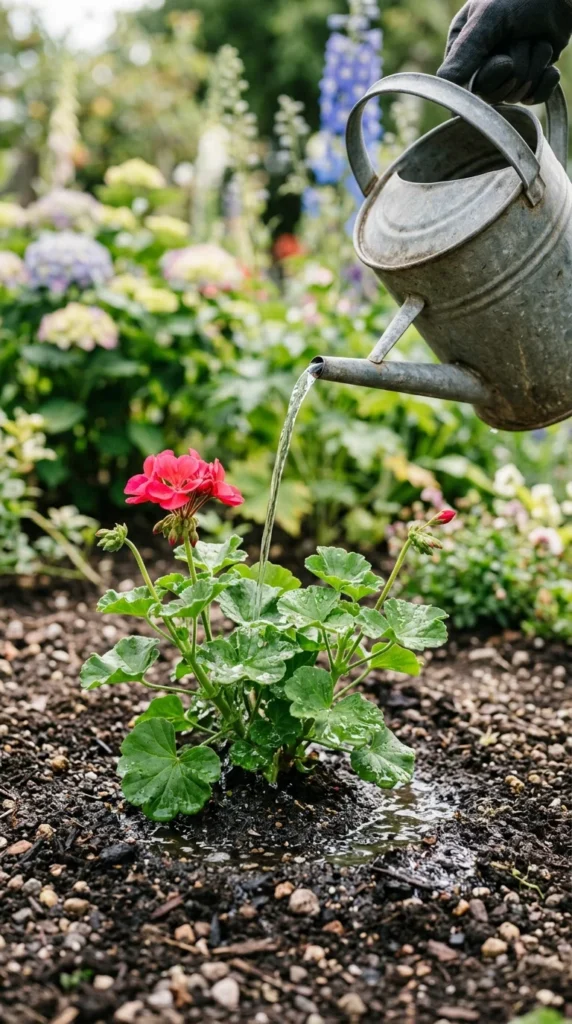
Watering is the most critical task in the weeks following planting. New plants have shallow root systems and can dry out quickly. The goal is to keep the soil consistently moist but not soggy.
A common mistake is “sprinkling” the leaves. Instead, aim the water at the base of the plant. This ensures the water reaches the roots and keeps the foliage dry, which helps prevent fungal diseases. Early morning is the best time to water, as it allows the plants to hydrate before the heat of the day and gives any accidental foliage moisture time to evaporate. As the plants become established, you can transition to deeper, less frequent watering to encourage the roots to grow deep into the soil.
6. Maintenance
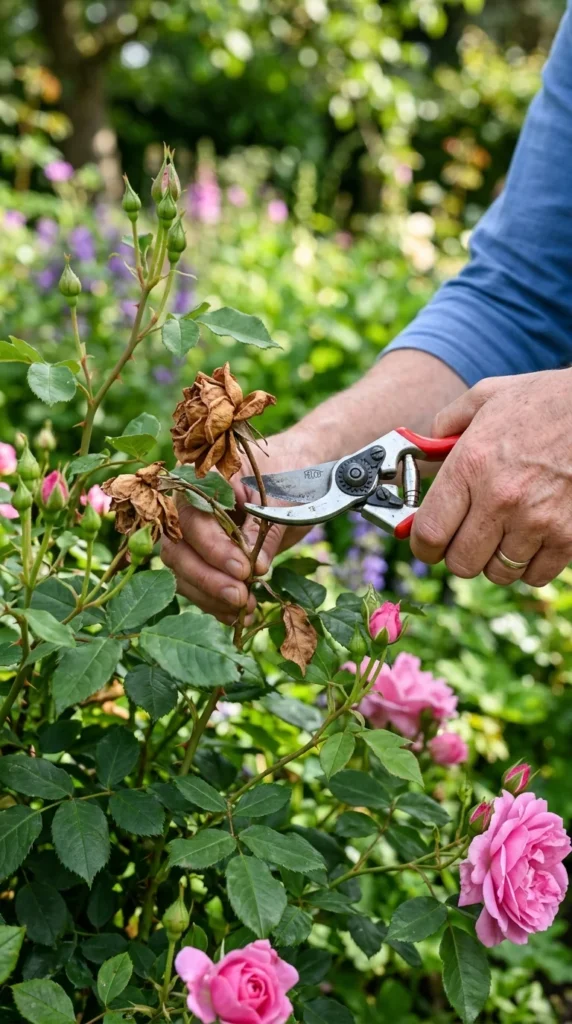
A garden is a living entity that requires ongoing attention. One of the most important maintenance tasks is “deadheading”—the process of removing faded or spent blooms. When you remove a dying flower, you prevent the plant from putting its energy into seed production, which encourages it to produce more flowers instead.
Weeding is another essential task. Weeds compete with your flowers for nutrients, water, and sunlight. Spend 10 minutes a week pulling small weeds before they have a chance to establish deep roots or drop seeds. Applying a 2-inch layer of mulch (like shredded bark or straw) around your plants can significantly reduce weed growth and help the soil retain moisture.
7. Pests
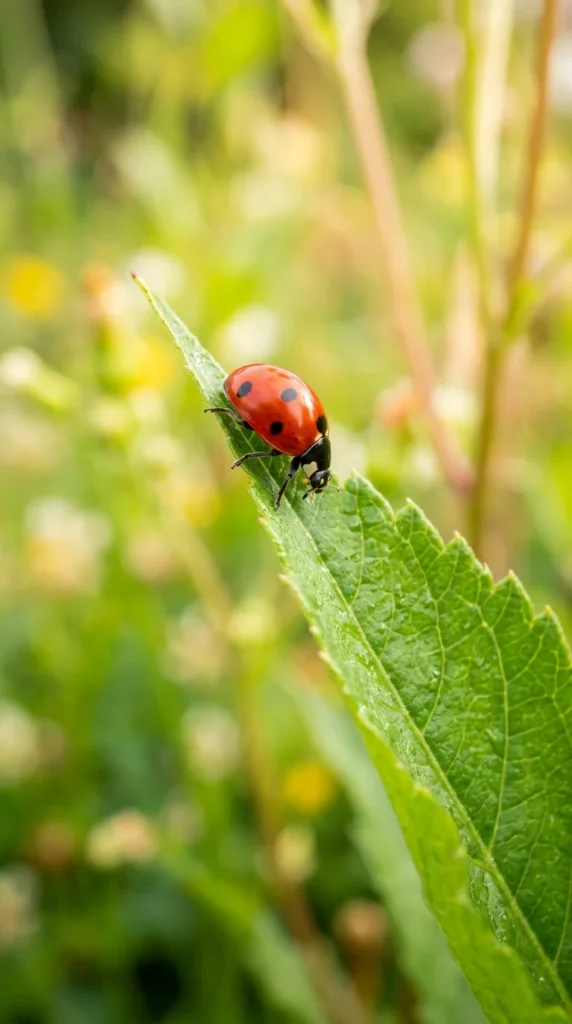
Insects and diseases are a natural part of the ecosystem, but they can be frustrating for a new gardener. The first rule of pest management is observation. Check your plants regularly for holes in leaves, sticky residue, or discolored spots.
Not all bugs are bad. Ladybugs, lacewings, and predatory wasps are “beneficials” that eat the pests that harm your flowers. If you do encounter a problem, start with the least toxic solution. Often, a strong blast of water from a hose can knock aphids off a plant. For more persistent issues, use insecticidal soaps or neem oil. Avoid broad-spectrum pesticides, as these kill the bees and butterflies that you want to attract to your garden. A healthy garden with diverse plant life is often the best defense against major infestations.