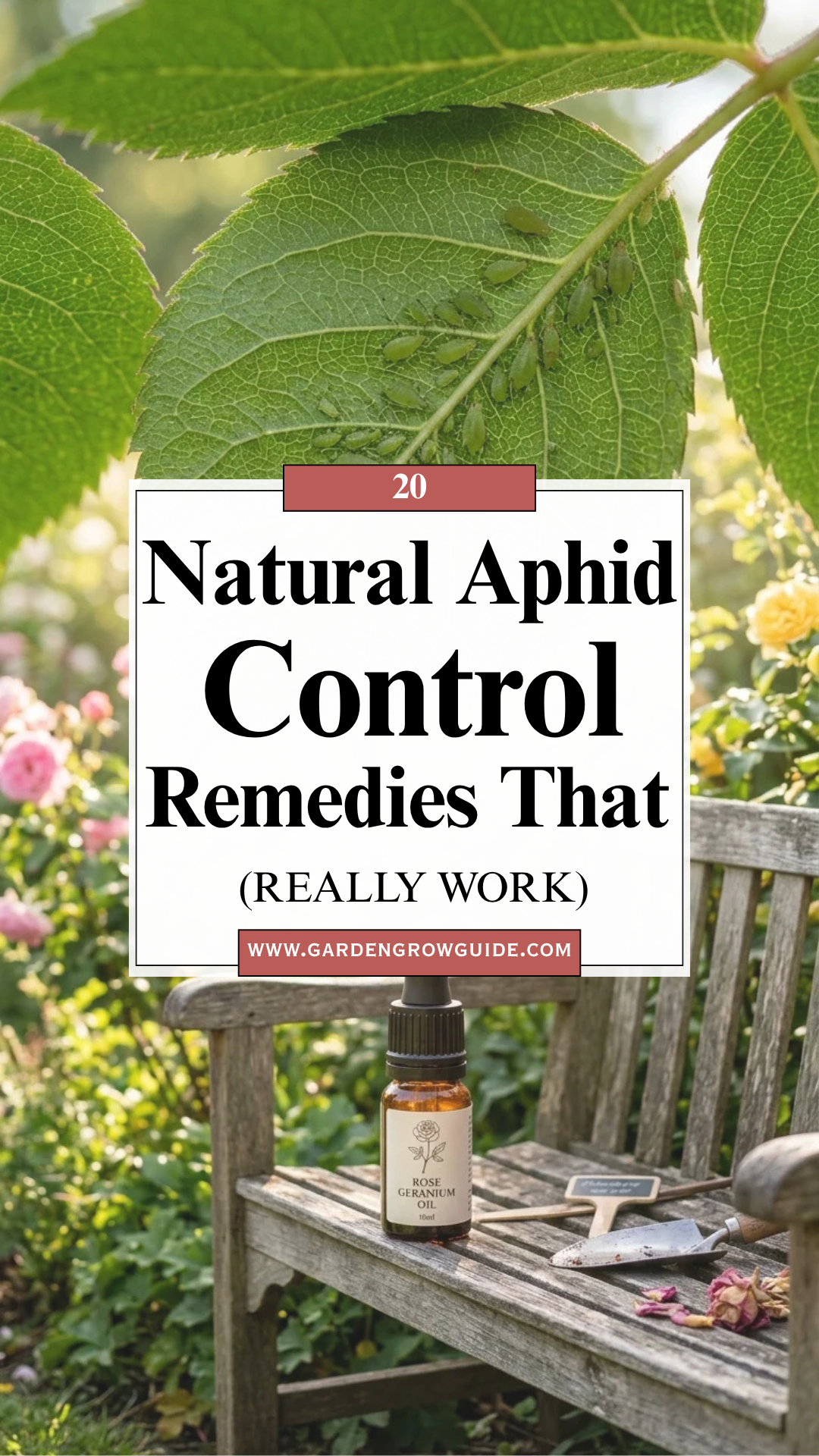
Aphids are the bane of many gardeners’ existence. These tiny, pear-shaped insects, often called “plant lice,” can multiply with alarming speed, sucking the life-sustaining sap from your favorite roses, vegetables, and fruit trees. While chemical pesticides offer a quick fix, they often harm beneficial pollinators and disrupt the delicate balance of your garden’s ecosystem. Fortunately, nature provides a bounty of solutions. Here are 20 highly effective, natural ways to reclaim your garden from aphid infestations.
1. Water Blast
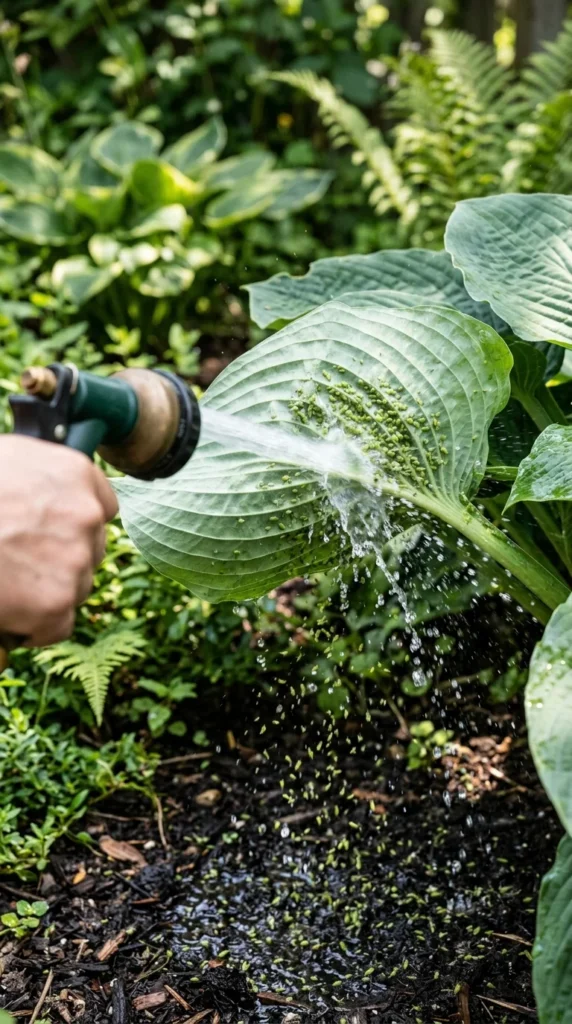
One of the simplest and most immediate ways to deal with an aphid outbreak is a strong stream of water. Using a garden hose with a spray nozzle, target the undersides of leaves and the tender new growth where aphids tend to congregate. The physical force of the water dislodges the pests, and because aphids are relatively weak crawlers, most will be unable to find their way back to the plant before being consumed by ground-dwelling predators. This method is best performed in the morning so the foliage has time to dry before evening, reducing the risk of fungal diseases.
2. Neem Oil
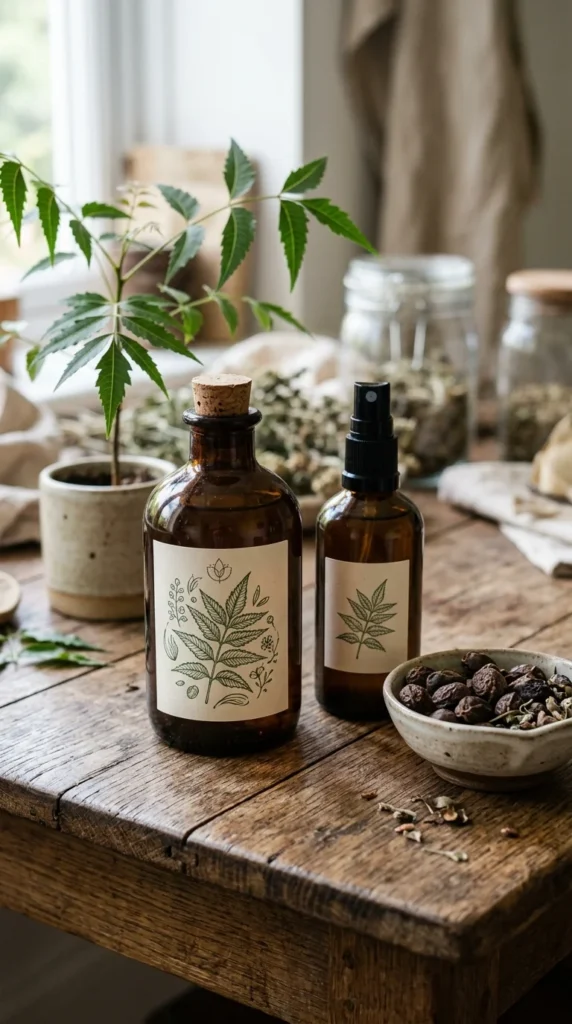
Derived from the seeds of the neem tree, this organic powerhouse works in multiple ways. It acts as a repellent, interferes with the insects’ hormonal systems (making it difficult for them to grow and lay eggs), and coats their bodies to prevent breathing. To use, mix two tablespoons of pure, cold-pressed neem oil with one teaspoon of mild liquid soap in a gallon of water. Spray the solution thoroughly on all plant surfaces. Neem oil is biodegradable and non-toxic to birds and mammals, making it a staple for organic gardeners.
3. Insecticidal Soap
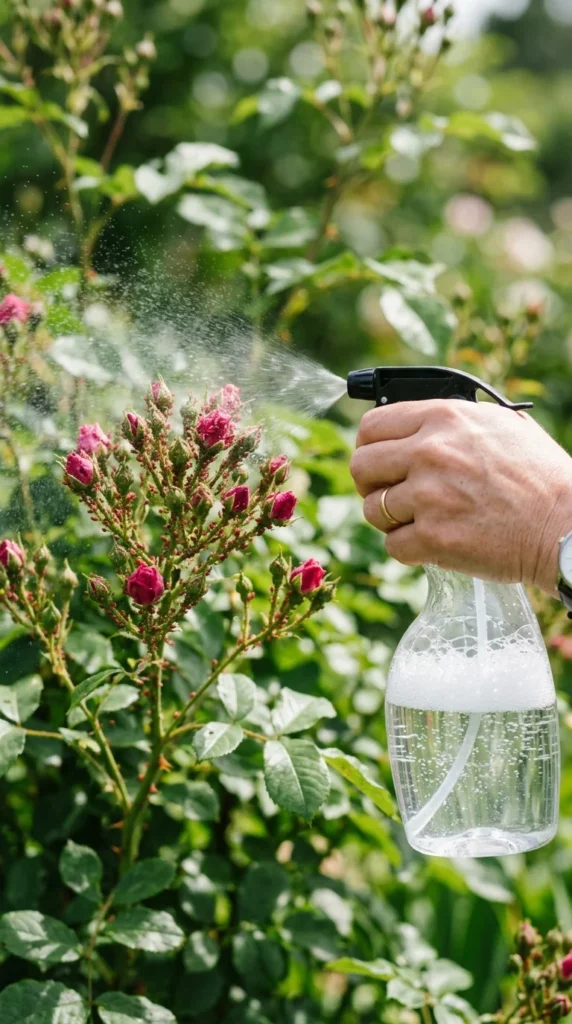
You don’t need harsh chemicals to create an effective aphid spray. A simple mixture of water and castile soap (like Dr. Bronner’s) can dissolve the waxy protective coating on an aphid’s exoskeleton, causing them to dehydrate and die. Mix about one tablespoon of soap per quart of water. It is crucial to use a “pure” soap rather than a detergent, as detergents can be phytotoxic and damage your plants. Always test a small area of the plant first to ensure it isn’t sensitive to the soap.
4. Ladybugs
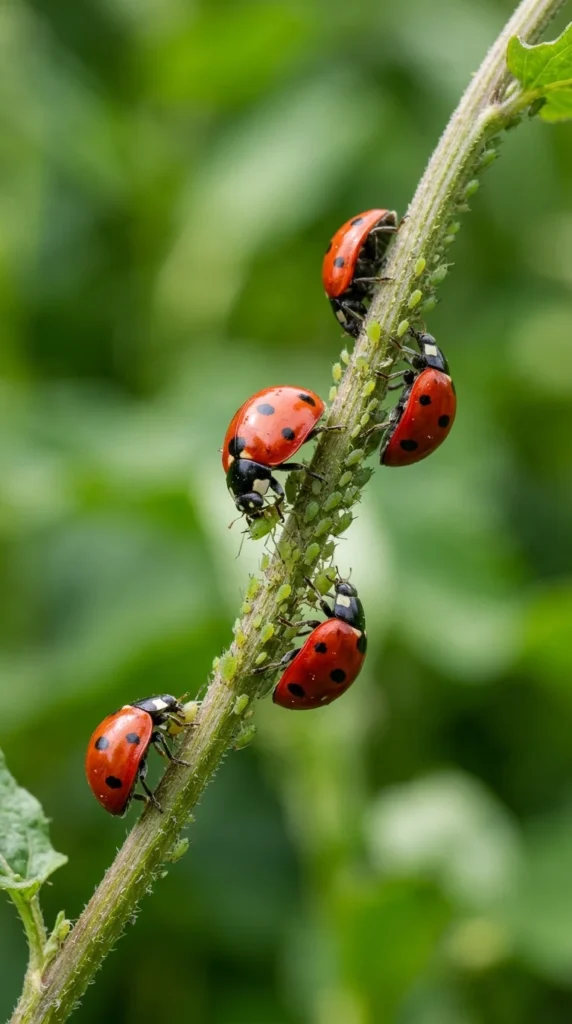
Nature’s most famous aphid predator, the ladybug (or lady beetle), can consume thousands of aphids during its lifetime. You can encourage native ladybugs to stay in your garden by planting pollen-rich flowers like dill and fennel, or you can purchase live ladybugs from garden centers. If you release them, do so at dusk after misting your plants with water; this encourages them to settle down and drink rather than immediately flying away in search of a new home.
5. Lacewings
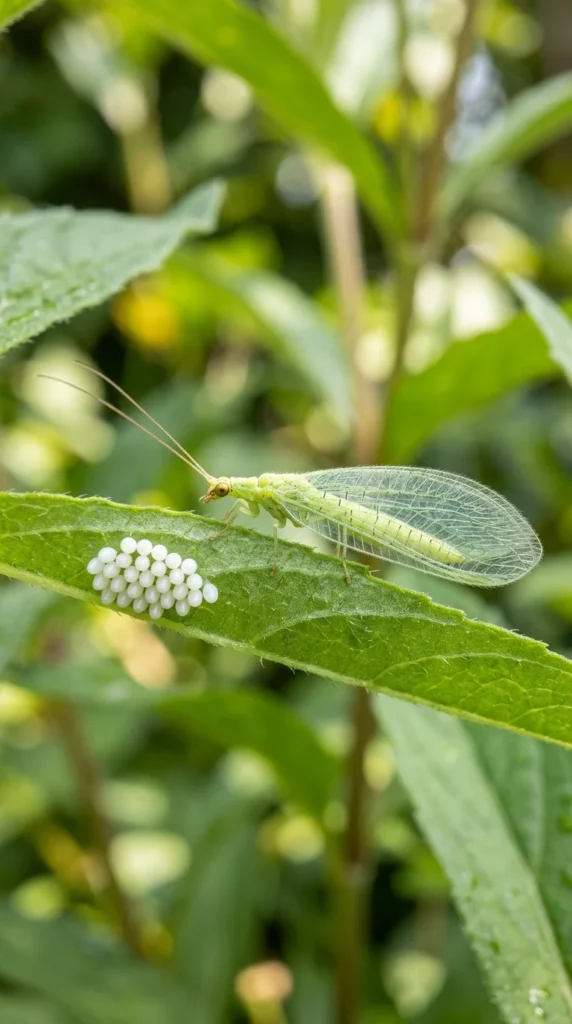
Often called “aphid lions” in their larval stage, lacewings are perhaps even more voracious than ladybugs. A single lacewing larva can devour 200 aphids a week. They have long, pincer-like mandibles that they use to seize and drain their prey. You can buy lacewing eggs online, which are usually shipped attached to cards that you hang from your plants. Once they hatch, they go straight to work, providing a silent but deadly defense for your garden.
6. Garlic Spray
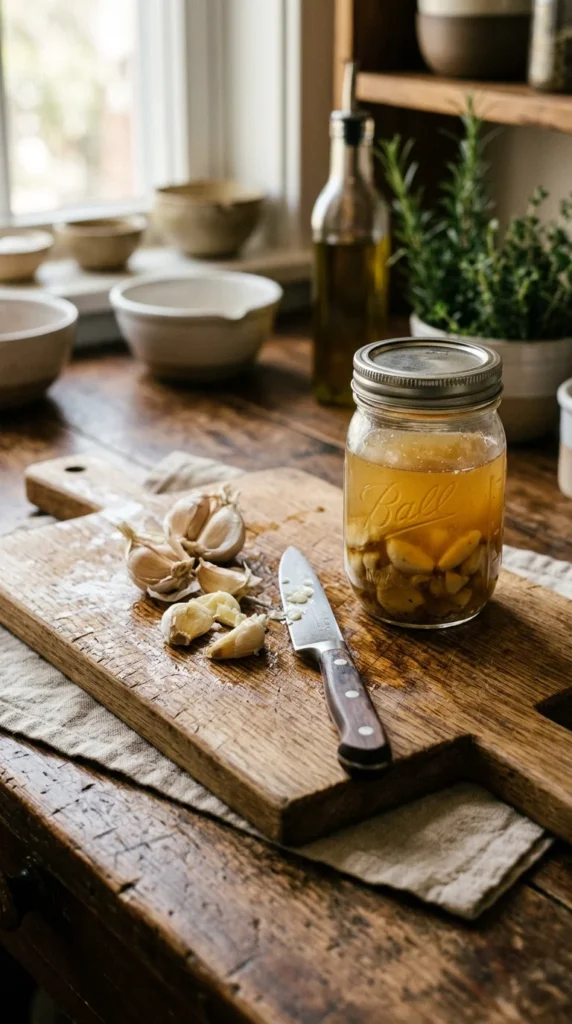
Garlic is a powerful natural repellent due to its potent sulfur compounds. To make a garlic spray, mince three to four cloves of garlic and let them soak in two teaspoons of mineral oil for 24 hours. Strain out the garlic and add the oil to a pint of water mixed with a teaspoon of liquid dish soap. This pungent mixture creates an environment that aphids find intolerable, forcing them to move elsewhere or preventing them from landing on your plants in the first place.
7. Diatomaceous Earth
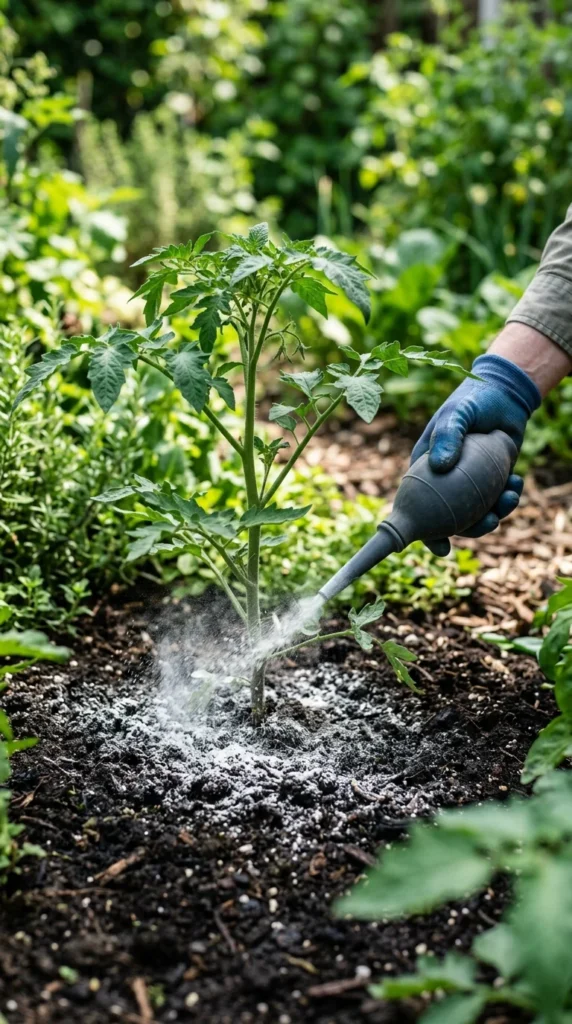
Diatomaceous Earth (DE) is a flour-like powder made from the fossilized remains of tiny aquatic organisms called diatoms. While it feels soft to humans, on a microscopic level, the particles are razor-sharp. When aphids or other soft-bodied insects crawl over the powder, it creates tiny cuts in their bodies, causing them to dry out. Use “food-grade” DE and sprinkle it around the base of plants or lightly dust the leaves. Note that DE must be reapplied after rain or heavy dew, as it loses effectiveness when wet.
8. Essential Oils
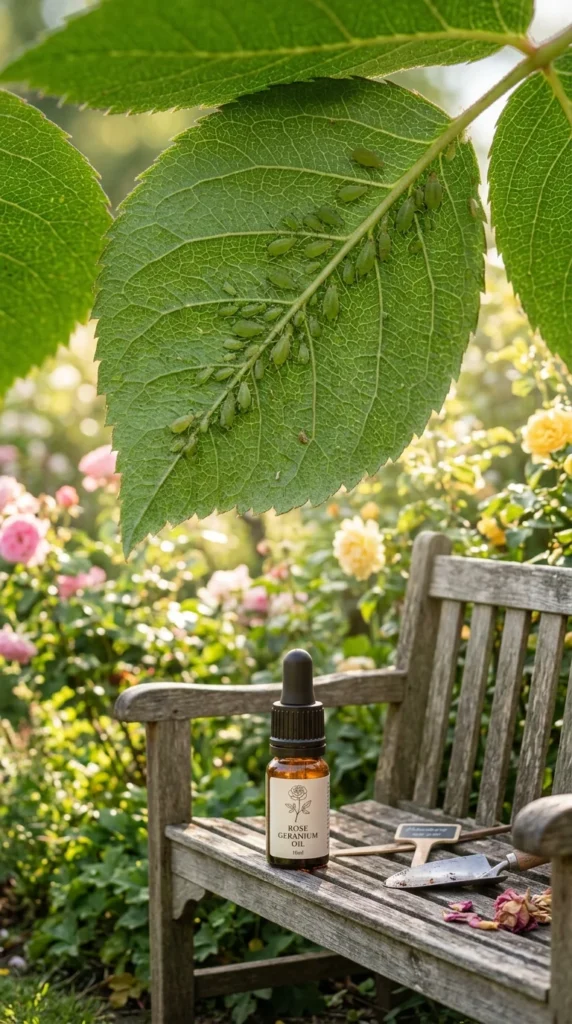
Certain essential oils are highly effective at repelling and killing aphids. Peppermint, rosemary, thyme, and clove oils are particularly potent. Create a mixture by adding 4-5 drops of each oil to a spray bottle filled with water and a drop of dish soap to help the oil emulsify. The intense scents mask the smell of the host plant, making it difficult for aphids to locate their target, while the oils themselves can be lethal to the insects upon contact.
9. Companion Planting
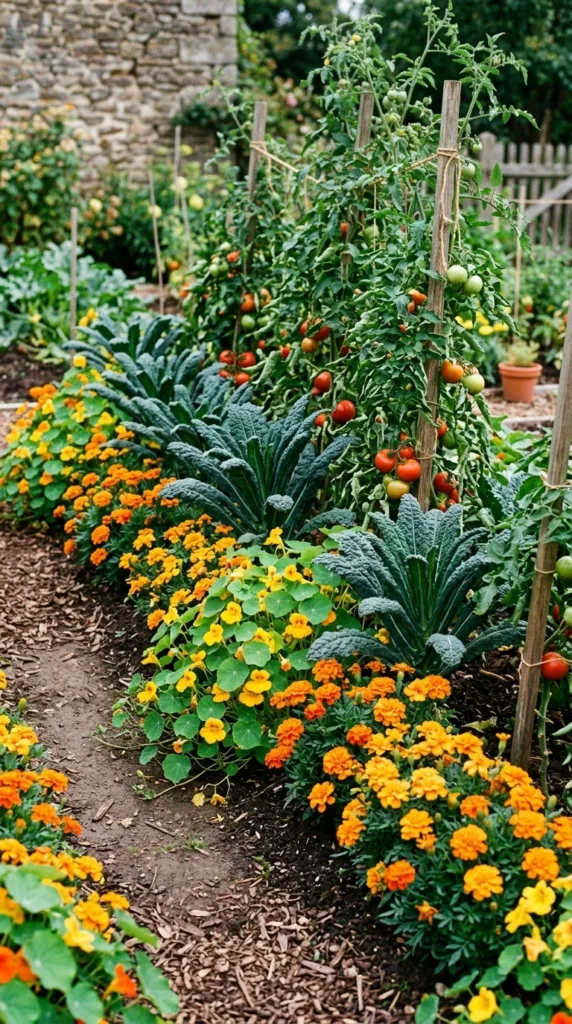
Strategic planting can significantly reduce aphid populations. Some plants, like marigolds and calendula, produce scents that aphids dislike. Others, like nasturtiums, act as “trap crops.” Aphids are naturally attracted to nasturtiums, so they will flock to them instead of your precious vegetables. Once the nasturtiums are covered in aphids, you can simply remove and dispose of the infested plants, effectively “harvesting” the pests out of your garden.
10. Reflective Mulch
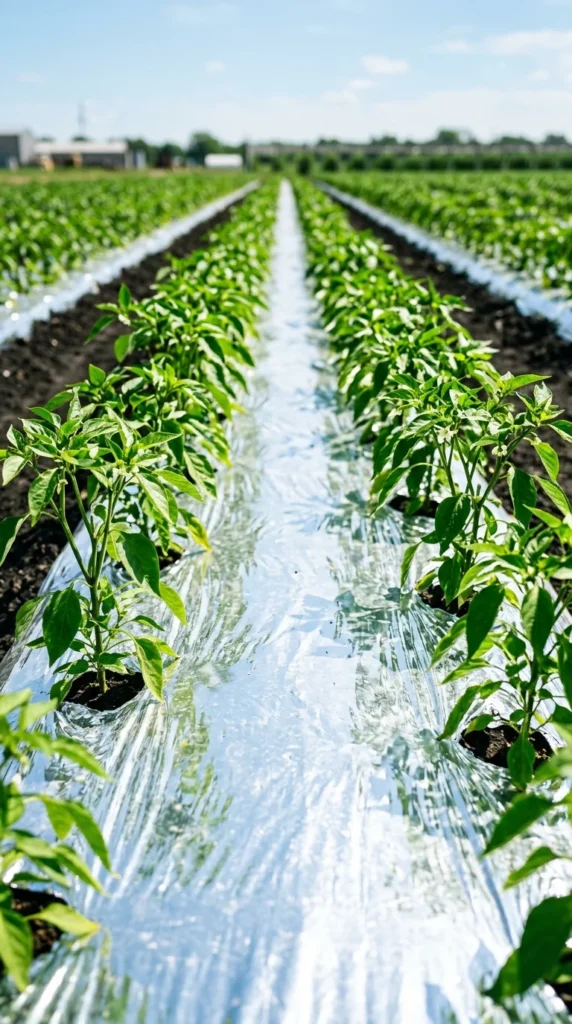
Aphids are winged insects that use the sky to orient themselves when searching for plants. Reflective mulches, such as silver-colored plastic or even aluminum foil placed on the ground, confuse the aphids by reflecting light from below. This “blindness” prevents them from landing on the plants. Research has shown that reflective mulches can significantly reduce aphid populations in vegetable patches, particularly in the early stages of plant growth.
11. Banana Peels
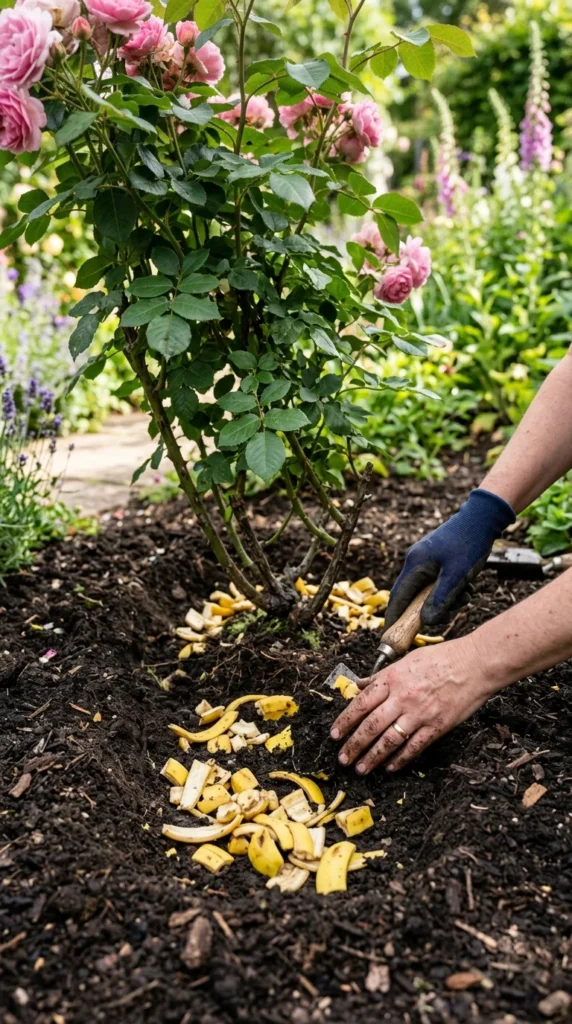
This old-fashioned remedy serves a dual purpose. Many gardeners swear that burying chopped banana peels 1-2 inches deep at the base of aphid-prone plants (like roses) drives the pests away. While the exact science is debated—some believe it’s the smell, others the potassium boost—the decomposing peels provide essential minerals like potassium and phosphorus to the soil. A healthy, nutrient-rich plant is much better equipped to withstand and recover from a minor aphid attack.
12. Rubbing Alcohol
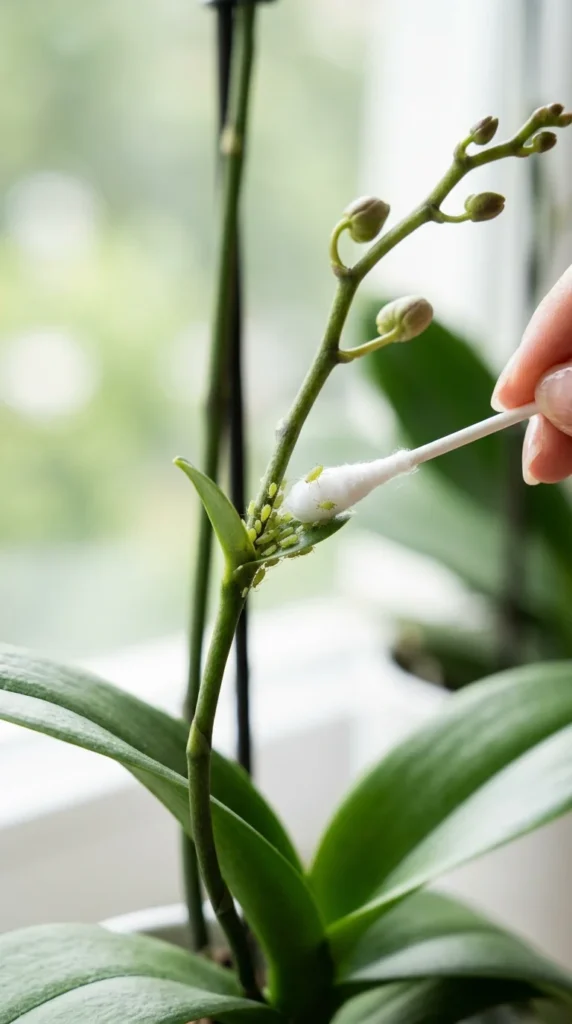
For small infestations or indoor plants, rubbing alcohol (isopropyl alcohol) is an effective spot treatment. You can use a cotton swab dipped in 70% alcohol to wipe aphids directly off the leaves. The alcohol kills them instantly on contact. For larger areas, you can mix a 1:1 ratio of alcohol and water and spray it on the plant. However, be cautious: alcohol can be harsh, so avoid using it in direct sunlight and test a leaf first to ensure it doesn’t cause “burn” marks.
13. Hot Pepper Spray
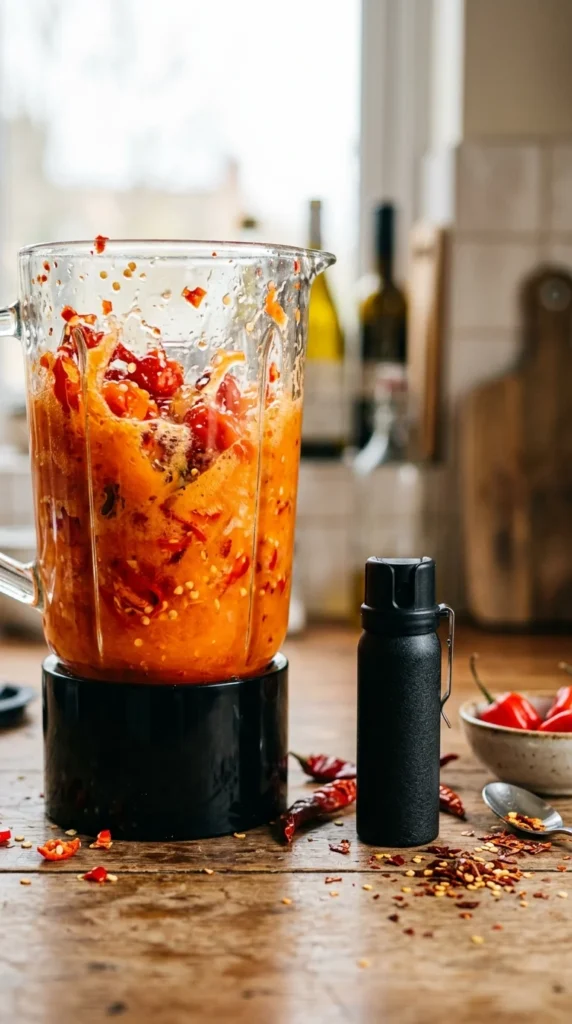
Capsaicin, the compound that makes peppers hot, is a natural irritant to aphids. To make a spray, blend two cups of fresh hot peppers (like habaneros or cayennes) with a quart of water and a few cloves of garlic. Let the mixture sit overnight, strain it through a cheesecloth, and add a teaspoon of liquid soap. Wear gloves and eye protection when handling this mixture, as it can be very irritating to human skin and eyes as well!
14. Pruning
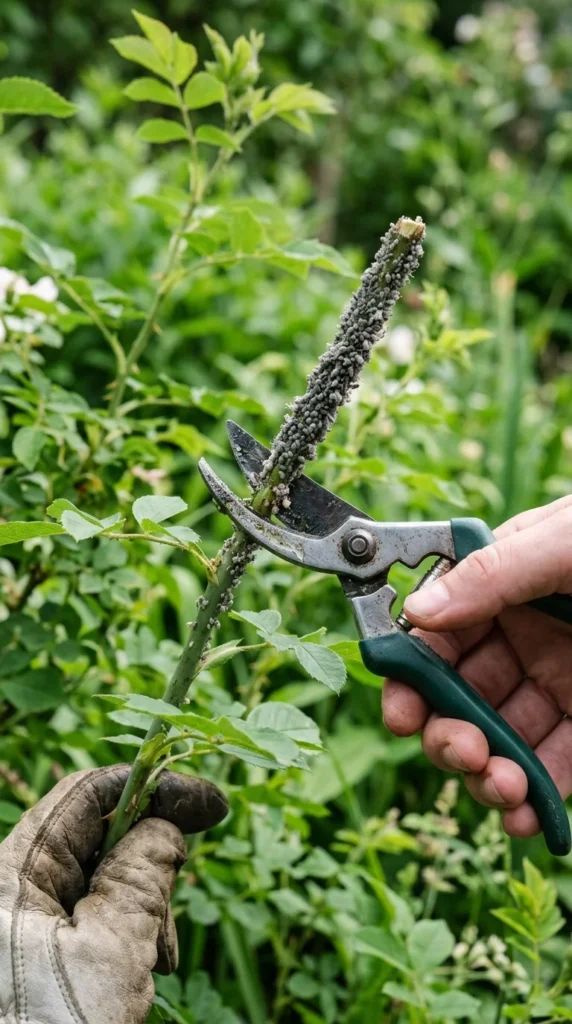
If you notice an aphid infestation is localized to just one or two branches or the tips of new growth, the most effective remedy might be simple pruning. Cut off the infested sections and drop them immediately into a bucket of soapy water or a sealed bag for disposal. Do not put infested clippings into your compost pile, as the aphids may survive and find their way back to your garden. Pruning also encourages the plant to put energy into healthy growth.
15. Molasses
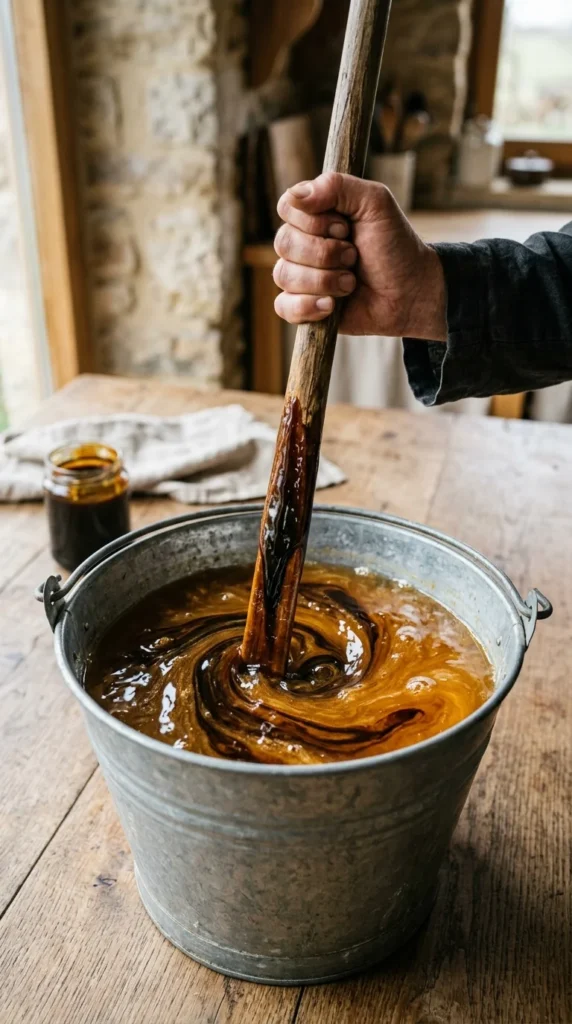
Molasses is an unconventional but effective remedy for aphid control. When sprayed on plants, the sugar content in the molasses serves two purposes: it boosts the plant’s brix levels (sugar content), making it less attractive to aphids (who ironically prefer plants with certain nutrient imbalances), and it encourages the growth of beneficial microbes in the soil. Mix two tablespoons of blackstrap molasses into a gallon of warm water and spray the foliage every two weeks.
16. Sticky Traps
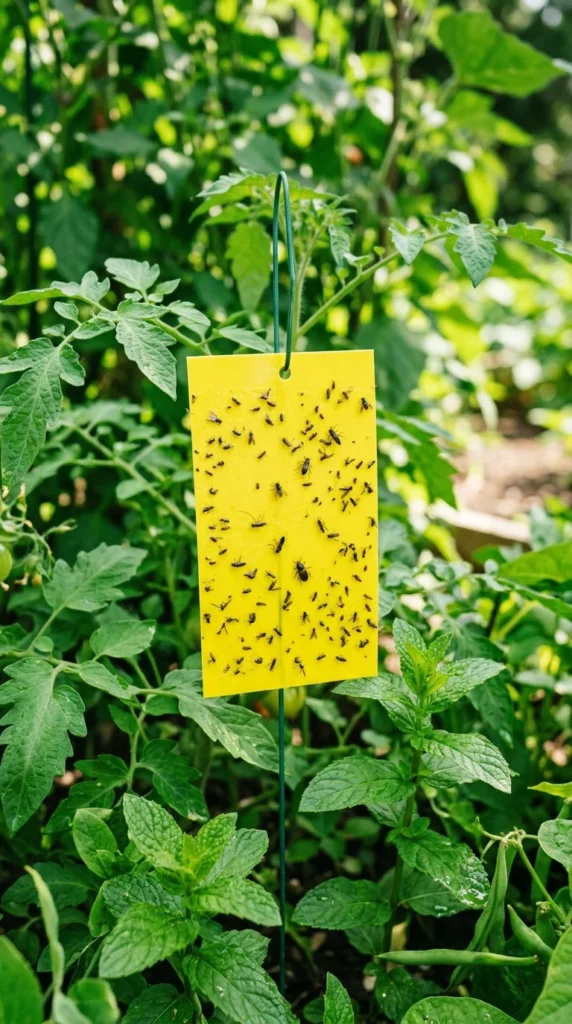
Yellow sticky traps are a fantastic tool for monitoring and controlling winged aphids. Many species of aphids are naturally attracted to the color yellow. By hanging these traps around your garden or greenhouse, you can catch the “scouts” before they have a chance to land and start a colony. While traps won’t eliminate an entire crawl-in population, they are excellent for reducing the number of new arrivals and alerting you to an impending outbreak.
17. Hoverflies
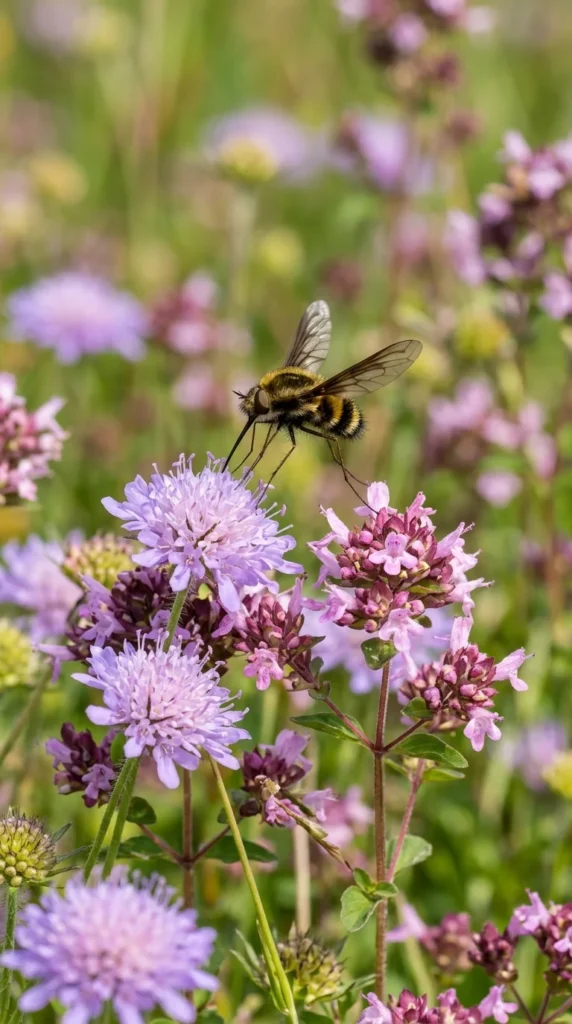
Hoverflies (also known as syrphid flies) are the unsung heroes of the garden. While the adults feed on nectar and pollen, their larvae are dedicated aphid hunters. These slug-like larvae can eat dozens of aphids a day. To attract hoverflies, plant “flat” flowers that provide easy access to nectar, such as sweet alyssum, yarrow, and parsley. Having a variety of blooming plants throughout the season ensures these beneficial predators stay in your garden year-round.
18. Castor Oil
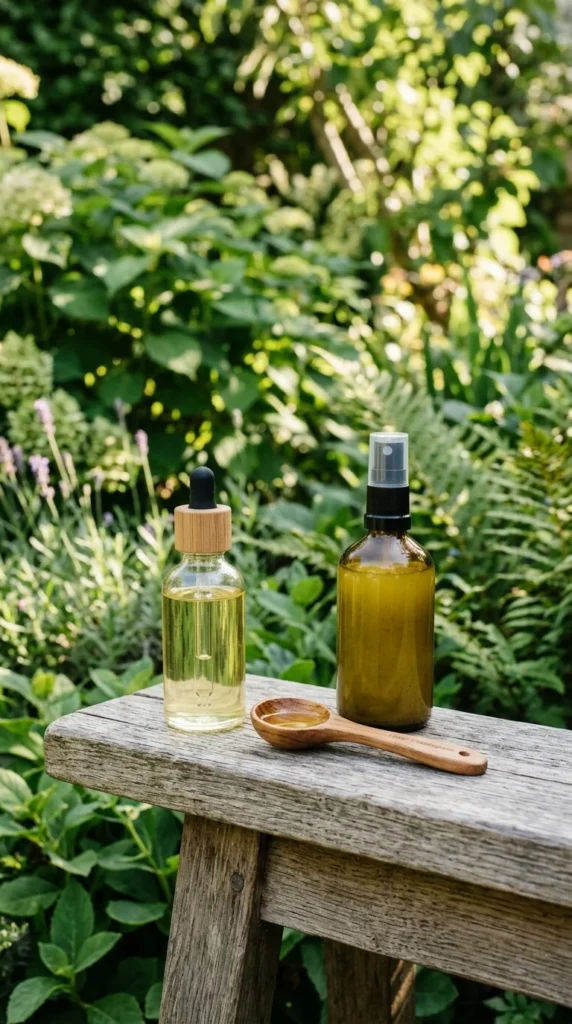
Castor oil is a thick, viscous oil that acts as a powerful repellent and suffocant for aphids. When mixed with water and a bit of soap, it creates a coating that aphids find impossible to navigate. Because it is thicker than neem or vegetable oil, it tends to stay on the plant longer, providing extended protection. Mix one tablespoon of castor oil per quart of water and apply thoroughly to the affected plants, focusing on the undersides of the leaves.
19. Nettle Tea
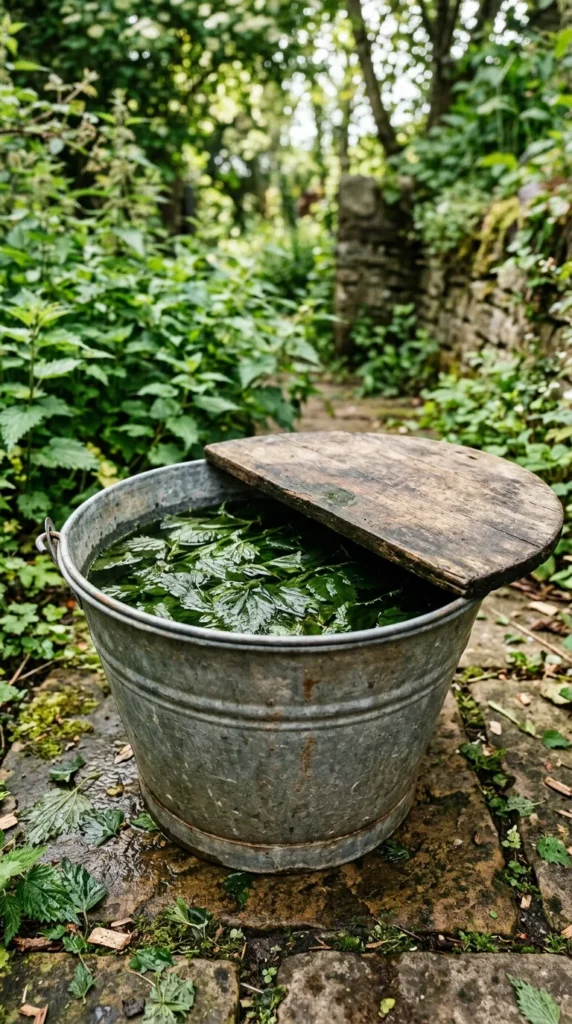
Stinging nettle tea is a traditional European remedy for both fertilizing plants and repelling aphids. To make it, soak a large bundle of fresh nettles in a bucket of water for a week until the liquid turns dark and pungent. Dilute this “tea” with water at a 1:10 ratio and spray it on your plants. The high silica and nitrogen content strengthens the plant’s cell walls, making them harder for aphids to pierce, while the fermented smell acts as a natural deterrent.
20. Beneficial Nematodes
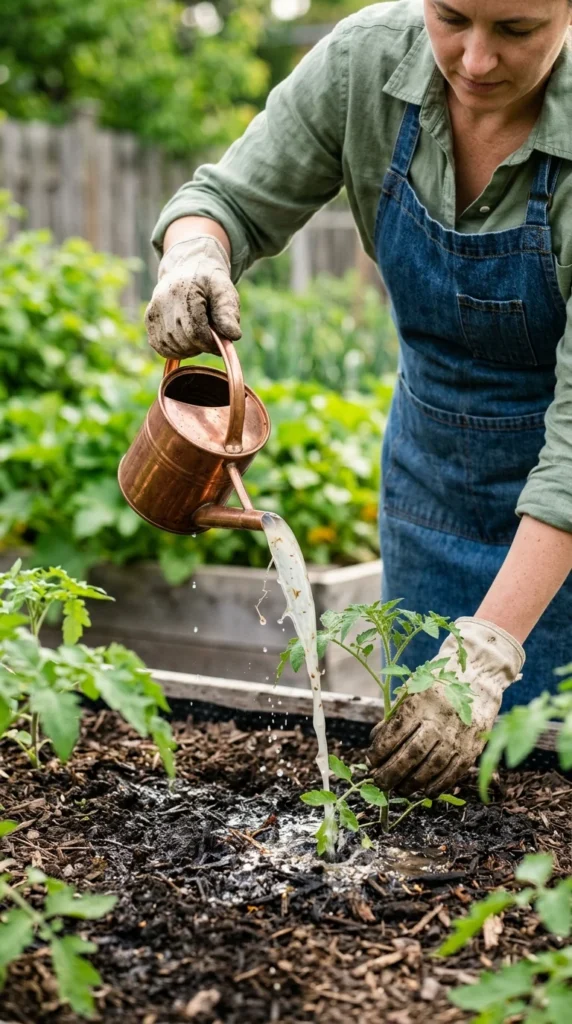
While most aphid control focuses on the leaves, some aphid species (like the woolly apple aphid) spend part of their life cycle in the soil or on the roots. Beneficial nematodes are microscopic worms that live in the soil and hunt down larvae and soil-dwelling pests. By applying nematodes to your garden beds in the spring or fall, you can interrupt the life cycle of various pests, reducing the overall population of insects that eventually emerge to attack your foliage.