Aphids, often referred to as “plant lice,” are among the most persistent and frustrating pests for gardeners worldwide. These tiny, soft-bodied insects belong to the superfamily Aphidoidea and come in a variety of colors, including green, black, brown, yellow, and even pink. Despite their diminutive size, their ability to reproduce rapidly—often asexually—means a small colony can become a full-blown infestation in just a matter of days.
Aphids survive by piercing the tender tissues of plants and sucking out the nutrient-rich sap. This not only weakens the plant but can also lead to stunted growth, curled leaves, and the transmission of plant viruses. Furthermore, as they feed, they excrete a sticky, sugary substance known as honeydew, which attracts ants and promotes the growth of black sooty mold.
While chemical pesticides offer a quick fix, they often harm beneficial pollinators like bees and butterflies, disrupt the local ecosystem, and can be toxic to pets and humans. Fortunately, there are numerous natural, eco-friendly methods to eradicate aphids without compromising the health of your garden or the environment.
1. Water Pressure
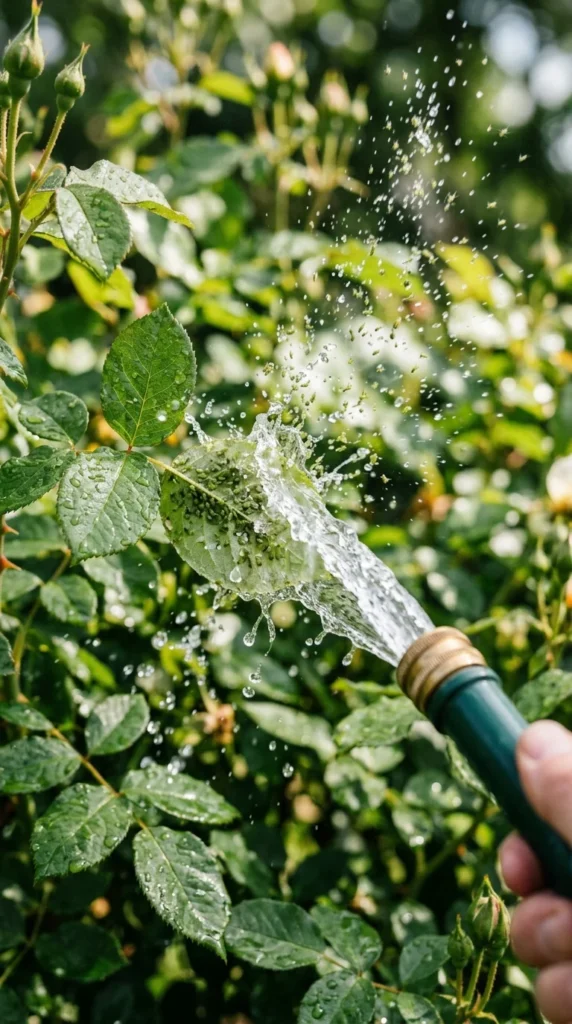
The simplest and most immediate way to deal with a minor aphid infestation is a strong blast of water. Aphids are relatively weak crawlers and are easily dislodged from their feeding sites. Using a garden hose with a spray nozzle set to a medium-high pressure stream, direct the water at the infested areas, paying special attention to the undersides of the leaves where aphids tend to congregate.
This method is highly effective because, once knocked off the plant, aphids rarely find their way back. However, it is important to be mindful of the plant’s fragility; delicate seedlings or brittle stems may break under too much pressure. For the best results, repeat this process every two to three days until the colony is gone.
2. Neem Oil
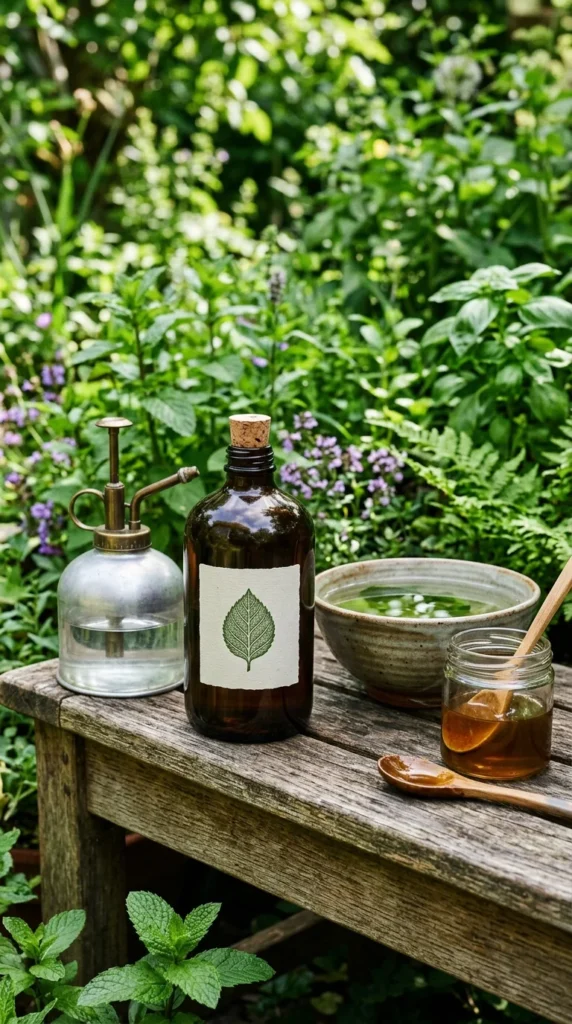
Neem oil is a powerhouse in the world of organic gardening. Extracted from the seeds of the neem tree (Azadirachta indica), it contains azadirachtin, a natural compound that disrupts the hormonal systems of insects. When aphids ingest or come into contact with neem oil, they lose their appetite and the ability to molt or reproduce, eventually leading to their death.
To use neem oil, mix two teaspoons of pure, cold-pressed neem oil with one teaspoon of mild liquid soap (to act as an emulsifier) in a gallon of warm water. Shake well and spray the entire plant, including the stems and the undersides of leaves. Neem oil is also an effective fungicide, helping to clear up any sooty mold caused by the aphids’ honeydew.
3. Insecticidal Soap
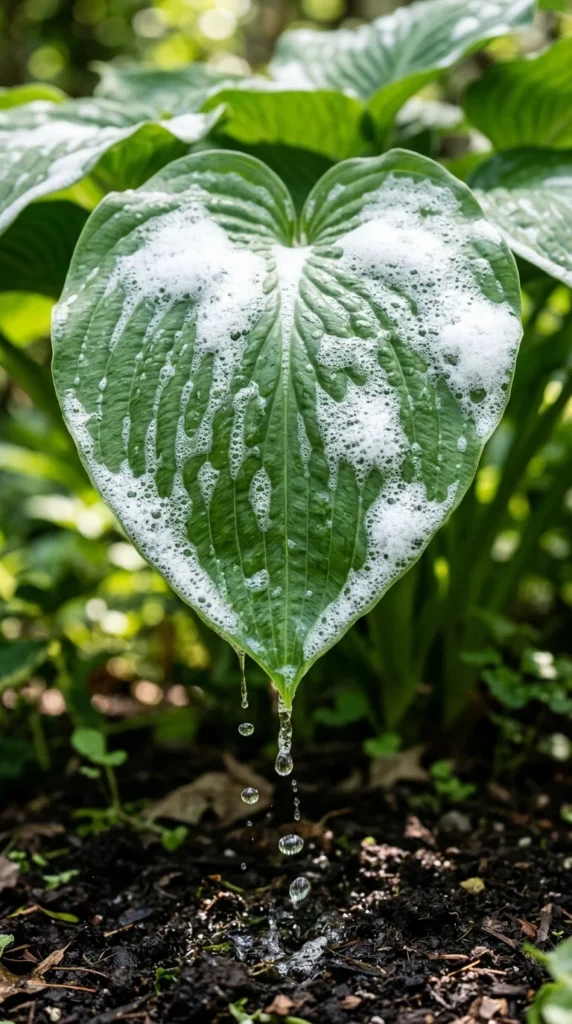
If you don’t have neem oil on hand, a simple insecticidal soap spray can be just as effective. Commercial insecticidal soaps are formulated with potassium fatty acids that penetrate the soft outer shells of aphids, causing them to dehydrate and die within minutes.
You can make a DIY version by mixing one tablespoon of mild, liquid castile soap (avoid detergents or soaps with heavy fragrances and degreasers) into a quart of water. It is crucial to apply the soap directly onto the insects for it to work. Because the soap can sometimes cause “leaf burn” on sensitive plants, it is wise to test a small area first and avoid application during the hottest part of the day.
4. Essential Oils
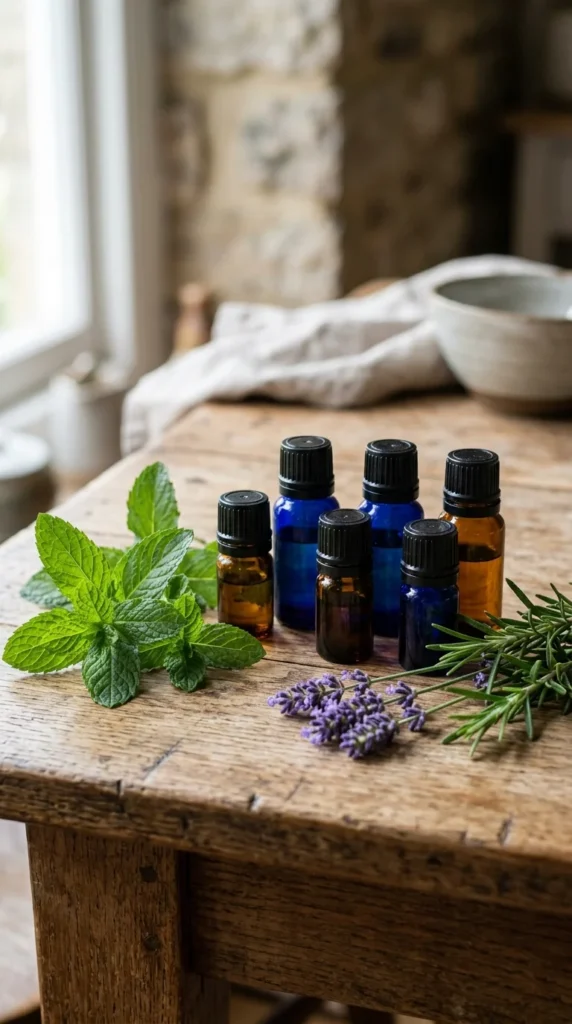
Many essential oils contain natural insect-repelling properties that are toxic to aphids but safe for plants. Peppermint, rosemary, thyme, clove, and eucalyptus are particularly effective. These oils work by overwhelming the aphids’ sensory receptors and, in some cases, acting as a contact killer.
Create a repellent spray by adding 10 to 15 drops of essential oil to a spray bottle filled with water and a small dash of dish soap. Spray the affected plants thoroughly. Not only does this help manage the aphid population, but it also leaves your garden smelling wonderful.
5. Beneficial Insects
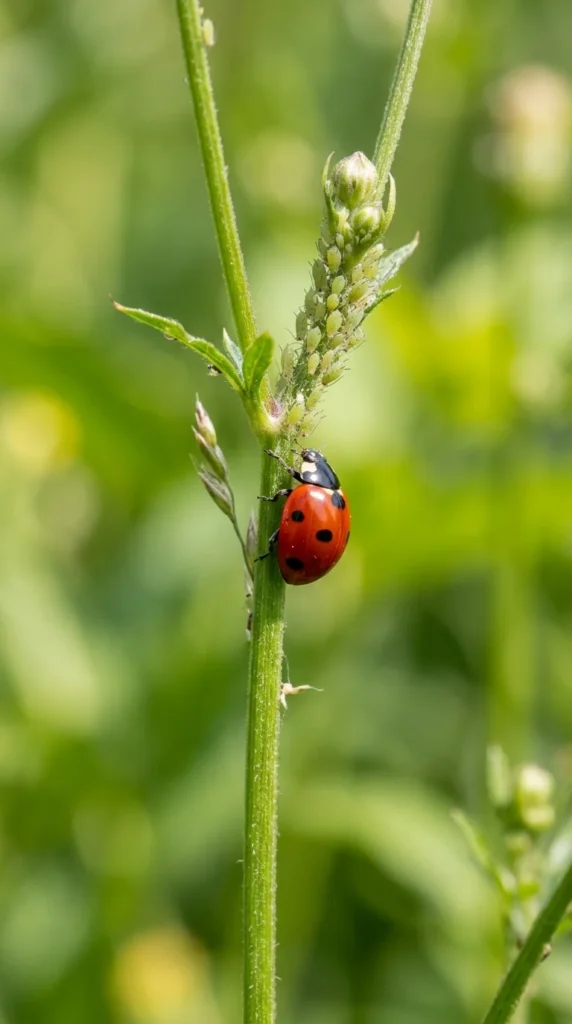
One of the most sustainable ways to control aphids is to let nature do the work for you. Introducing “beneficials”—predatory insects that feed on garden pests—creates a balanced ecosystem where aphids are kept in check naturally.
Ladybugs (lady beetles) and lacewings are the most famous aphid hunters; a single ladybug can eat up to 5,000 aphids in its lifetime. You can attract these heroes by planting pollen-rich flowers like dill, fennel, and yarrow, or you can purchase them from garden centers to release directly into your garden. For the best results, release them at dusk so they don’t immediately fly away.
6. Companion Planting
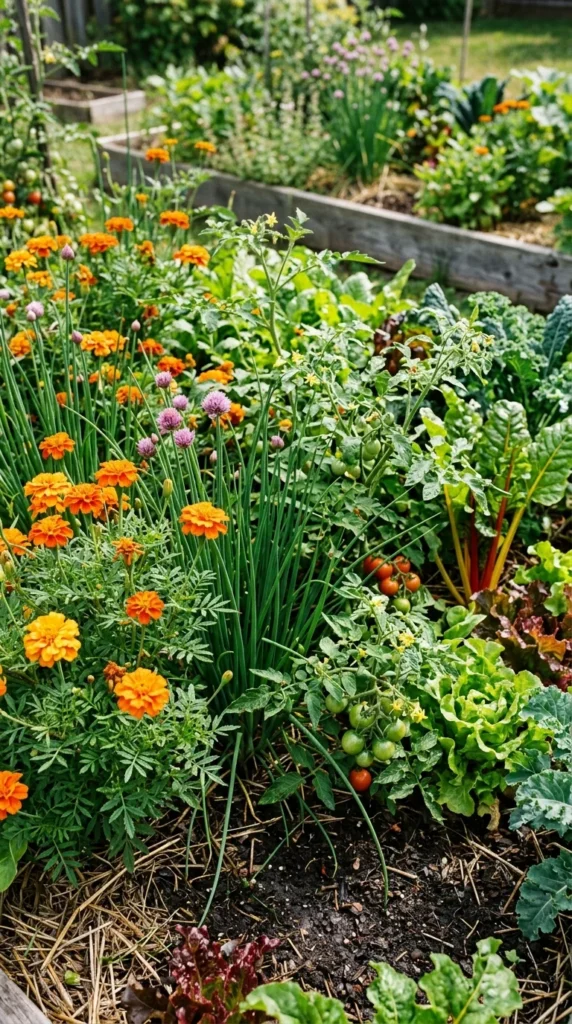
Companion planting involves growing specific plants near each other to deter pests or attract beneficial insects. To fight aphids, you can use two strategies: “repelling” or “trapping.”
Strong-smelling plants like garlic, onions, and chives act as natural deterrents that aphids avoid. Conversely, you can use “trap crops” like nasturtiums or zinnias. Aphids are highly attracted to these plants, and by planting them at a distance from your prized roses or vegetables, you lure the pests away from the plants you want to protect. Once the trap crop is covered in aphids, you can simply pull it up and dispose of it.
7. Manual Removal
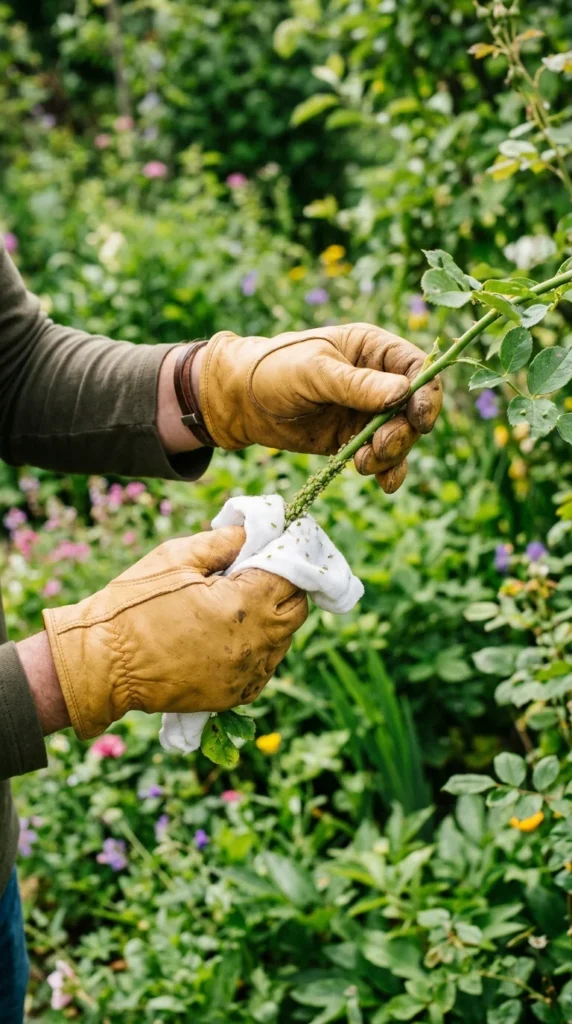
For small plants or minor infestations, manual removal is often the most direct and efficient method. If you aren’t squeamish, you can simply squish the aphids with your fingers or a damp cloth. Because they are soft-bodied, they die instantly.
If the infestation is concentrated on a single branch or flower bud, the easiest solution might be to prune that specific part of the plant and dispose of it in a sealed bag. Do not compost infested plant material, as some aphids or their eggs may survive the composting process and return to your garden later.
8. Diatomaceous Earth
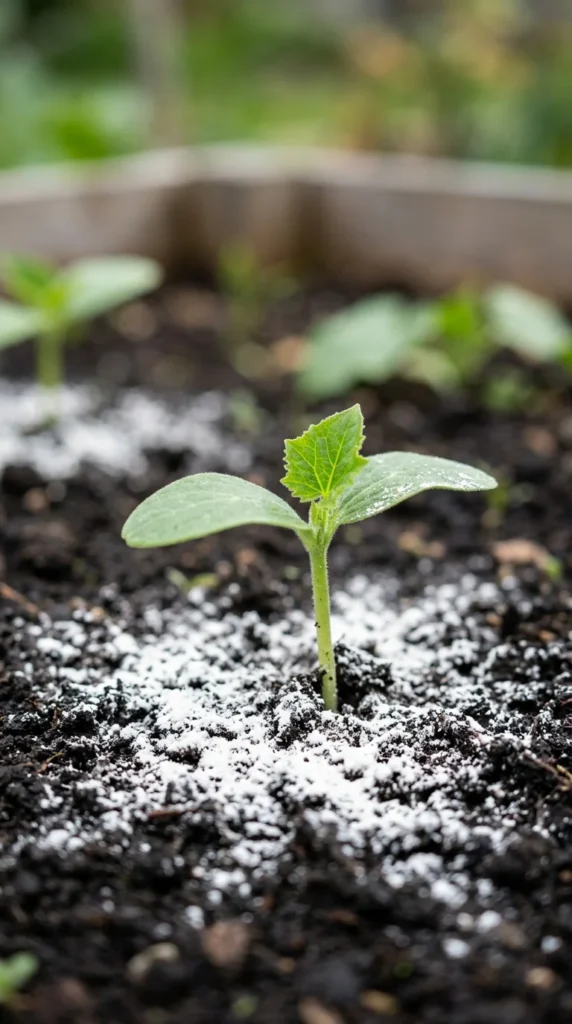
Diatomaceous Earth (DE) is a naturally occurring powder made from the fossilized remains of tiny aquatic organisms called diatoms. While it feels like soft flour to humans, it is composed of microscopic, razor-sharp edges that pierce the exoskeletons of crawling insects, including aphids, leading to dehydration.
To use DE, sprinkle “food-grade” powder around the base of your plants and on the leaves where aphids are present. It is important to note that DE only works when it is dry; if it rains or you water your plants, you will need to reapply it. Use it sparingly, as DE can also harm beneficial insects if they come into direct contact with it.
9. Alcohol Spray
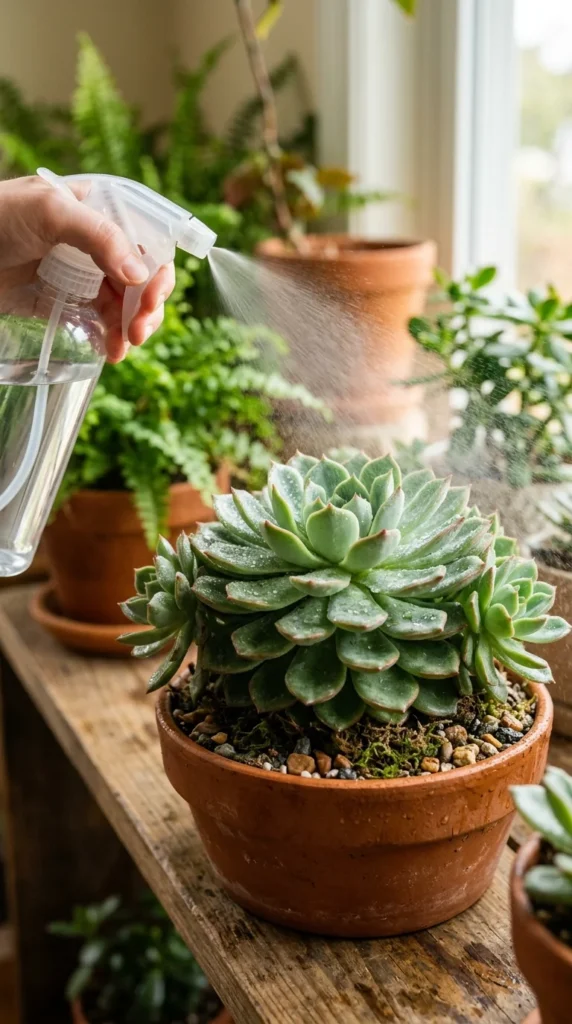
Isopropyl alcohol (rubbing alcohol) can be used as an effective spot treatment for aphids. It works by dissolving the waxy protective coating on the aphid’s body, causing it to dry out almost instantly.
To create an alcohol spray, mix equal parts 70% isopropyl alcohol and water. You can also add a drop of dish soap to help the solution stick to the leaves. Use a spray bottle to target aphid colonies or use a cotton swab dipped in the solution to wipe them off individually. Be cautious with this method, as alcohol can be harsh on some plants; always perform a patch test on a single leaf 24 hours before treating the entire plant.
10. Banana Peels
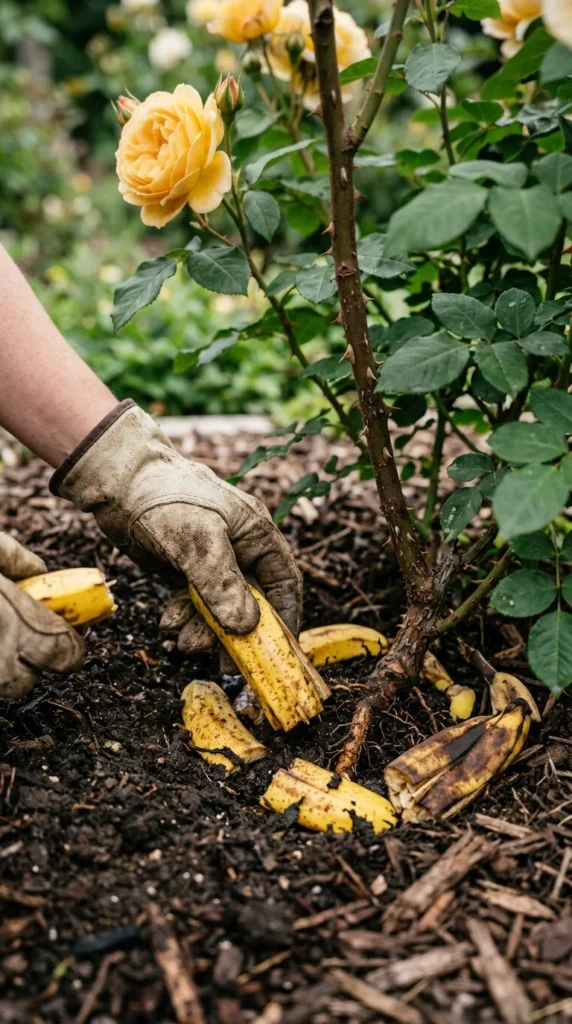
Using banana peels is a popular folk remedy that serves a dual purpose. Many gardeners believe that the smell of decomposing banana peels is a natural repellent for aphids. While the scientific evidence for this is largely anecdotal, the practice remains a staple in organic gardening circles.
Beyond the potential repellent properties, banana peels are rich in potassium and phosphorus, which are vital nutrients for plant health. By burying chopped-up peels an inch or two deep around the base of aphid-prone plants, you strengthen the plant’s immune system, making it more resilient to pest attacks in the future.
Long-Term Prevention and Care
Getting rid of aphids is only half the battle; preventing their return is the key to a healthy garden. Aphids are particularly attracted to plants with high nitrogen levels and succulent new growth. Avoid over-fertilizing with high-nitrogen synthetic fertilizers, which produce the “soft” growth that aphids love. Instead, use slow-release organic compost.
Furthermore, keep a close eye on ants in your garden. Ants often “farm” aphids, protecting them from predators in exchange for the sweet honeydew they produce. If you see ants trailing up your plants, you likely have an aphid problem, and controlling the ants will make it much easier for natural predators to move in and finish off the aphid colony. Regular inspection and a diverse garden ecosystem are your best defenses against these tiny invaders.