The secret to a flourishing garden doesn’t lie in a chemical laboratory; it lies in the kitchen, the backyard, and the natural world around us. Using natural fertilizers is an eco-friendly way to enrich your soil, promote robust plant growth, and reduce waste. Synthetic fertilizers often provide a quick burst of nutrients but can damage soil microbiology over time. In contrast, organic alternatives build soil structure and provide a slow-release feast for your plants.
Here are 20 effective, natural fertilizer ideas to transform your garden into a thriving paradise.
1. Banana Peels
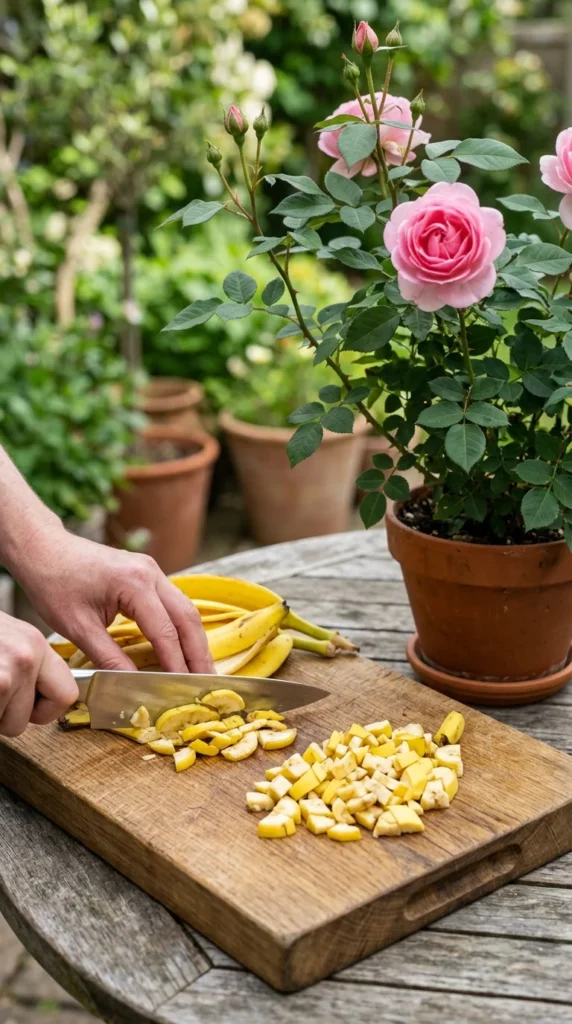
Banana peels are a powerhouse of potassium, a vital macronutrient that helps plants develop strong root systems and promotes vigorous flowering and fruiting. They also contain smaller amounts of phosphorus, magnesium, and calcium.
To use them, you can simply bury the peels an inch or two deep at the base of your plants, particularly roses and tomato plants. Alternatively, you can create “banana tea” by soaking the peels in water for 48 hours and then using the nutrient-rich liquid to water your garden. This is especially beneficial for indoor plants that need a gentle boost.
2. Coffee Grounds
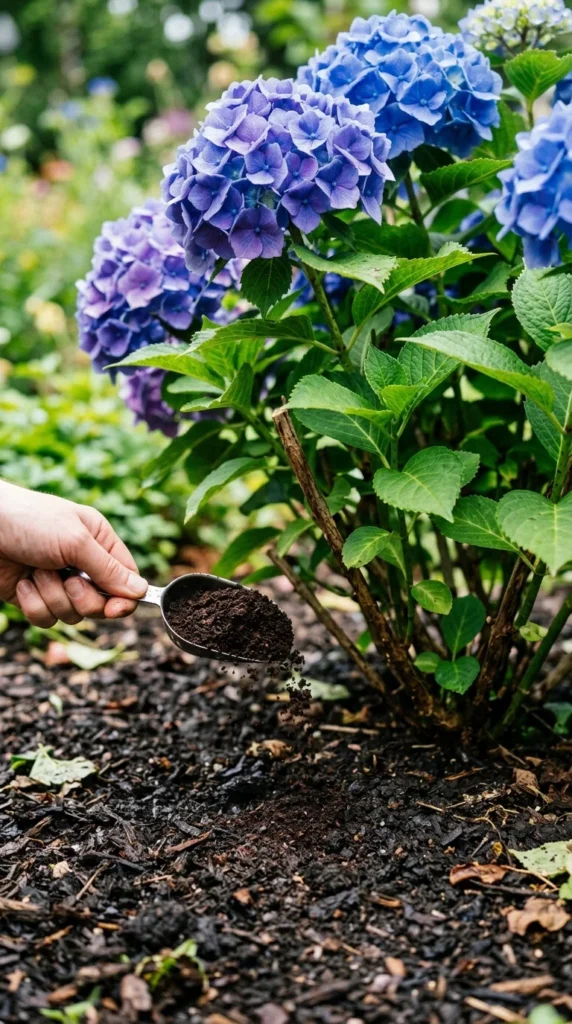
Used coffee grounds are an excellent source of nitrogen, which is essential for leafy green growth. Despite their reputation, used grounds are relatively neutral in pH because the acid is mostly leached out into the coffee you drink.
They are particularly loved by acid-loving plants like blueberries, azaleas, and lilies. You can sprinkle them directly onto the soil surface or mix them into your compost pile to speed up the decomposition process. Coffee grounds also improve soil aeration and drainage while attracting beneficial earthworms.
3. Eggshells
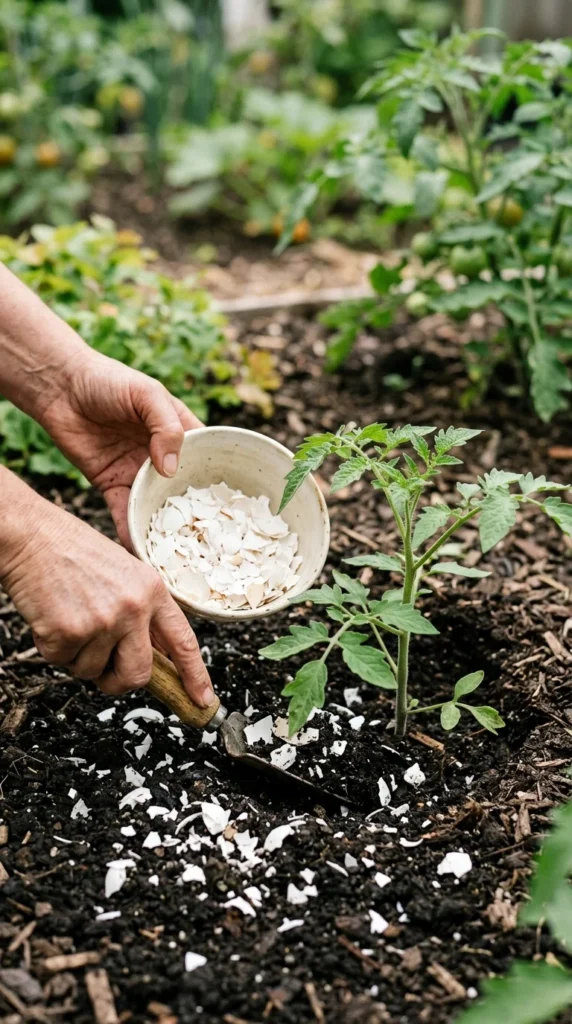
Eggshells are comprised almost entirely of calcium carbonate, a nutrient that helps plants build strong cell walls. This is particularly crucial for tomatoes and peppers, which are prone to blossom end rot—a condition caused by calcium deficiency.
To prepare them, wash the shells to remove any residue, let them dry, and then crush them into a fine powder or small shards. Mix the powder into the soil when planting or sprinkle it around the base of existing plants. The sharp shards can also act as a physical deterrent for soft-bodied pests like slugs and snails.
4. Grass Clippings
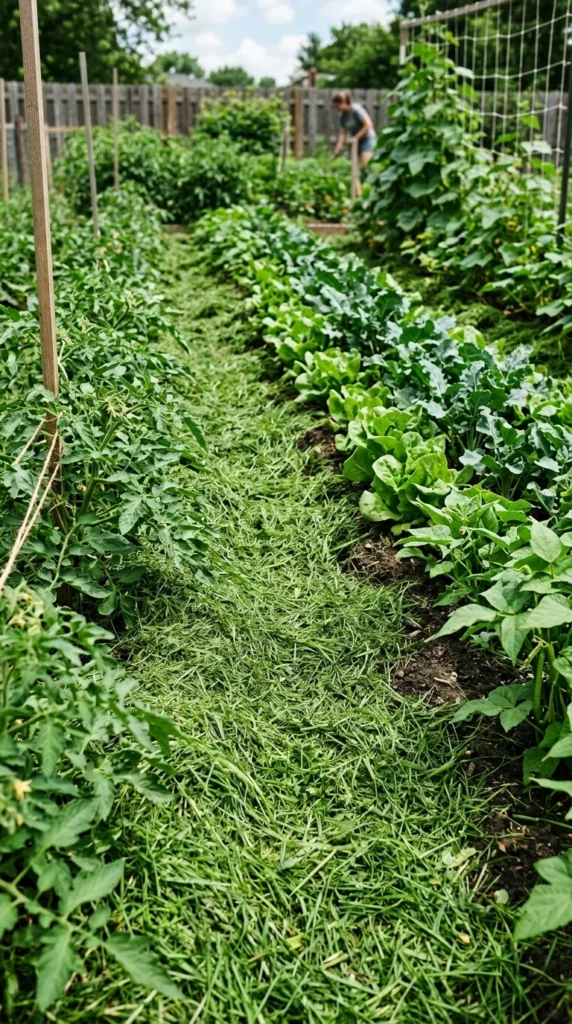
If you have a lawn, you have a free source of high-nitrogen fertilizer. Fresh grass clippings decompose quickly, releasing nitrogen back into the earth.
Spread a thin layer (about an inch) of clippings around your plants as a mulch. This serves a triple purpose: it suppresses weeds, retains soil moisture, and provides nutrients as it breaks down. Ensure the grass has not been treated with chemical herbicides or pesticides before using it in your garden, as these chemicals can harm your vegetables.
5. Compost Tea
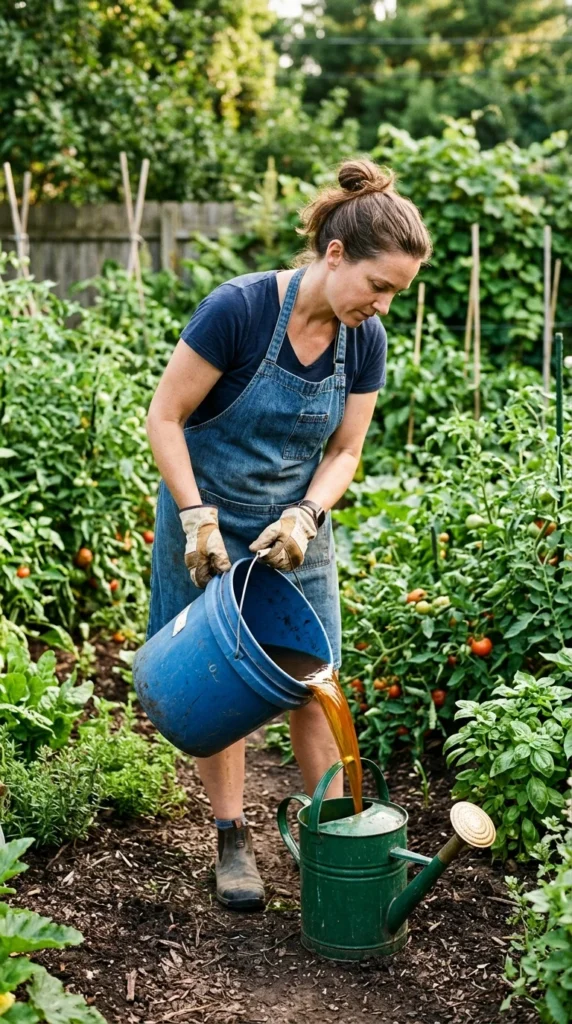
Compost tea is essentially a concentrated liquid extract of beneficial microorganisms and nutrients found in compost. It provides an immediate boost to plants and helps fight off soil-borne diseases.
To make it, place a few shovelfuls of well-aged compost into a burlap bag or a mesh strainer and steep it in a 5-gallon bucket of water for 24 to 48 hours. Stir it occasionally to keep it aerated. Use the resulting “tea” to water your plants or spray it directly onto the leaves as a foliar feed.
6. Epsom Salts
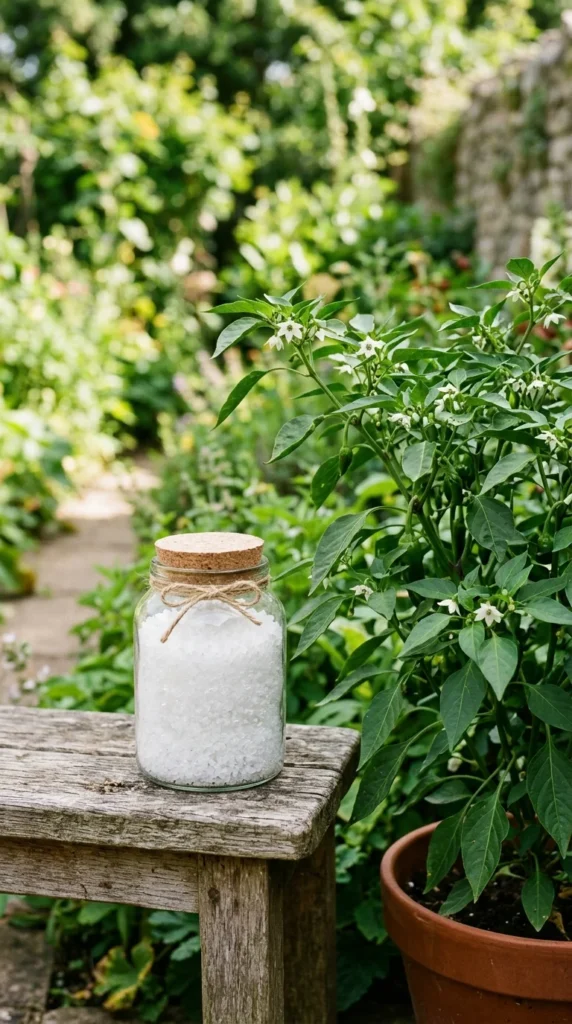
Epsom salt is not actually salt, but a naturally occurring mineral compound of magnesium and sulfate. Magnesium is the central atom in the chlorophyll molecule, making it essential for photosynthesis.
Plants like peppers, tomatoes, and roses often suffer from magnesium deficiency, which manifests as yellowing leaves between the veins. Dissolve one tablespoon of Epsom salts in a gallon of water and apply it as a foliar spray once a month, or sprinkle the crystals around the base of the plant before watering.
7. Wood Ash
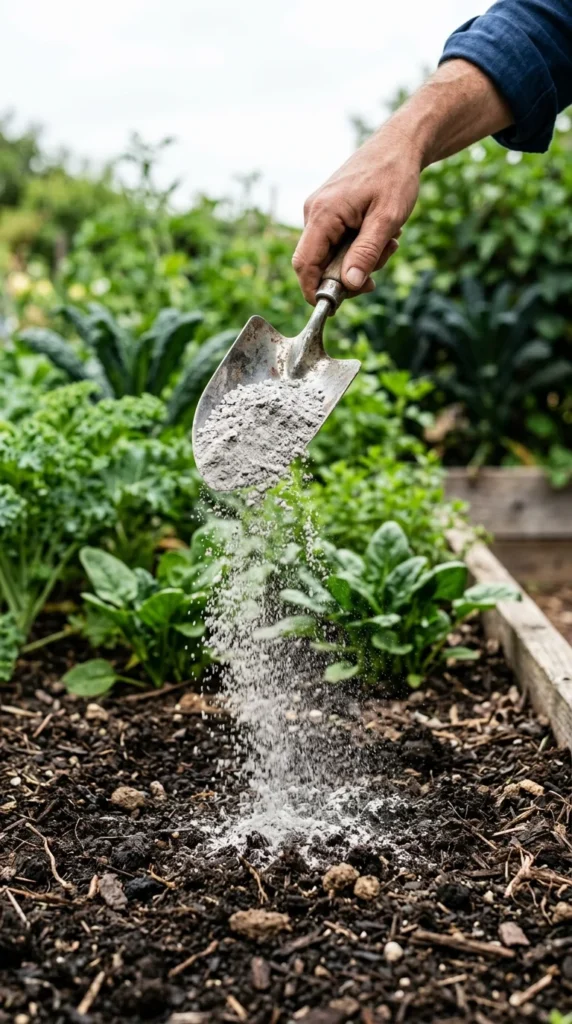
If you have a fireplace or a wood-burning stove, save the ashes. Wood ash is a rich source of potassium and calcium carbonate. It acts as a natural liming agent, meaning it can raise the pH of overly acidic soil.
Use wood ash sparingly and only on plants that prefer alkaline or neutral soil. Avoid using it around acid-loving plants like blueberries or rhododendrons. A light dusting over the soil in early spring is usually sufficient to provide the necessary minerals for the growing season.
8. Aquarium Water
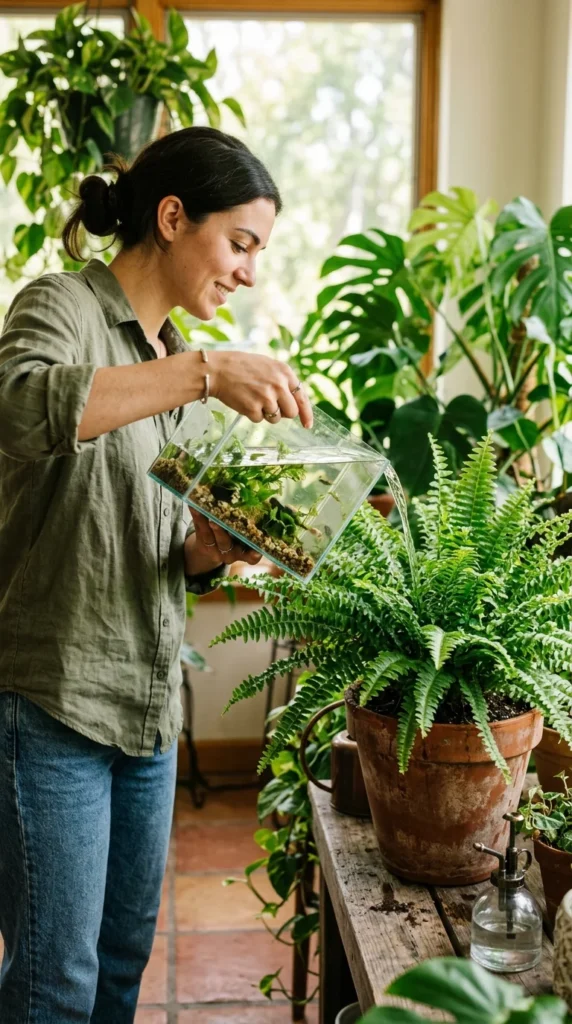
When you clean your fish tank, don’t pour that dirty water down the drain. Fish waste and decomposing food particles make aquarium water a fantastic, nitrogen-rich fertilizer for both indoor and outdoor plants.
The water contains beneficial bacteria and trace minerals that are immediately available to the plants. Just ensure you are only using water from freshwater tanks; saltwater aquarium water contains high levels of sodium that will kill most terrestrial plants.
9. Manure
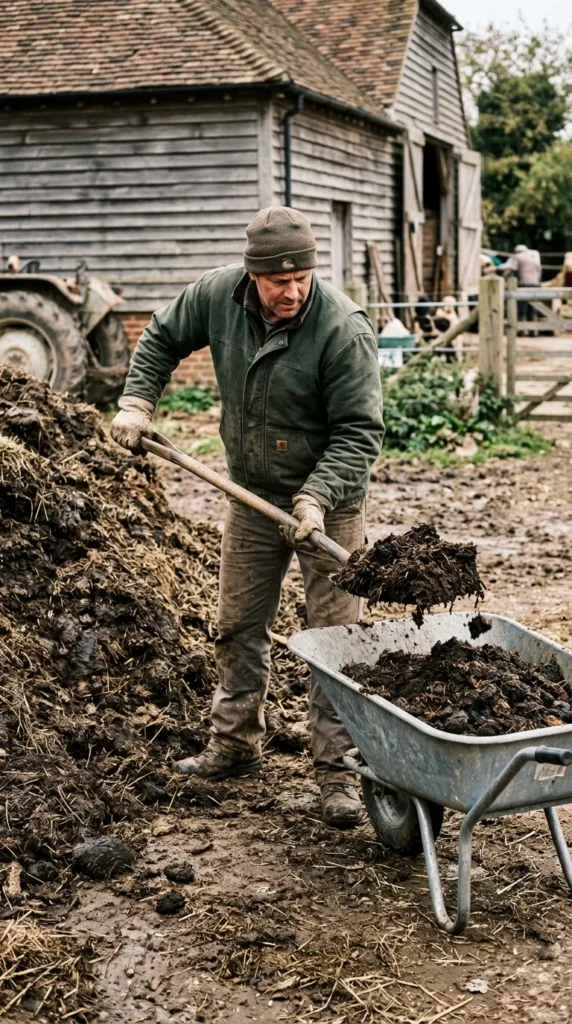
Animal manure is one of the oldest and most effective fertilizers known to man. It is rich in nitrogen, phosphorus, and potassium (NPK), as well as organic matter that improves soil structure.
It is critical to use “aged” or “composted” manure rather than fresh manure. Fresh manure is too high in nitrogen and can “burn” plant roots; it also contains pathogens and weed seeds. Manure from cows, horses, sheep, and chickens is ideal. Incorporate it into your soil in late fall or early spring before planting.
10. Gelatin
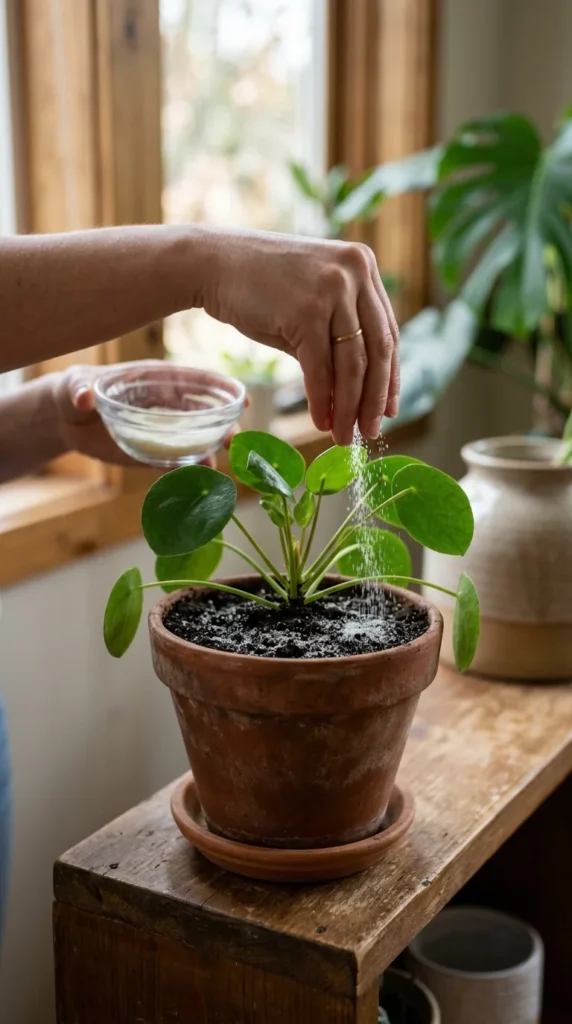
Unflavored gelatin is a surprising but effective source of nitrogen. As the gelatin protein breaks down, it slowly releases nitrogen into the soil, providing a sustained food source for your plants.
To use it, dissolve one packet of unflavored gelatin in a cup of hot water, then add three cups of cold water. Use this mixture to water your plants once a month. It is a particularly effective “pick-me-up” for houseplants that have stunted growth or pale leaves.
11. Seaweed
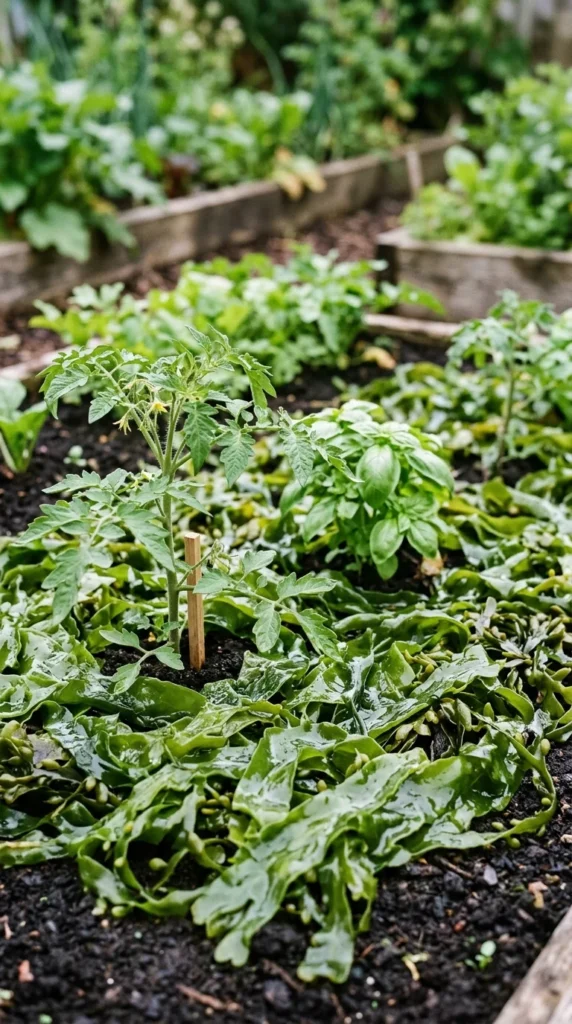
Seaweed is a “superfood” for plants. It contains over 60 trace minerals and growth hormones that stimulate root development and improve a plant’s resistance to frost and disease.
If you live near a beach, you can collect fresh seaweed (check local regulations first), rinse it to remove excess salt, and use it as a mulch. If not, you can buy dried kelp meal or liquid seaweed extract. It doesn’t provide much nitrogen, but its mineral profile makes it an excellent supplement to other fertilizers.
12. Molasses
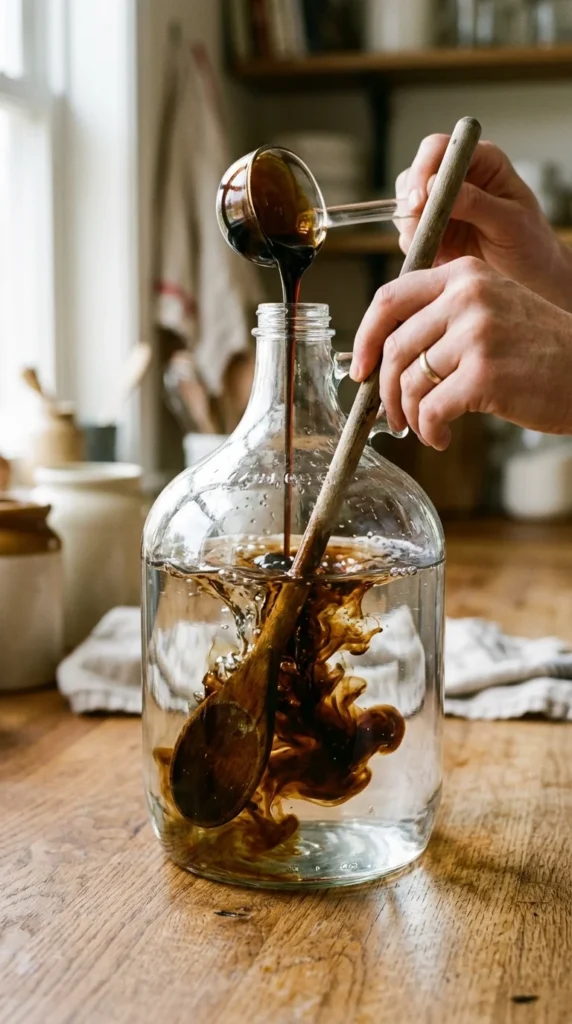
While molasses doesn’t provide many nutrients directly to the plant, it provides a massive boost to the “soil food web.” The sugar content in molasses feeds the beneficial bacteria and microbes in the soil, which in turn break down organic matter more efficiently for the plants to use.
Mix two tablespoons of unsulphured blackstrap molasses into a gallon of water. Use this solution once a month to water your garden. It is particularly effective when used in conjunction with compost tea.
13. Cornmeal
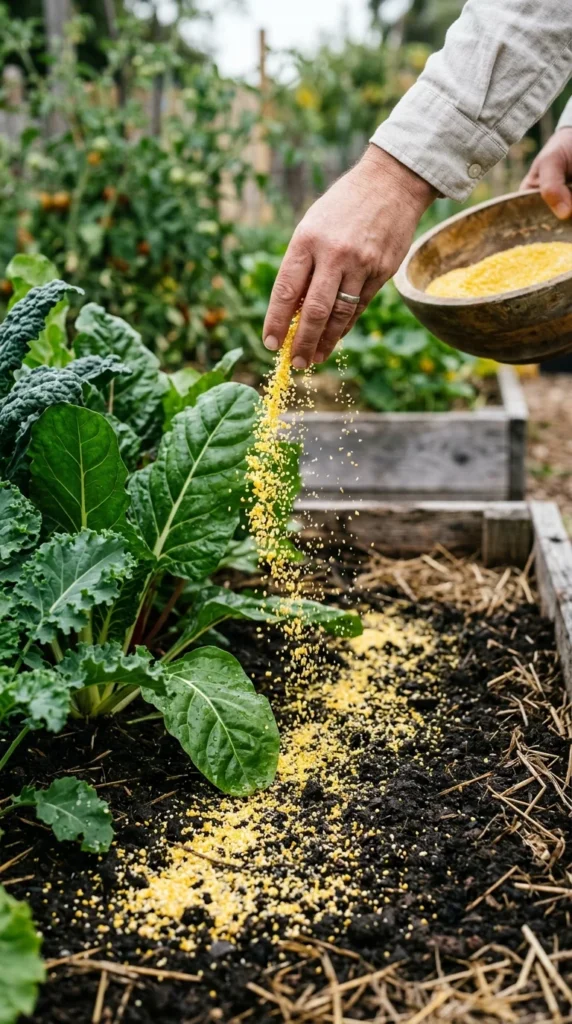
Cornmeal serves a dual purpose in the garden. First, as it decomposes, it releases nitrogen into the soil. Second, it contains a natural antifungal property that can help prevent diseases like damping-off in seedlings.
You can sprinkle cornmeal directly onto the soil or work it into the top inch. It is also known to attract beneficial fungi that prey on harmful nematodes. Note that cornmeal can also act as a mild pre-emergent herbicide, so avoid using it in areas where you are trying to sprout small seeds.
14. Rice Water
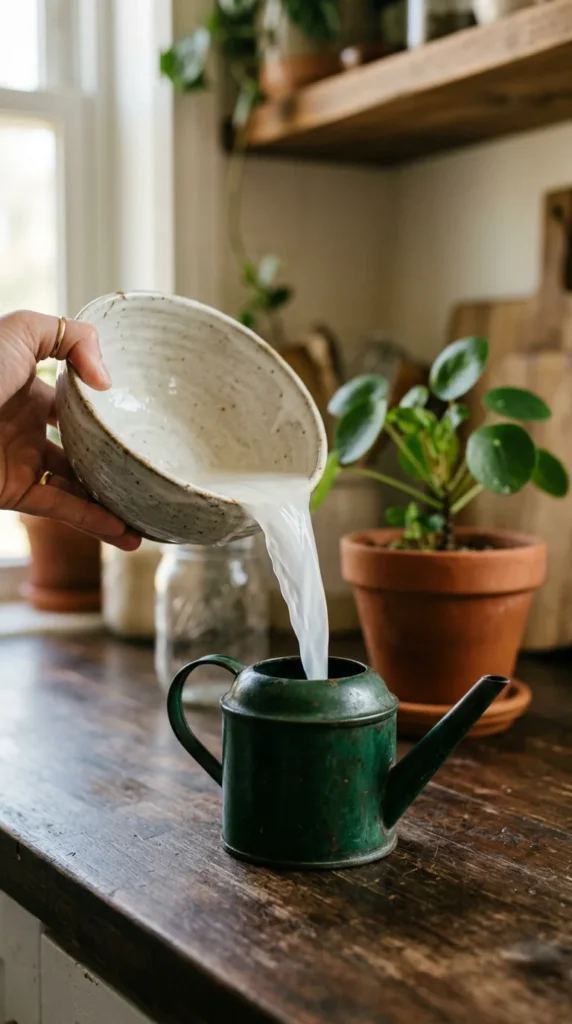
The water left over after rinsing or boiling rice is rich in starches and trace amounts of nitrogen, phosphorus, and potassium. These starches feed the beneficial bacteria in the soil, much like molasses does.
Simply save the water from your kitchen prep, let it cool to room temperature, and use it to water your plants. This is a zero-cost way to give your houseplants or container garden a regular nutritional boost.
15. Hair and Fur
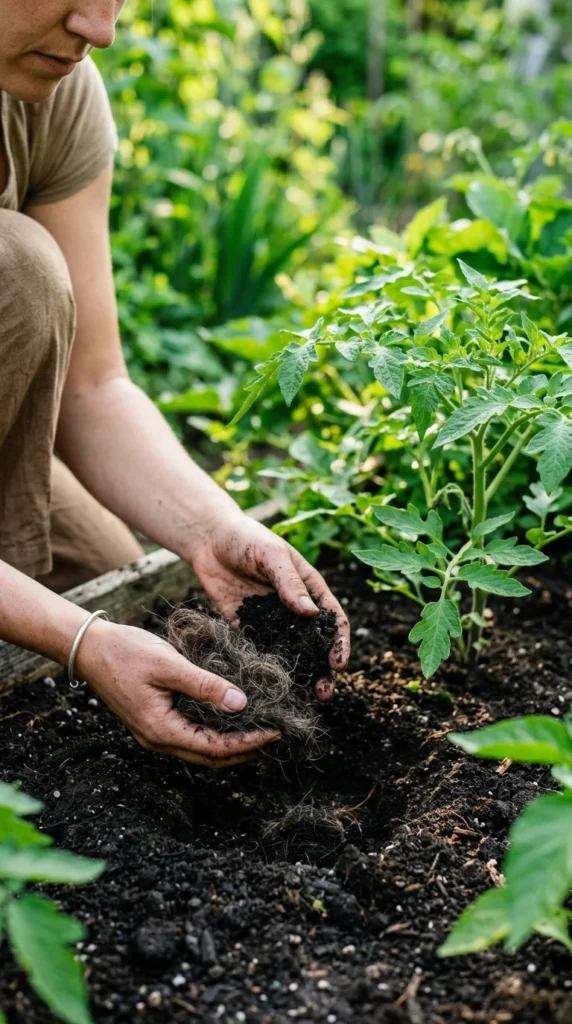
It may sound strange, but human hair and pet fur are highly concentrated sources of nitrogen. Hair is made of keratin, a protein that breaks down slowly over time, providing a long-term, slow-release nitrogen source.
When you clean your hairbrush or groom your dog, save the hair and bury it deep in the soil or add it to your compost pile. Because it takes a long time to decompose, it is best used for long-term soil building rather than an immediate nutrient fix.
16. Pine Needles
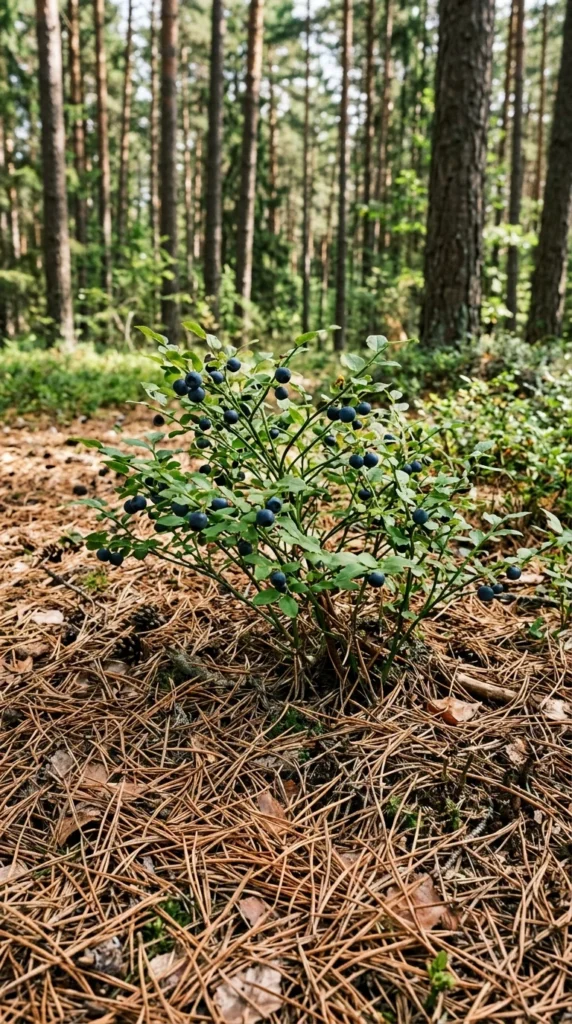
Pine needles are an excellent mulch for plants that thrive in acidic soil. As they break down, they slightly lower the pH of the soil and provide organic matter.
They are ideal for strawberries, blueberries, and raspberries. Pine needles also interlock with each other, meaning they stay in place better than many other mulches, and they allow water to penetrate easily while preventing evaporation.
17. Cooking Water
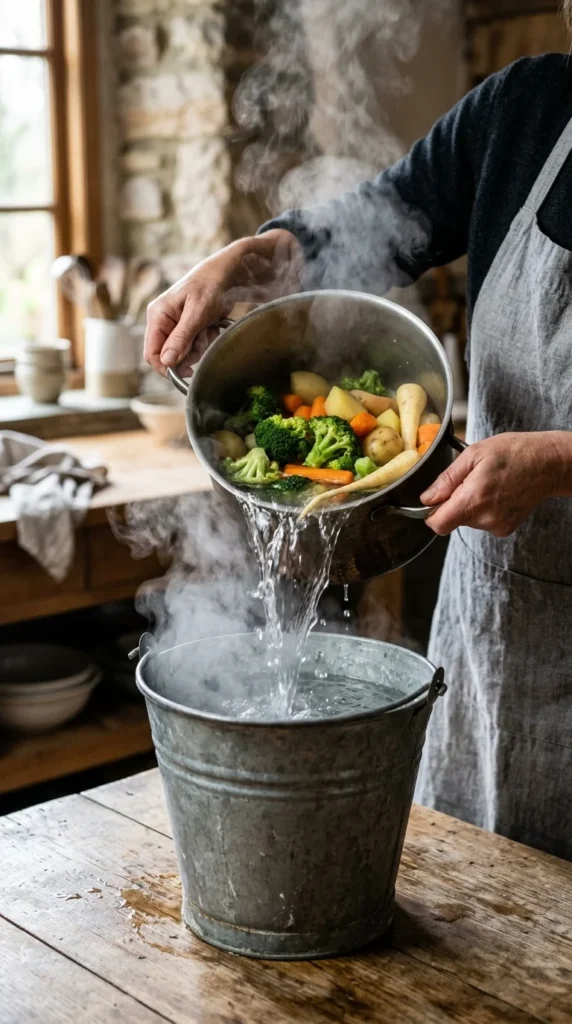
The water used to boil vegetables, pasta, or eggs is full of leached nutrients. When you boil greens, vitamins and minerals end up in the water; when you boil pasta, the water becomes starchy.
Instead of pouring this “liquid gold” down the drain, let it cool completely and use it to water your garden. It’s a simple way to recycle nutrients that would otherwise be lost. Ensure the water is unsalted, as salt can build up in the soil and dehydrate plants.
18. Tree Leaves
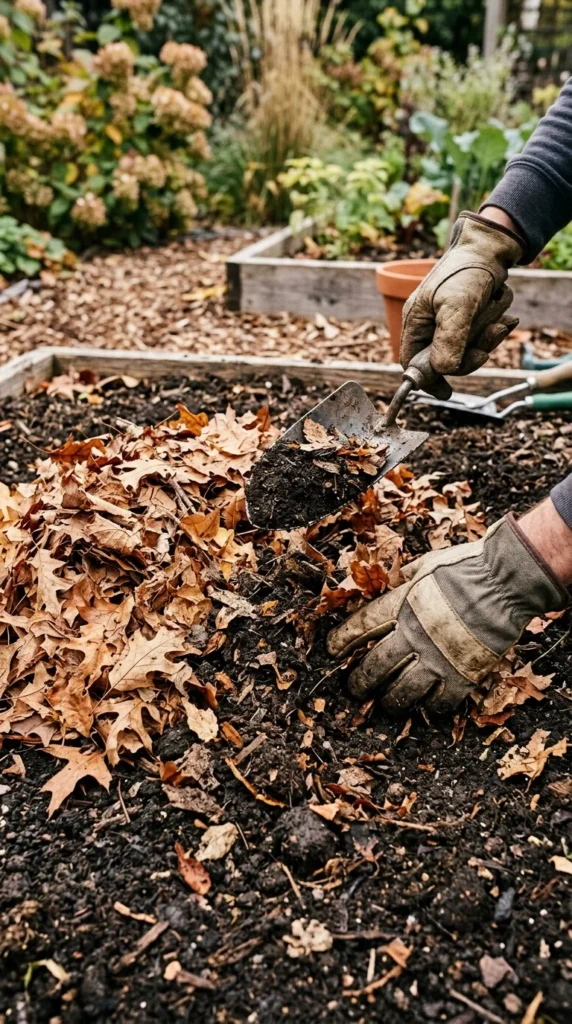
Often called “gardener’s gold,” fallen leaves are packed with trace minerals that trees draw up from deep in the earth. When these leaves fall and decompose, they return those minerals to the topsoil.
Instead of bagging your leaves for the trash, shred them with a lawnmower and use them as mulch or dig them directly into your garden beds. Over time, they create “leaf mold,” which is one of the best soil conditioners available, significantly improving water retention.
19. Alfalfa Meal
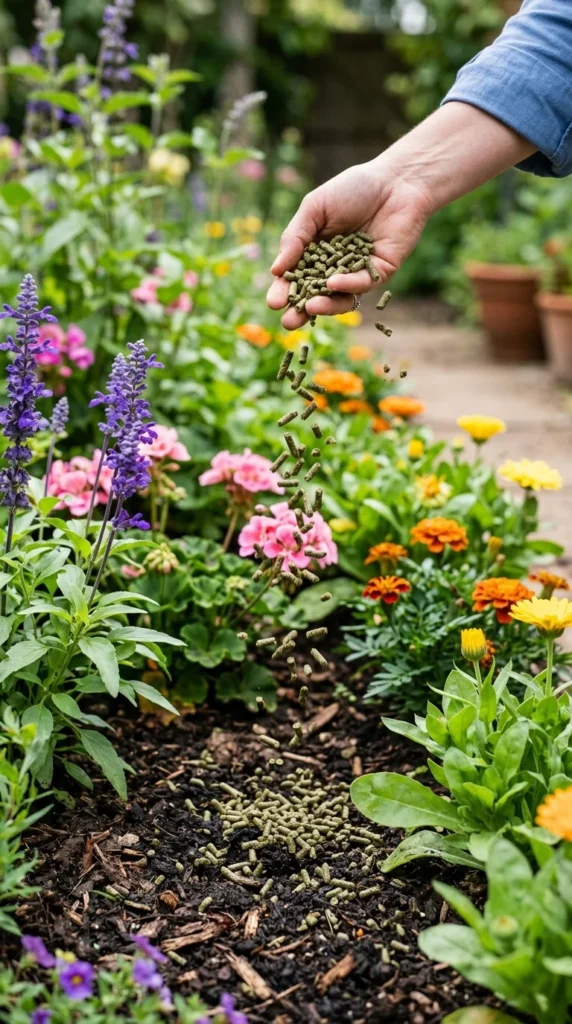
Alfalfa meal (often sold as rabbit food in pellet form) is a fantastic organic fertilizer. It is a balanced source of NPK and contains triacontanol, a natural growth stimulant that increases the plant’s ability to absorb nutrients.
You can work the meal or pellets directly into the soil or steep them in water to make a potent “alfalfa tea.” It is particularly renowned among rose growers for producing larger blooms and healthier foliage.
20. Vinegar
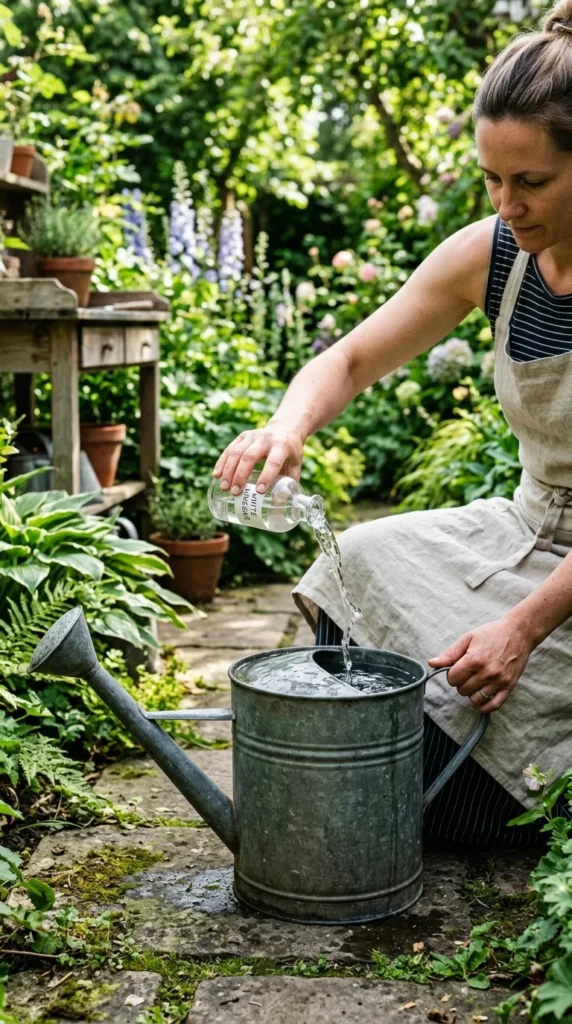
While vinegar is often used as a weed killer in high concentrations, a very dilute solution can be a boon for acid-loving plants. It acts as a quick way to lower soil pH for plants that are struggling in alkaline conditions.
Mix one tablespoon of white distilled vinegar with a gallon of water. Use this occasionally on plants like gardenias, hydrangeas, and roses. This should be used sparingly and only if you know your soil is too alkaline for the specific plant you are treating.