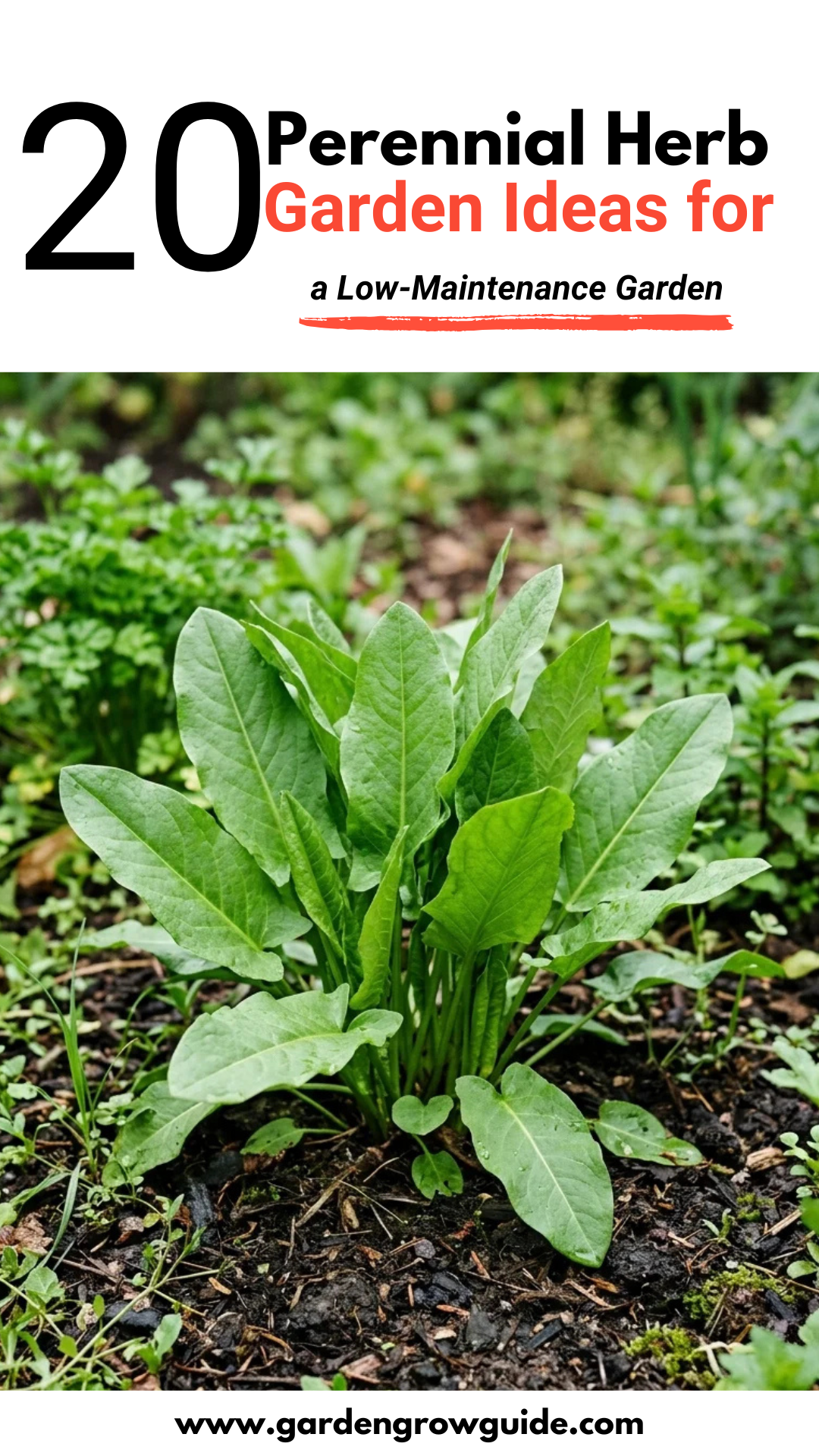
Perennial herbs are the backbone of a sustainable, productive, and effortless landscape. Unlike annuals, which require replanting every spring, perennials establish deep root systems, return year after year, and often become more resilient with age. By selecting the right varieties and organizing them thoughtfully, you can create a garden that provides culinary delights, medicinal benefits, and aromatic beauty with minimal intervention.
Here are 20 perennial herb garden ideas designed to maximize yield while minimizing your workload.
1. Rosemary
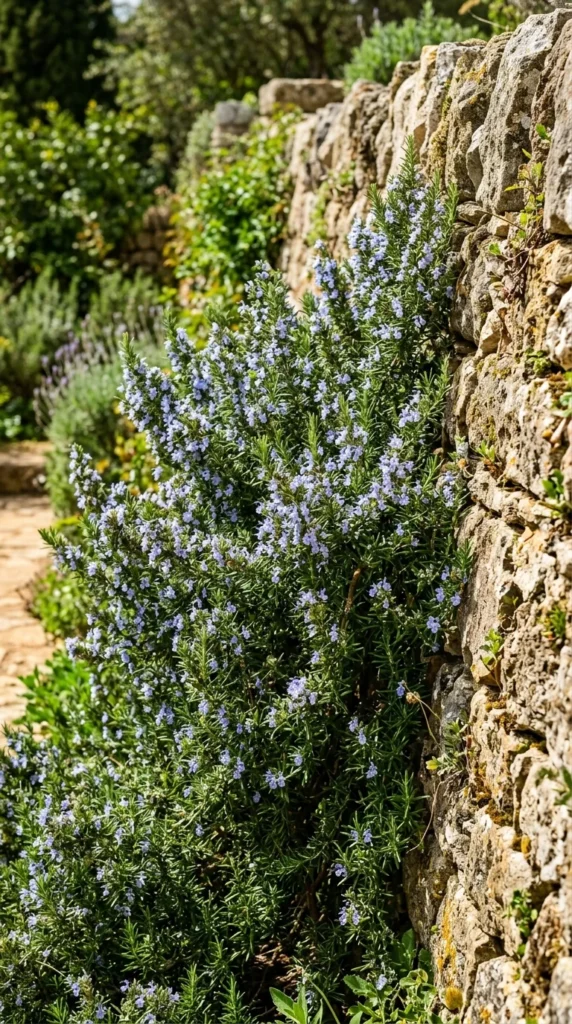
Rosemary is a powerhouse of the low-maintenance garden. Once established, this Mediterranean native is exceptionally drought-tolerant and requires almost no supplemental watering. Its woody structure provides year-round visual interest and serves as a sturdy windbreak for more delicate plants. To keep it low-maintenance, plant it in well-draining soil and a sunny spot. It rarely suffers from pests or diseases, and its pungent oils naturally deter deer and rabbits.
2. Lavender
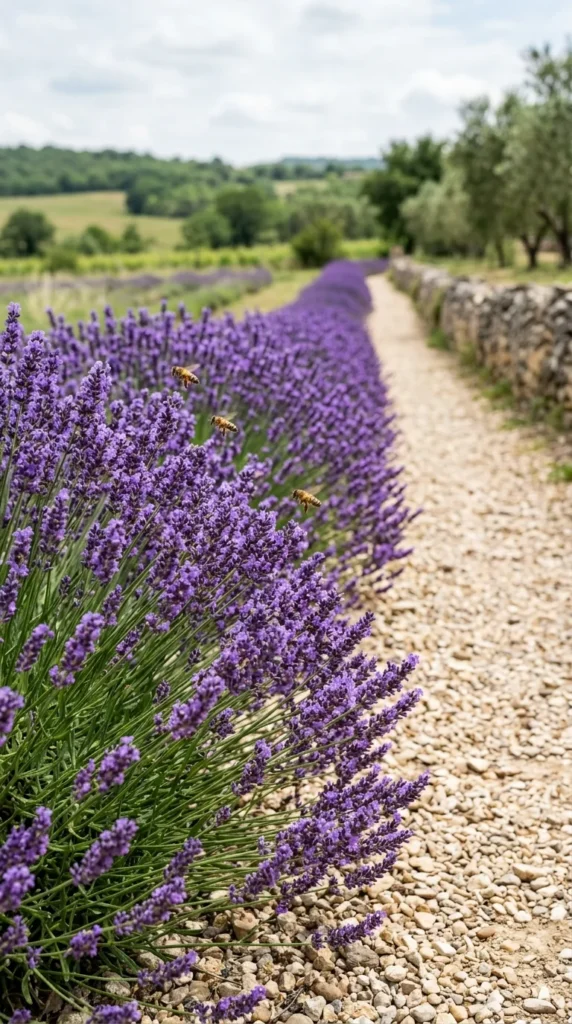
Lavender offers both aesthetic beauty and functional benefits. Known for its calming scent and pollinator-attracting blooms, it thrives in “neglect.” It prefers poor, sandy soil and very little water once its roots are deep. Pruning it once a year after the first bloom is usually the only maintenance required. It’s a perfect choice for edges and borders, creating a sensory experience every time you walk by.
3. Thyme
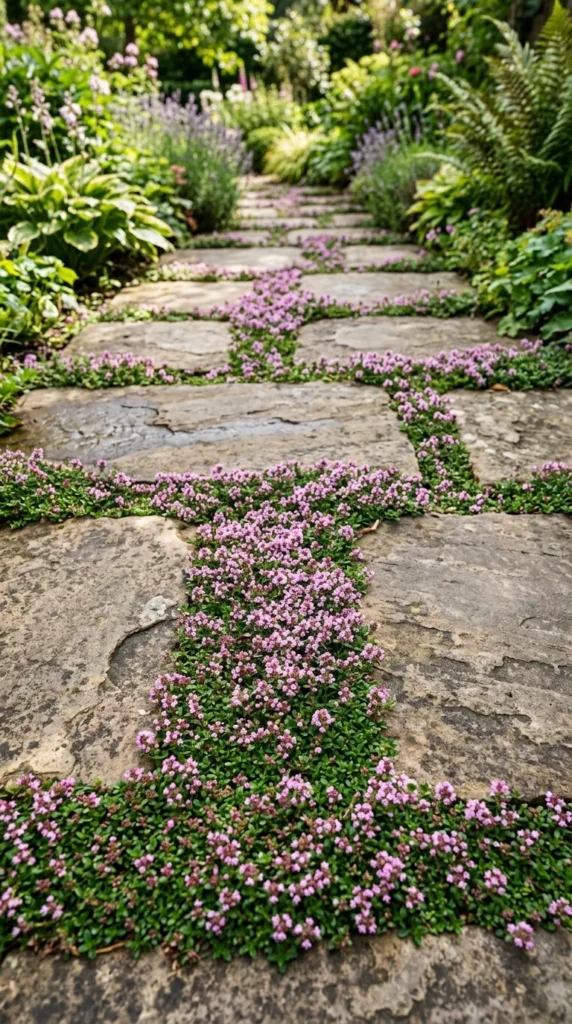
Thyme is one of the most versatile perennial herbs. It can be used as a culinary staple or a living mulch. Creeping varieties act as a “stepable” groundcover that suppresses weeds and retains soil moisture, significantly reducing the time you spend weeding. It is rugged, cold-hardy, and thrives in rocky or sandy soils where other plants might struggle.
4. Sage
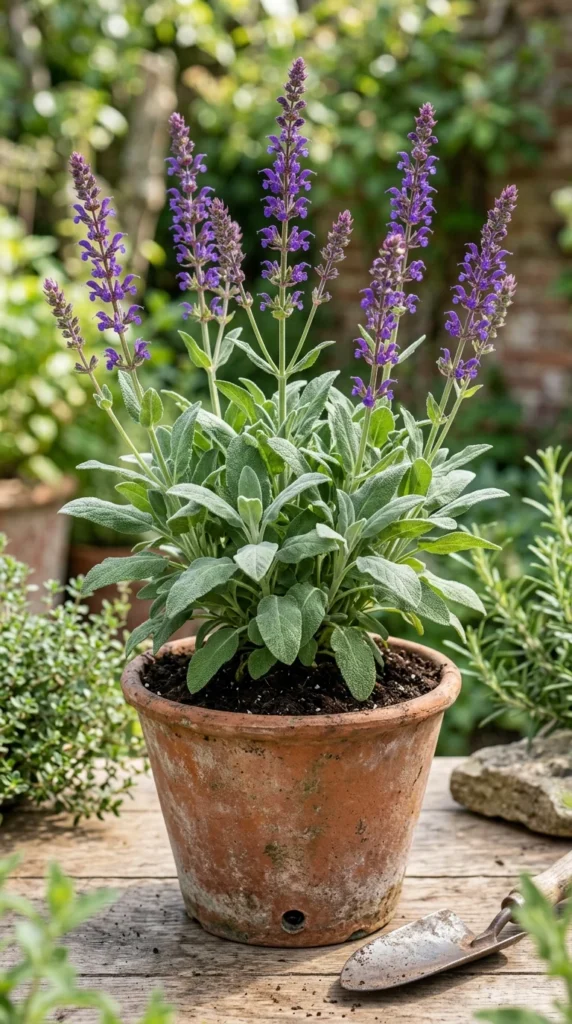
Sage is a hardy perennial that brings unique texture to the garden with its pebbled, silvery leaves. It is remarkably resilient against frost and can survive harsh winters in many climates. Beyond its use in stuffing and sauces, sage is an ornamental powerhouse. It requires minimal pruning—just a light trim in early spring to encourage new growth—and its deep roots make it quite drought-resistant.
5. Chives
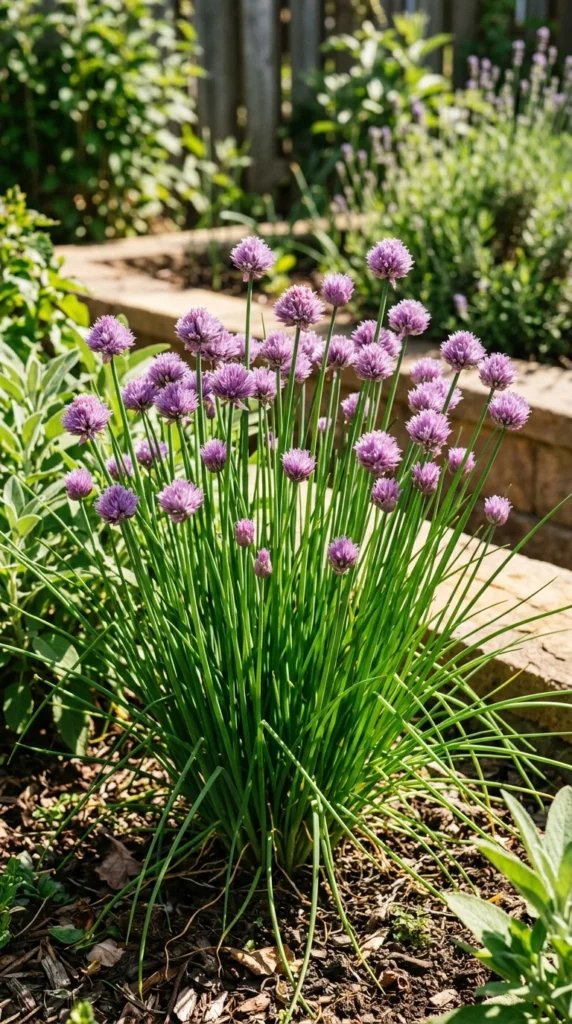
Chives are perhaps the easiest herb for a beginner. They are among the first plants to emerge in the spring and will continue to produce until the first hard frost. Every part of the plant is edible, including the beautiful purple flowers. They are self-seeding but easy to manage, and they can be divided every few years to create new plants for free. Their onion-like scent also acts as a natural pest repellent for nearby vegetables.
6. Oregano
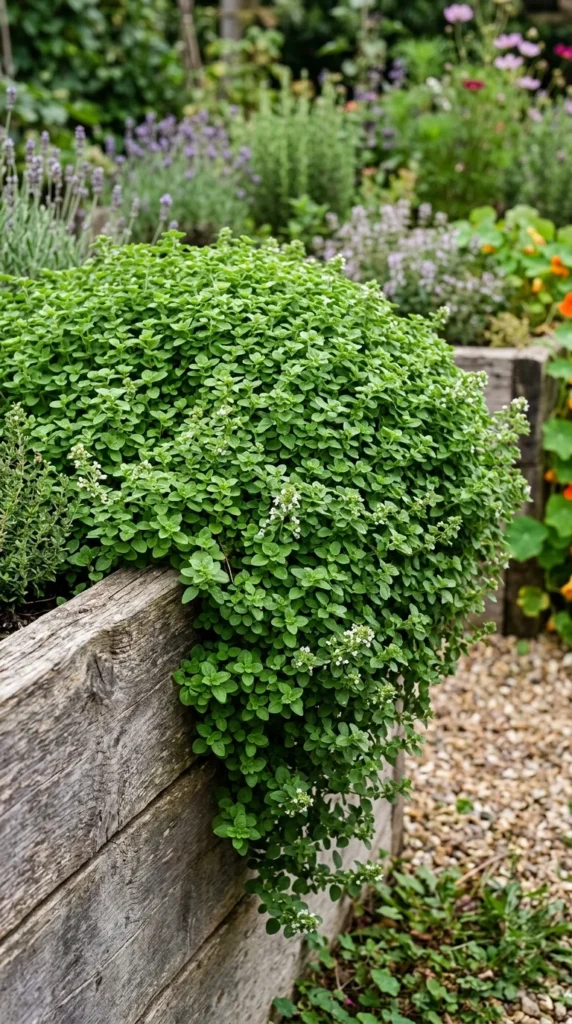
Oregano is a vigorous grower that serves as an excellent groundcover. It is tough enough to handle foot traffic and spreads quickly to fill gaps, preventing weeds from taking hold. While it is a staple in Italian and Mexican cooking, it also produces delicate white or pink flowers that are a favorite for butterflies. To keep it in check, simply harvest it frequently for your kitchen.
7. Mint
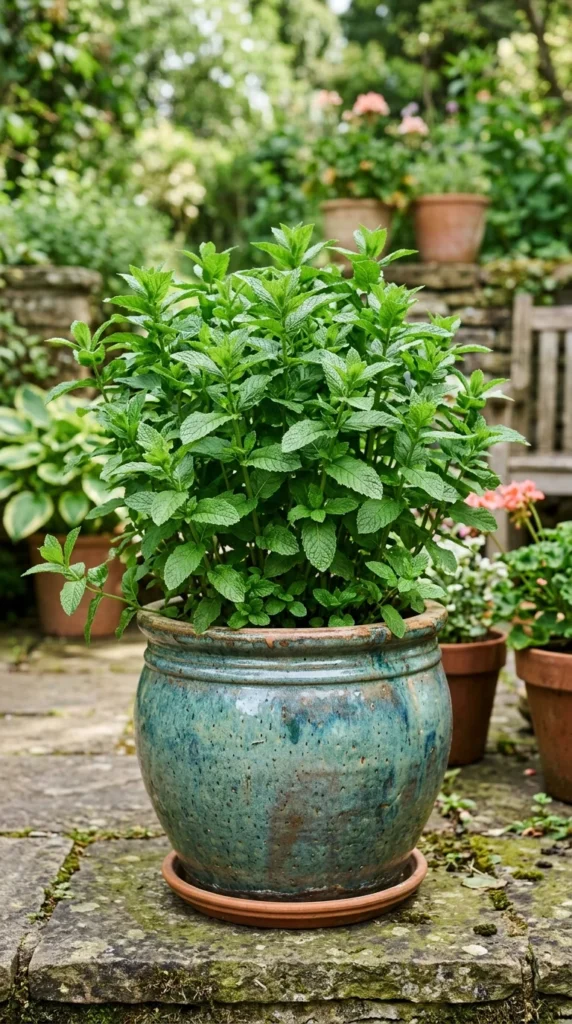
While mint is famously invasive, it is a “low maintenance” dream if planted correctly—specifically in containers. By keeping mint in a pot, you enjoy its rapid growth and refreshing leaves without it taking over your entire yard. It is incredibly hardy and can handle both sun and partial shade. It’s nearly impossible to kill, making it ideal for gardeners who want a guaranteed harvest with zero fuss.
8. Lemon Balm
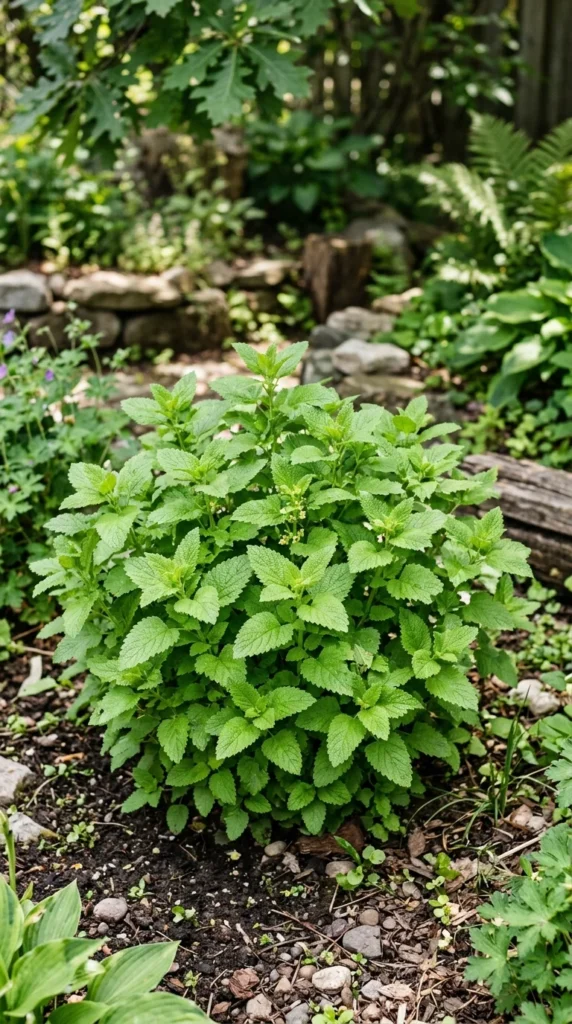
A member of the mint family, lemon balm is prized for its citrusy scent and medicinal tea properties. It is a “set it and forget it” plant that thrives in almost any soil condition. It is particularly useful for those difficult, partially shaded spots in the garden where other herbs might fail. To prevent it from spreading too far, simply cut back the flower heads before they go to seed.
9. Tarragon
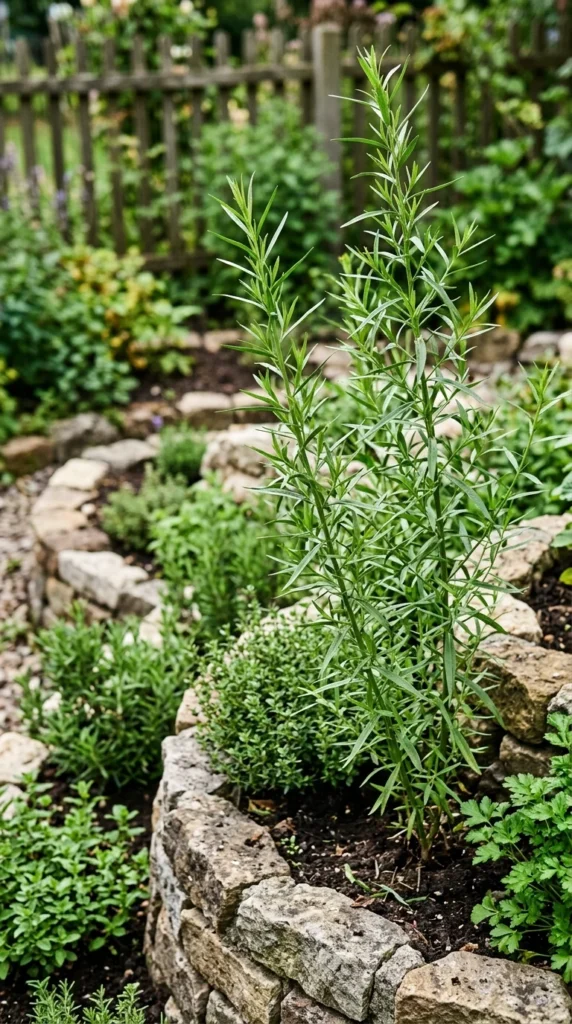
French tarragon is a sophisticated perennial that brings a distinct anise flavor to dishes. Unlike many other herbs, it doesn’t require a lot of sun and can perform well in dappled light. It is a long-lived perennial that requires very little intervention other than a bit of mulch in the winter to protect the roots in colder zones.
10. Fennel
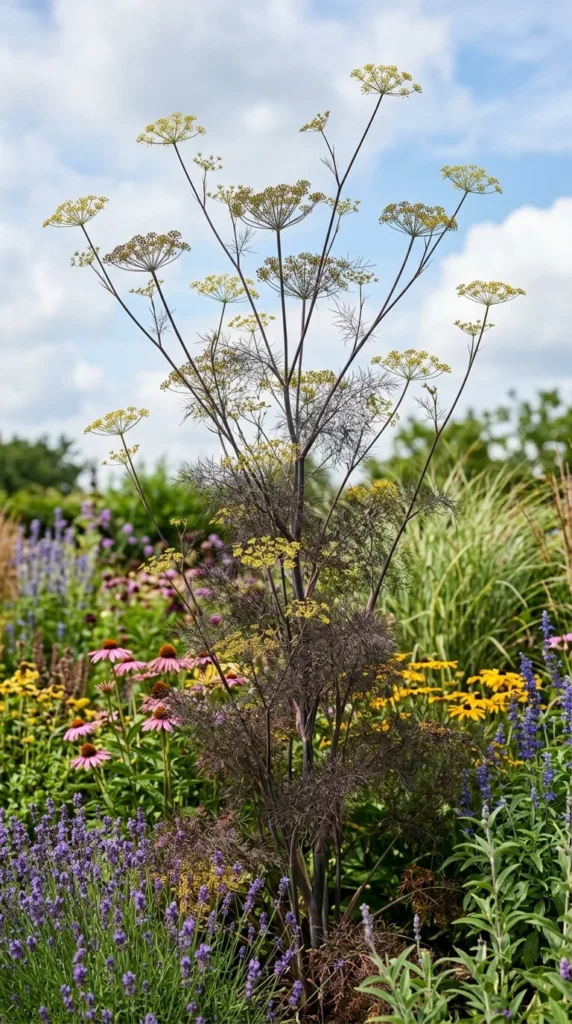
Fennel is a striking architectural plant that can grow several feet tall. The bronze variety is particularly ornamental. It is a “host plant” for swallowtail butterflies, making it a dual-purpose herb for culinary use and wildlife support. Once established, its deep taproot makes it very hardy. It returns faithfully every year, providing fronds, seeds, and stalks for various culinary uses.
11. Lovage
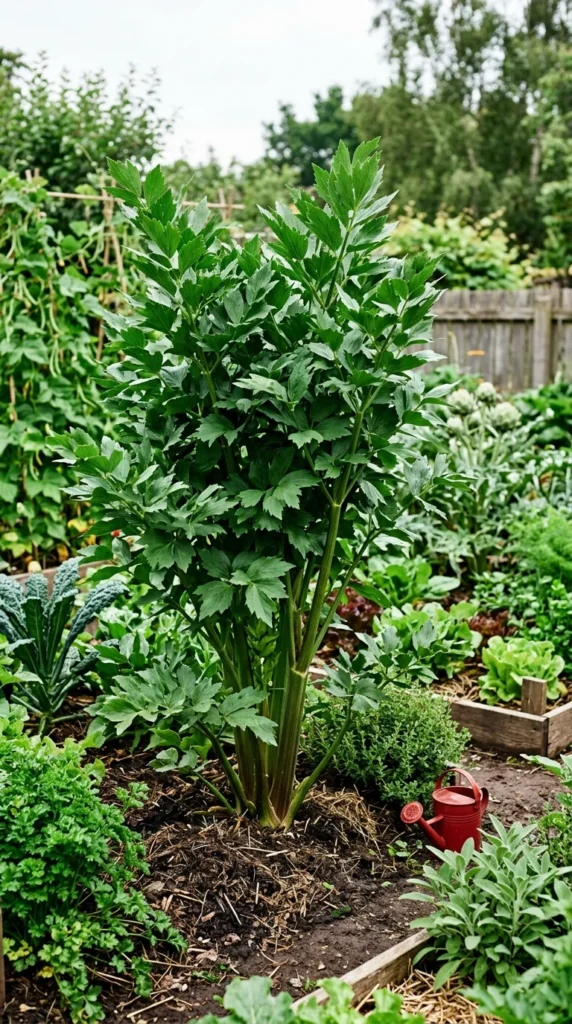
If you like the taste of celery but find it too difficult to grow, lovage is the answer. This perennial herb can grow up to six feet tall and tastes like a concentrated version of celery. It is extremely cold-hardy and one of the first plants to pop up in the spring. Because it is so large and vigorous, you only need one plant to supply a whole family for the entire season.
12. Winter Savory
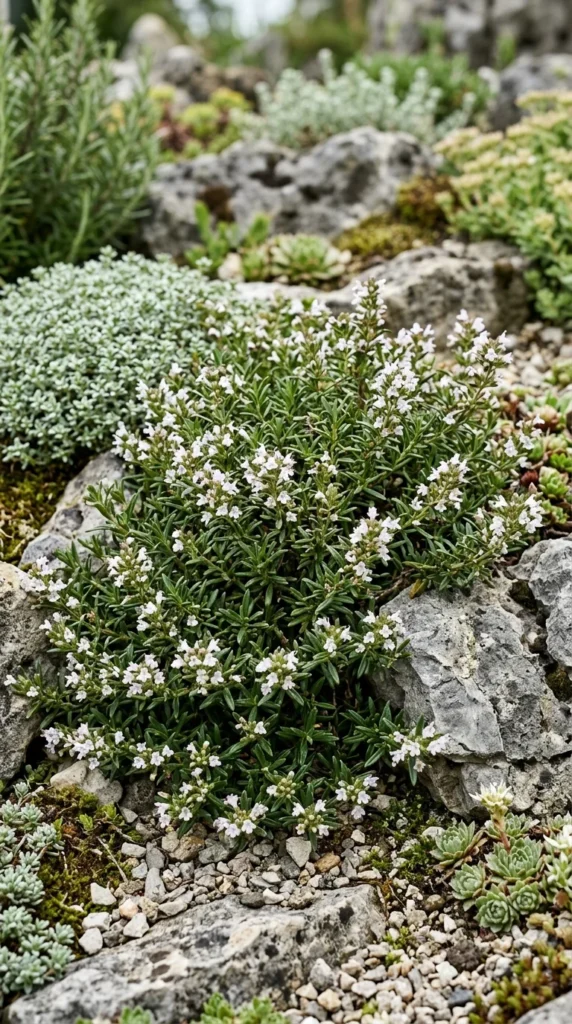
Unlike its annual cousin (summer savory), winter savory is a woody perennial that provides flavor all year round in milder climates. It has a spicy, peppery kick and is much more decorative than summer savory. It thrives in poor soil and is very drought-tolerant, making it a perfect addition to a rock garden or a dry hillside where little else will grow.
13. Sorrel
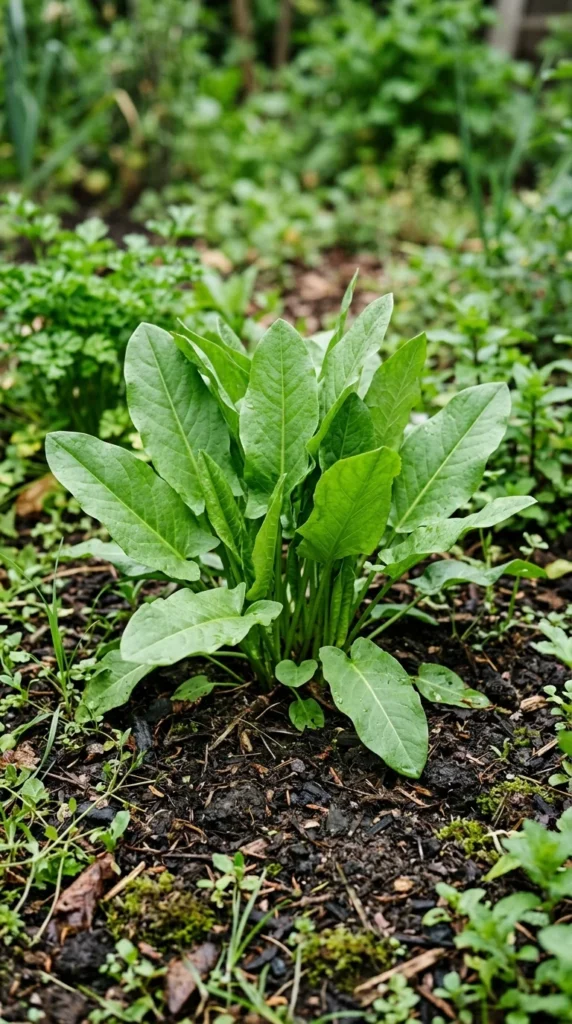
Sorrel is a leafy perennial herb that tastes remarkably like lemons. It is one of the few perennial “greens” that can be harvested very early in the spring. It is incredibly resilient and will continue to produce leaves even after you cut it back to the ground. It prefers slightly more moisture than Mediterranean herbs, making it a great companion for chives or parsley in a cooler part of the garden.
14. Catmint
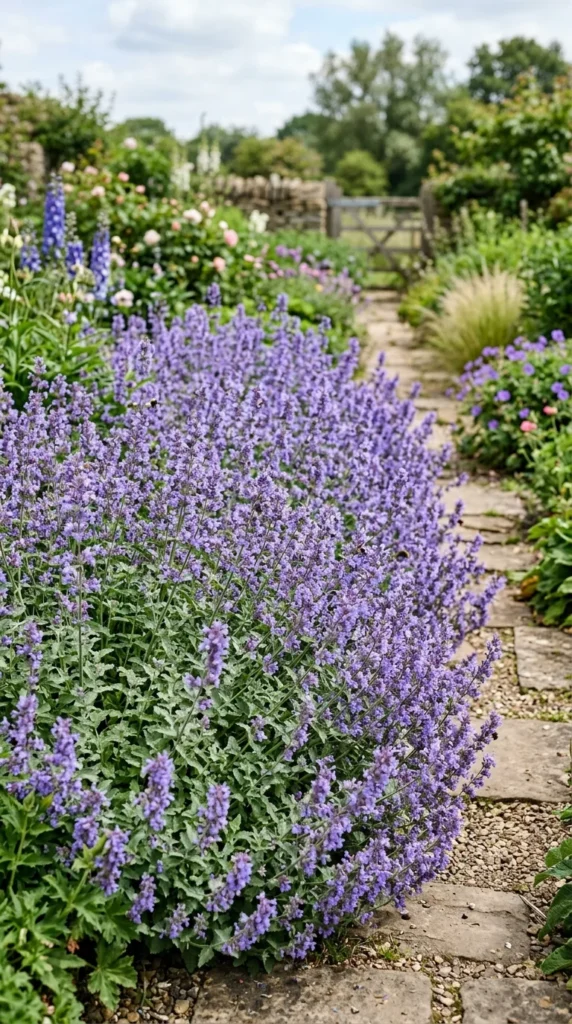
Catmint is a cousin of catnip but with much better manners and more beautiful flowers. It is an “ultra-low-maintenance” ornamental herb that creates a cloud of blue flowers for months. It is drought-tolerant, deer-resistant, and grows in almost any soil. While it’s great for cats, gardeners love it for its ability to fill large spaces and suppress weeds with ease.
15. Bee Balm
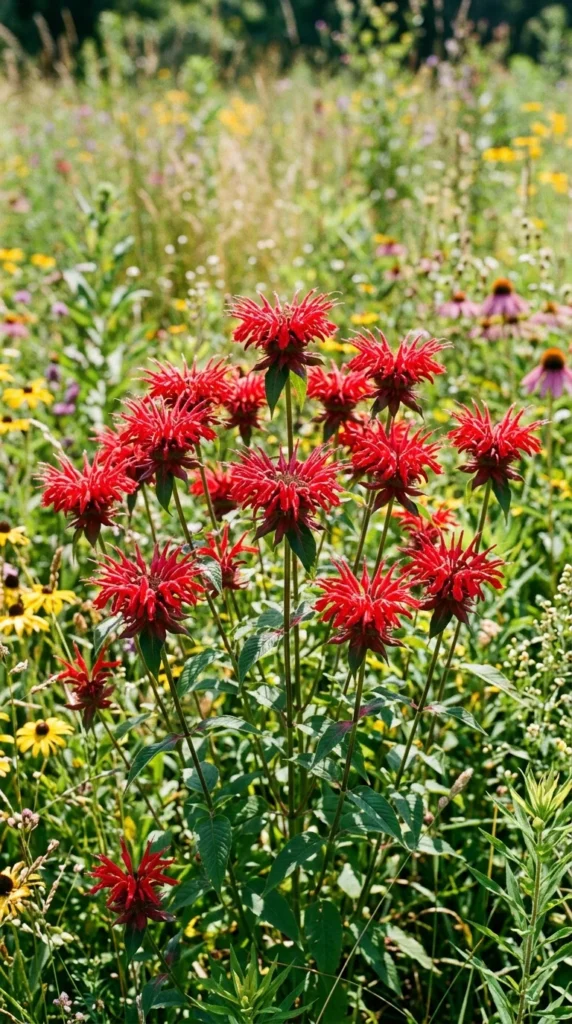
Also known as Monarda or Wild Bergamot, Bee Balm is a native North American perennial. It is famous for its spicy leaves, which make an excellent “Oswego Tea.” It is a magnet for hummingbirds and bees. Because it is a native plant, it is naturally adapted to local climates and requires very little care once established, though it appreciates a bit of air circulation to prevent powdery mildew.
16. Hyssop
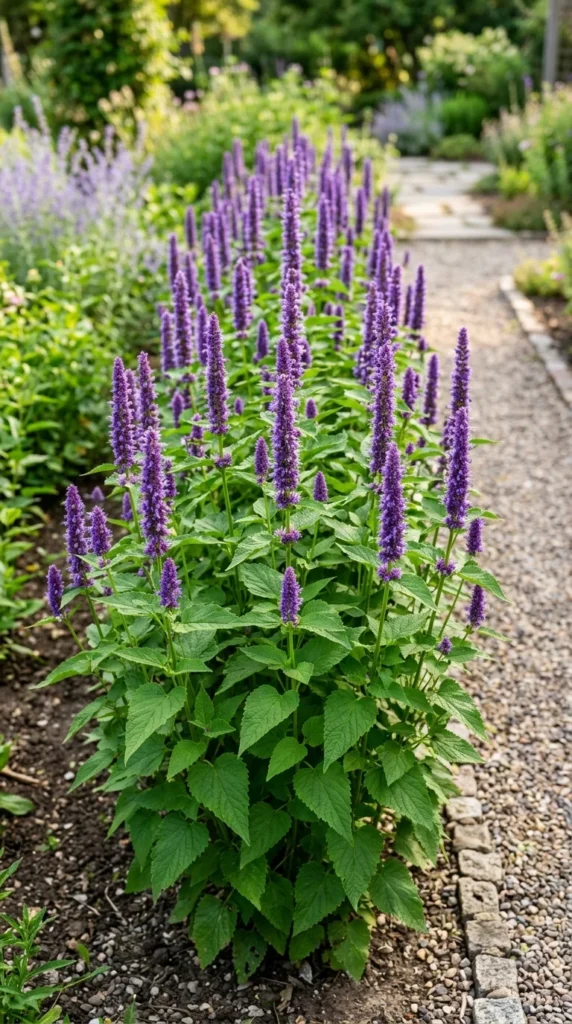
Anise hyssop is a multi-purpose perennial that smells like licorice. It is incredibly hardy and drought-resistant. The flowers are edible and look stunning in salads, and the leaves make a wonderful tea. It is a “top tier” pollinator plant, often covered in bees from dawn until dusk. It requires no special soil and can handle full sun to partial shade.
17. Horseradish
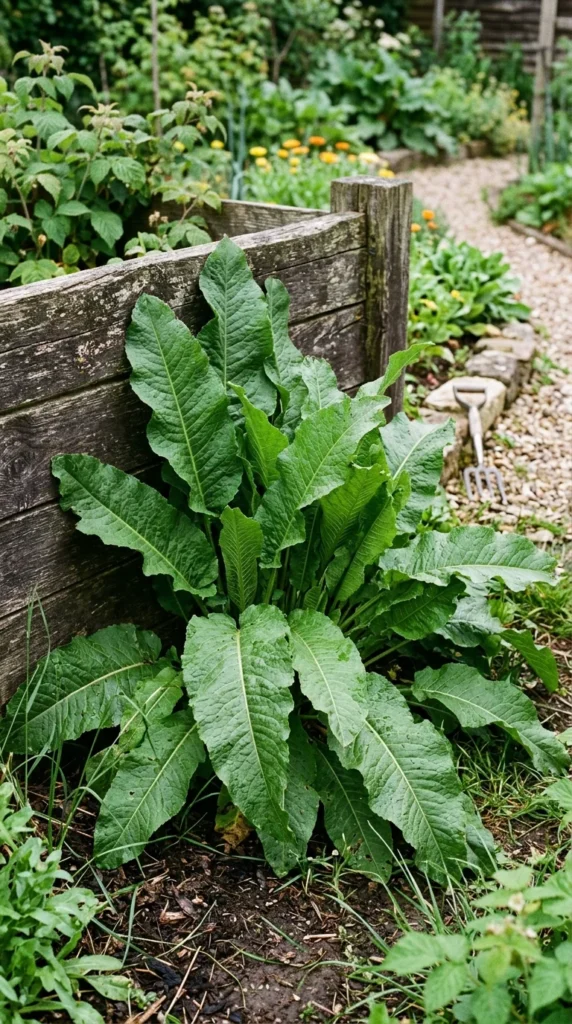
For the gardener who wants a “harvest and forget” plant, horseradish is king. It is a deep-rooted perennial that is almost impossible to get rid of once planted—which is a blessing for low-maintenance fans. You simply dig up a portion of the root in the fall or spring to use. It requires zero fertilization or watering once established and grows in virtually any soil type.
18. Bay Laurel
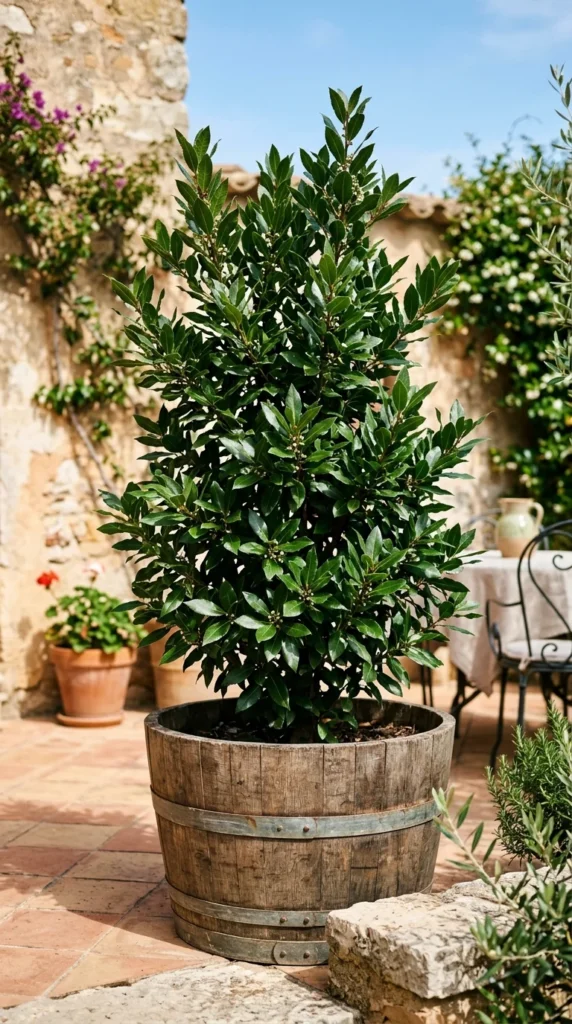
In warmer climates, bay laurel is a permanent evergreen shrub or tree. In colder climates, it lives happily in a pot that can be moved indoors for winter. Its thick, leathery leaves are harvested year-round for soups and stews. It is a slow grower, meaning it won’t outgrow its space quickly, and it is rarely bothered by pests.
19. Sweet Woodruff
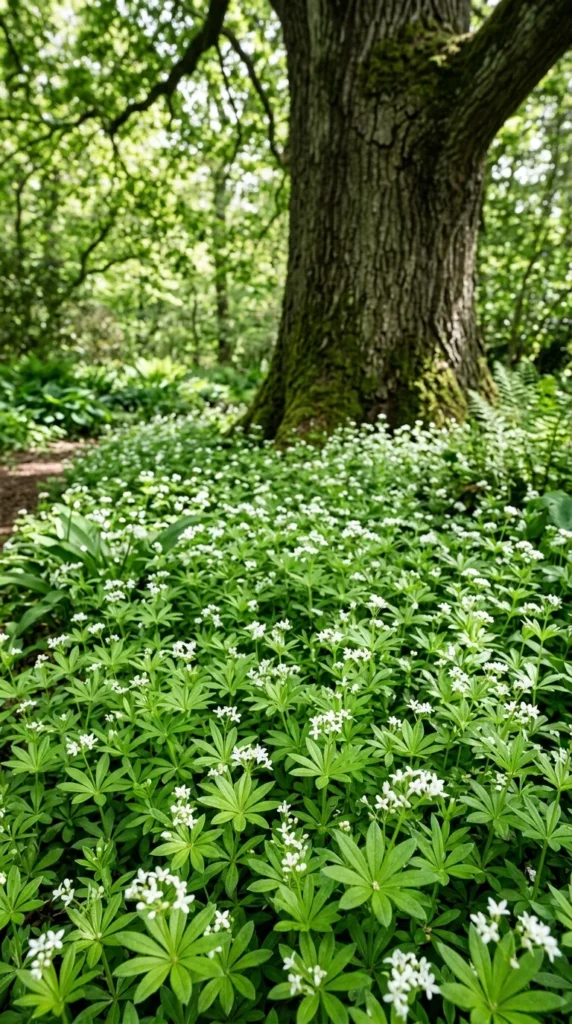
Low-maintenance gardening often involves finding plants for the “difficult” shade. Sweet woodruff is a perennial herb that thrives in the deep shade under trees where grass won’t grow. It creates a lush green carpet and smells like freshly mown hay or vanilla when dried. It requires no mowing and very little weeding once the mat is established.
20. Marjoram
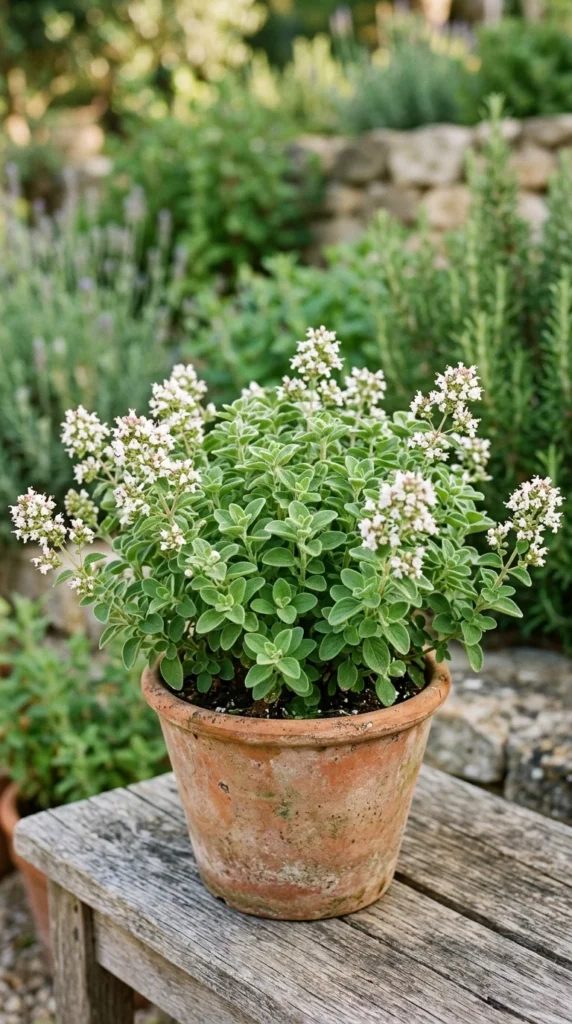
While some marjoram is annual, “Pot Marjoram” is a reliable perennial. It is similar to oregano but with a sweeter, more delicate flavor. It is a compact plant that doesn’t wander as much as oregano, making it easier to manage in small spaces or tidy borders. It is very drought-tolerant and provides a beautiful, low-growing texture to the front of a garden bed.
Designing for Low Maintenance
To truly achieve a low-maintenance garden, the way you plant is just as important as what you plant. Follow these three principles:
- Group by Water Needs: Place Mediterranean herbs like Rosemary, Lavender, and Thyme together in the sunniest, driest spot. Place thirstier herbs like Sorrel and Mint in a separate area or in containers.
- Mulch Heavily: Use wood chips or pea gravel around the base of your perennial herbs. This suppresses weeds and keeps the soil temperature stable, reducing the need for you to intervene.
- Use the “Right Plant, Right Place” Rule: A sun-loving herb planted in the shade will be stressed, weak, and prone to pests, requiring more of your time. By matching the herb to its natural habitat, you allow the plant to do the work for you.
By integrating these 20 perennial herbs, you can create a garden that matures into a self-sustaining ecosystem, offering a lifetime of flavor and fragrance with only a fraction of the effort required by traditional gardening.