Creating a perennial herb garden is one of the most rewarding investments a gardener can make. Unlike annuals, which require replanting every spring, perennial herbs are the “gifts that keep on giving.” These hardy plants establish deep root systems, becoming more resilient and productive with each passing season. A well-planned perennial garden provides a steady supply of fresh flavors for the kitchen, aromatic scents for the home, and vital nectar for local pollinators.
To build a garden that lasts for decades, one must move beyond simple planting and into the realm of strategic design. This involves understanding your local climate, soil chemistry, and the specific growth habits of each herb.
1. Rosemary
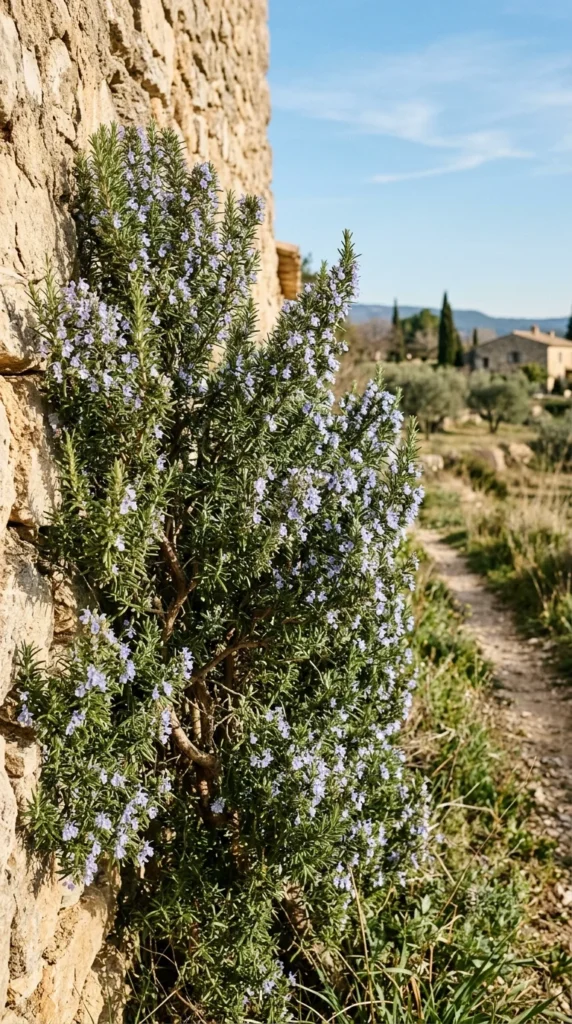
Rosemary is the cornerstone of any perennial herb garden. This woody shrub is prized for its intense aroma and needle-like leaves that hold up well in long cooking processes. Because it is native to the Mediterranean, rosemary thrives in full sun and well-draining, slightly sandy soil.
When planning for rosemary, space is the primary consideration. Some varieties can grow up to five feet tall and wide, while prostrate versions act as cascading groundcovers. In colder climates (Zone 6 and below), you must select cold-hardy cultivars like ‘Arp’ or ‘Madeline Hill,’ or be prepared to grow them in large pots that can be moved indoors during the winter.
2. Lavender
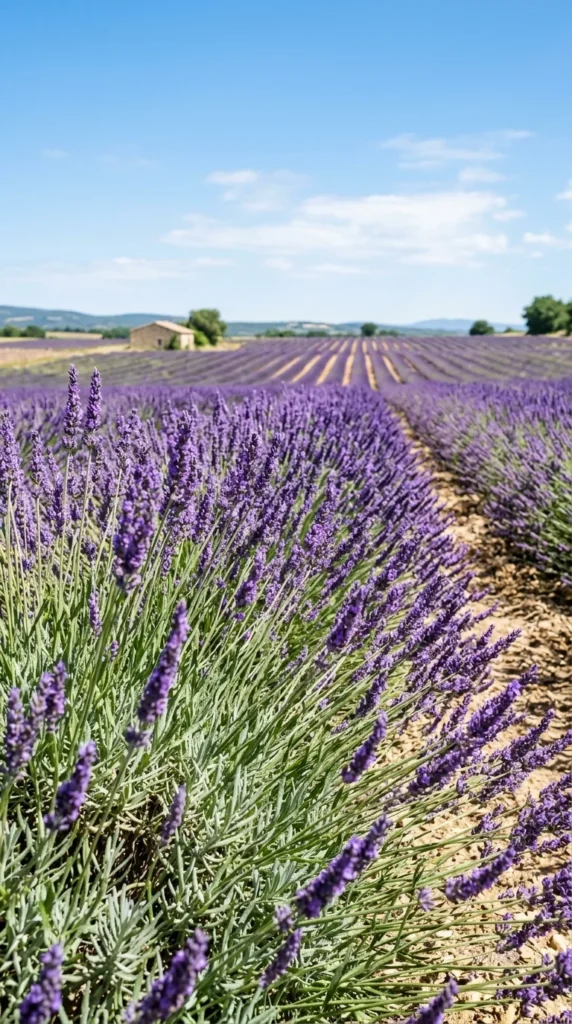
Lavender is as much an ornamental powerhouse as it is a functional herb. Known for its calming fragrance and beautiful purple spikes, it is a favorite for both crafters and bakers. The secret to a long-lived lavender plant is “wet feet” prevention. Lavender roots will rot quickly if left in damp, heavy clay.
To ensure your lavender lasts for years, plant it in an elevated spot or a raised bed where drainage is guaranteed. Pruning is also essential; if left alone, lavender becomes leggy and woody. Cutting the plant back by about one-third after the first bloom helps maintain a tight, mounded shape and encourages fresh growth for the following season.
3. Thyme
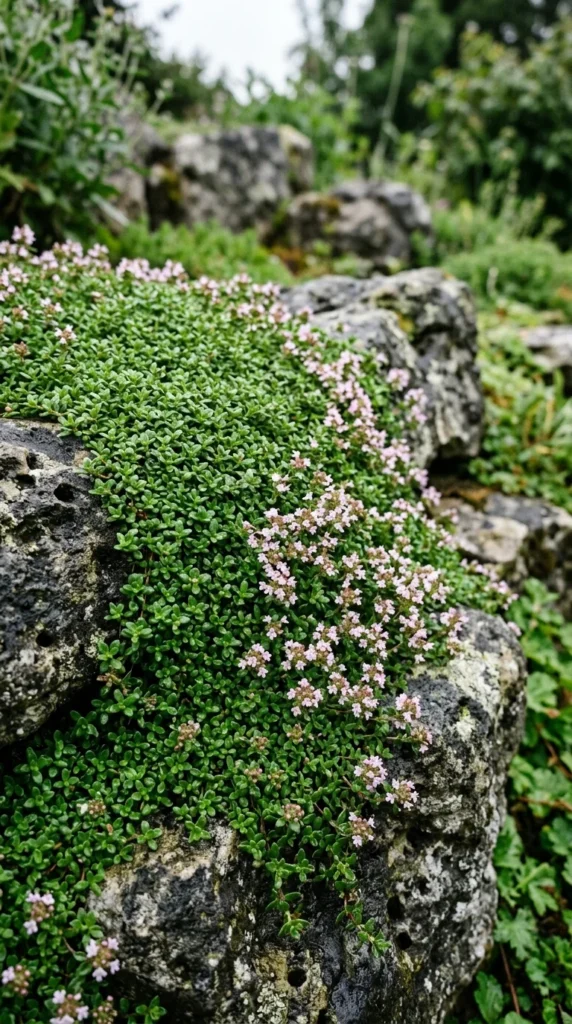
Thyme is the ultimate versatile perennial. It serves as a culinary staple, a medicinal herb, and a beautiful “living mulch” or groundcover. There are hundreds of varieties, ranging from the classic English Thyme to the citrusy Lemon Thyme and the decorative Woolly Thyme.
Most thyme varieties are incredibly hardy and can withstand freezing temperatures. They prefer full sun but are more tolerant of poor soil than many other herbs. Because thyme stays low to the ground, it is excellent for the edges of garden beds or tucked into the crevices of stone walkways where it will release its scent when stepped upon.
4. Sage
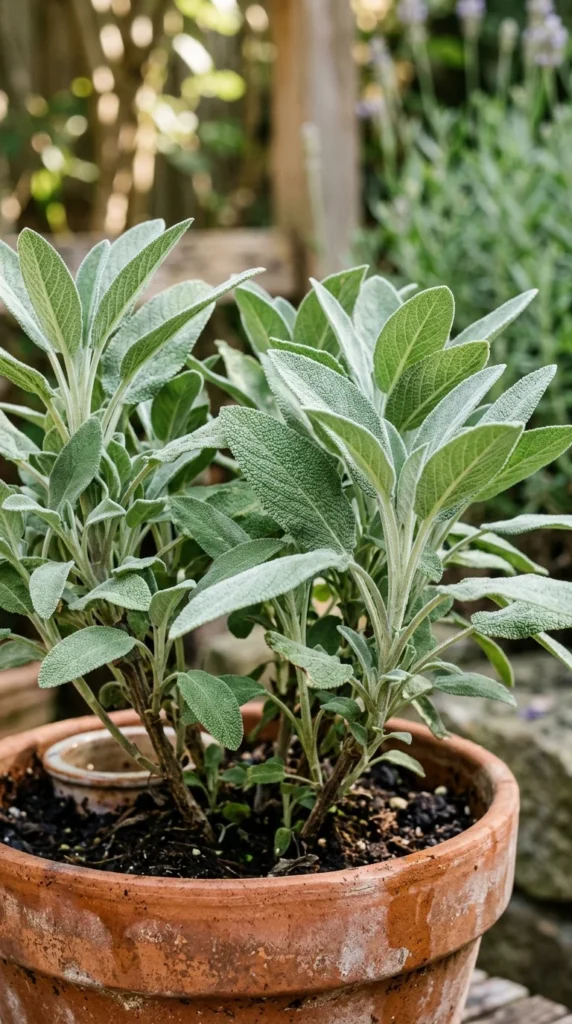
Common Sage (Salvia officinalis) is a beautiful addition to the garden with its unique pebbled texture and silvery-green hue. It is a hardy sub-shrub that can live for many years if it isn’t overwatered. Sage is particularly susceptible to powdery mildew, so it requires plenty of air circulation around its foliage.
As sage ages, the stems become thick and woody. To keep the plant productive, it is often recommended to replace sage plants every 4 to 5 years, or to perform heavy pruning in the spring to stimulate new, tender leaf growth. Its blossoms are also highly attractive to bees and butterflies, making it a dual-purpose plant for the ecosystem.
5. Mint
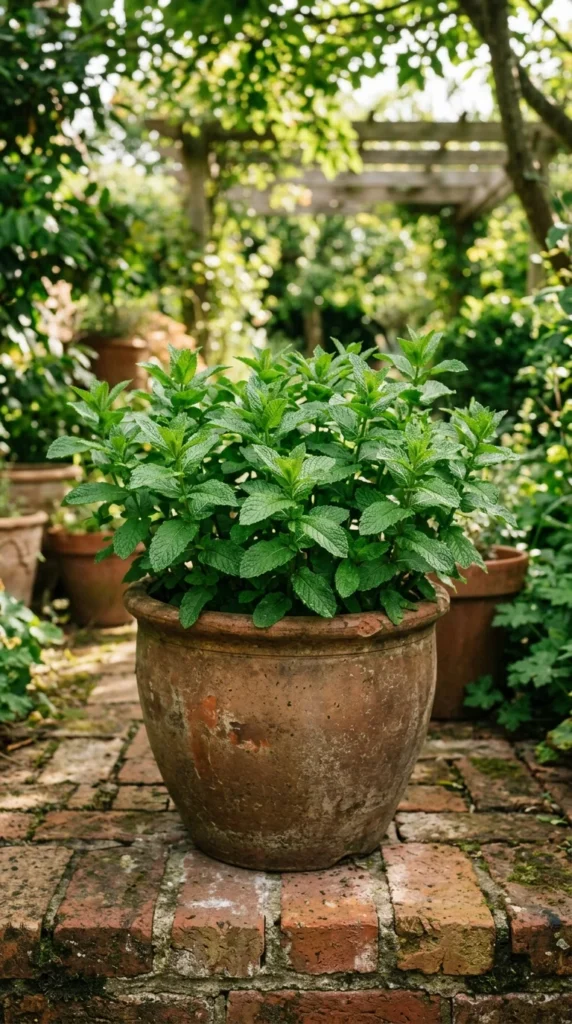
Mint is legendary for its vigor and its ability to spread. While it is a beloved perennial for teas and mojitos, it can quickly become an invasive weed if planted directly into the ground. The secret to a “forever” herb garden that isn’t overtaken by mint is containment.
Always plant mint in dedicated containers or use deep barriers in the ground to stop its “runners” (rhizomes) from escaping. Mint thrives in slightly moister soil than the Mediterranean herbs and can even handle partial shade, making it perfect for those corners of the garden that don’t get scorched by the afternoon sun.
6. Chives
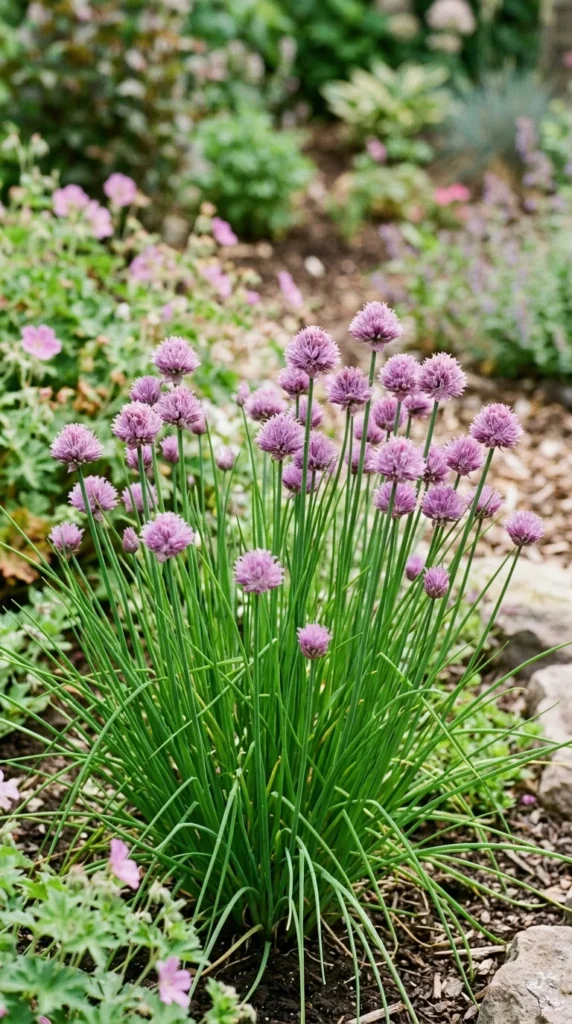
Chives are perhaps the easiest perennial herb for beginners. They are members of the onion family and provide a mild, savory flavor to countless dishes. They are incredibly cold-hardy and are often the very first plants to emerge from the frozen ground in early spring.
The purple flowers of chives are edible and make a stunning addition to salads or herb-infused vinegars. To keep your chives healthy, divide the clumps every 3 to 4 years. This prevents the centers from dying out and gives you new plants to expand your garden or share with neighbors.
7. Oregano
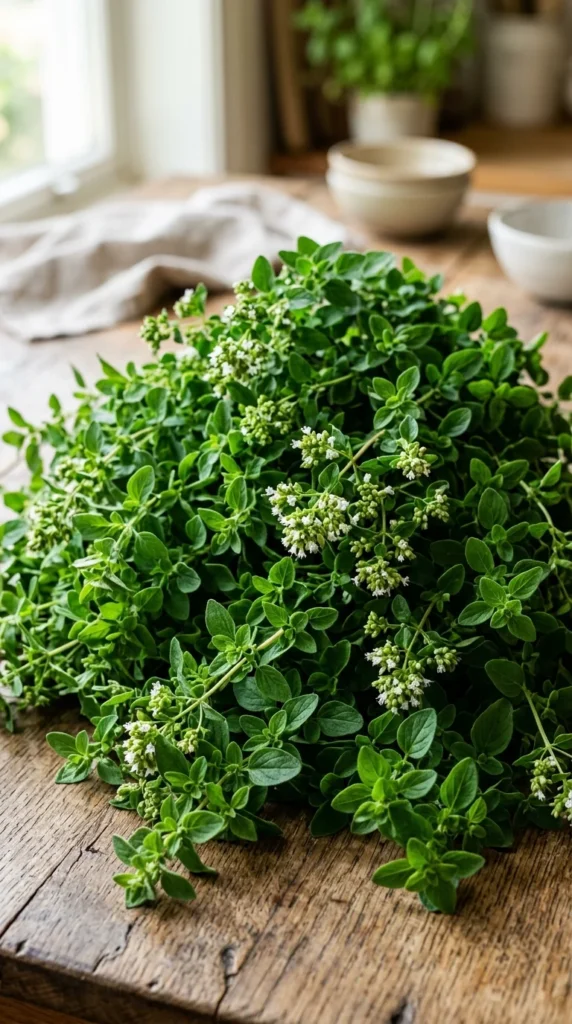
Oregano is a robust, trailing perennial that provides a Mediterranean flair to the landscape. It is a member of the mint family but is much easier to manage. It spreads via underground runners but at a much slower and more controllable pace than peppermint or spearmint.
In the garden, oregano acts as a great companion plant, as its strong scent can deter certain pests. For the best flavor, harvest the leaves just before the plant flowers. If the plant becomes too “leggy” mid-summer, you can cut it back to the ground, and it will quickly flush out with fresh, flavorful leaves.
8. Lemon Balm
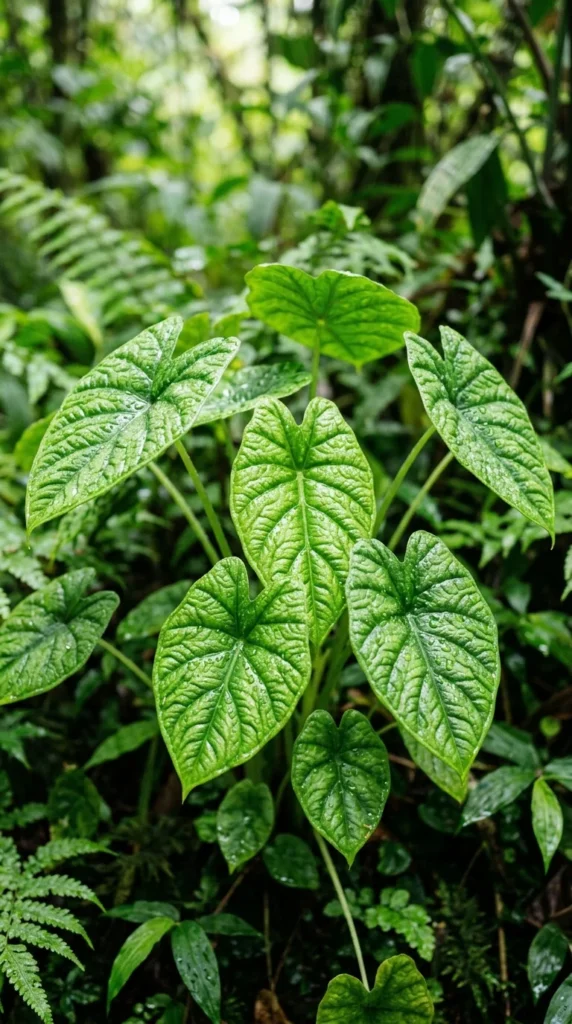
Lemon Balm is prized for its bright, citrusy scent and its use in relaxing teas. Like mint, it is very hardy and quite vigorous. However, unlike mint which spreads primarily by roots, Lemon Balm spreads primarily by seed.
To keep Lemon Balm from taking over your garden, “deadhead” the flowers as soon as they appear. This prevents the plant from dropping thousands of seeds. If managed correctly, a single Lemon Balm plant can provide a lifetime of harvests, and its presence adds a wonderful sensory layer to the garden.
Strategic Planning for Longevity
Successful perennial gardening is more than just selecting the right plants; it is about creating an environment where they can thrive for years without constant intervention.
Site Selection and Sun Exposure
Most perennial herbs require at least 6 to 8 hours of direct sunlight. Without adequate light, they become “leggy,” lose their essential oil concentration (flavor), and become more susceptible to pests. When planning your layout, place the tallest herbs (like Rosemary or Lovage) on the north side of the garden so they don’t shade out the shorter plants like Thyme or Oregano.
Soil Preparation: The Secret to Success
The biggest mistake gardeners make with perennials is failing to prepare the soil. Annuals can get by with quick-fix fertilizers, but perennials need a solid foundation.
- Drainage: Most culinary herbs hate “wet feet.” If you have heavy clay soil, mix in organic compost and fine gravel or horticultural grit.
- pH Levels: Most herbs prefer a neutral to slightly alkaline soil (pH 6.5 to 7.5). If your soil is too acidic, a light application of garden lime can help.
- Organic Matter: Unlike vegetables, herbs generally don’t need high-nitrogen fertilizers. Too much fertilizer leads to fast growth with very little flavor. A yearly top-dressing of compost is usually all they need.
The Art of Pruning
Pruning is the most critical maintenance task for a perennial herb garden. For woody herbs (Rosemary, Sage, Lavender), never cut back into the “old wood” where there are no visible leaves, as these plants often struggle to regrow from old branches. Instead, prune the green, flexible stems to encourage branching. For herbaceous perennials (Chives, Lemon Balm, Mint), you can often cut them nearly to the ground in late autumn or early spring to make way for fresh growth.
Overwintering Strategies
Even “hardy” perennials can struggle with extreme winter fluctuations.
- Mulching: Once the ground freezes, apply a layer of straw or evergreen boughs around the base of the plants. This isn’t to keep them warm, but to keep the soil temperature consistent, preventing the “heaving” that occurs during freeze-thaw cycles which can snap roots.
- Windbreaks: Cold winter winds can desiccate the leaves of evergreen herbs like Rosemary. Planting them near a fence or wall can provide a vital microclimate.
By selecting the right varieties and respecting their natural growth patterns, you can build a perennial herb garden that serves as a permanent, fragrant, and delicious fixture of your landscape for many years to come.