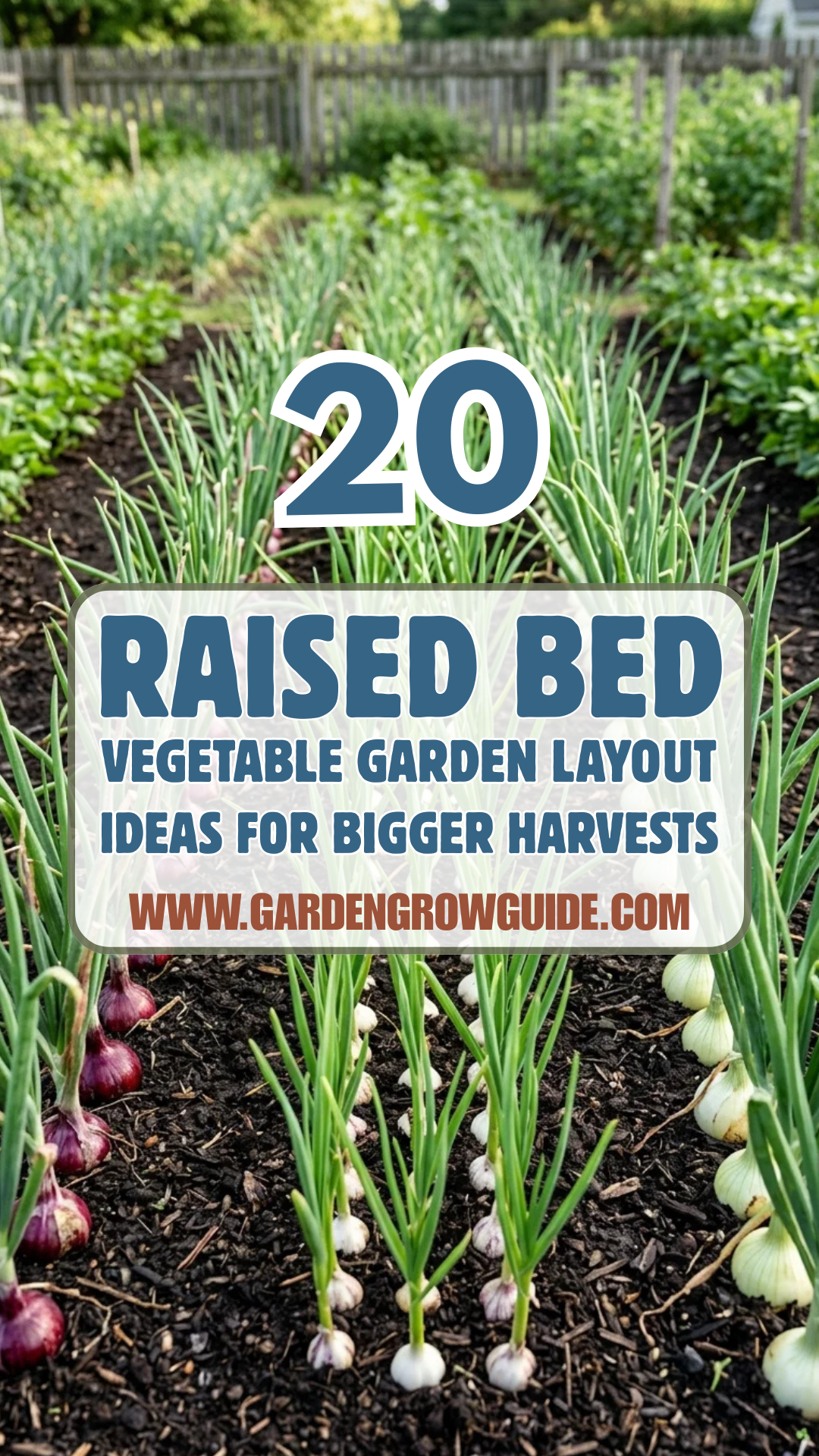
Raised bed gardening is a game-changer for home growers. By controlling the soil quality, improving drainage, and warming the earth faster in the spring, raised beds allow for a more intensive growing style known as “high-yield gardening.” Whether you have a small balcony or a sprawling backyard, the way you organize your plants within these beds determines the quantity and quality of your harvest.
To maximize your output, you need to think about spatial efficiency, plant synergy, and vertical opportunities. Here are 20 layout ideas designed to help you grow more food than ever before.
1. Square Foot
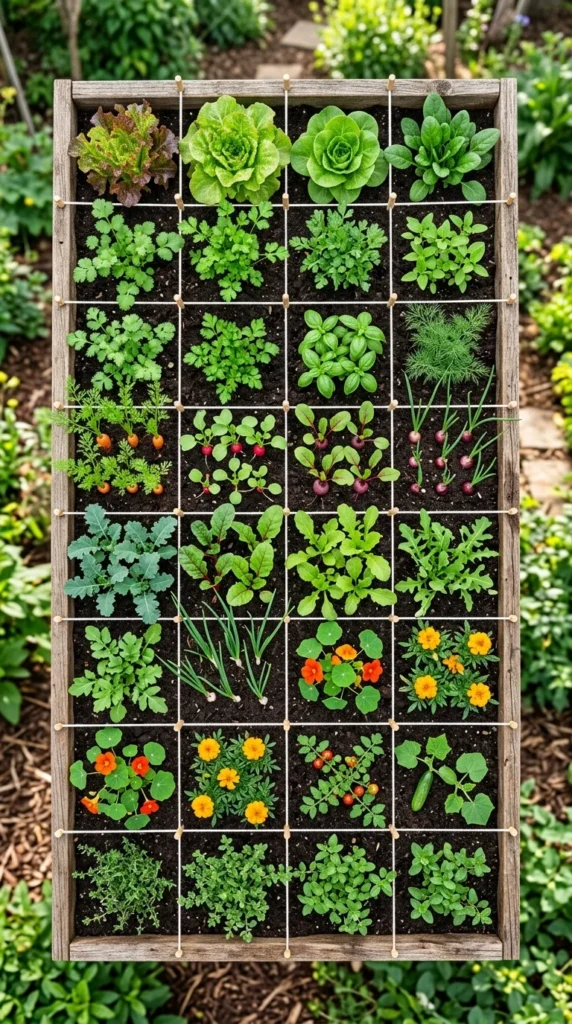
The Square Foot Gardening method is the gold standard for high-density harvesting. By dividing a 4×4 or 4×8 bed into one-foot squares, you eliminate wasted space. Instead of traditional rows with walking paths between them, you plant a specific number of seeds per square based on the plant’s size—for example, 16 carrots per square, 4 heads of lettuce, or 1 large tomato plant. This layout prevents overcrowding while ensuring every inch of soil is productive.
2. Vertical Trellis
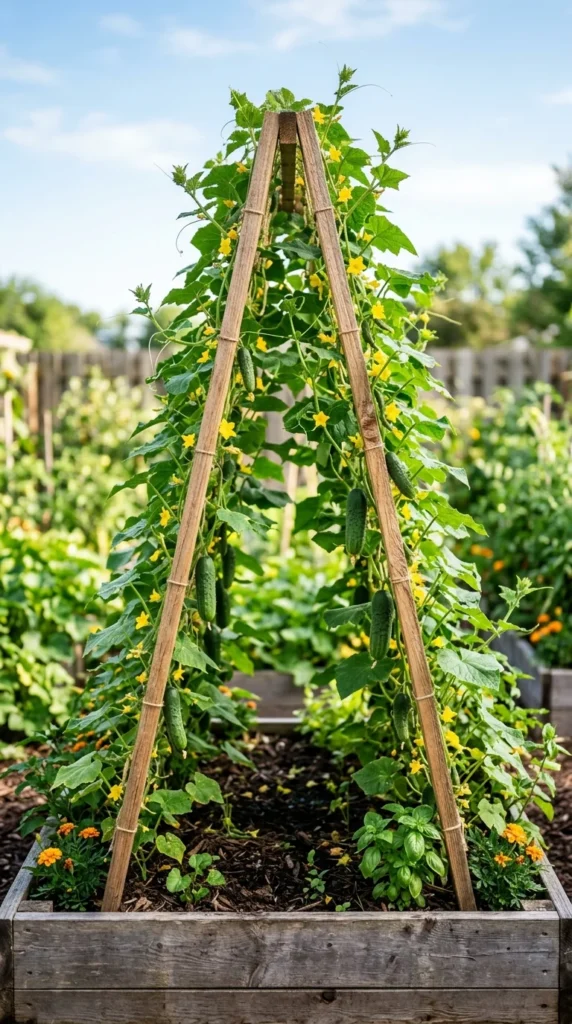
When you run out of horizontal space, go up. A vertical layout uses the back of a raised bed or a central “A-frame” to support climbing plants. This is ideal for vining crops like cucumbers, pole beans, and snap peas. By training these plants to grow upward, you free up the soil below for low-growing crops like radishes or spinach, effectively doubling your harvestable area within the same footprint.
3. Companion Planting
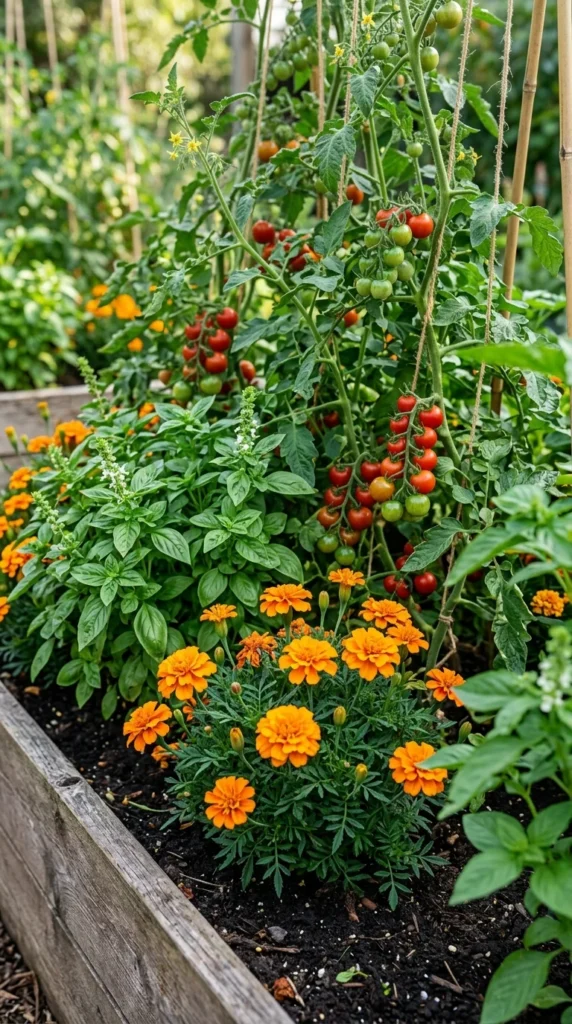
This layout focuses on biological synergy. Planting tomatoes with basil and marigolds isn’t just about aesthetics; it’s about protection and flavor. Marigolds deter soil-borne pests, while basil can improve the flavor of tomatoes and repel aphids. By interplanting crops that help each other grow, you reduce the need for chemical pesticides and increase the overall health and yield of the bed.
4. The Three Sisters
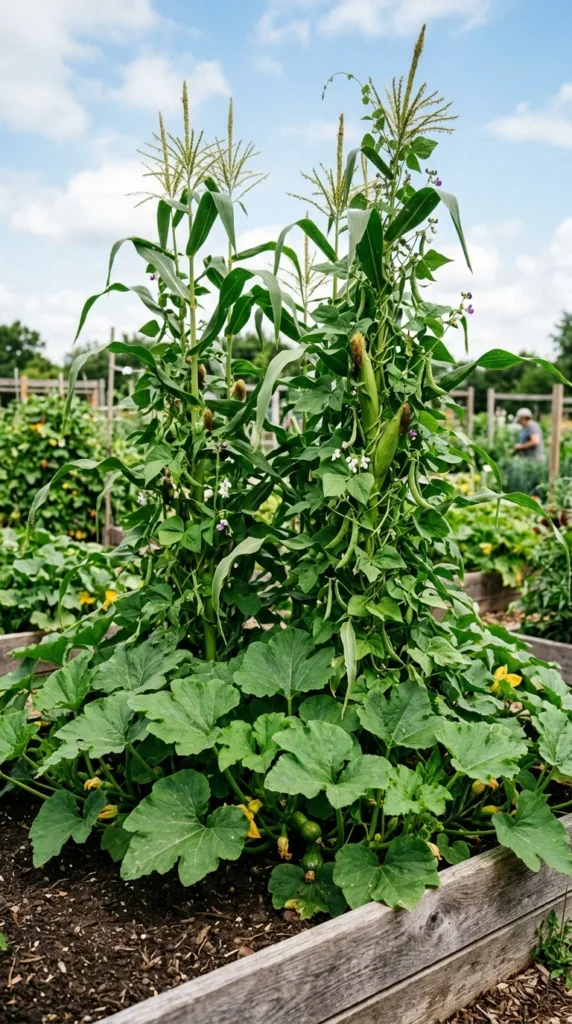
Based on ancient indigenous agricultural techniques, this layout utilizes corn, beans, and squash. The corn provides a natural trellis for the beans to climb. The beans fix nitrogen in the soil to feed the corn and squash. Meanwhile, the large leaves of the squash act as a living mulch, shading the soil to retain moisture and suppress weeds. It is a self-sustaining ecosystem that maximizes caloric output.
5. Intensive Succession
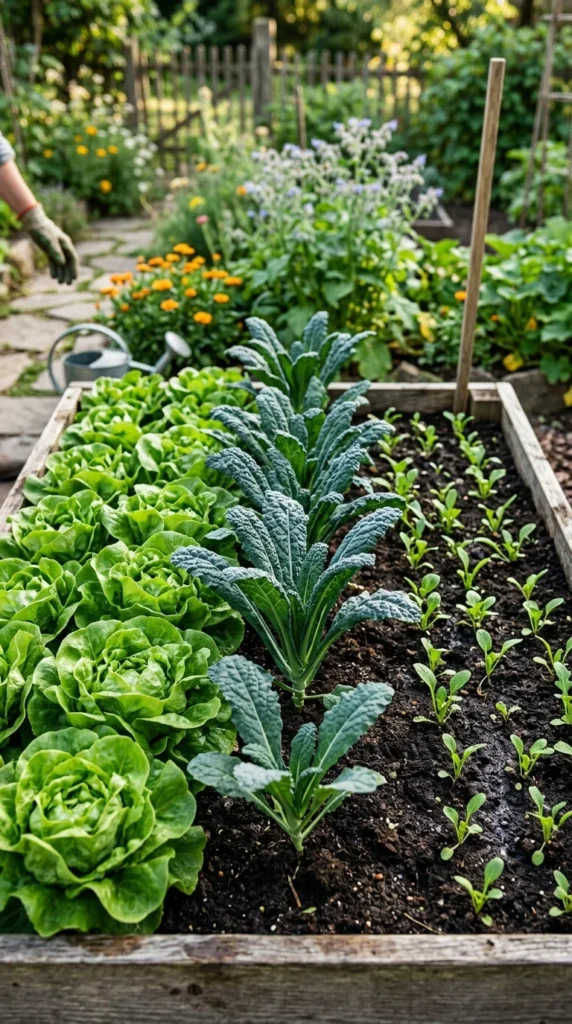
To achieve a bigger harvest, you must ensure the bed is never empty. In a succession layout, you plant quick-maturing crops (like radishes or arugula) in between slower-growing ones (like peppers). By the time the peppers need more space, the radishes have been harvested. As soon as one crop is finished, you immediately transplant the next seedling into that spot, keeping the “biological engine” running all season.
6. Keyhole Garde
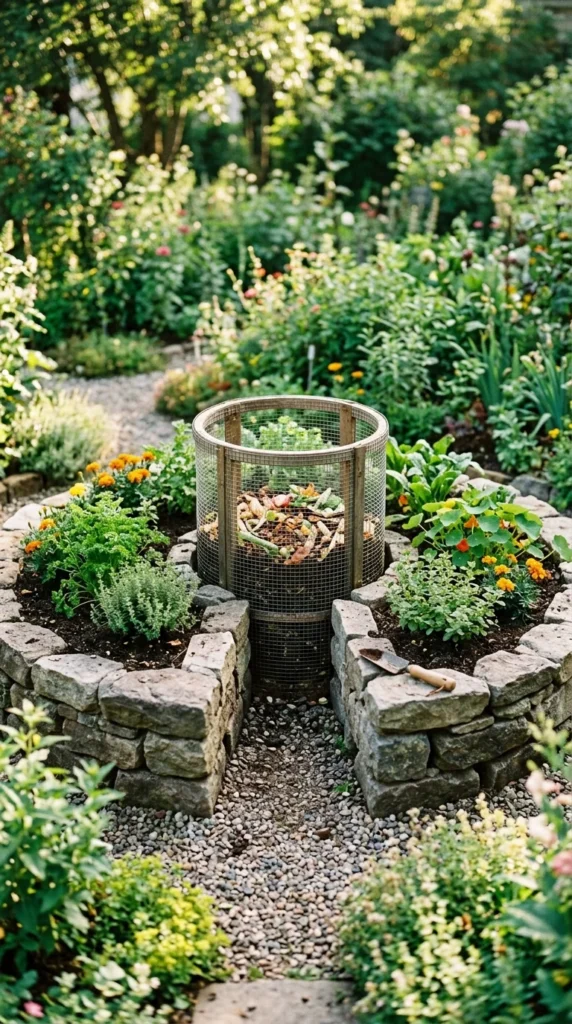
The keyhole layout is a circular bed with a small walkway to a central composting basket. This design is highly efficient for nutrient cycling. You place kitchen scraps and brown matter into the center basket, and as they decompose, nutrients seep directly into the surrounding soil. This layout is perfect for “heavy feeders” like cabbage or pumpkins that require constant fertilization.
7. Salsa Garden
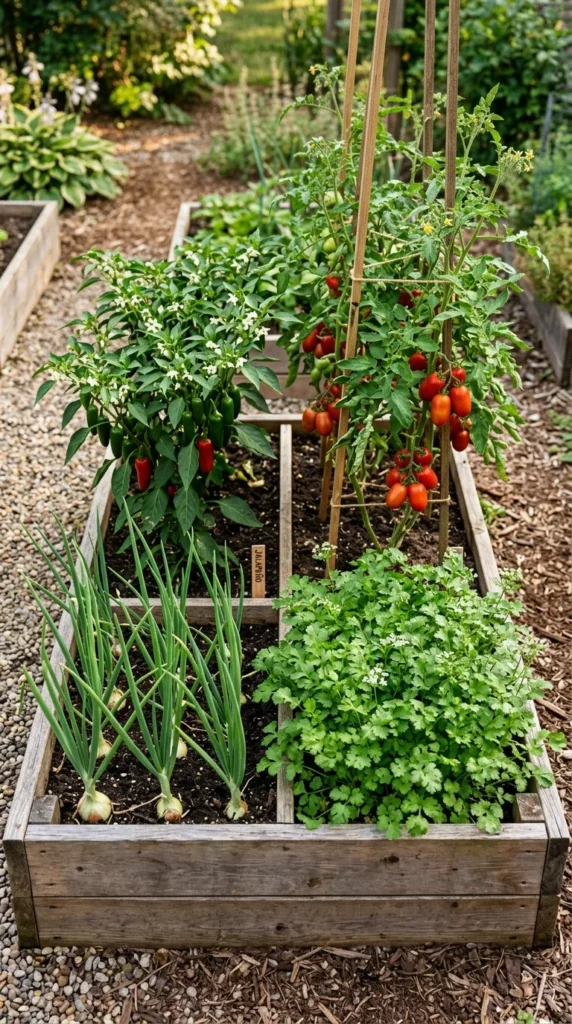
Layouts can also be organized by culinary themes. A salsa garden groups all the ingredients you need for a specific recipe in one bed. This makes harvesting incredibly convenient. In this layout, place the tall tomatoes at the north end so they don’t shade out the peppers and cilantro, which enjoy the full sun of the southern side.
8. Root Cellar Bed
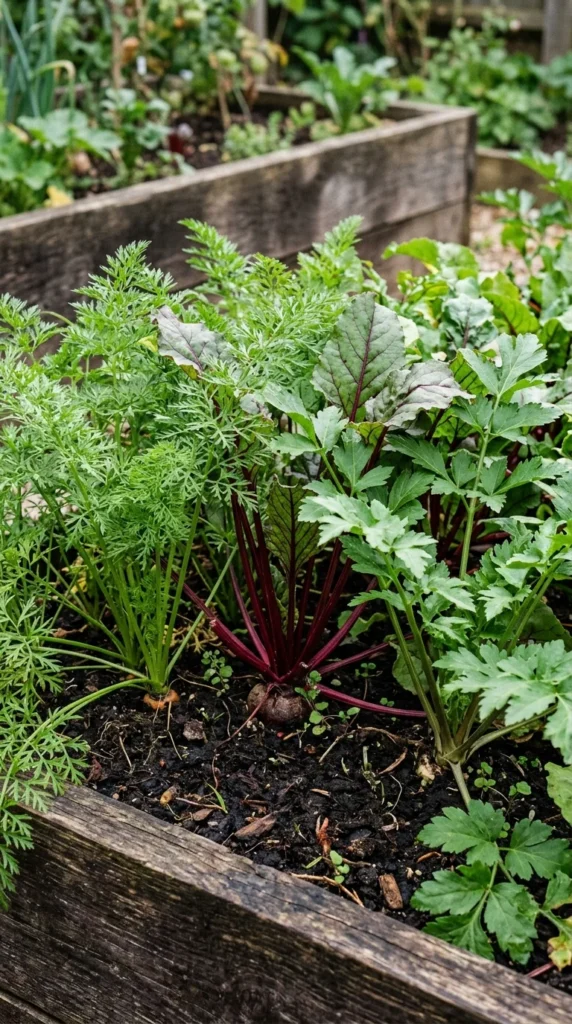
Focusing on root crops requires deep, loose soil, which raised beds provide perfectly. This layout maximizes the underground space. You can sow carrots, beets, parsnips, and radishes in a dense block. Because these crops don’t spread outward significantly above ground, you can plant them much closer together than you would in a traditional flat-earth garden.
9. Salad Bar
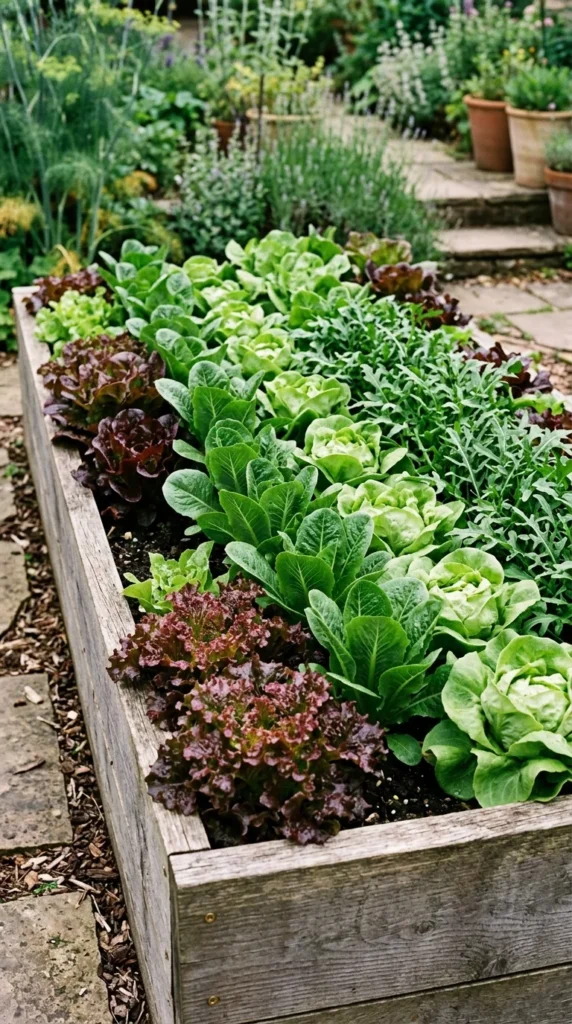
Salad greens are the most productive crops for small spaces because many varieties are “cut and come again.” This layout involves sowing different varieties of greens in tight ribbons or patches. You can harvest the outer leaves every few days, and the plant will continue to produce. By mixing colors and textures, you also create a beautiful ornamental feature.
10. Perennial Patch
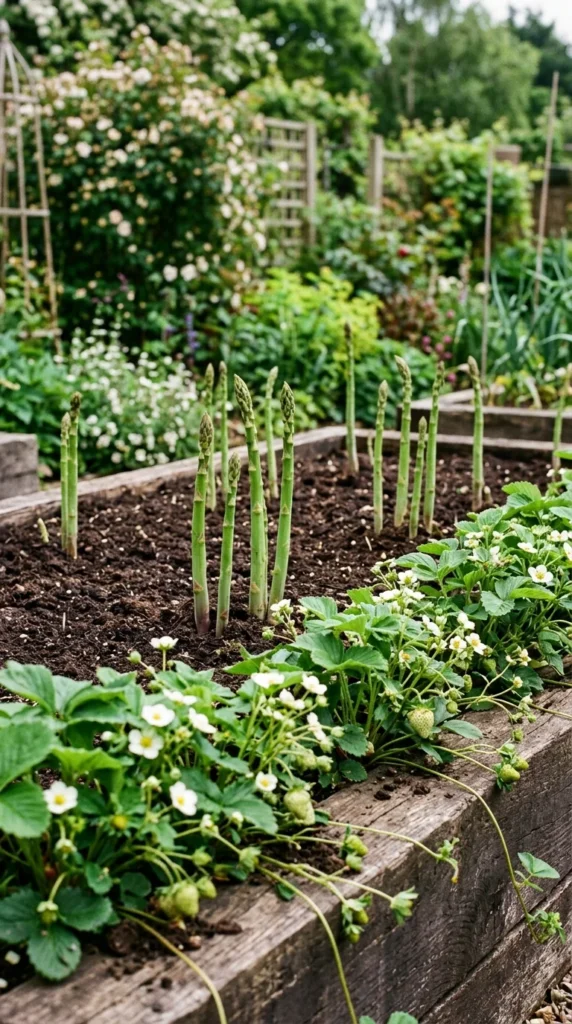
Most vegetable gardens are replanted every year, but a perennial layout saves labor and yields earlier harvests. Dedicate a bed to asparagus, rhubarb, and strawberries. These plants take a year or two to establish but will provide food for decades. Since they aren’t moved, their root systems become massive, leading to high-volume harvests every spring.
11. Zig-Zag (Offset)
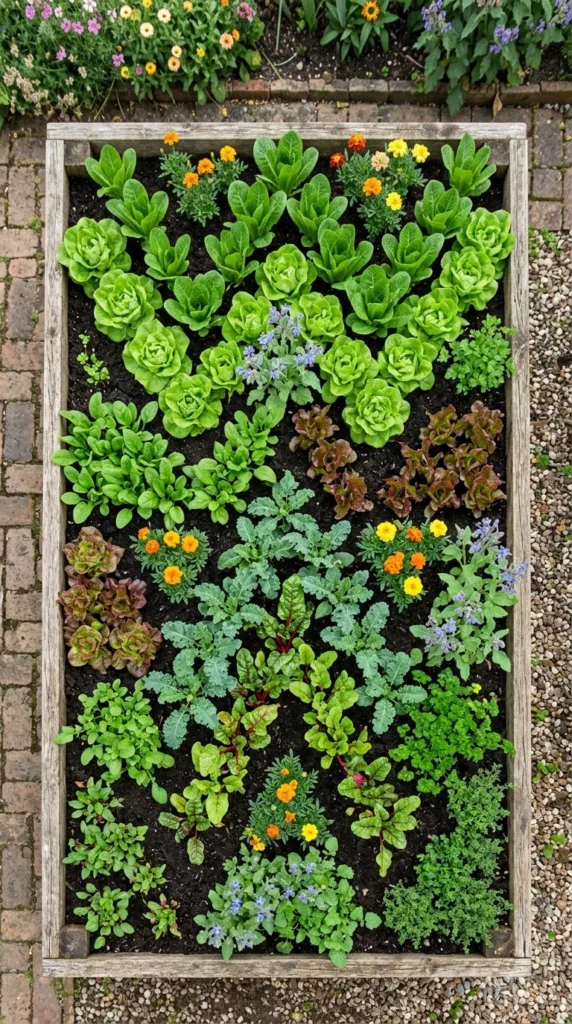
If you want to pack more plants into a row, stop planting in straight lines. The zig-zag or offset layout utilizes a “hexagonal” spacing pattern. By staggering the plants, you can reduce the distance between them by up to 25% without the leaves overlapping too much. This is particularly effective for leafy greens like chard and kale.
12. Brassica Block
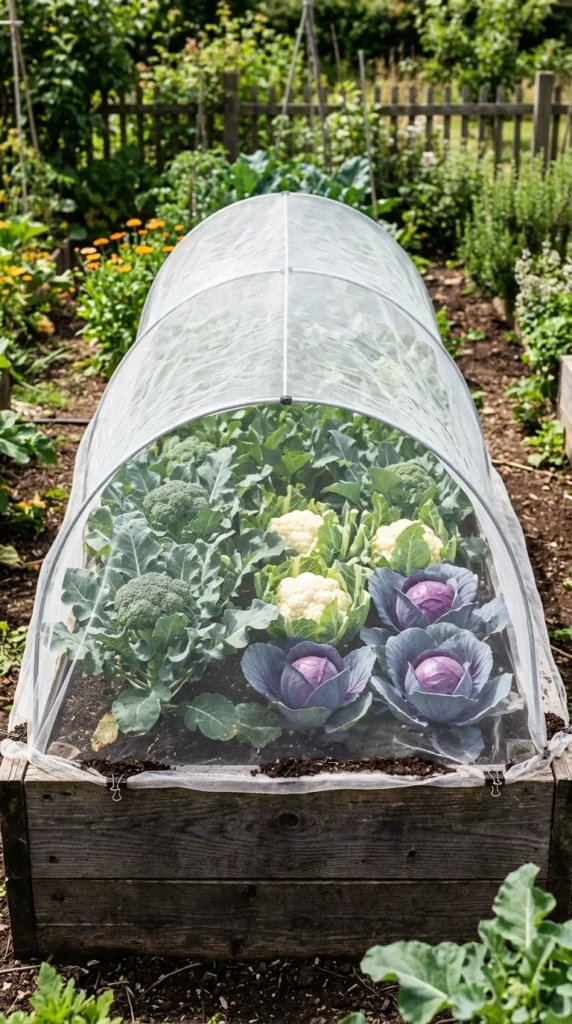
Grouping plants by family—like the Brassicas—allows you to manage their specific needs more easily. These plants are all heavy feeders and are susceptible to the same pests (like cabbage moths). By grouping them together, you can easily install a single row cover over the entire bed to protect your harvest from insects, leading to a much higher percentage of edible produce.
13. Tea Garden
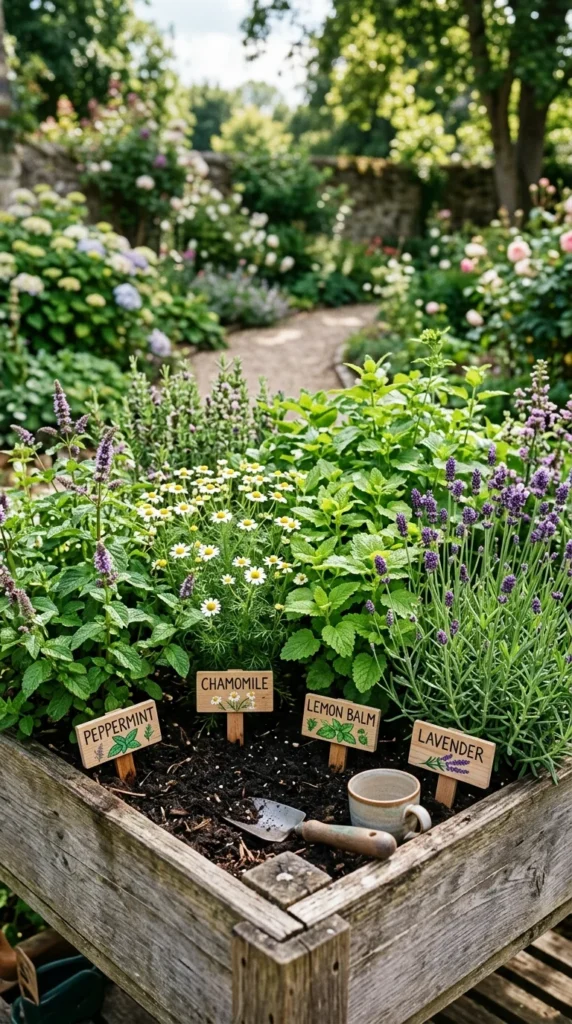
A tea garden layout focuses on herbs and flowers that can be dried and steeped. Many tea herbs, like mint, are incredibly invasive. Growing them in a dedicated raised bed contains their root systems while providing a massive amount of foliage. This layout is as much about the scent and the pollinators it attracts as it is about the harvest.
14. Mediterranean Herb
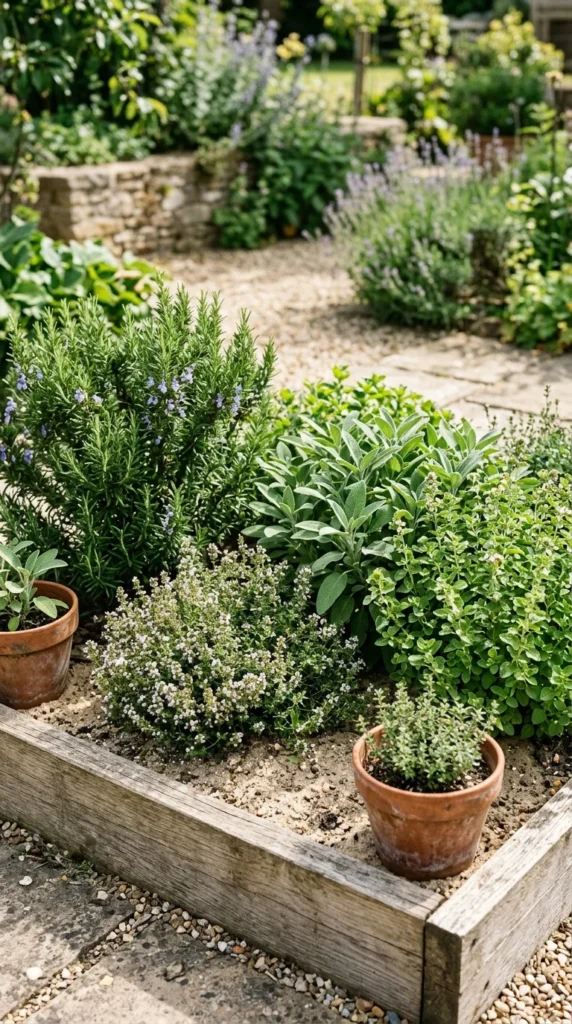
Mediterranean herbs thrive in well-drained, slightly poorer soil than most vegetables. By dedicating a specific bed to these herbs, you can mix the soil with extra sand or perlite. This “dry” layout prevents root rot and mimics the plants’ natural environment, resulting in more potent oils and larger, bushier plants.
15. Winter Harvest (Cold Frame)
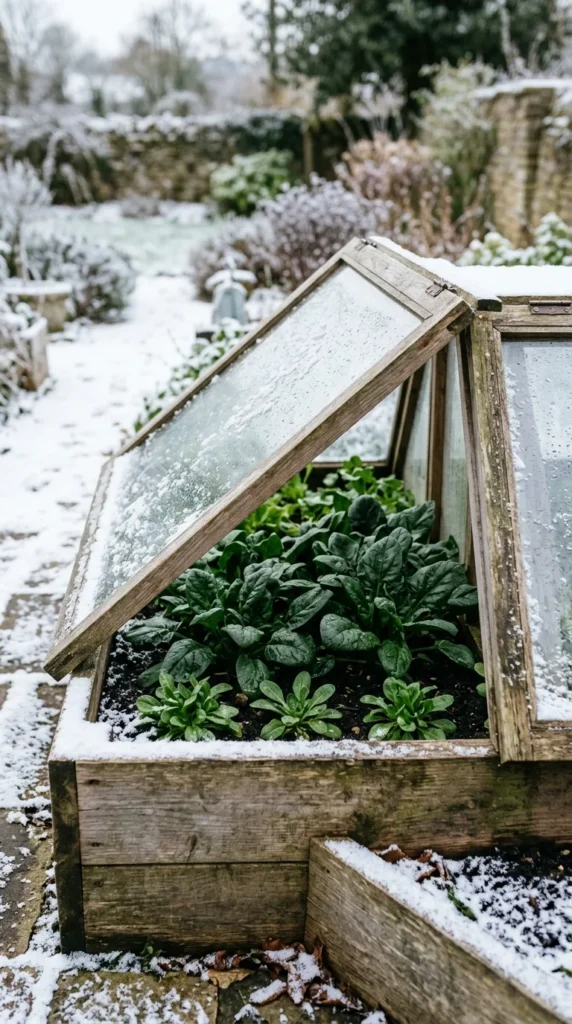
A layout designed for the “shoulder seasons” uses cold-hardy crops like spinach, claytonia, and kale. By adding a simple hinged lid with clear plastic or glass, the raised bed becomes a mini-greenhouse. This layout allows you to start harvesting weeks before your neighbors and continue well into the first frosts of winter.
16. Vining Sanctuary
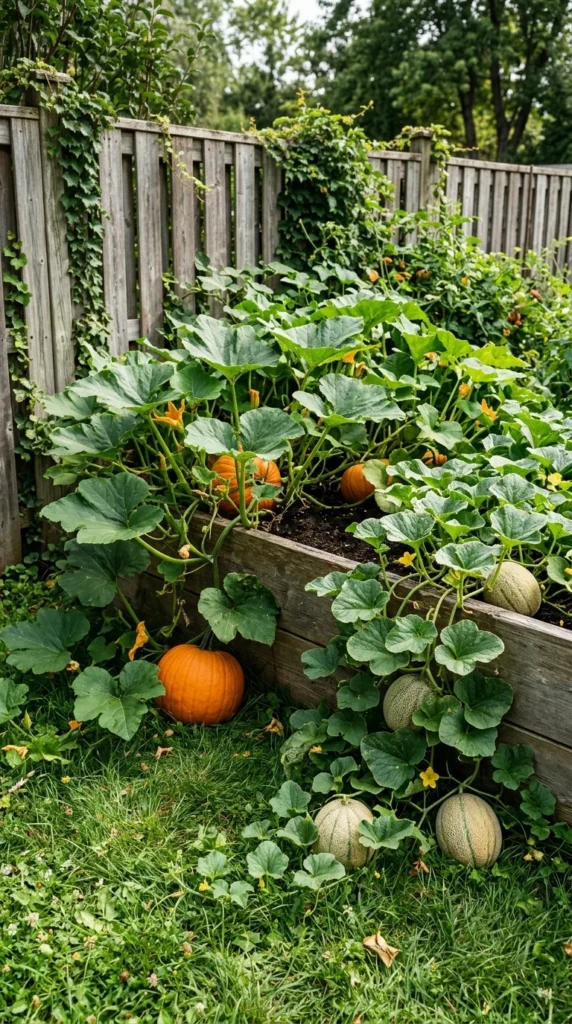
Sometimes the best layout is one that allows the plants to escape. For large vining crops like pumpkins, squash, or melons, plant them in the center of a raised bed but allow the vines to trail over the edges and onto the surrounding lawn or path. This keeps the “crown” of the plant in the high-quality soil of the bed while the rest of the plant uses “free” space outside the bed.
17. Shade-Tolerant Strip
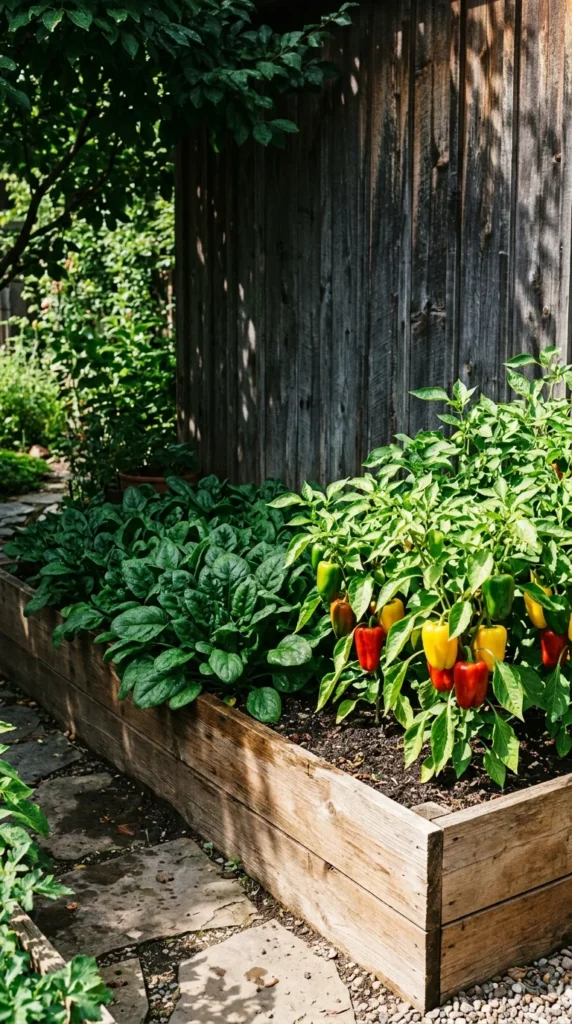
If your garden gets uneven sun, use a split-light layout. Place heat-loving crops like peppers and eggplants in the sunniest part of the bed. In the areas shaded by the taller plants or nearby structures, plant shade-tolerant crops like spinach, lettuce, or cilantro. This prevents the delicate greens from bolting (going to seed) too early in the heat.
18. High-Density Legumes
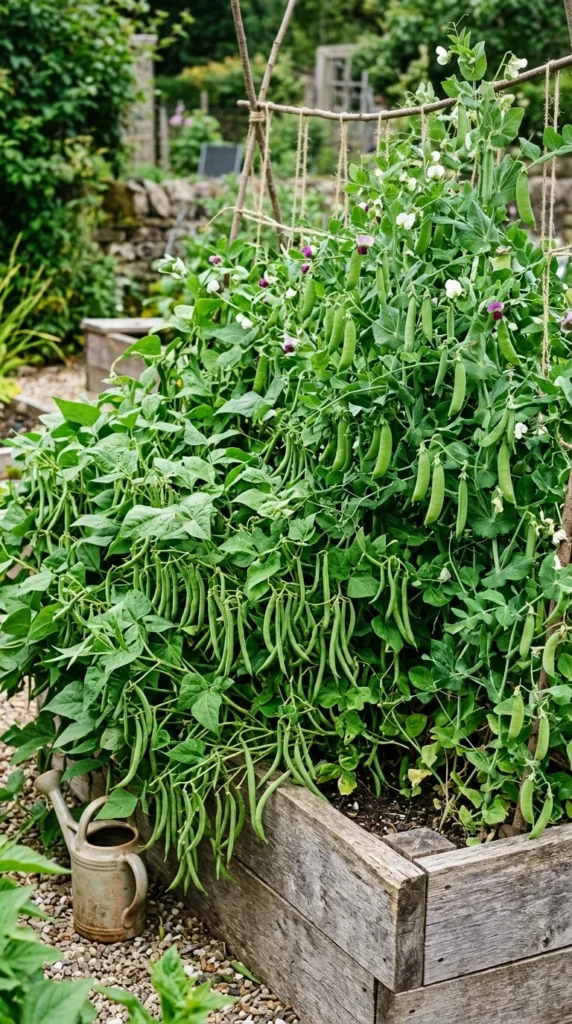
Legumes are unique because they actually improve the soil. A high-density legume layout involves planting bush beans or peas very close together—almost like a thick carpet. They will support each other as they grow, eliminating the need for stakes, and provide a massive harvest of protein-rich pods in a very short window.
19. Culinary Classics
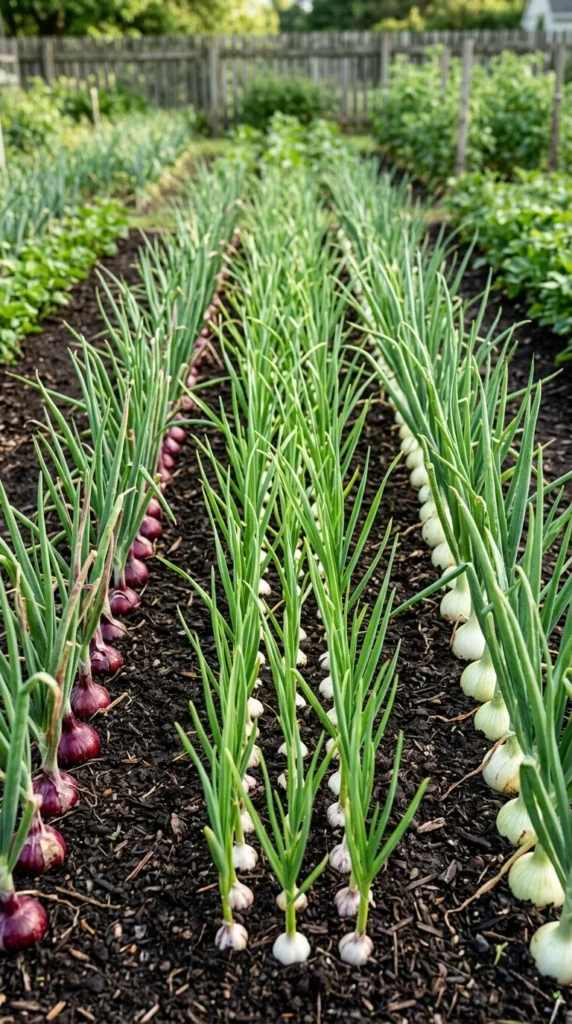
This layout focuses on “Allium” crops—onions, garlic, leeks, and shallots. These crops are often planted in the fall and harvested in mid-summer. Because they have a long growing season and narrow profiles, they can be planted in very tight rows. They also act as a natural deterrent to many garden pests, making them great “border” plants for other beds.
20. Edible Flower Mix
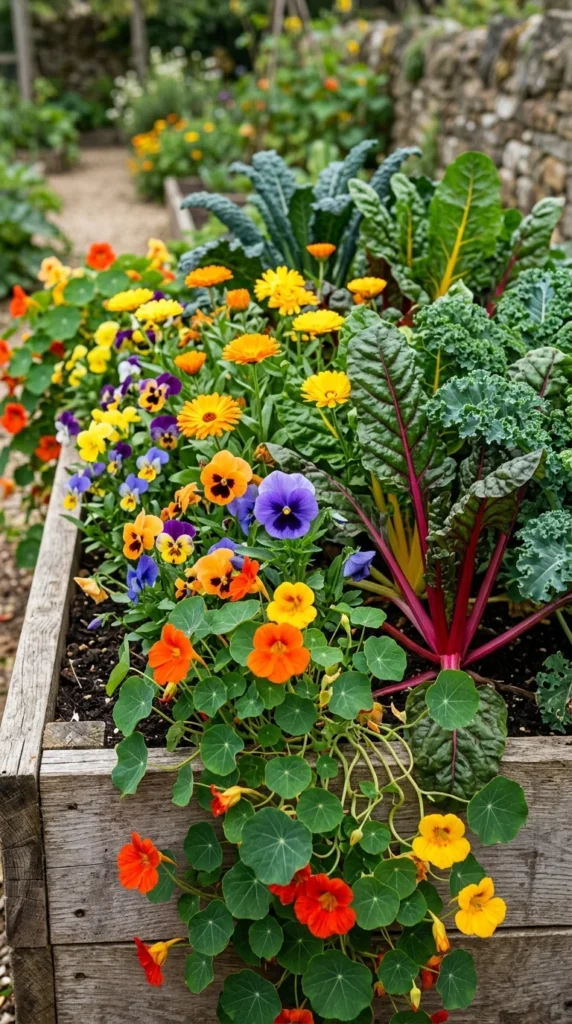
A bigger harvest isn’t just about weight; it’s about variety. An edible flower layout introduces nasturtiums, violas, and calendula into the vegetable mix. These flowers are not only beautiful in salads, but they also attract beneficial predatory insects that eat aphids and mites. This “biophilic” design ensures that your garden stays healthy and productive with minimal intervention.