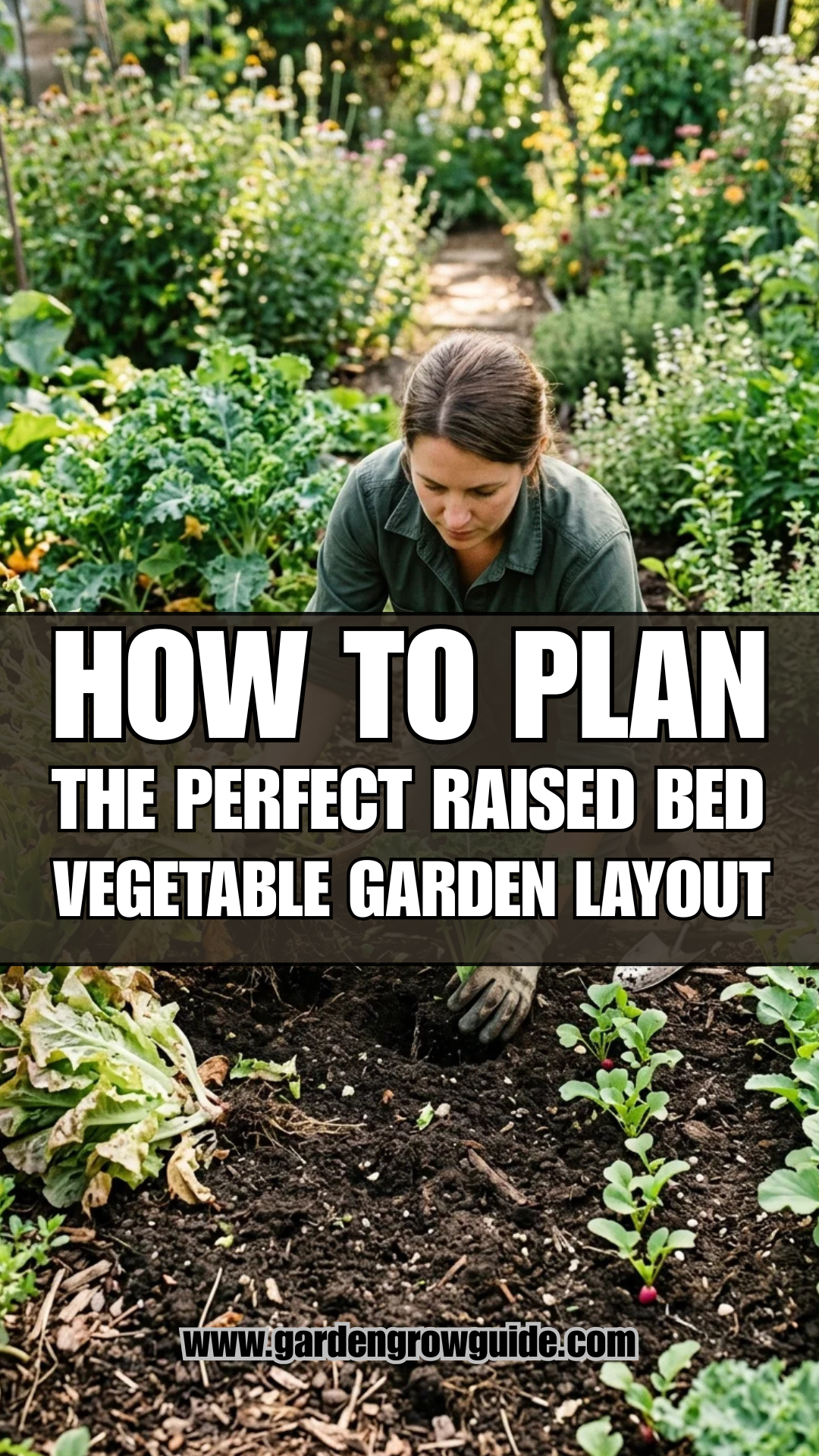
Raised bed gardening has revolutionized the way home gardeners approach food production. By lifting the growing area above the natural ground level, you gain unparalleled control over soil quality, drainage, and pest management. However, a successful harvest doesn’t happen by accident; it requires a strategic layout that maximizes space, sunlight, and nutrient distribution. Planning your layout is the most critical step in ensuring your garden is both productive and easy to maintain throughout the growing season.
1. Site Selection
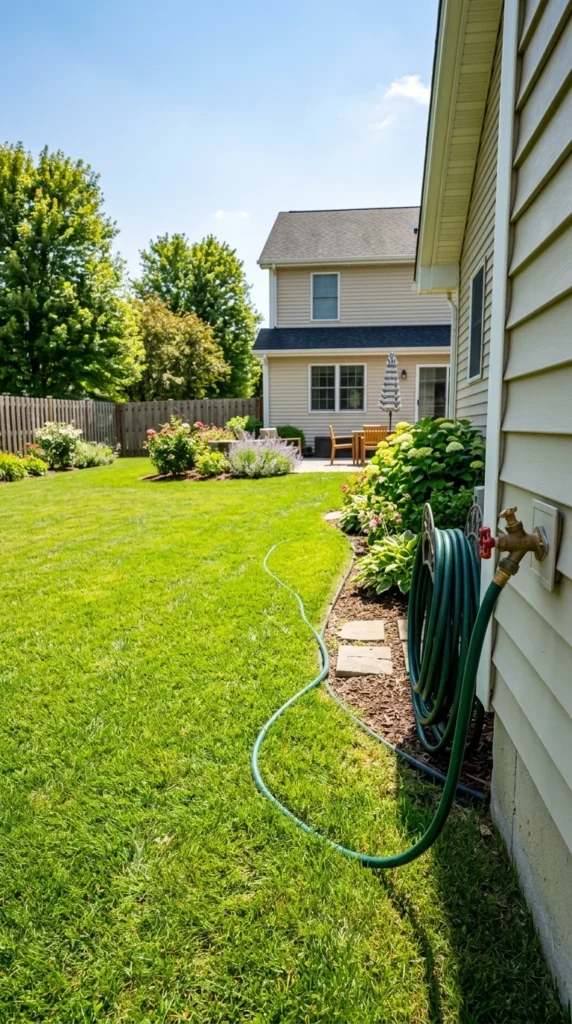
The foundation of a perfect layout starts with where you place the beds. Most vegetables require “full sun,” which translates to at least six to eight hours of direct sunlight daily. Before building, observe your yard throughout the day to track how shadows move from trees, fences, or your house. South-facing locations are generally the most coveted spots in the Northern Hemisphere. Additionally, proximity to a water source is vital. You are far more likely to keep your plants hydrated if you don’t have to drag a heavy hose across the entire property every morning. Finally, ensure the ground is relatively level to prevent water from pooling at one end of the bed.
2. Bed Dimensions
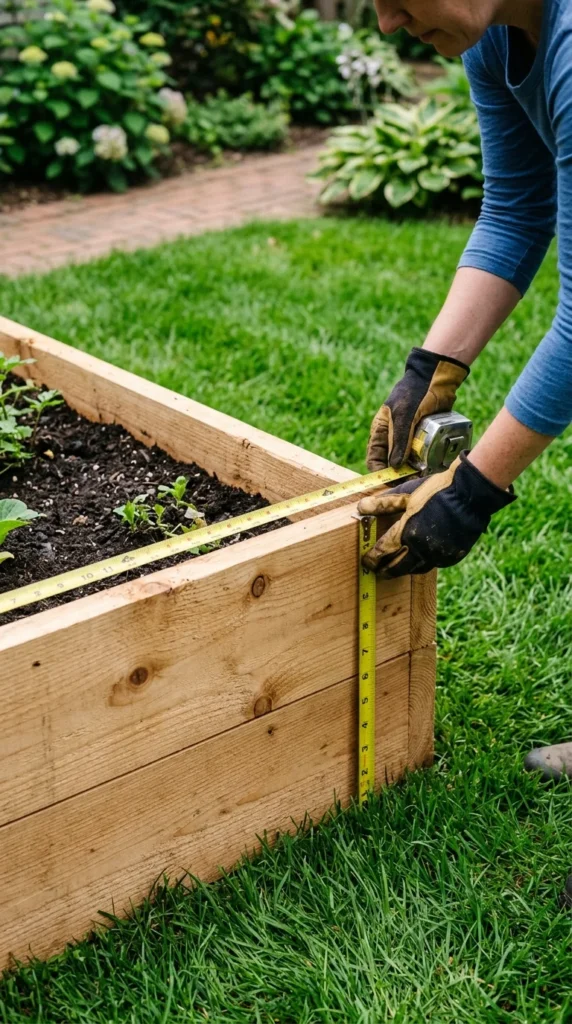
Ergonomics play a massive role in garden layout. The golden rule of raised bed width is four feet or less. This allows you to reach the center of the bed from either side without ever stepping on the soil, which prevents compaction. If the bed is against a wall or fence, keep the width to two feet so you can reach the back comfortably. As for height, 12 to 18 inches is standard for most vegetables. However, if you have poor underlying soil or want to save your back from bending, taller beds (up to 30 inches) are excellent options, though they require more soil to fill.
3. Soil Quality
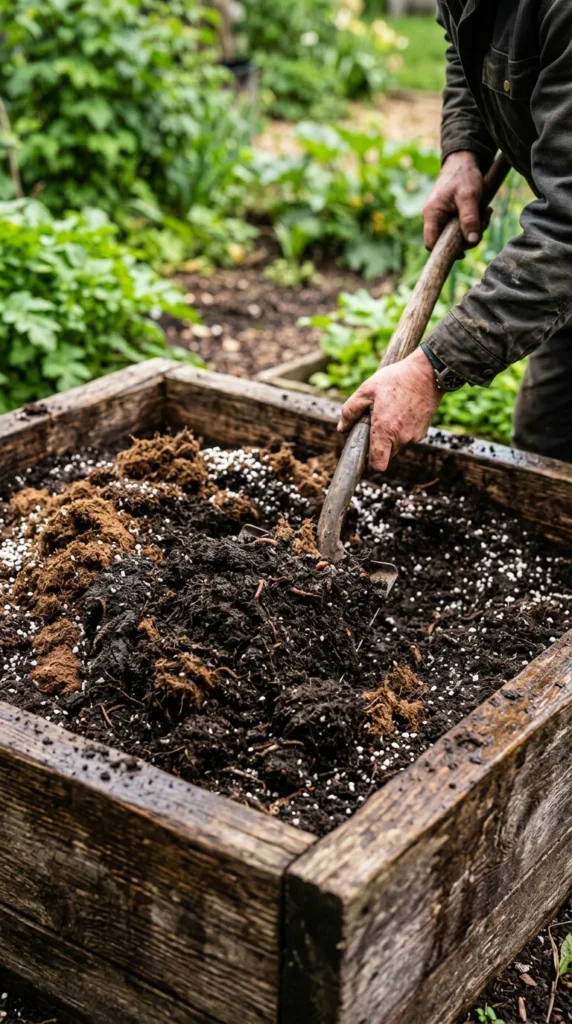
The “raised” part of the bed is only half the battle; the “soil” is what does the heavy lifting. One of the greatest advantages of a raised layout is the ability to use a customized soil mix. A popular and highly effective blend is the “Square Foot Gardening” mix, which consists of one-third coarse vermiculite, one-third peat moss (or coconut coir), and one-third blended organic compost. This mixture provides perfect drainage while retaining enough moisture for thirsty roots. Avoid using standard “topsoil” or “garden soil” from the hardware store in isolation, as these often lack the aeration necessary for containerized environments and can become heavy and waterlogged.
4. Square Foot Gardening
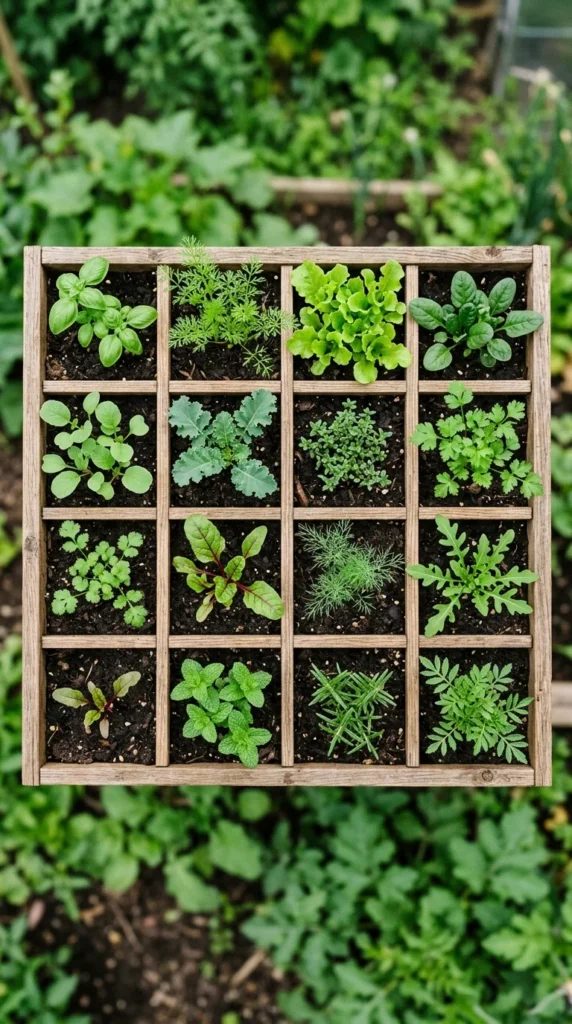
For those looking to maximize yield in a small footprint, the Square Foot Gardening (SFG) method is the gold standard. In this layout, you divide your 4×4 or 4×8 bed into a grid of 1-foot squares. Instead of planting in traditional rows, you plant a specific number of seeds or plants per square based on their size. For example, you might plant one tomato plant in one square, four strawberry plants in another, nine bush beans in a third, and sixteen carrots in a fourth. This intensive planting method reduces weeding because the vegetable canopy eventually shades the soil, preventing weed seeds from germinating.
5. Vertical Growth
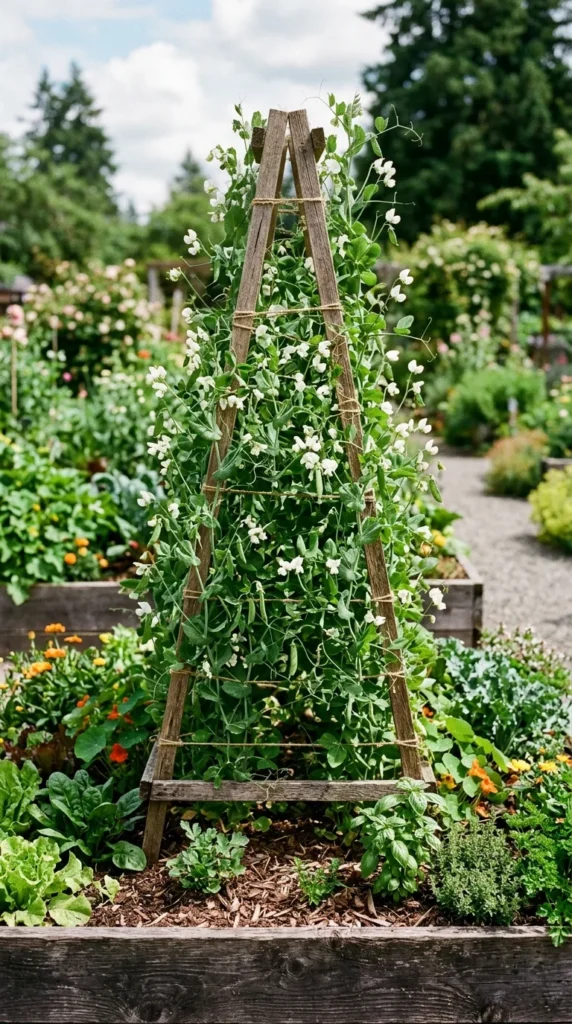
A perfect layout doesn’t just use horizontal space; it utilizes the vertical dimension as well. By installing trellises, cattle panels, or obelisks on the north side of your beds, you can grow climbing plants like cucumbers, pole beans, peas, and even small melons. Placing these structures on the north side ensures that the tall plants do not cast shadows over the smaller, sun-loving crops in front of them. Vertical gardening improves air circulation, which reduces the risk of fungal diseases like powdery mildew, and makes harvesting much easier on your joints.
6. Companion Planting
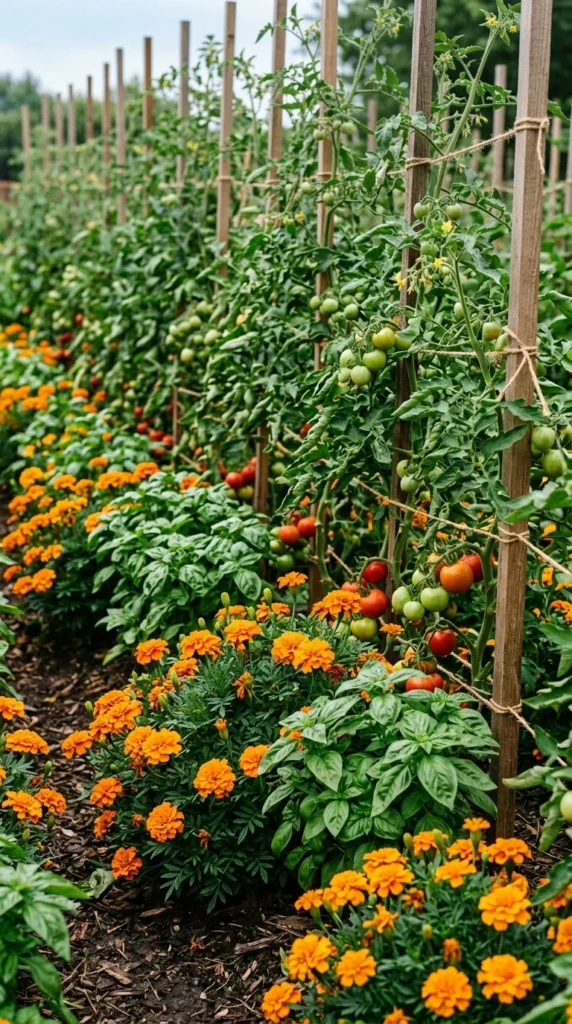
Layout planning should also consider the biological relationships between different plants. Companion planting is the practice of placing plants together that provide mutual benefits. For instance, planting marigolds throughout your bed can help repel nematodes and other pests, while basil planted near tomatoes is said to improve the flavor of the fruit and deter hornworms. Conversely, some plants are “foes”; for example, onions and garlic can stunt the growth of beans and peas. A well-thought-out layout groups “friends” together to create a miniature ecosystem that thrives with less chemical intervention.
7. Irrigation Systems
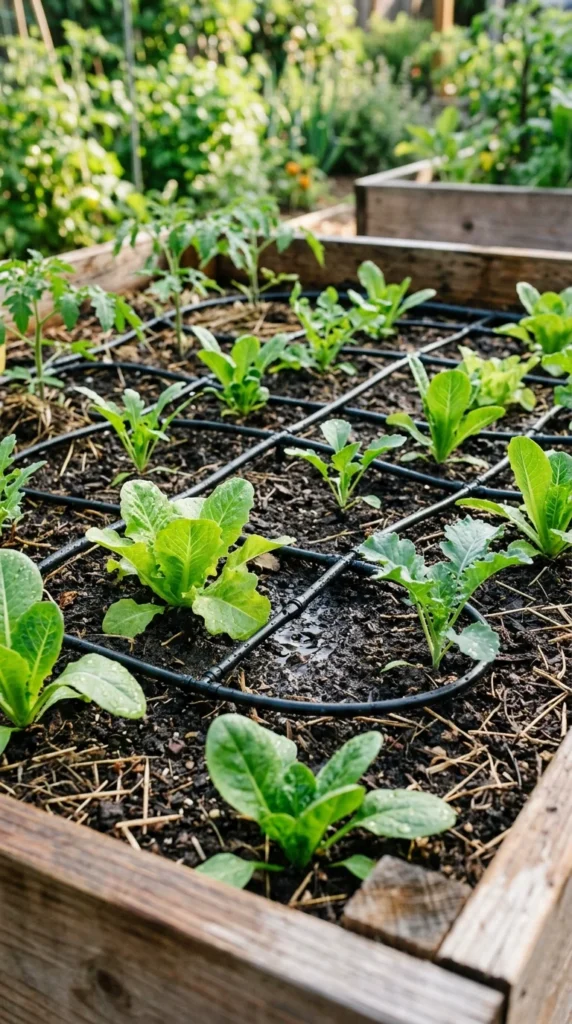
Consistency is the key to vegetable gardening, especially when it comes to water. Because raised beds drain faster than the ground, they can dry out quickly during mid-summer heatwaves. Integrating an irrigation system into your layout from the start is a game-changer. Drip irrigation or soaker hoses are the most efficient choices, delivering water directly to the root zone and keeping the foliage dry, which prevents disease. You can hide the main lines along the inside edges of the wooden frames and use a battery-operated timer at the spigot to automate the process, ensuring your plants never miss a drink.
8. Crop Rotation
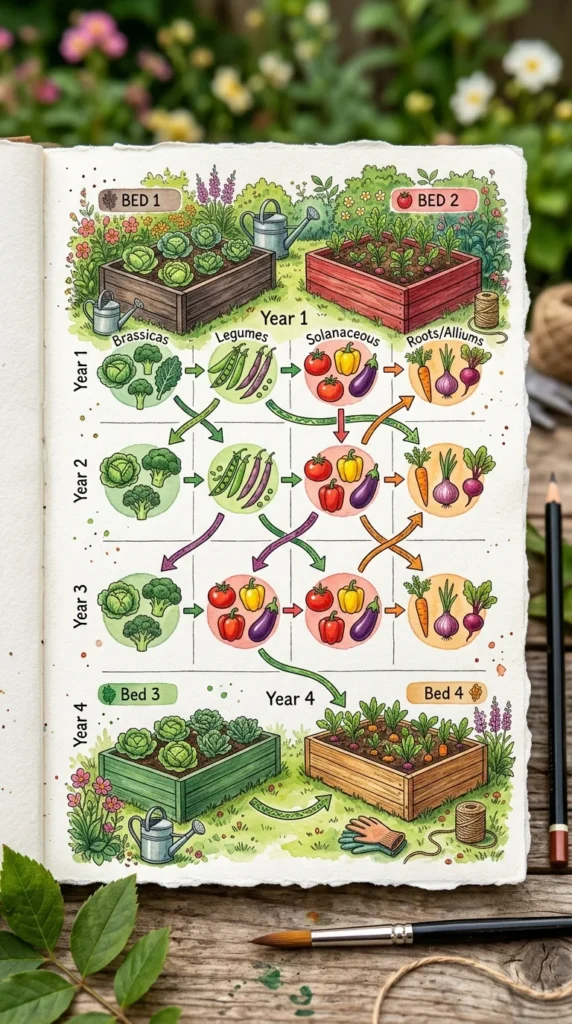
A perfect layout is not static; it changes every year. To prevent the buildup of soil-borne diseases and to manage nutrient levels, you must rotate your crops. Different plant families—such as Nightshades (tomatoes, peppers, potatoes), Brassicas (broccoli, kale, cabbage), and Legumes (beans, peas)—use and return different nutrients to the soil. For example, legumes fix nitrogen into the soil, making them great predecessors for nitrogen-hungry leafy greens. By planning a three- or four-year rotation cycle, you ensure that no single plant family occupies the same square foot of soil two years in a row.
9. Pathway Design
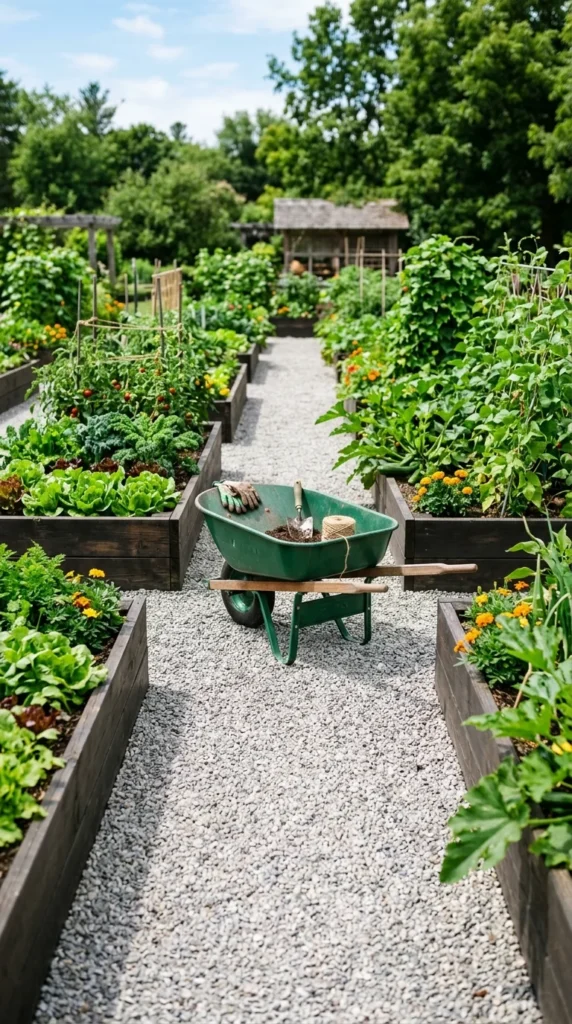
The space between your beds is just as important as the space inside them. Your layout must include pathways that are wide enough for comfortable movement and maintenance. A minimum width of two feet is recommended for walking, but if you plan on using a wheelbarrow to haul compost or mulch, aim for pathways that are at least three to four feet wide. For a clean, low-maintenance look, line your paths with landscape fabric and cover them with wood chips, gravel, or paving stones. This prevents the area between beds from becoming a muddy weed patch and provides a stable surface for gardening in all weather conditions.
10. Seasonal Transitions
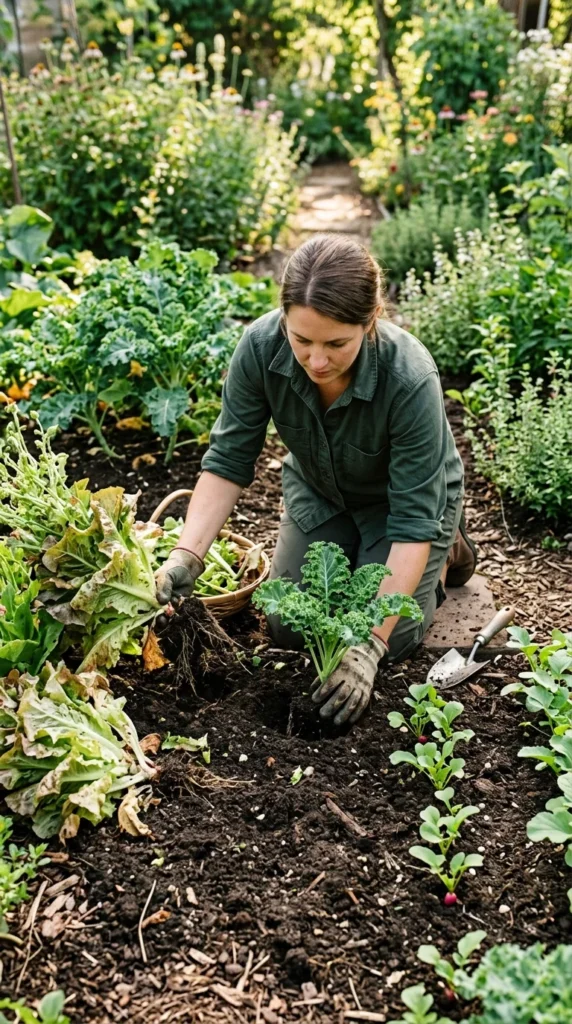
A truly perfect garden layout accounts for the entire growing season, from the first thaw of spring to the first frost of winter. This is known as succession planting. When your early-season crops like radishes or spinach are harvested in late spring, have a plan to immediately fill that space with warm-weather crops like peppers or eggplants. As summer winds down, you can clear space for a fall harvest of carrots, beets, and winter greens. By mapping out these transitions in your layout, you ensure that every square inch of your raised bed is working for you for as many months of the year as possible.