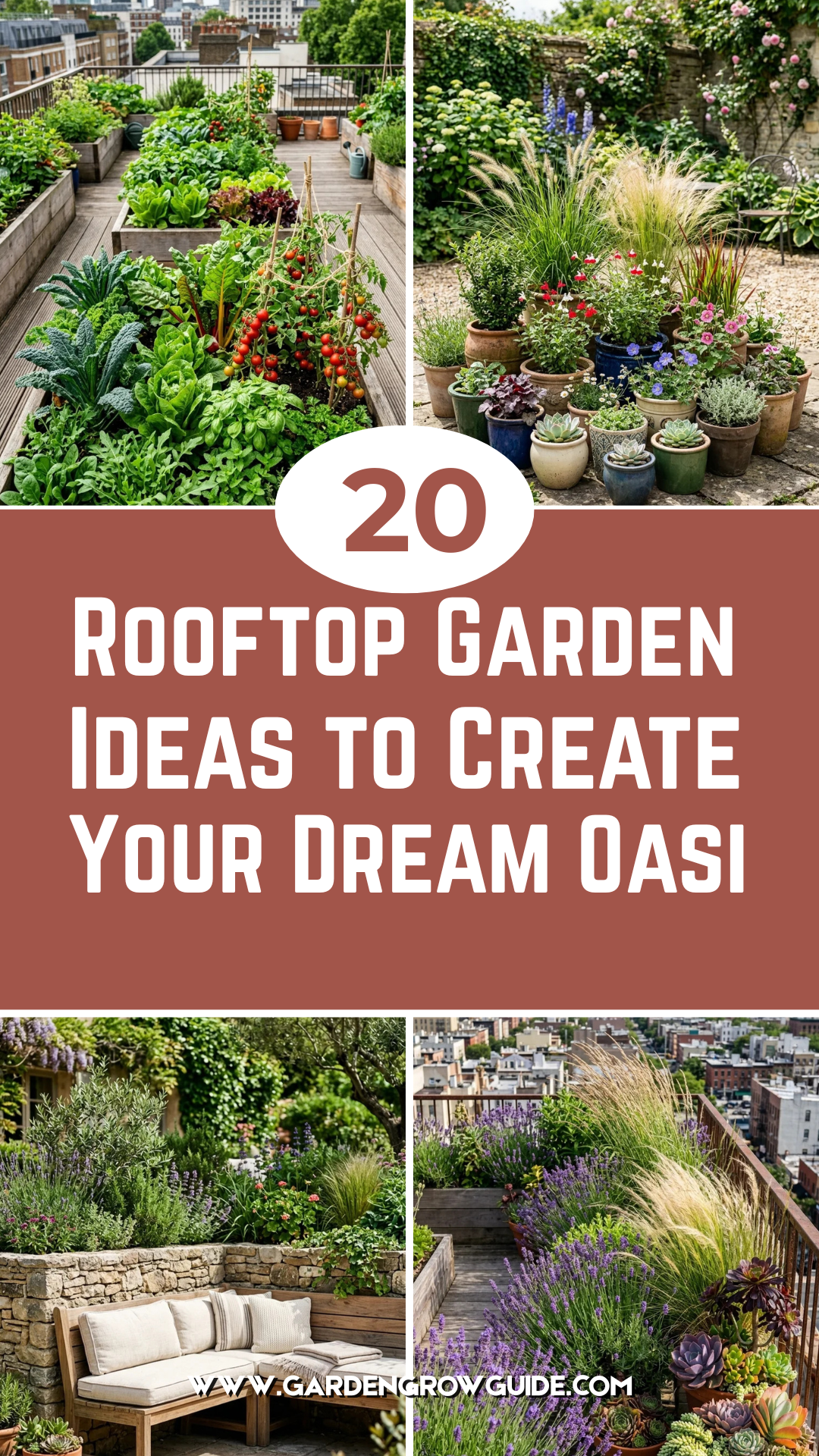
In the concrete heart of the city, space is the ultimate luxury. As urban living continues to expand vertically, the roof has become the new frontier for home design. A rooftop garden is more than just a collection of plants; it is an escape from the frantic pace of city life, a contribution to urban biodiversity, and a sophisticated space for entertaining. Whether you have a sprawling terrace or a compact balcony, the potential to create a private oasis is limited only by your imagination and structural considerations.
Designing a rooftop garden requires a delicate balance of aesthetics, weight management, and plant selection. Unlike ground-level gardens, rooftops are exposed to harsher winds, more intense sun, and unique drainage requirements. However, with the right approach, these challenges can be transformed into design opportunities. From minimalist Zen retreats to productive edible landscapes, here are 20 ideas to inspire your rooftop transformation.
1. Vertical Greenery
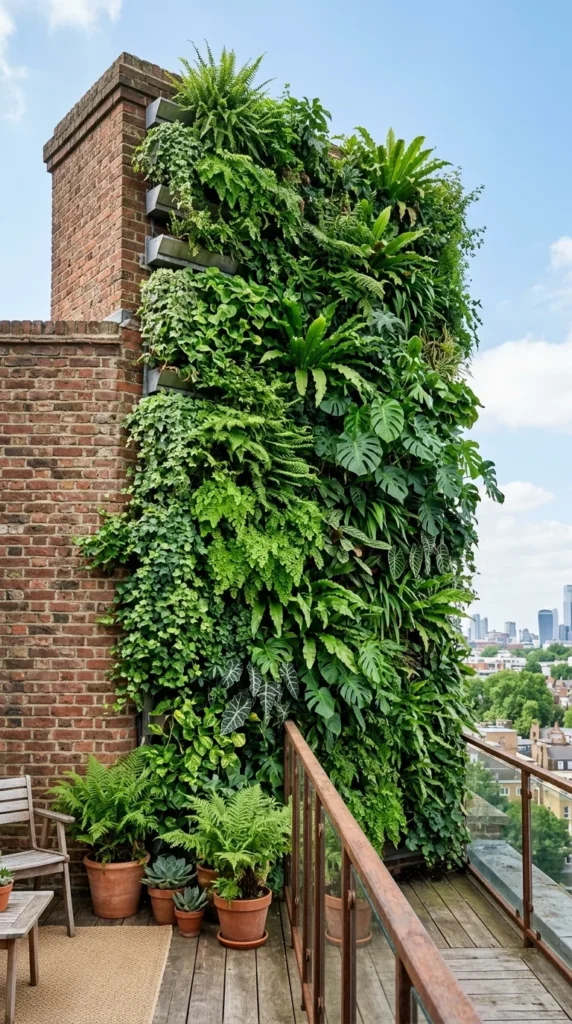
When horizontal square footage is at a premium, look up. Vertical gardens, or “living walls,” allow you to shroud unsightly boundary walls in lush foliage without sacrificing floor space. By using modular pocket systems or trellis structures, you can grow a variety of plants ranging from ferns to flowering vines. This not only creates a stunning visual backdrop but also provides natural insulation and sound dampening against the city noise below.
2. Container Planting
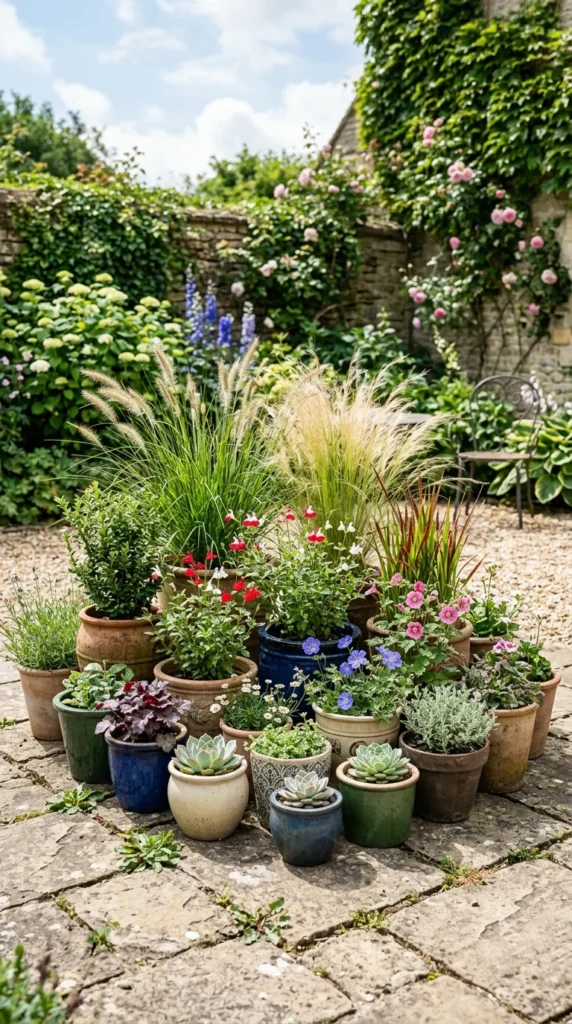
The most flexible way to garden on a roof is through containers. Using pots of different heights, textures, and materials creates visual depth and allows you to move plants around as the seasons change. Opt for lightweight materials like fiberglass or resin to minimize the weight load on the building structure. Containers also make it easier to manage soil quality and drainage, ensuring your plants thrive in the specific microclimate of your roof.
3. Synthetic Turf
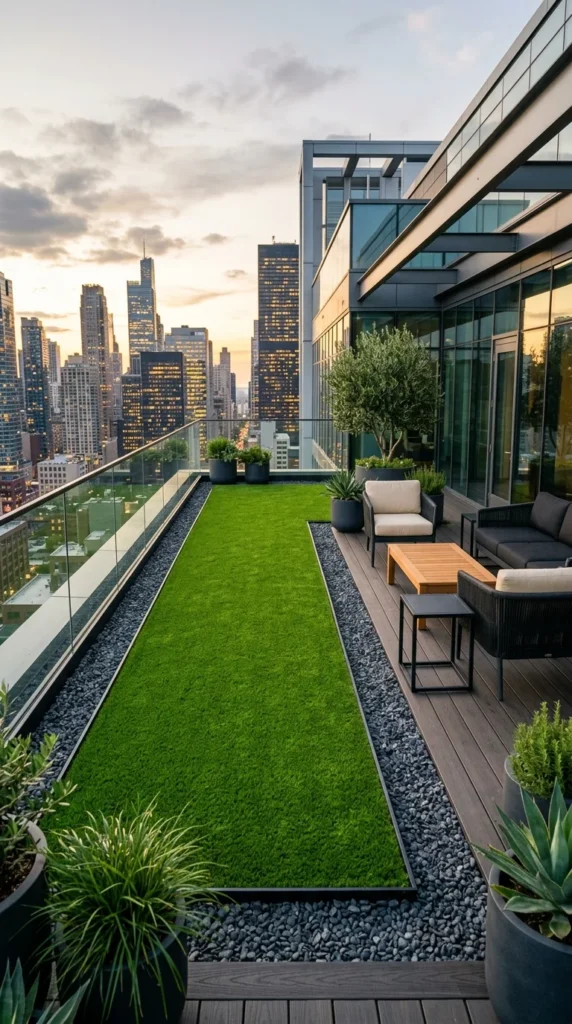
If you miss the feeling of grass beneath your feet but don’t want the maintenance of a real lawn, high-quality synthetic turf is the perfect solution. It adds an instant splash of green that stays vibrant year-round without the need for mowing or heavy watering. Modern turf is designed with excellent drainage systems, making it an ideal soft-surface option for lounging or for pets to enjoy the outdoors.
4. Ambient Lighting
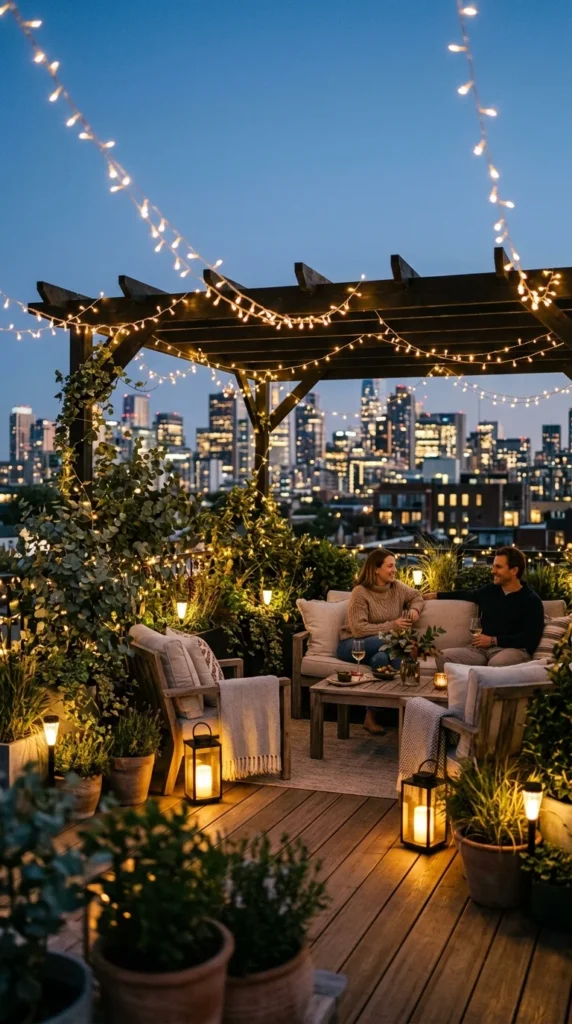
Lighting is what transforms a rooftop from a daytime garden into an evening sanctuary. Avoid harsh overhead lights; instead, layer your lighting. Use string lights for a whimsical, starry effect, and integrate low-voltage LED spotlights to highlight architectural plants or sculptures. Solar-powered lanterns are an eco-friendly way to add a warm glow to walkways without the need for complex electrical wiring.
5. Built-in Seating
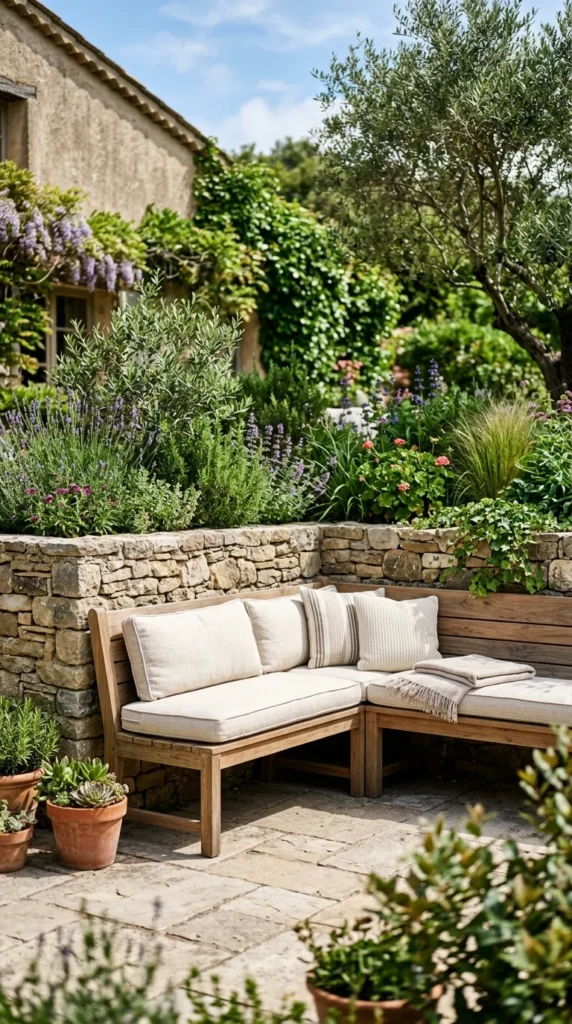
Built-in furniture is a masterclass in space efficiency. By integrating benches directly into the perimeter of your planters or walls, you leave the center of the rooftop open and airy. This creates a streamlined, architectural look. Using weather-resistant woods like teak or ipe ensures the seating survives the elements while adding a warm, organic texture to the design.
6. Fire Pit
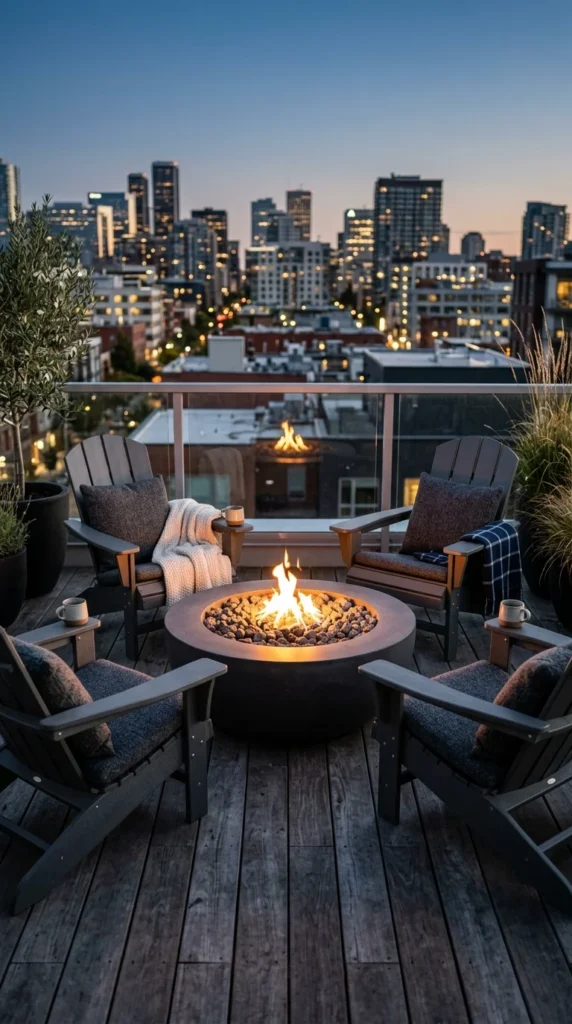
A fire pit serves as a natural focal point and extends the usability of your rooftop into the cooler autumn and winter months. For rooftops, gas or bioethanol fire pits are generally safer and more practical than wood-burning ones, as they produce no smoke or flying embers. A sleek, minimalist fire table can double as a coffee table when not in use, providing dual functionality for smaller spaces.
7. Outdoor Kitchen
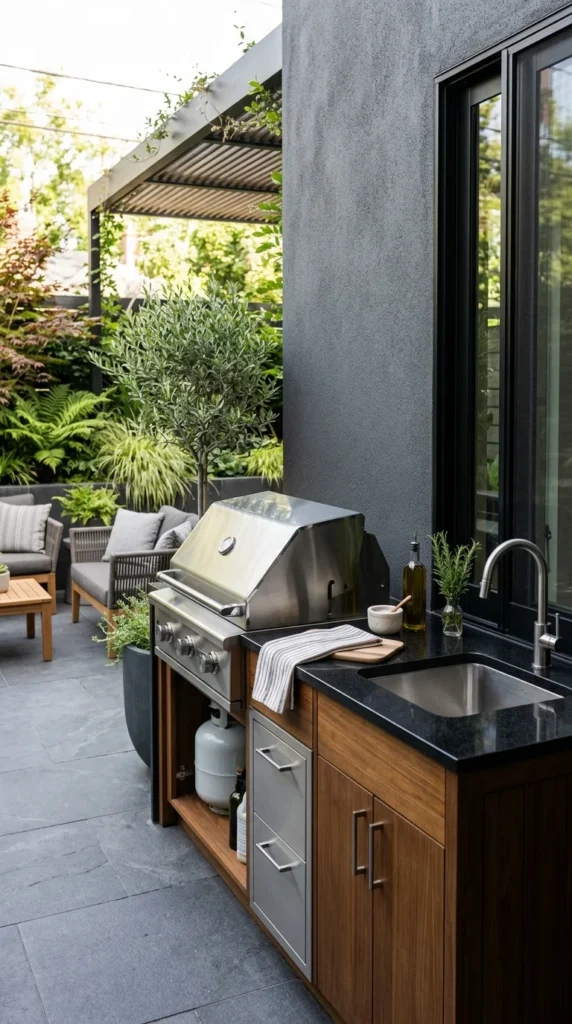
For those who love to entertain, an outdoor kitchen is the ultimate rooftop upgrade. It saves you from constant trips back and forth to the indoor kitchen and allows the cook to stay engaged with guests. Keep it simple with a high-quality grill and a small prep station, or go all out with a pizza oven, a wine fridge, and a bar counter. Ensure that your materials are marine-grade to withstand the direct exposure to sun and rain.
8. Water Features
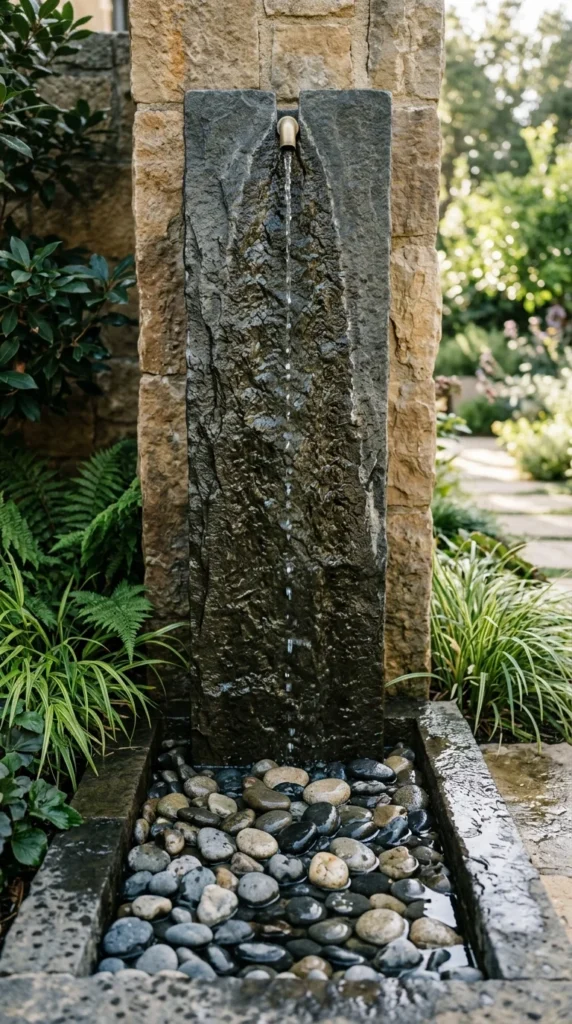
The white noise of trickling water is the perfect antidote to the sound of honking horns and sirens. A small fountain, a bubbling stone, or even a sleek reflecting pool can bring a sense of peace to your rooftop. Beyond the auditory benefits, water features also help cool the immediate air through evaporation and can attract local birds, adding a touch of wildlife to your urban sanctuary.
9. Glass Railings
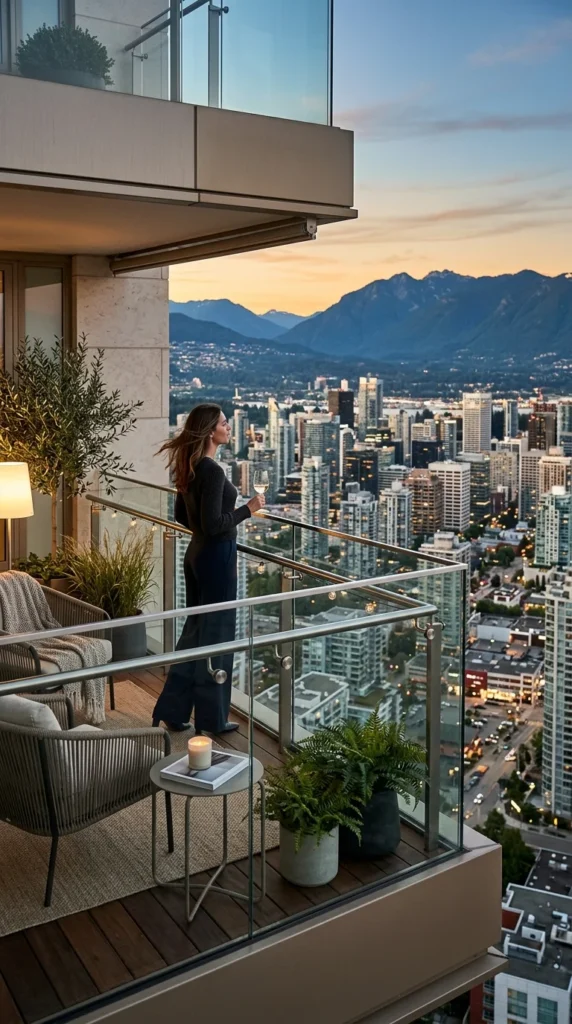
If your rooftop has a view, don’t hide it behind heavy balustrades. Glass railings provide the necessary safety while maintaining a visual connection to the city skyline. They make smaller rooftops feel significantly larger by removing visual barriers. Ensure you use tempered safety glass and consider a frameless design for the most modern, “invisible” look.
10. Pergolas & Gazebos
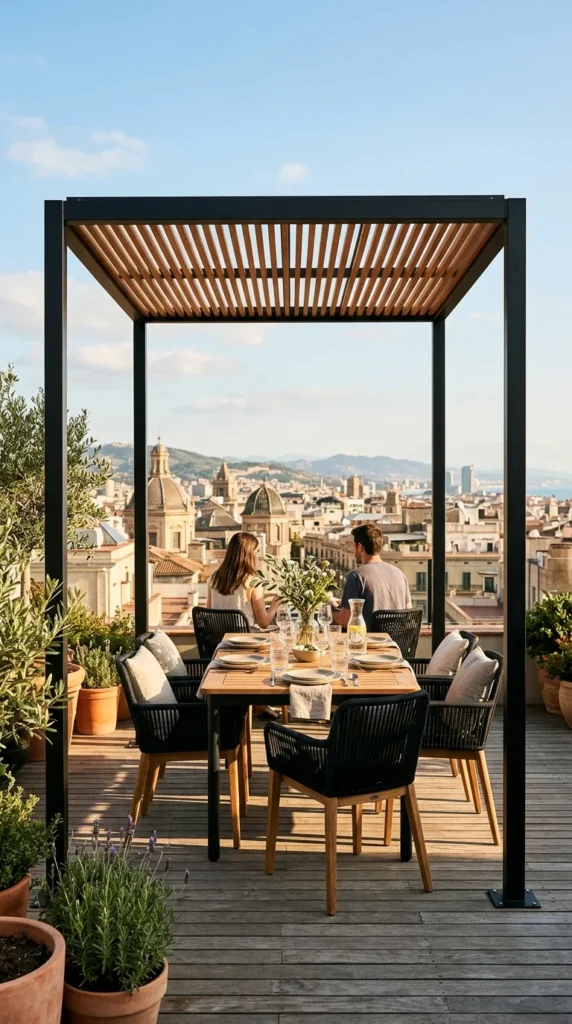
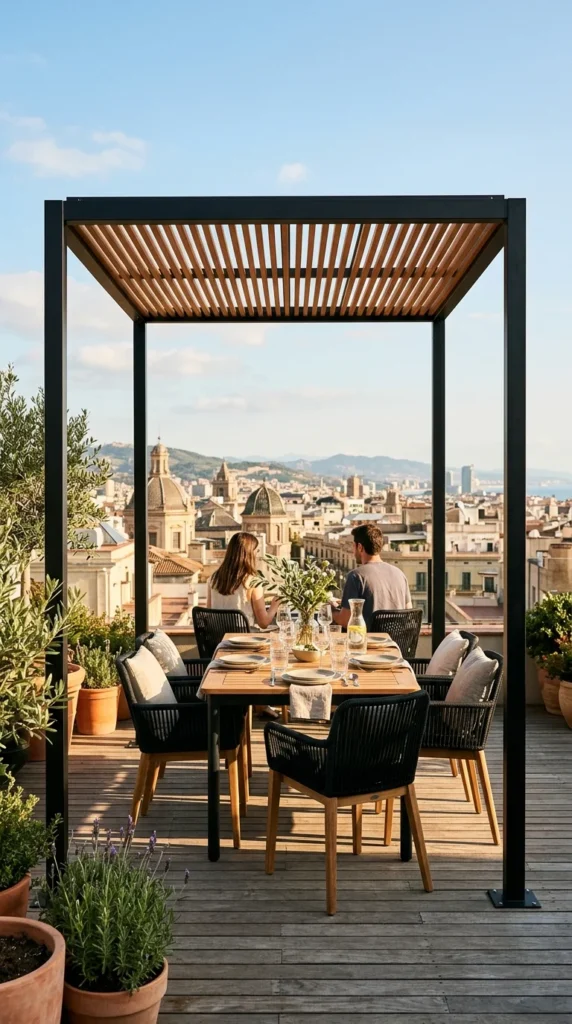
On a rooftop, the sun can be relentless. A pergola or gazebo provides essential shade while adding architectural structure to the space. You can leave the top open with slats for a play of light and shadow, or cover it with weather-resistant fabric or climbing plants like wisteria or jasmine. This creates a “room” outdoors, defining the dining or lounging area.
11. Zen Garden
If relaxation is your primary goal, a Zen-inspired rooftop might be the answer. This design philosophy emphasizes minimalism, balance, and natural materials. Use gravel, rocks, and bamboo screens to create a quiet space for meditation or yoga. The low-maintenance nature of a Zen garden makes it particularly suited for rooftops where frequent watering might be a challenge.
12. Edible Garden
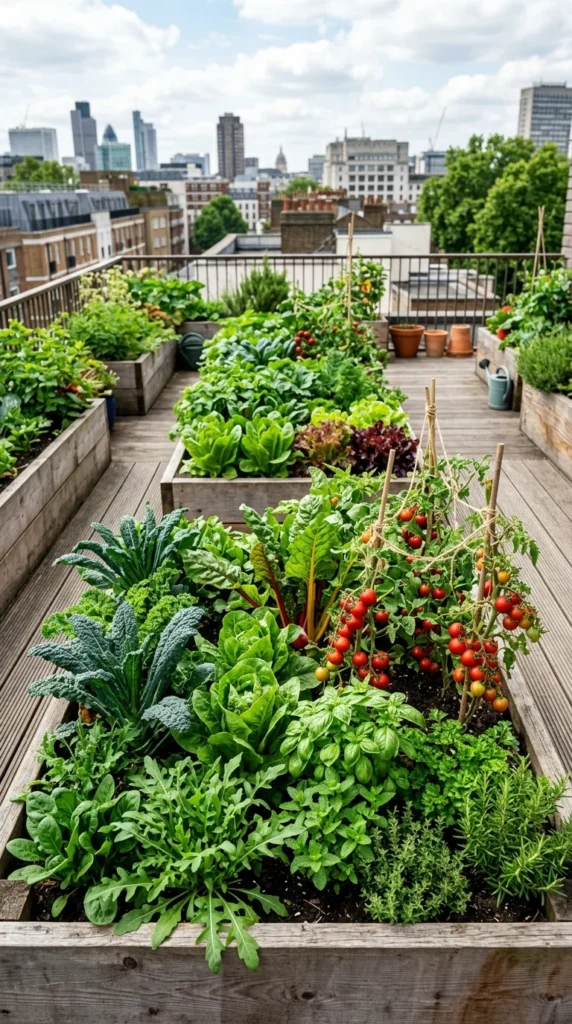
Rooftops often receive the best sunlight on the property, making them ideal for growing food. Raised beds can be used to cultivate everything from heirloom tomatoes and peppers to kale and strawberries. An herb garden near the seating area not only provides fresh ingredients for cocktails and cooking but also releases wonderful scents into the air.
13. Privacy Screens
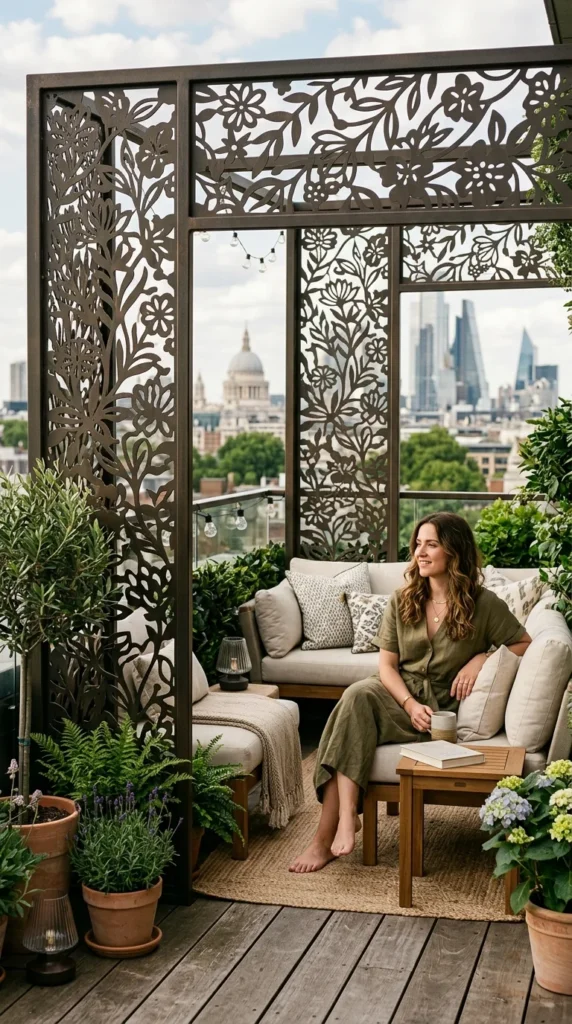
Privacy can be hard to come by in high-density areas. Rather than building solid walls that can feel claustrophobic and catch the wind, use decorative screens. Laser-cut metal, wooden slats, or even tall potted bamboos can block the view from neighboring buildings while still allowing light and air to circulate.
14. Lounge Deck
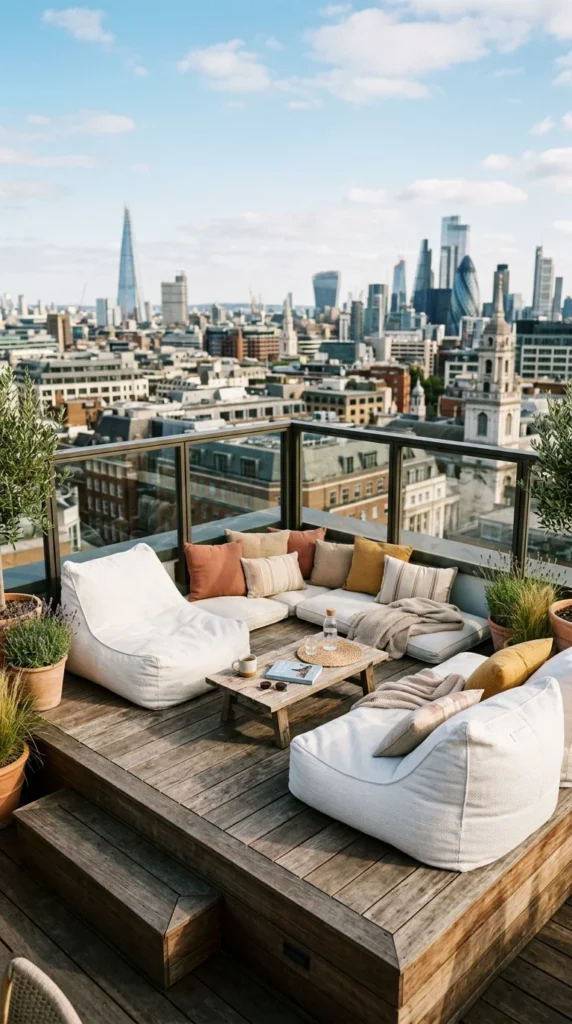
Create a dedicated “chill-out” zone by installing a raised wooden deck. Elevating a portion of the floor creates distinct zones within the garden. This area can be furnished with low-profile lounge furniture, floor cushions, or even outdoor rugs to create a cozy, bohemian atmosphere perfect for afternoon naps or casual gatherings.
15. Diverse Flora
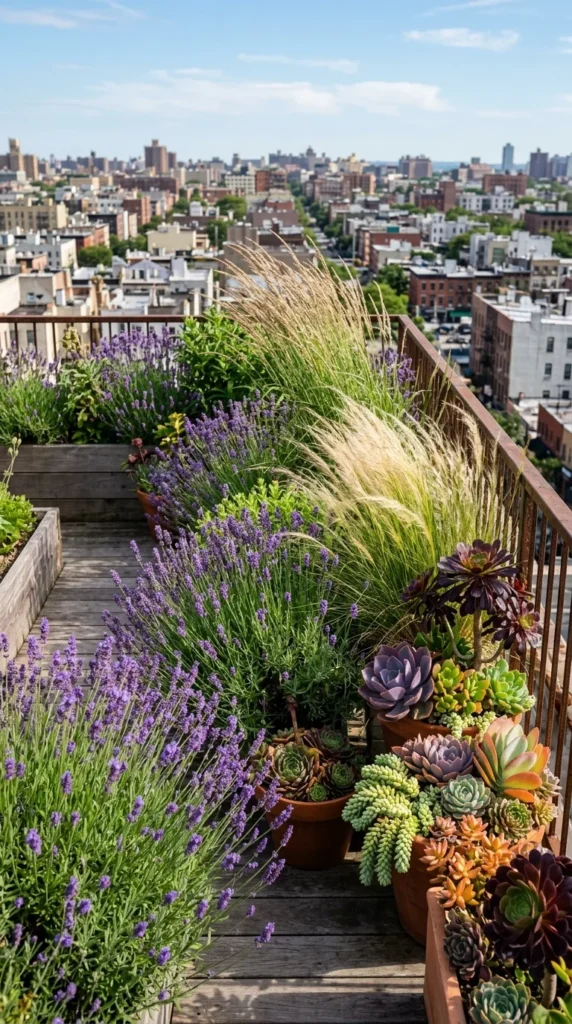
To create a garden that feels established and natural, avoid using just one type of plant. Mix ornamental grasses that sway in the wind with structural succulents and colorful perennials. Choosing plants with different blooming schedules ensures that your rooftop oasis remains visually interesting throughout the spring, summer, and fall.
16. Weatherproof Rugs
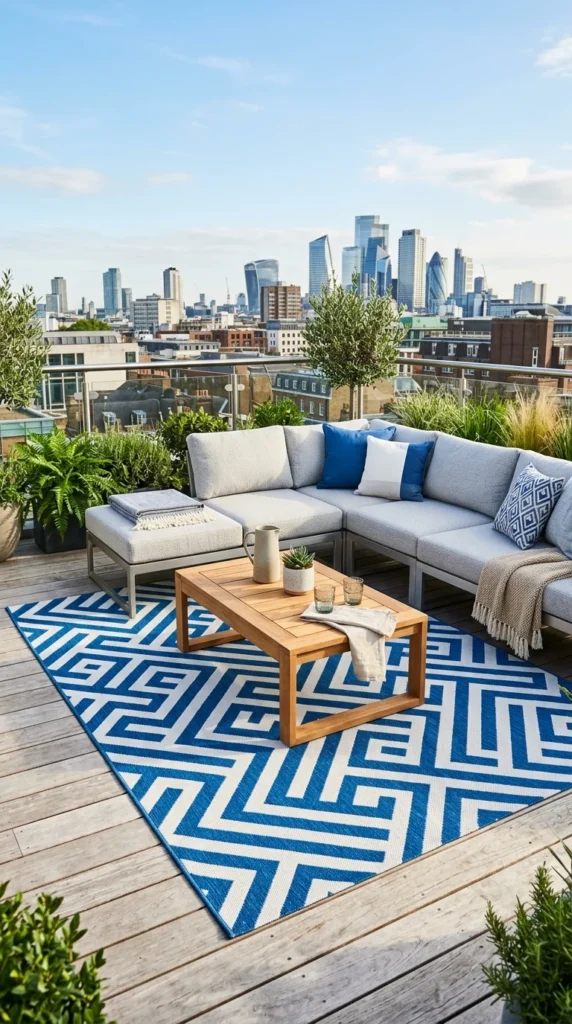
An outdoor rug is the quickest way to “ground” a seating area and make it feel like a living room. Look for rugs made from recycled plastics or treated polypropylene that can handle rain and UV rays without fading or molding. Rugs add a layer of texture and color that softens the hard surfaces of a rooftop, such as concrete or stone tiles.
17. Hammock Nook

Nothing says “vacation at home” like a hammock. If your rooftop has sturdy structural posts or a pergola, hanging a hammock provides a unique way to relax. It’s a playful addition that encourages you to slow down and enjoy the view from a different perspective. For rooftops without mounting points, many stylish freestanding hammock frames are available.
18. Statement Trees

You don’t need a forest to make an impact. A single, well-placed statement tree can act as a living sculpture. Small varieties of Japanese Maples, Olive trees, or even dwarf citrus trees can thrive in large containers. They provide height, a sense of permanence, and a bit of natural shade that smaller plants cannot offer.
19. Night Sky Observatory

Because rooftops are higher up and often have fewer obstructions, they are perfect for stargazing. Designate a corner of your garden as an observatory. Keep the lighting in this area very low or use red bulbs (which don’t ruin night vision) to create a dedicated space for exploring the cosmos. It’s a sophisticated and educational use of the space that sets your rooftop apart.
20. Color Schemes
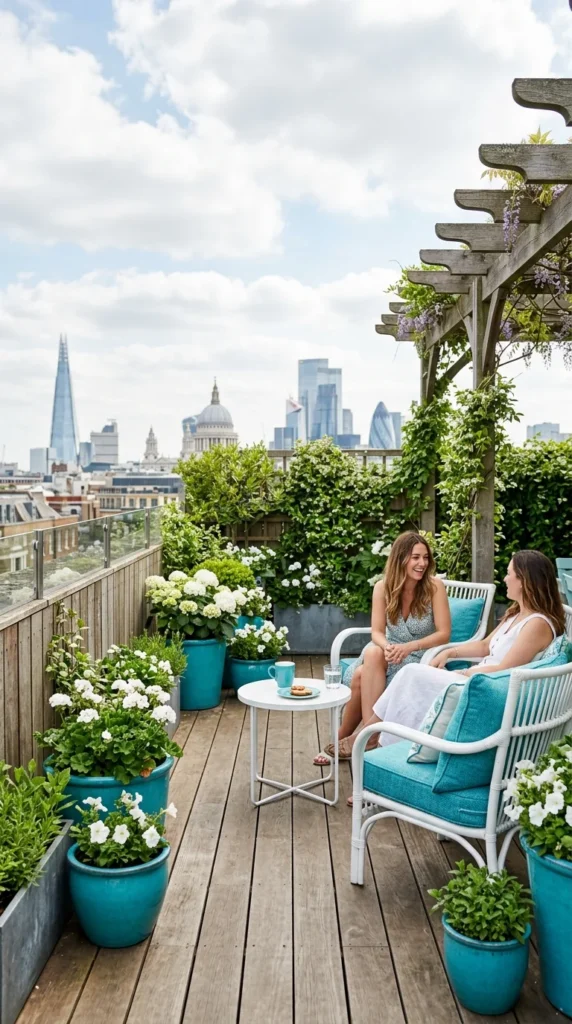
To make your rooftop feel professionally designed, stick to a cohesive color palette. Whether it’s a Mediterranean theme with terracotta and blues, a modern look with greys and neon accents, or a naturalistic vibe with earthy tones, repeating colors in your furniture, pots, and even your flower choices creates a harmonious and polished oasis.