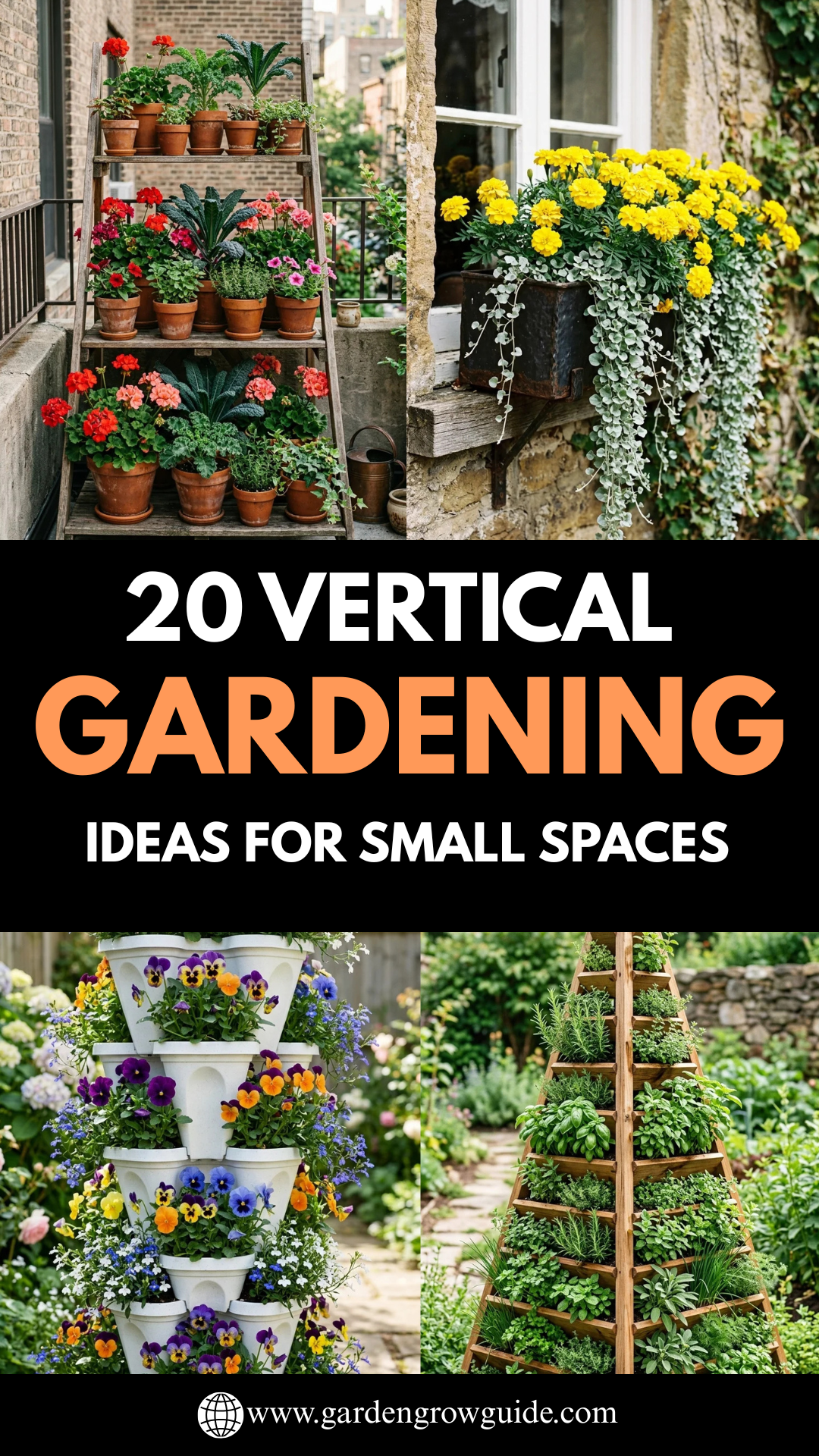
In the modern urban landscape, space is a luxury. However, a lack of horizontal square footage shouldn’t prevent you from cultivating a lush, green sanctuary. Vertical gardening is the art of growing plants upward rather than outward, utilizing walls, fences, and freestanding structures to maximize every inch of available space. Whether you have a tiny balcony, a cramped patio, or just a sunny kitchen wall, these twenty ideas will help you transform your vertical real estate into a thriving ecosystem.
1. Pallet Planters
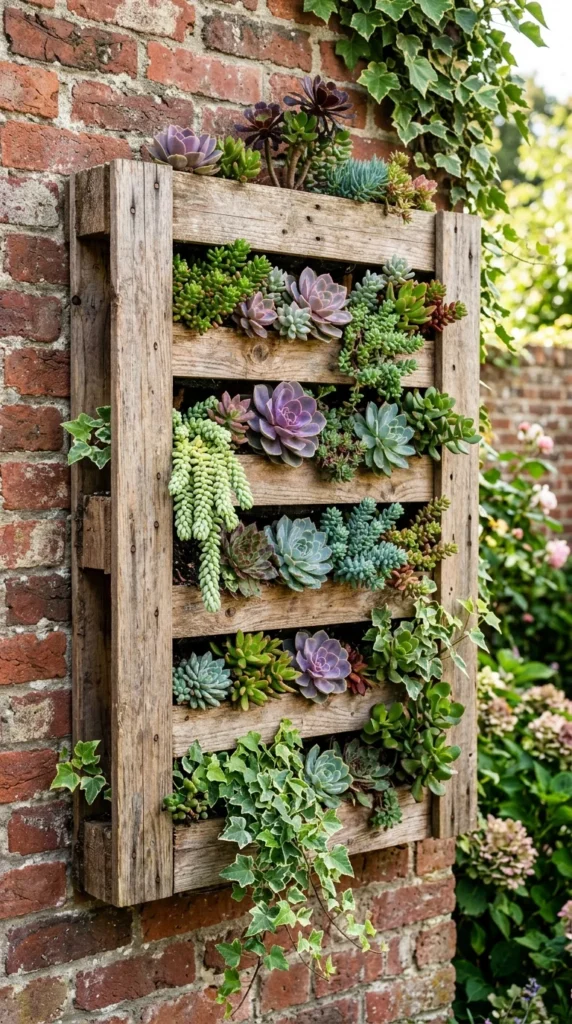
Upcycling wooden pallets is a staple of the DIY gardening world. By securing a backing of landscape fabric to an old pallet, you create a series of narrow troughs perfect for shallow-rooted plants. These structures are ideal for succulents, alpine flowers, or small herbs. The natural wood aesthetic provides a rustic charm that complements both modern and traditional outdoor spaces.
2. Pocket Organizers
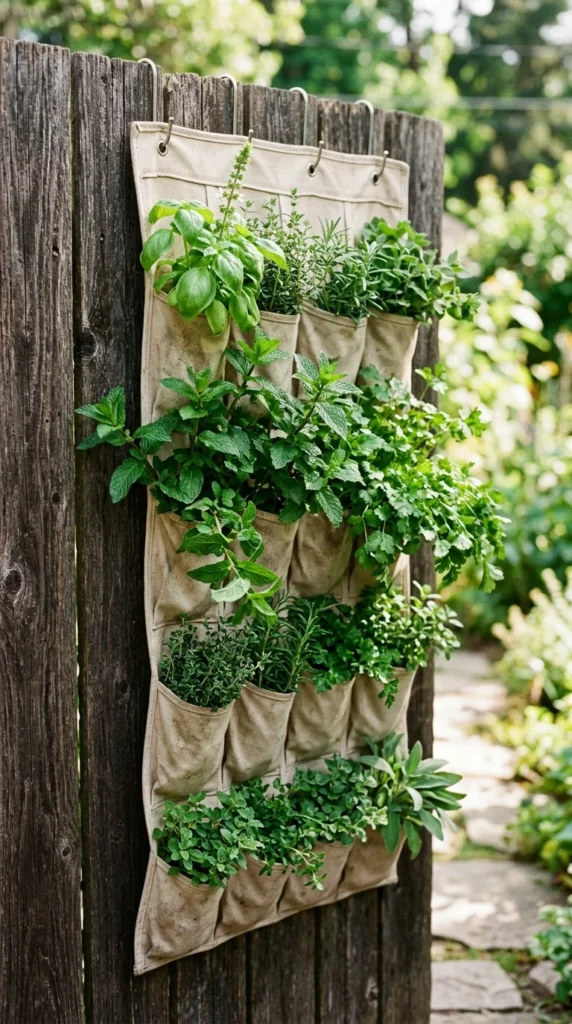
The humble over-the-door shoe organizer is one of the most cost-effective vertical garden solutions. Made of breathable canvas or heavy-duty plastic, these pockets provide individual “apartments” for your plants. This method is particularly effective for an herb garden near the kitchen, allowing you to snip fresh seasoning just steps away from your stove. Ensure you poke small drainage holes if the material isn’t naturally porous.
3. Hanging Terrariums
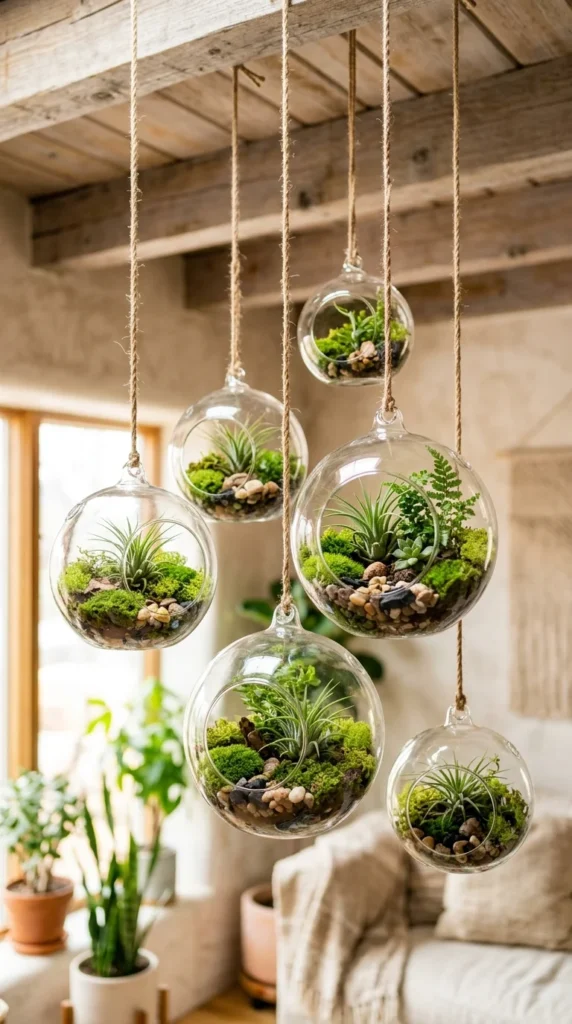
For those with no outdoor space at all, hanging terrariums offer a sophisticated indoor vertical solution. These glass vessels can be suspended at different heights to create a floating forest effect. Since they often house air plants (Tillandsia) or slow-growing mosses, they require minimal maintenance and no heavy soil, making them perfect for decorative indoor lighting fixtures or window displays.
4. Lattice Trellises
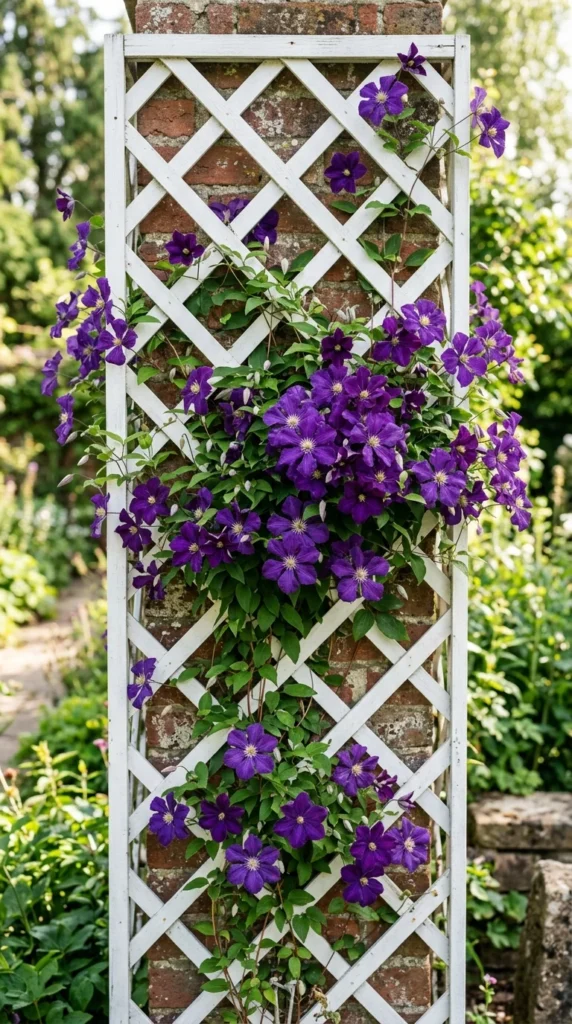
The lattice trellis is a classic for a reason. It provides a sturdy framework for climbing plants like sweet peas, morning glories, or jasmine. By guiding stems through the diamond-shaped gaps, you can create a living privacy screen that smells as good as it looks. Trellises can be freestanding or bolted to a wall, offering flexibility in how you define your space.
5. Tiered Shelving
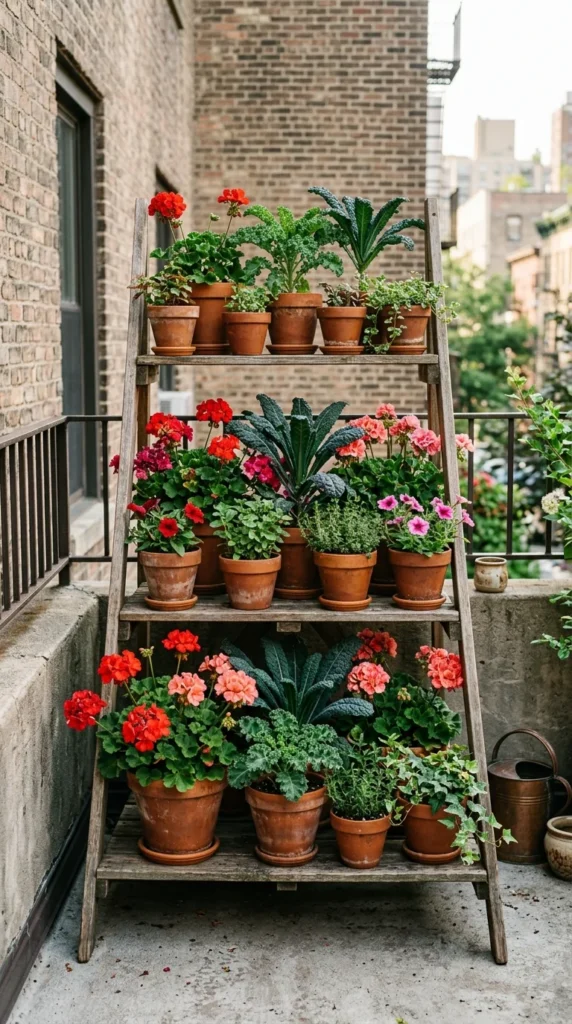
Tiered shelving allows you to stack multiple layers of traditional pots without taking up extra floor space. This “stadium seating” for plants ensures that even the pots in the back receive adequate sunlight. It’s an excellent choice for gardeners who prefer to keep their plants in individual containers for easy moving or soil replacement.
6. Gutter Gardens
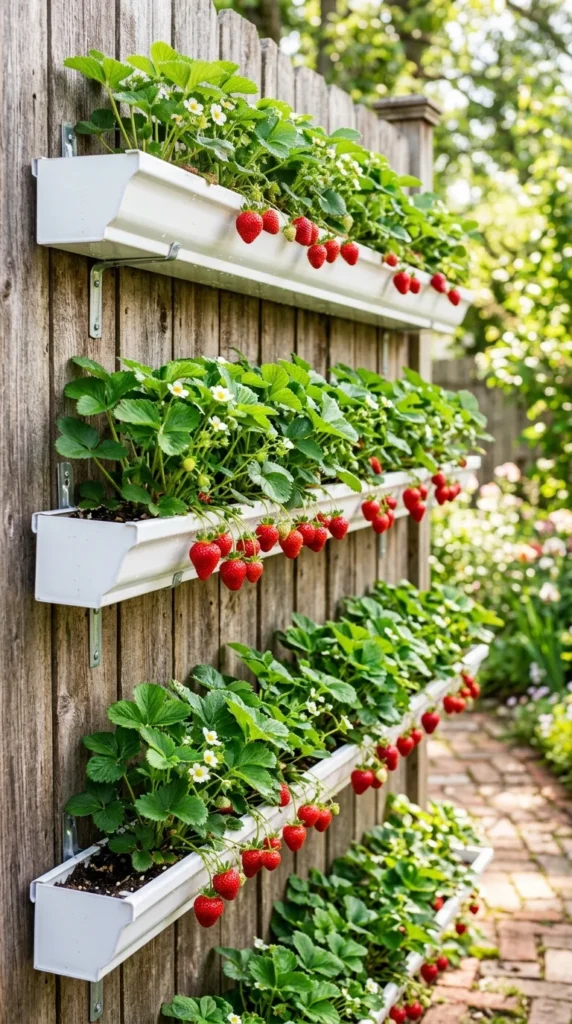
Repurposing rain gutters is a brilliant way to utilize long, narrow stretches of wall or fence. When mounted in parallel rows, gutters create sleek, modern-looking planters. They are particularly well-suited for shallow-rooted crops like lettuce, spinach, and strawberries. Because of their length, they offer a clean, streamlined look that can make a small space feel more organized.
7. Stackable Pots
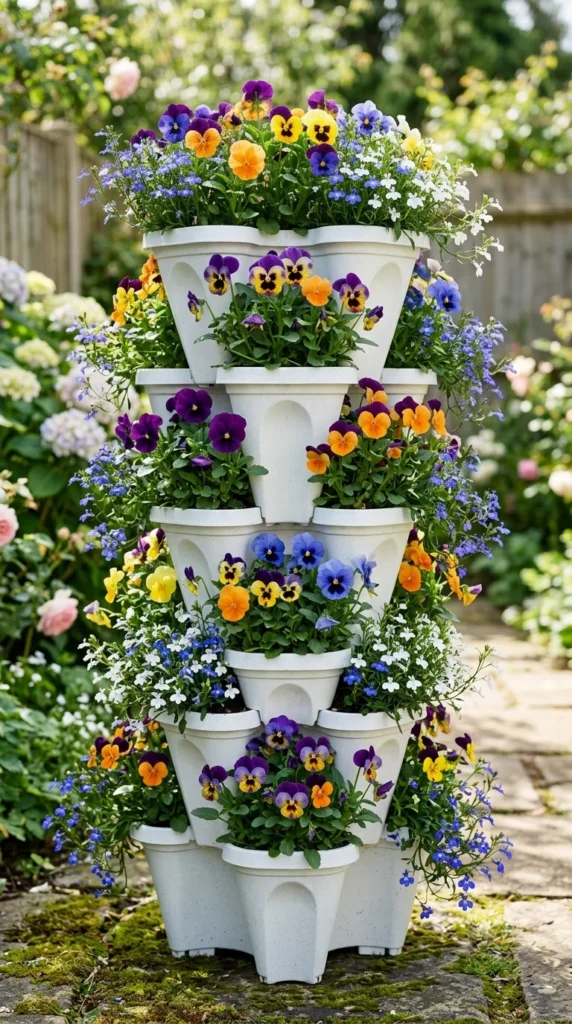
Stackable pots are designed specifically for vertical growth. These containers usually feature a central drainage system and a “clover” shape that allows plants to spill out from the sides while the pots are stacked vertically. This creates a “tower of flowers” effect that occupies only a few square inches of ground space while providing a massive surface area for planting.
8. Mason Jar Walls
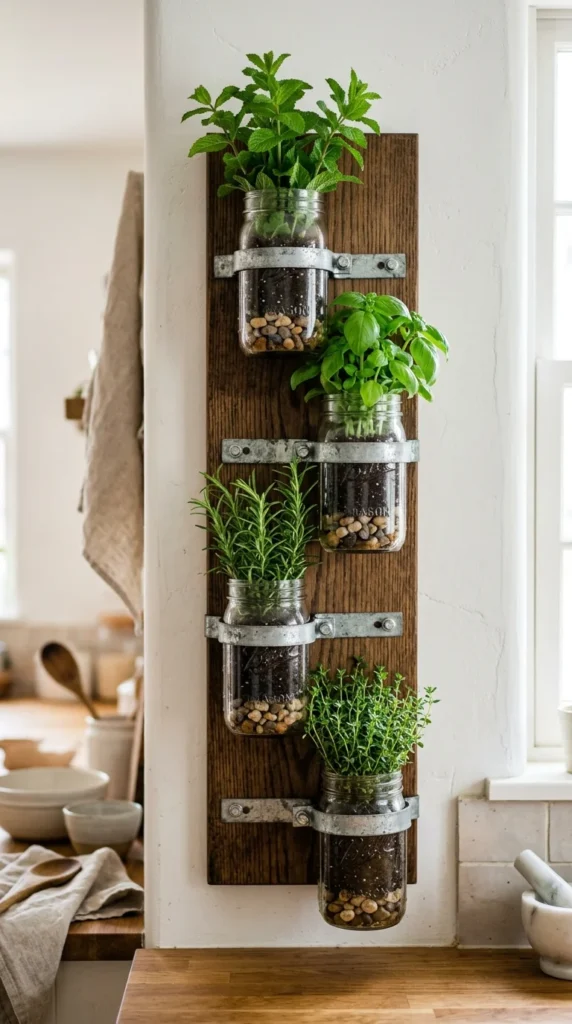
A mason jar herb garden is a favorite for interior design enthusiasts. By mounting jars to a wooden board using pipe clamps, you create a beautiful and functional piece of living wall art. To prevent root rot in these glass containers, it is essential to include a layer of pebbles or activated charcoal at the bottom for drainage, as the jars do not have holes.
9. Window Boxes
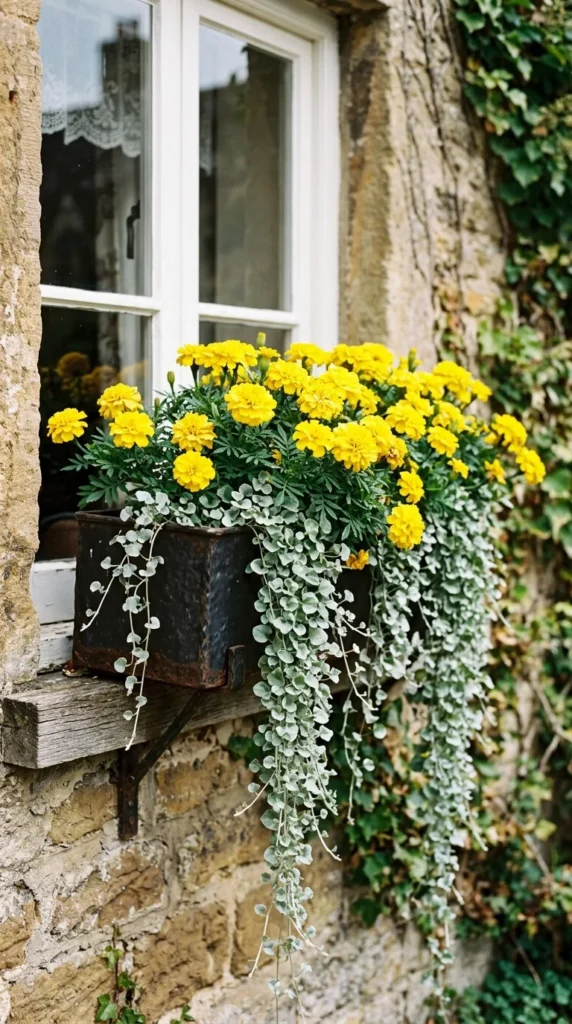
Window boxes are the original vertical garden. They utilize the space directly outside your windows, bringing the garden to eye level. Beyond their aesthetic appeal, they are excellent for cooling the air entering your home. They can be planted with seasonal flowers or even dwarf vegetable varieties, making them a versatile choice for apartment dwellers.
10. Vertical Hydroponics
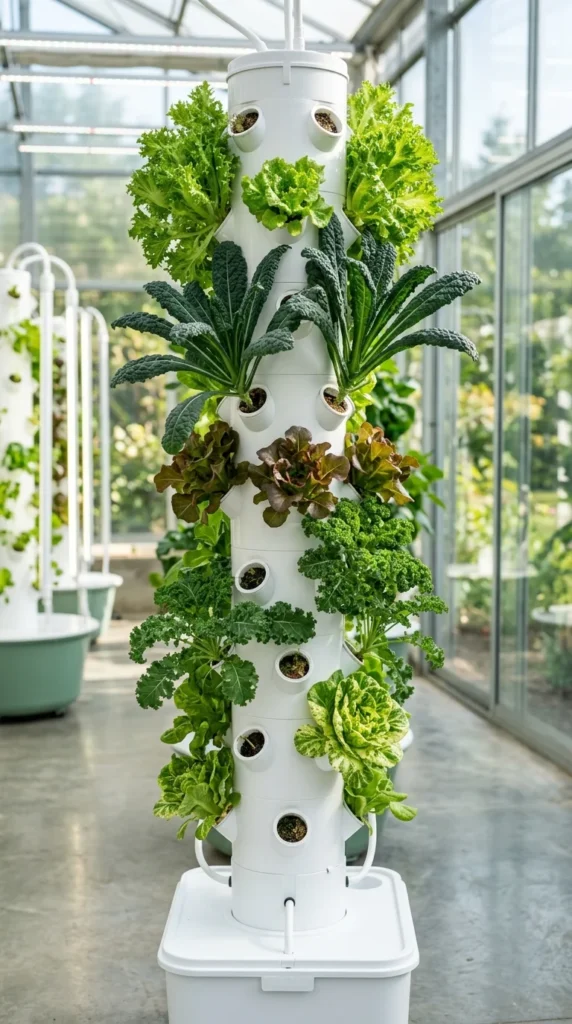
For the tech-savvy gardener, vertical hydroponic or aeroponic towers offer a soil-free way to grow food. These systems use nutrient-rich water circulated by a pump to feed plants held in small ports. While they require an initial investment, they can produce a much higher yield in a smaller footprint compared to traditional soil gardening, and they are remarkably clean for indoor use.
11. Ladder Gardens
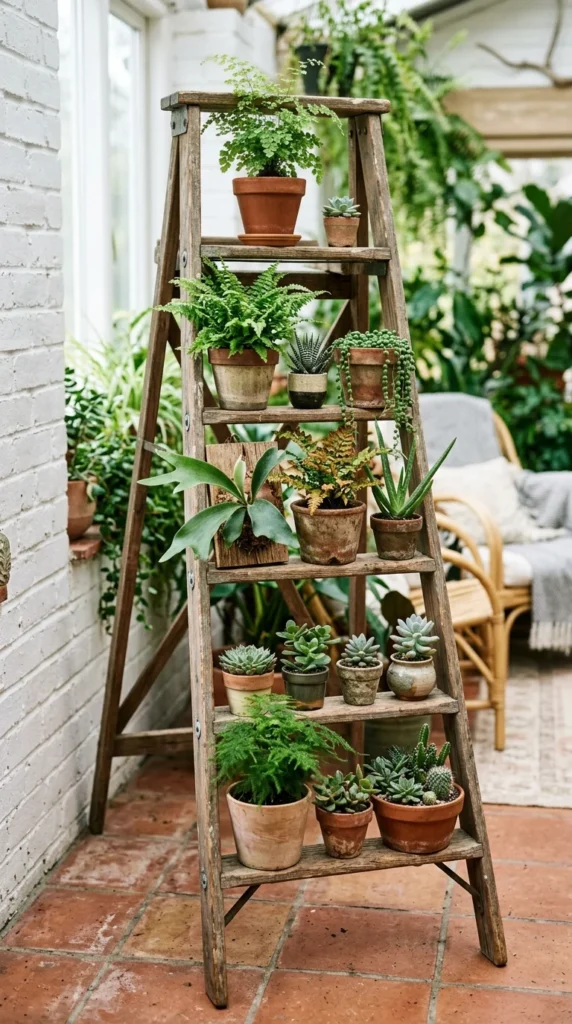
An old wooden or metal ladder can be instantly transformed into a multi-level plant stand. The steps provide different “altitudes” for your plants, allowing you to place sun-loving varieties at the top and shade-tolerant ones on the lower rungs. This is a highly portable option that adds a vintage, “shabby chic” vibe to any balcony or patio.
12. Living Walls
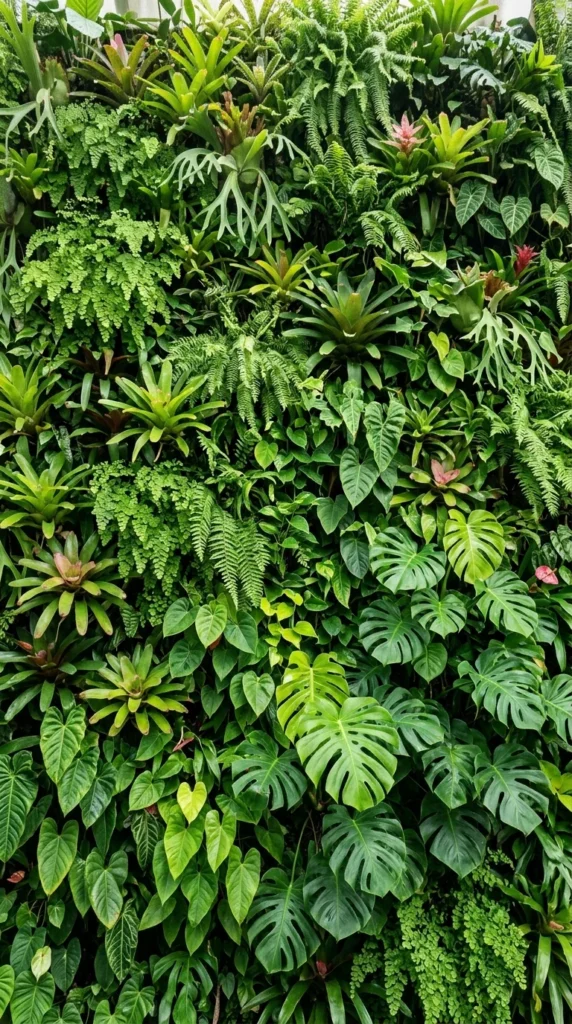
A true living wall (or green wall) uses a specialized modular system or a felt-based pocket system to cover an entire vertical surface with plants. This creates a powerful visual statement and acts as natural insulation for the building. While more complex to install and maintain—often requiring integrated irrigation—the result is a breathtaking, immersive jungle experience.
13. Birdcage Planters
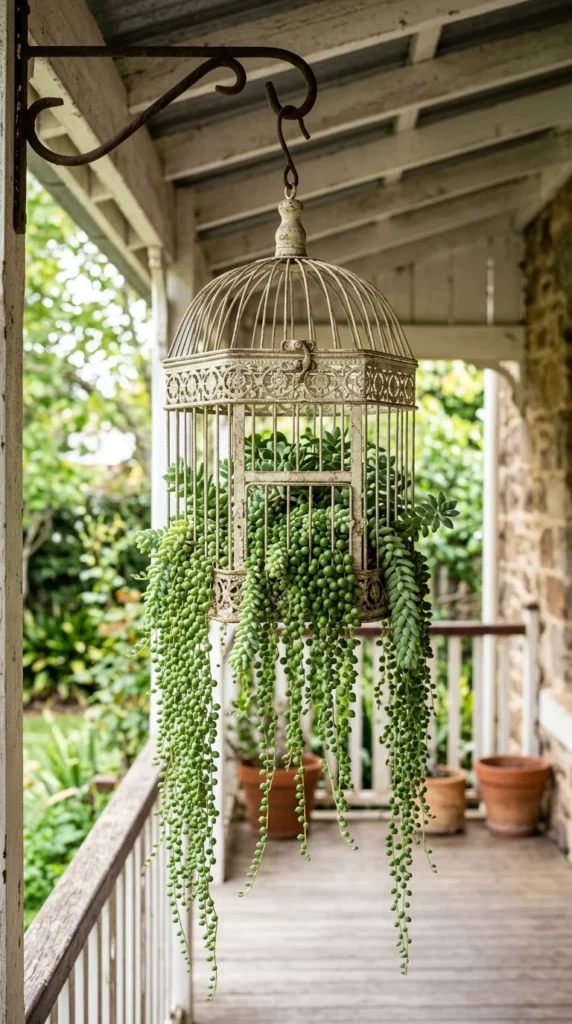
Repurposing vintage birdcages is a whimsical way to add vertical interest. By lining the bottom with coconut coir or moss, you can plant trailing varieties that will eventually grow through the bars, creating a living sculpture. This idea is perfect for adding a touch of Victorian or bohemian charm to a garden corner.
14. PVC Pipe Planters
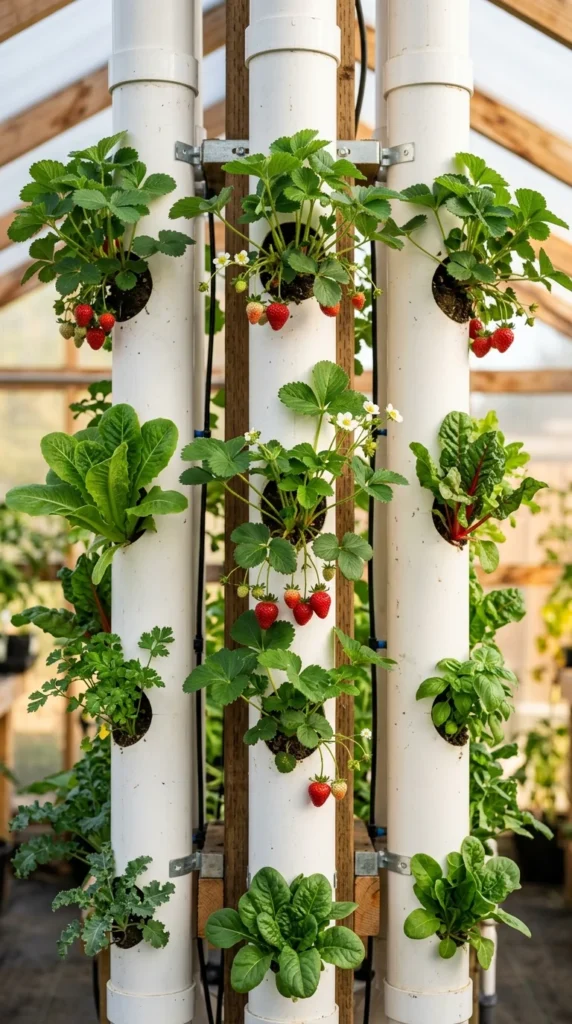
For a modern, industrial look, PVC pipes can be converted into highly efficient vertical planters. By cutting large holes into the sides and filling the pipe with soil (often with a smaller perforated pipe inside for even watering), you create a tall pillar of greenery. This method is exceptionally space-efficient and works well for strawberries and leafy greens.
15. Repurposed Shutters
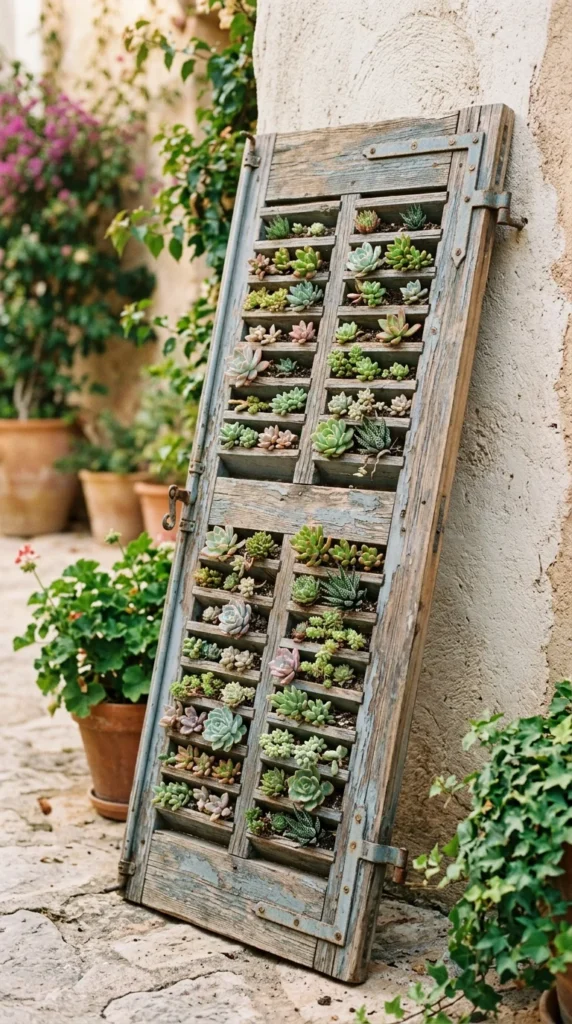
The angled slats of old window shutters are perfectly designed to hold small amounts of soil and shallow-rooted plants. Succulents are the ideal candidate for shutter gardens because they require little water and thrive in confined spaces. This project is a great way to recycle architectural salvage and add a textured, layered look to a bare wall.
16. Hanging Baskets
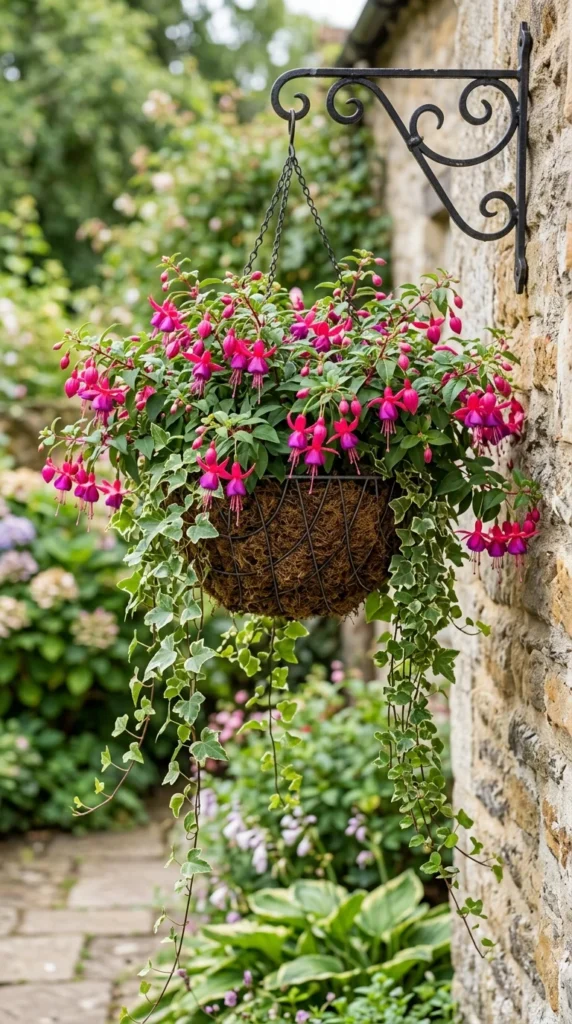
Hanging baskets are a foundational element of vertical gardening. They utilize the overhead space that is often ignored. By choosing “spiller” plants—those that naturally trail downward—you can create a ceiling of flowers. Modern hanging baskets also come with self-watering reservoirs, making them easier to maintain in hot, windy conditions.
17. Magnetic Tins
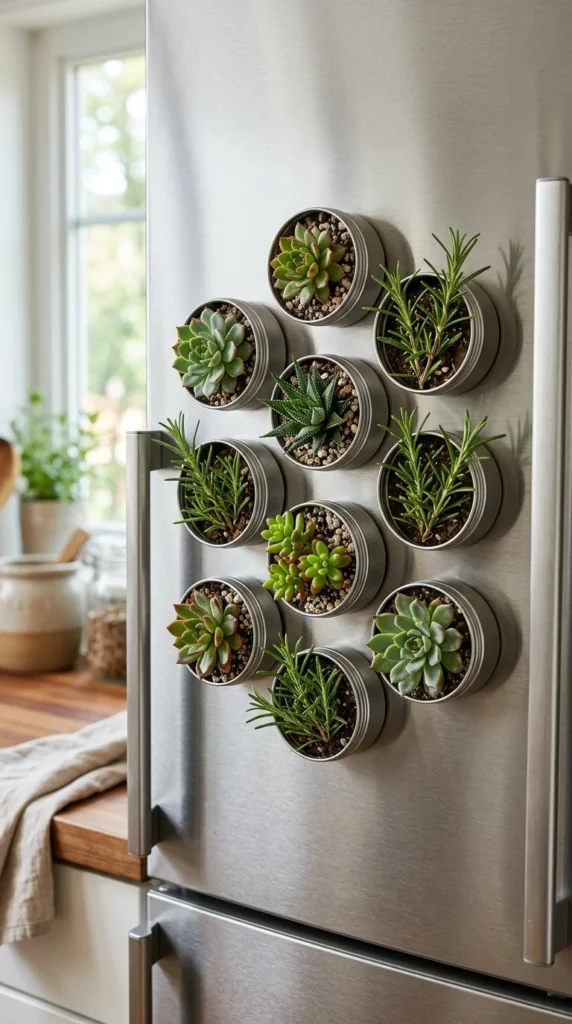
If you have a metal surface like a refrigerator or a steel door, magnetic tins can turn it into a garden. These are best suited for very small plants or air plants. They are perfect for urban apartments where every single surface is a potential site for a bit of nature. Ensure the magnets are strong enough to support the weight of the soil and water.
18. Felt Wall Bags
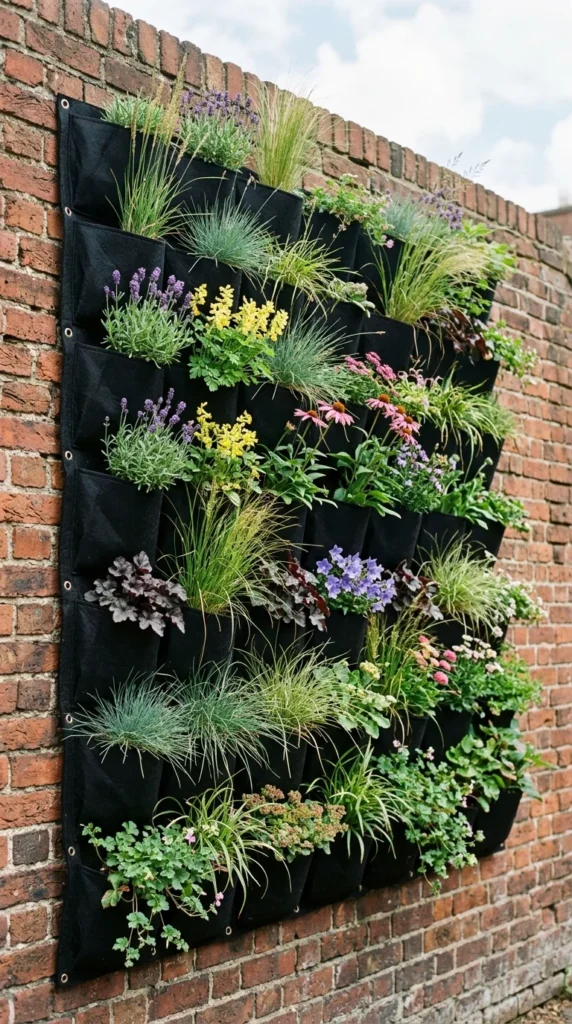
Felt wall bags are a modern take on the pocket organizer. Made from heavy-duty, breathable geotextile fabric, these bags allow for excellent aeration of the roots. This prevents the plants from becoming root-bound and helps with temperature regulation. They can be mounted in large arrays to cover entire walls with a modular, soft-textured garden.
19. Pyramid Planters
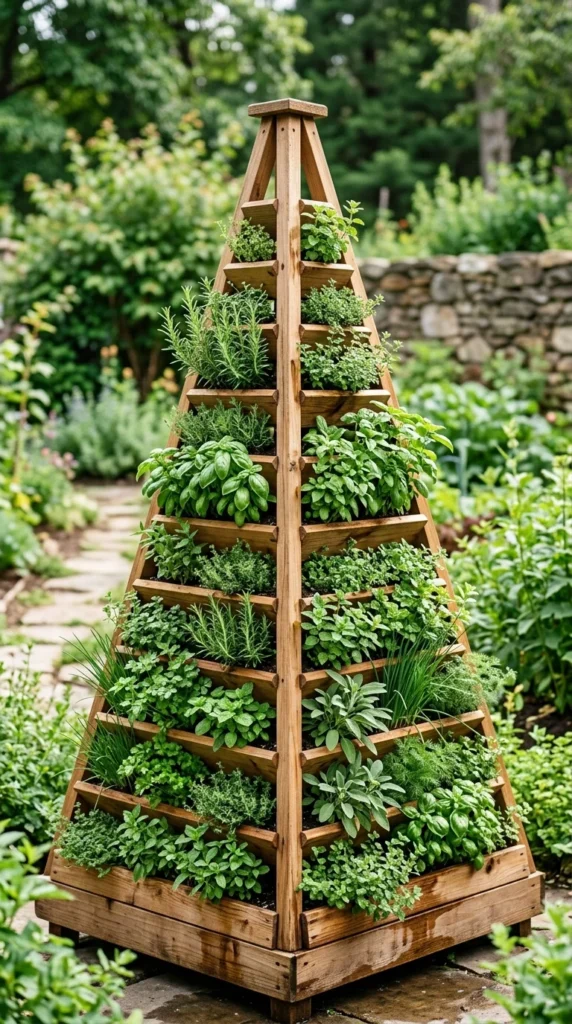
Pyramid planters provide a 360-degree gardening experience. Because they taper toward the top, they allow maximum light exposure for every level. They are particularly effective for strawberry patches or herb collections, providing a structured, architectural focal point for a small patio or backyard.
20. Pergola Greenery
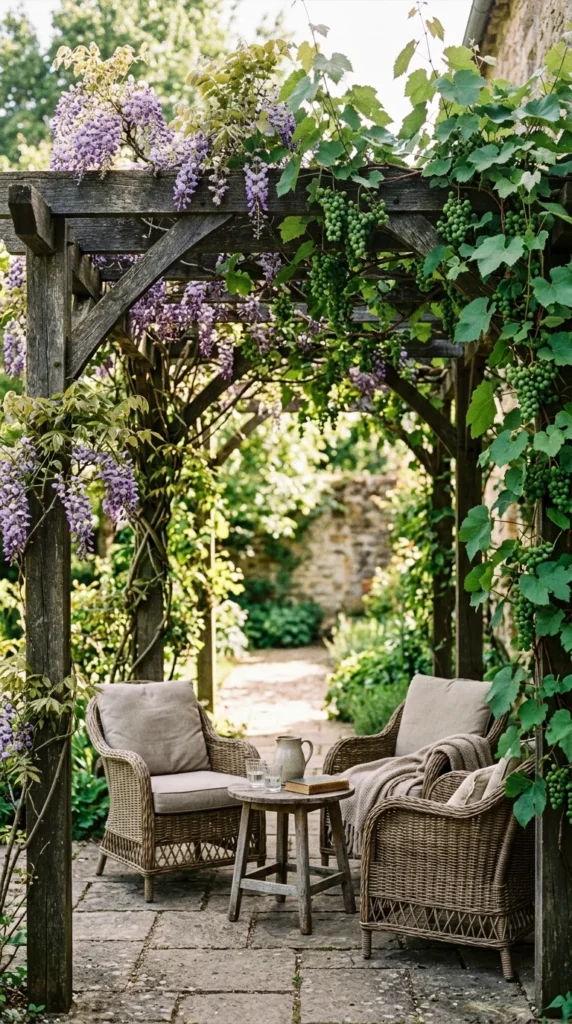
If you have a pergola or an arbor, you already have the bones of a vertical garden. By planting climbing vines at the base of the pillars, you can eventually create a living ceiling. This not only maximizes the vertical space but also provides natural shade and a sense of enclosure, turning a simple outdoor seating area into a secluded garden room.