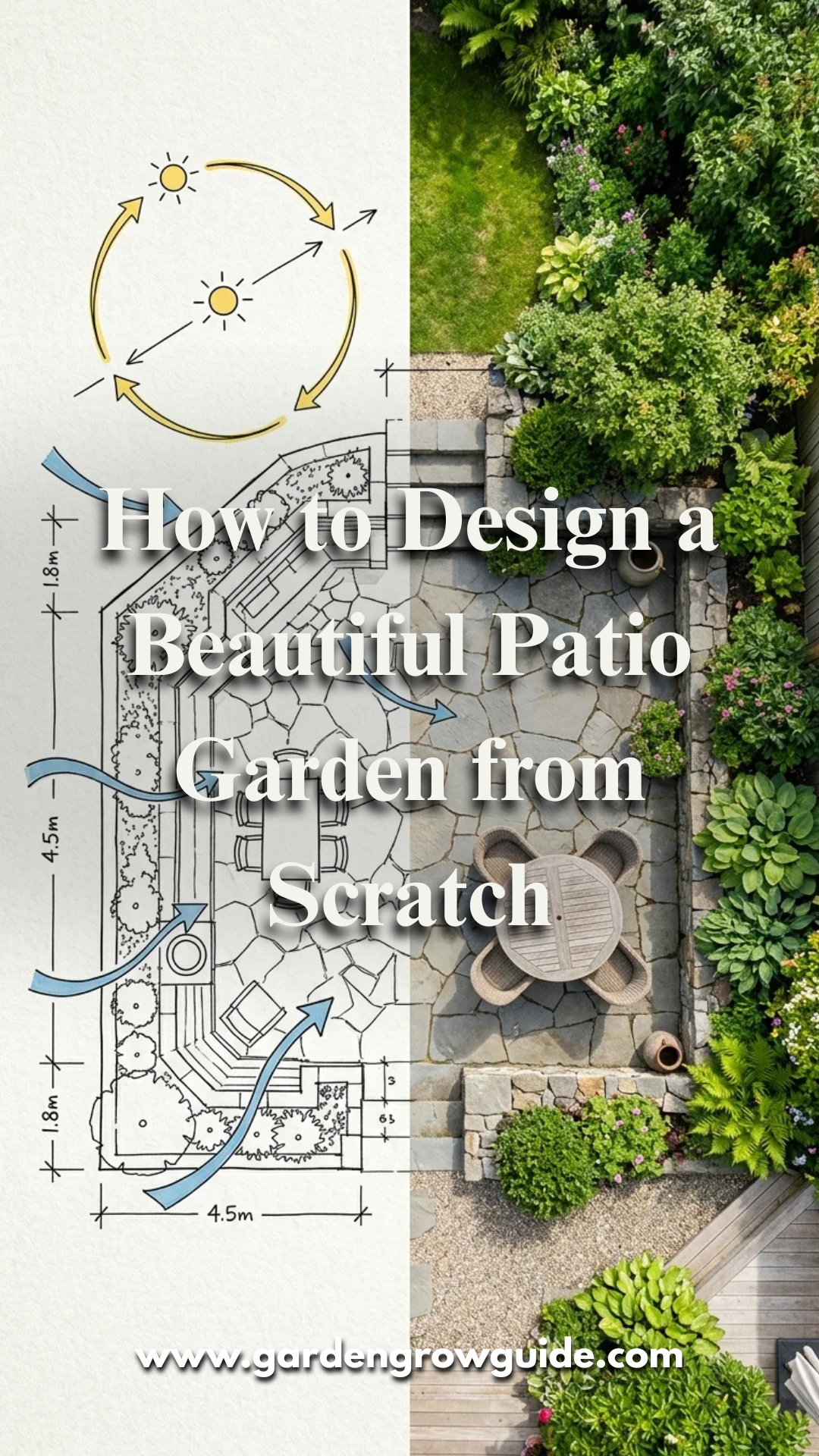
A patio garden is more than just an outdoor space; it is an extension of your home, a sanctuary for relaxation, and a canvas for your botanical creativity. Designing one from scratch allows you to tailor every square inch to your aesthetic preferences and functional needs. Whether you have a sprawling terrace or a compact balcony, the principles of design, plant selection, and hardscaping remain the same.
1. Site Assessment
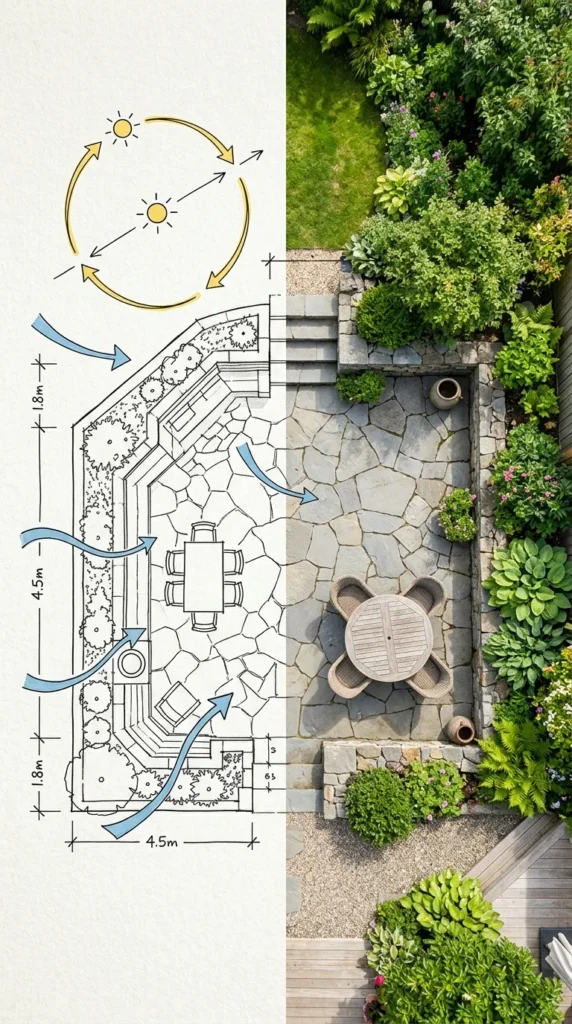
Before purchasing a single pot or plant, you must understand the environment of your patio. Observe the sun’s movement throughout the day. A “full sun” patio receives at least six hours of direct sunlight, while a “shaded” patio might only get dappled light or reflected heat from nearby walls.
Assess the prevailing winds, as high-rise balconies or open plains can subject plants to drying gusts. Finally, check for drainage. Water should always flow away from your home’s foundation. Use a leveling tool or observe where puddles form after rain to identify areas that may need grading or specialized drainage solutions.
2. Aesthetic Theme
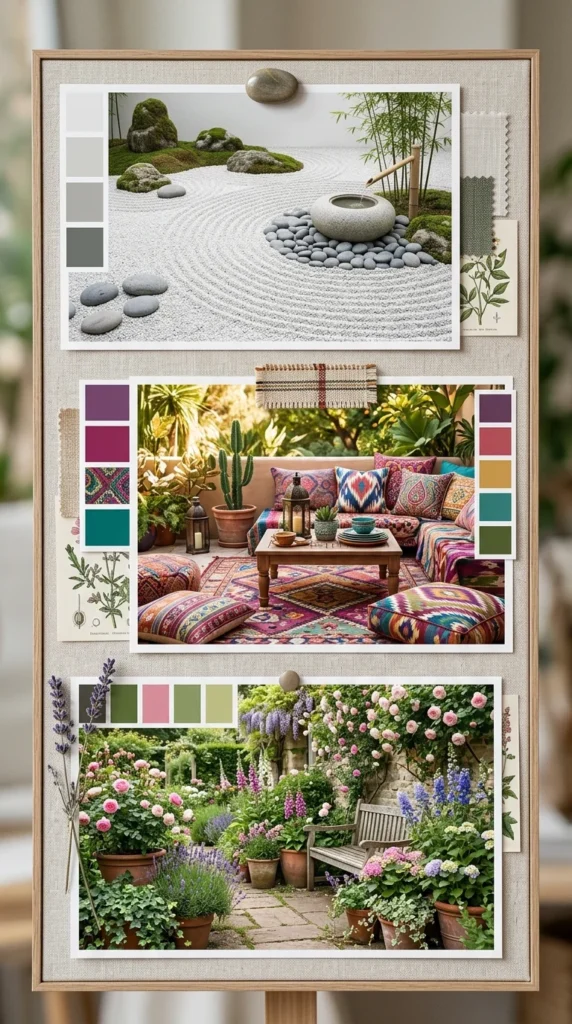
Defining a style early prevents your garden from looking cluttered or mismatched. Common themes include:
- Mediterranean: Characterized by terracotta pots, olive trees, lavender, and gravel mulch.
- Modern Minimalist: Features clean lines, monochromatic color palettes (blacks, whites, and greys), and structural plants like horsetail reed or architectural succulents.
- Tropical Oasis: Utilizes large-leafed plants like Monsteras, palms, and bird of paradise to create a lush, jungle-like enclosure.
- English Cottage: A romantic, “controlled chaos” look with climbing roses, hydrangeas, and a mix of vintage-style containers.
3. Hardscape Materials
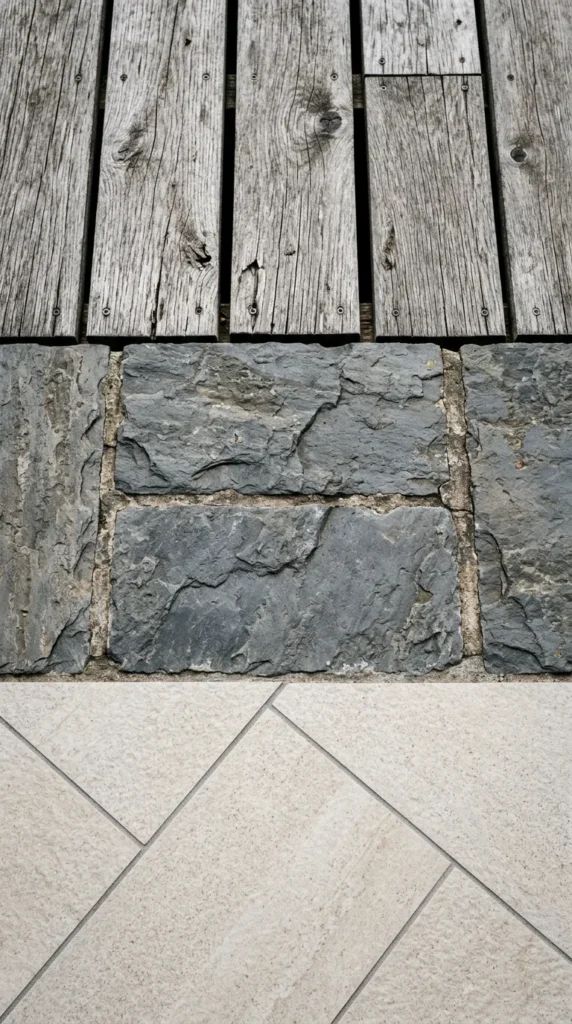
The flooring of your patio sets the foundation for the entire design. If you are starting with bare ground, consider natural stone for a timeless look or composite decking for low-maintenance durability.
If you are working with an existing concrete slab, you can revitalize it using outdoor rugs, interlocking deck tiles, or specialized masonry paint. Hardscaping also includes permanent structures like raised beds built from cedar or stone, which provide a clean border and can help define different “rooms” within the patio area.
4. Container Selection
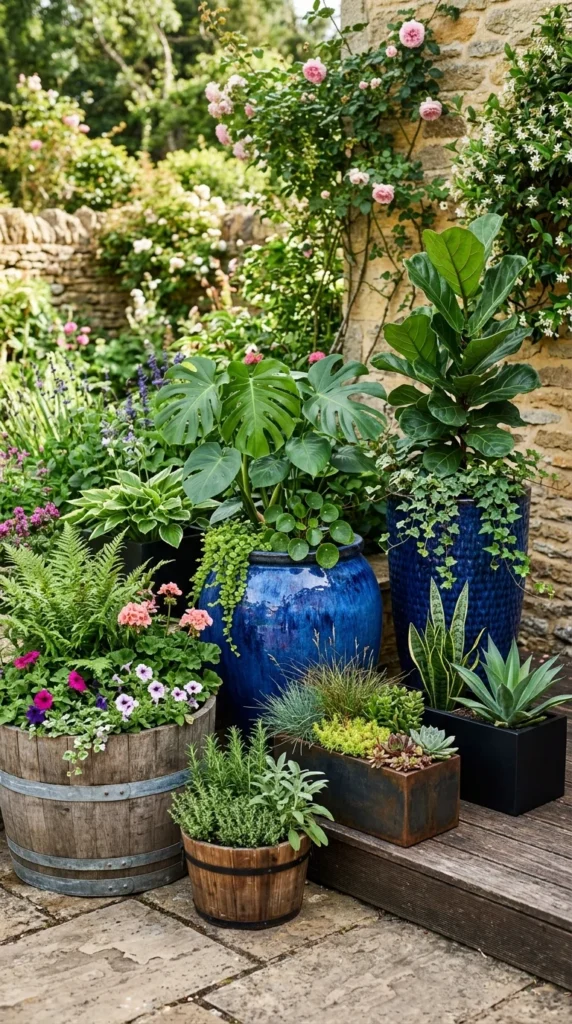
In a patio garden, containers are the primary vessels for life. Choosing the right container is as much about health as it is about style. Ensure every pot has adequate drainage holes to prevent root rot.
Select materials that suit your climate; for example, terracotta is breathable but can crack in freezing temperatures, while plastic retains moisture well but may degrade in intense UV light. For a cohesive look, stick to a limited color palette (e.g., all white or varying shades of blue) but vary the heights and shapes to create visual rhythm.
5. Plant Layers
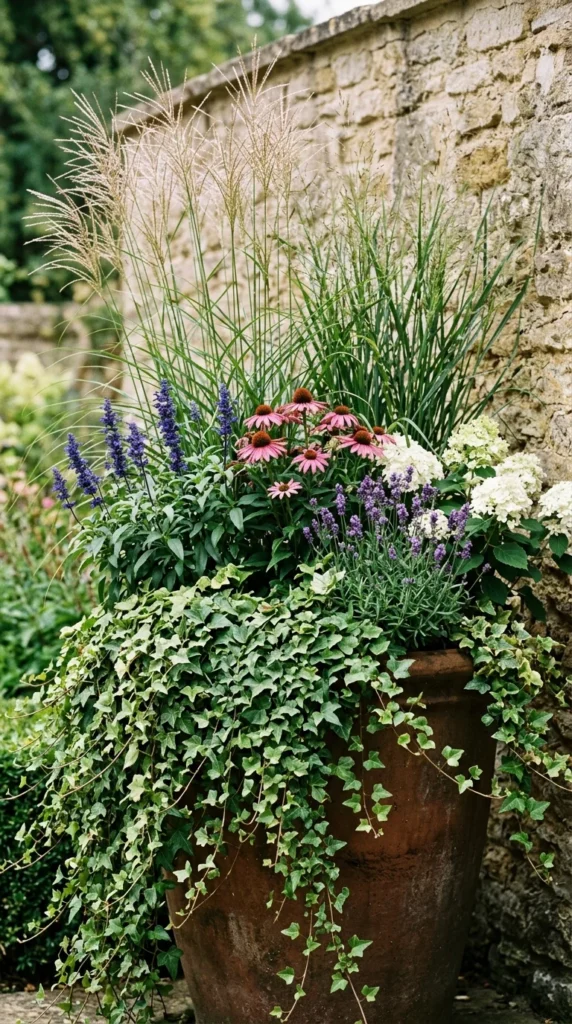
Effective garden design relies on “layering” to create depth. Start with “thrillers”—tall, eye-catching plants like dwarf citrus trees or upright ornamental grasses. Surround these with “fillers”—mounded plants like geraniums or ferns that add bulk and texture.
Finally, add “spillers”—trailing plants like creeping Jenny or sweet potato vine that hang over the edges of containers. This three-tiered approach ensures that your garden looks full and professionally designed from every angle.
6. Vertical Interest
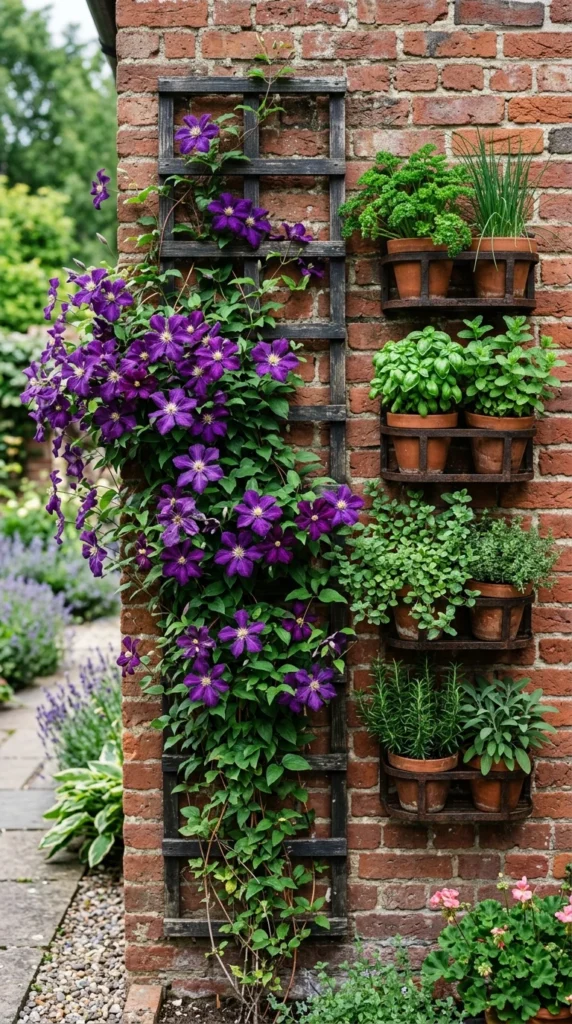
When floor space is limited, look up. Vertical gardening utilizes walls, fences, and railings to expand your growing area. You can install trellises for climbing vines like star jasmine or honeysuckle, which also provide a natural privacy screen and a wonderful fragrance.
Wall-mounted pockets or shelving units can house a kitchen herb garden, keeping cilantro, mint, and basil within arm’s reach of the grill. Vertical elements also help to soften harsh boundary lines and make a small patio feel like an enclosed outdoor room.
7. Water Features
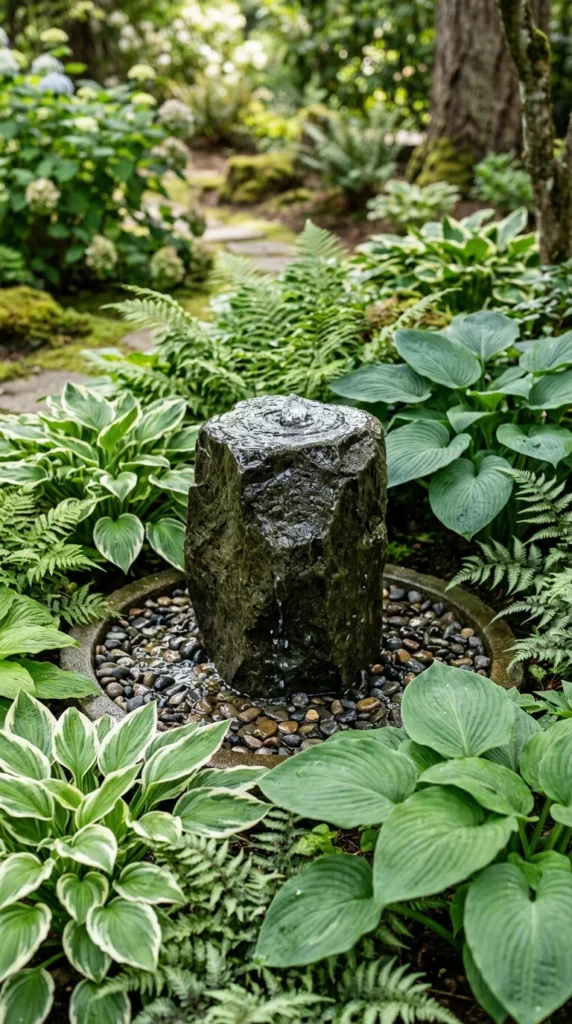
The sound of moving water can mask neighborhood noise and provide a cooling effect during hot summer days. You don’t need a massive pond; a simple plug-and-play fountain or a “pond-in-a-pot” with aquatic plants like water lilies can transform the atmosphere.
Water features also attract local wildlife, such as birds and dragonflies, adding an extra layer of life to your garden. Ensure the feature is placed near an electrical outlet or choose a solar-powered pump for easier installation.
8. Furniture Layout
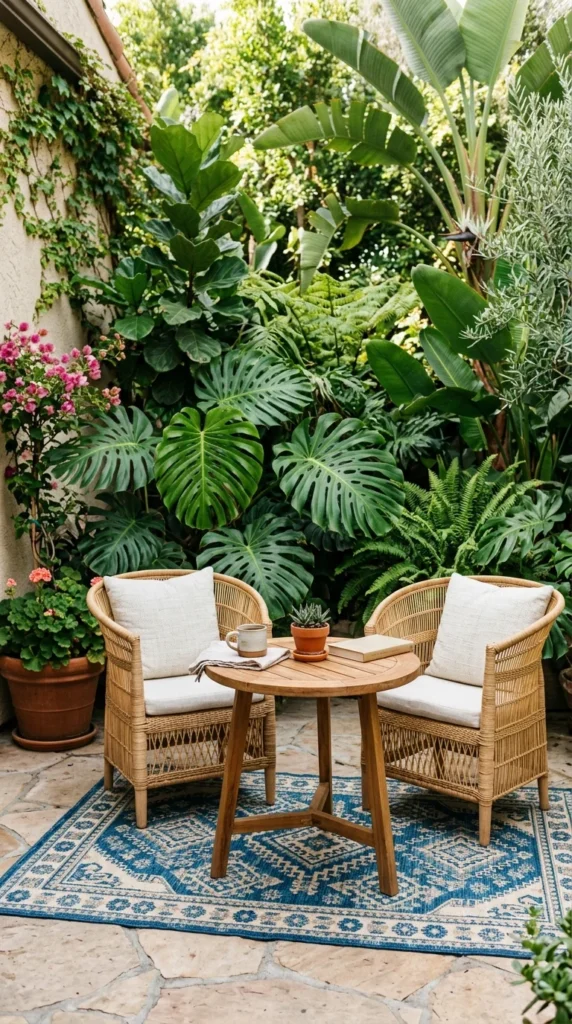
Furniture should be scaled to the size of your patio. For small spaces, bistro sets or folding chairs are ideal. For larger areas, consider “L-shaped” outdoor sofas that hug the corners, leaving the center open for movement.
When arranging furniture, think about the “flow” of traffic. There should be clear paths to walk through without bumping into pots. Place seating where the view of the garden is best, and consider adding a fire pit or a coffee table as a central focal point to anchor the space.
9. Ambient Lighting
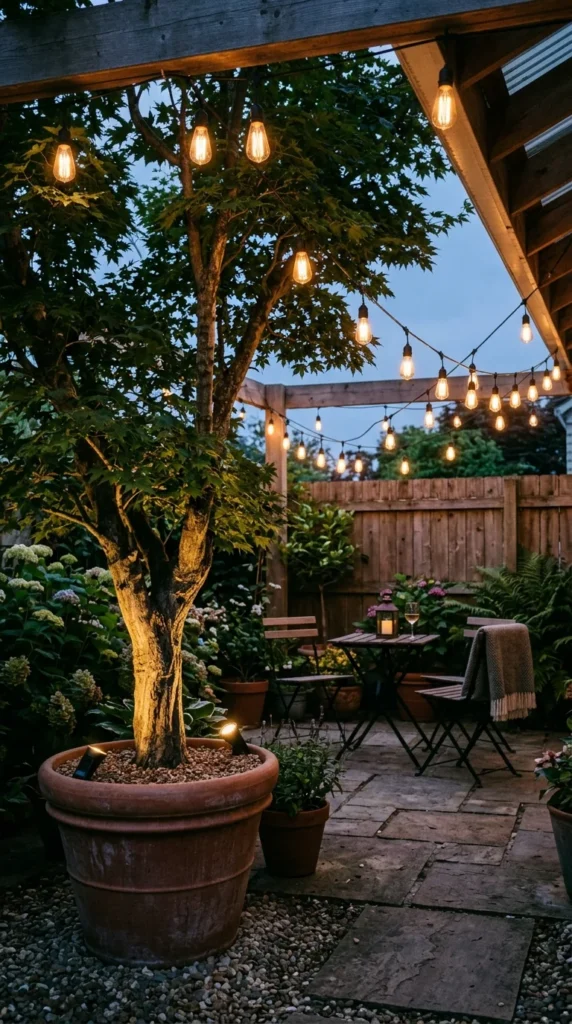
Lighting extends the usability of your patio into the evening hours. Avoid harsh overhead floodlights. Instead, use a “layered” lighting approach. String lights (bistro lights) provide a soft, festive glow overhead.
Path lights or “uplights” placed inside large planters can highlight the structure of your plants and create dramatic shadows against walls. For a cozy touch, use lanterns with LED candles or solar-powered tea lights on tables to create an intimate, inviting environment.
10. Seasonal Maintenance
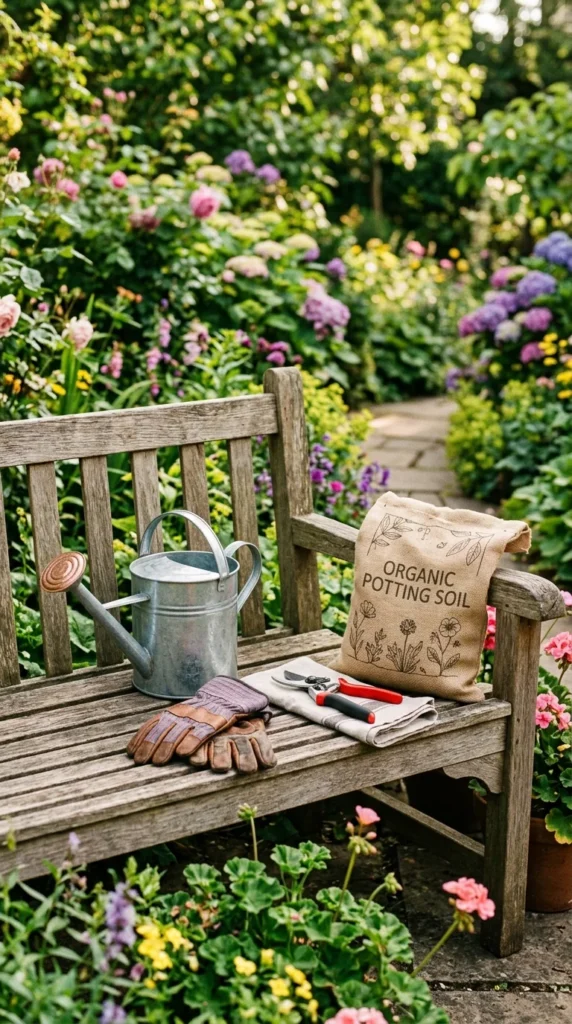
A beautiful patio garden requires ongoing care to thrive. Establish a watering routine; container plants dry out much faster than those in the ground, especially in summer. Fertilize your plants every few weeks during the growing season, as nutrients leach out of pots quickly with frequent watering.
Prune deadheads (spent flowers) to encourage new blooms and trim back leggy growth to keep plants bushy. In the winter, move frost-sensitive plants indoors or wrap pots in burlap to protect the roots from freezing, ensuring your garden returns with vigor the following spring.