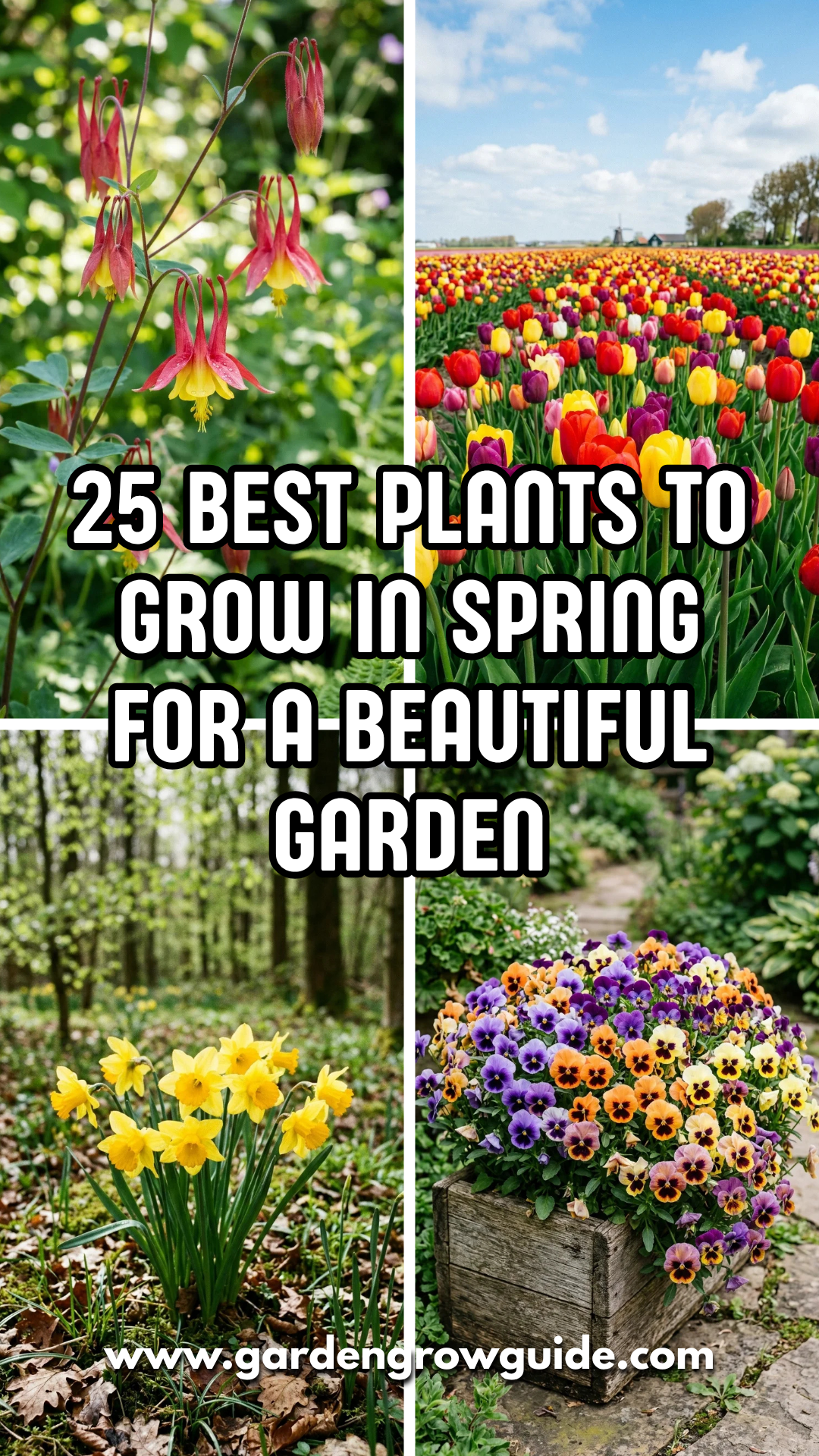
Spring is the season of rebirth, a time when the dormant earth rouses from its winter slumber to showcase a spectacular display of color and vitality. For gardeners, this is the most critical window of the year. As the soil warms and the threat of frost diminishes, the opportunity to cultivate a breathtaking landscape begins. Choosing the right plants is essential to ensure a continuous bloom from the first thaw through the early heat of summer.
Whether you are looking for fragrant perennials, hardy cool-season annuals, or vibrant flowering shrubs, this comprehensive guide covers the 25 best plants to grow in spring to transform your outdoor space into a floral sanctuary.
1. Tulips
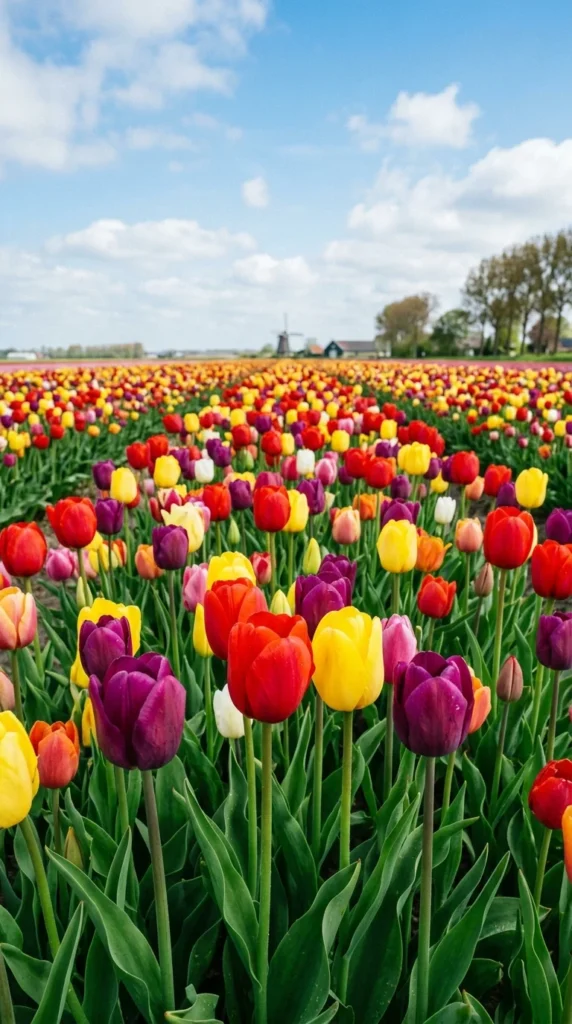
Tulips are the undisputed icons of the spring garden. Available in nearly every color of the rainbow, these bulbs offer incredible diversity in shape and size. From the classic single-petal varieties to the dramatic parrot and peony-style tulips, they provide a structured elegance. For the best results, ensure they are planted in well-draining soil. While many treat them as annuals, certain Darwin Hybrid varieties are known to return year after year if provided with the right nutrients and a chilling period during winter.
2. Daffodils
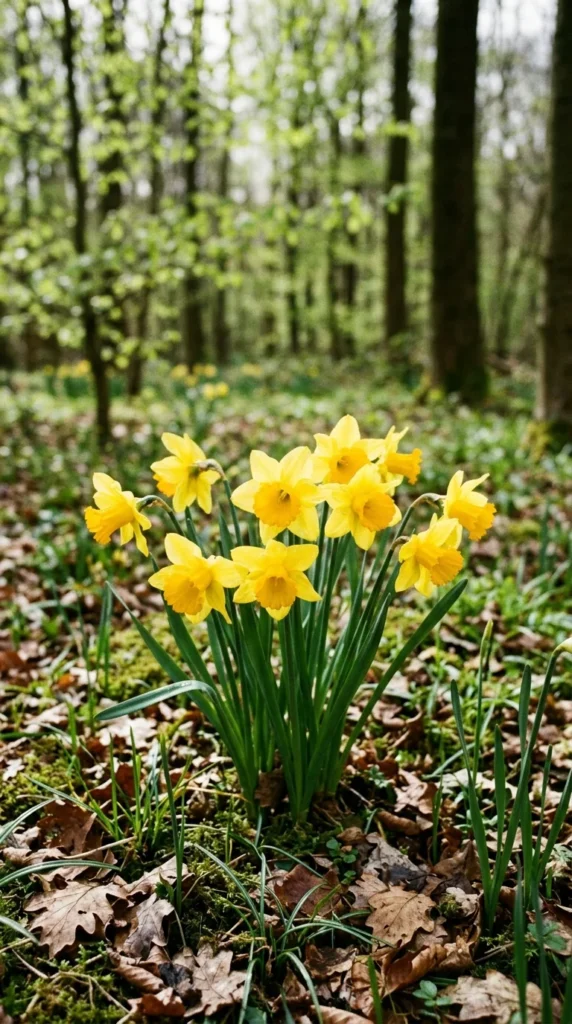
Daffodils, or Narcissus, are the ultimate “plant it and forget it” spring flower. These hardy perennials are exceptionally resilient, often pushing through the soil while snow is still on the ground. One of their greatest advantages is that they are deer and rabbit resistant due to the alkaloids they contain. They naturalize beautifully, meaning they will multiply and spread over time, creating a golden carpet in your garden with minimal effort.
3. Hyacinths
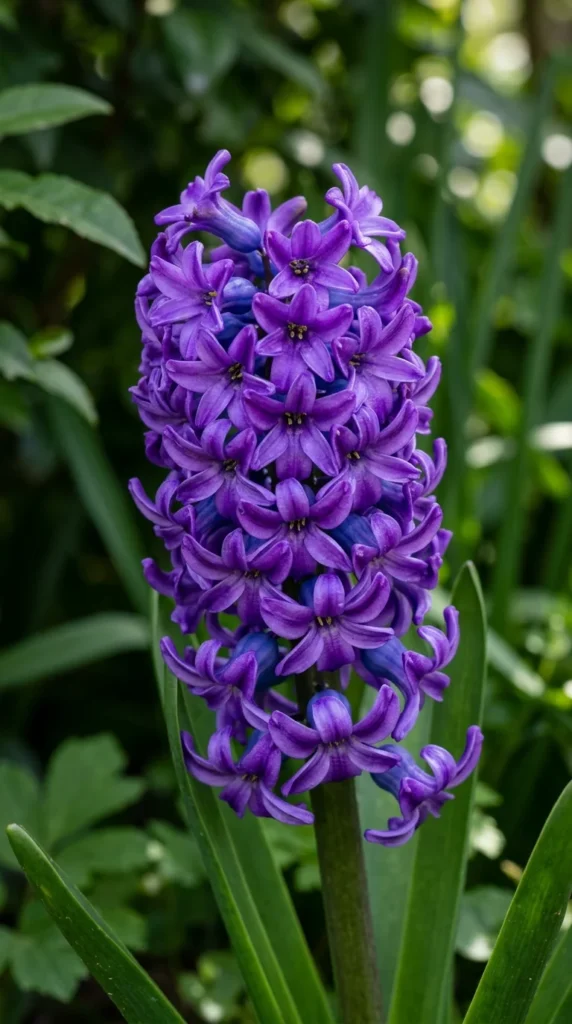
If you want your garden to smell as good as it looks, hyacinths are a non-negotiable addition. These spikes of tightly clustered, bell-shaped flowers emit a powerful, sweet perfume that can fill an entire backyard. They come in shades of blue, pink, white, and deep purple. Because of their heavy flower heads, they are best planted in groups where they can support one another, or near walkways where their fragrance can be fully appreciated.
4. Pansies
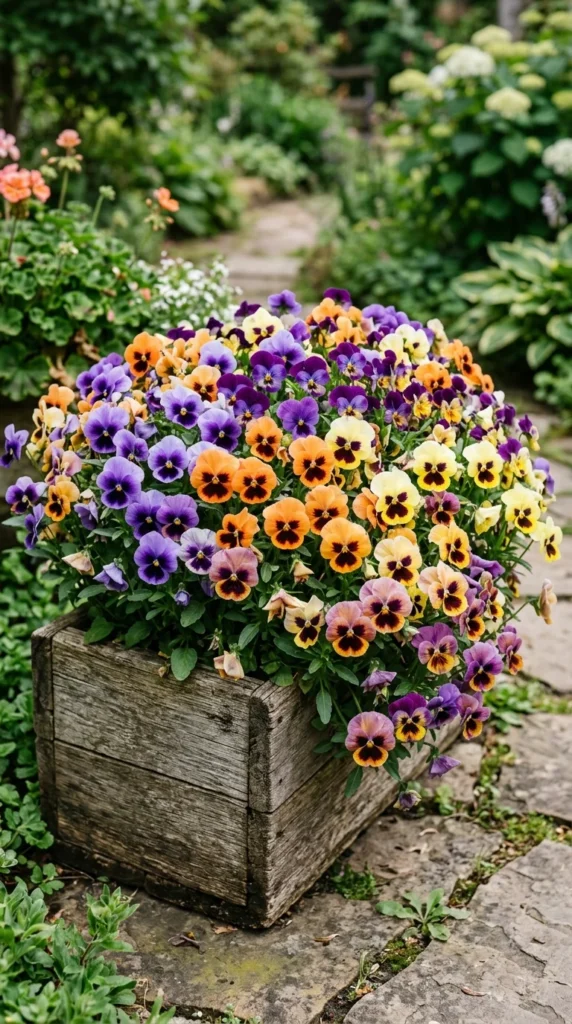
Pansies are the workhorses of the early spring garden. These “faces” of the garden thrive in the cool temperatures that cause other plants to wilt. They can even survive a light frost, making them perfect for early-season containers and borders. With a wide array of bi-colors and patterns, pansies provide instant gratification and a cheerful aesthetic during the transition from winter to spring.
5. Bleeding Hearts
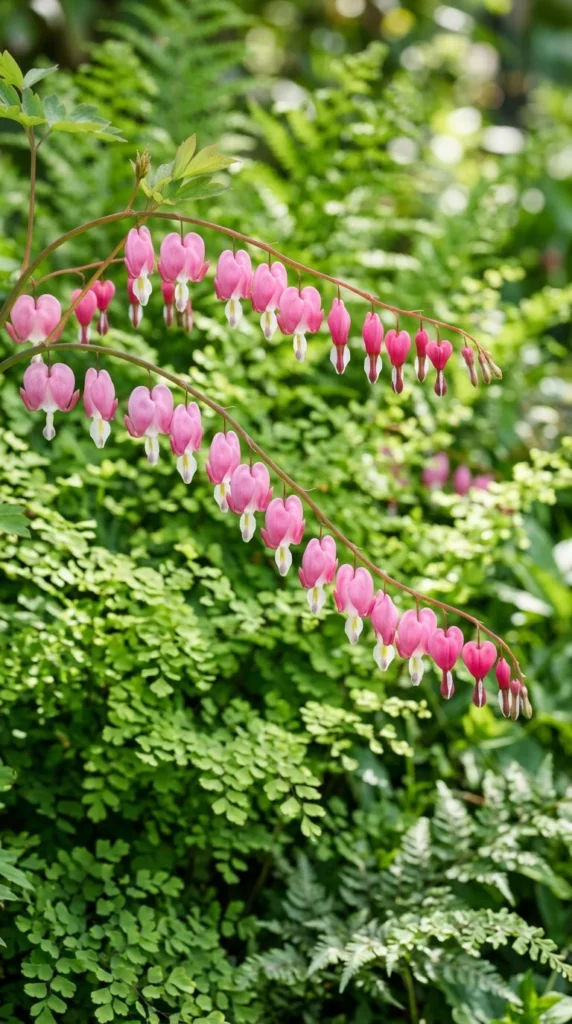
Bleeding Hearts (Lamprocapnos spectabilis) are the jewels of the shade garden. Their unique, heart-shaped flowers dangle from arching stems like delicate pendants. They thrive in moist, cool, and shaded areas, making them perfect for under-planting beneath large trees. Note that these plants often go dormant in the heat of summer, so pair them with hostas or ferns that will fill the gap once the Bleeding Hearts fade.
6. Peonies
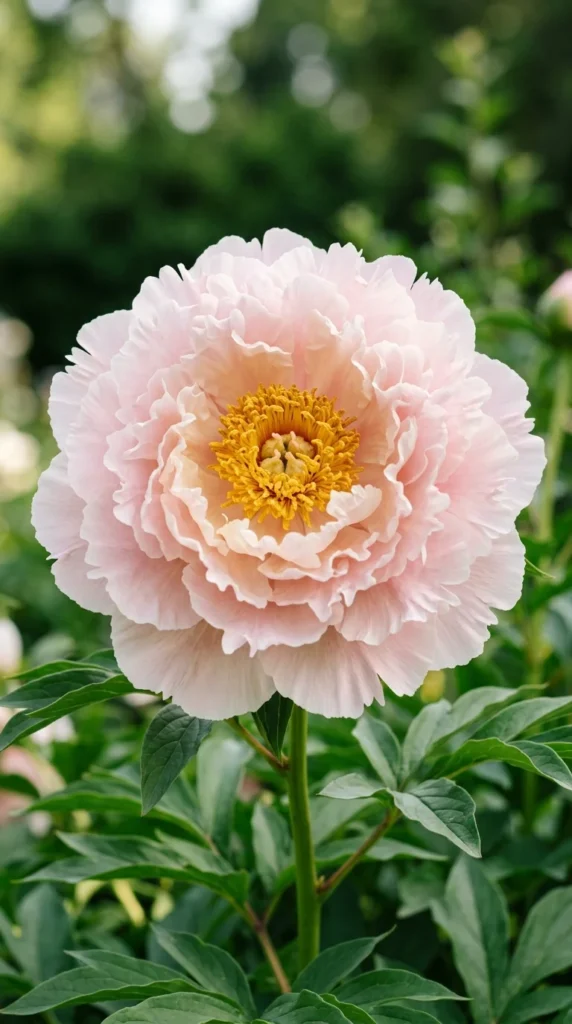
Peonies are prized for their massive, fragrant blooms and lush foliage. While they only bloom for a few weeks in late spring to early summer, the spectacle is unmatched. They are incredibly long-lived—some plants have been known to thrive for over 50 years. Peonies require full sun and a bit of support (like a peony cage) to prevent their heavy heads from drooping toward the ground after a spring rain.
7. Primrose
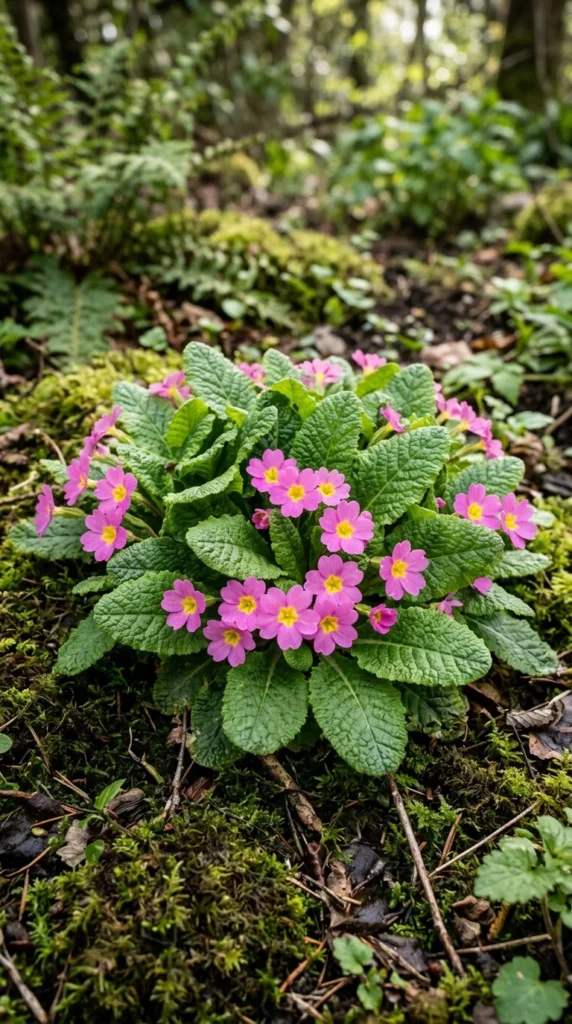
Primroses are among the first perennials to bloom in the spring. They prefer damp, shaded spots and offer a woodland charm that is hard to replicate. Available in a staggering array of colors, from muted pastels to neon bolds, they are excellent for rock gardens or as edge-of-pathway features. They are low-growing, making them a perfect foreground plant for taller spring bulbs.
8. Lilacs
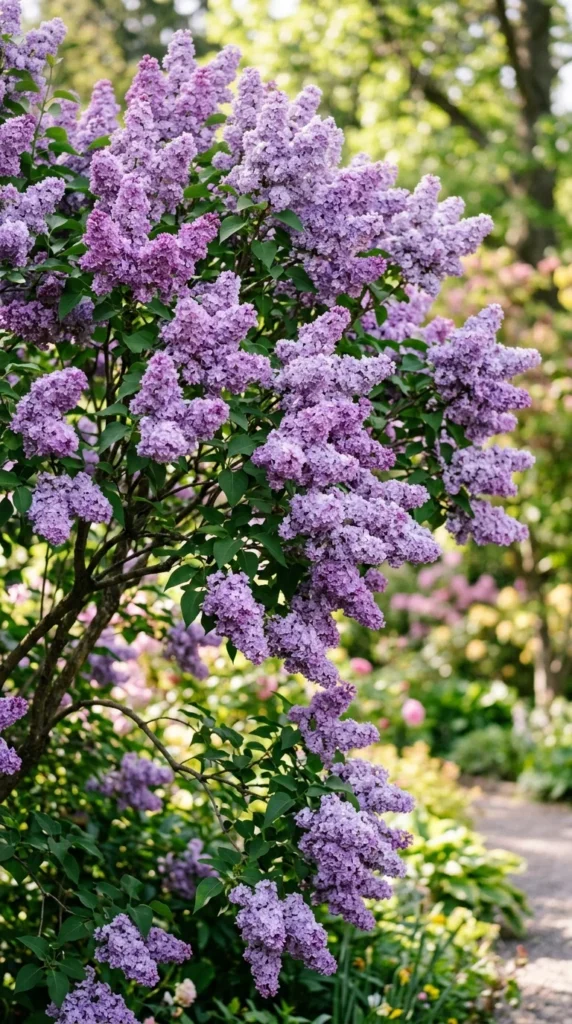
The scent of lilacs is synonymous with the height of spring. These deciduous shrubs produce large panicles of tiny, fragrant flowers that attract butterflies and bees. Lilacs require a sunny spot with good air circulation to prevent powdery mildew. They are excellent as privacy screens or focal points, and their woody stems make them a favorite for cut flower arrangements.
9. Forsythia
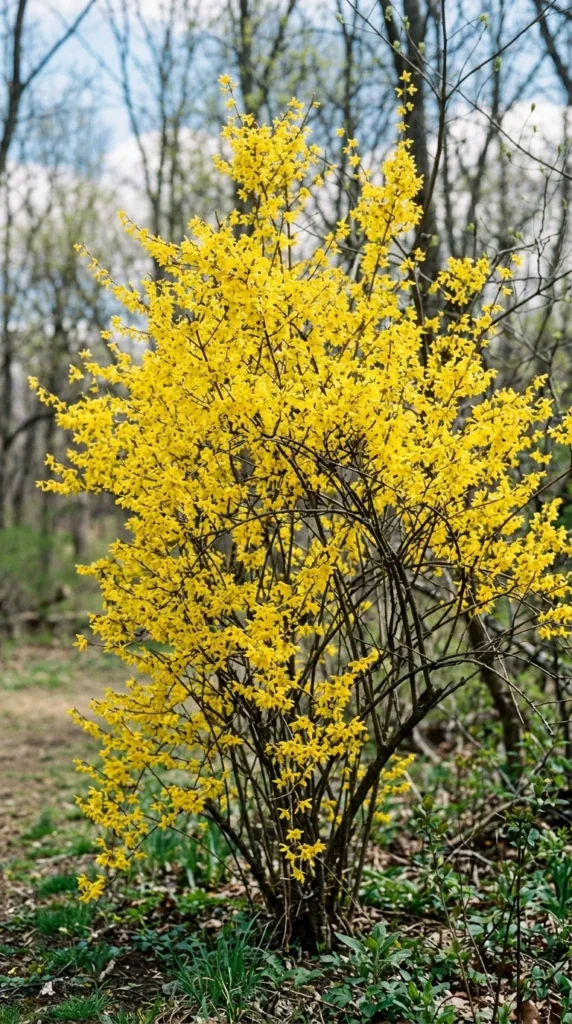
Forsythia is the “gold standard” of early spring. It is one of the first plants to bloom, often appearing before any leaves have emerged on the trees. The vibrant yellow bell-shaped flowers signify the true end of winter. These shrubs are fast-growing and very hardy, thriving in most soil types as long as they get plenty of sunshine.
10. Crocus
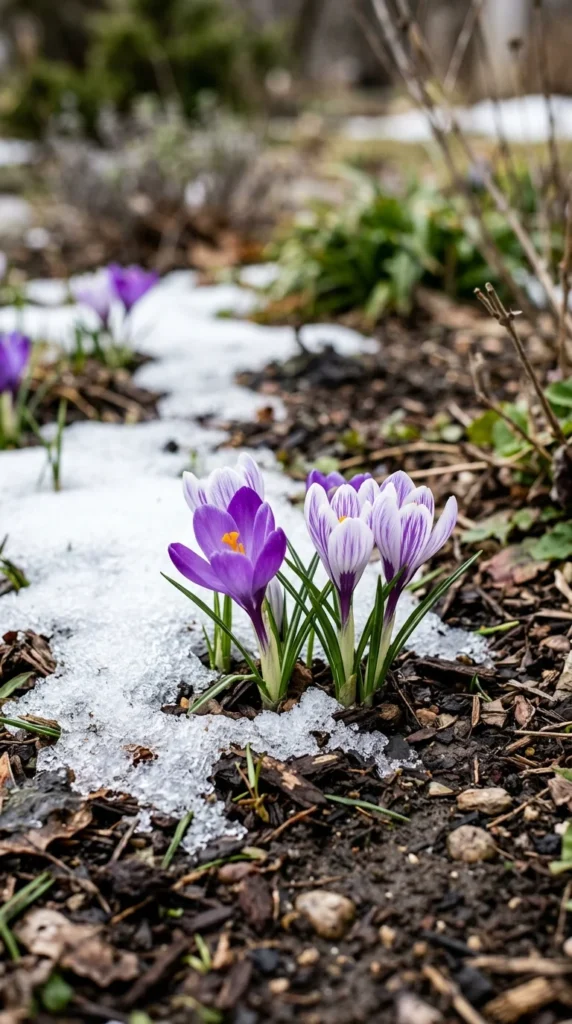
Crocuses are the brave heralds of spring. Often blooming while there is still snow on the ground, these low-growing bulbs provide a critical early food source for bees waking up from hibernation. They are best planted in “drifts”—large, natural-looking clumps—across lawns or under deciduous trees.
11. Hellebores
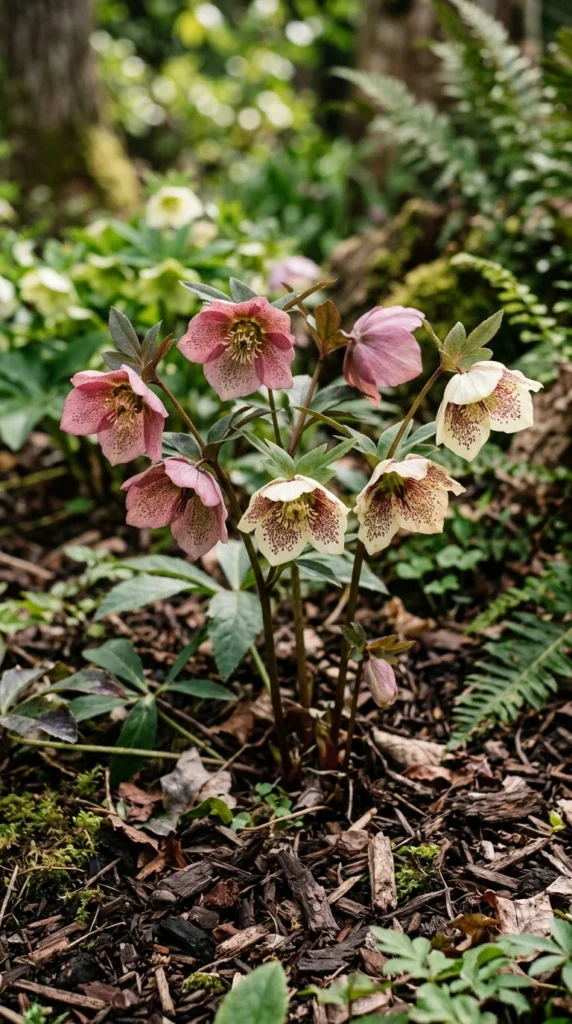
Commonly known as Lenten Roses, Hellebores are remarkably tough. Their leathery, evergreen leaves remain attractive year-round, and their nodding flowers appear in late winter or early spring. They are perfect for dry shade and are largely ignored by deer, making them a staple for woodland gardens.
12. Snapdragons
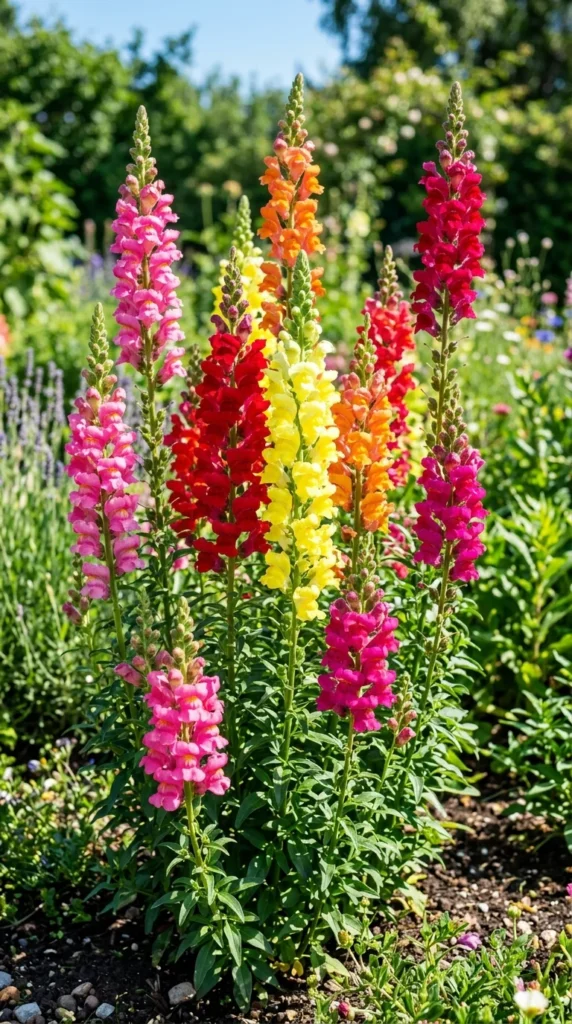
Snapdragons add much-needed vertical interest to the spring garden. These cool-weather lovers come in dwarf, medium, and tall varieties. Children love them for their “dragon mouth” flowers that can be pinched to “snap.” They are prolific bloomers and will continue to produce flowers until the peak heat of summer arrives.
13. Azaleas
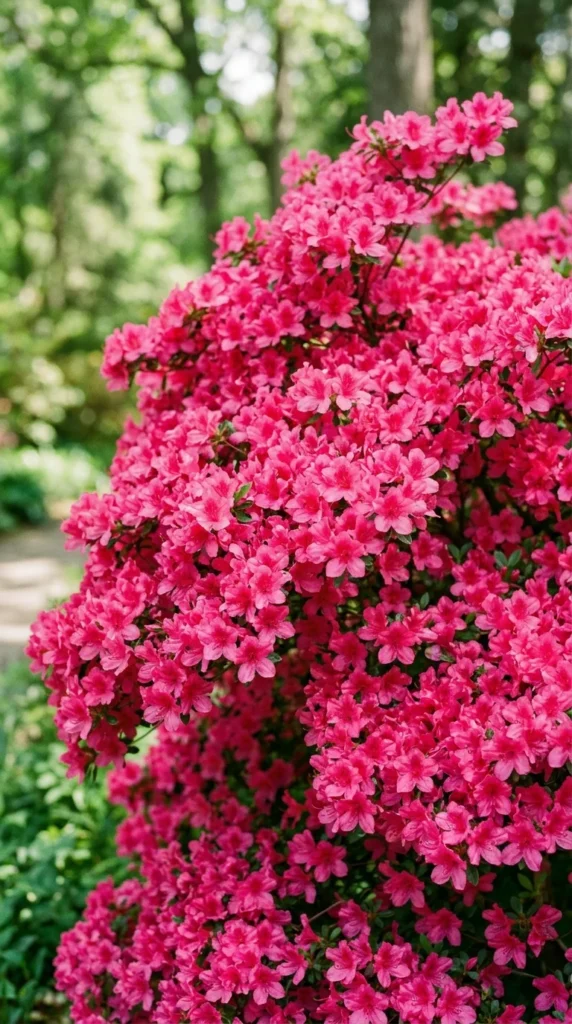
Azaleas are the royalty of the spring shrub world. When in full bloom, the foliage is often completely hidden by a mass of trumpet-shaped flowers. They prefer acidic soil and dappled sunlight. Azaleas are perfect for creating a “layering” effect in the garden, providing a mid-level height between ground covers and tall trees.
14. Sweet Peas
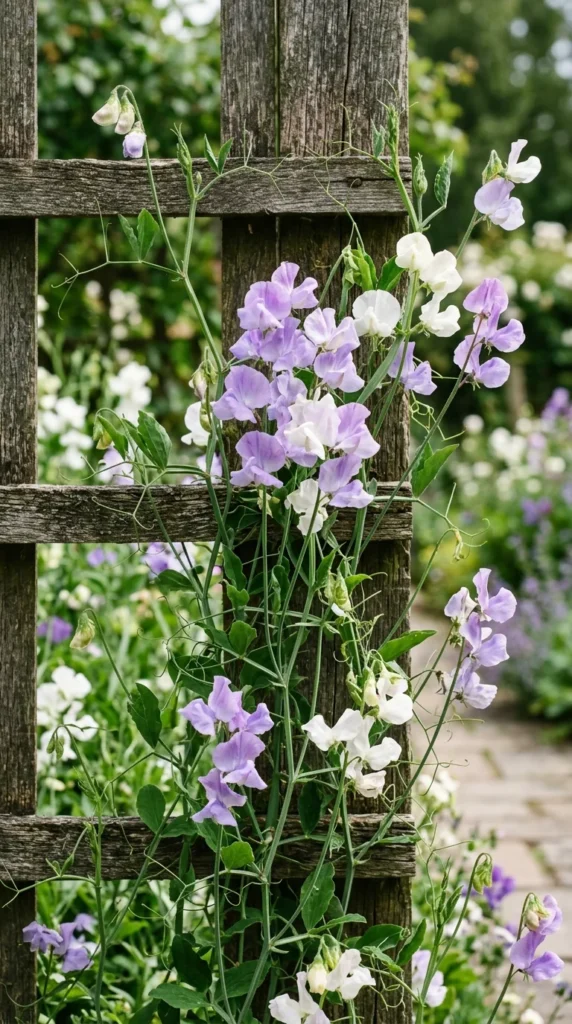
Sweet peas are the quintessential cottage garden flower. These climbing annuals produce delicate, ruffled blooms with a scent that is often described as a mix of honey and orange blossom. They prefer the cool, damp air of spring and will stop blooming once the weather gets too hot, so get them in the ground as early as possible.
15. Creeping Phlox
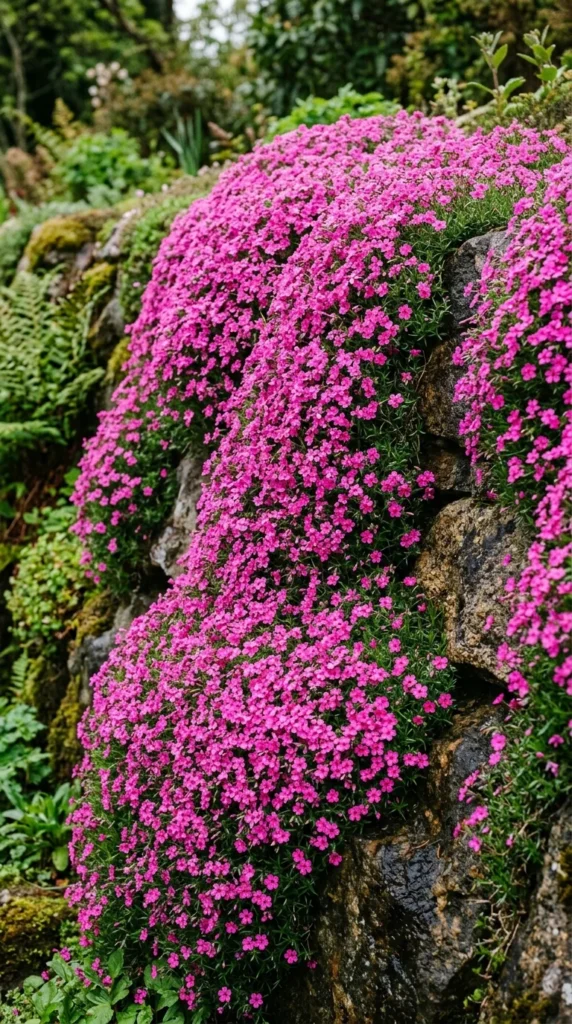
For a “waterfall” of color, creeping phlox is the best choice. This low-growing ground cover spreads rapidly, draping over stone walls or filling in gaps in rock gardens. In the spring, the foliage is entirely covered in small, star-shaped flowers that create a vibrant carpet of color.
16. Iris
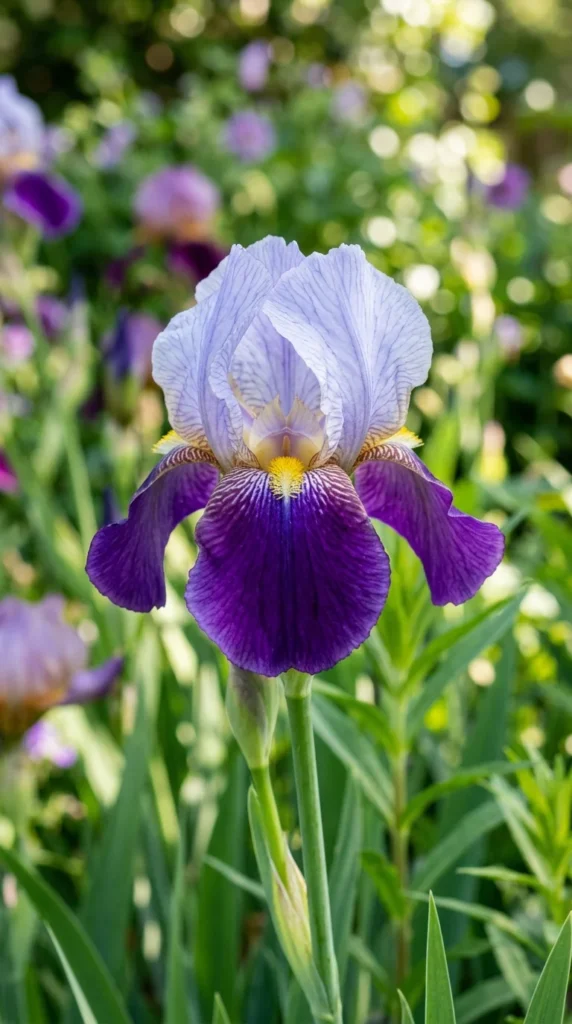
Irises bring a touch of architectural sophistication to the garden. Whether you choose the tall, regal Bearded Iris or the moisture-loving Siberian Iris, their unique flower structure and sword-like foliage add texture and height. They are extremely hardy and come in a breathtaking array of color combinations.
17. Foxgloves
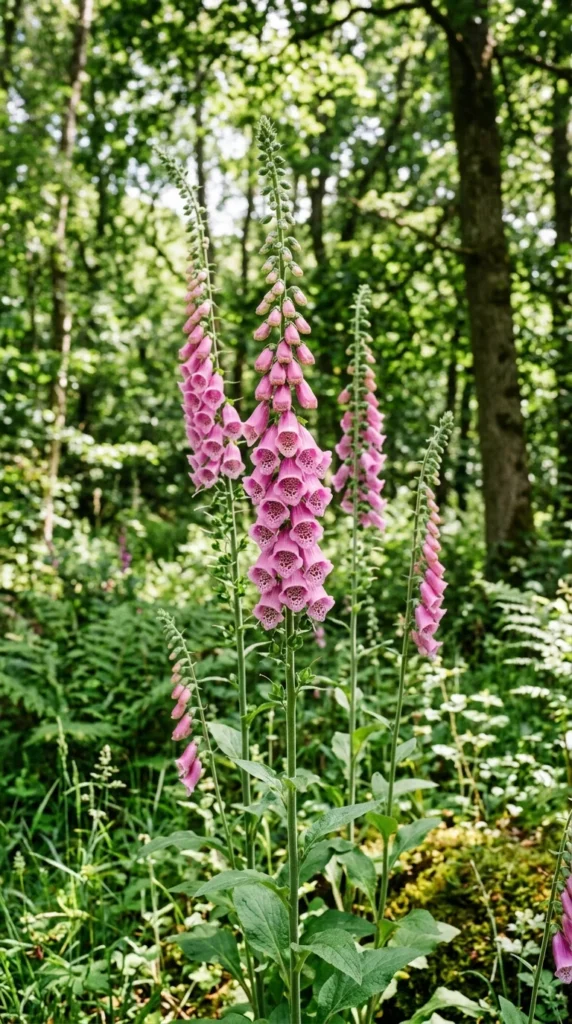
Foxgloves (Digitalis) offer dramatic height, with flower spikes reaching up to five feet. These biennials or short-lived perennials are famous for their tubular blossoms that bees love to climb inside. They are perfect for the back of a border and thrive in part-shade environments.
18. Alliums
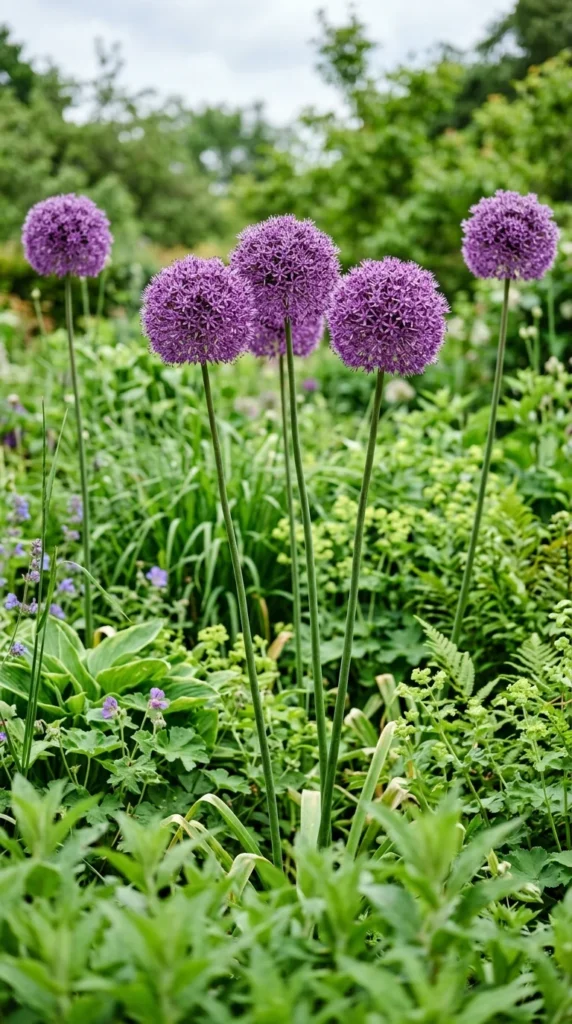
Alliums, also known as ornamental onions, add a whimsical, modern touch to the spring landscape. Their perfectly spherical flower heads look like something out of a fairy tale. Because they are part of the onion family, they are naturally resistant to deer and rodents. They bloom in late spring, bridging the gap between spring bulbs and summer perennials.
19. Hydrangeas
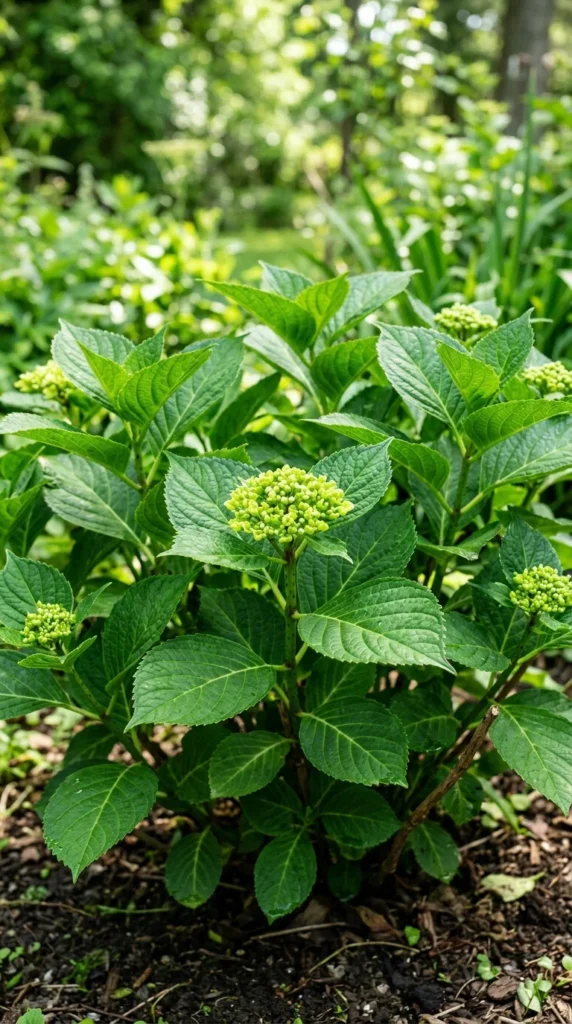
While many hydrangeas bloom in summer, planting them in the spring allows them to establish a strong root system before the heat hits. Varieties like the ‘Oakleaf’ hydrangea offer beautiful spring foliage and early blooms. They are the backbone of many gardens, providing structure and massive flower heads that can be dried for arrangements.
20. Columbine
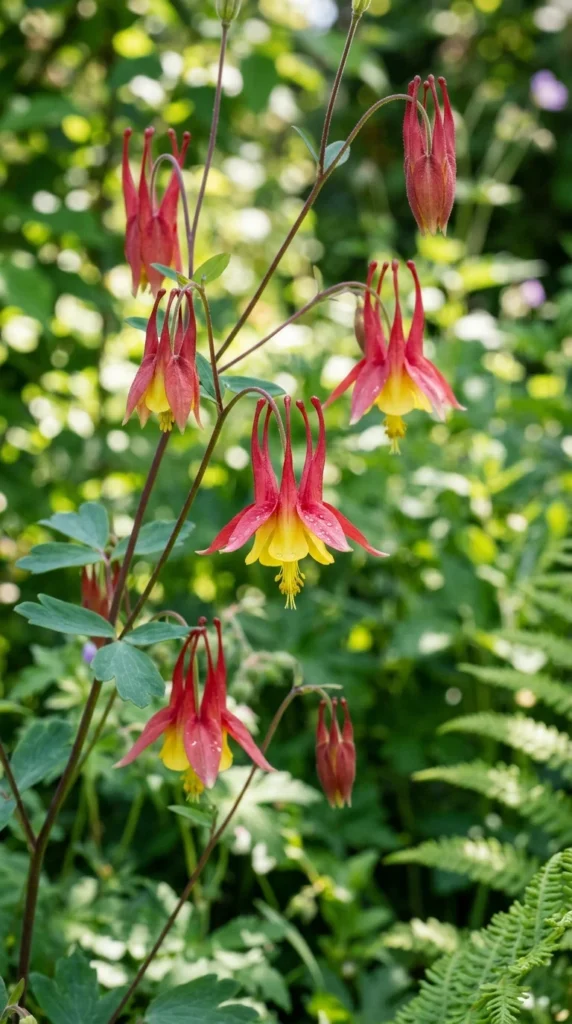
Columbine (Aquilegia) features some of the most intricate flower shapes in the plant kingdom. With their spurred petals and airy foliage, they look delicate but are surprisingly hardy. They are a favorite for hummingbirds and thrive in the fluctuating temperatures of spring.
21. Lettuce
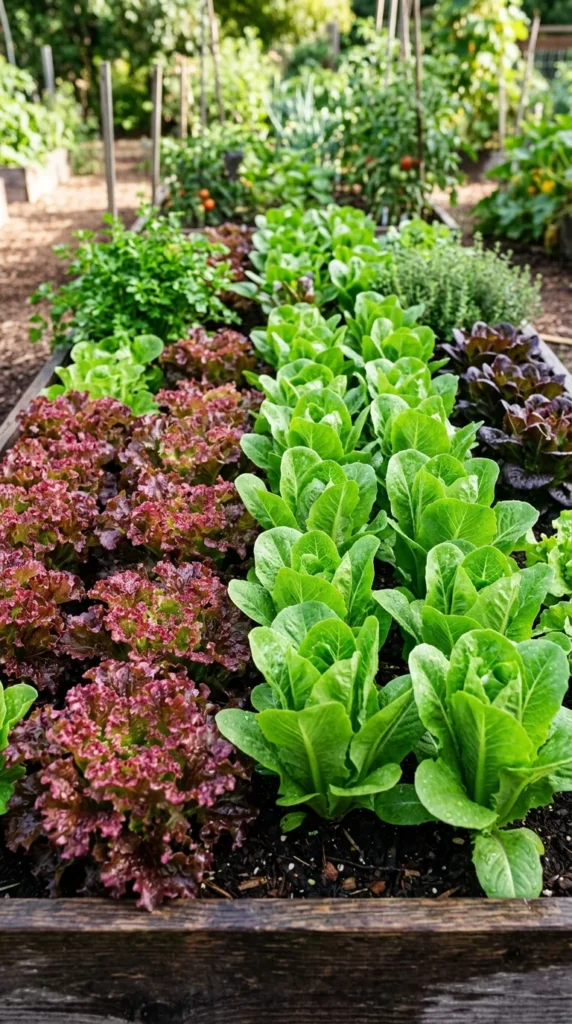
Spring isn’t just for flowers; it’s the prime time for leafy greens. Lettuce thrives in the cool, moist conditions of early spring. Growing your own lettuce provides a level of crispness and flavor that store-bought varieties can’t match. They also make surprisingly beautiful garden edges with their varied textures and colors.
22. Radishes
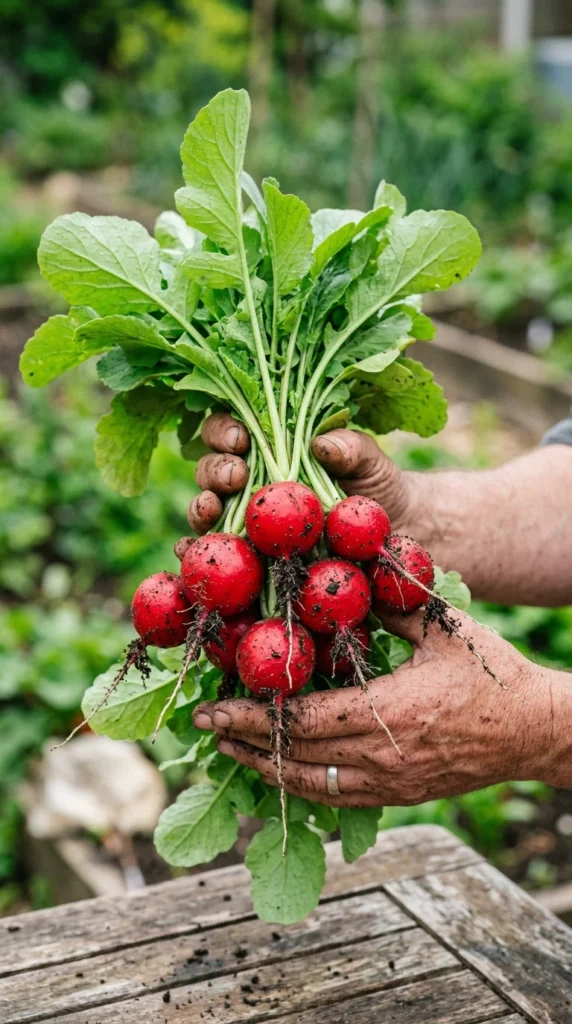
For the gardener who wants quick results, radishes are the answer. These can be harvested in as little as 25 days from planting. They love the cool spring soil and are a great way to introduce children to gardening because of their rapid growth cycle.
23. Sweet Alyssum
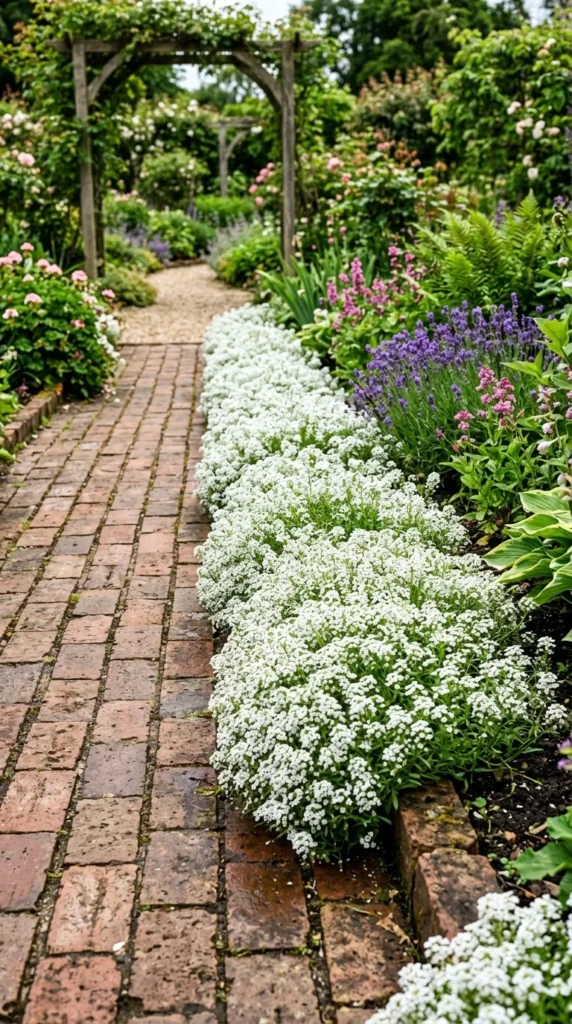
Sweet Alyssum is a low-growing annual that produces a carpet of tiny, honey-scented flowers. It is incredibly easy to grow from seed and is excellent for filling in gaps in containers or at the front of a flower bed. It is also a magnet for beneficial insects like hoverflies.
24. Petunias
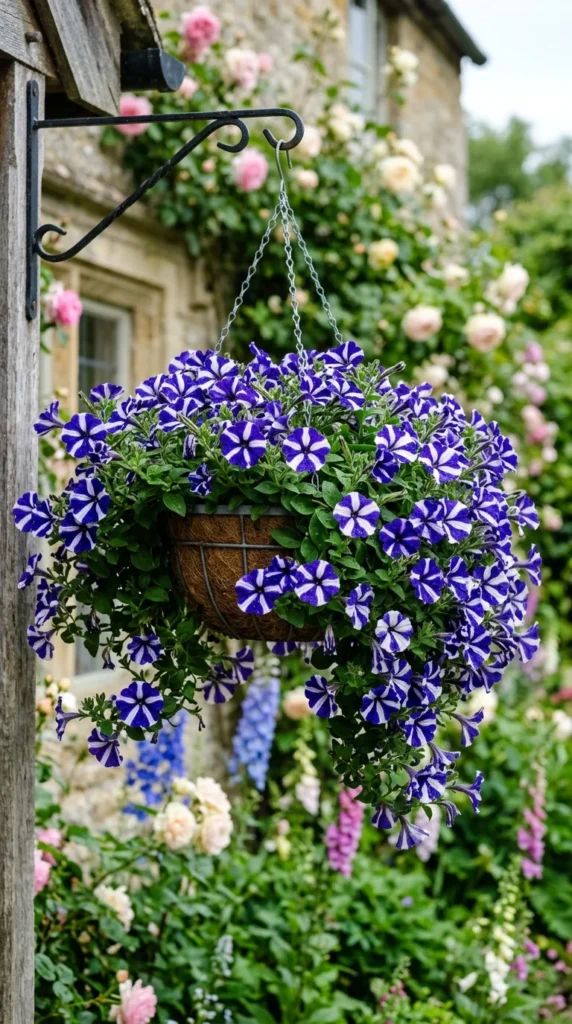
While petunias are often associated with summer, the newer, hardier varieties can be planted as soon as the danger of frost has passed. They provide a massive amount of color for a very low investment. They are particularly effective in hanging baskets and window boxes where their trailing habit can be showcased.
25. Chives
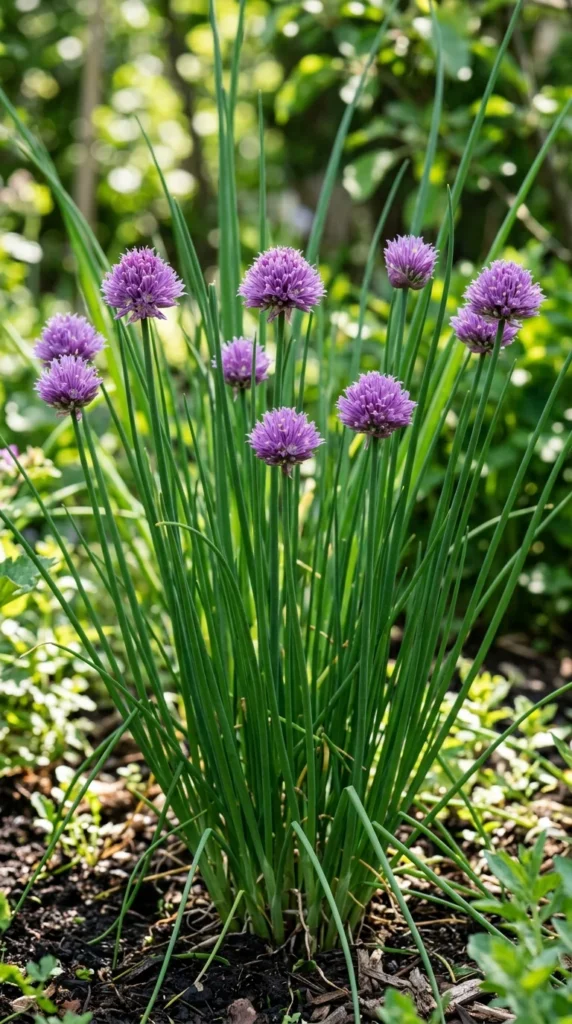
Chives are the perfect “edimental”—a plant that is both edible and ornamental. In the spring, they produce charming purple globe-shaped flowers that are just as edible as the stems. They are perennial herbs that return every year, providing a reliable source of flavor and a pop of color to your herb garden.