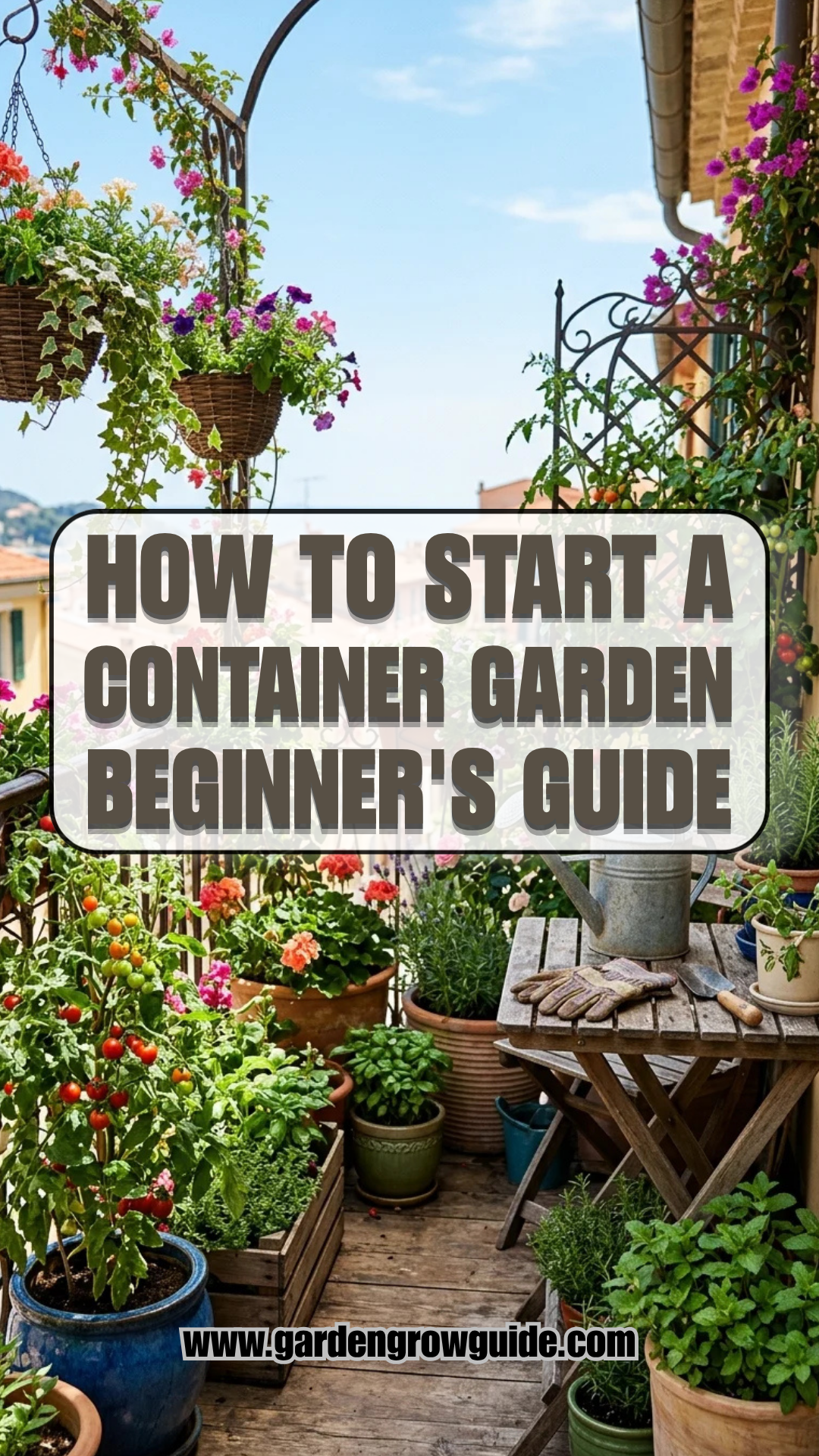
Container gardening is the perfect solution for anyone who wants to grow their own food or beautify their living space but lacks a traditional backyard. Whether you have a sprawling patio, a tiny apartment balcony, or just a sunny windowsill, you can create a thriving ecosystem. This guide will walk you through every essential step to ensure your first container garden is a resounding success.
1. Choosing Containers
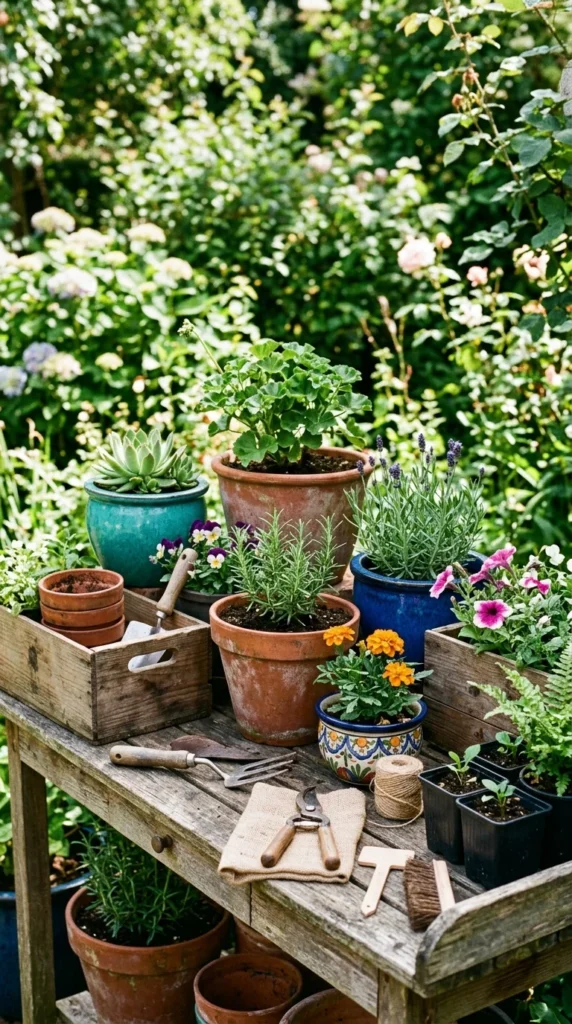
The first step in your gardening journey is selecting the right vessels. While it is tempting to choose pots based solely on aesthetics, functionality is paramount.
- Size Matters: The most common mistake beginners make is choosing a pot that is too small. Small pots dry out quickly and restrict root growth. For most vegetables, a pot with at least a 12-inch diameter is a safe bet.
- Material:
- Terracotta: Breathable but dries out fast; great for plants that like dry soil like succulents or rosemary.
- Plastic/Resin: Lightweight and retains moisture well; ideal for vegetables and water-loving flowers.
- Wood: Provides a natural look and good insulation, but ensure it is rot-resistant (like cedar).
- Drainage: This is non-negotiable. Every container must have holes at the bottom to allow excess water to escape. Without drainage, roots will drown and rot.
2. Potting Mix
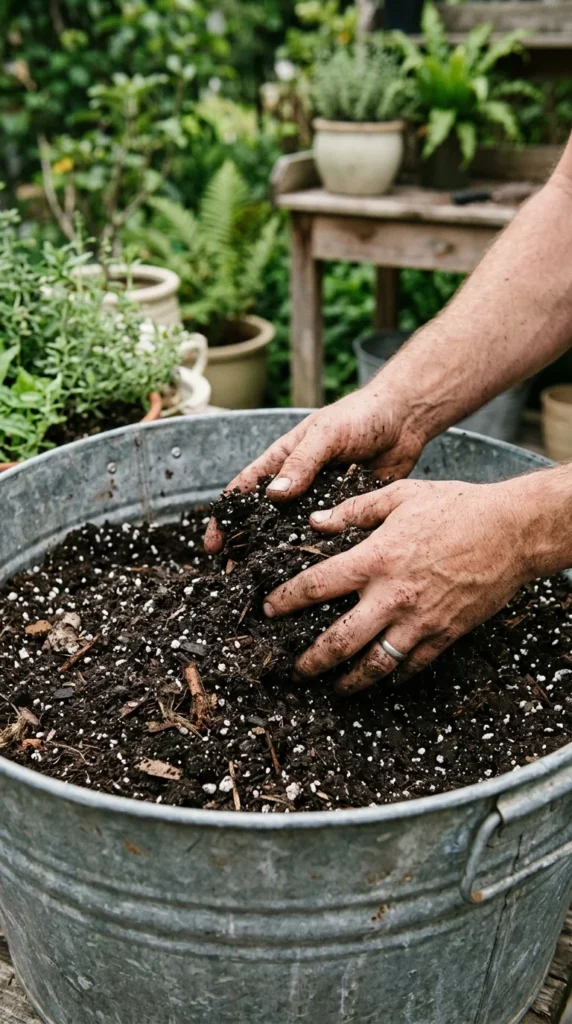
Never use “garden soil” or “topsoil” from the ground in your containers. It is too heavy, will compact tightly, and often contains weed seeds or soil-borne diseases.
- Light and Airy: High-quality potting mixes are soil-less blends of peat moss, pine bark, perlite, or vermiculite. These materials ensure the roots have access to oxygen.
- Moisture Retention: Look for mixes that contain coconut coir or peat to help hold moisture without becoming waterlogged.
- Sterility: Commercially prepared mixes are sterilized to ensure you aren’t introducing pests or fungus to your new garden.
3. Sunlight
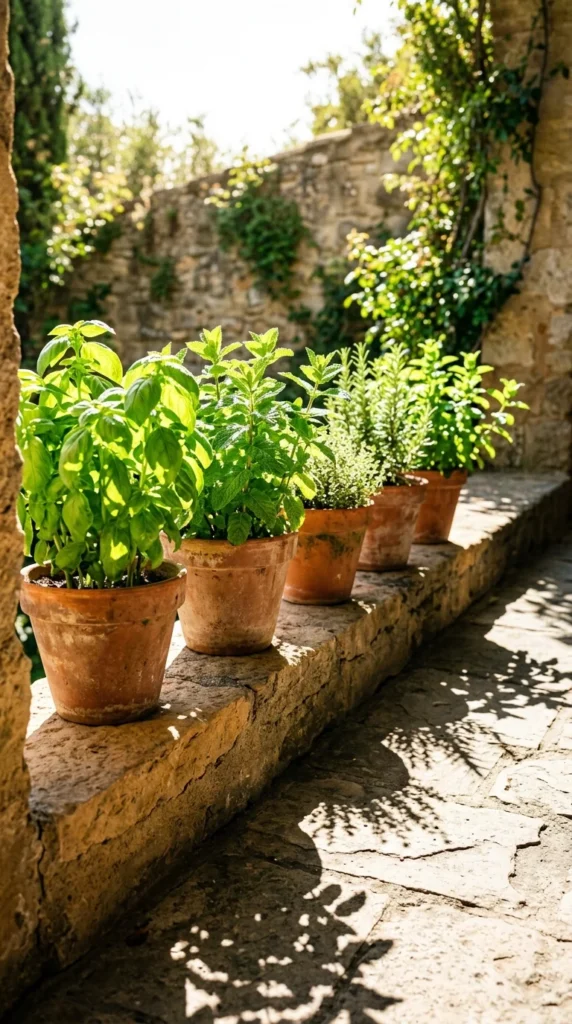
Before you buy a single plant, monitor the area where you plan to place your garden. Most edible plants and many flowering annuals require “full sun,” which means at least six to eight hours of direct sunlight per day.
- Full Sun: Necessary for tomatoes, peppers, cucumbers, and most Mediterranean herbs.
- Partial Shade: Ideal for leafy greens like spinach, lettuce, and kale, as well as flowers like begonias or fuchsias.
- Tracking the Sun: Remember that the sun’s path changes with the seasons. A spot that is sunny in May might be shaded by a tree canopy in July.
4. Selecting Plants
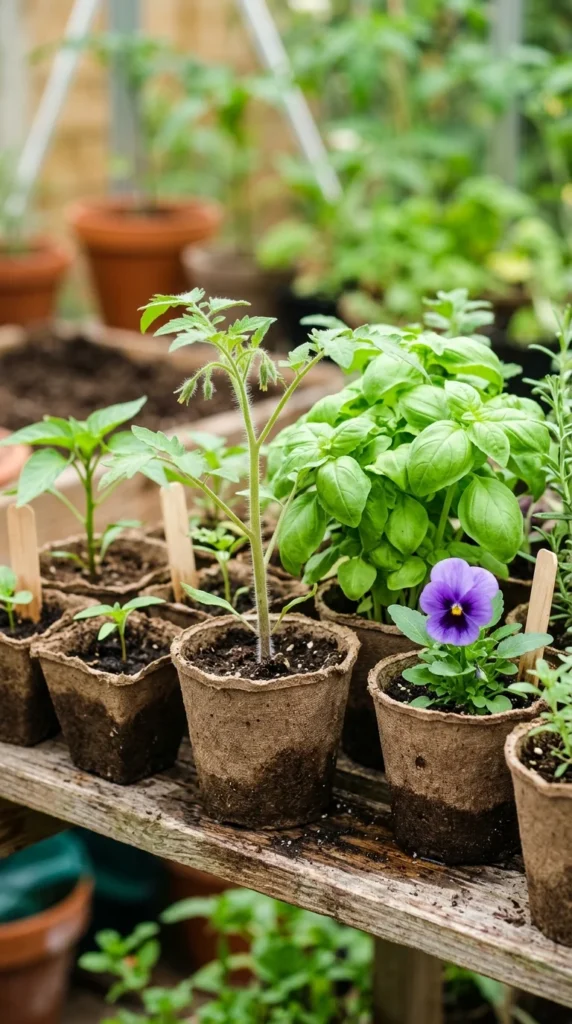
As a beginner, start with “easy-win” plants to build your confidence. It is often easier to start with nursery-bought seedlings rather than starting from seed for your first season.
- Herbs: Mint, basil, chives, and parsley are incredibly resilient and grow well in small pots.
- Vegetables: Look for “bush” or “patio” varieties. These are specifically bred to stay compact while still producing a high yield. Cherry tomatoes, radishes, and peppers are excellent choices.
- Flowers: Marigolds, petunias, and geraniums add color and can help deter certain pests from your vegetables.
5. Watering
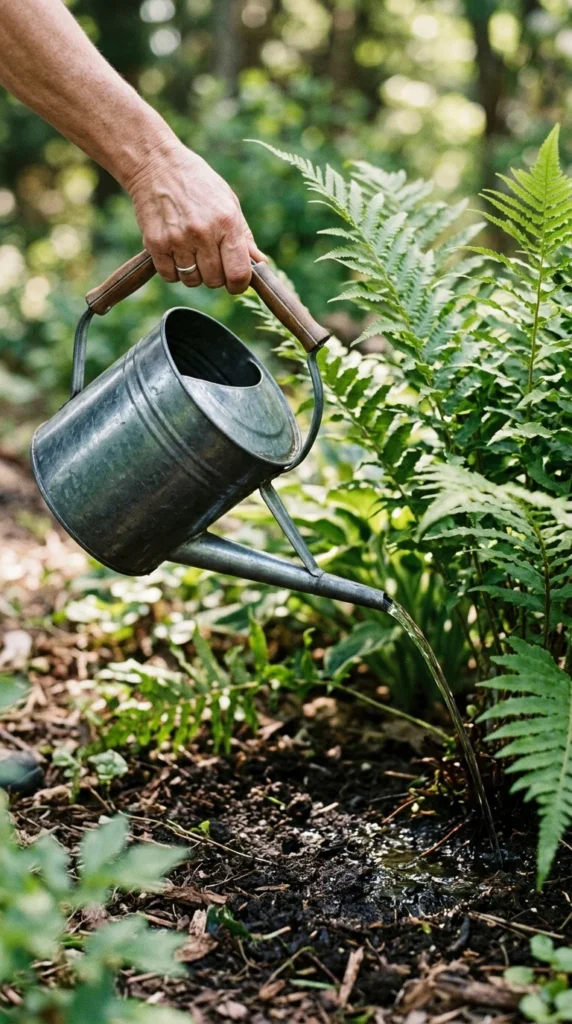
Watering is the most critical task in container gardening. Because pots are elevated and exposed to the air on all sides, they dry out much faster than the ground.
- The Finger Test: Stick your finger two inches into the soil. If it feels dry, it’s time to water. If it’s still damp, wait a day.
- Consistency: Plants hate the “drought and flood” cycle. Try to water at the same time—early morning is best to prevent evaporation and fungal issues.
- Watering Technique: Always water the soil, not the leaves. Wet foliage can lead to powdery mildew and other diseases.
6. Drainage
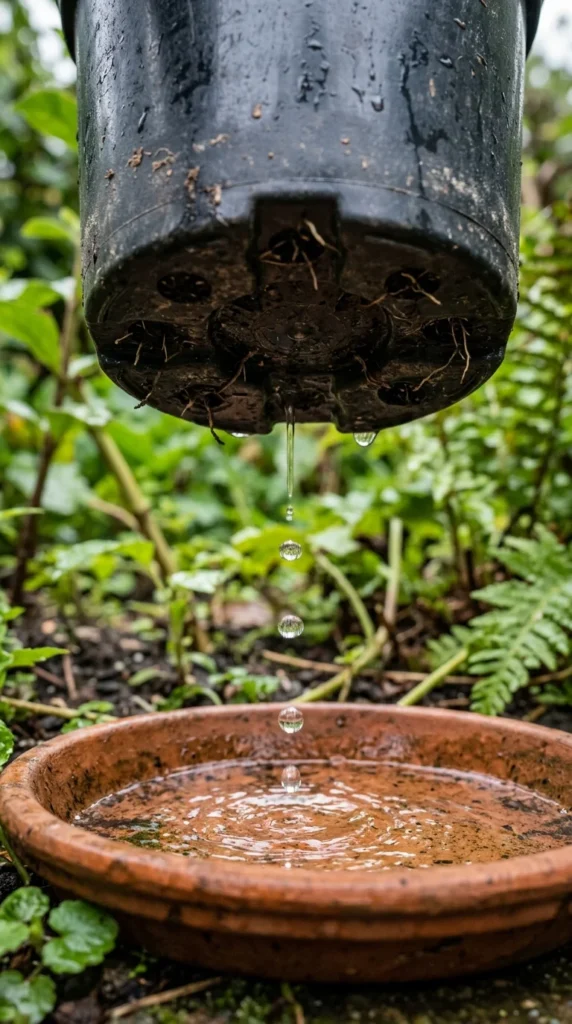
Proper drainage is the difference between a thriving plant and a dying one. While we mentioned drainage holes in the container section, the management of that runoff is equally important.
- Saucers: Use saucers under your pots to catch excess water, especially on balconies, to prevent staining the floor. However, never let a pot sit in a saucer full of water for more than an hour; this causes “wet feet” and root rot.
- Pot Feet: Elevating your pots slightly with “pot feet” or bricks allows air to circulate underneath and ensures water flows freely out of the drainage holes.
7. Fertilizing
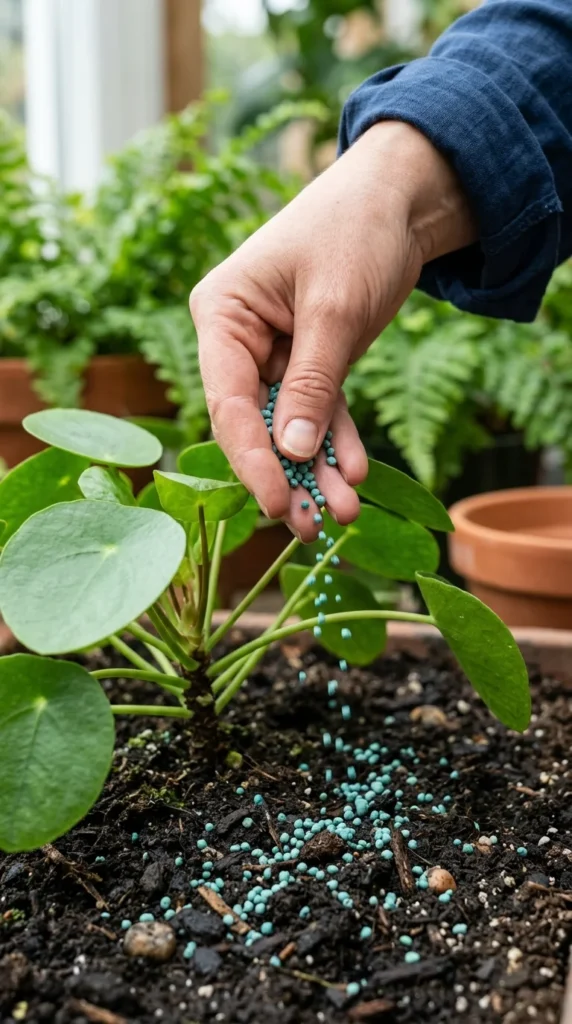
Potting mix is designed for drainage and aeration, which means it doesn’t hold onto nutrients for very long. Furthermore, every time you water, nutrients are washed out of the bottom of the pot.
- Slow-Release Pellets: Mix these into the soil at the time of planting. They provide a steady stream of nutrition over several months.
- Liquid Fertilizer: During the height of the growing season (summer), use a water-soluble fertilizer every two weeks to give your plants an extra boost.
- Organic Options: Fish emulsion or seaweed extract are excellent organic choices that provide micronutrients without the risk of chemical burn.
8. Pruning
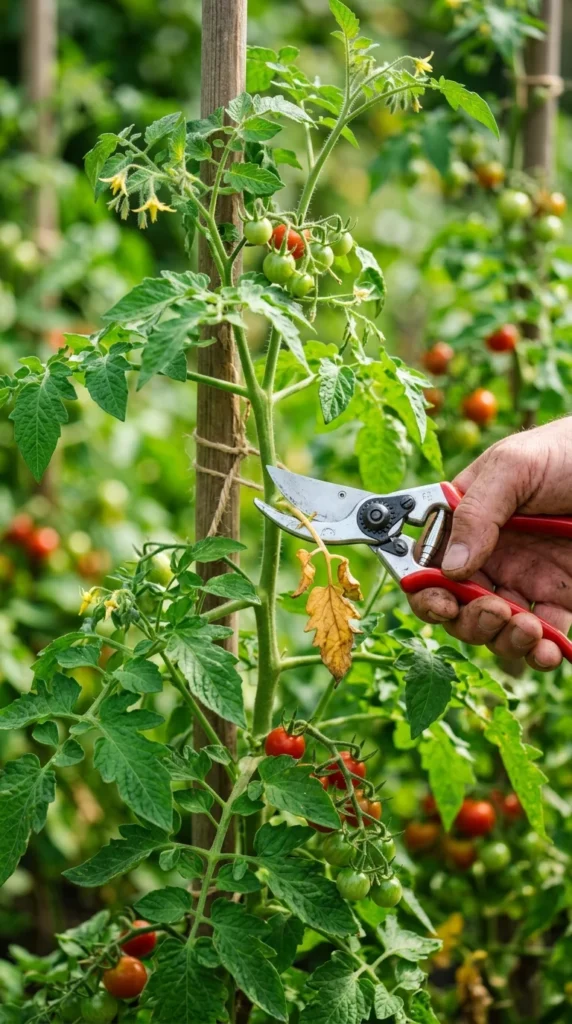
To keep your container garden looking neat and to promote better yields, you must be willing to prune and groom your plants regularly.
- Deadheading: Remove spent flower blossoms. This prevents the plant from putting energy into seed production and encourages it to grow more flowers.
- Pinching: For herbs like basil, “pinch” off the top set of leaves. This forces the plant to grow outward rather than upward, resulting in a bushier, more productive plant.
- Cleaning: Remove any yellowing or diseased leaves immediately to prevent the spread of fungus or pests.
9. Pest Management
Pests can find your plants even on a high-rise balcony. Because container gardens are often crowded, a pest problem can spread quickly if not addressed.
- Daily Inspection: Spend a few minutes each day looking under leaves and at the stems for signs of insects like aphids, spider mites, or whiteflies.
- Hand Picking: For larger pests like tomato hornworms or slugs, the most effective method is simply picking them off by hand.
- Neem Oil: Keep a bottle of organic neem oil or insecticidal soap on hand. These are safe for edible plants and highly effective against most common container pests.
10. Design Aesthetics
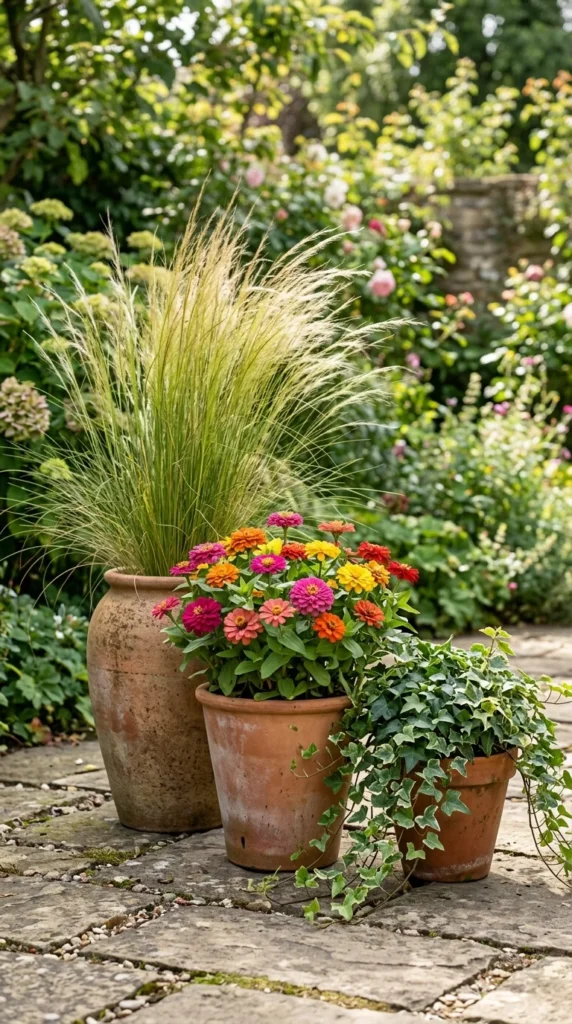
Once you have the basics down, you can focus on making your garden a visual masterpiece. Use the “Thriller, Filler, Spiller” method for professional-looking arrangements.
- The Thriller: A tall, eye-catching plant placed in the center or back (e.g., a purple fountain grass or a tall tomato vine).
- The Filler: Mounded plants that fill the space around the thriller (e.g., petunias, herbs, or marigolds).
- The Spiller: Plants that trail over the edges of the pot to soften the lines (e.g., sweet potato vine, ivy, or trailing lobelia).
By following these ten steps, you can transform any small space into a lush, productive sanctuary. Gardening is a learning process, so don’t be discouraged by a few wilted leaves—every mistake is just a lesson for next season’s harvest.