Maintaining a beautiful landscape can be a constant struggle for gardeners living in areas with high deer populations. These graceful yet hungry creatures can decimate a garden overnight, favoring tender buds and expensive ornamentals. However, gardening in “deer country” doesn’t have to mean a yard of gravel and plastic plants. By understanding the sensory preferences of deer, you can curate a stunning garden filled with plants they find unpalatable, smelly, or physically irritating.
Deer typically avoid plants that are highly fragrant, have prickly or fuzzy textures, or contain toxic compounds. While no plant is 100% “deer-proof” if the animals are starving, the following 25 selections are widely recognized as the best bets for a deer-resistant landscape.
1. Lavender
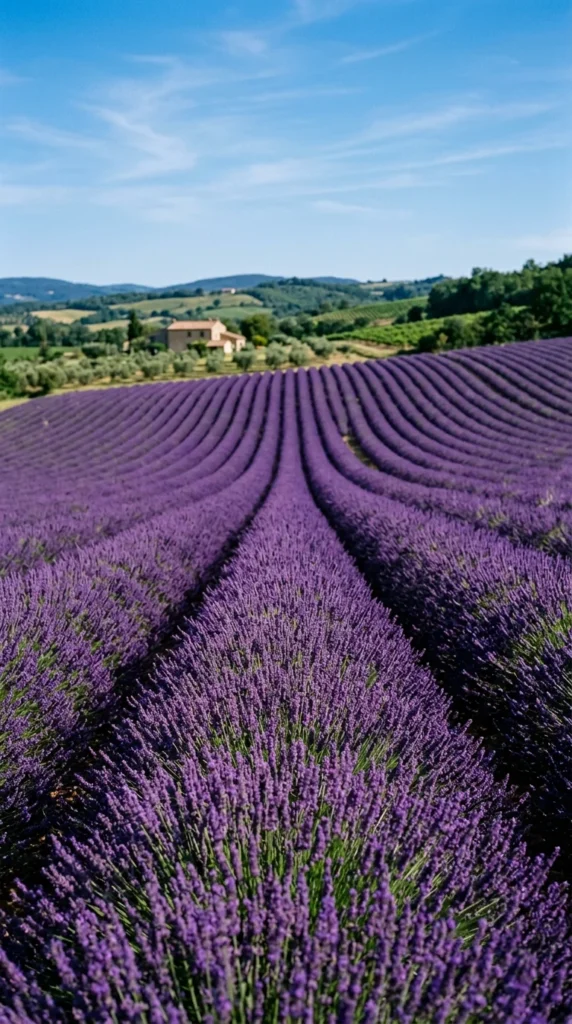
Lavender is a staple in deer-resistant gardening due to its intense fragrance. While humans find the scent of Lavandula soothing and pleasant, deer find the volatile oils in the foliage and flowers overwhelming. This woody perennial thrives in full sun and well-drained soil. Beyond its deer resistance, lavender is a magnet for pollinators like bees and butterflies, making it a functional and beautiful addition to any sunny border or rock garden.
2. Peonies
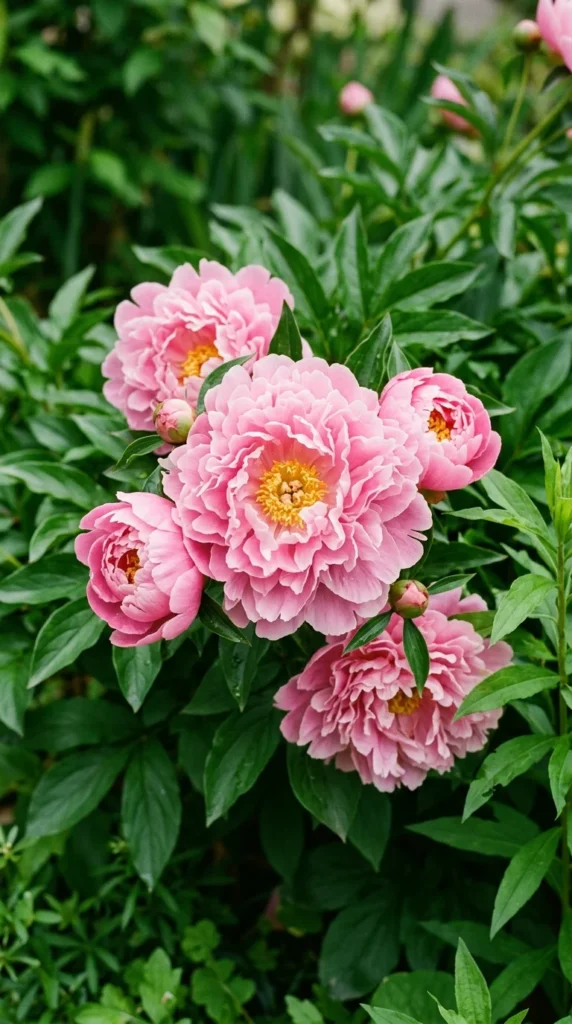
Peonies are beloved for their massive, romantic blooms and long lifespan, often lasting decades in the same spot. Fortunately, deer generally find the sap and texture of peonies unappealing. Whether you choose the classic herbaceous varieties or the woody tree peonies, these plants provide a spectacular late-spring show. They require a period of winter chill to bloom effectively and prefer rich, well-drained soil.
3. Bleeding Heart
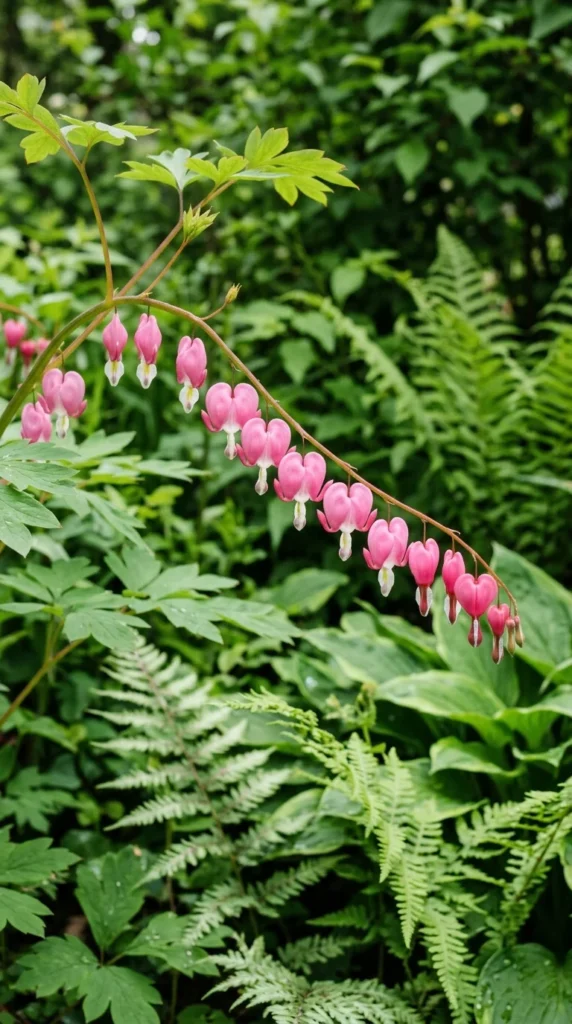
For the shaded corners of your garden, the Bleeding Heart (Lamprocapnos spectabilis) is a classic choice that deer usually ignore. These whimsical, heart-shaped flowers dangle from arching stems in late spring. The plant contains compounds that can be irritating to animals if consumed, leading deer to seek out other food sources. They prefer moist, organic-rich soil and cool, dappled shade.
4. Boxwood
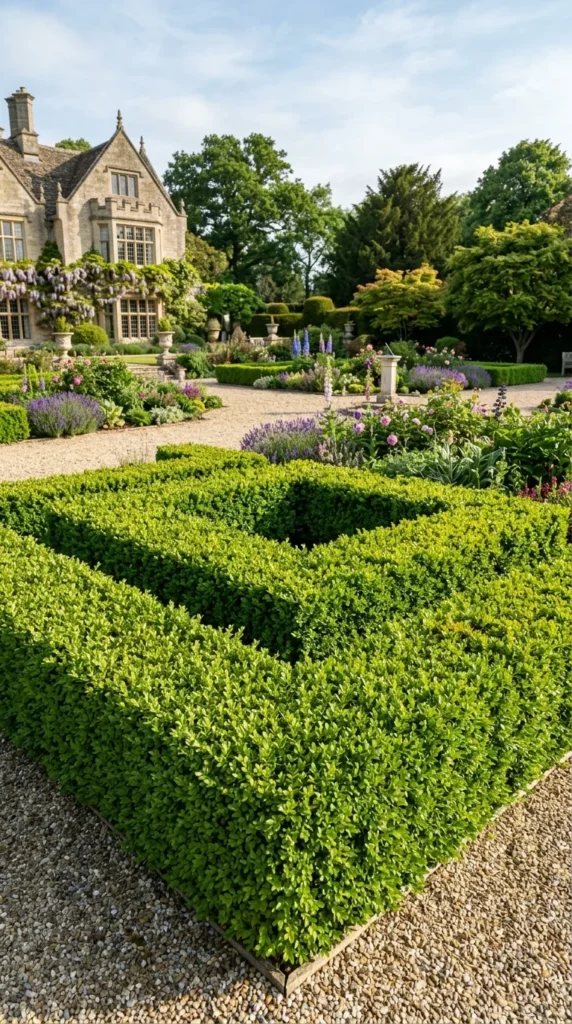
Boxwoods are the gold standard for deer-resistant evergreen shrubs. Their leaves contain alkaloids that are bitter and potentially toxic, and their distinct “musky” scent is a major deterrent for deer. These shrubs are incredibly versatile, used for hedges, topiary, or foundational plantings. They are slow-growing and can tolerate a variety of light conditions from full sun to partial shade.
5. Butterfly Bush
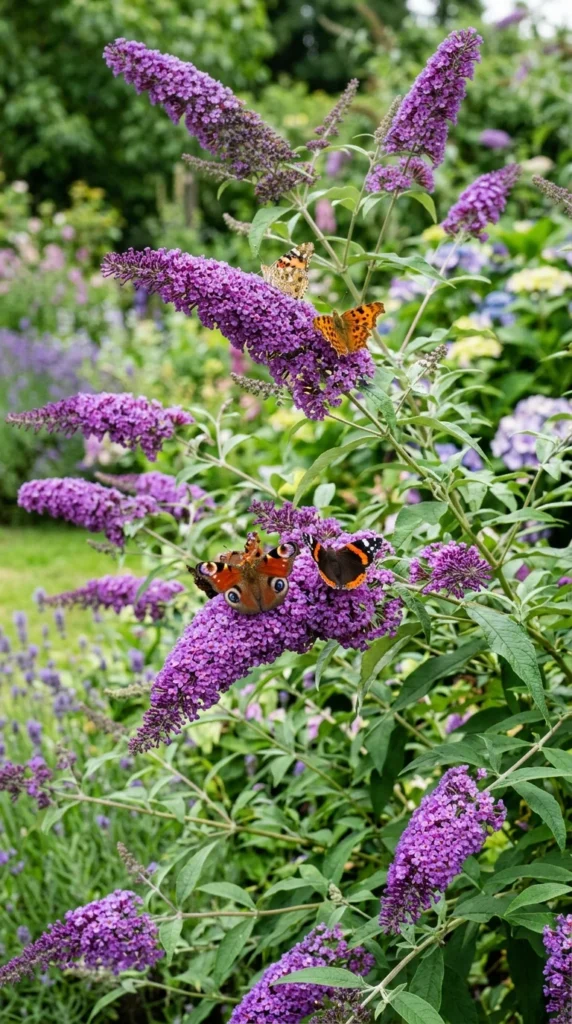
The Butterfly Bush (Buddleja) is a vigorous grower that produces honey-scented flower spikes throughout the summer. While butterflies find them irresistible, deer find the felt-like texture of the leaves and the strong floral scent unappealing. They are incredibly hardy and drought-tolerant once established, though they should be planted with caution in areas where they are considered invasive.
6. Foxglove
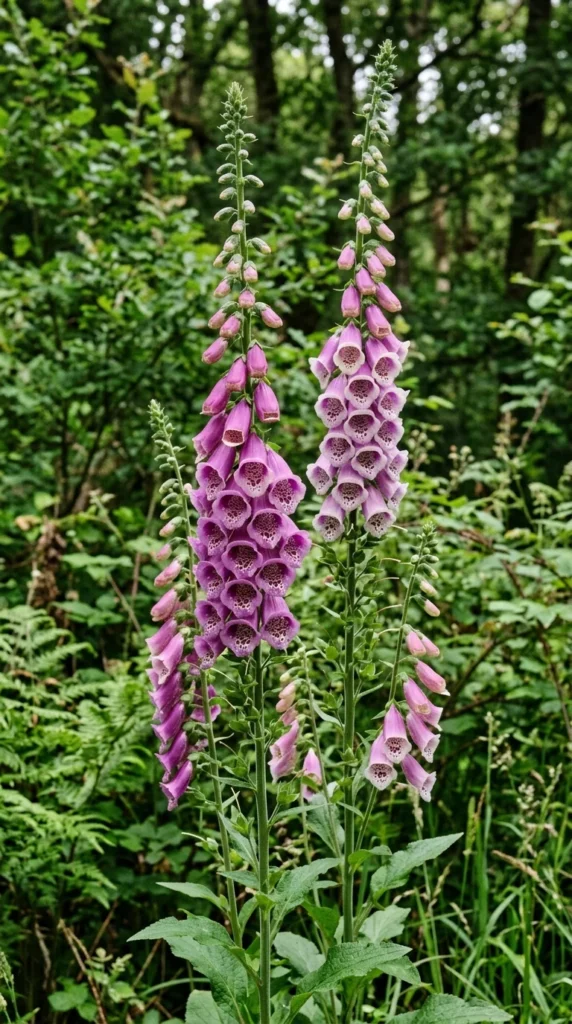
Foxgloves (Digitalis) are striking biennial or short-lived perennial plants that add vertical interest to the garden. They are highly deer-resistant because the entire plant is toxic, containing digitalis glycosides that affect the heart. Deer instinctively know to avoid these plants. They perform best in partial shade and moist soil, creating a cottage-garden aesthetic that remains untouched by wildlife.
7. Hellebores
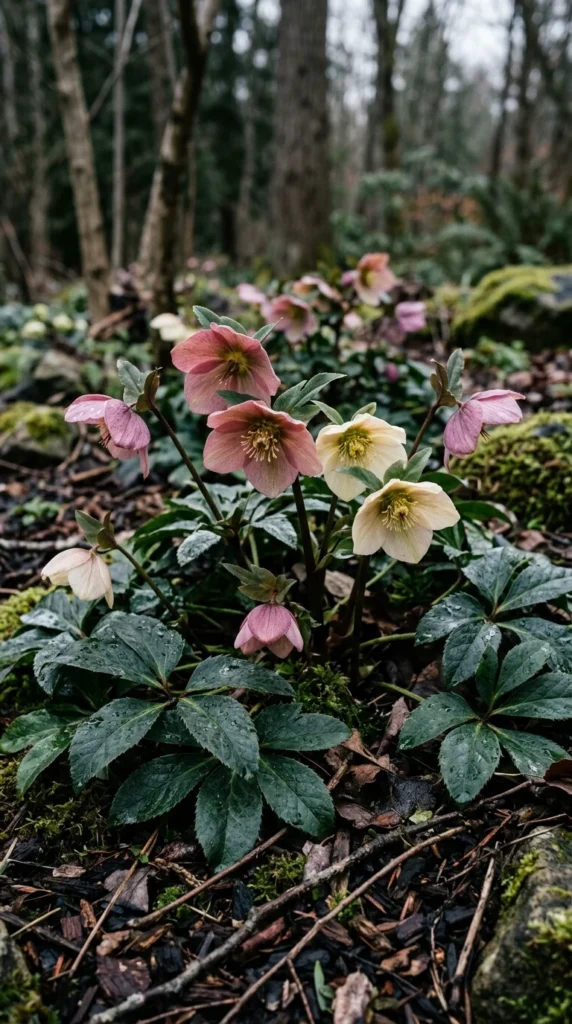
Also known as Lenten Roses, Hellebores are among the first plants to bloom in late winter or early spring. Their leathery, evergreen leaves are tough and unpalatable to deer, and like foxgloves, they contain toxic compounds. Hellebores are perfect for dry shade locations under trees where other plants might struggle to survive or succumb to deer browsing.
8. Salvia
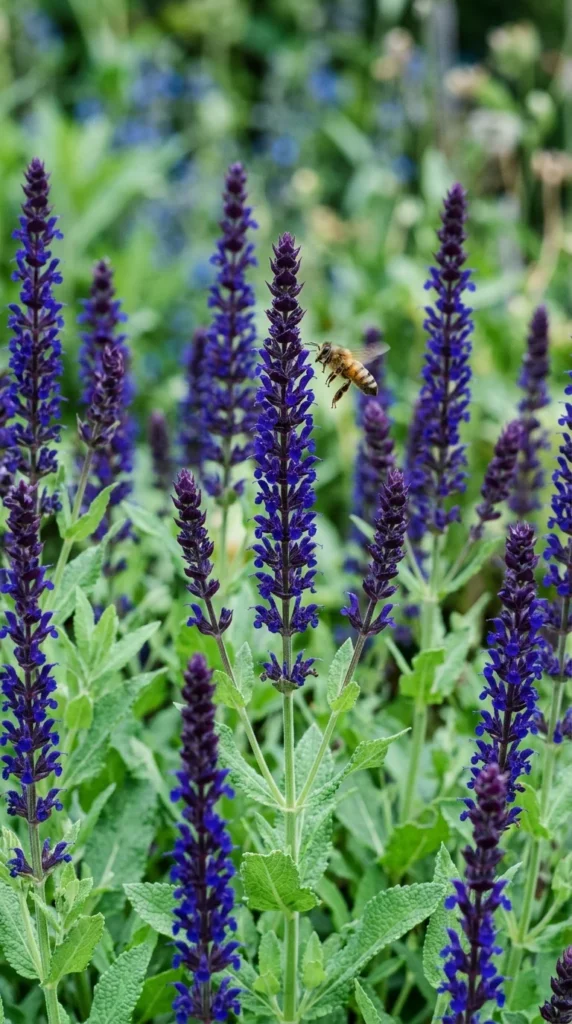
Many species of Salvia, including both perennial and annual varieties, are avoided by deer due to their strong, often minty or musky scent. The foliage is frequently textured or slightly hairy, which further discourages browsing. Varieties like ‘May Night’ or ‘Caradonna’ provide long-lasting purple spikes that contrast beautifully with yellow or white garden companions.
9. Lamb’s Ear
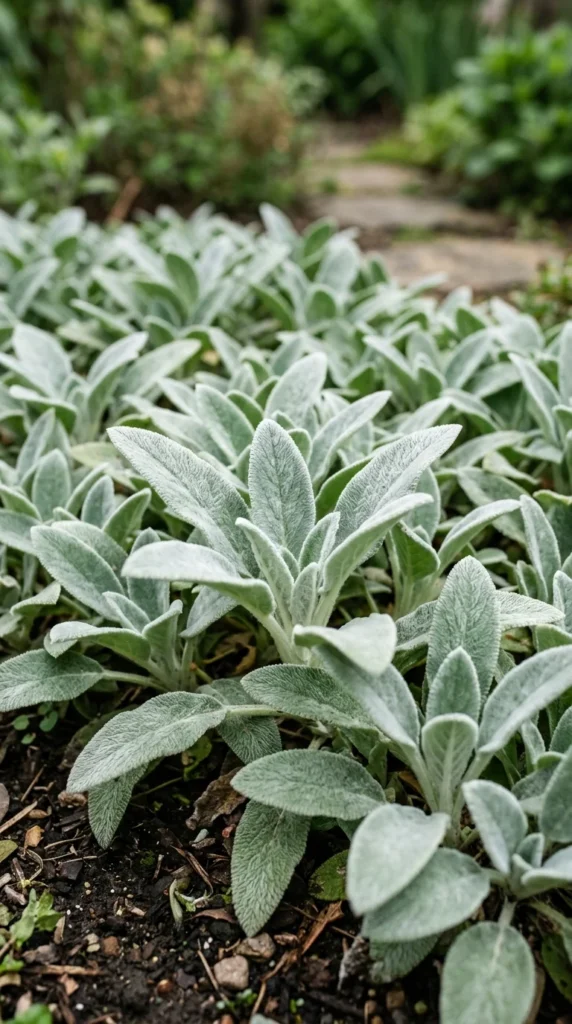
Stachys byzantina, or Lamb’s Ear, is a textural wonder. Its leaves are covered in a dense layer of silver-white “wool.” Deer generally dislike the fuzzy, felt-like texture on their tongues and will move on to smoother foliage. This plant makes an excellent groundcover for sunny, dry spots and is prized for its unique foliage rather than its insignificant flower spikes.
10. Russian Sage
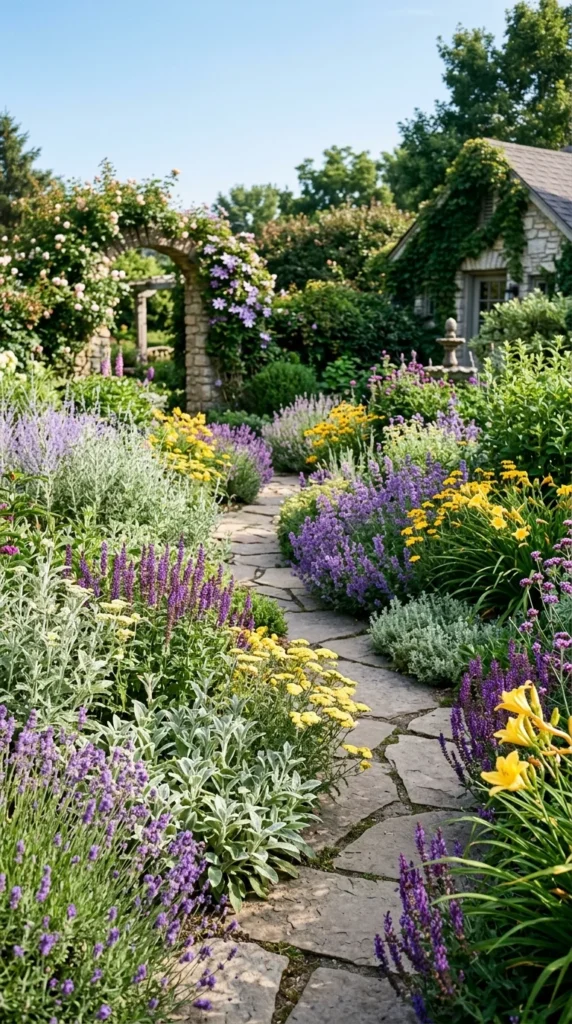
Russian Sage (Salvia yangii) is a tough-as-nails perennial that thrives in hot, dry conditions. It has a very pungent, herbal aroma when the foliage is brushed or crushed, which acts as a powerful deer repellent. Its silvery stems and misty blue flowers provide a cooling effect in the mid-to-late summer garden and require almost no maintenance once established.
11. Marigolds
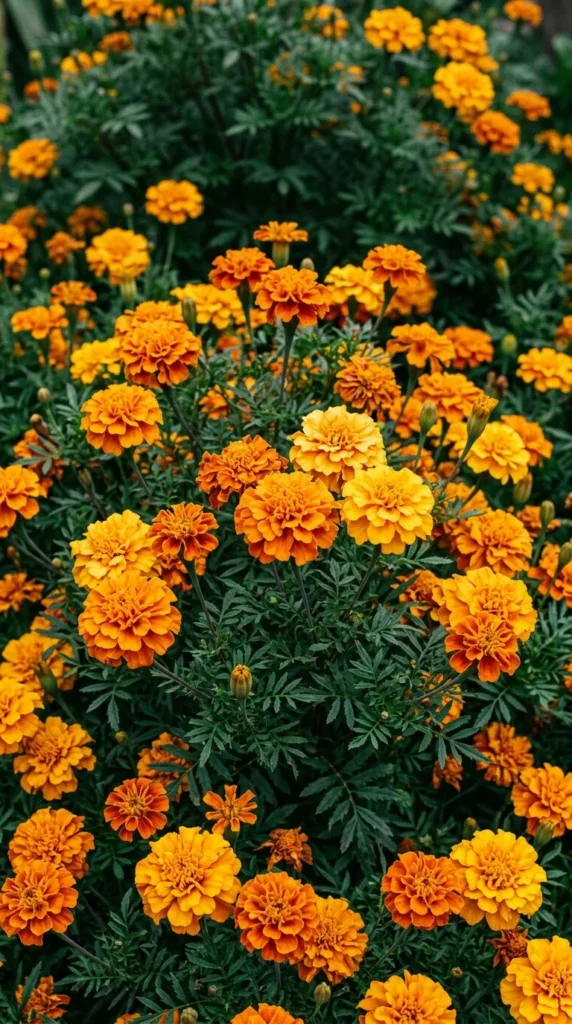
Marigolds are a classic garden annual known for their “pungent” scent. This odor is exactly what makes them so effective at deterring deer and even some insect pests. Many gardeners use marigolds as a protective border around more vulnerable plants. They are easy to grow from seed, love the sun, and will bloom continuously until the first frost.
12. Daffodils
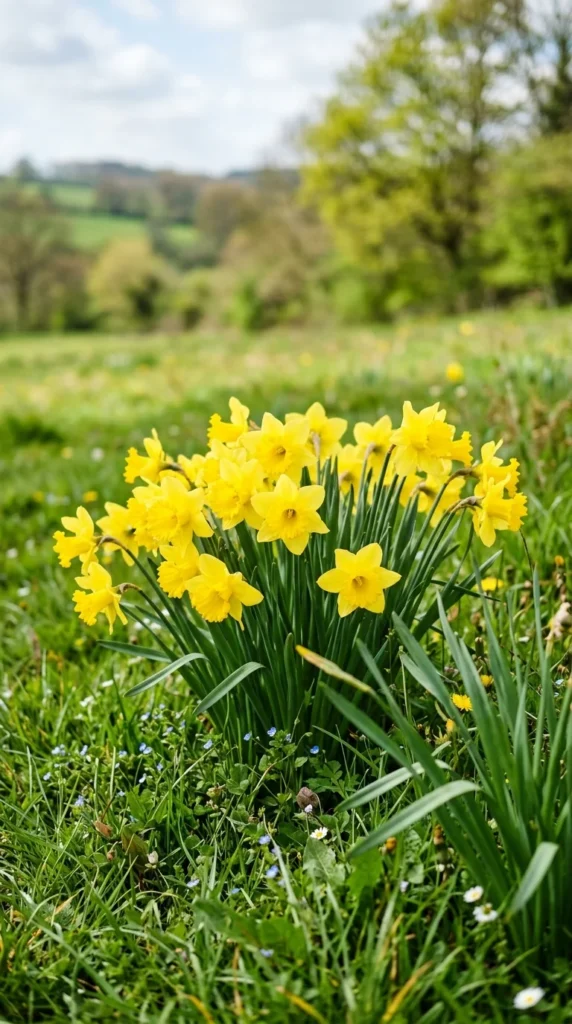
Unlike tulips, which deer treat like “garden candy,” daffodils (Narcissus) are completely avoided. They contain lycorine, an alkaloid that is highly toxic and tastes extremely bitter. Planting daffodils is a reliable way to ensure a burst of spring color that will return year after year without being eaten. They are available in a wide range of sizes, shapes, and colors from white to deep orange.
13. Snapdragons
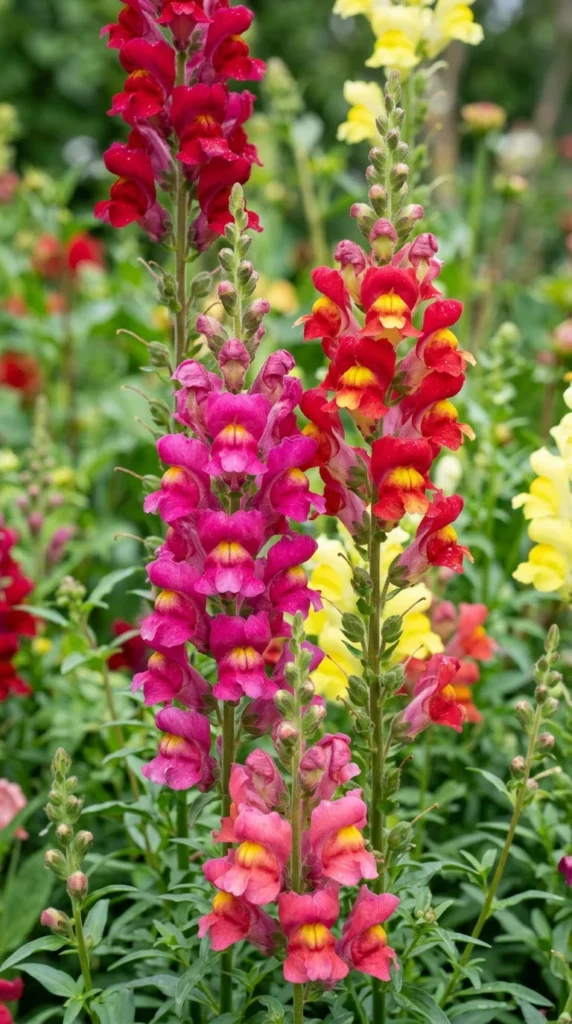
Snapdragons (Antirrhinum) offer a unique flower shape and a wide palette of colors. Deer tend to avoid them because of their bitter taste. While they are often grown as annuals, in milder climates they can overwinter. They prefer the cooler temperatures of spring and fall and can provide a much-needed pop of color when other plants are dormant.
14. Bee Balm
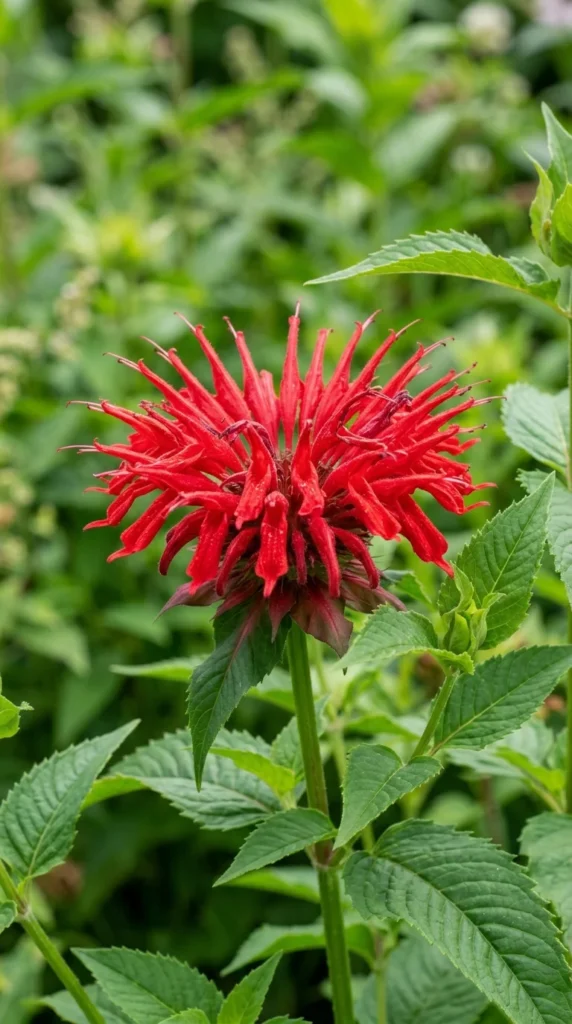
Bee Balm (Monarda) is a member of the mint family, and like most mints, it has a very strong, spicy scent in its leaves and stems. Deer find this scent repulsive, but it is a primary target for hummingbirds and bees. Bee Balm thrives in full sun to partial shade and prefers slightly moist soil. It is a fantastic choice for naturalistic or meadow-style gardens.
15. Coneflower
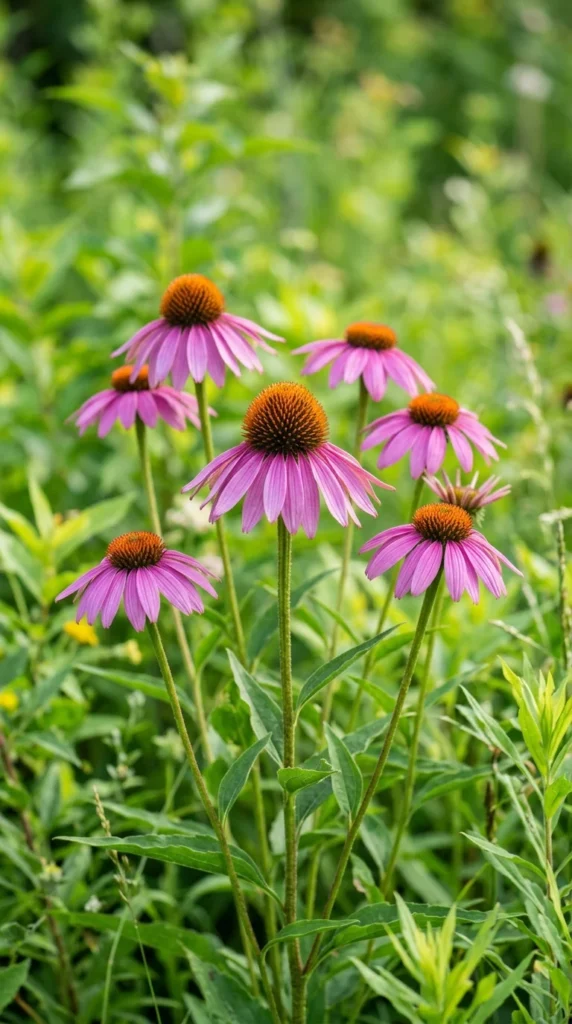
Echinacea, or Coneflower, is a prairie native that has become a garden staple. While deer may occasionally nibble the very young shoots in early spring, once the plant matures, the rough, prickly texture of the leaves and the spiny centers of the flowers usually keep them at bay. They are incredibly drought-tolerant and provide seeds for birds in the winter if the seed heads are left standing.
16. Ferns
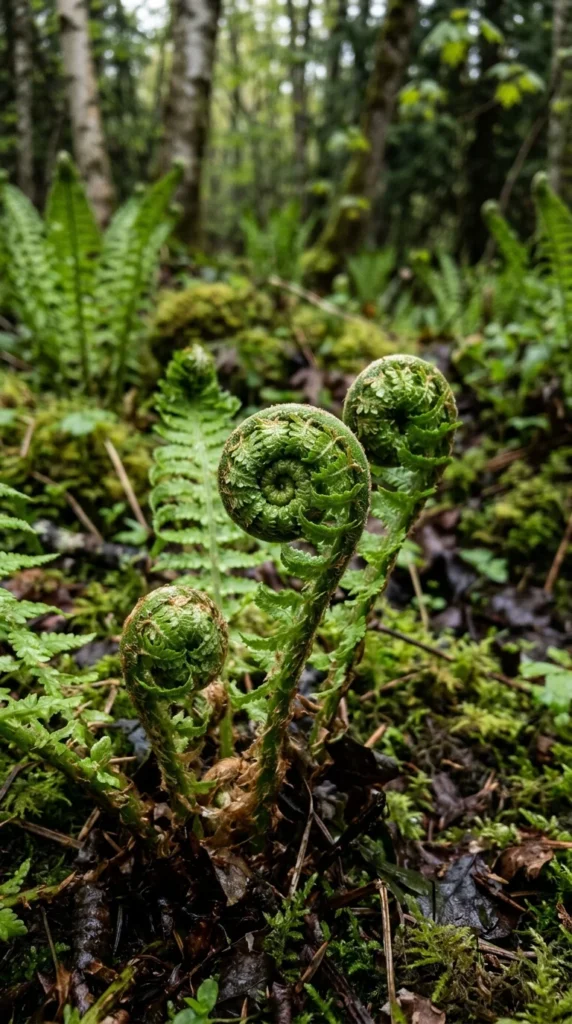
Most ferns are highly resistant to deer. Their unique texture and lack of the “sweetness” found in many flowering perennials make them an unattractive food source. Varieties like Ostrich Fern, Christmas Fern, and Painted Fern provide elegant, architectural foliage to shaded gardens. They are particularly useful for creating a lush, green backdrop where deer browsing is a concern.
17. Iris
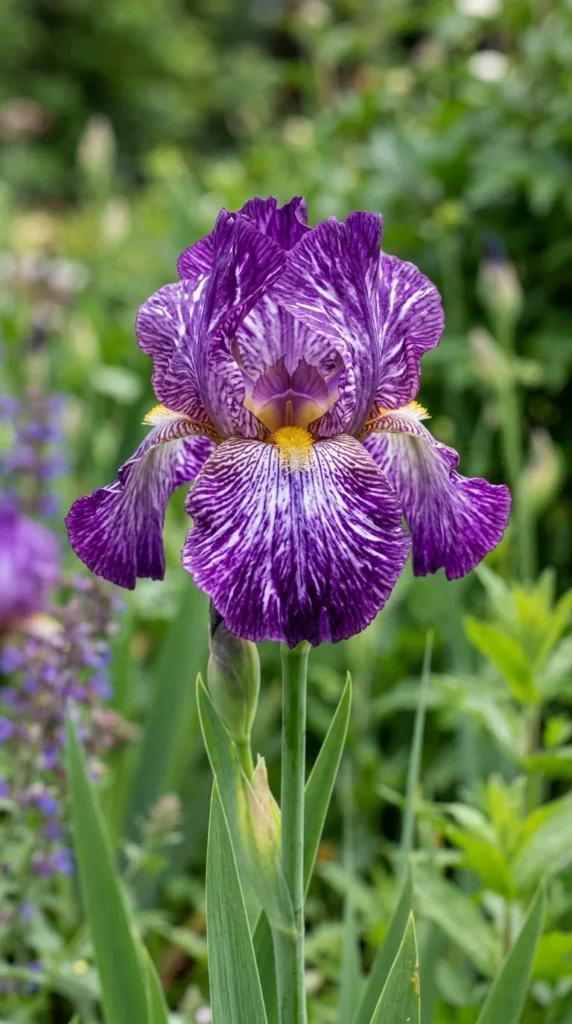
Whether you choose Bearded, Siberian, or Japanese Iris, these plants are rarely on a deer’s menu. They contain compounds that can cause digestive upset, and their stiff, sword-like foliage is not particularly palatable. Irises offer some of the most complex and beautiful flower forms in the garden and are available in almost every color of the rainbow.
18. Ornamental Grasses
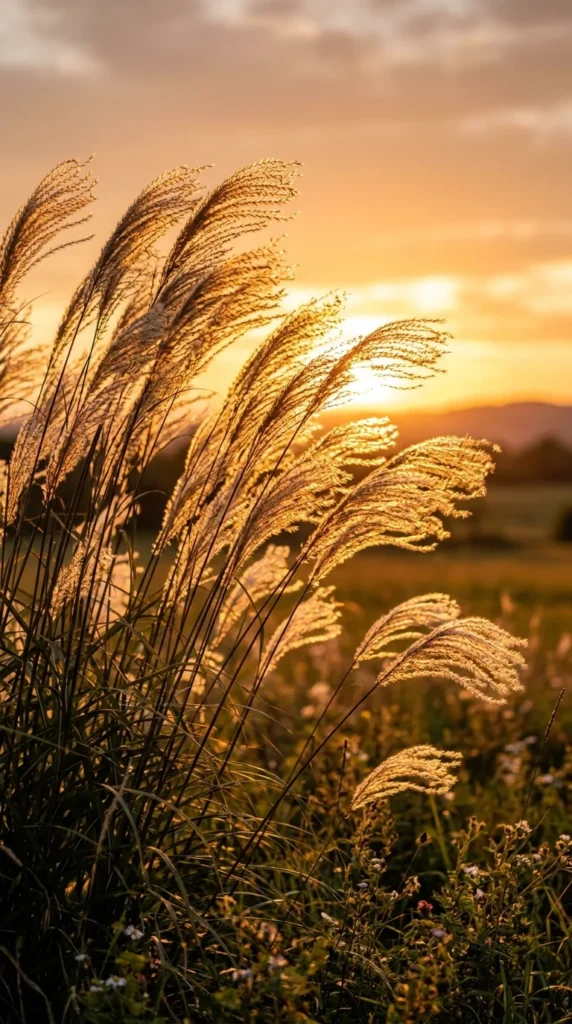
Ornamental grasses are a secret weapon for deer-resistant landscaping. Most grasses have high silica content, making the blades sharp and difficult to digest. They also lack the floral scents that might attract browsing. From the low-growing Blue Fescue to the towering Maiden Grass, these plants add movement, texture, and winter interest to the garden without attracting unwanted guests.
19. Yarrow
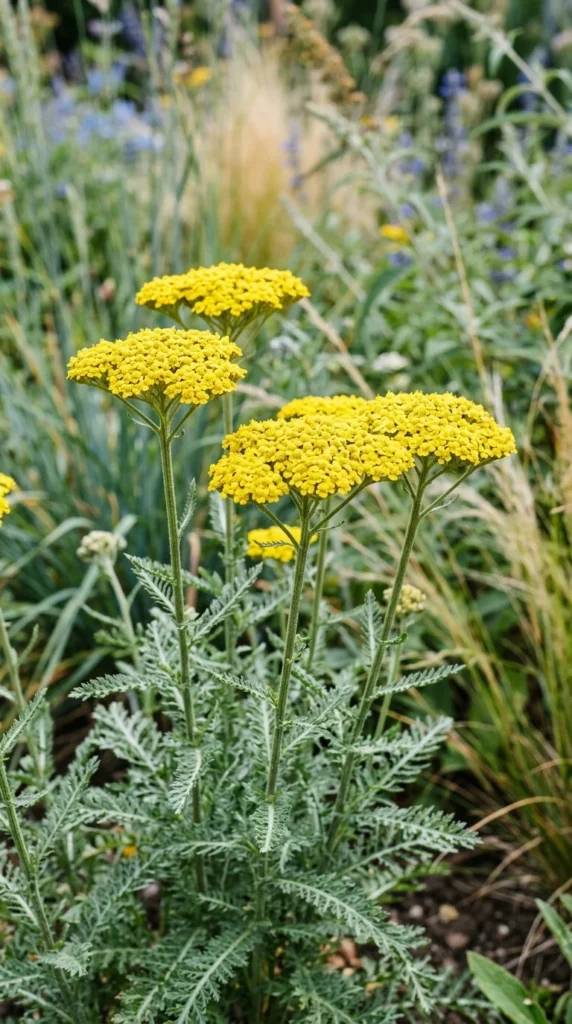
Yarrow (Achillea) is a rugged perennial that features feathery, aromatic foliage. The strong medicinal scent and the astringent taste of the leaves make it a plant that deer typically pass by. Yarrow is incredibly hardy, thrives in poor soil, and is excellent for cutting and drying. It comes in a range of colors including white, yellow, red, and pink.
20. Spirea
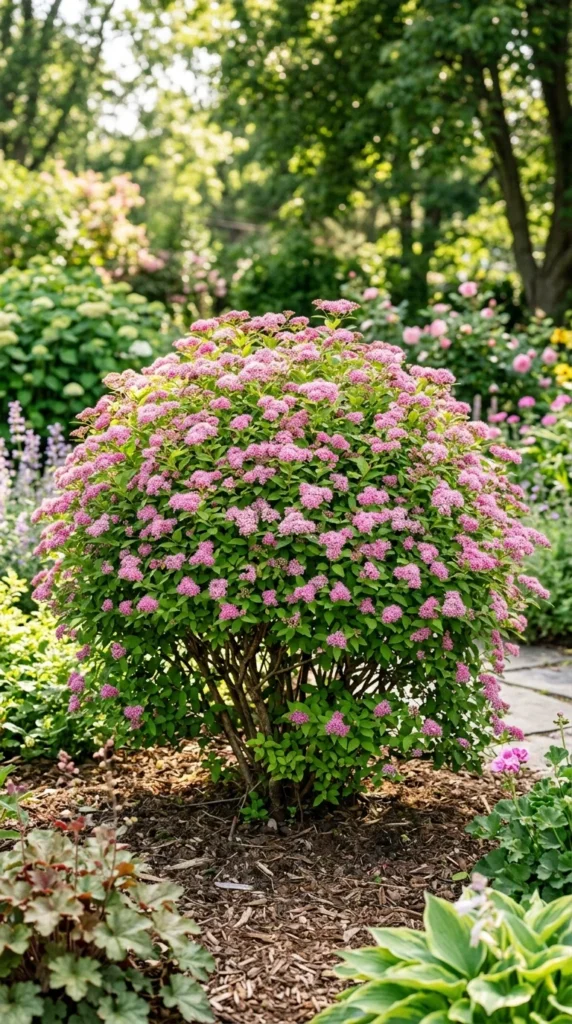
Spirea are deciduous shrubs known for their ease of care and profuse blooming. While they are not completely immune, they are generally low on the deer’s list of preferences due to the fine texture of their leaves and the woody nature of their stems. Varieties like ‘Goldflame’ or ‘Little Princess’ provide colorful foliage and flowers that require very little pruning or maintenance.
21. Allium
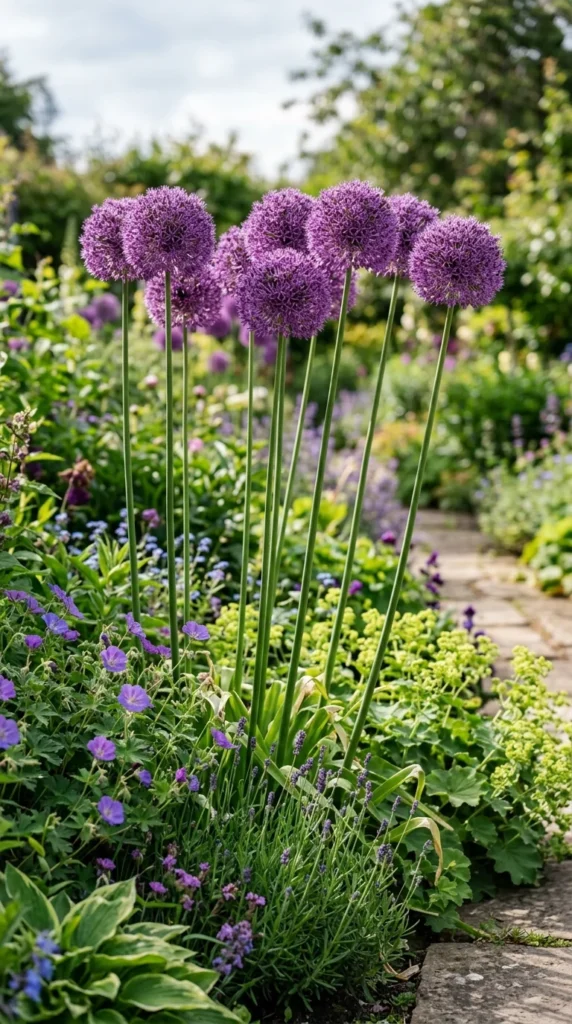
Alliums are ornamental onions, and just like the onions we eat, they have a strong sulfurous scent that deer (and rabbits) despise. These bulbs produce stunning, architectural “globe” flowers in late spring and early summer. Because the scent is contained in both the bulb and the foliage, they are rarely bothered by any type of wildlife.
22. Coreopsis
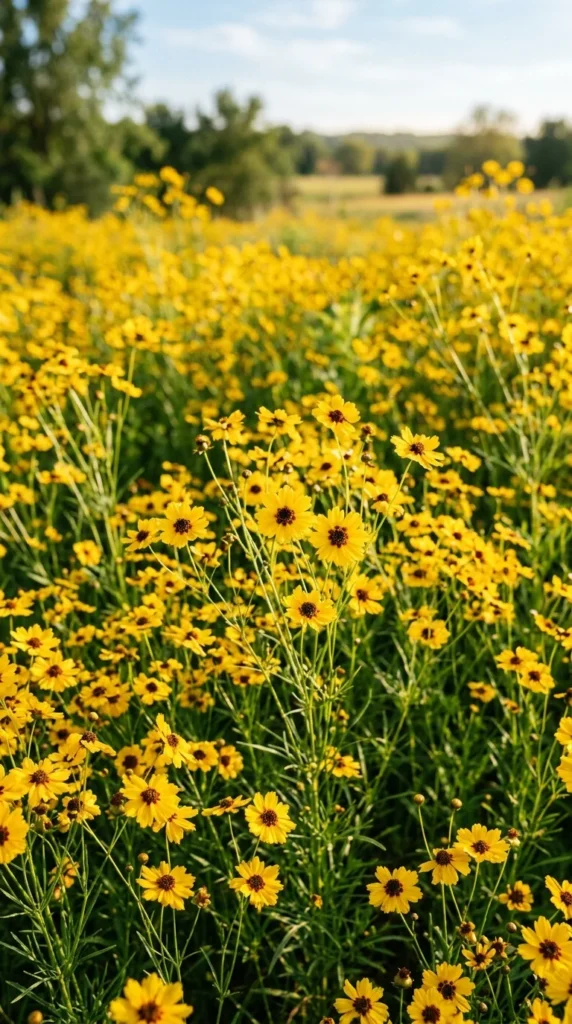
Commonly known as Tickseed, Coreopsis is a sun-loving perennial that deer generally ignore. The foliage is often fine and thread-like (in varieties like ‘Moonbeam’) or rough and leathery, neither of which is appealing to deer. They are incredibly prolific bloomers, often covering themselves in yellow, orange, or pink flowers for months at a time.
23. Monkshood
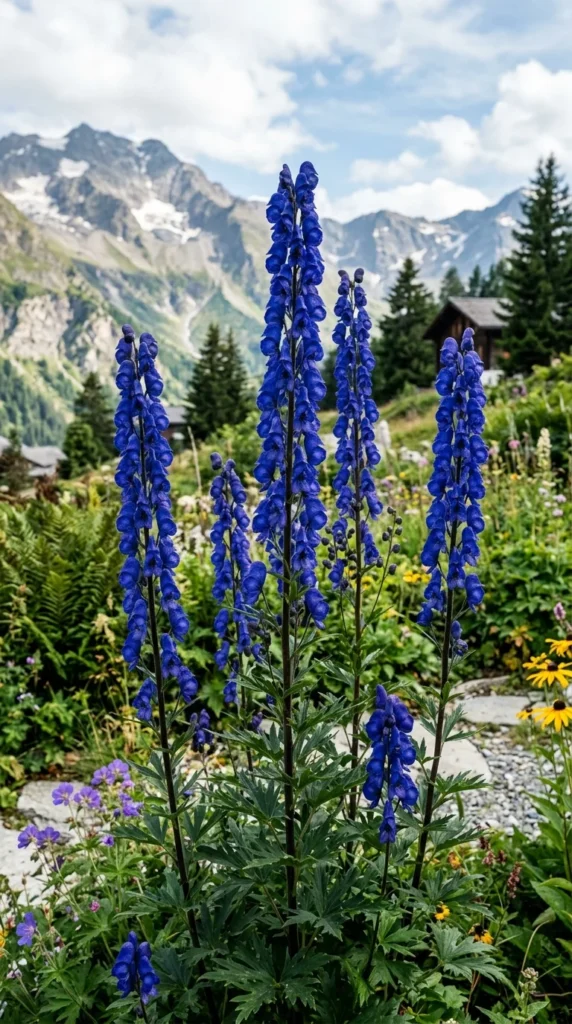
Monkshood (Aconitum) is a striking plant for the back of the border, but it should be handled with care. It is highly toxic—among the most poisonous plants commonly grown in gardens. This toxicity makes it virtually “deer-proof.” The hooded, deep blue flowers are a rare color in the garden and bloom in late summer or autumn when many other plants are fading.
24. Poppy
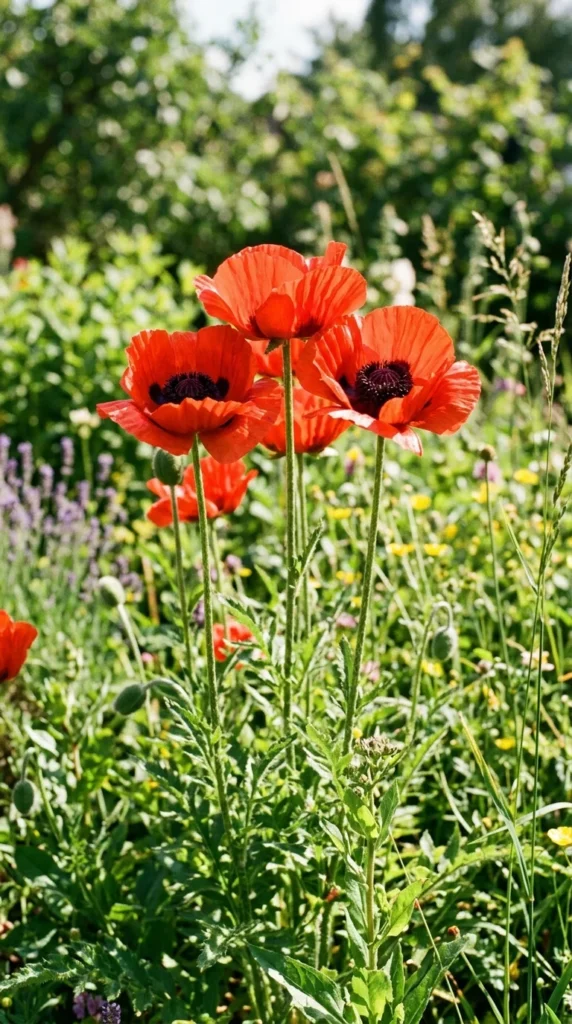
Poppies, especially the Oriental variety (Papaver orientale), are avoided by deer because of the bitter, milky sap contained in their stems and leaves. The fleeting but spectacular blooms provide a high-impact burst of color in late spring. Once the flowers fade, the plant often goes dormant, disappearing until the following year, which also helps it escape mid-summer browsing.
25. Rosemary
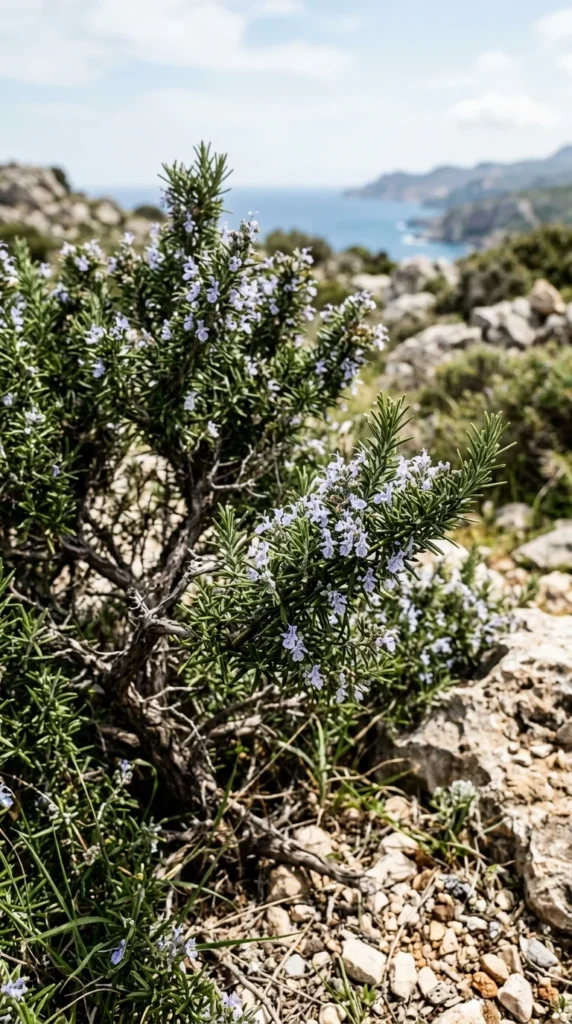
Rosemary is a Mediterranean herb that is as functional as it is deer-resistant. Its needle-like leaves are rich in resinous oils, giving it a powerful, pine-like aroma that deer find highly offensive. In warmer climates, it can grow into a large, evergreen shrub. It is incredibly drought-tolerant and can be used as a fragrant hedge or a culinary resource.