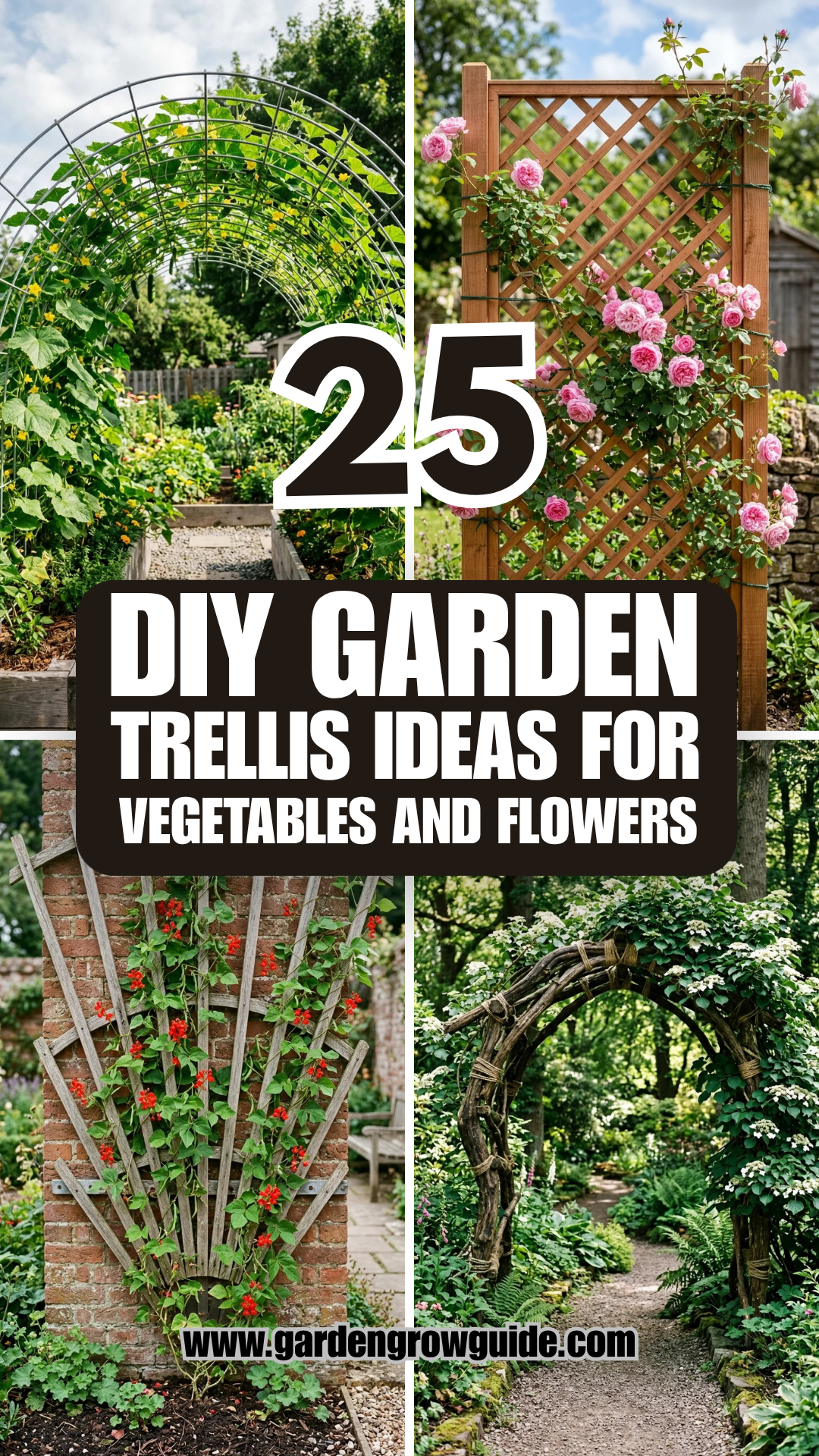
Vertical gardening is one of the most effective ways to maximize your harvest and beautify your outdoor space. Whether you are working with a sprawling backyard or a compact balcony, a trellis provides the necessary support for climbing plants to thrive. By lifting plants off the ground, you improve air circulation, reduce the risk of soil-borne diseases, and make harvesting significantly easier.
Beyond functionality, a DIY trellis adds architectural interest to your garden. From rustic branch structures to sleek copper designs, these 25 ideas offer a range of styles to suit any aesthetic and budget.
1. Cattle Panels
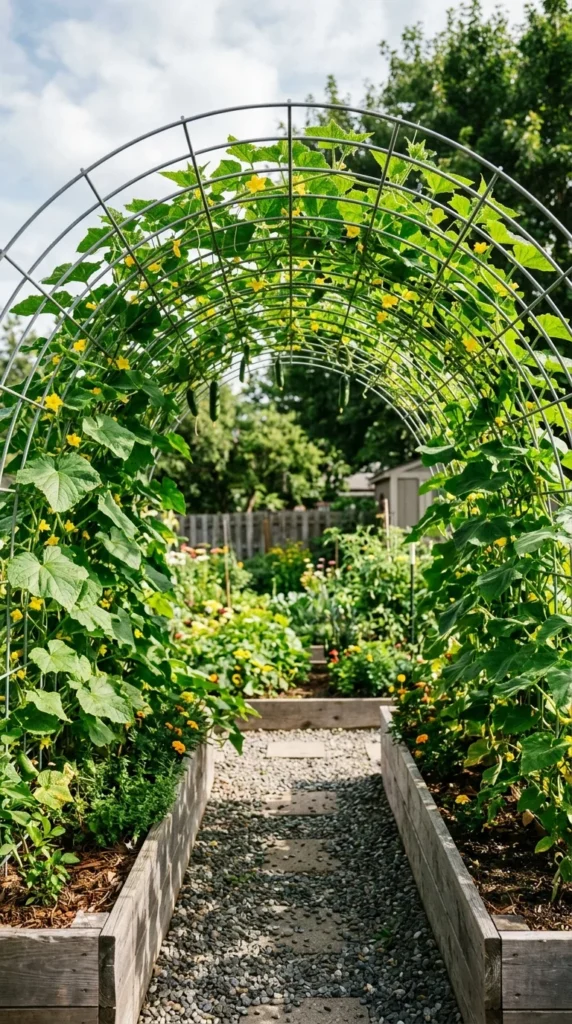
Cattle panels are a favorite among vegetable gardeners for their incredible strength and durability. These heavy-gauge wire panels can be used flat against a wall or bent into a dramatic archway. When used as an arch, they create a “tunnel” effect that is perfect for heavy crops like melons, squash, and cucumbers. The large openings allow you to reach through easily to harvest hanging fruit, while the height provides a stunning focal point in the garden.
2. A-Frame Wood
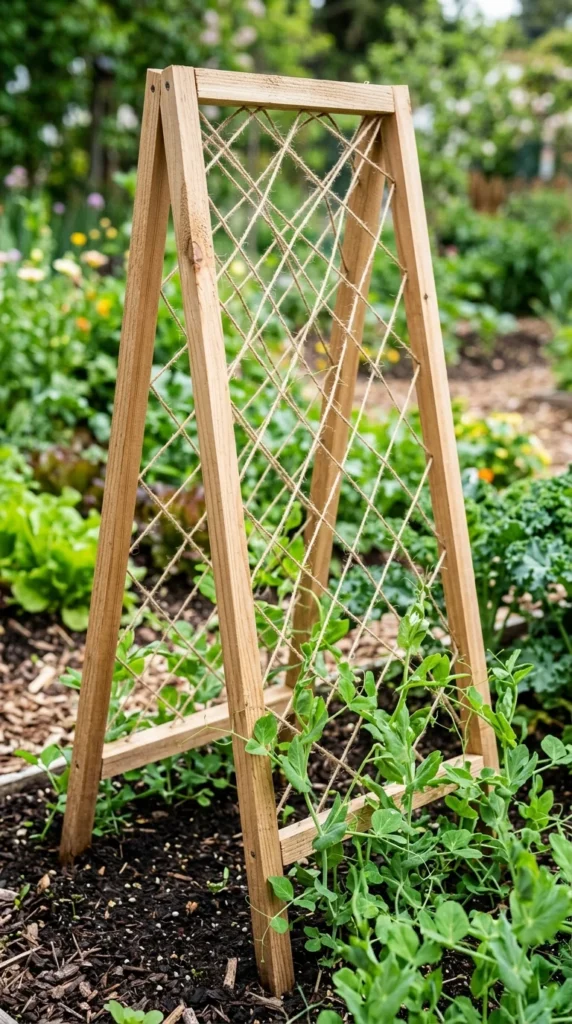
The A-frame trellis is a classic for a reason: it is stable, easy to build, and provides a large surface area for climbing. Typically constructed from cedar or pressure-treated lumber, this design involves two rectangular frames hinged at the top. It is particularly well-suited for beans and peas. Because it is free-standing, you can move it around your garden each season to accommodate crop rotation.
3. Bamboo Teepee
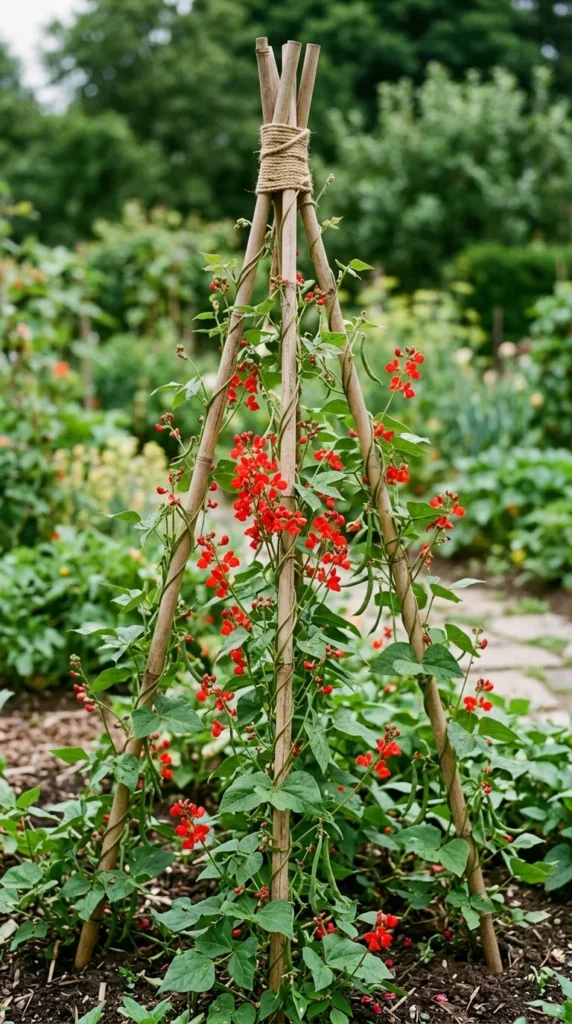
For a natural and cost-effective solution, the bamboo teepee is hard to beat. By lashing three or more bamboo stakes together at the apex, you create a sturdy pyramid. This structure is excellent for pole beans and flowering vines like morning glories. The vertical height draws the eye upward, making the garden feel more expansive while providing a solid anchor against the wind.
4. Old Ladder
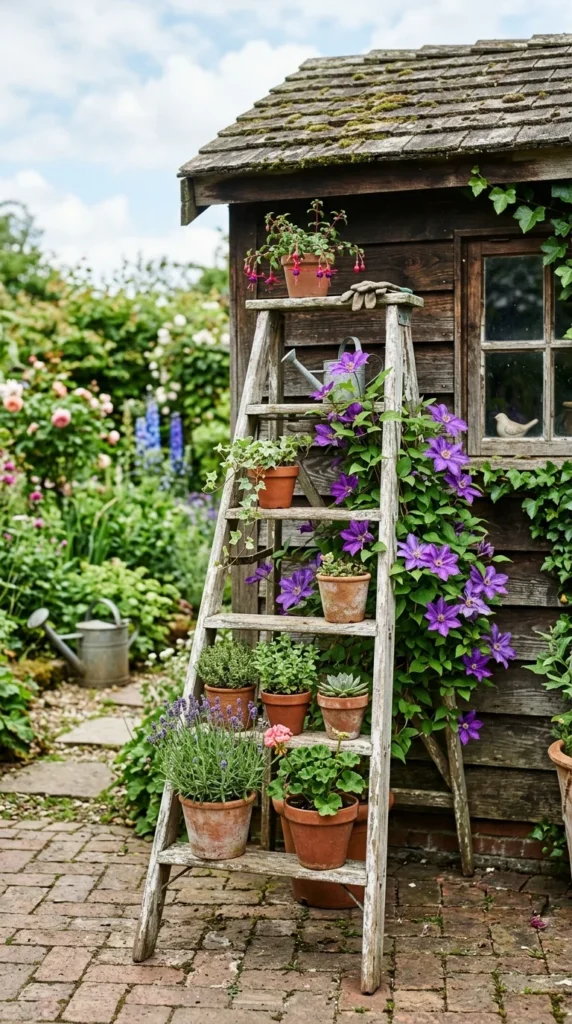
Repurposing an old wooden or metal ladder is one of the easiest DIY projects. Simply lean the ladder against a wall or fence. The rungs act as natural supports for climbing plants, while the vertical rails provide a path for upward growth. This idea adds a touch of rustic or “shabby chic” charm to the garden and requires zero construction skills.
5. Copper Pipe
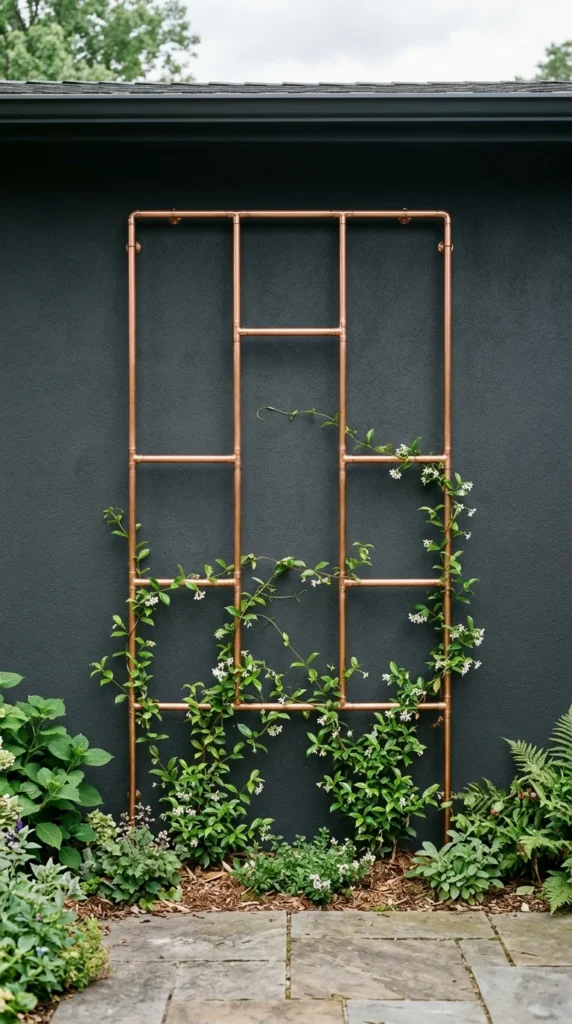
If you prefer a more contemporary or industrial look, copper piping is an excellent material choice. Copper is not only strong but also develops a beautiful greenish patina over time. Using standard plumbing fittings, you can create custom geometric shapes or a simple grid. The metallic sheen provides a stunning contrast against dark green foliage.
6. Cedar Lattice
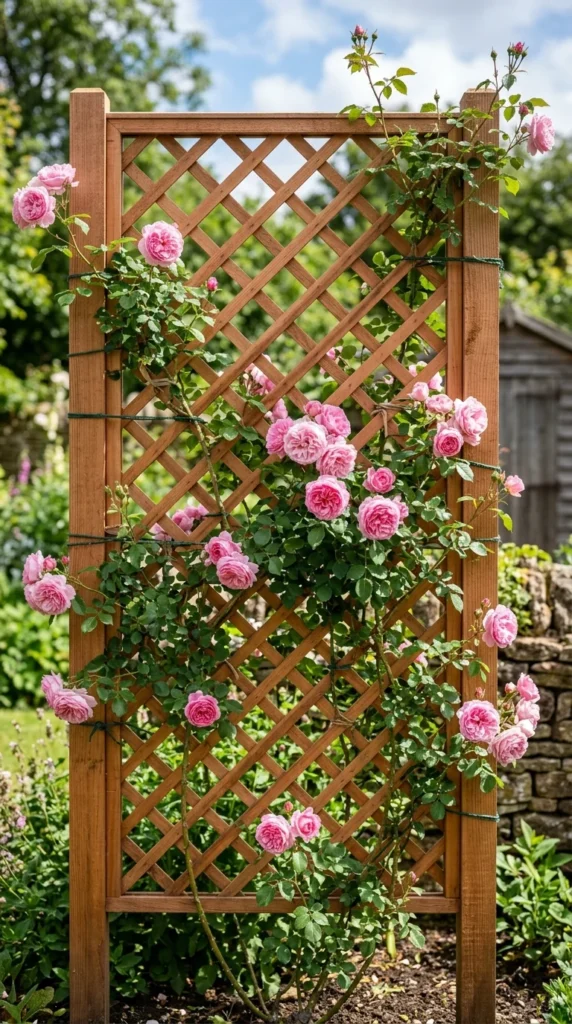
Cedar lattice is a timeless choice for flowering vines. Cedar is naturally rot-resistant, making it ideal for the moist environment of a garden. You can purchase pre-made panels or build your own to fit a specific space. Lattice works exceptionally well for roses, clematis, and honeysuckle, providing hundreds of small attachment points for the plants’ tendrils.
7. Wagon Wheel
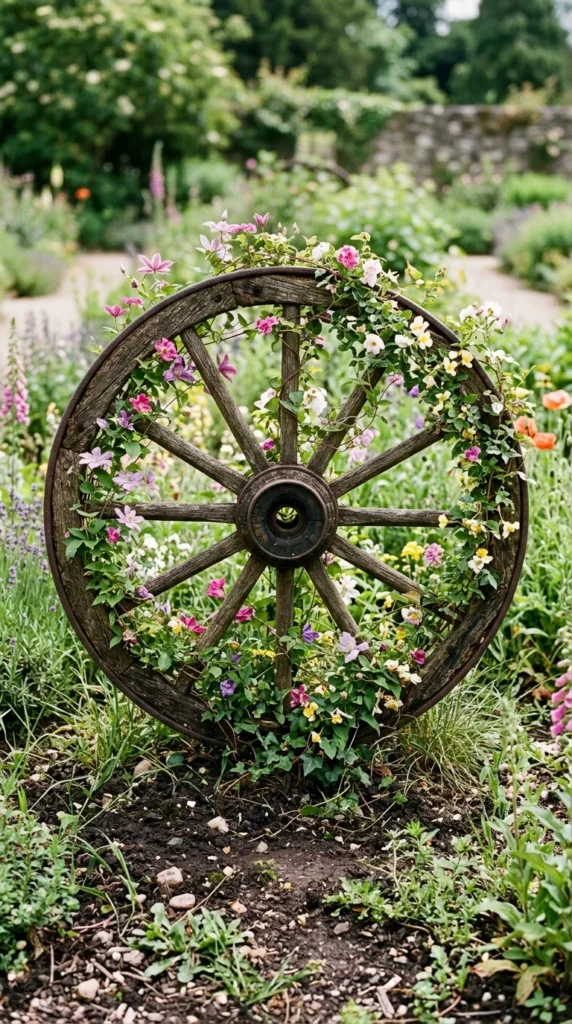
Upcycling a vintage wagon wheel creates a unique, circular trellis that is perfect for smaller ornamental vines. The spokes provide a radial framework that guides growth outward from the center. This is a great choice for a focal point in a cottage garden or a centerpiece in a circular flower bed.
8. PVC Pipe
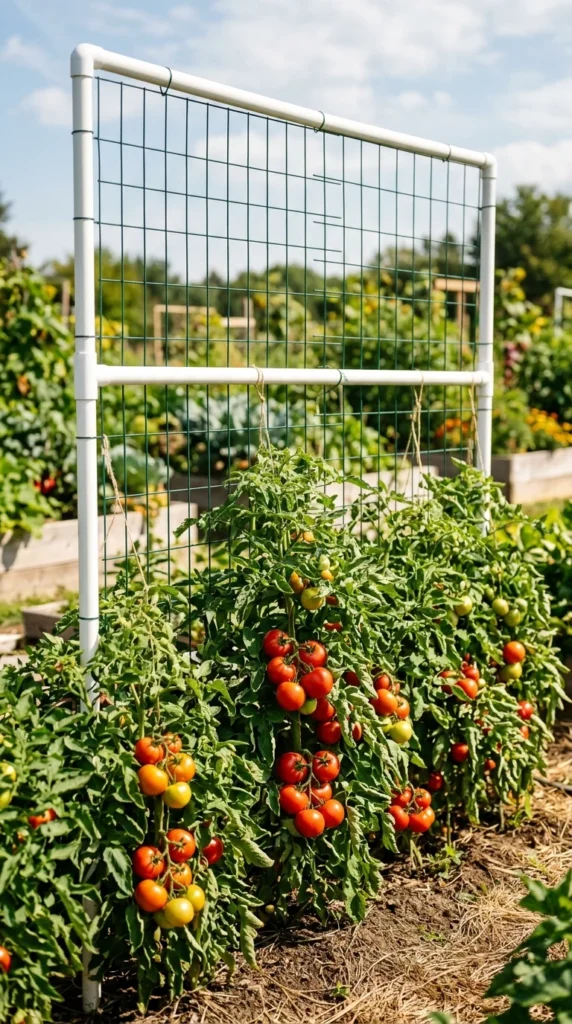
PVC pipe is lightweight, inexpensive, and incredibly versatile. By using T-junctions and elbows, you can build a custom-sized trellis for any space. While it may not have the natural beauty of wood, it can be painted to match your garden décor. It is particularly useful for supporting heavy tomato plants, as the smooth surface is easy to clean and disinfect at the end of the season.
9. Branch Weaving
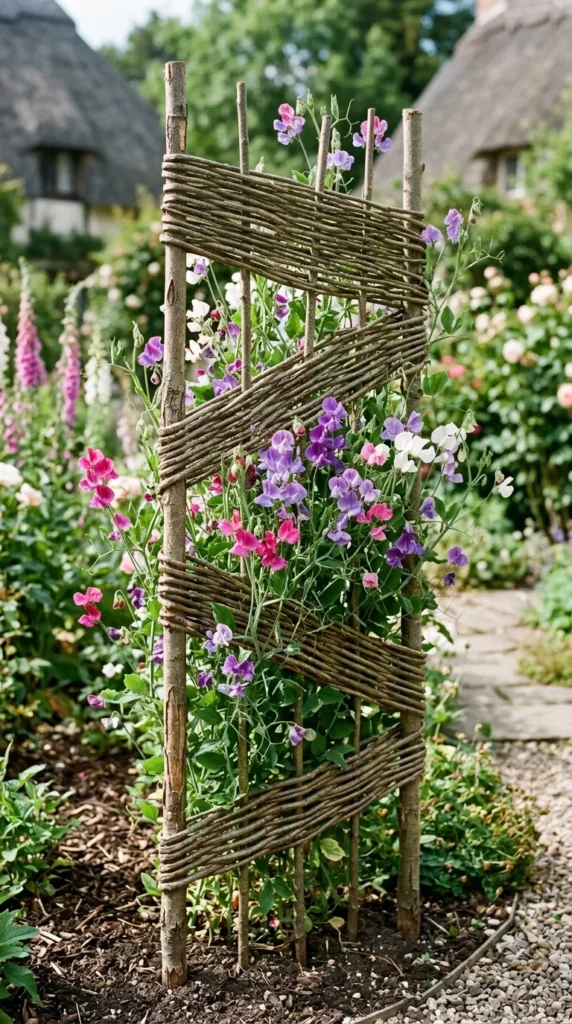
Using fallen branches or flexible willow whips allows you to create a “wattle” style trellis that blends seamlessly into a naturalistic garden. This method involves weaving thinner, horizontal branches through sturdier vertical stakes. It is an eco-friendly way to clear yard debris while creating a beautiful, organic support system.
10. String Twine
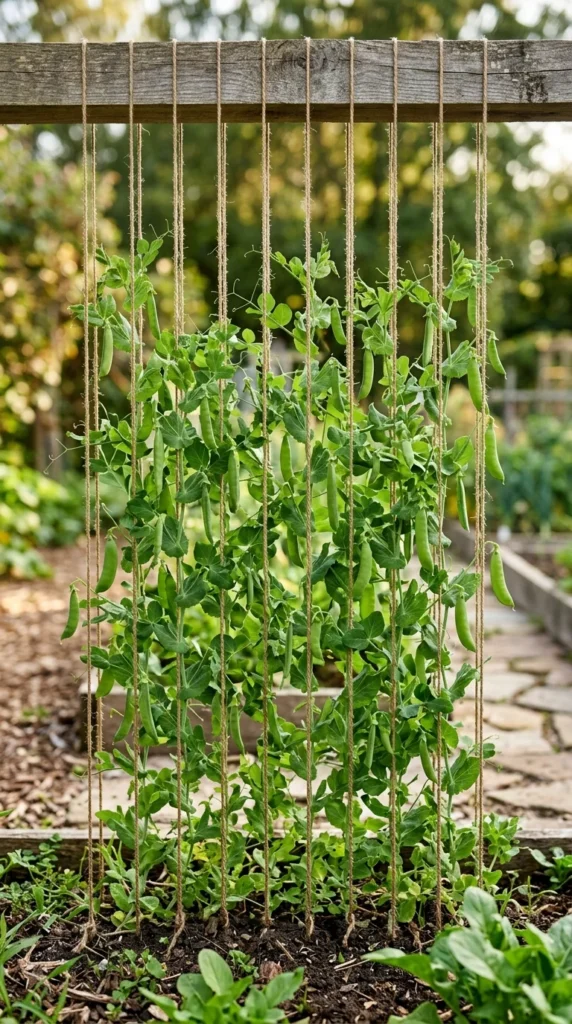
A string trellis is the ultimate minimalist approach. By stretching twine vertically between two supports, you provide a thin, grippable surface for “twiners” like peas and beans. This method is often used in the “Florida Weave” technique for tomatoes, where string is woven horizontally between stakes to keep heavy plants upright.
11. Bed Frame
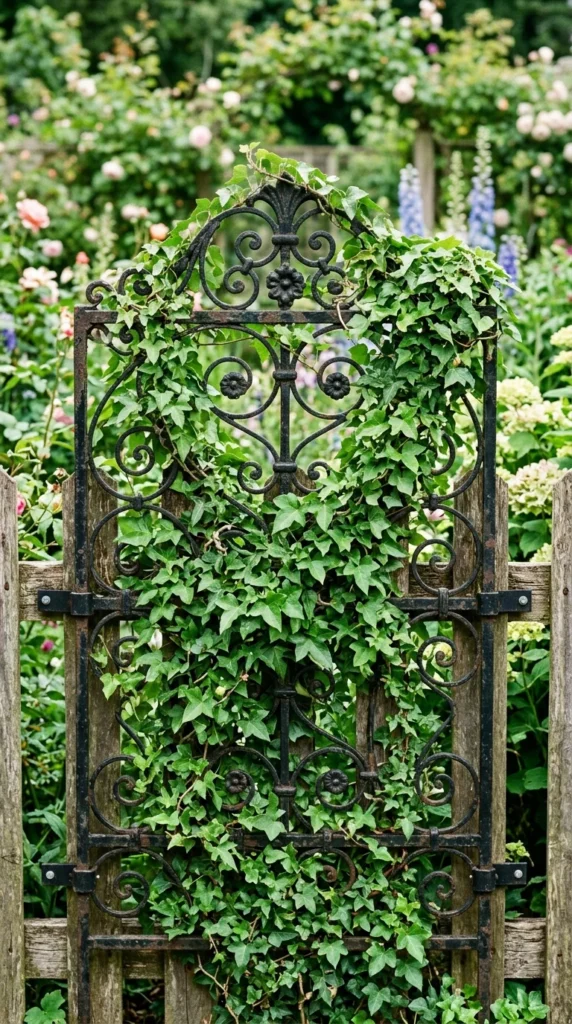
Old metal bed frames, especially headboards and footboards, make fantastic trellises. Their height and intricate designs are perfect for climbing flowers. Because they are made of heavy metal, they can support the weight of perennial vines like wisteria or trumpet vine for many years.
12. Rebar Grid
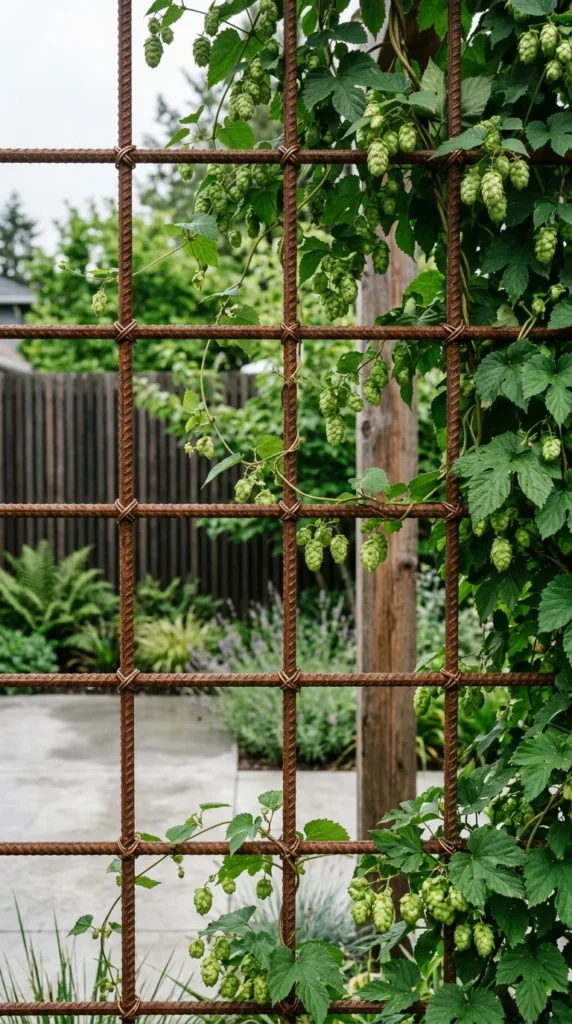
Rebar is a surprisingly stylish material when used in a garden setting. Its rough texture provides a great grip for climbing plants, and the steel develops a deep, rustic rust color over time. By tying vertical and horizontal lengths of rebar together, you can create a custom-sized industrial grid that is strong enough for any crop.
13. Bicycle Wheel
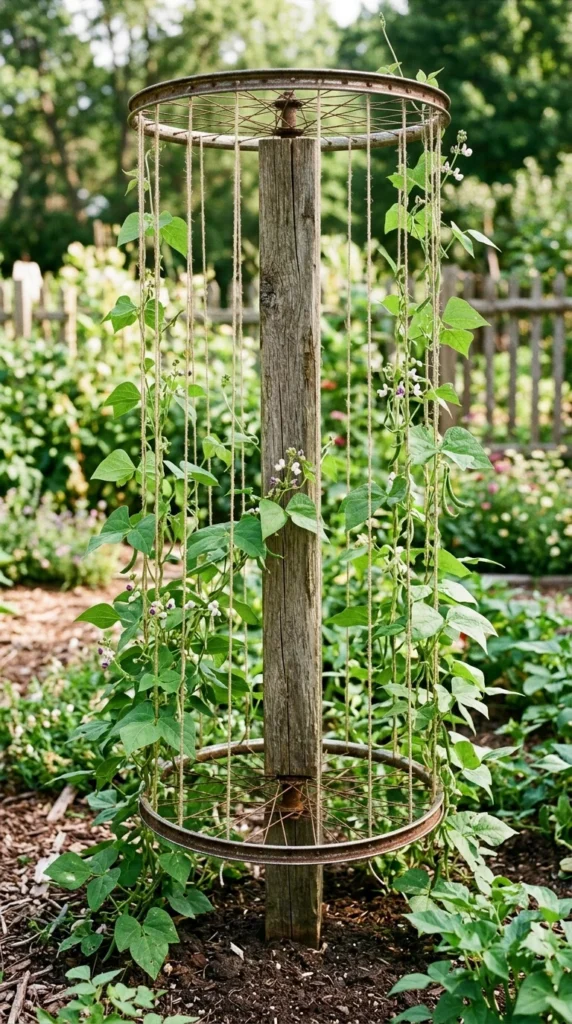
Bicycle wheels can be used to create a “rotary” trellis. By mounting two wheels on a single vertical post and running twine between the spokes or rims, you create a cylindrical tower. This is a space-saving design that works perfectly for pole beans or small ornamental climbers.
14. Pallet Wood
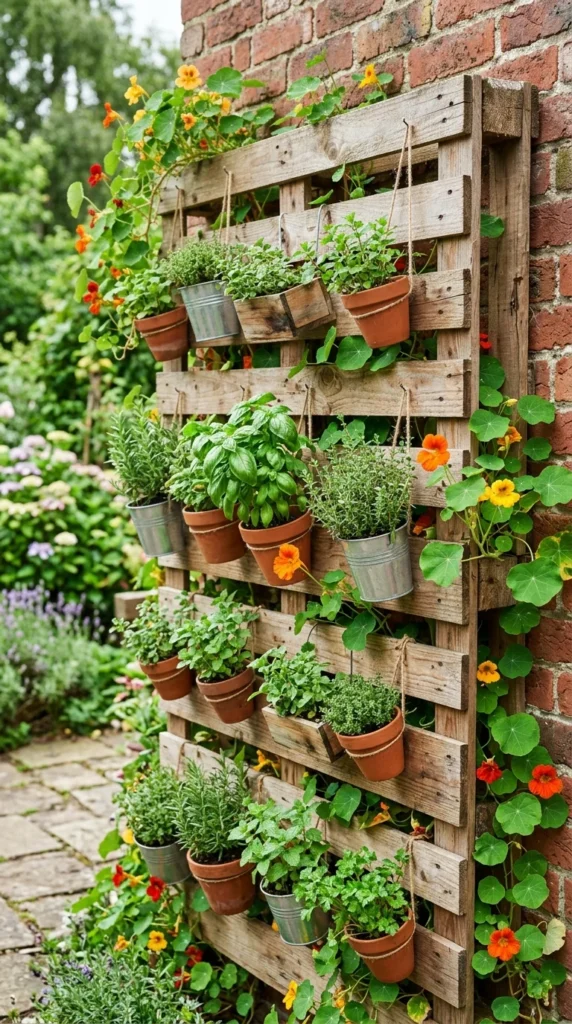
Pallets are a goldmine for free garden lumber. You can use a pallet whole by leaning it against a wall, or dismantle it to create custom frames. The wide slats are perfect for stapling chicken wire or plastic mesh onto, providing a high-surface-area support system for various vegetables.
15. Poultry Netting
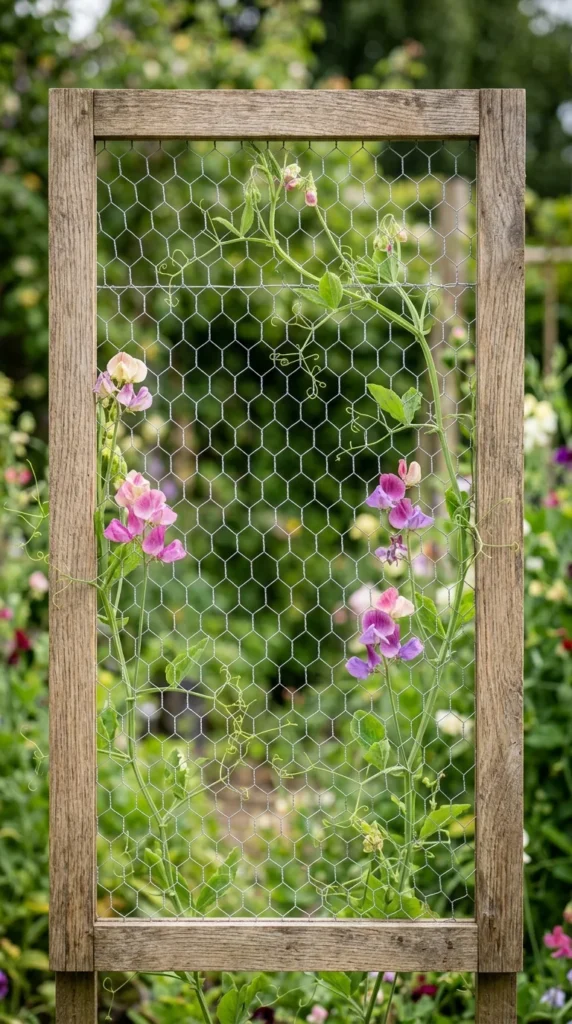
Commonly known as chicken wire, poultry netting is a fantastic material for plants with fine tendrils. Because the wire is so thin, even the smallest climbers can easily wrap around it. Stretching the netting across a wooden frame creates a lightweight but effective trellis that is almost invisible from a distance.
16. Foldable Screen
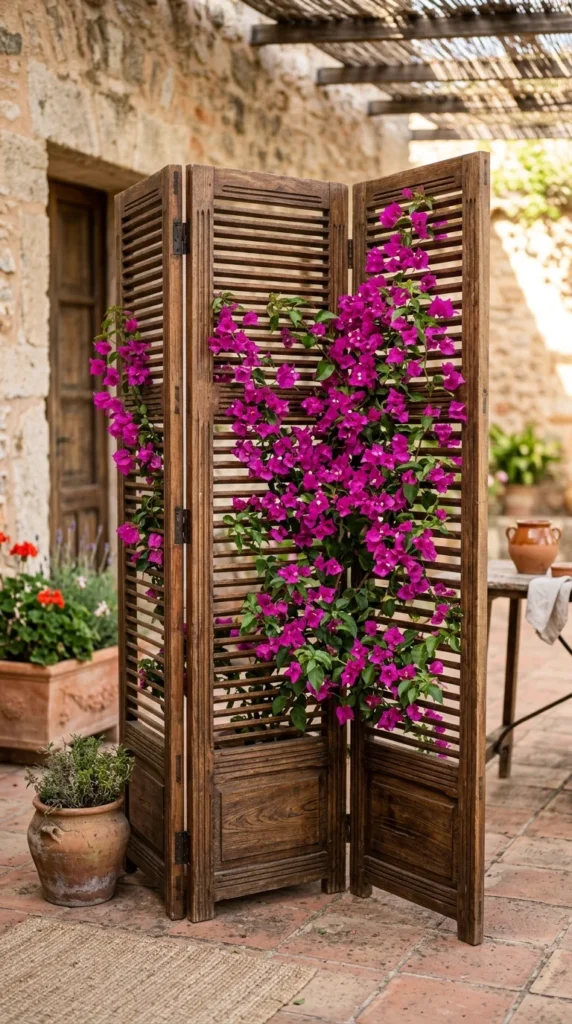
A foldable trellis screen offers versatility and portability. It can be used to create a temporary privacy barrier or a backdrop for a patio garden. When the season is over, the screen can be folded flat and stored in a garage or shed, protecting it from the winter elements.
17. Umbrella Frame
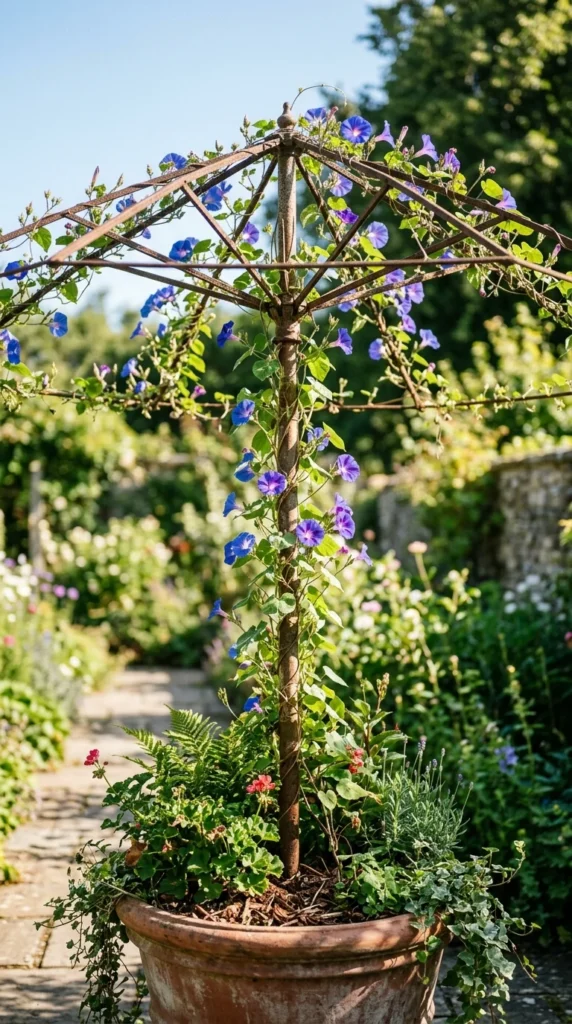
If you have an old patio umbrella with torn fabric, don’t throw it away. The metal ribs of the frame create a perfect “umbrella” trellis. As vines grow up the central pole and out along the ribs, they create a weeping canopy of greenery and flowers.
18. Obelisk Structure
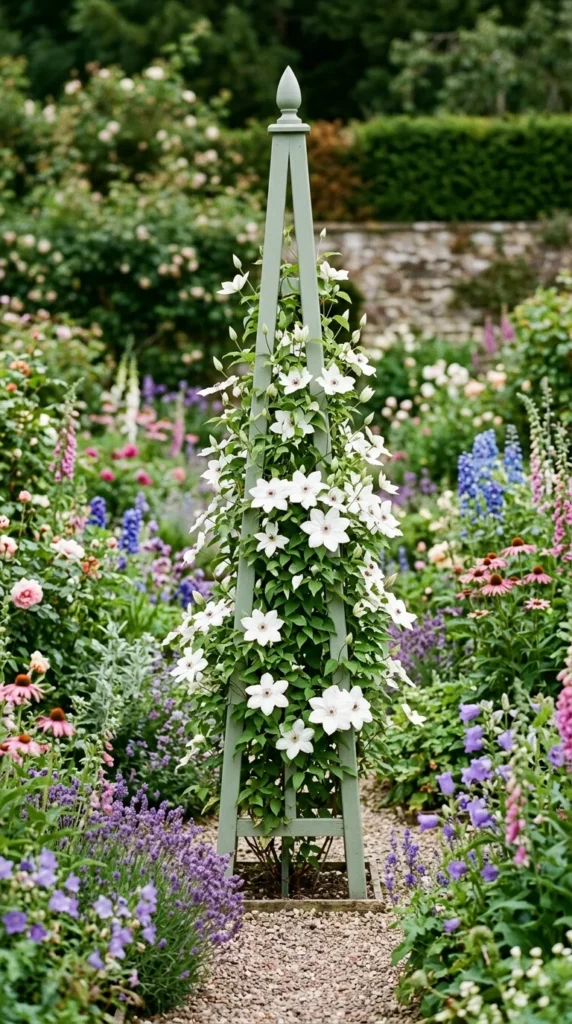
The obelisk is a classic garden element that adds height and formality. Typically four-sided and tapering toward the top, it can be built from wood or metal. Obelisks are perfect for adding a vertical accent to the center of a flower bed and work well with climbing roses or mandevilla.
19. Conduit Pipe
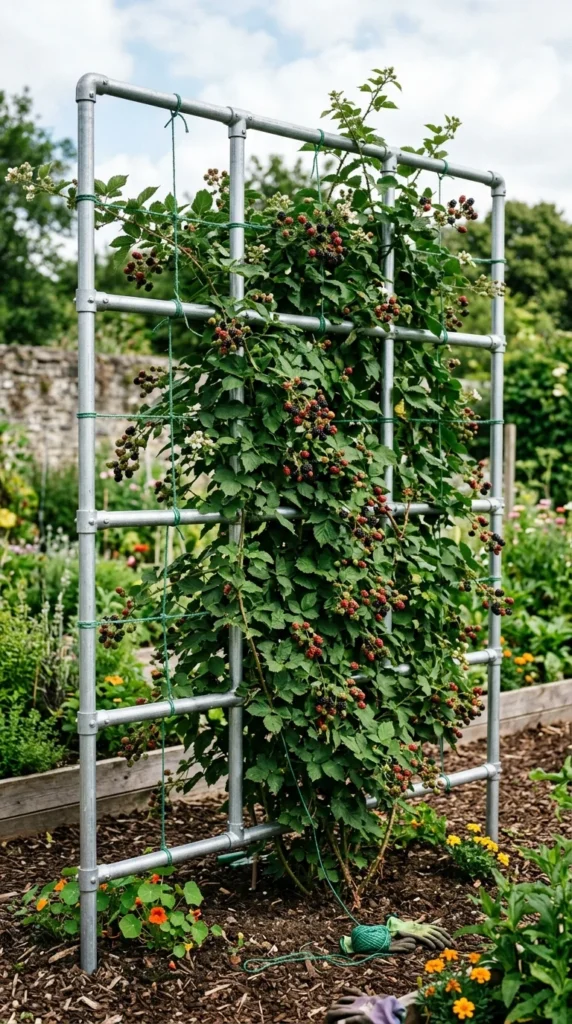
Electrical conduit is a cheaper alternative to copper or stainless steel. It is easy to bend using a pipe bender, allowing you to create rounded shapes or “hoop” trellises. Its galvanized coating protects it from rust, making it a long-lasting choice for heavy-duty fruit-bearing plants like blackberries or grapes.
20. Crib Rail
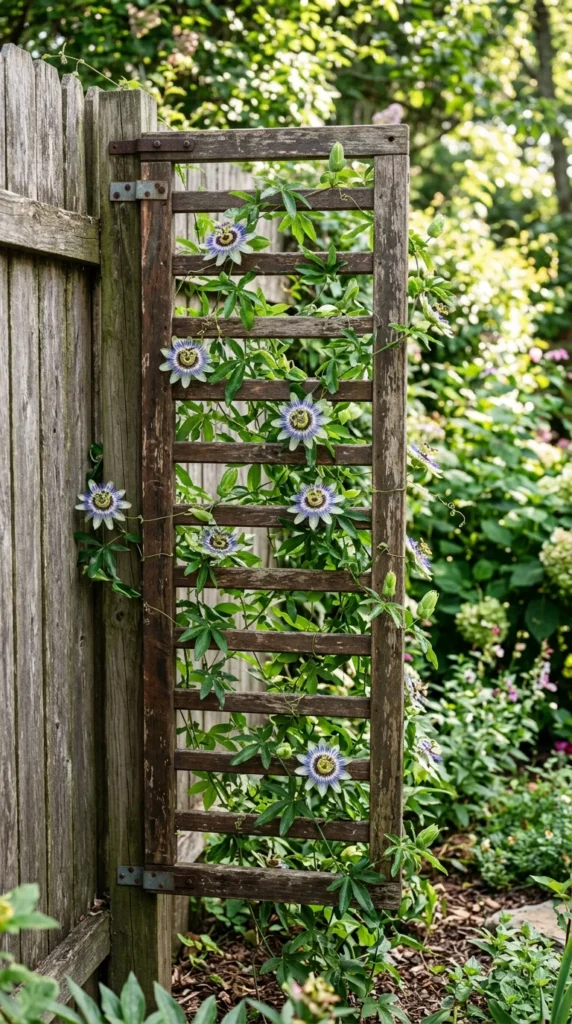
Old baby cribs are often discarded, but their side rails are essentially ready-made trellises. The spacing between the slats is ideal for most climbing plants. These can be mounted to walls, fences, or even used as a “roof” for a small garden arbor.
21. Branch Archway
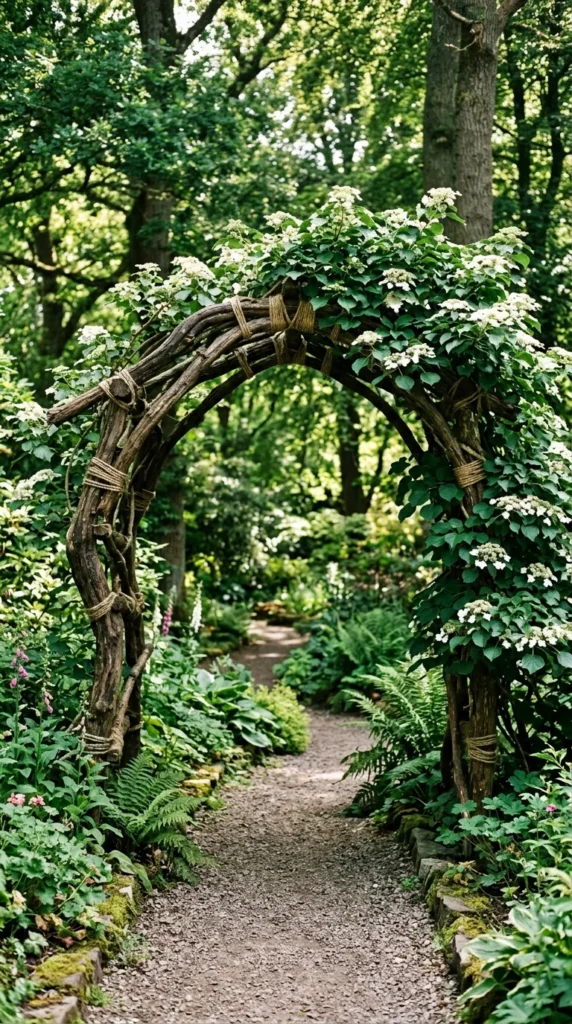
For a fairytale-like garden entrance, a branch archway is a beautiful choice. By selecting naturally curved branches and securing them together, you can create a rustic portal. This structure is best suited for slow-growing perennial vines that will eventually strengthen the structure with their own woody stems.
22. Fishing Net
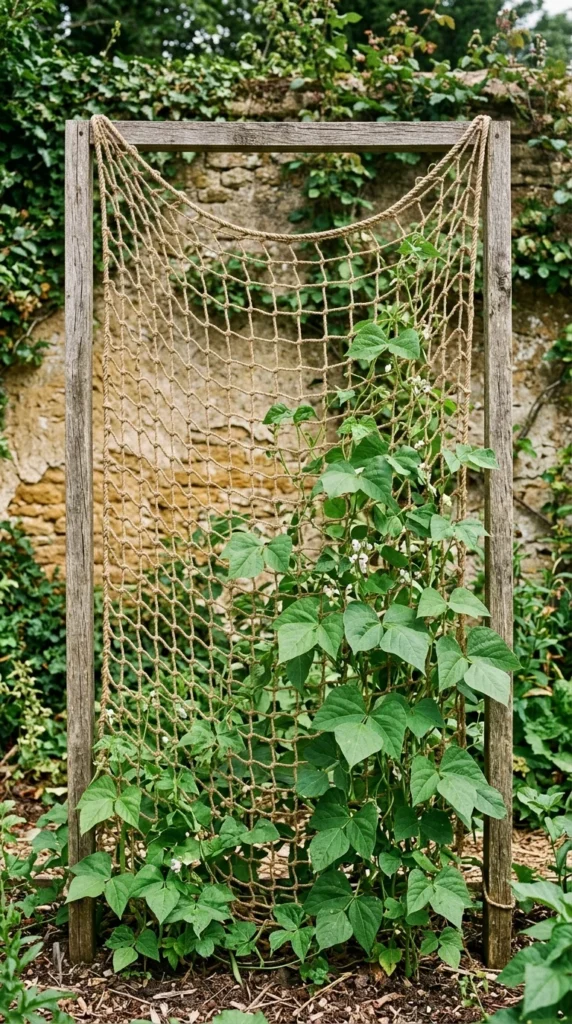
Old fishing nets or heavy-duty decorative netting provide a flexible, wide-mesh surface that is perfect for plants that like to wander. The netting can be draped over frames or stretched between posts. It is particularly useful for covering large areas quickly and cheaply.
23. Wall-Mounted Wire
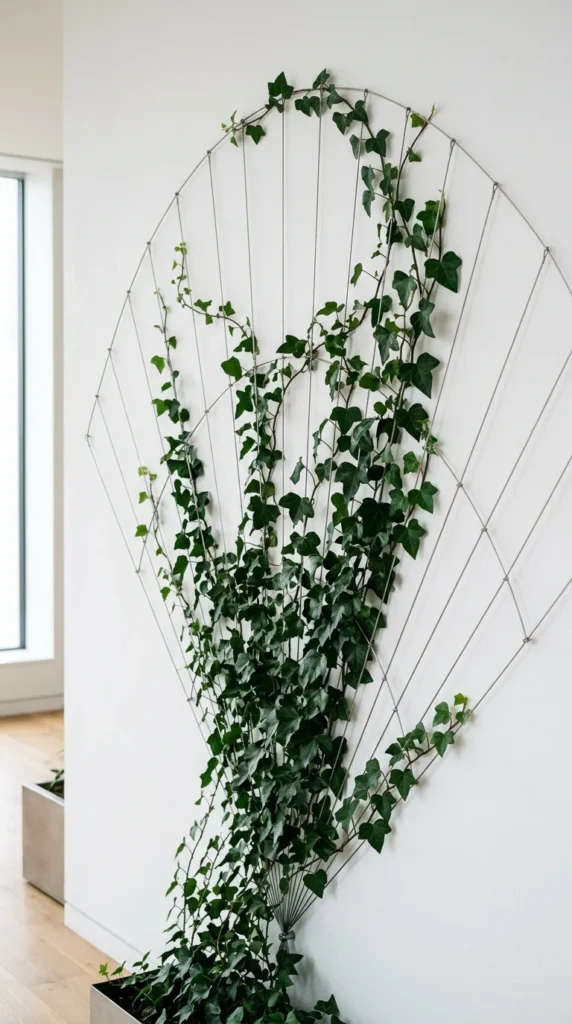
For a sleek, “invisible” look, wall-mounted wire systems are ideal. Using eye-bolts and aircraft cable, you can create custom patterns directly on the side of a building or fence. This allows the plants to appear as if they are climbing the wall itself, providing a clean and organized aesthetic.
24. T-Post and Mesh
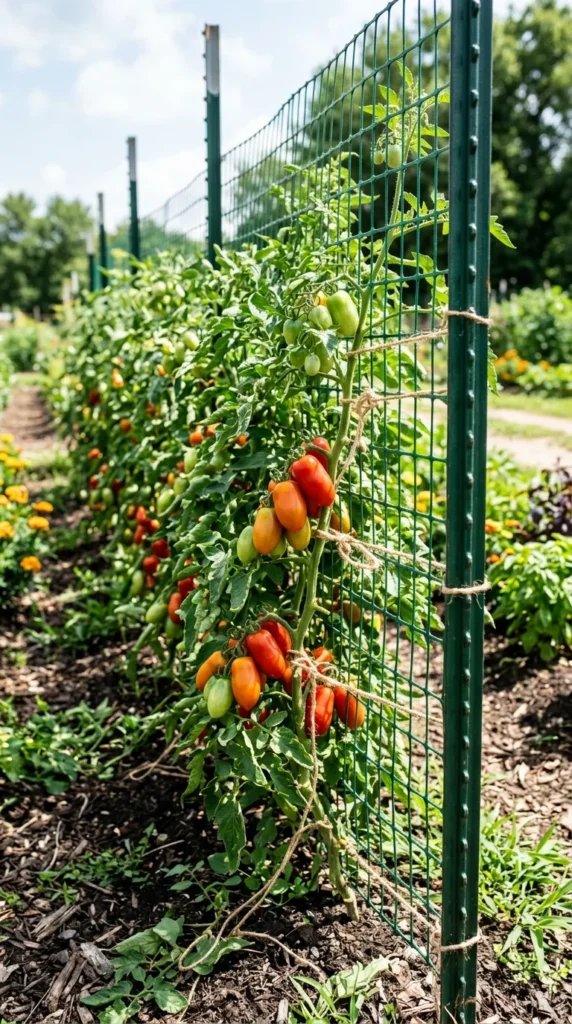
This is the “no-nonsense” approach for serious vegetable gardeners. T-posts are incredibly strong and easy to drive into the soil. By stretching plastic or metal mesh between the posts, you create a rock-solid wall of support. This setup is ideal for long rows of tomatoes or heavy squash that would collapse a flimsier trellis.
25. Fan Trellis
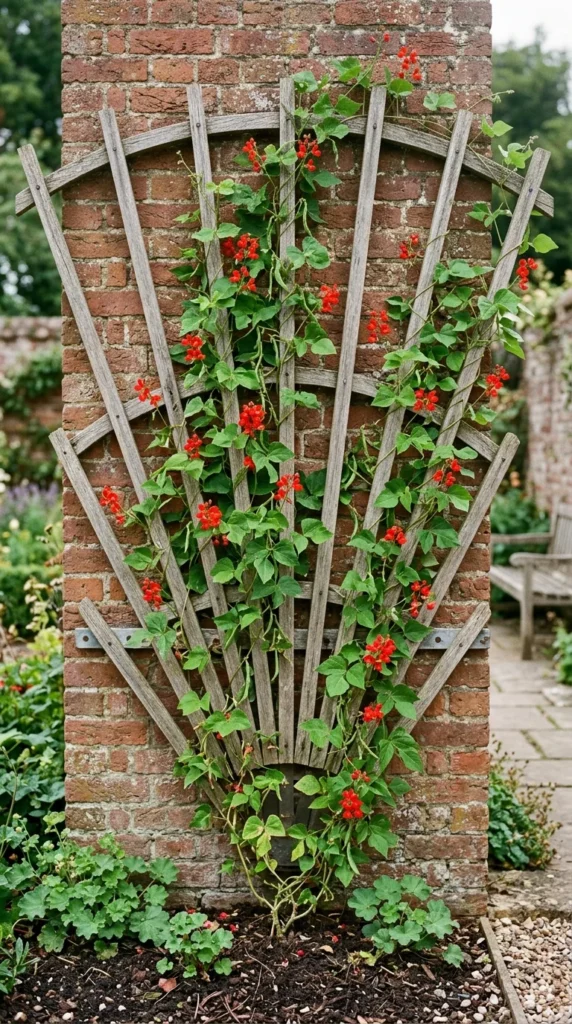
The fan trellis is a traditional design that helps to spread a plant out horizontally as it grows vertically. This is particularly useful for maximizing sun exposure for flowering vines. It is a simple DIY project involving just a few strips of wood and a single bolt at the base, creating a beautiful and functional garden accessory.