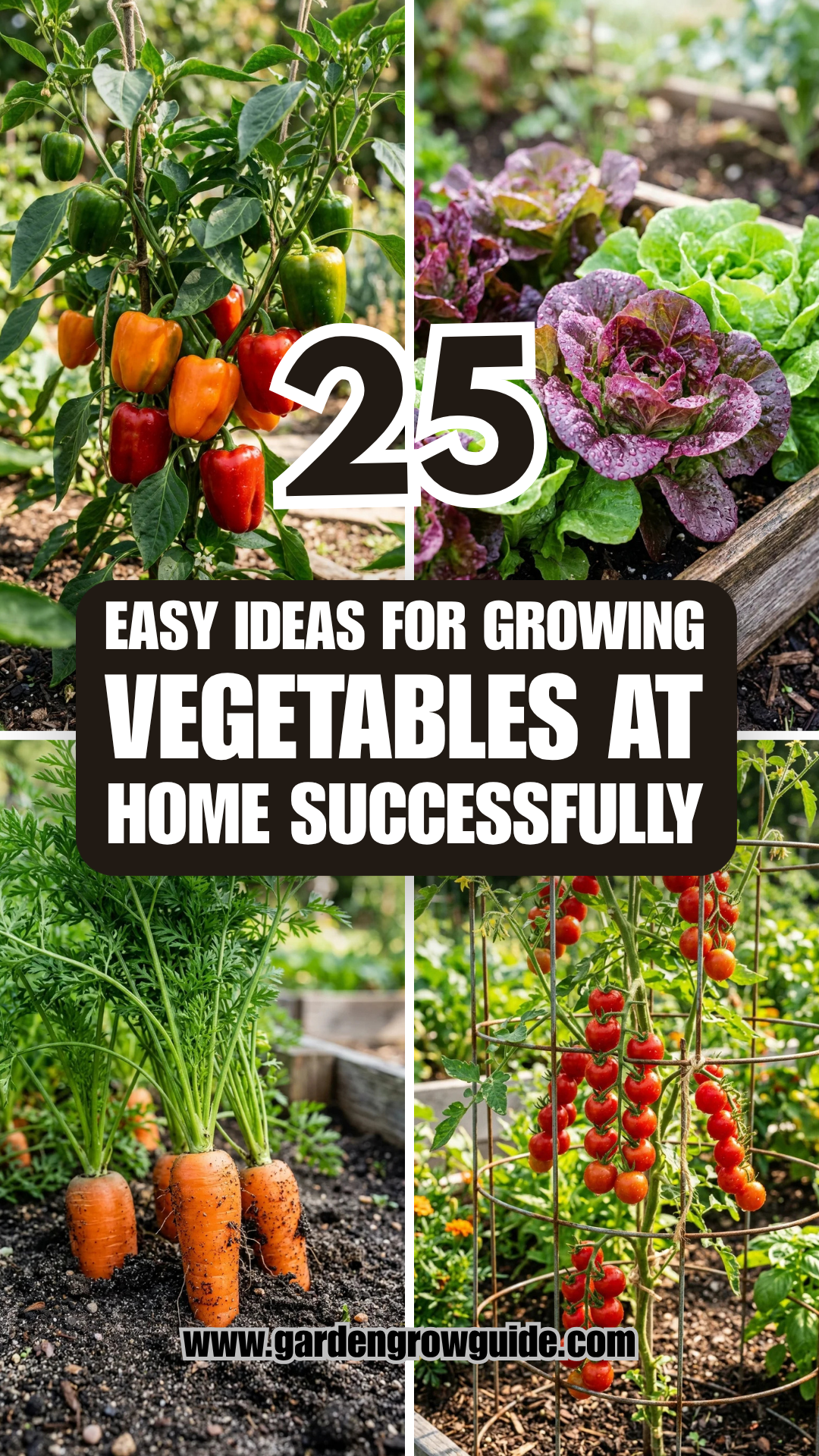
Cultivating a home vegetable garden is one of the most rewarding journeys a homeowner or apartment dweller can undertake. Beyond the obvious benefit of having fresh, organic produce at your fingertips, gardening provides physical exercise, reduces stress, and fosters a deeper connection with the natural world. Whether you have a sprawling backyard or a small balcony, the key to success lies in choosing the right crops and understanding their basic needs.
Here are 25 easy and effective ideas for growing vegetables at home successfully.
1. Lettuce
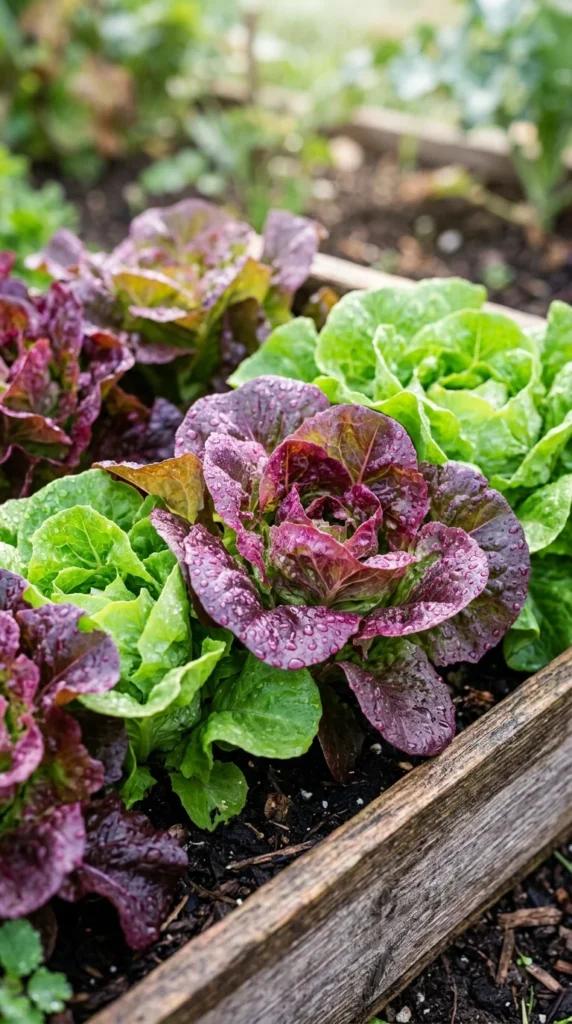
Lettuce is the ultimate beginner-friendly vegetable because it grows incredibly fast and can thrive in small spaces. Since lettuce has shallow roots, you don’t need deep soil, making it perfect for containers or window boxes. It prefers cooler temperatures, so it is best planted in early spring or late summer. To ensure a continuous harvest, practice “succession planting” by sowing a new row of seeds every two weeks.
2. Tomatoes
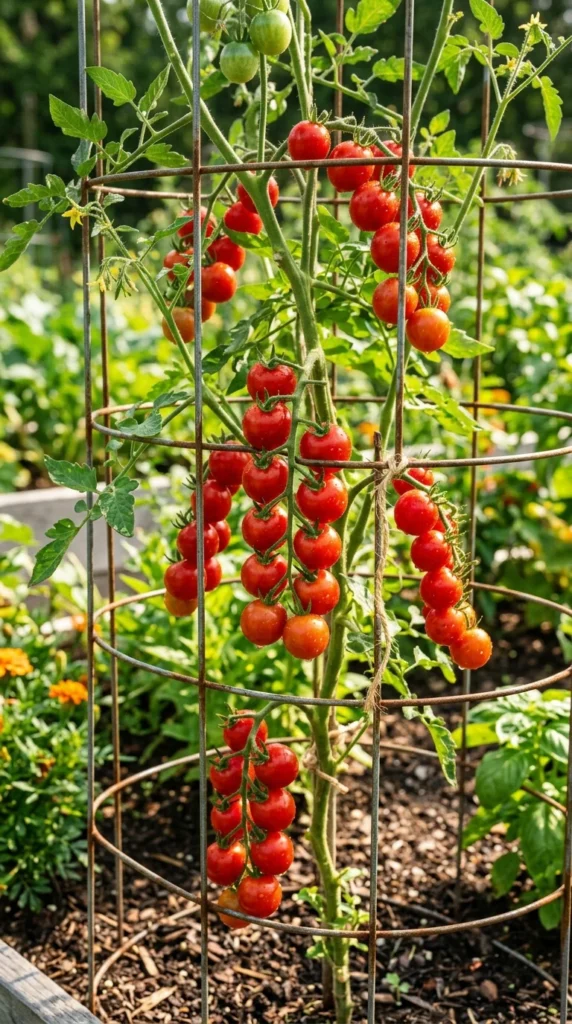
Tomatoes are a staple of the home garden. For beginners, “determinate” or bush varieties are often easier to manage than vining types. They require plenty of sunlight—at least six to eight hours a day—and consistent watering to prevent the fruit from cracking. Using a sturdy cage or stake helps keep the heavy fruit off the ground, reducing the risk of pests and rot.
3. Radishes
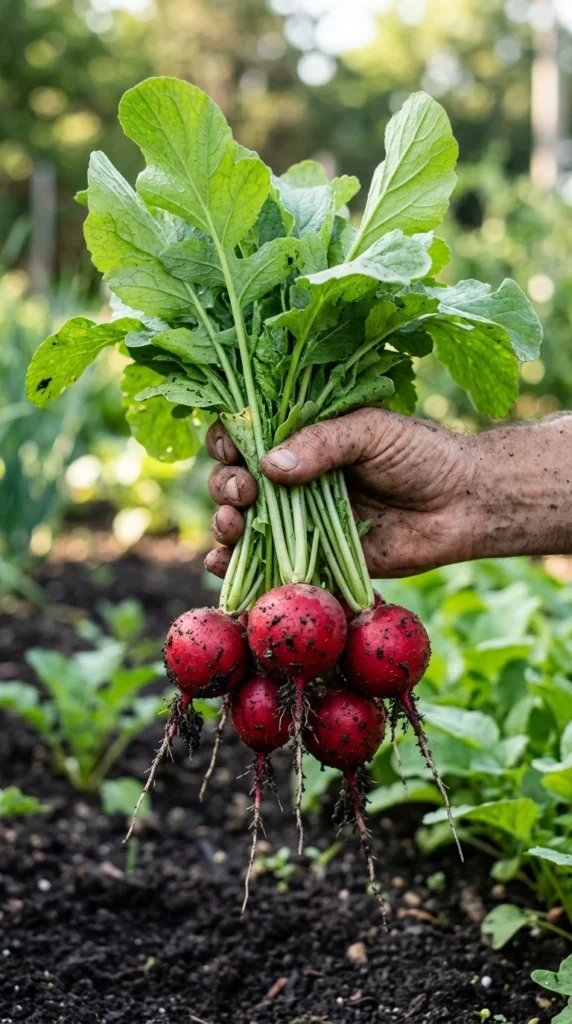
If you want instant gratification, radishes are the crop for you. Some varieties go from seed to harvest in as little as 25 days. They are hardy and can handle a bit of frost, making them an excellent choice for early spring planting. Radishes grow well in loose, well-drained soil; if the soil is too rocky or compacted, the roots may become misshapen.
4. Green Beans
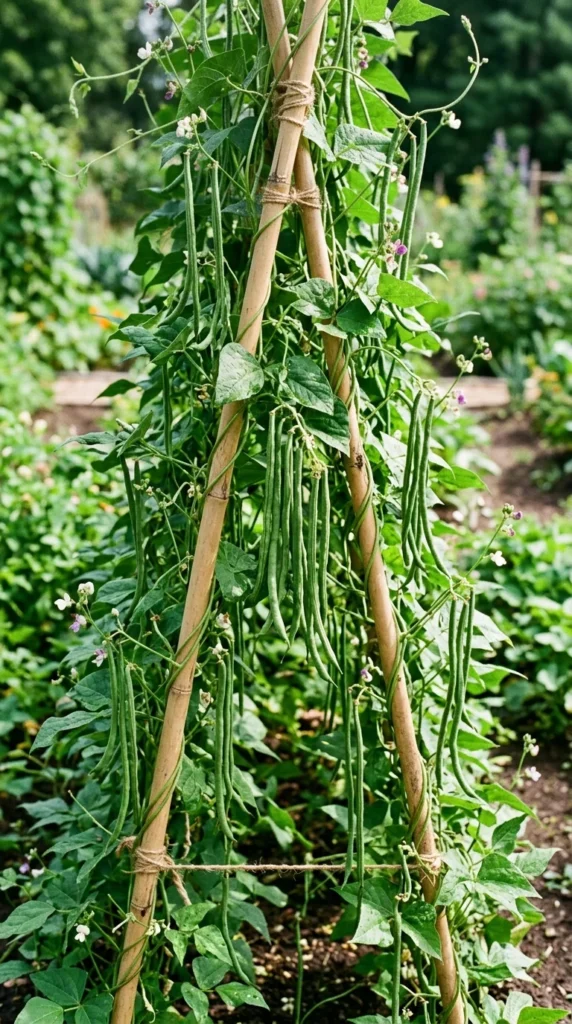
Green beans come in two main types: bush beans and pole beans. Bush beans are compact and require no support, while pole beans grow on vines and need a trellis or teepee. Both are prolific producers. They are “nitrogen fixers,” meaning they actually improve the quality of your soil as they grow. Harvest them frequently to encourage the plant to keep producing more pods.
5. Zucchini
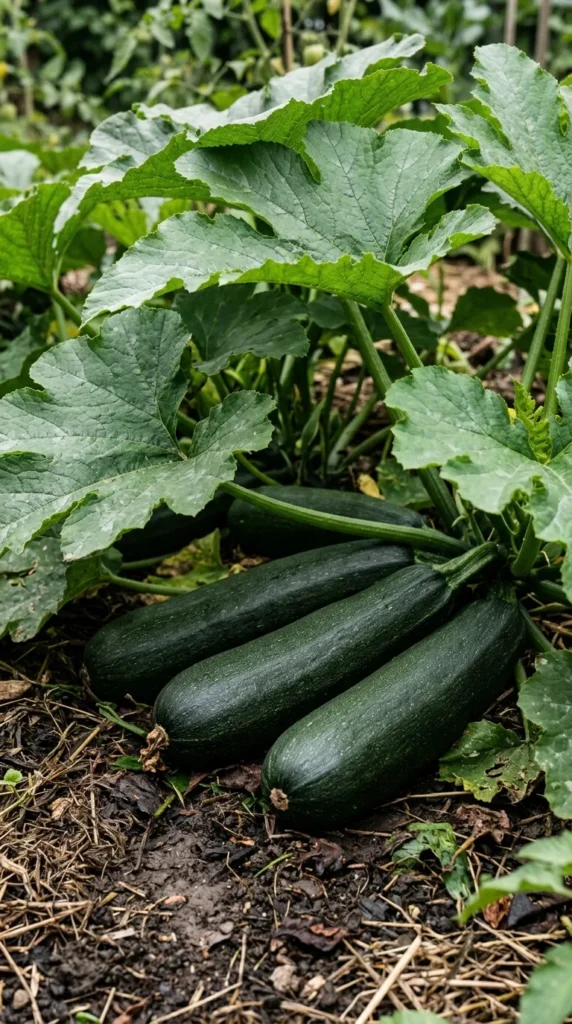
Zucchini is famous for its abundance. A single plant can often provide enough squash for an entire family. They require plenty of space because their leaves spread out wide, and they love rich, compost-heavy soil. Be sure to plant them in a spot with full sun. Keep an eye out for the yellow blossoms, which are also edible and delicious when fried or stuffed.
6. Peppers
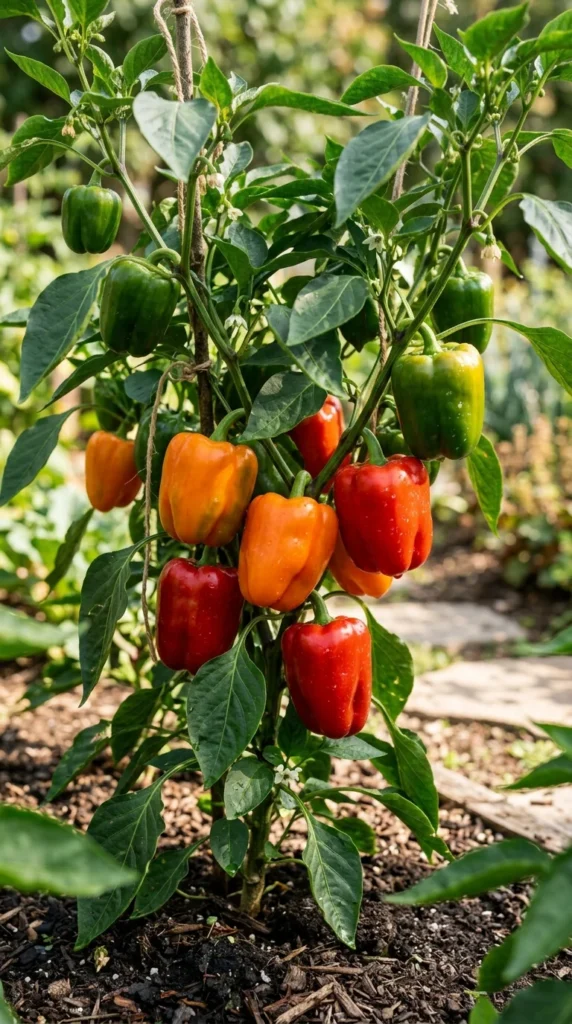
Whether you prefer sweet bell peppers or spicy habaneros, peppers are a fantastic addition to the home garden. They love heat and do best when the soil has warmed up significantly in the late spring. Peppers are excellent candidates for container gardening. To get the best yield, use a fertilizer high in phosphorus and keep the soil consistently moist but not waterlogged.
7. Cucumbers
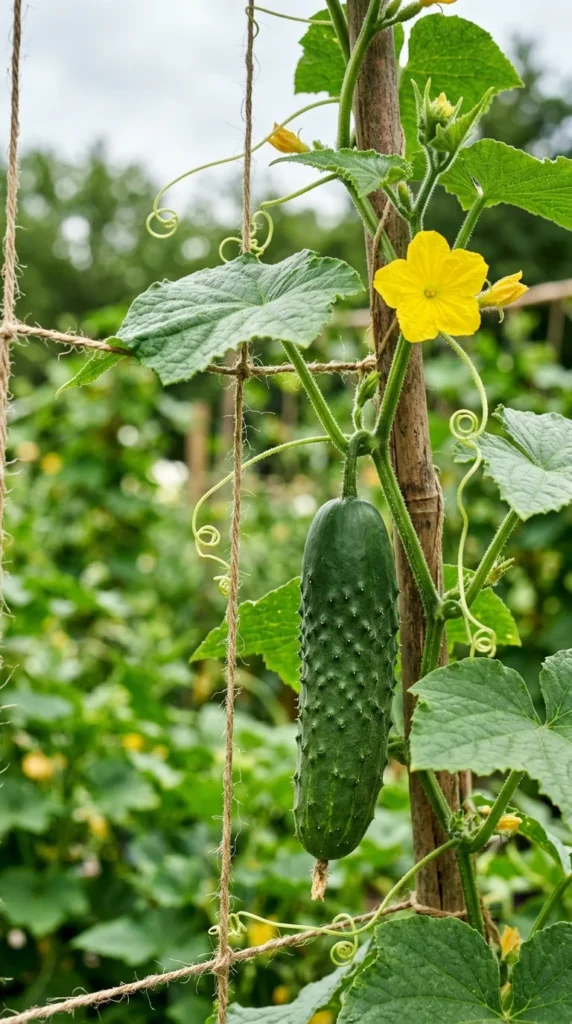
Cucumbers are vigorous climbers, making them ideal for vertical gardening in small spaces. Using a trellis keeps the fruit clean and straight while saving valuable ground space. They are “heavy drinkers,” so they need regular watering to prevent the fruit from becoming bitter. Look for “bush” varieties if you prefer to grow them in pots without a trellis.
8. Spinach
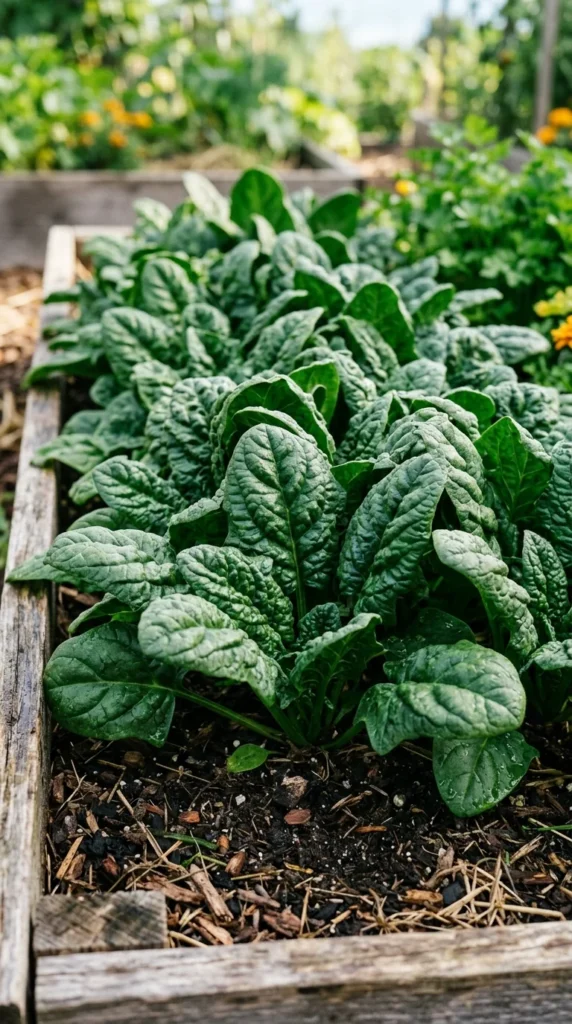
Spinach is a nutrient-dense leafy green that thrives in the cool weather of spring and fall. It is prone to “bolting” (going to seed) when the weather gets too hot, so it’s important to plant it early. If you live in a warmer climate, try growing it in a spot that receives afternoon shade to extend the harvest window.
9. Kale
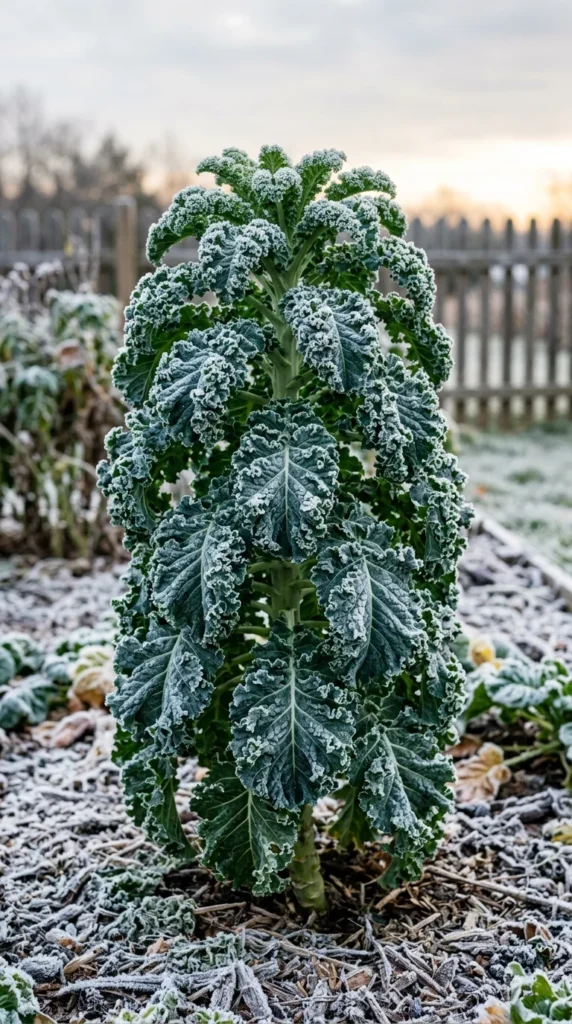
Kale is incredibly hardy and can even survive a light dusting of snow. In fact, many gardeners claim that a light frost makes the leaves taste sweeter. It’s a decorative plant that looks just as good in a flower border as it does in a vegetable patch. Harvest the outer leaves first to allow the center of the plant to continue growing.
10. Peas
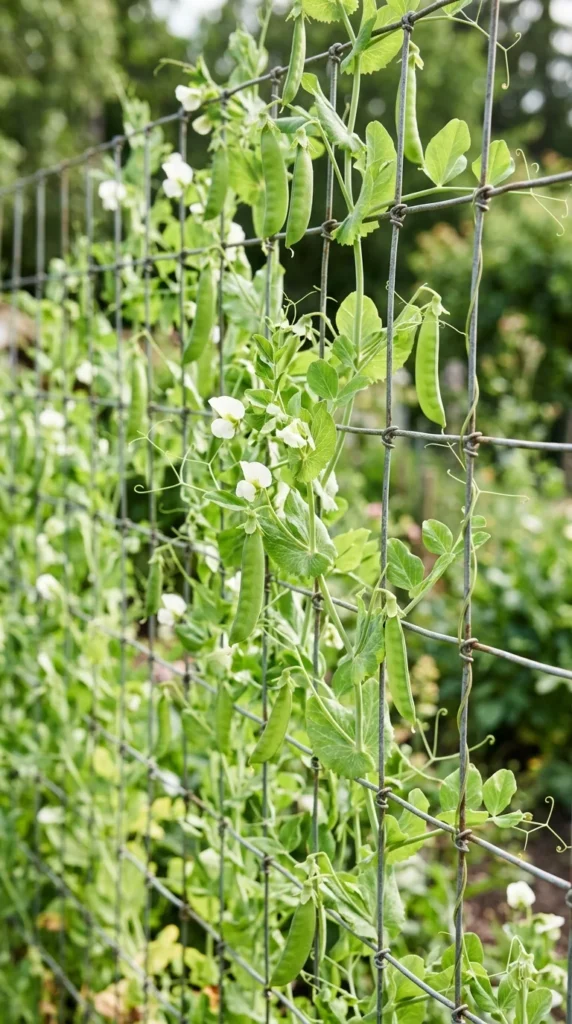
Peas are a classic cool-season crop. Snow peas and snap peas are particularly easy for home gardeners because you eat the entire pod. They have delicate tendrils that love to climb, so provide a bit of netting or a string trellis for them to hold onto. Plant them as soon as the soil can be worked in the spring.
11. Carrots
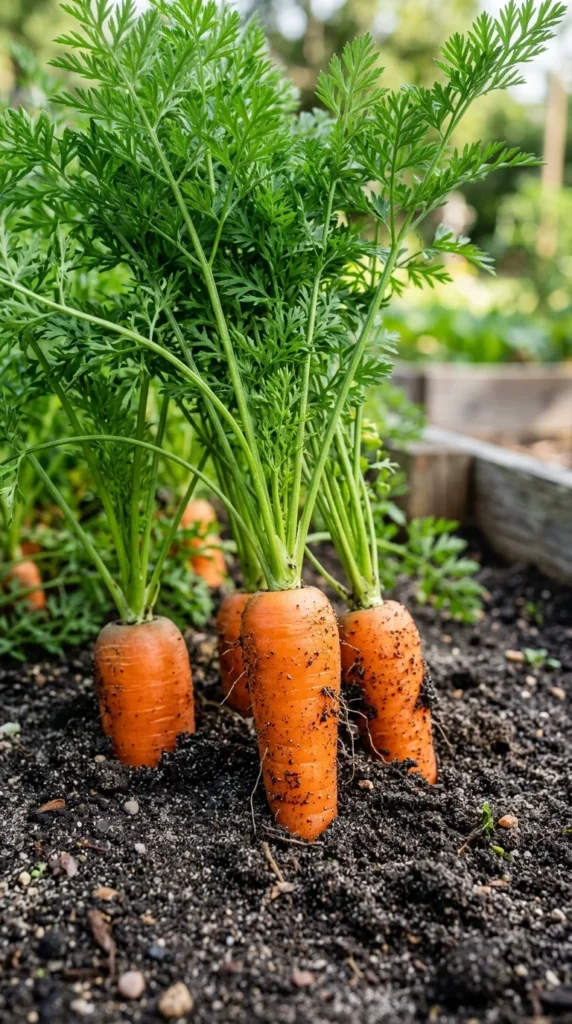
The key to straight, long carrots is deep, loose soil free of rocks. If your backyard soil is heavy clay, try growing carrots in raised beds or deep containers. Avoid over-fertilizing with nitrogen, as this can cause the carrots to grow hairy roots or multiple legs. Instead, focus on compost-rich soil that allows the roots to push down easily.
12. Onions
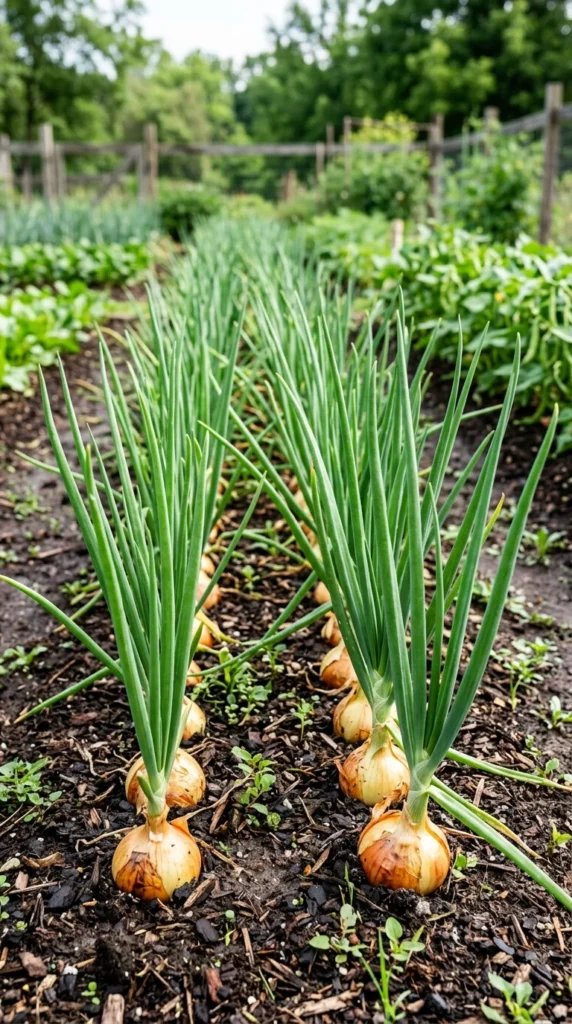
Onions are versatile and can be grown from seeds, “sets” (small bulbs), or transplants. Growing from sets is generally the easiest method for beginners. They require a long growing season but take up very little horizontal space. Onions are also great for natural pest control, as their strong scent can deter certain insects from neighboring plants.
13. Potatoes
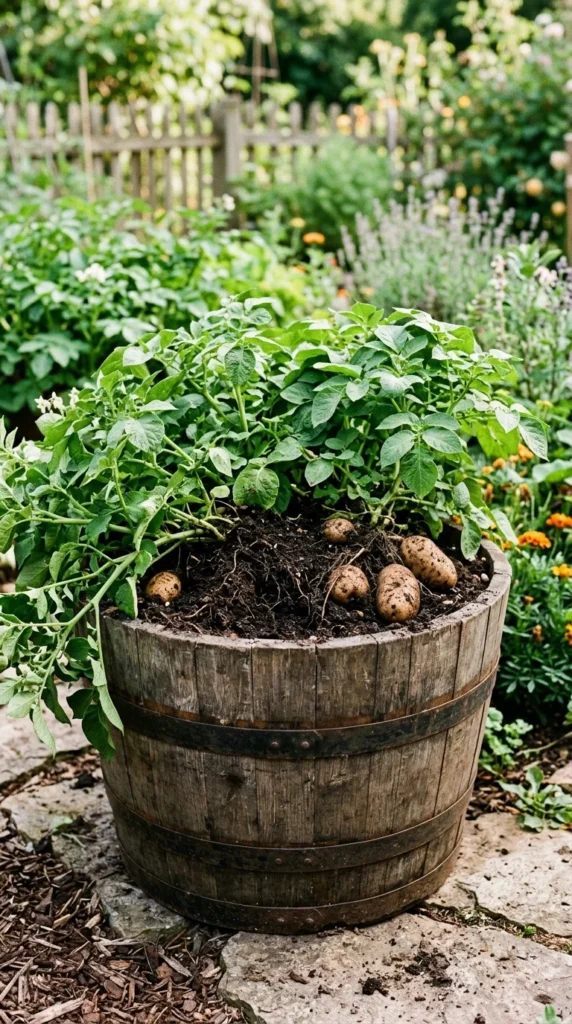
Potatoes are surprisingly easy to grow, especially if you use the “hilling” method or grow them in bags. As the green stalks grow upward, you continue to add soil around the base. This encourages the plant to grow more tubers along the stem. Growing potatoes in fabric bags makes harvesting a breeze—you simply tip the bag over when the foliage dies back.
14. Herbs
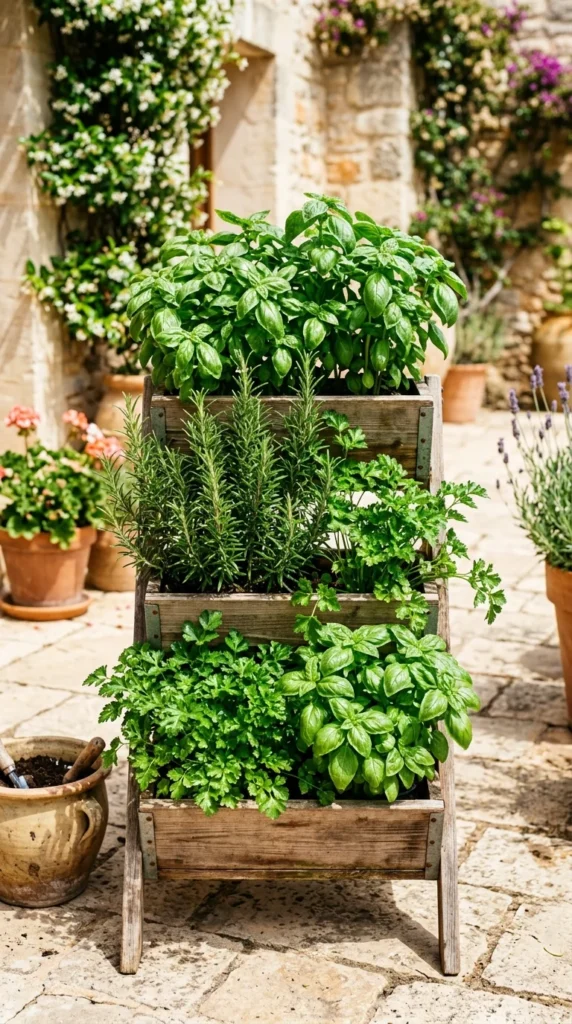
While technically not all vegetables, no kitchen garden is complete without herbs. Basil, cilantro, mint, and oregano are incredibly easy to grow and can be tucked into the corners of your vegetable beds. Many herbs act as companion plants; for example, planting basil near tomatoes is said to improve the flavor of the tomatoes and repel pests.
15. Garlic
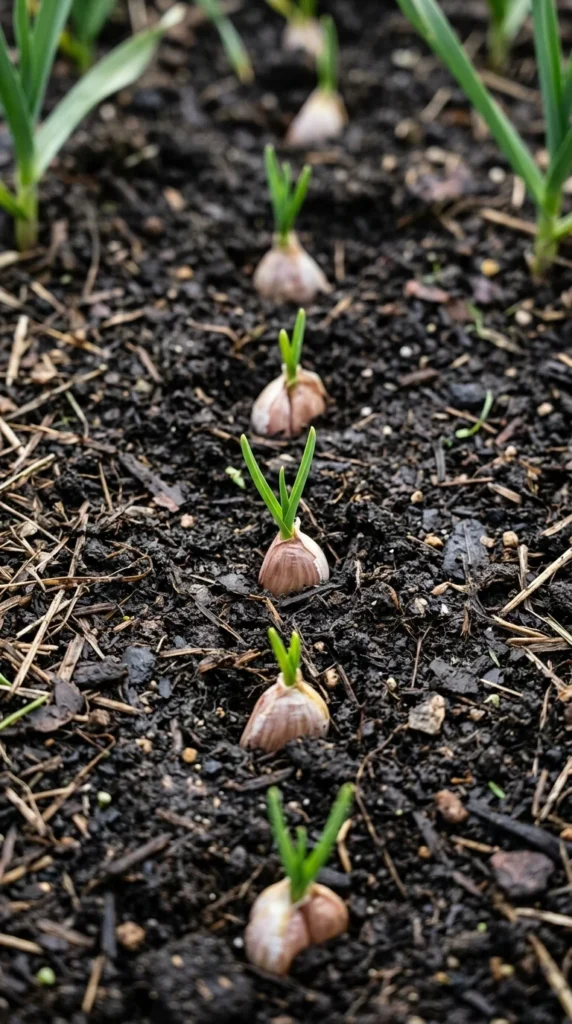
Garlic is a “plant it and forget it” crop. You typically plant individual cloves in the fall, a few weeks before the ground freezes. They overwinter in the soil and begin growing vigorously in early spring. By mid-summer, the leaves will start to turn brown, signaling that it’s time to harvest the bulbs for curing and storage.
16. Beets
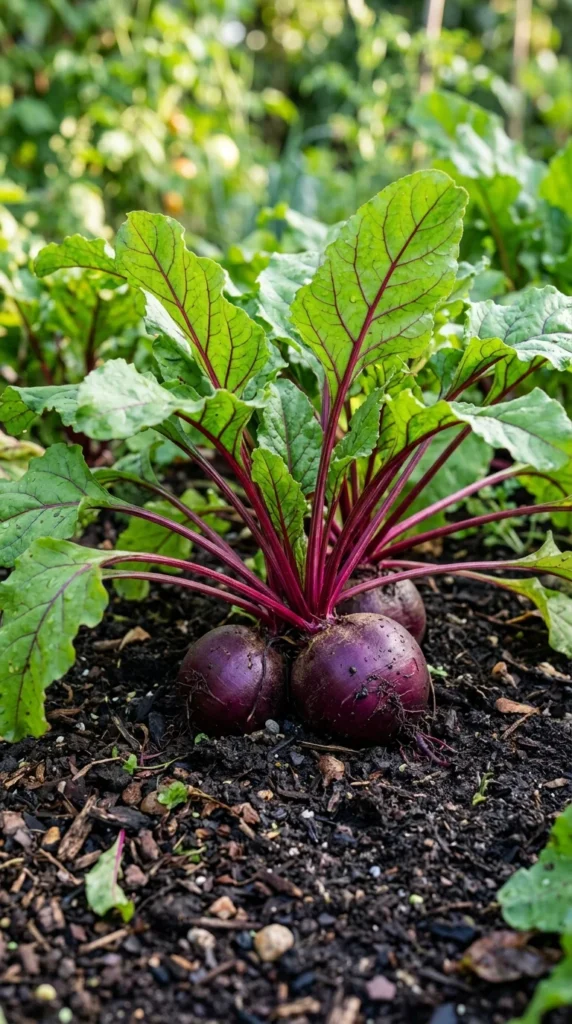
Beets are a two-for-one crop: you can eat the earthy roots and the nutritious green tops. They are very hardy and grow well in cool weather. To ensure large, round roots, make sure to thin the seedlings early on so they aren’t crowded. Beets prefer soil that is rich in organic matter and kept consistently moist.
17. Swiss Chard
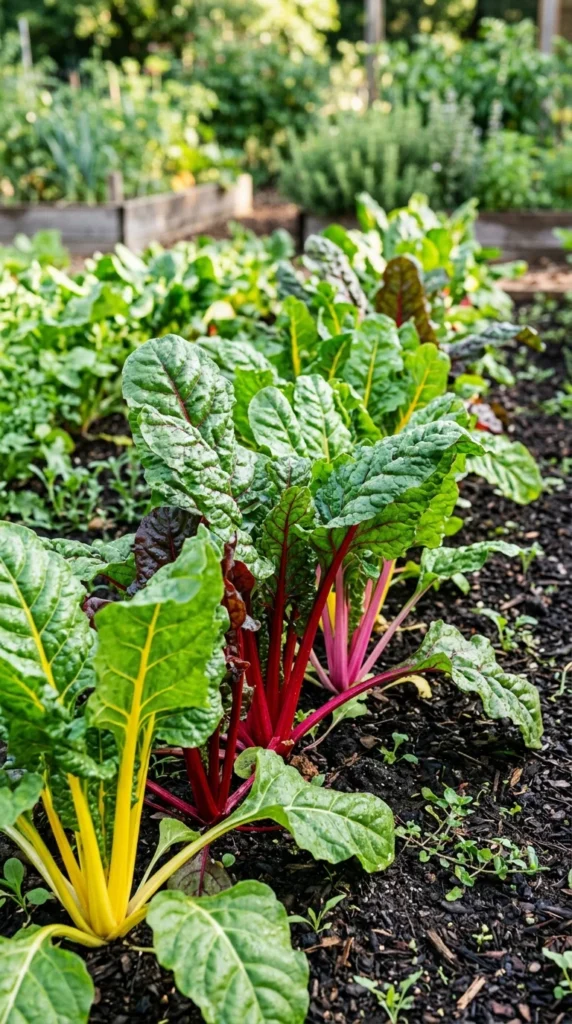
Swiss chard is one of the most beautiful vegetables you can grow. Varieties like “Bright Lights” feature stems in neon shades of pink, yellow, and orange. It is much more heat-tolerant than spinach or lettuce, making it a great green to grow during the peak of summer. It’s a “cut and come again” vegetable, meaning you can harvest leaves as needed.
18. Broccoli
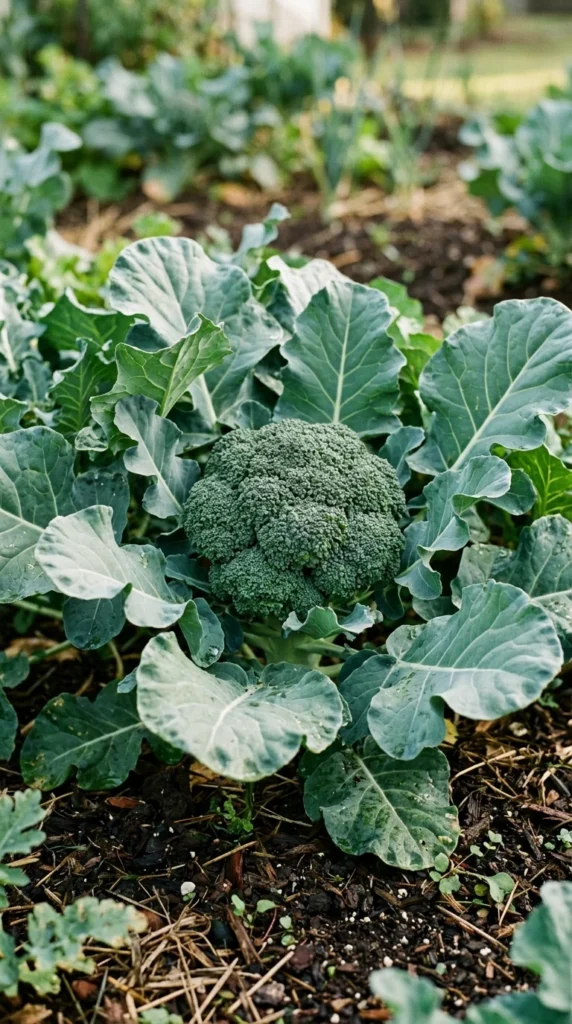
Broccoli thrives in the cool temperatures of spring and autumn. While the central head is the main prize, don’t ignore the side shoots that grow after the main head is cut; these provide smaller “florets” for weeks. Broccoli requires firm, rich soil and plenty of water to prevent the heads from becoming tough or bitter.
19. Microgreens
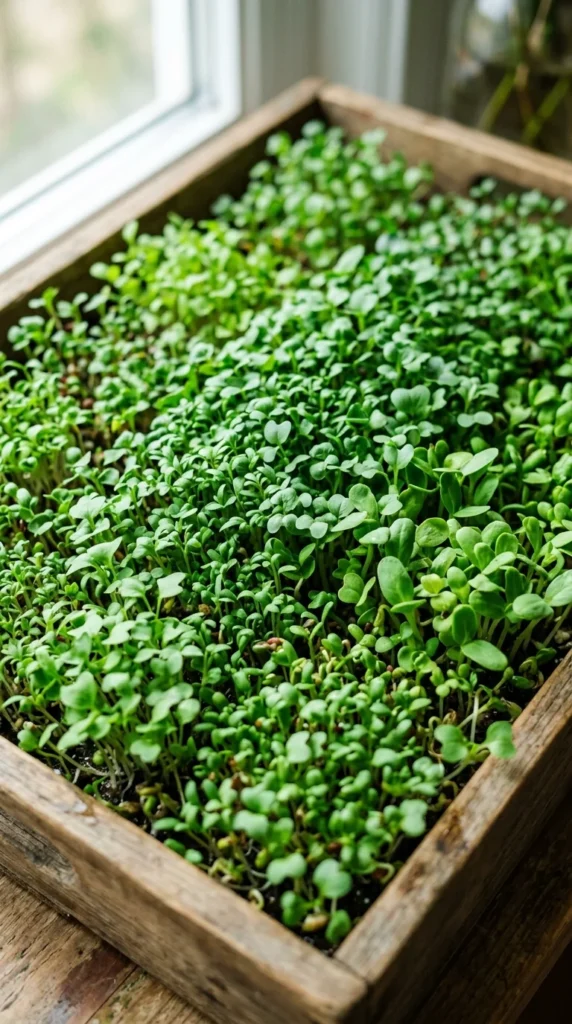
If you don’t have a yard or even a balcony, you can still grow microgreens on a sunny windowsill. These are just young vegetable greens harvested when they are only a few inches tall. They are packed with concentrated nutrients and flavor. You can grow microgreens from seeds like radish, kale, arugula, and beets, harvesting them with scissors in about 10 to 14 days.
20. Eggplant
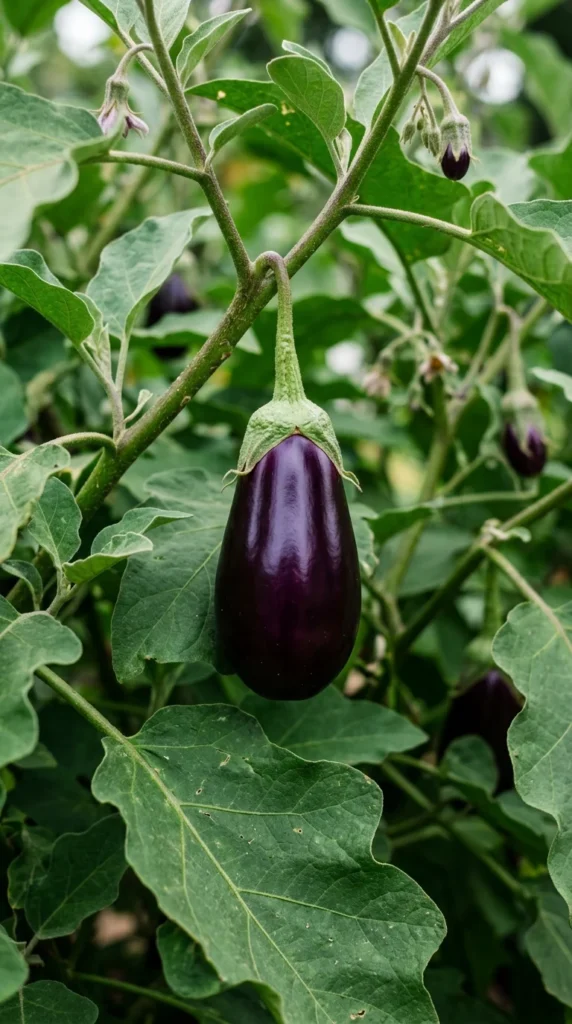
Eggplants are heat-lovers that thrive in the same conditions as peppers and tomatoes. They come in many shapes and colors beyond the standard large purple globe, including long, thin Asian varieties and small white “Easter egg” types. Because they are heavy feeders, they benefit from a steady supply of compost or organic fertilizer throughout the season.
21. Scallions
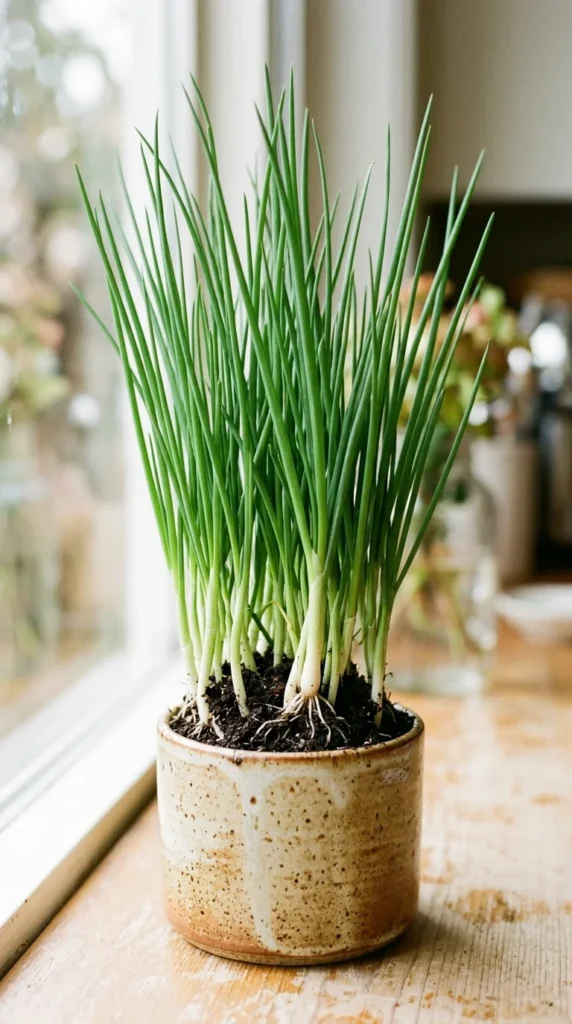
Scallions, or green onions, are incredibly easy to grow from seed and take up almost no room. You can even regrow scallions purchased from the grocery store by placing the white root ends in a glass of water until new green growth appears, then transplanting them into soil. They are perfect for adding a mild onion flavor to salads and stir-fries.
22. Pumpkins
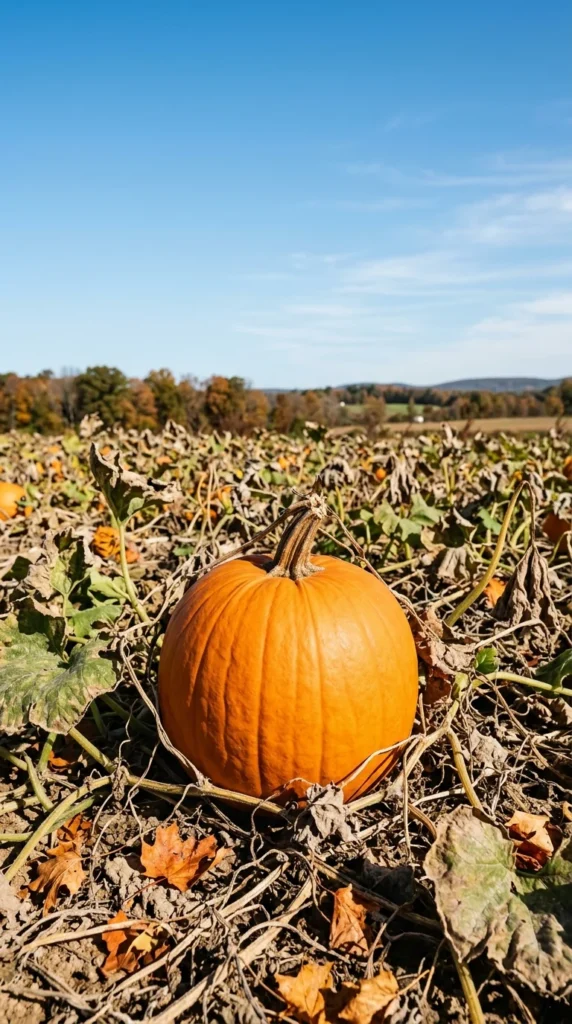
If you have plenty of space, growing pumpkins is a joyful experience, especially for families with children. Pumpkins require a long, warm growing season and a lot of room for their vines to sprawl—sometimes up to 20 feet! For smaller gardens, look for “bush” or “semi-vining” varieties that stay more contained.
23. Cabbage
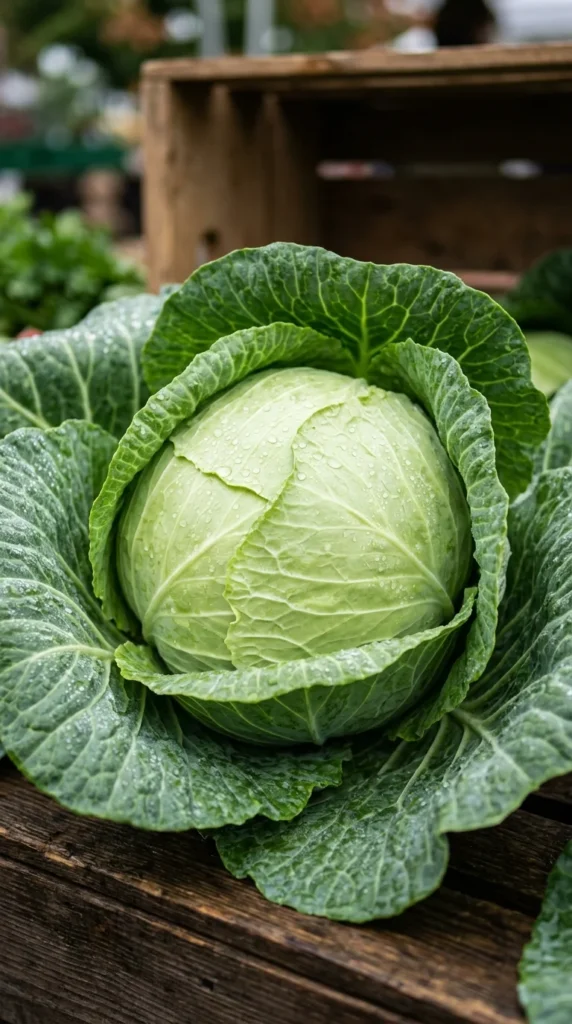
Cabbage is a rewarding cool-weather crop that can be used for everything from coleslaw to sauerkraut. It requires consistent moisture and firm soil to develop heavy, dense heads. Because cabbage is a favorite of certain caterpillars, many gardeners use lightweight row covers to protect the plants without the need for chemical pesticides.
24. Turnips
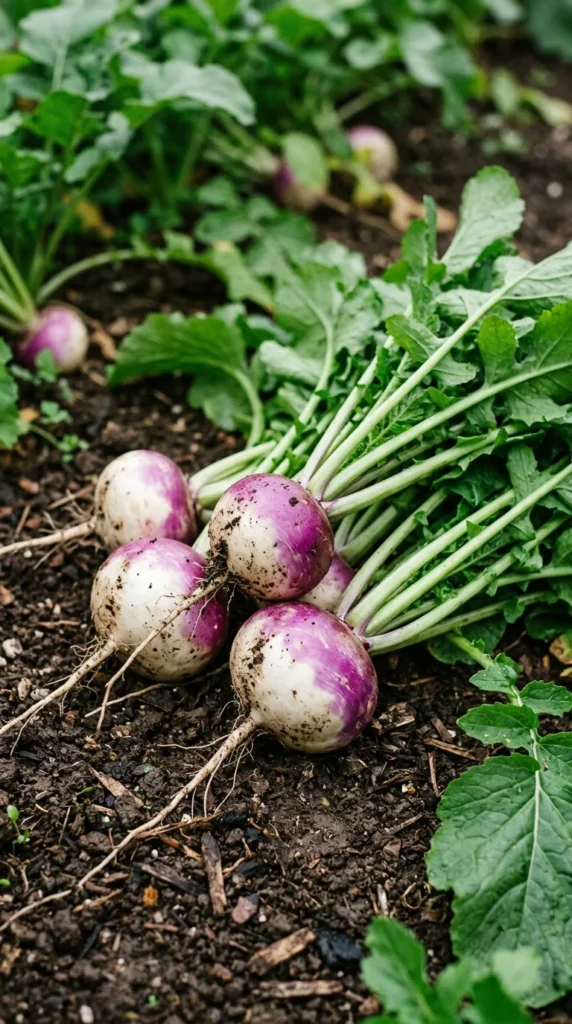
Turnips are a fast-growing root vegetable that many people overlook. They can be harvested small for a sweet, crunchy addition to salads, or allowed to grow larger for roasting and mashing. Like beets, the greens are also edible and highly nutritious. They grow best in the cool windows of early spring or late fall.
25. Asparagus
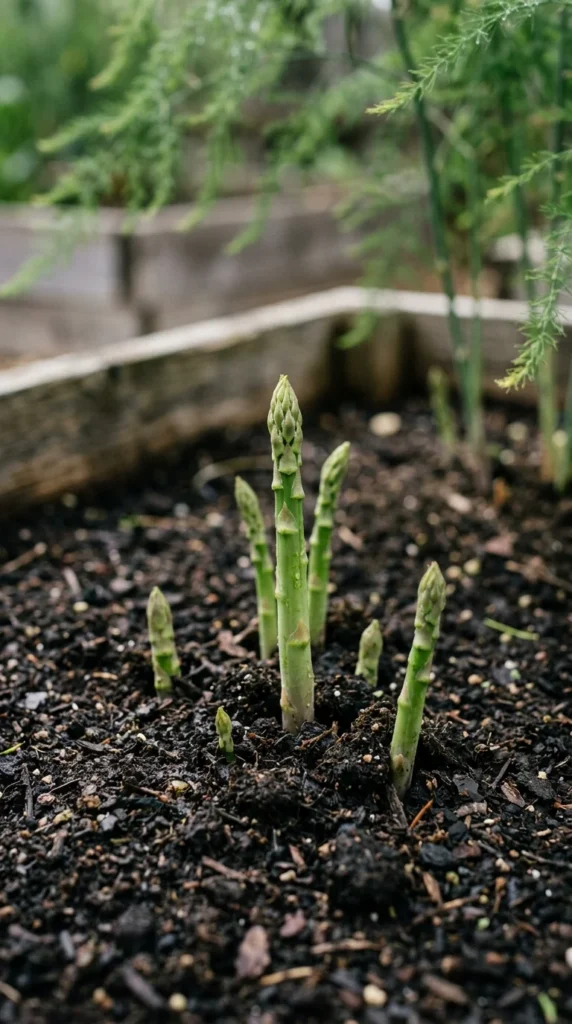
Asparagus is a long-term investment. Unlike the other vegetables on this list, it is a perennial, meaning it comes back every year. While it takes two to three years for an asparagus bed to become fully established, a healthy patch can produce spears for 20 years or more. It requires a dedicated spot in the garden where the soil won’t be disturbed, but the reward of fresh-cut stalks is well worth the wait.