Starting a flower garden is one of the most rewarding ways to enhance your home’s curb appeal and create a personal sanctuary. For beginners, the prospect of digging into the earth can feel overwhelming, but with the right approach, anyone can cultivate a vibrant outdoor space. The key is to start small, choose the right plants for your environment, and focus on designs that minimize maintenance while maximizing visual impact. This guide explores 25 creative and accessible flower garden ideas to help you transform your yard into a blooming masterpiece.
1. Raised Beds
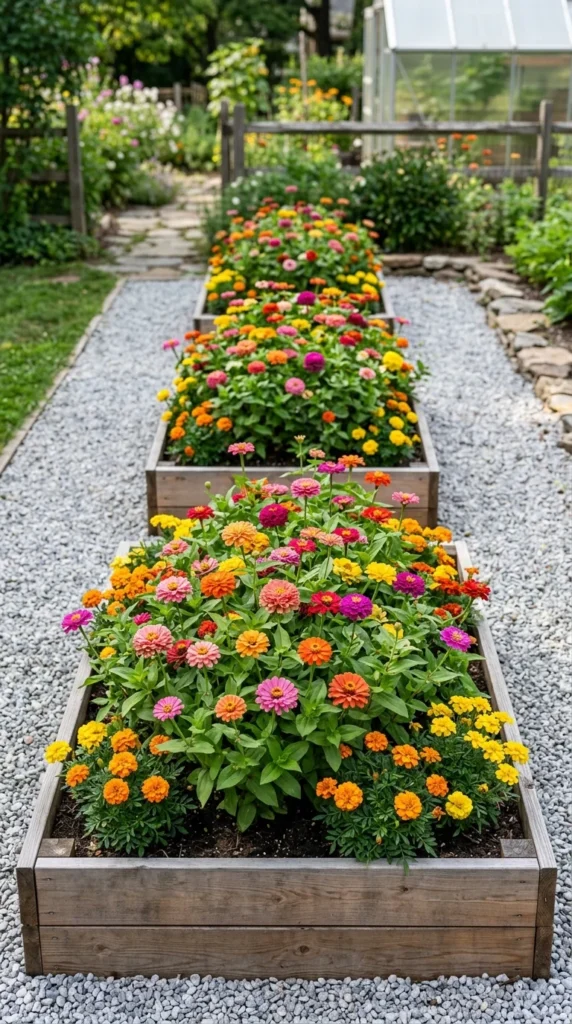
Raised beds are ideal for beginners because they offer complete control over soil quality and drainage. By elevating the planting area, you reduce the physical strain of bending over and create a clear boundary that prevents grass and weeds from encroaching. Wooden or stone frames provide a structured look that keeps the garden organized and tidy throughout the seasons.
2. Perennial Borders
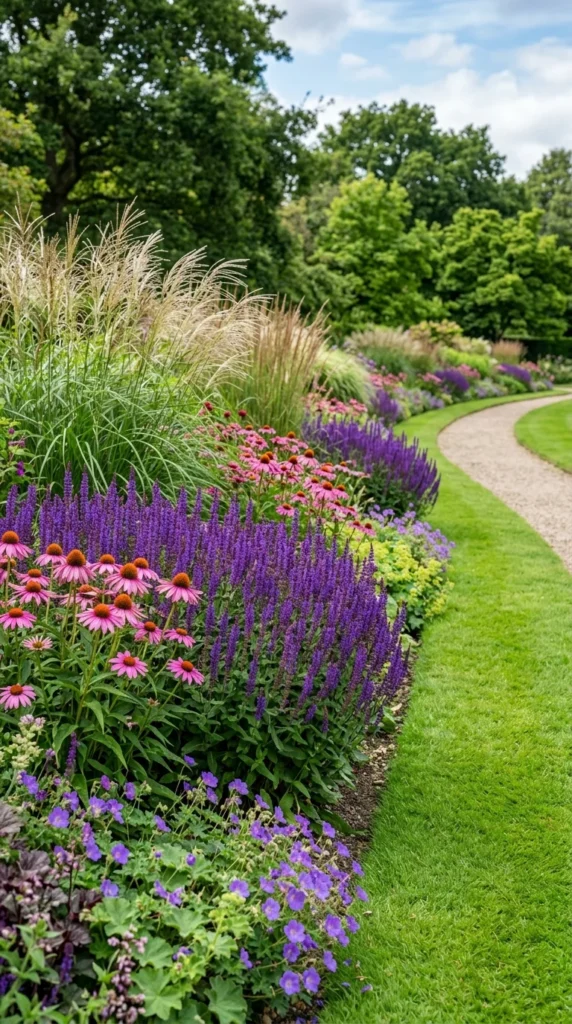
Perennials are the backbone of any low-maintenance garden because they return year after year. Creating a border along a fence or walkway using perennials like hostas, daylilies, and sedum ensures that your garden gains maturity and fullness over time without the need to replant every spring.
3. Pollinator Haven
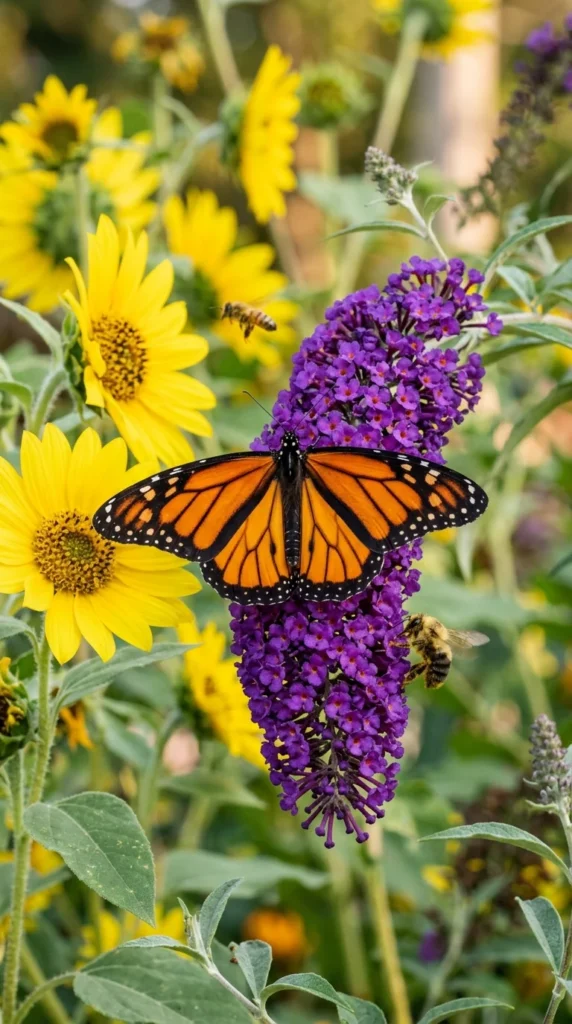
A pollinator garden focuses on plants that attract bees, butterflies, and hummingbirds. By planting native species such as milkweed, bee balm, and lavender, you not only create a beautiful display but also support the local ecosystem. Watching the movement of wildlife adds an interactive and educational dimension to your gardening journey.
4. Container Gardens
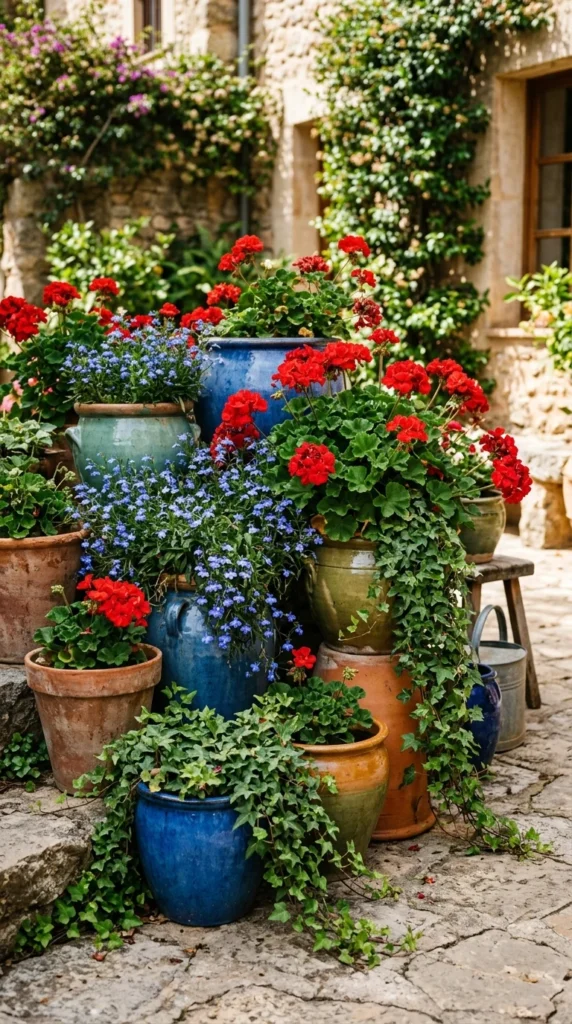
If you have limited space or aren’t ready to dig up your lawn, container gardening is the perfect solution. Pots allow you to move your plants to follow the sun and make it easy to swap out seasonal blooms. Use the “thriller, filler, spiller” method: one tall focal plant, several mounded plants to fill the space, and trailing plants to cascade over the edges.
5. Monochromatic Schemes
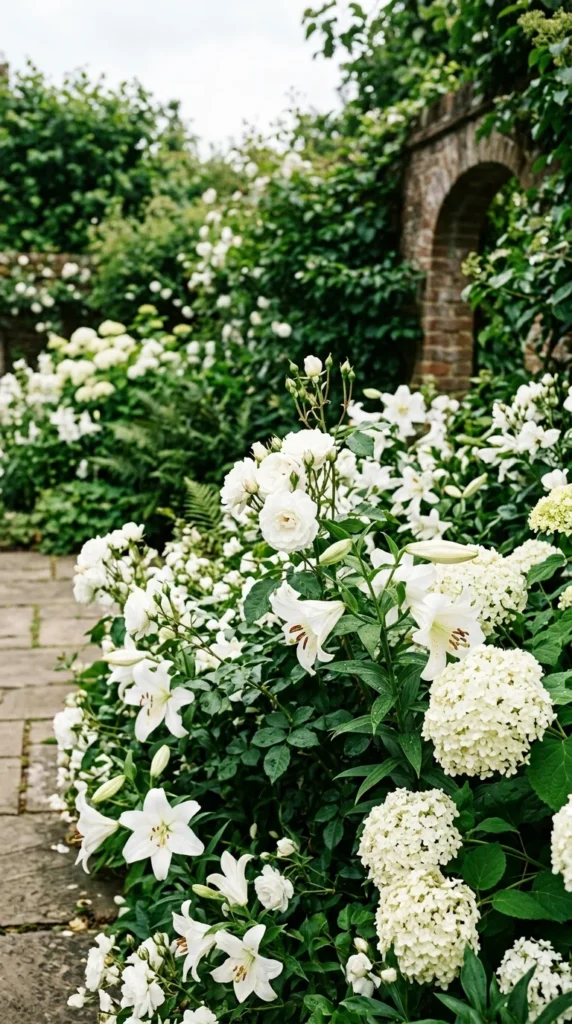
Limiting your palette to a single color can create a sophisticated and professional look. An all-white garden, often called a “moon garden,” glows in the twilight. Alternatively, a garden of various shades of pink or purple provides a cohesive, calming atmosphere that is easy to design even for those without an eye for color theory.
6. Vertical Trellises
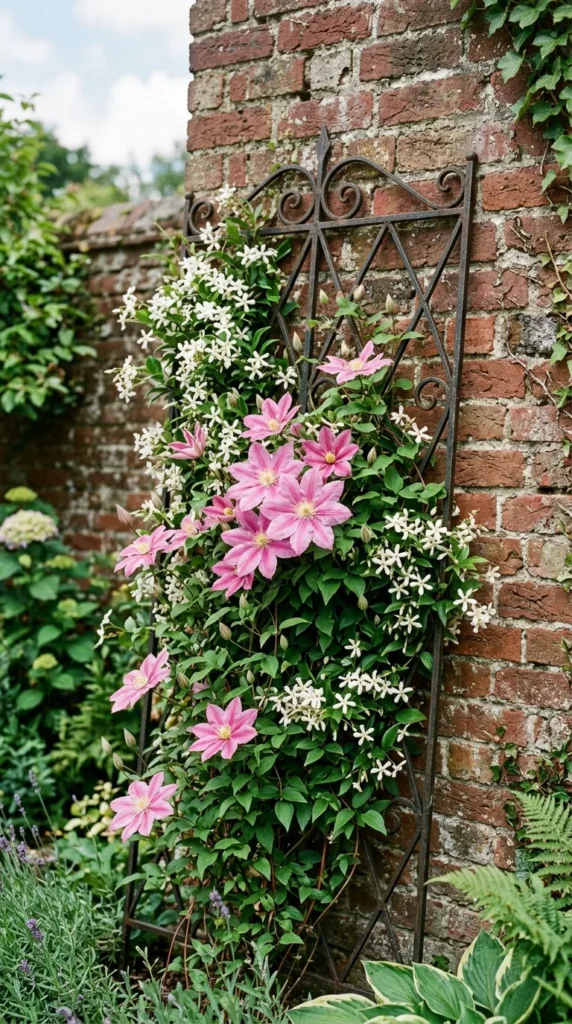
When garden space is tight, grow upward. Trellises, obelisks, and arbors allow you to plant climbing flowers like sweet peas, morning glories, or climbing roses. Vertical elements add height and architectural interest to the garden, drawing the eye upward and making small spaces feel larger.
7. Wildflower Meadows
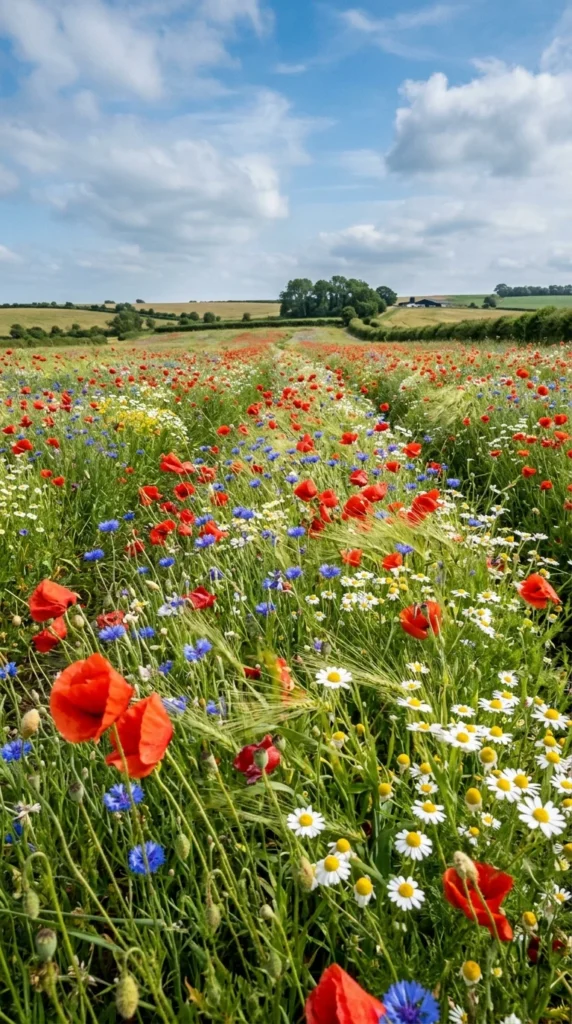
For a relaxed, “undone” look, a wildflower meadow is a fantastic choice. Many seed mixes are designed specifically for beginners—simply clear a patch of soil, scatter the seeds, and water. These gardens require very little maintenance and provide a changing tapestry of color throughout the summer months.
8. Window Boxes
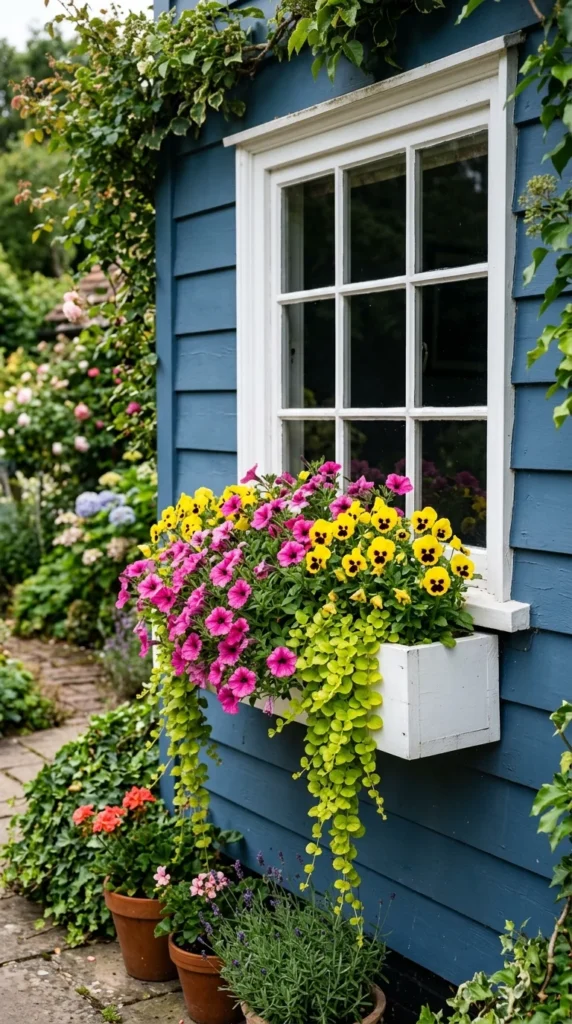
Window boxes bring the garden right to your eye level and enhance your home’s exterior. They are excellent for testing out different color combinations on a small scale. Because they are close to the house, they are easy to water and groom, making them a high-reward project for new gardeners.
9. Rock Gardens
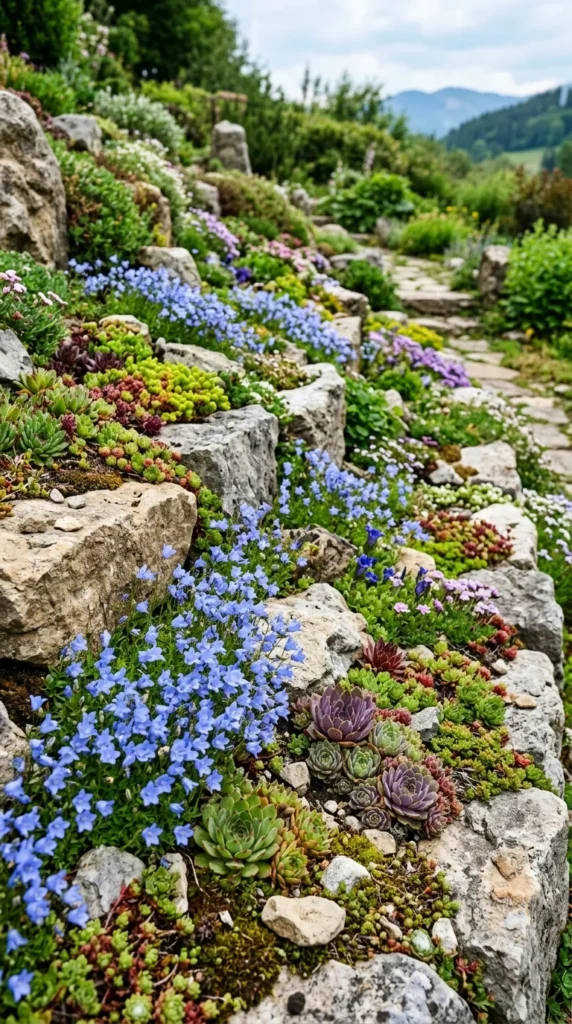
Rock gardens take advantage of rocky or sloped terrain where traditional gardening might be difficult. By planting drought-tolerant species like creeping phlox or stonecrop between boulders, you create a rugged, naturalistic landscape that requires very little supplemental watering once established.
10. Edible Flowers
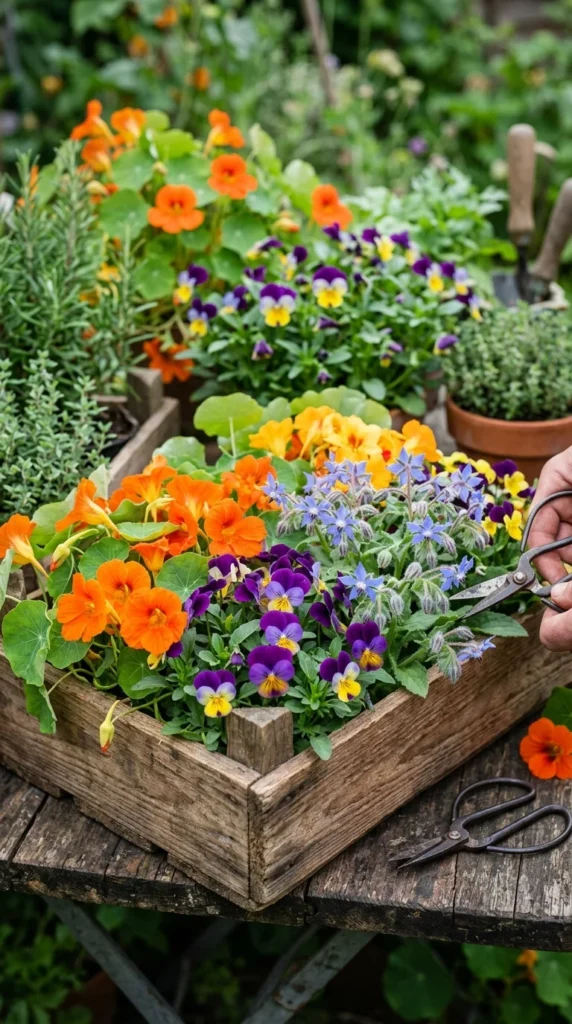
Combine beauty and utility by planting flowers that are safe to eat. Nasturtiums, pansies, and calendula add splashes of color to the garden and can be used to garnish salads or decorate cakes. This is a fun way for beginners to see the immediate “fruits” of their labor.
11. Fragrant Walkways
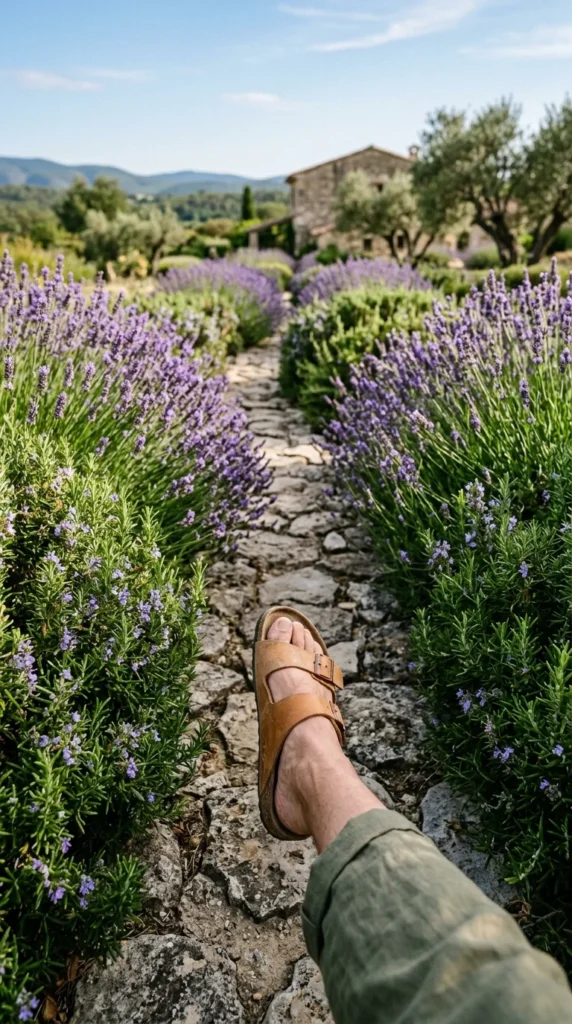
Engage more than just your sense of sight by planting fragrant flowers along a path. Lavender, sweet alyssum, and peonies release their scents as you brush past them. This creates an immersive sensory experience every time you walk from the driveway to your front door.
12. Hanging Baskets
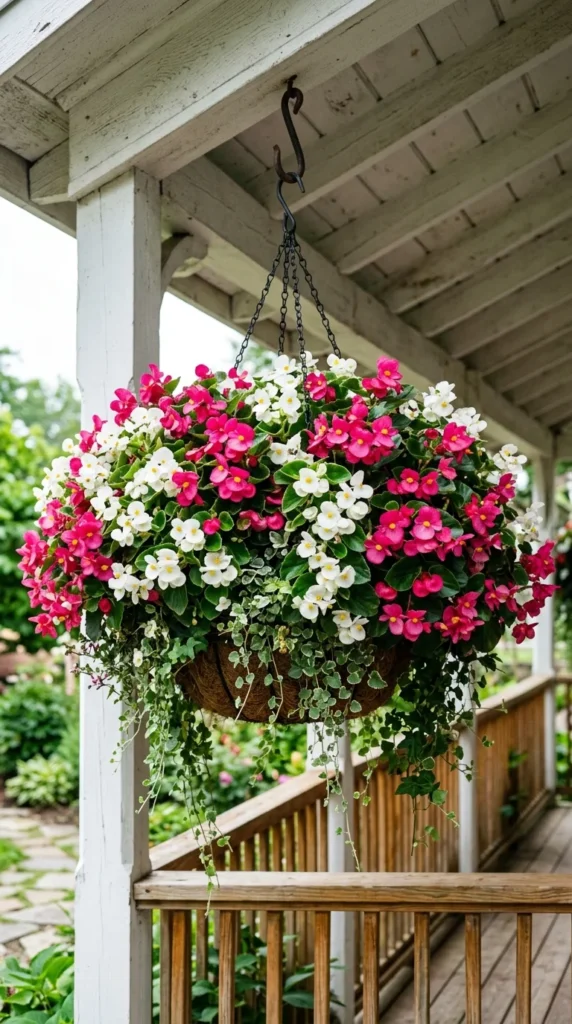
Hanging baskets add a layer of color at eye level and are perfect for porches and balconies. They are essentially mini-gardens in the air. For beginners, choosing pre-planted baskets from a nursery is a great way to start, eventually progressing to creating your own custom mixes.
13. Shade Sanctuaries
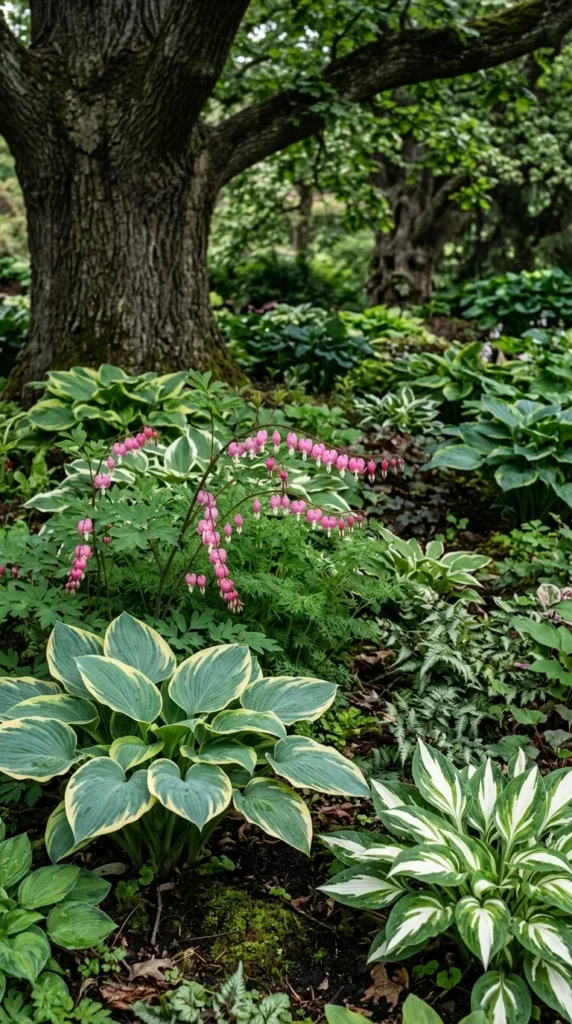
Don’t be discouraged if your yard lacks full sun. Shade-loving plants like astilbe, impatiens, and hostas thrive in dappled light. A shade garden offers a cool retreat during hot summer days and utilizes areas of the yard that might otherwise remain bare and brown.
14. Cottage Themes
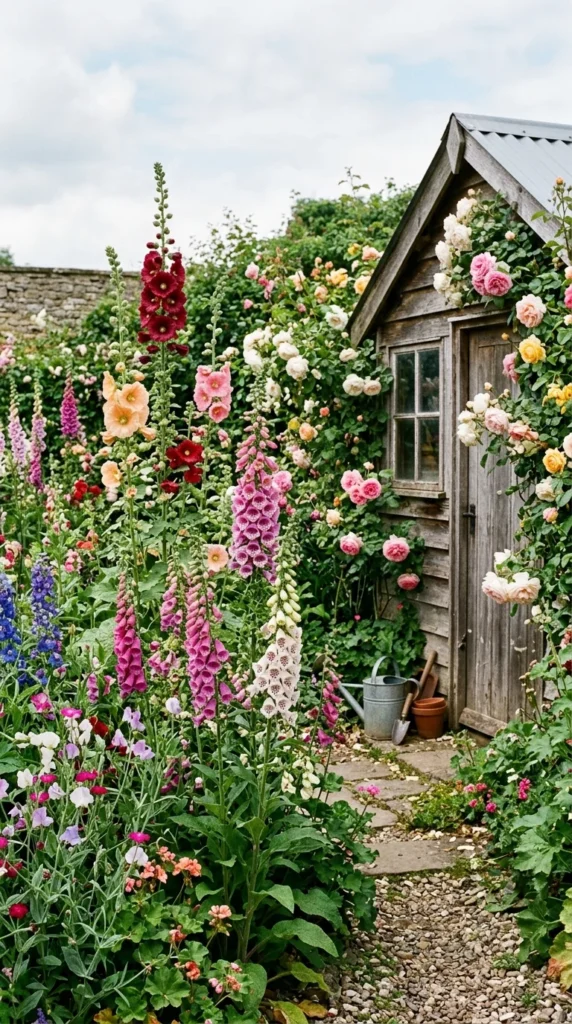
The cottage garden style is characterized by its informal, crowded, and romantic appearance. It is very forgiving for beginners because “imperfections” and a bit of overgrowth are part of the charm. Focus on traditional favorites like delphiniums and daisies to achieve this timeless look.
15. Cutting Gardens
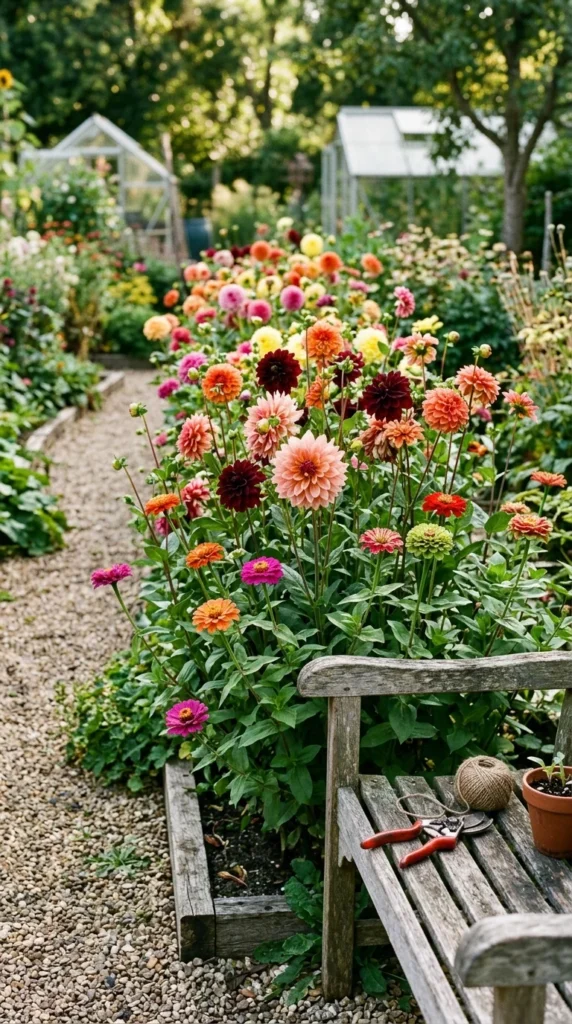
If you love having fresh flowers inside your home, design a garden specifically for harvesting. A cutting garden is usually arranged in rows like a vegetable patch, making it easy to access the plants for pruning. Dahlias, cosmos, and snapdragons are excellent choices that produce more blooms the more you cut them.
16. Succulent Displays
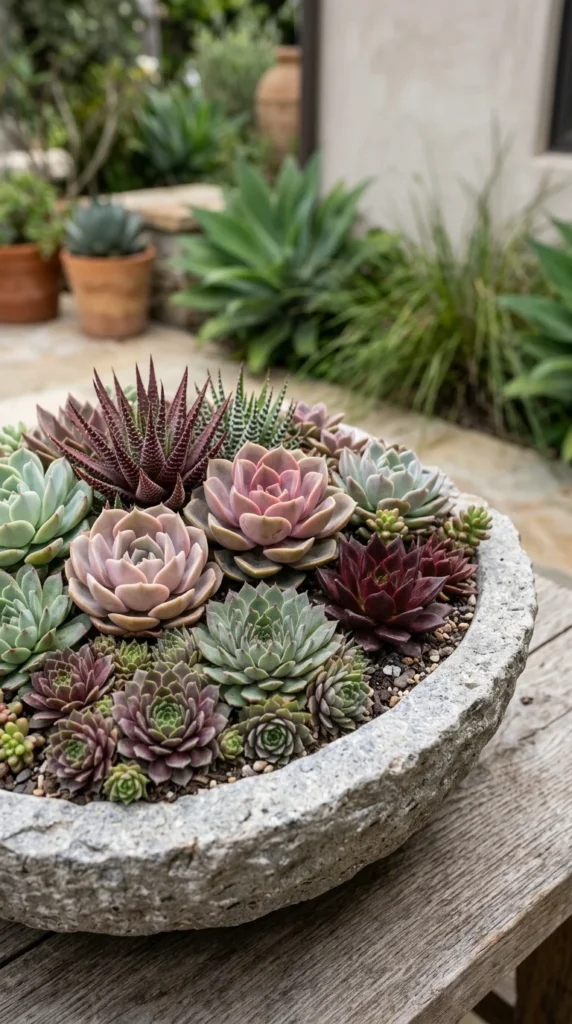
For those in drier climates or who prefer a “set it and forget it” approach, succulents offer incredible textures and shapes. Many succulents, like hens and chicks, produce beautiful, star-shaped flowers. They require minimal water and can handle high heat, making them incredibly hardy for new gardeners.
17. Native Plants
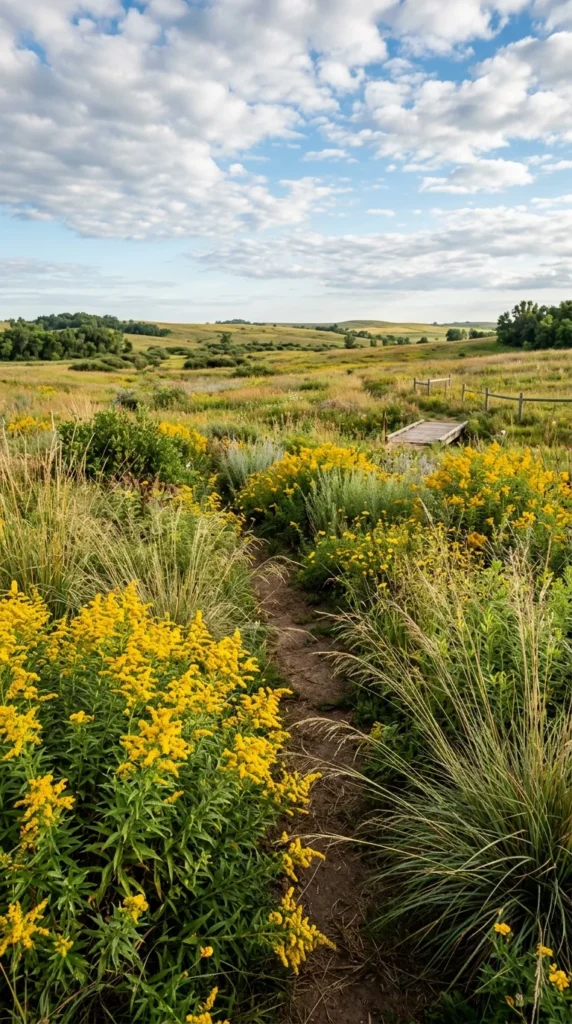
Native plants are those that occur naturally in your specific region. Because they have evolved to handle local soil and weather conditions, they are much easier to maintain than exotic species. They typically require less water and fertilizer and are naturally resistant to local pests.
18. Tiered Planters
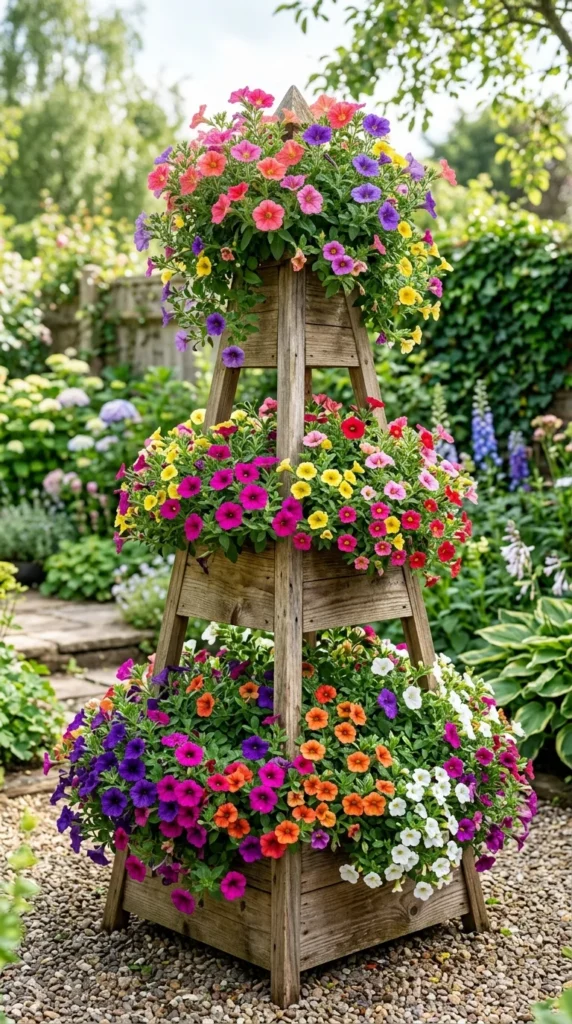
Vertical tiered planters are a fantastic way to maximize a small footprint. They create a “waterfall” effect of flowers and are particularly useful for patio or balcony gardening. This setup allows you to categorize your plants—for example, putting sun-lovers at the top and more delicate blooms in the slightly shaded lower tiers.
19. Moon Gardens
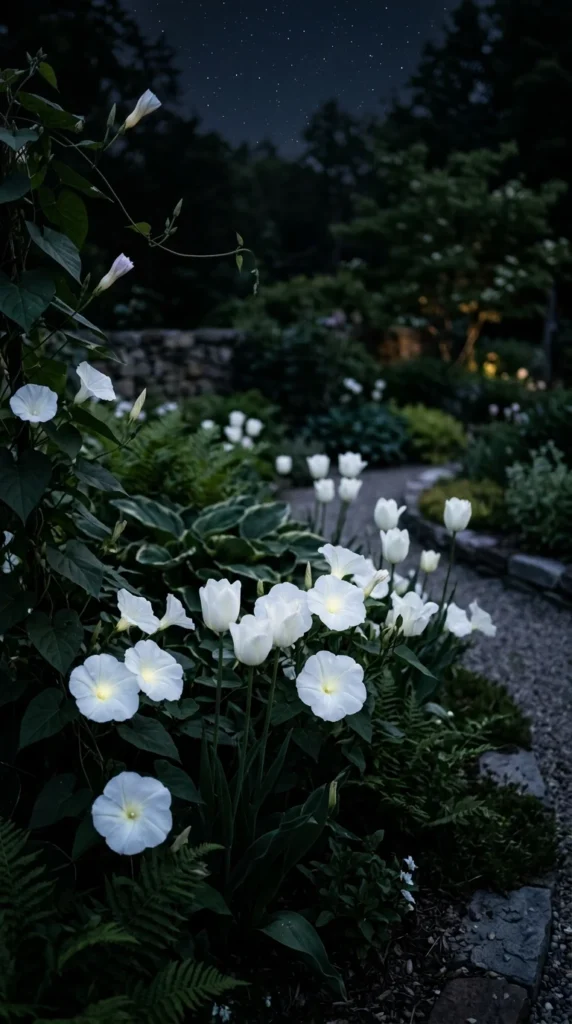
A moon garden is designed to be enjoyed after the sun goes down. By focusing on white and silver-leafed plants (like Dusty Miller or Lamb’s Ear), you create a space that reflects the moonlight. Many white flowers also have strong evening scents, providing a magical atmosphere for nighttime relaxation.
20. Color Gradients
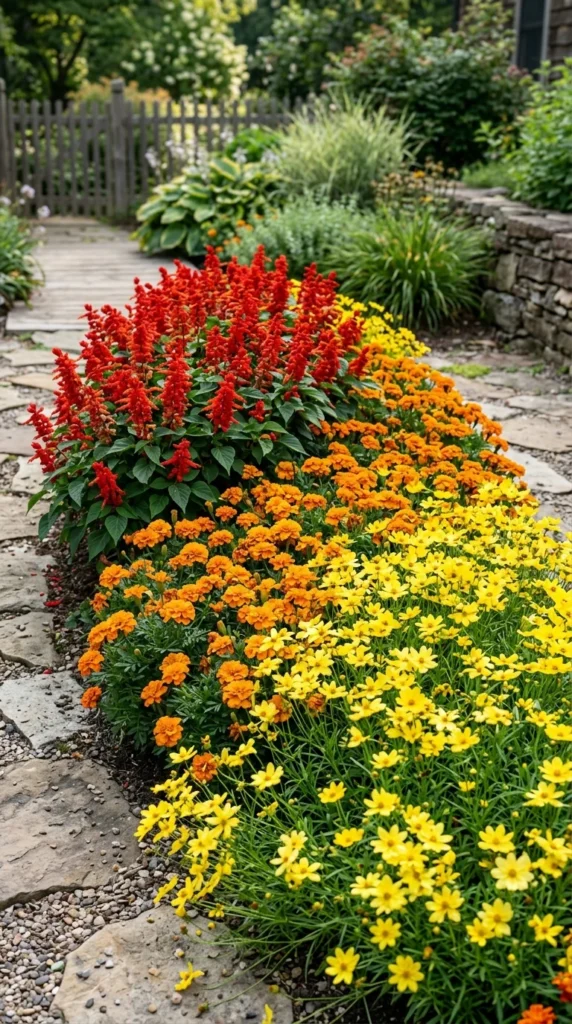
Creating a color gradient or “ombre” effect is a visually striking way to organize your garden. Arrange your plants so the colors flow from one to another along a spectrum. This structured approach helps beginners plan their shopping lists and ensures a harmonious look without much guesswork.
21. Stepping Stones
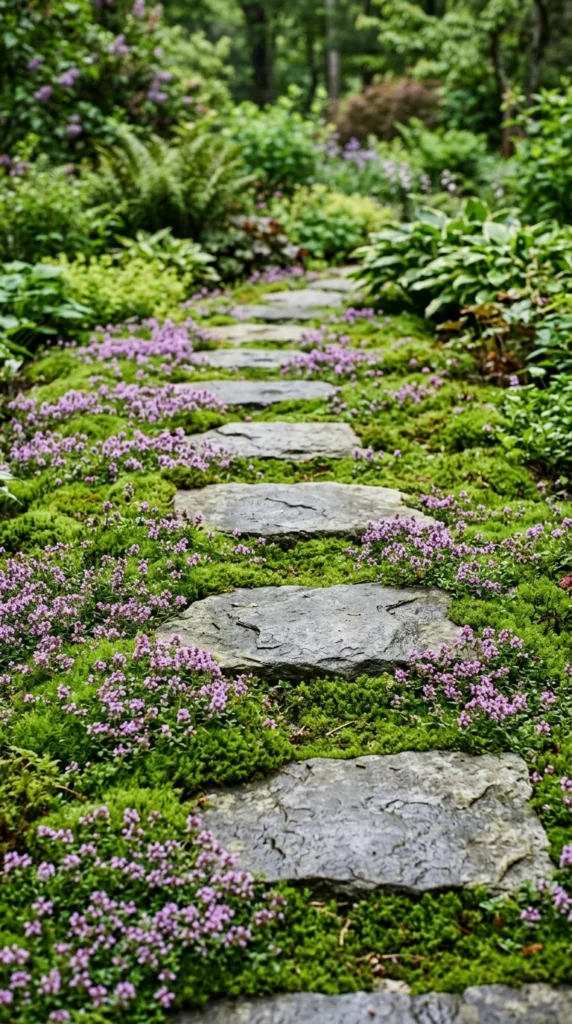
Integrating hardscaping like stepping stones into your flower beds makes maintenance easier by providing a place to stand without compacting the soil. Surrounding these stones with low-growing “steppable” flowers like Irish moss or creeping thyme creates a fairytale aesthetic that softens the edges of the path.
22. Upcycled Containers
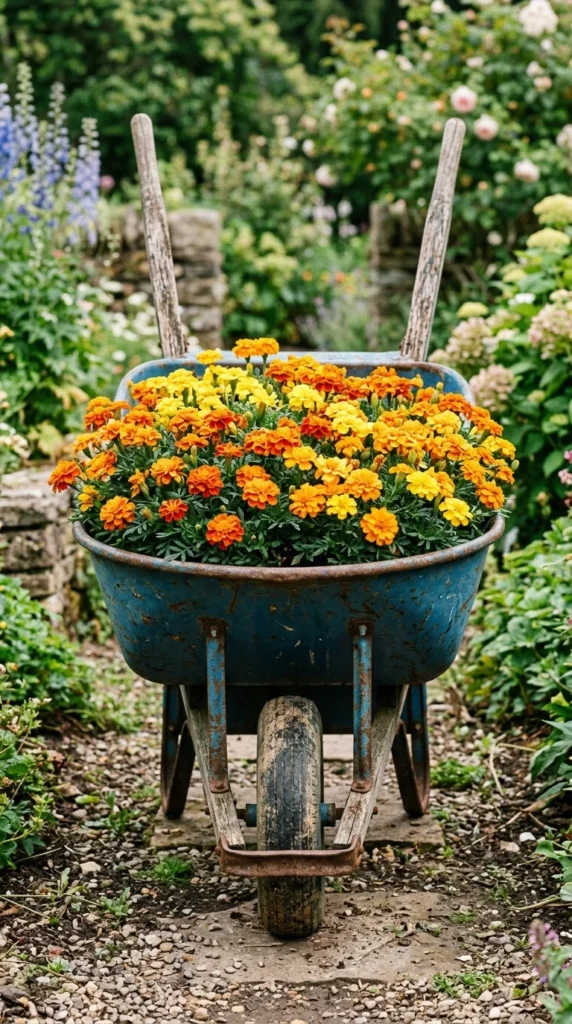
Gardening doesn’t have to be expensive. Look for old items around your home or at thrift stores—like old boots, tin buckets, or wooden crates—and turn them into unique planters. Just ensure you drill drainage holes in the bottom to keep the roots healthy.
23. Butterfly Gardens
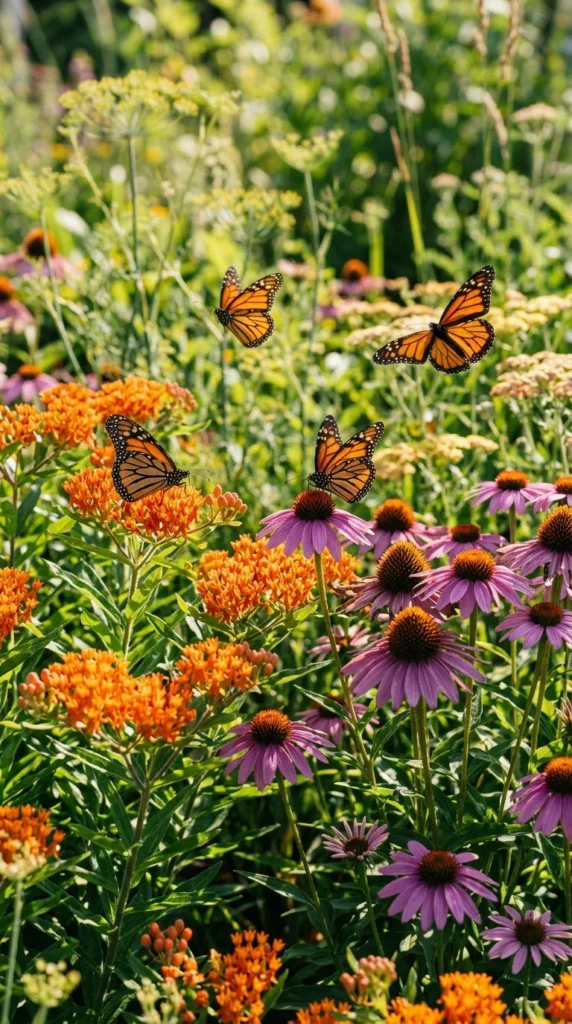
While similar to pollinator gardens, a butterfly garden specifically includes “host plants” where butterflies can lay eggs, such as dill or fennel, alongside “nectar plants” for the adults. This creates a full life-cycle habitat in your backyard, providing endless fascination for children and adults alike.
24. Groundcover Carpets
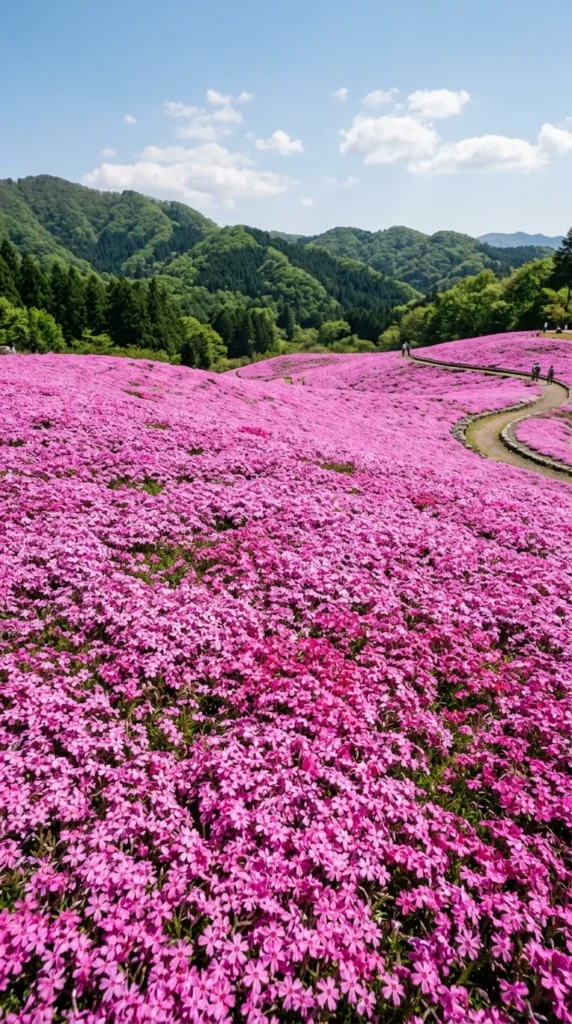
If you have a large area of bare soil and want to avoid the chore of mulching, consider flowering groundcovers. Plants like “Dragon’s Blood” sedum or “Magic Carpet” thyme spread quickly to create a living rug of color. This suppresses weeds and protects the soil from erosion.
25. Bulb Layers
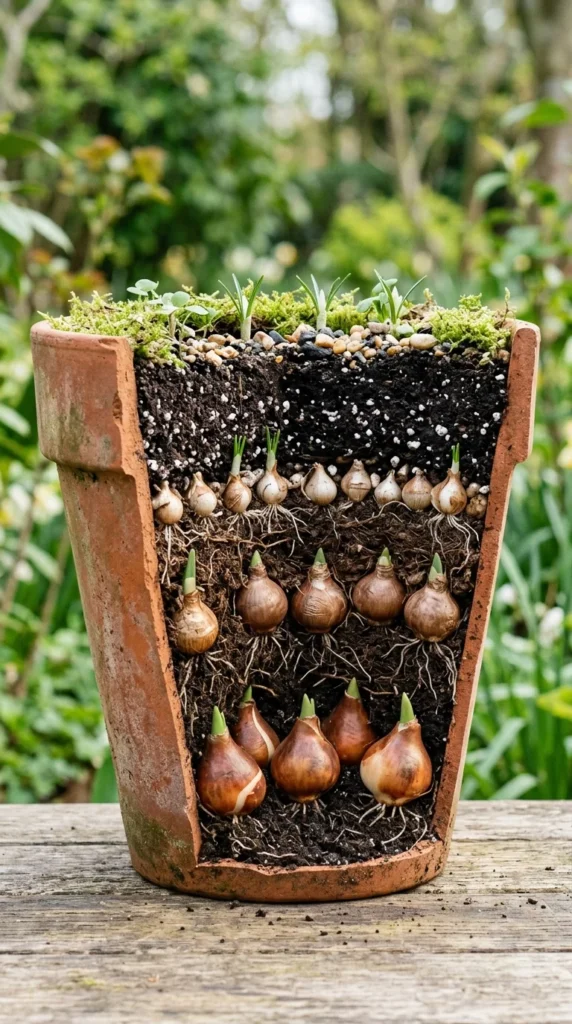
Bulb gardening is perfect for beginners because the “energy” for the flower is already stored inside the bulb. For a continuous display of spring color, try “lasagna planting”: bury larger, late-blooming bulbs like tulips deep in the soil, followed by a layer of mid-spring daffodils, and top them with early-spring crocuses. This ensures a succession of blooms in the same spot for months.