Bringing the outdoors in is more than just a decor trend; it is a lifestyle choice that fosters well-being, purifies the air, and breathes life into static architectural spaces. Whether you live in a sprawling suburban home or a compact urban apartment, the strategic placement of greenery can transform a sterile room into a vibrant sanctuary. Styling plants requires a balance of horticultural knowledge and aesthetic intuition. From the architectural lines of a Sansevieria to the romantic drape of a String of Hearts, every plant offers a unique texture and silhouette.
1. Floating Shelves
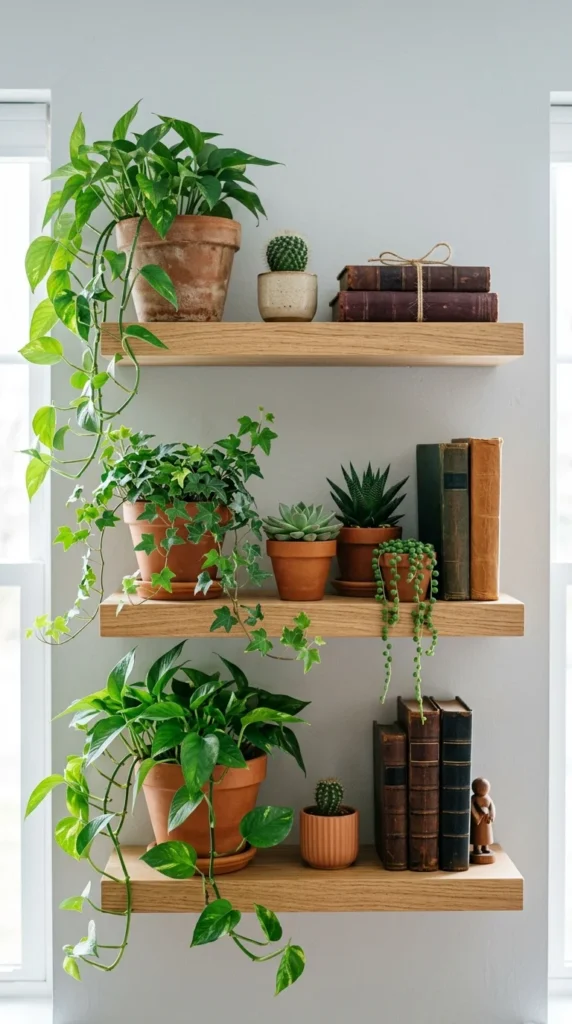
Floating shelves are a premier choice for those looking to maximize vertical space without cluttering the floor. By installing staggered shelves at varying heights, you create a dynamic “living wall” effect. Mix trailing species like Heartleaf Philodendrons with upright growers like Haworthia to create a visual rhythm. This method is particularly effective in kitchens and home offices where surface area is at a premium.
2. Statement Trees
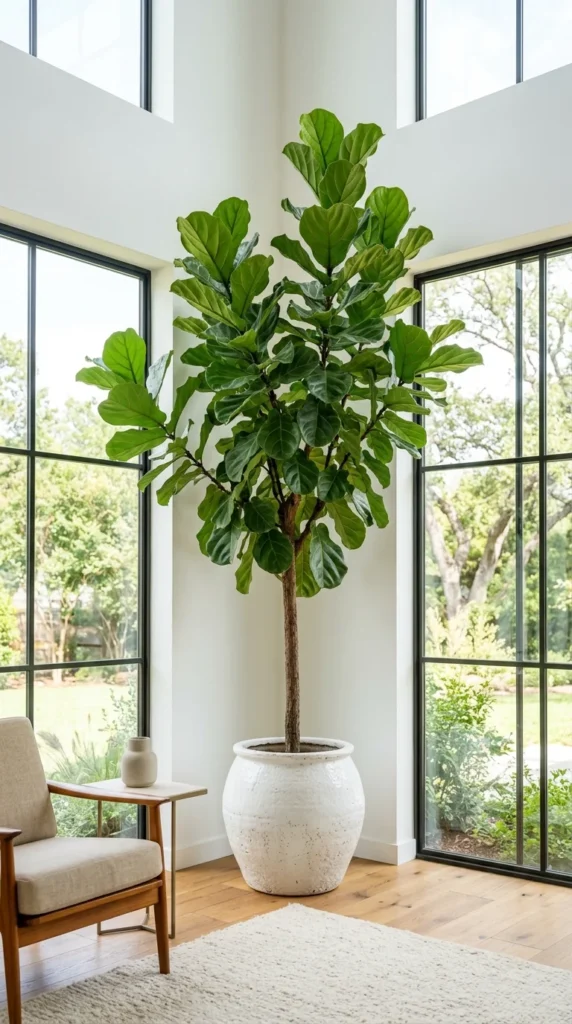
A single, large-scale plant can serve as the focal point of a room, much like a piece of fine art. Varieties such as the Fiddle Leaf Fig, Bird of Paradise, or a Rubber Tree provide height and structural drama. Placing a statement tree in an empty corner or beside a large piece of furniture grounds the space and softens the sharp angles of the room.
3. Macramé Hangers
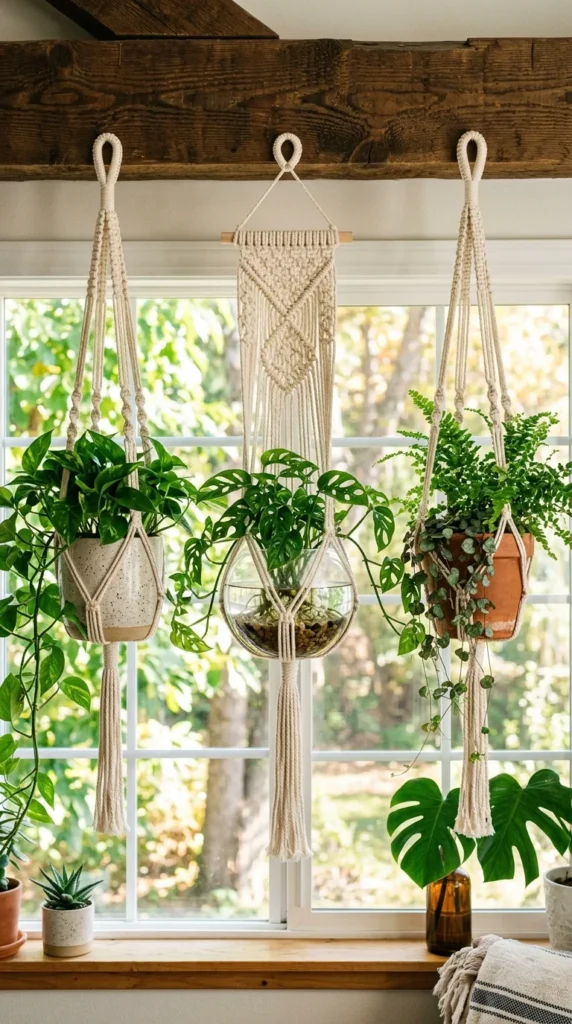
Bohemian and nostalgic, macramé plant hangers allow you to utilize the “fifth wall”—the ceiling. This styling technique is perfect for trailing plants like Spider Plants or Creeping Figs. By varying the lengths of the hangers, you can create a tiered canopy of greenery that draws the eye upward and adds a layer of soft texture to the room.
4. Glass Terrariums
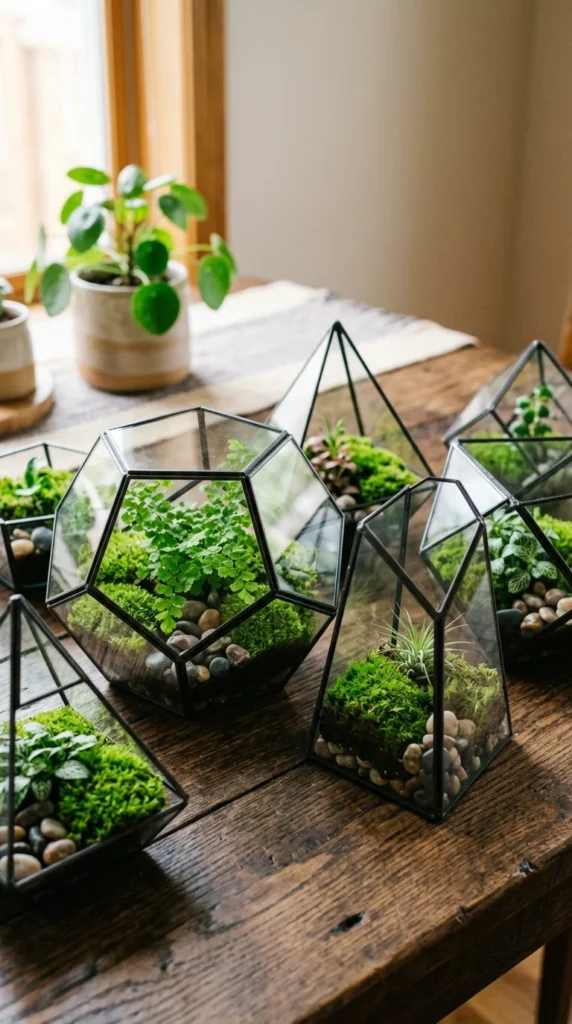
Terrariums are miniature ecosystems that act as living sculptures. They are ideal for humidity-loving plants like ferns and fittonias. Styling with terrariums adds a sophisticated, laboratory-chic vibe to coffee tables or sideboards. Choose geometric shapes to lean into a modern aesthetic or bell jars for a more classic, Victorian feel.
5. Bathroom Jungles
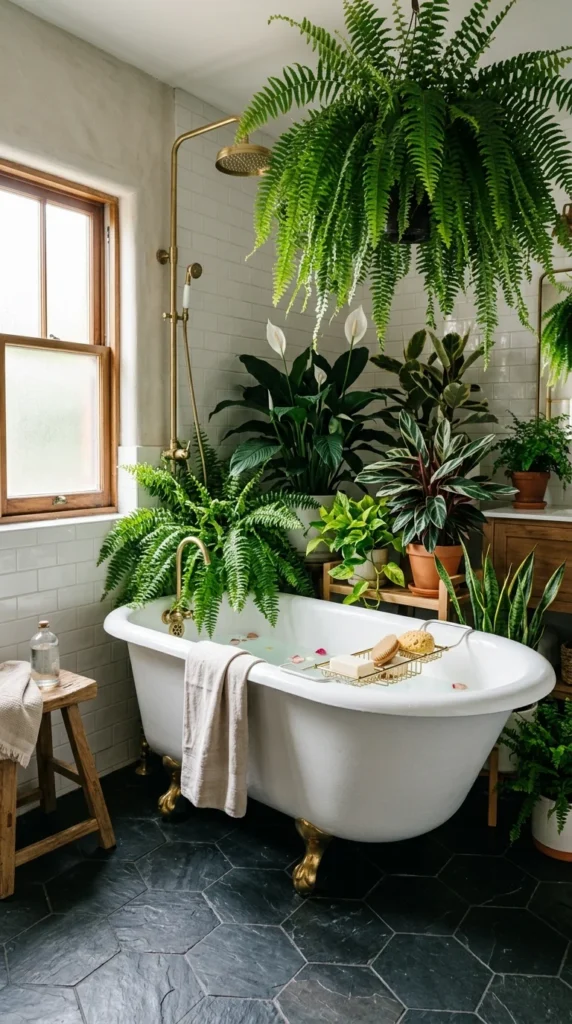
The bathroom is often an overlooked space for greenery, yet its high humidity makes it a paradise for many tropical species. Style your bathroom by placing plants on the edge of the tub, hanging them from the shower rod, or lining them up on a windowsill. The contrast of organic green against white tile or marble creates a spa-like atmosphere.
6. Window Sills
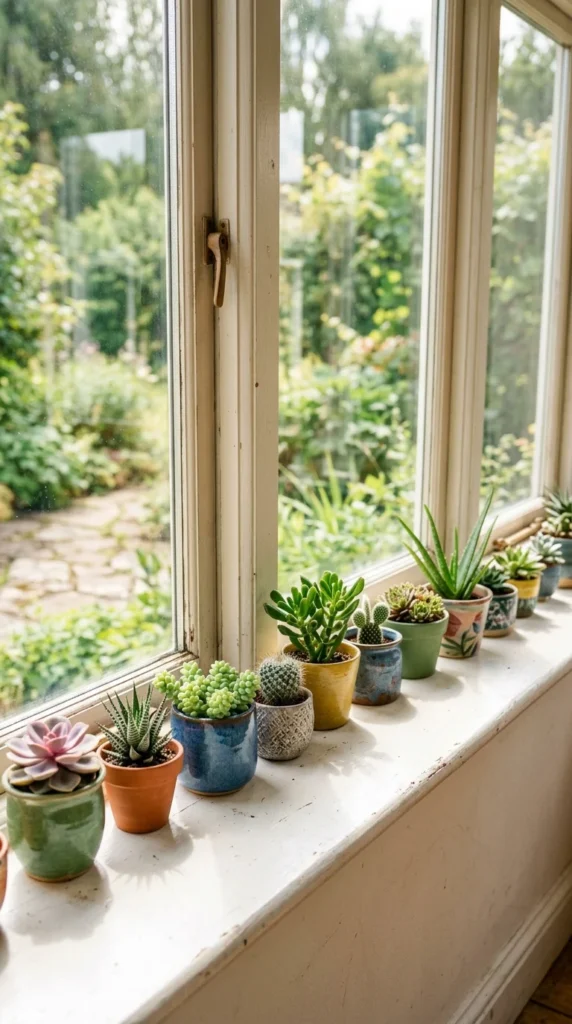
The windowsill is the most traditional spot for plants, but it can be elevated through curated repetition. Instead of a mismatched collection, try using identical pots for a clean, rhythmic look, or vary the heights of the plants while keeping the color palette of the containers consistent. This creates a cohesive “curtain” of green that filters the light entering the room.
7. Ladder Racks
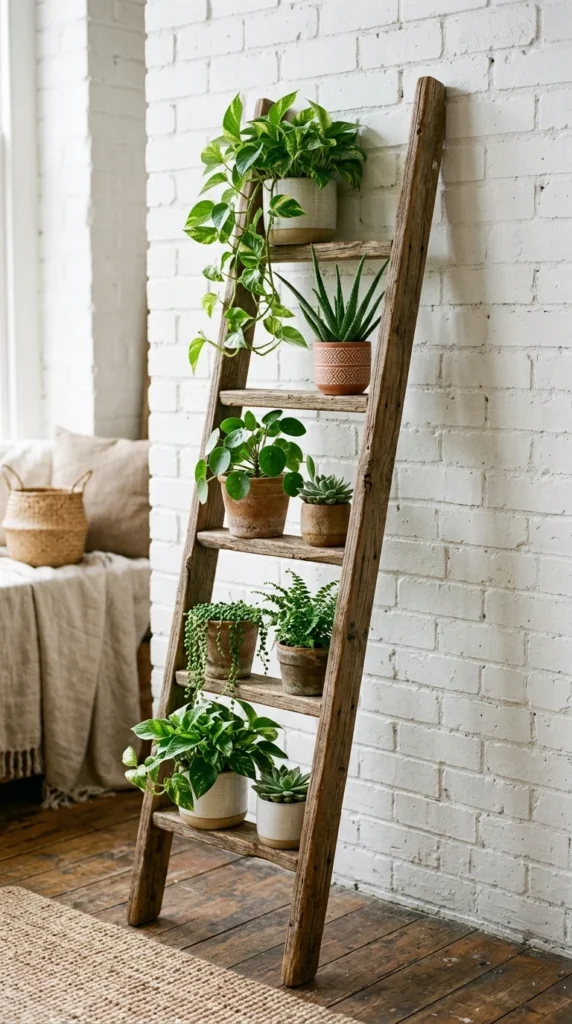
Repurposing a wooden or bamboo ladder as a plant stand is an excellent way to display a collection in a small footprint. This vertical arrangement allows for a dense concentration of greenery. Place larger, heavier pots on the bottom rungs and lighter, trailing plants near the top to ensure stability and a balanced look.
8. Bench Groupings
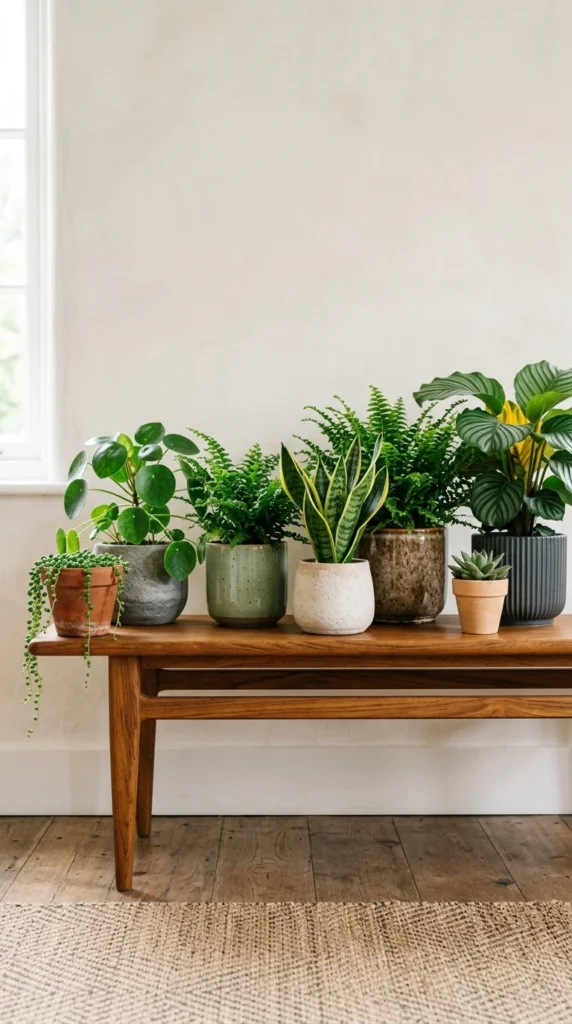
Low benches are perfect for creating a “plant gallery.” Instead of scattering plants around a room, grouping them on a bench creates a dedicated green zone. Use plants with different leaf shapes—such as the round leaves of a Pilea Peperomioides next to the sharp spikes of a Snake Plant—to create a compelling visual contrast.
9. Bar Carts
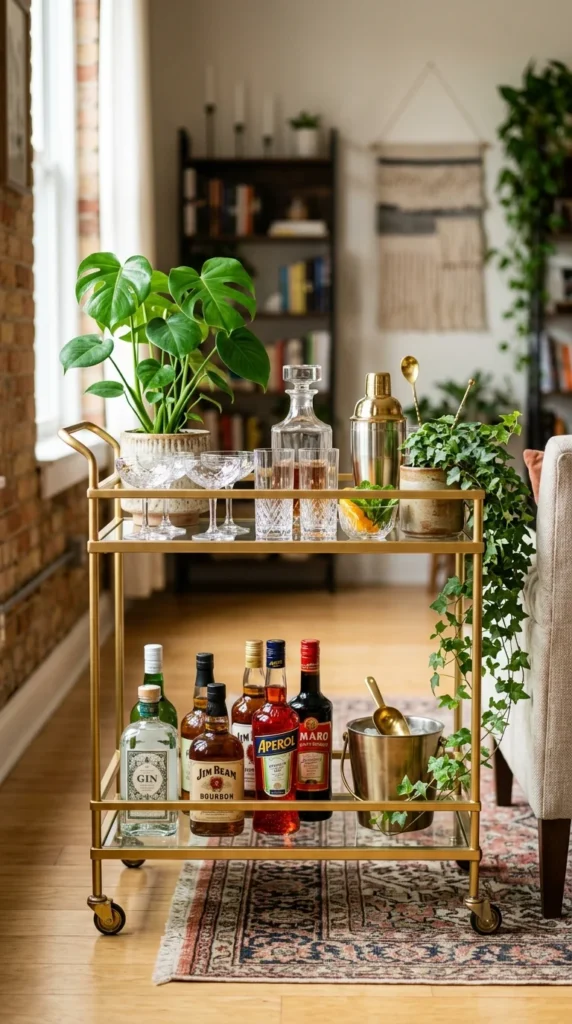
Bar carts aren’t just for spirits; they make fantastic mobile plant stations. Styling a bar cart with greenery adds a lush, botanical feel to your entertaining space. The bottom shelf can house larger pots, while the top shelf can feature delicate vines that drape over the sides, mingling with your glassware and decanters.
10. Bedside Companions
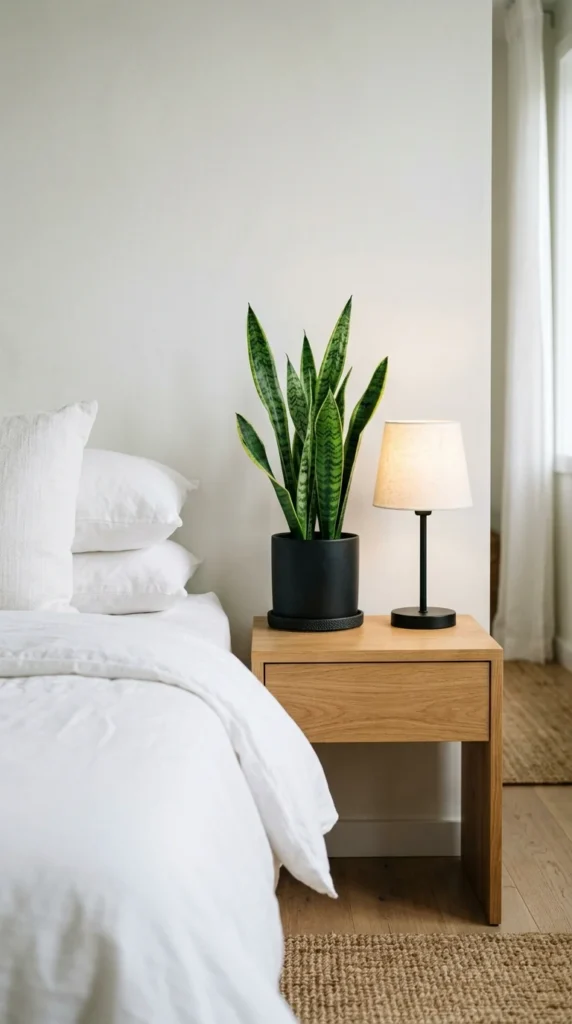
Adding a plant to your nightstand can improve sleep quality by increasing oxygen levels and providing a calming visual. Choose low-maintenance, air-purifying species like the Snake Plant or ZZ Plant. The key to bedside styling is simplicity; a single, well-chosen plant in a pot that complements your bedding creates a serene environment.
11. Color-Coded Pots
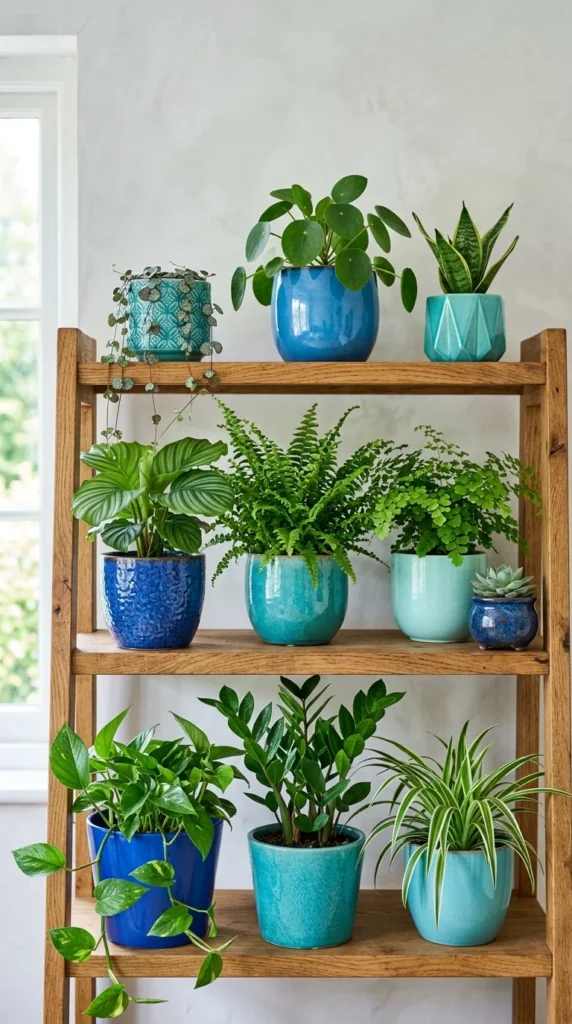
One of the easiest ways to make a diverse plant collection look intentional is through color-coded containers. Whether you choose monochromatic white, earthy terra cotta, or vibrant jewel tones, unifying the pots allows the unique textures of the plants to stand out without looking cluttered.
12. Vertical Walls
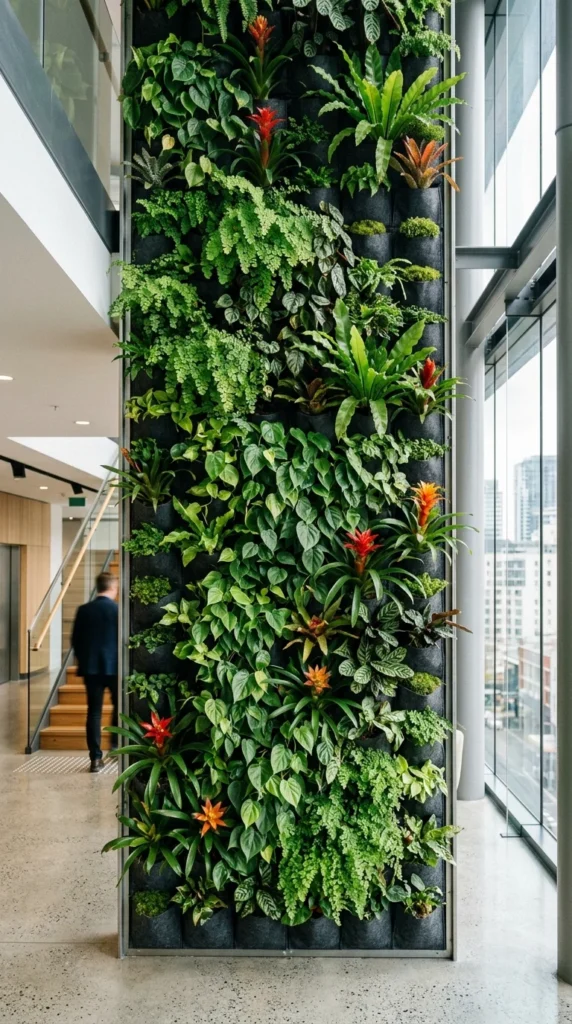
For the ultimate “urban jungle” look, a vertical wall or “living wall” is a showstopper. Using a modular pocket system or a custom-built trellis, you can cover an entire wall in foliage. This works exceptionally well in dining rooms or entryways, serving as a vibrant, breathing wallpaper.
13. Elevated Pedestals
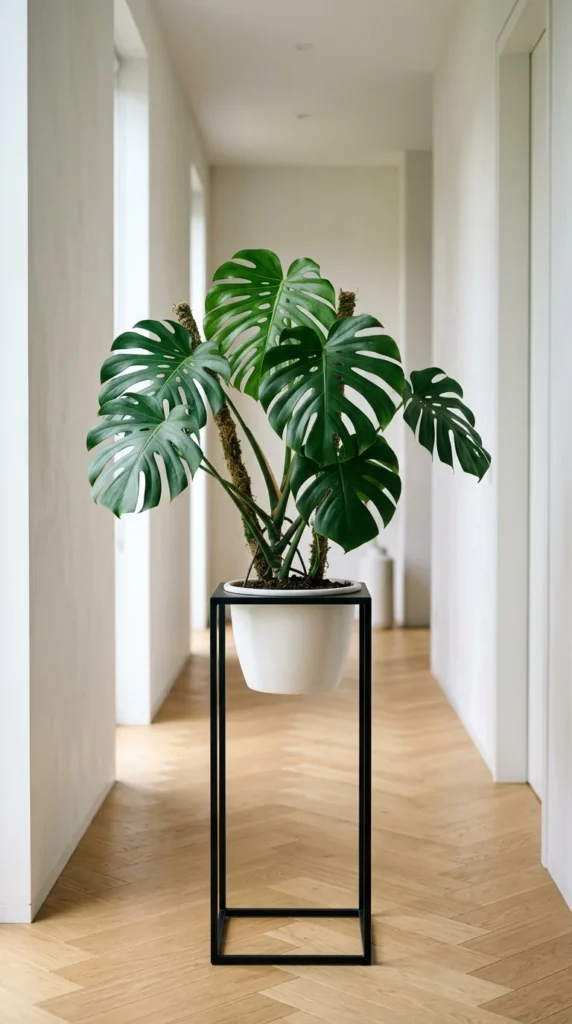
Pedestals and plant stands are essential for creating layers of height. By elevating a plant, you give it the importance of a statue. This is particularly useful for plants with dramatic, weeping foliage or for filling tall, narrow spaces that might otherwise feel empty.
14. Desk Buddies

A small touch of nature on your workspace can reduce stress and increase productivity. Opt for “desktop” varieties that don’t take up too much room, such as cacti, air plants, or small succulents. A concrete or metallic pot can add a professional, architectural feel to your desk setup.
15. Propagation Stations
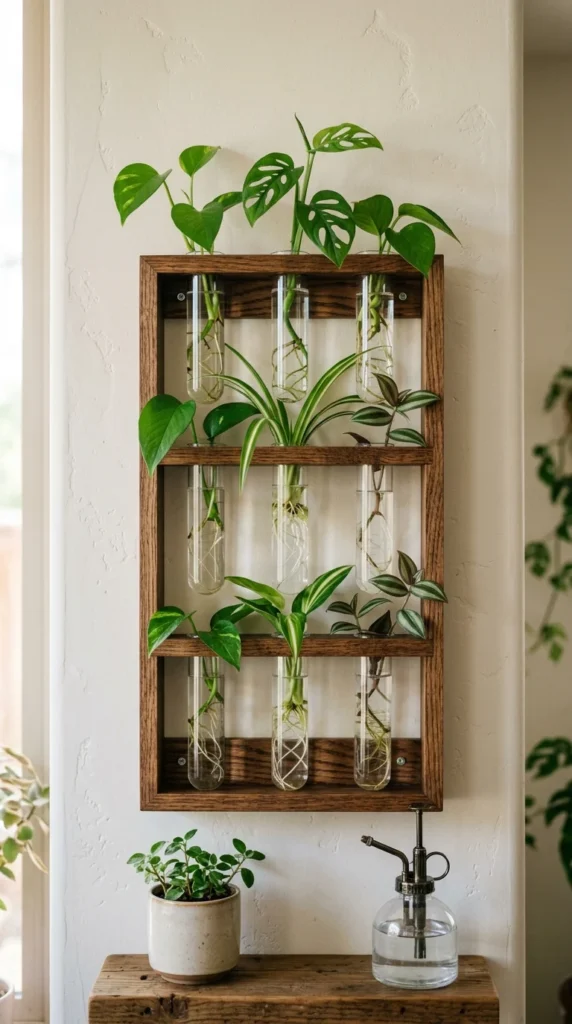
Propagation doesn’t have to be a messy “behind-the-scenes” chore. By using beautiful glass vials or laboratory-style test tubes, you can turn the growth process into a piece of wall art. Watching roots grow in water provides a fascinating, ever-changing display that celebrates the life cycle of your plants.
16. Fireplace Mantels
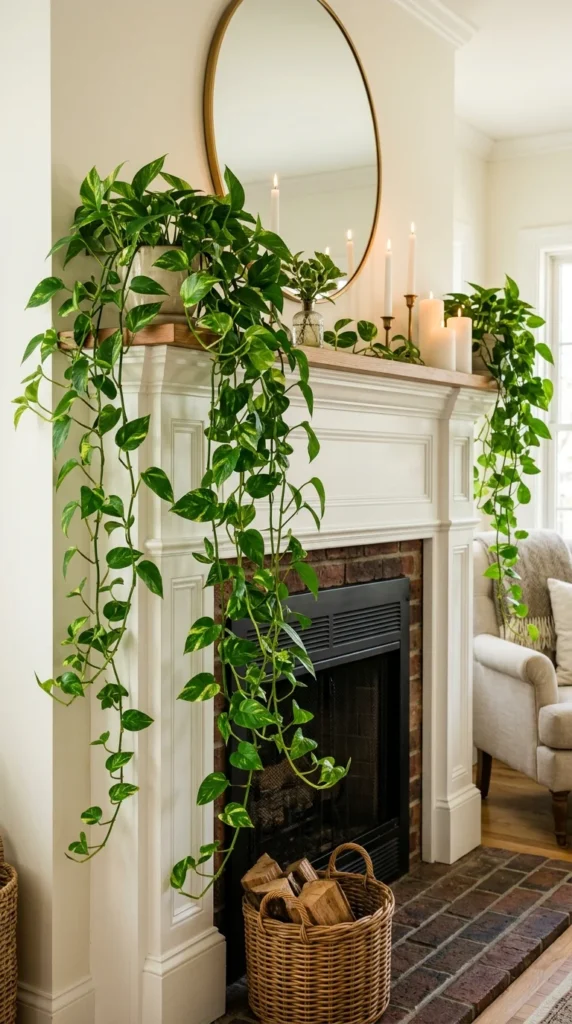
The mantel is a natural focal point in a living room. Soften its appearance by lining it with trailing plants. As the vines grow, they will frame the fireplace, creating a cozy and organic look. If the fireplace is functional, ensure the plants are placed far enough away from the heat source.
17. Woven Baskets
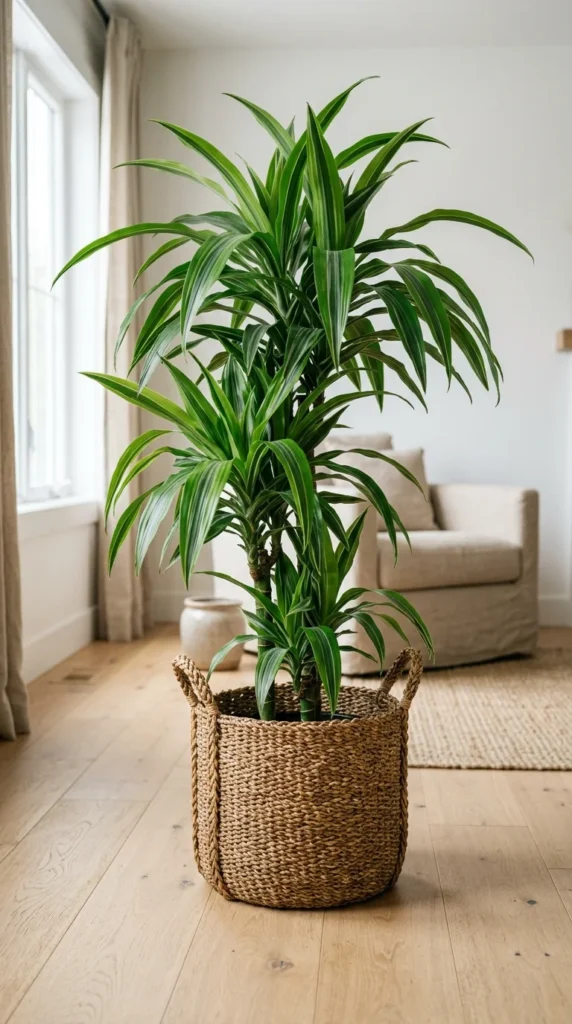
Baskets are the perfect “outer” pot for plastic nursery containers. They add a warm, organic texture to a room and are excellent for hiding utilitarian pots. Seagrass, jute, and wicker baskets work beautifully in coastal, farmhouse, or bohemian-themed interiors.
18. Dining Centerpieces
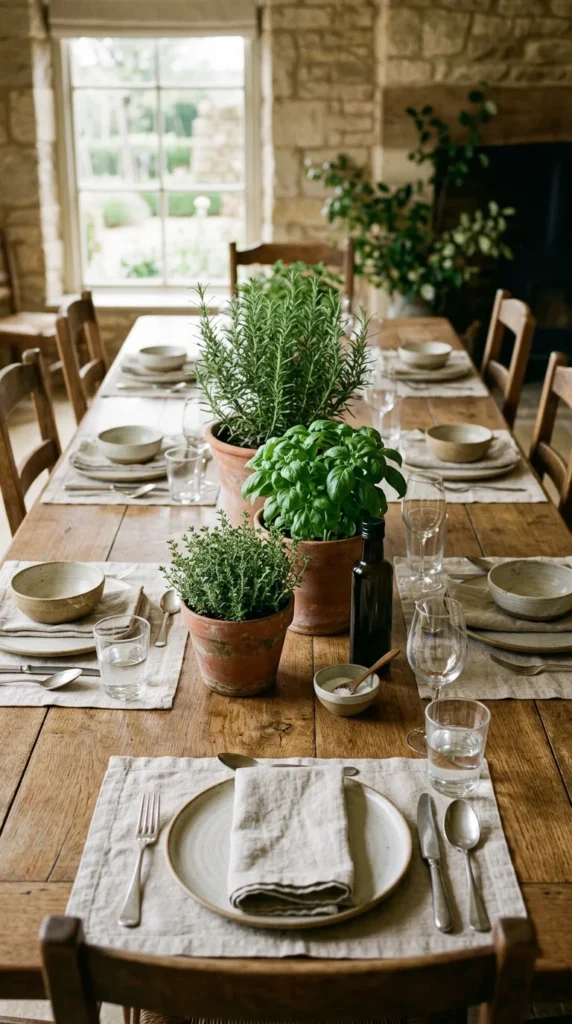
Instead of cut flowers that fade in a week, use potted plants as a living centerpiece. A row of aromatic herbs like Lavender, Rosemary, or Mint not only looks beautiful but also provides a fresh scent during meals. Low-profile plants are best to ensure guests can still see each other across the table.
19. Corner Clusters
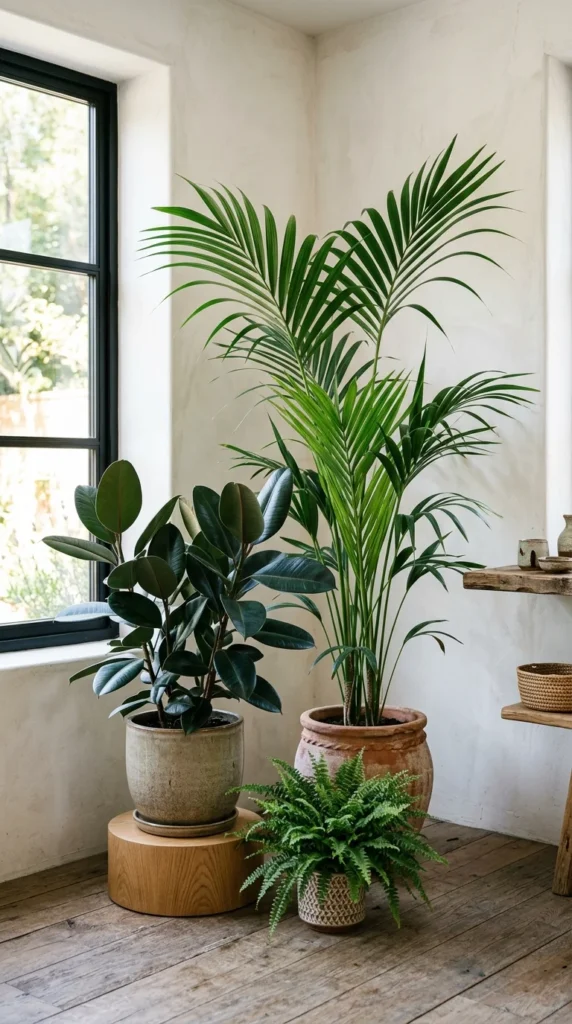
When styling a corner, follow the “rule of three.” Group three plants of different heights and leaf textures together. This creates a lush, tiered look that feels more natural and abundant than a single plant standing alone.
20. Mirror Reflections
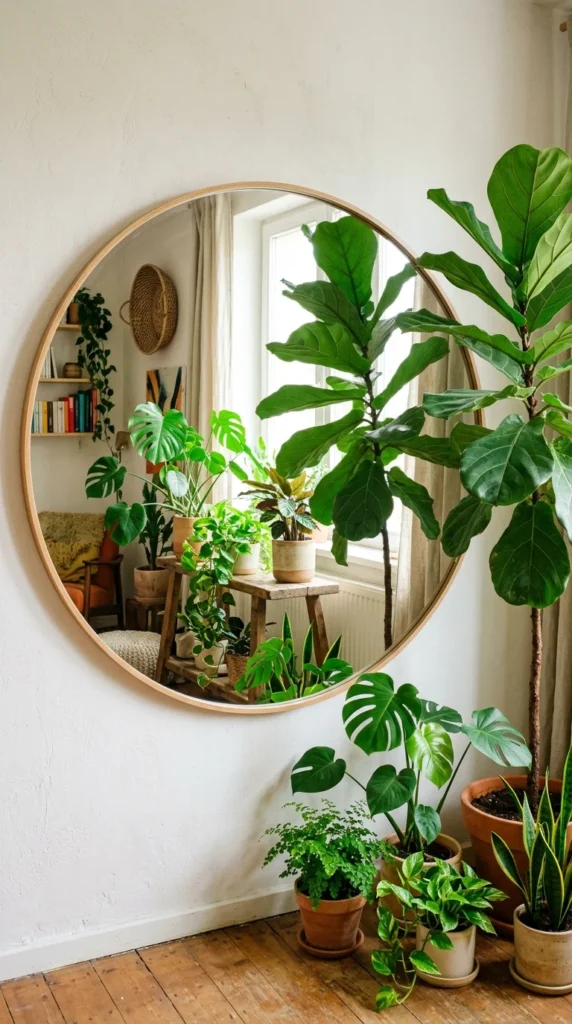
Placing plants in front of or near a mirror is a clever styling trick to double your “green footprint.” The mirror reflects the foliage, creating the illusion of a much denser garden and bouncing more light into the room, which benefits both the aesthetic and the plants’ health.
21. Bookshelf Accents
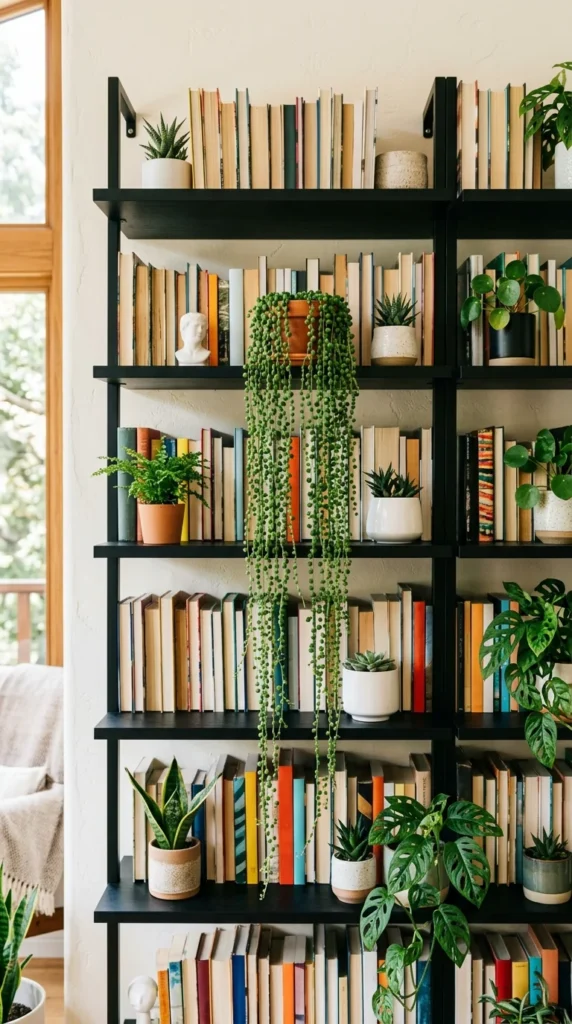
Integrate plants directly into your library. By removing a few books and replacing them with a small plant, you break up the horizontal lines of the shelving. Trailing plants are particularly effective here, as they can “drip” from one shelf to the next, connecting the different levels of the bookcase.
22. Kokedama Balls
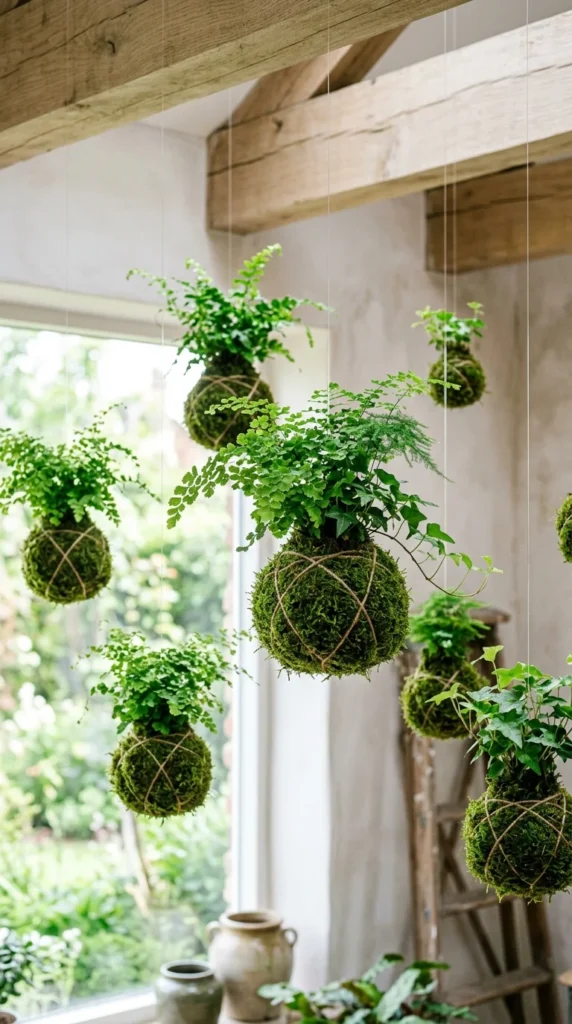
Kokedama is a Japanese art form where a plant’s root ball is wrapped in moss and bound with string. These “string gardens” can be displayed on decorative ceramic plates or hung from the ceiling. They offer a unique, soil-free look that is both modern and traditional.
23. Entryway Welcome
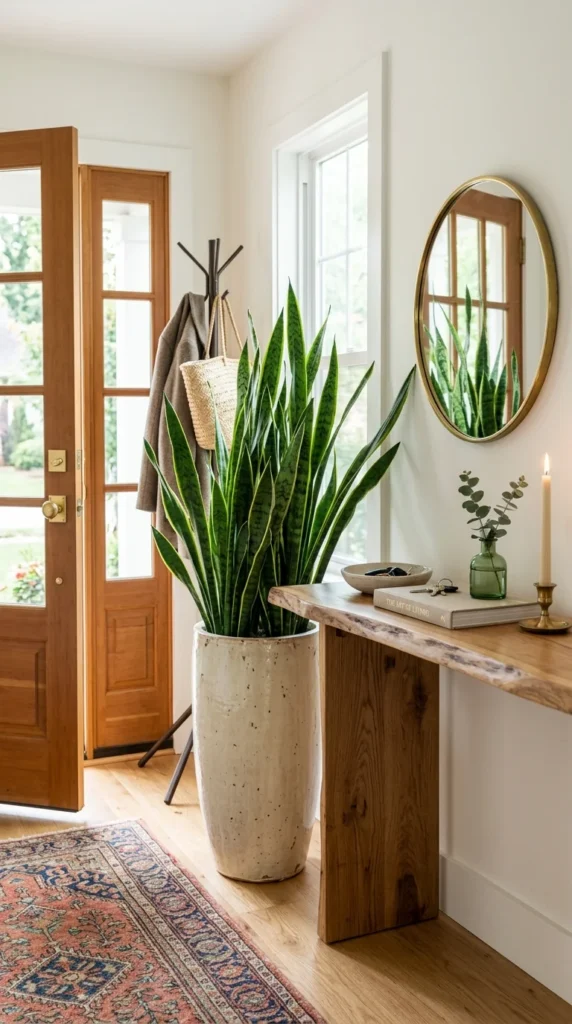
Set the tone for your home the moment someone walks through the door. A sturdy, architectural plant in the entryway creates an immediate sense of calm and hospitality. Since entryways can sometimes be dim, choose low-light tolerant species like the ZZ plant or a cast-iron plant.
24. Kitchen Cabinets
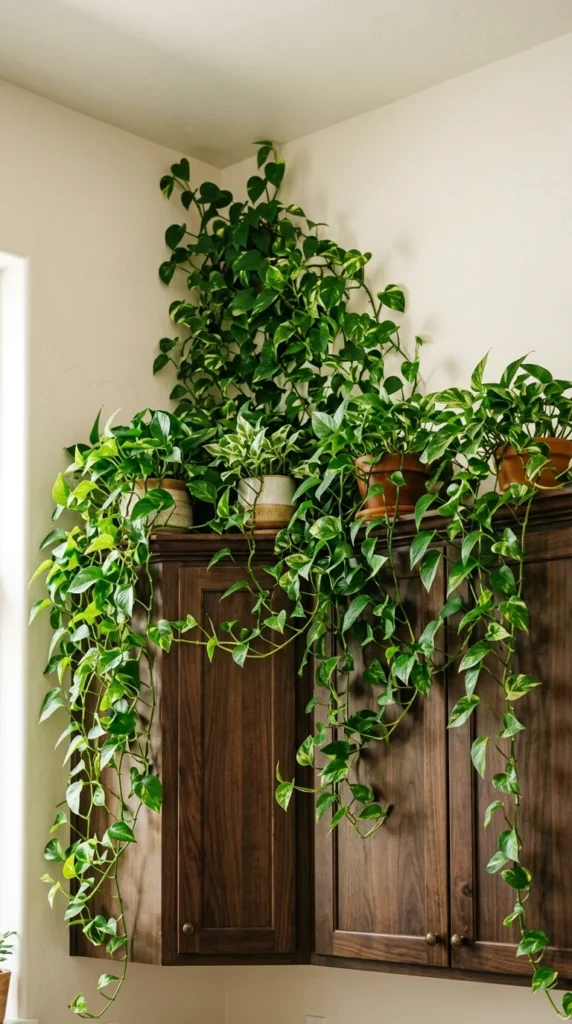
The “dead space” between the top of your kitchen cabinets and the ceiling is a prime location for trailing plants. This area often goes unused, but a row of hardy vines can turn it into a lush green border that draws the eye upward and hides any stored items or dust.
25. Monochromatic Sets
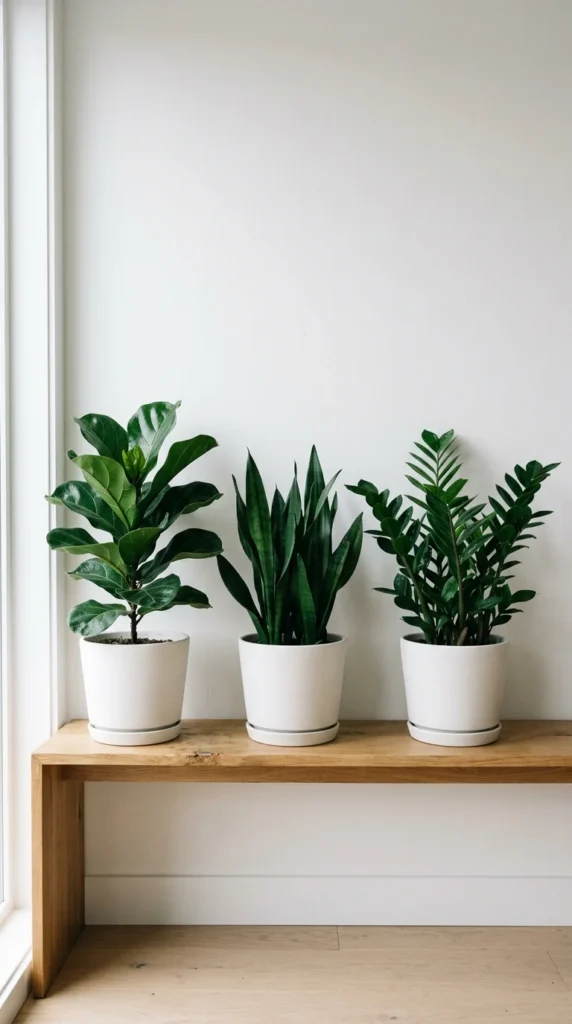
For a high-end, gallery-like feel, use a monochromatic color scheme. By matching the pot color to the wall color, the pots seemingly disappear, leaving only the vibrant green silhouettes of the plants. This minimalist approach emphasizes the form and structure of the foliage itself.