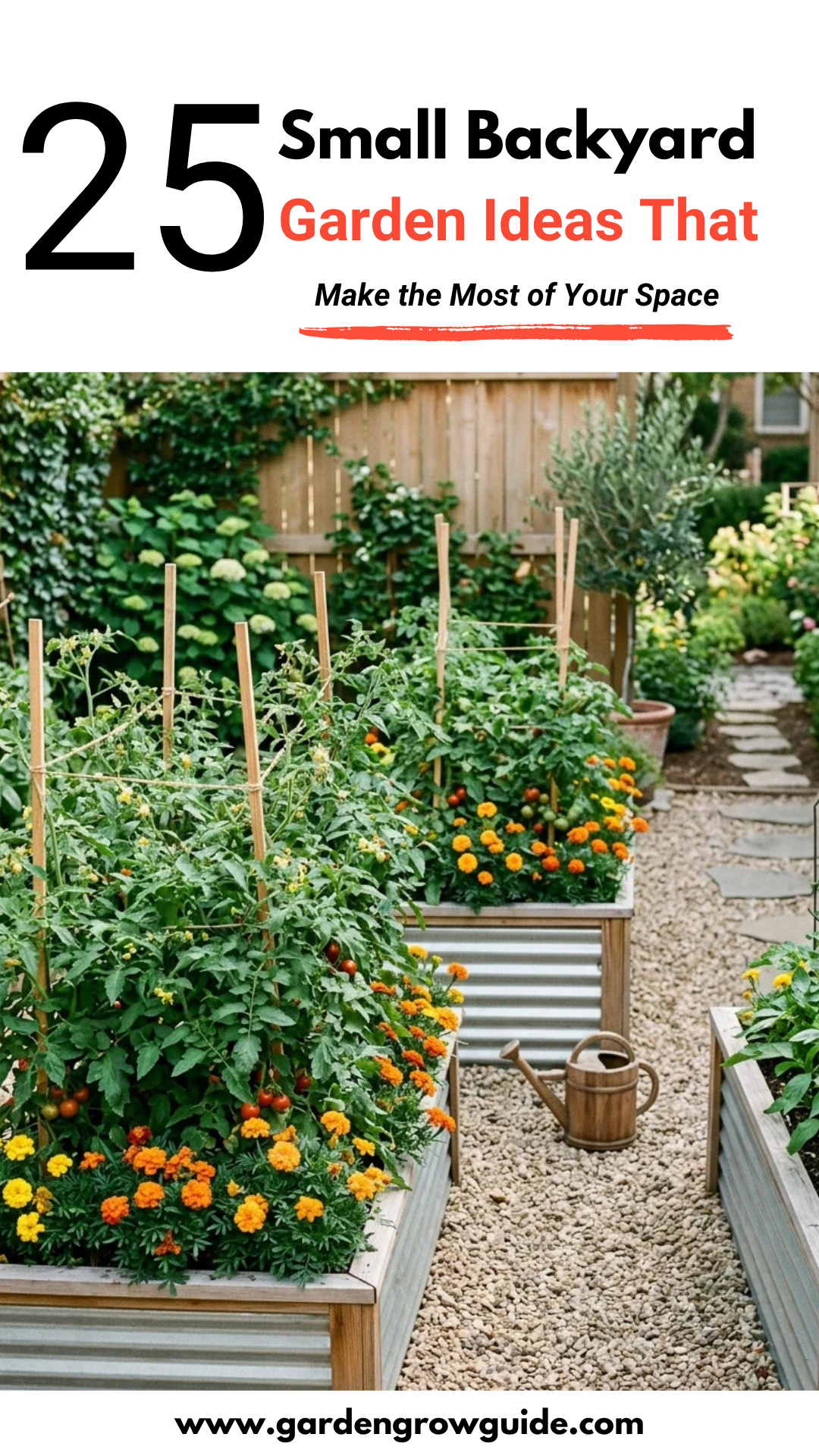
Transforming a compact backyard into a lush sanctuary requires a blend of creativity, strategic planning, and the right design choices. Having a small outdoor space doesn’t mean you have to sacrifice the beauty or functionality of a traditional garden. By thinking vertically, utilizing multifunctional furniture, and choosing plants that thrive in confined areas, you can turn even the tiniest patio or narrow side yard into a stunning retreat.
1. Vertical Gardens
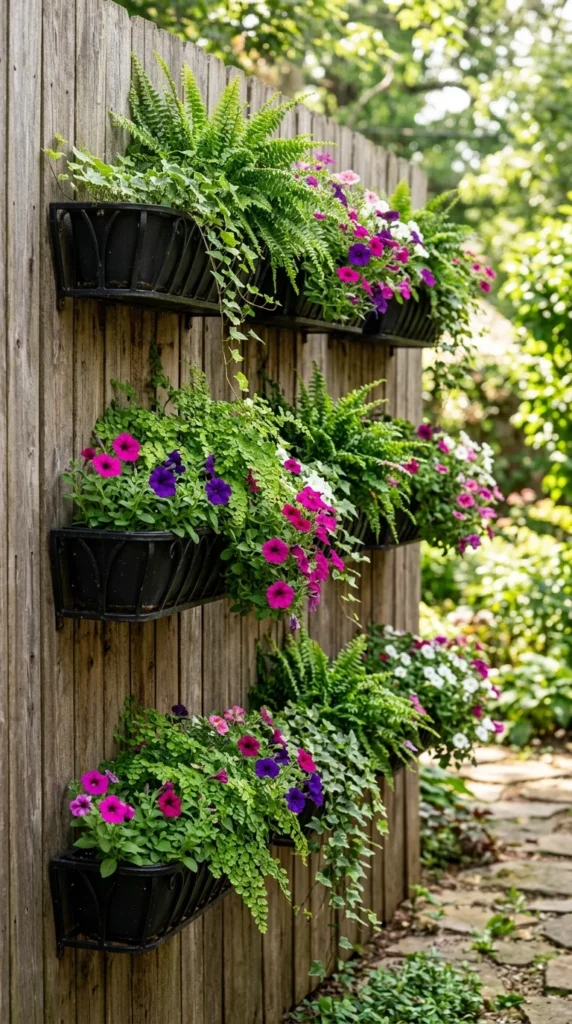
Vertical gardening is the ultimate solution for small spaces where ground area is limited. By utilizing your walls, fences, and balconies, you can significantly increase your planting surface. This can be achieved through wall-mounted felt pockets, wooden slats with hooks for pots, or even custom-built living walls with integrated irrigation. Not only does this add a lush backdrop to your backyard, but it also helps insulate your home and dampen noise from the surrounding neighborhood.
2. Tiered Planters
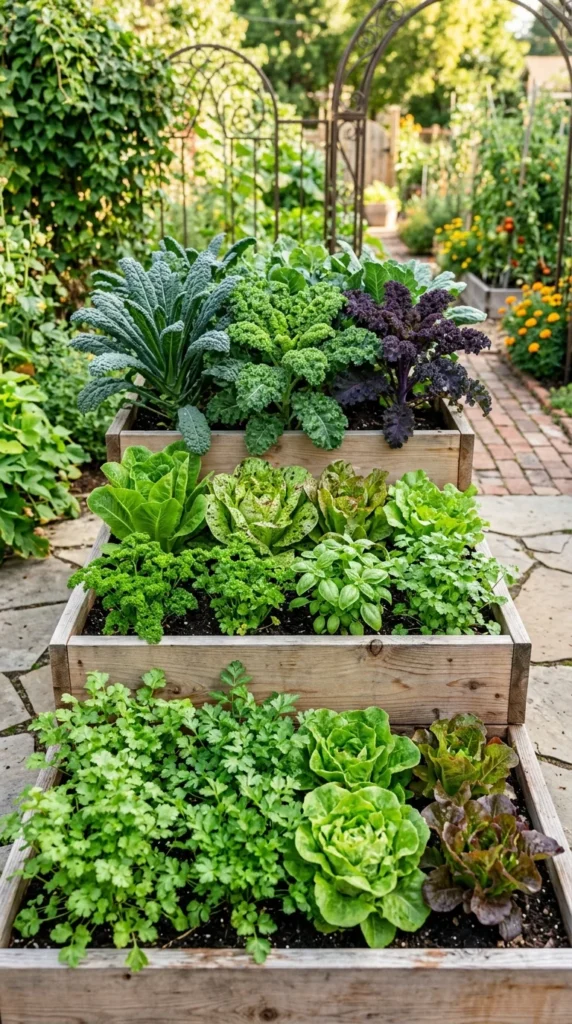
Tiered planters function like a staircase for your plants, allowing you to grow more in a smaller footprint. This design provides excellent drainage and ensures that every plant receives adequate sunlight. Tiered beds are particularly effective for growing edible greens and herbs, as they keep the plants organized and easily accessible for harvesting. They also add a sense of architectural depth to a flat yard.
3. Hanging Baskets
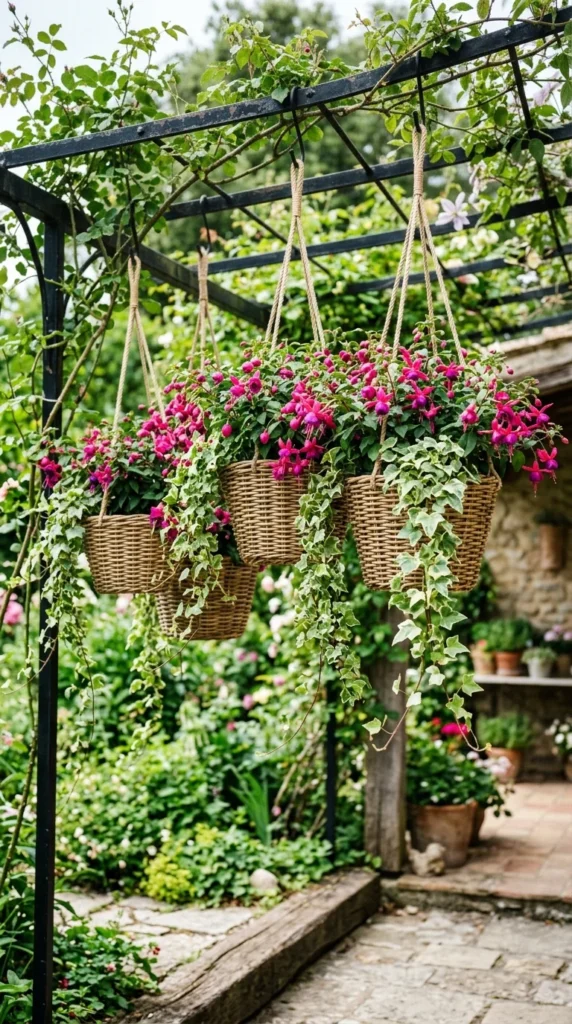
Don’t forget the space above your head. Hanging baskets are perfect for adding splashes of color at eye level. They are ideal for trailing plants like lobelia, creeping Jenny, or strawberries. By hanging plants from pergolas, porch eaves, or sturdy tree branches, you free up valuable floor space for seating or pathways while creating a more immersive, jungle-like atmosphere.
4. Container Gardening
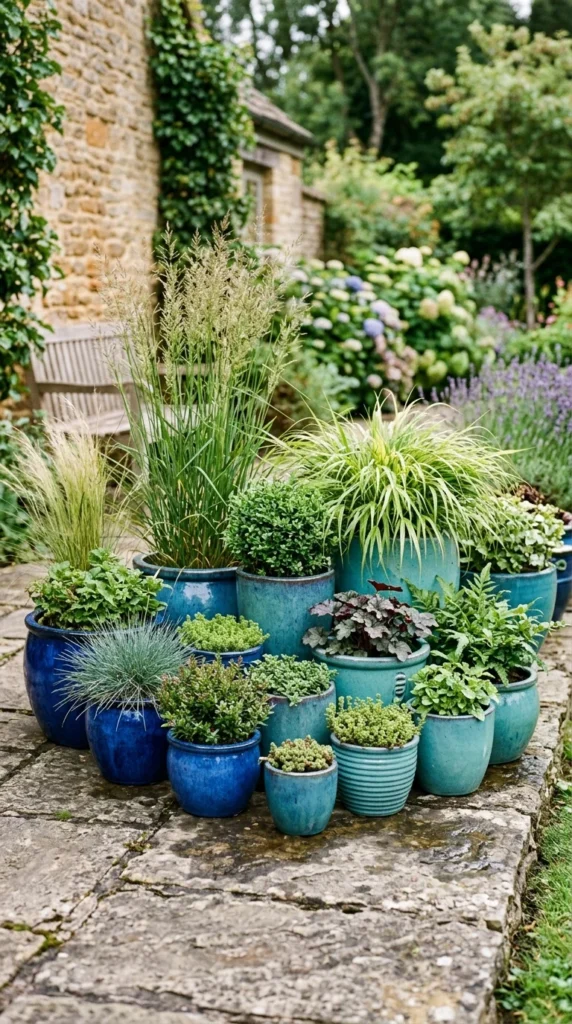
The beauty of container gardening lies in its flexibility. Pots can be moved around to catch the sun or to make room for guests during a gathering. Using containers of different heights, textures, and colors creates visual interest. To keep a small space from looking cluttered, try to stick to a cohesive color palette for your pots. Large containers also allow you to grow small trees or large shrubs that wouldn’t otherwise fit in a narrow flower bed.
5. Raised Beds
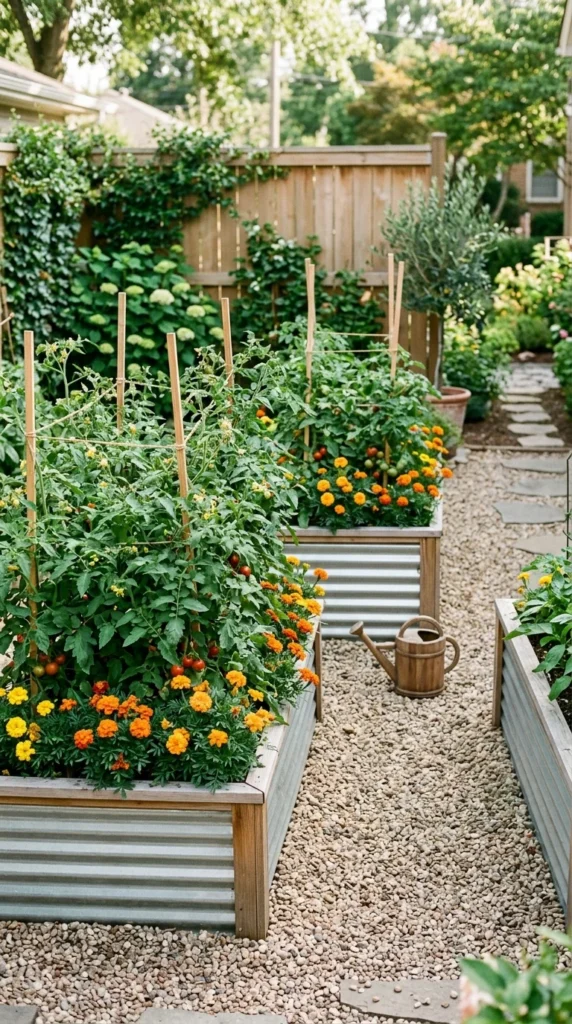
Raised beds provide a structured look and make garden maintenance much easier on the back. In a small backyard, they can be built to fit specific corners or along the perimeter to keep the center of the yard open. They allow for better soil control, which is essential if your native soil is poor or compacted. Using materials like cedar, stone, or even modern metal panels can help define the aesthetic of your garden.
6. Trellis Climbers
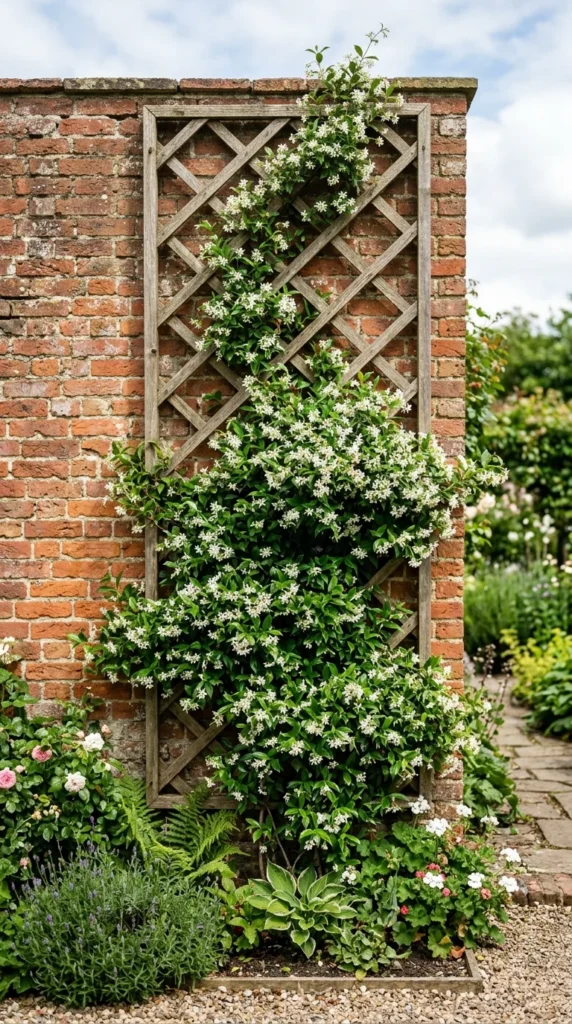
Vines and climbing plants are the “skyscrapers” of the garden world. By training plants like clematis, honeysuckle, or jasmine onto a trellis or arbor, you create a wall of greenery and fragrance without occupying more than a few inches of ground space. This is an excellent way to mask an unattractive fence or provide privacy from neighbors.
7. Pallet Gardens
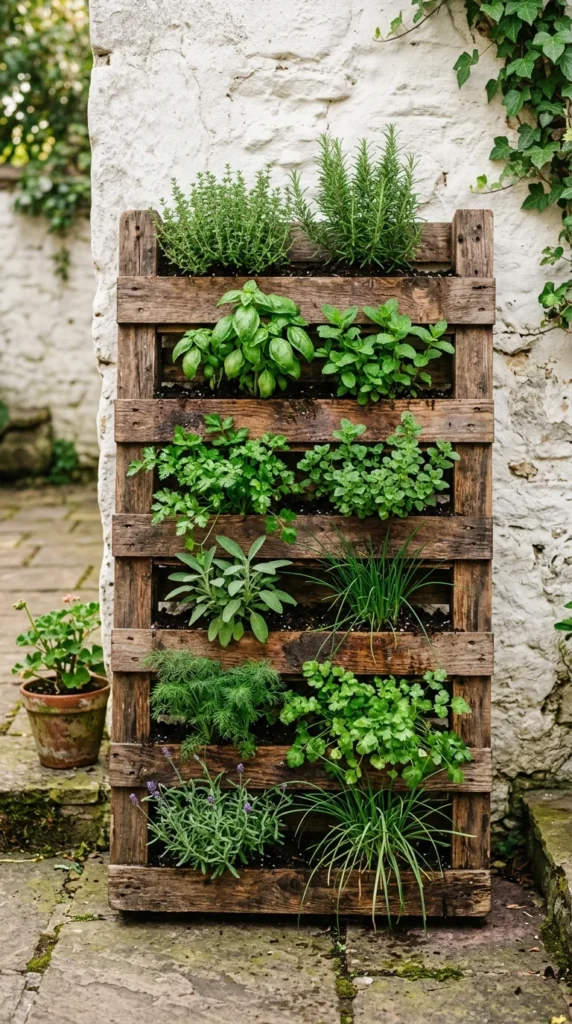
Upcycling a wooden pallet is a budget-friendly way to create a vertical herb or succulent garden. By stapling landscape fabric to the back and bottom of the slats, you can fill the gaps with soil and tuck in your favorite small plants. It’s a rustic, charming DIY project that fits perfectly against a wall or sits on a small balcony.
8. Mirror Accents
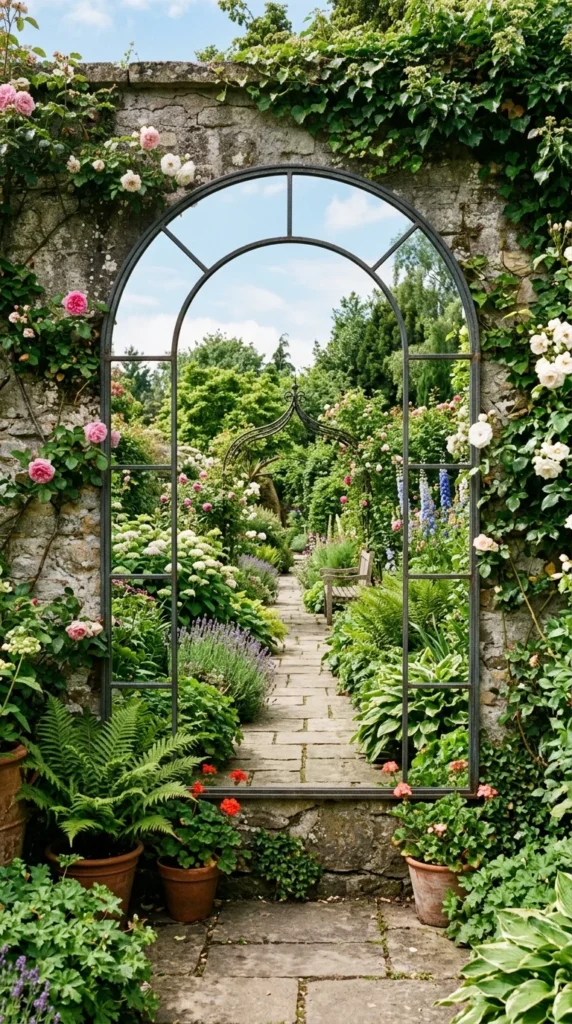
Mirrors are a classic trick used by interior designers to make rooms feel larger, and they work just as well outdoors. A strategically placed weather-resistant mirror can reflect light into dark corners and create the illusion of a secret garden beyond the wall. For the best effect, frame the mirror with climbing plants to help it blend naturally into the landscape.
9. Folding Furniture
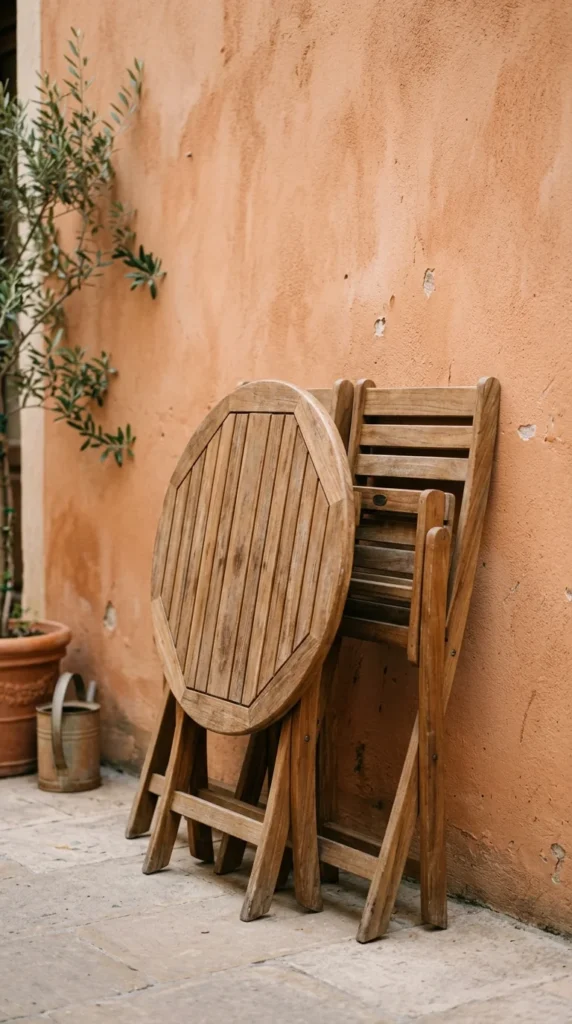
In a small backyard, every square inch counts. Heavy, permanent furniture can make a space feel cramped and inflexible. Instead, opt for high-quality folding bistro sets or stackable chairs. This allows you to clear the floor when you want to do some gardening or yoga, and quickly set up a dining area when guests arrive.
10. Window Boxes
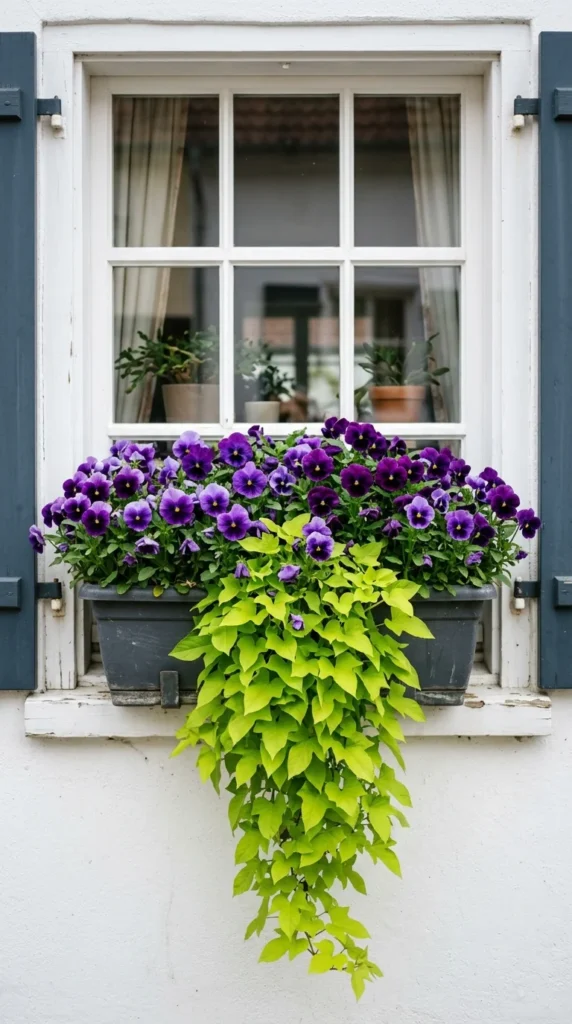
Window boxes extend your garden right up to your home’s exterior. They are perfect for kitchen herbs or seasonal flowers. Even if you don’t have a “yard,” a series of window boxes can provide a significant amount of gardening space. They also improve the view from inside your home, bringing nature closer to your daily life.
11. Herb Towers
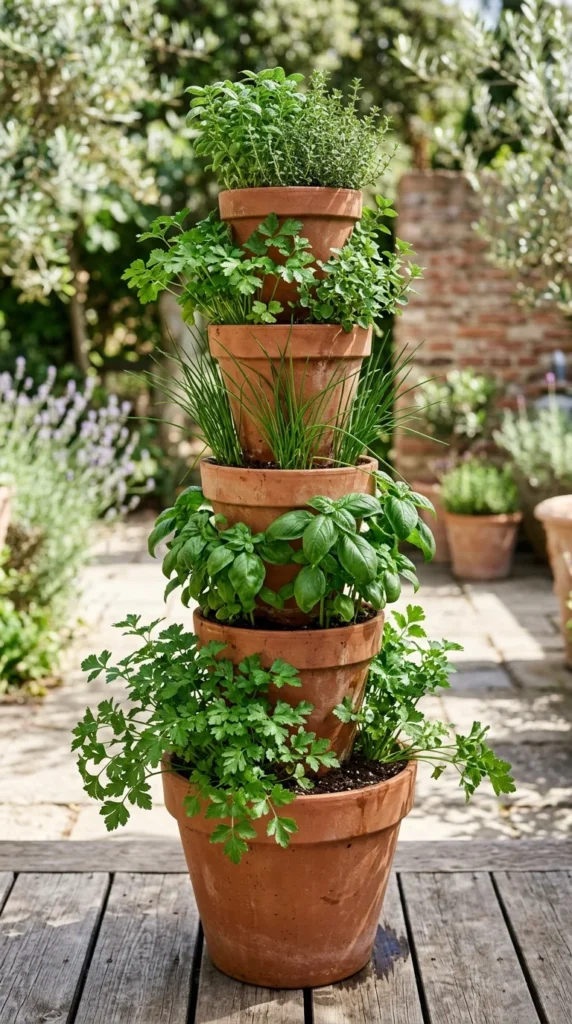
Herb towers maximize productivity in a tiny footprint. By stacking pots of varying sizes, you create multiple planting pockets. This is highly efficient for culinary enthusiasts who want fresh ingredients within arm’s reach of the kitchen. The vertical arrangement also makes it harder for some ground-dwelling pests to reach your precious herbs.
12. Narrow Pathways
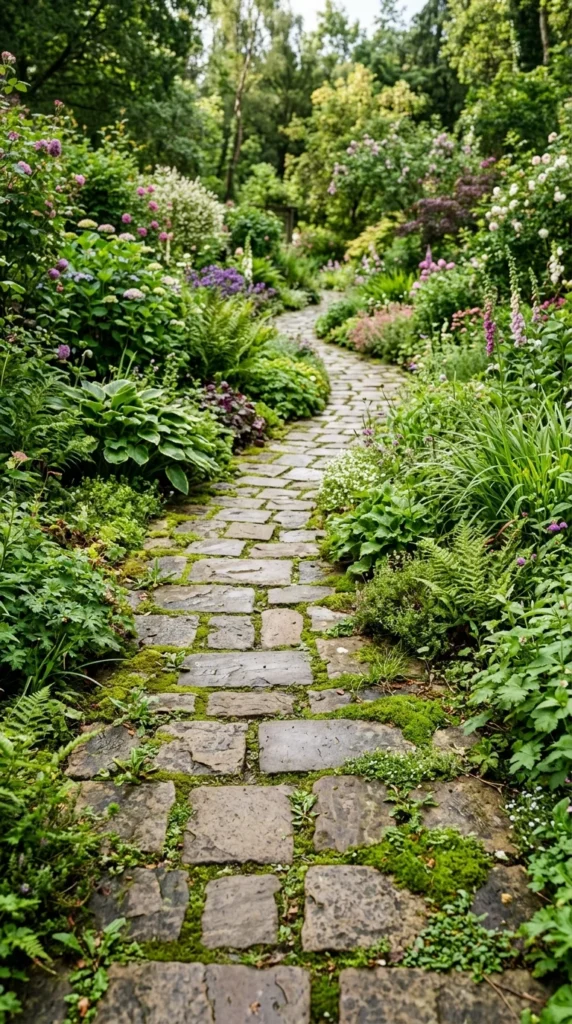
Instead of one large patio area, consider breaking up your small backyard with narrow, winding pathways. This creates a sense of journey and discovery, making the garden feel larger than it is. Using materials like pea gravel, stepping stones, or wood chips adds texture and helps with drainage.
13. Dwarf Varieties
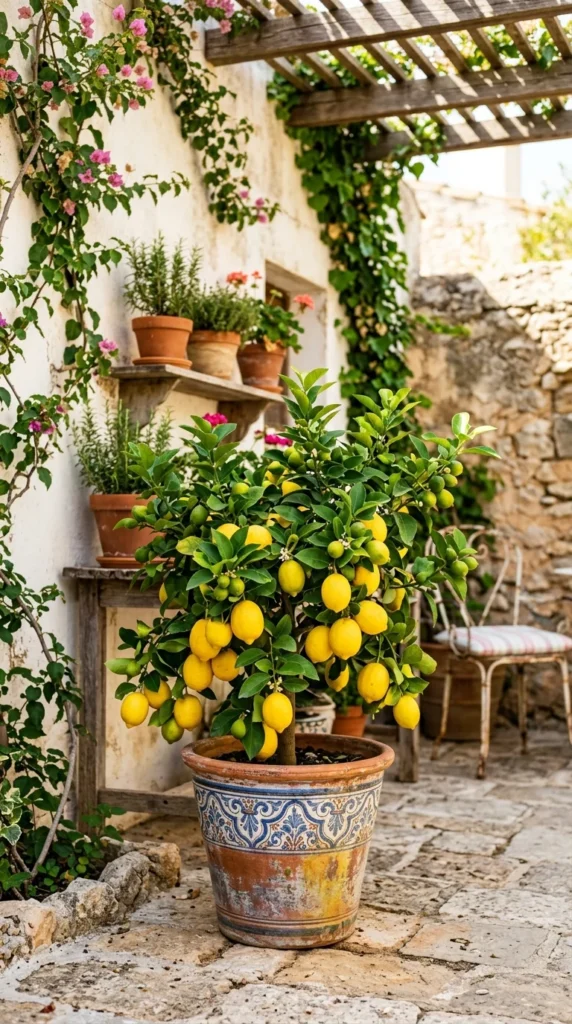
Many popular trees and shrubs now come in “dwarf” or “columnar” varieties specifically bred for small spaces. You can find dwarf fruit trees, compact hydrangeas, and narrow evergreen trees that provide the look of a full-sized garden without the overwhelming scale. Always check the mature height and spread of a plant before purchasing.
14. Pot Clusters
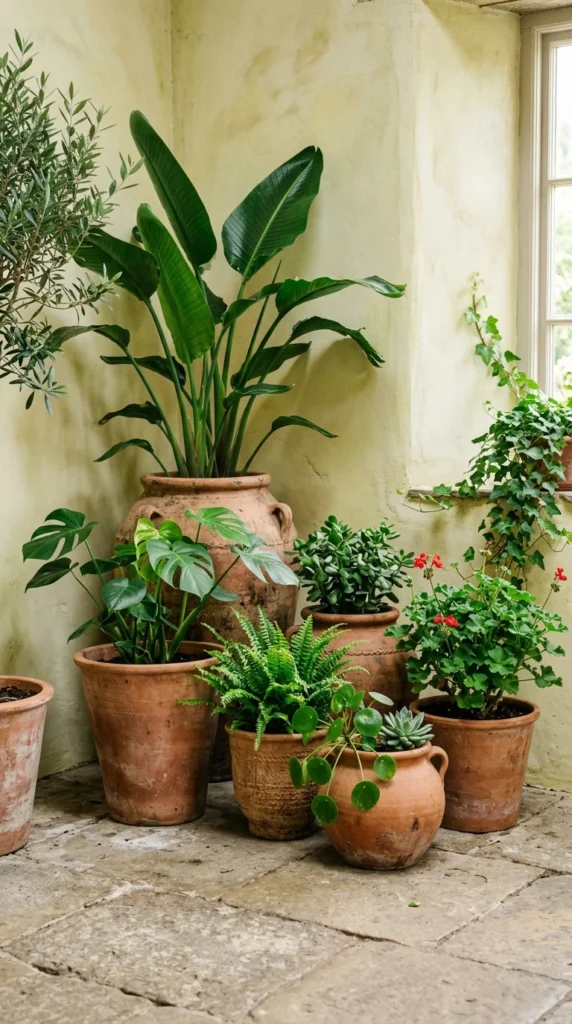
Rather than scattering single pots around the yard, group them in clusters of three or five. This creates a more significant visual impact and makes the garden feel lush and intentional. Use different heights to create a “stadium seating” effect for your plants, ensuring that the smaller ones aren’t hidden behind the larger ones.
15. Edible Borders
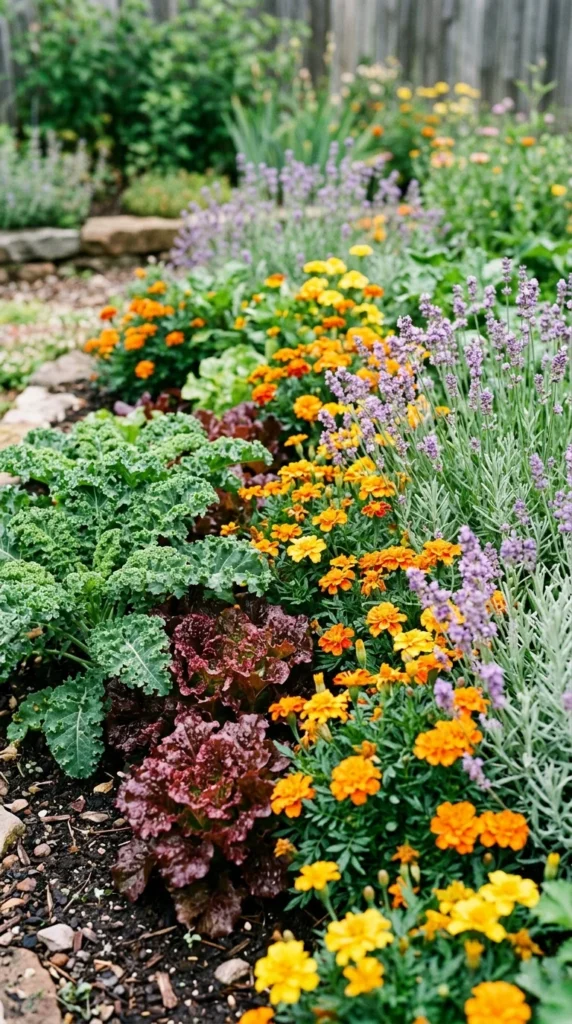
You don’t need a separate vegetable patch to grow food. Many vegetables and herbs are quite ornamental. Swiss chard with its bright stalks, ruffled kale, and purple basil can be integrated directly into your flower borders. This “edimentals” approach maximizes space by combining beauty and utility in the same plot.
16. Layered Planting
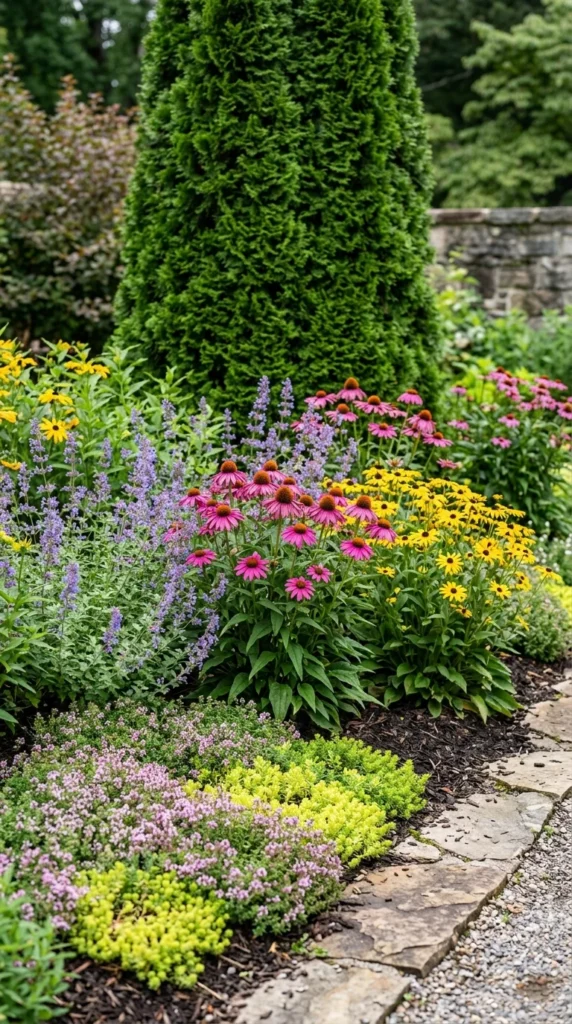
To make a small garden feel full, use the principle of layering. Place taller plants or structures at the back, medium-height plants in the middle, and low-growing groundcovers or “spillers” at the front. This depth creates a rich, textured look that mimics a natural woodland or meadow, drawing the eye through the space.
17. Pocket Planters
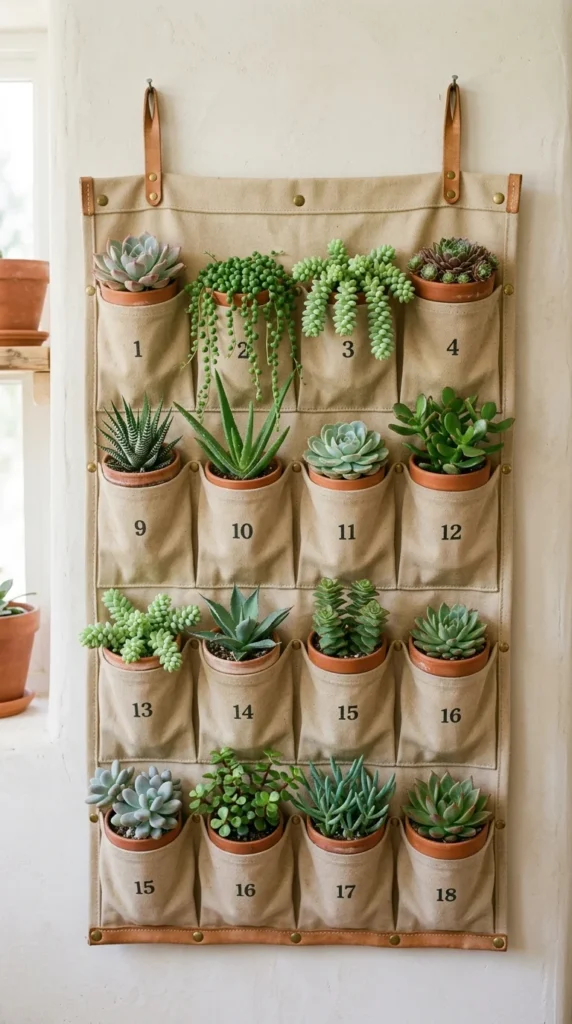
Pocket planters are often made of breathable fabric and can be hung on any vertical surface. They are incredibly lightweight compared to traditional pots, making them ideal for fences that might not support heavy weights. They are perfect for succulents, herbs, or small ferns, and they create an instant “green wall” effect.
18. Integrated Seating
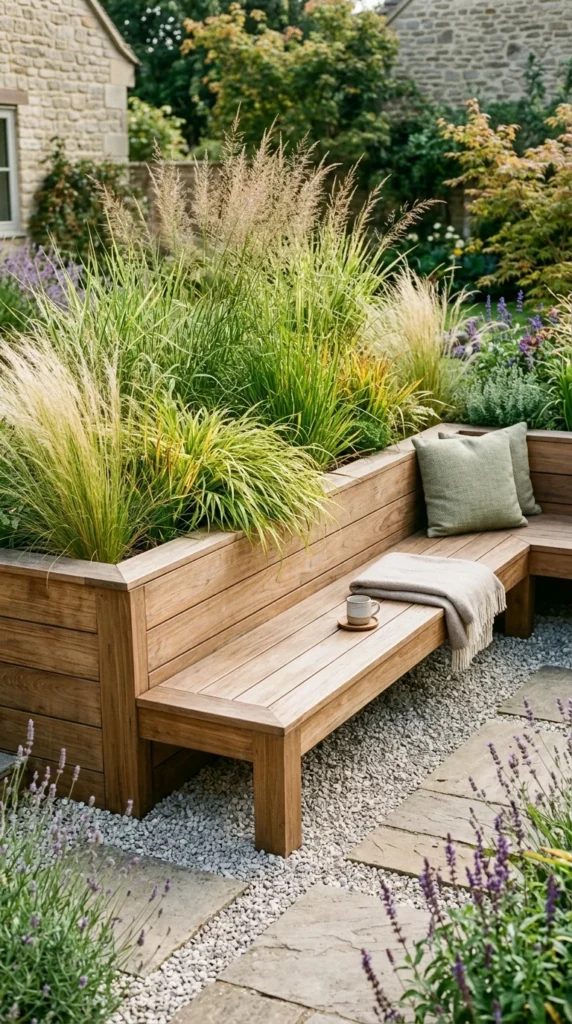
When space is tight, furniture that serves two purposes is a lifesaver. Building a bench directly into the side of a raised garden bed saves the space that separate chairs would take up. You can also design benches with flip-top lids to provide hidden storage for gardening tools, cushions, or bags of soil.
19. Water Features
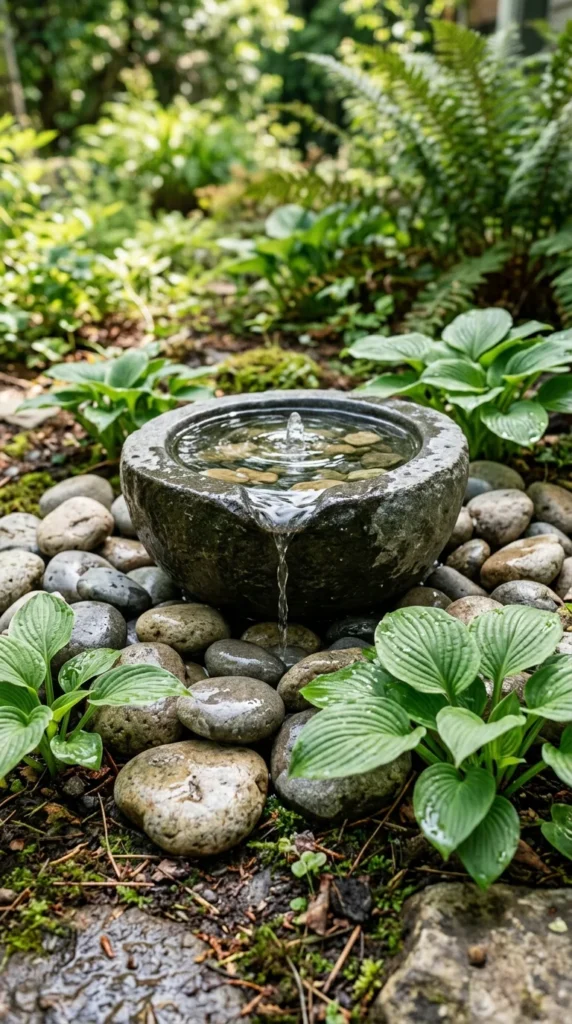
The sound of running water can mask city noise and create a peaceful ambiance. You don’t need a large pond; a simple tabletop fountain, a wall-mounted spillway, or a small bubbling urn can provide the same benefits. The reflection of light on the water’s surface also adds a sense of brightness and movement to the space.
20. String Lighting
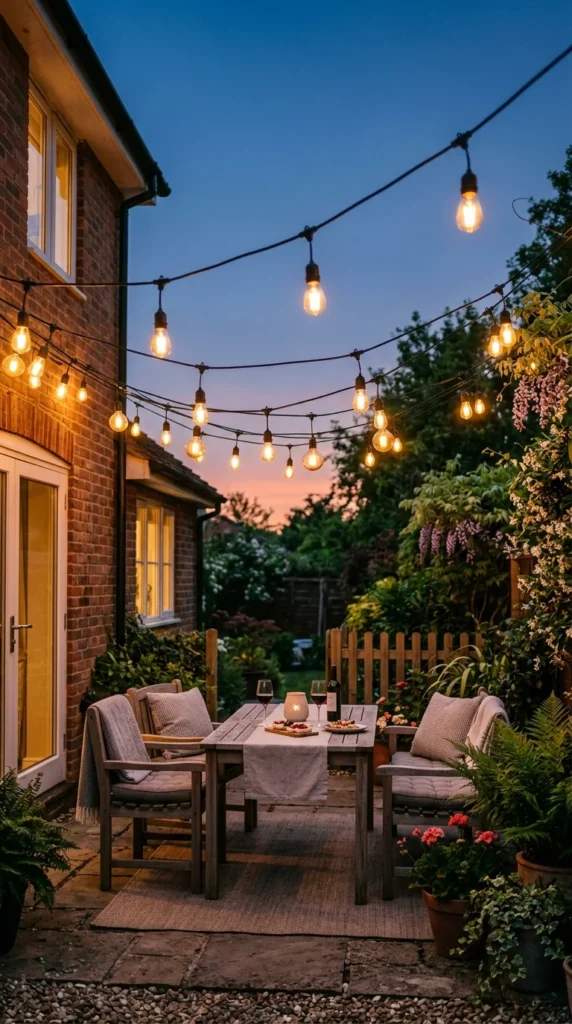
Lighting is essential for extending the usability of your garden into the evening. String lights (or “bistro lights”) draped across a small yard create a “ceiling” of light that makes the space feel like an outdoor room. They are inexpensive, easy to install, and provide a soft, enchanting glow that makes the yard feel larger and more inviting.
21. Corner Shelving
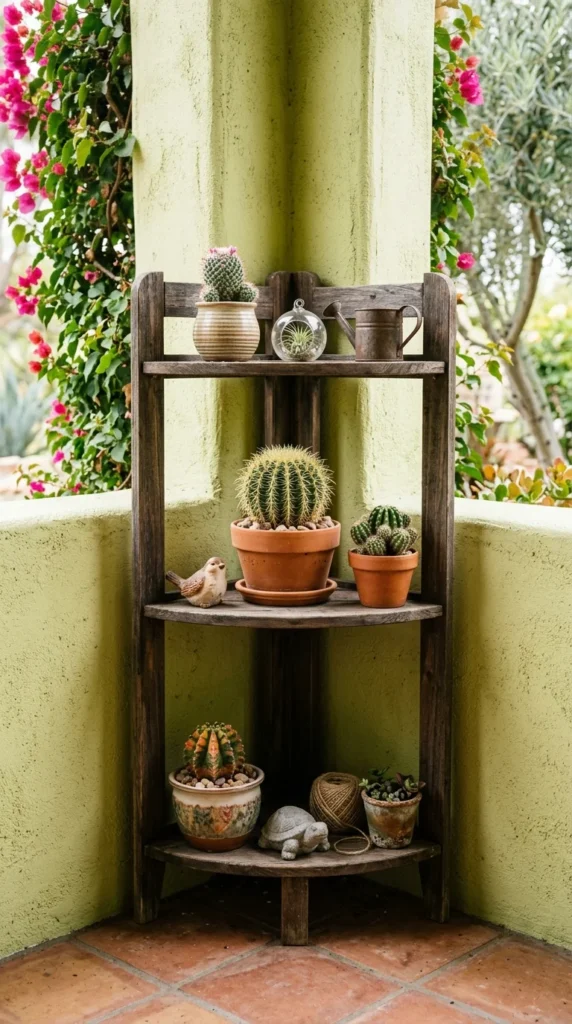
Don’t let corners go to waste. A corner shelving unit allows you to display a collection of small plants or garden decor vertically in a space that would otherwise be empty. This is a great way to show off a succulent collection or to keep frequently used gardening supplies organized and accessible.
22. Step Gardening
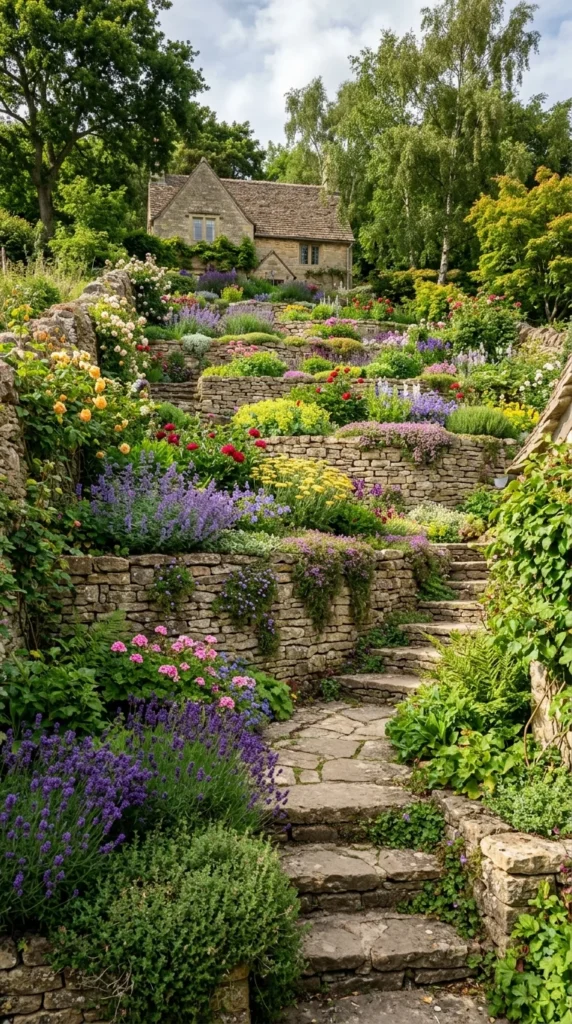
If your small backyard has a slope, don’t view it as a problem—view it as an opportunity. Terracing the slope into “steps” creates flat planting areas and prevents erosion. Each level can have its own theme or plant type, turning a difficult terrain into a dramatic and highly functional vertical landscape.
23. Succulent Walls
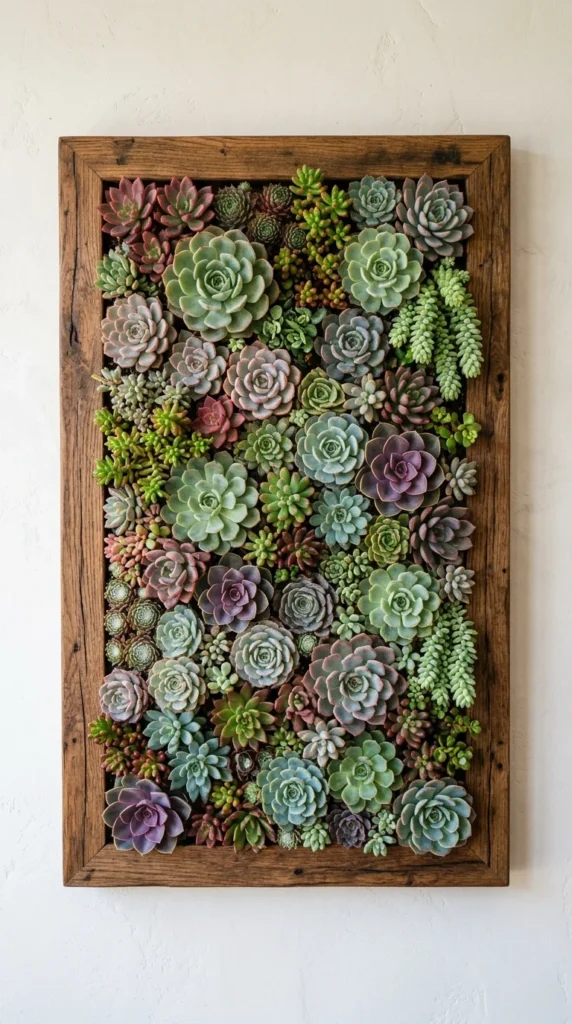
Succulents are perfect for small spaces because they grow slowly and have shallow root systems. A “living picture frame” filled with succulents is a low-maintenance way to add art to your outdoor walls. Because they require very little water, these displays are durable and stay looking pristine for long periods.
24. Pea Gravel Paths
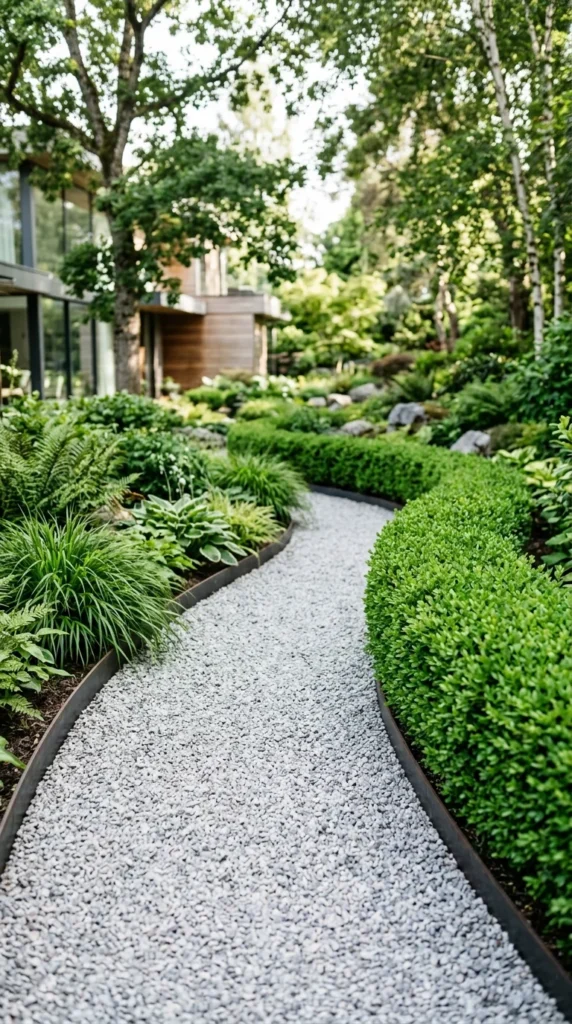
Using pea gravel is a smart choice for small gardens because it is permeable, affordable, and easy to shape. It provides a crunching sound underfoot that adds to the sensory experience of the garden. Gravel also helps to define different zones in a small yard—such as a dining area vs. a planting area—without the need for heavy, permanent paving.
25. Multi-Purpose Storage
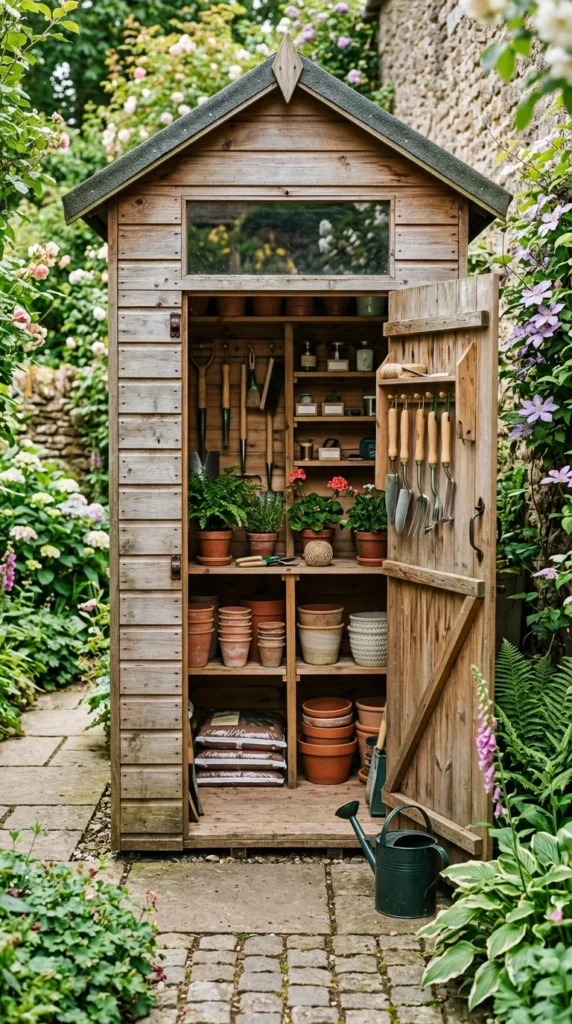
Storage is often the biggest challenge in a small yard. Look for slim-profile sheds or storage benches that can tuck into narrow gaps. Organizing your tools vertically inside these units keeps your yard clutter-free. When the garden is tidy and tools are hidden away, the space naturally feels larger and more relaxing.