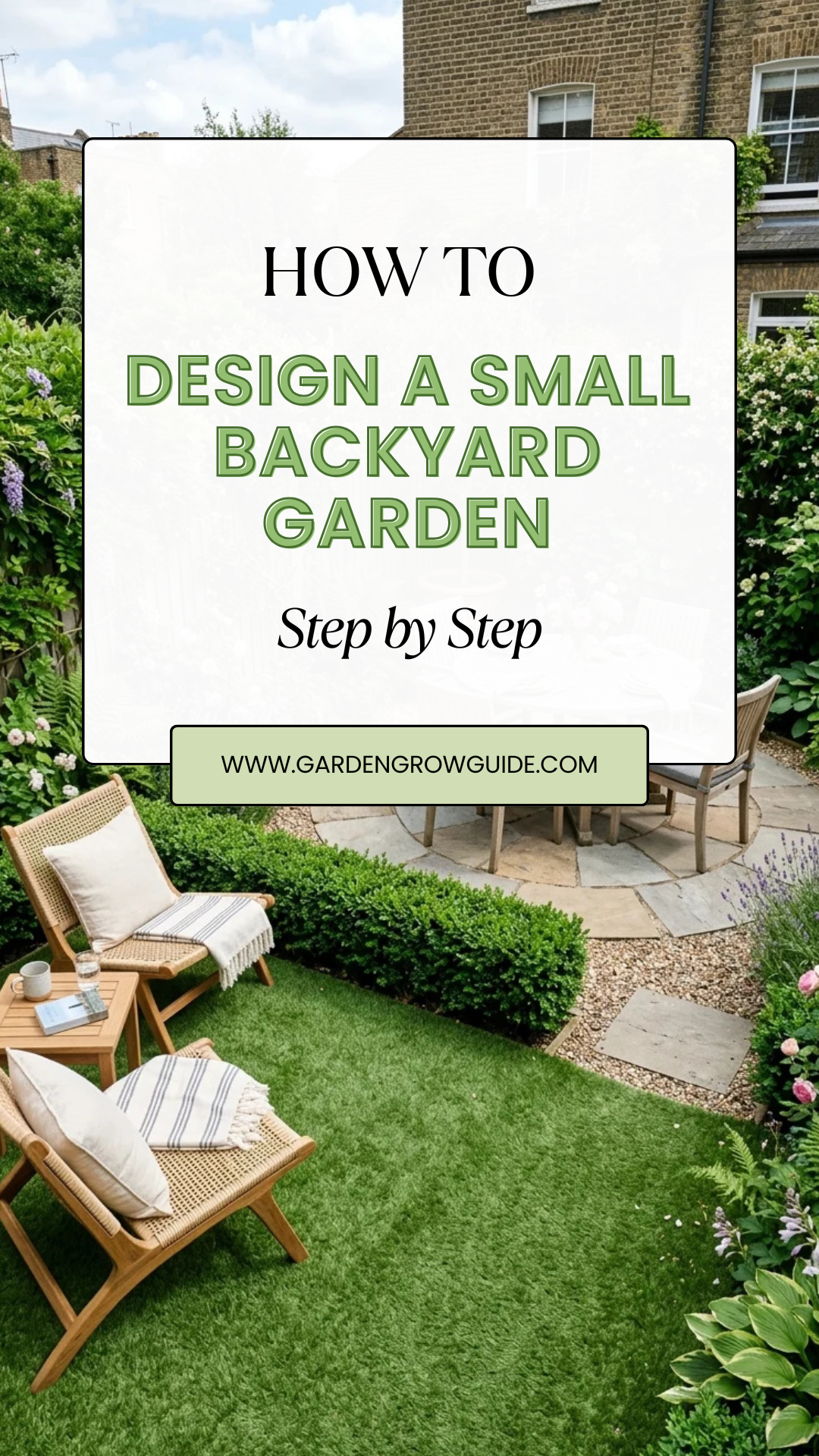
Designing a small backyard requires a unique blend of creativity, spatial awareness, and strategic planning. While a large estate offers the luxury of sprawling lawns, a compact garden offers intimacy, easier maintenance, and the opportunity to curate every square inch with precision. By treating a small outdoor space as an outdoor room, you can transform a cramped patch of grass into a luxurious sanctuary for relaxation and entertainment.
1. Site Assessment
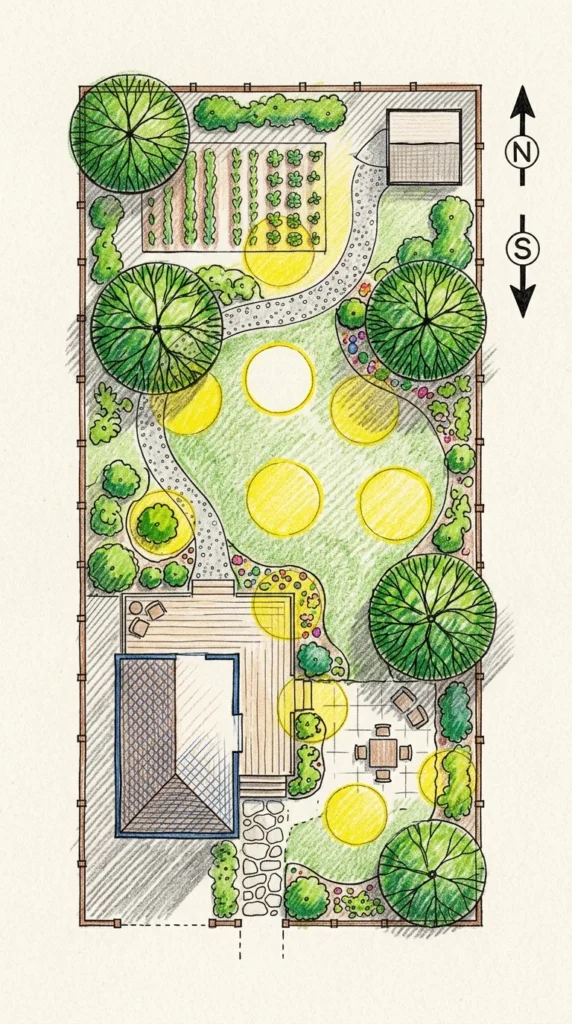
Before digging or purchasing plants, you must understand the physical constraints and assets of your yard. Every small garden has a microclimate. Observe how the sun moves across the space at different times of the day. A wall that faces south will retain heat and provide a warm environment for Mediterranean herbs, while a corner tucked behind a tall fence might stay damp and shaded, perfect for ferns and hostas.
Check the soil quality by digging a small hole; is it heavy clay, sandy, or rich loam? Additionally, observe the drainage. Small spaces often suffer from poor air circulation and water runoff from neighboring roofs. Identifying these factors early prevents the frustration of planting expensive specimens in conditions where they cannot thrive.
2. Functional Zoning
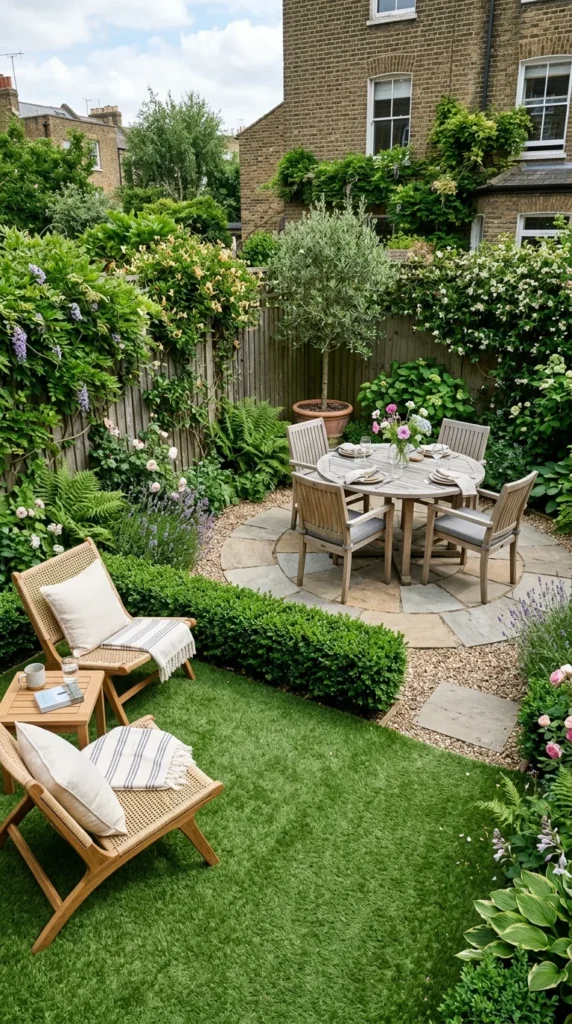
In a limited space, “zoning” is the secret to making the area feel larger. Instead of seeing the yard as one single unit, divide it into functional “rooms.” Even a tiny 15×15 foot space can be split into a dining area and a quiet reading nook.
Use subtle transitions rather than heavy walls. A change in flooring material—moving from a wooden deck to a gravel path—signals a change in purpose to the brain. You can also use low-level planting or a simple trellis to create “peek-a-boo” views, which trick the eye into thinking there is more to discover beyond the immediate foreground.
3. Vertical Gardening
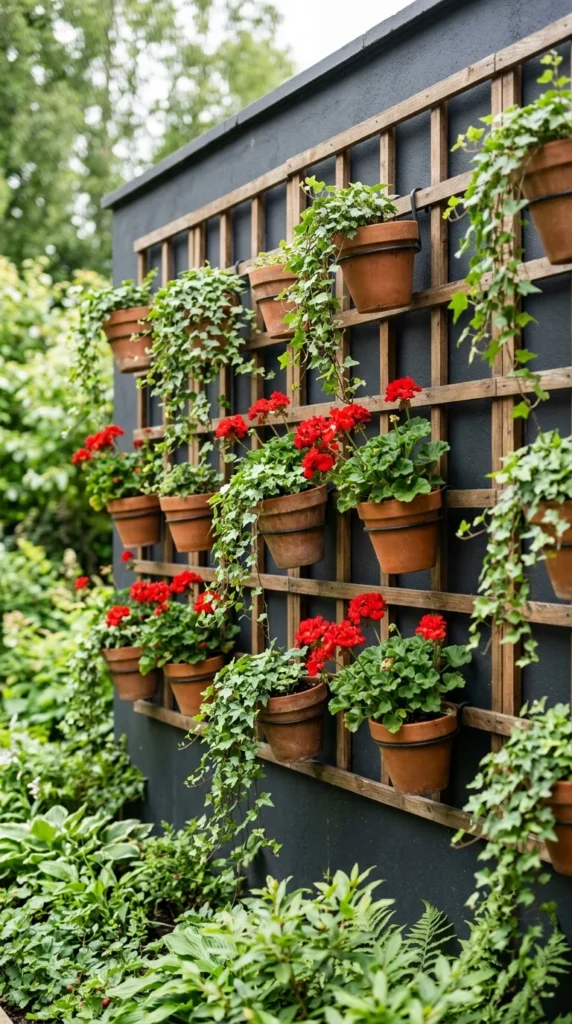
When you run out of floor space, look up. Vertical gardening is the most effective way to add “volume” to a small backyard without sacrificing walking space. Fences, walls, and even the sides of a shed are prime real estate for greenery.
- Trellises and Arbors: Use climbing plants like clematis, jasmine, or climbing roses to add height and fragrance.
- Living Walls: Install modular planting systems that allow you to grow a dense carpet of succulents or ferns directly on a vertical surface.
- Tiered Planters: Use ladder-style shelving to stack pots. This creates a lush, jungle-like effect while occupying a very small footprint.
4. Focal Points
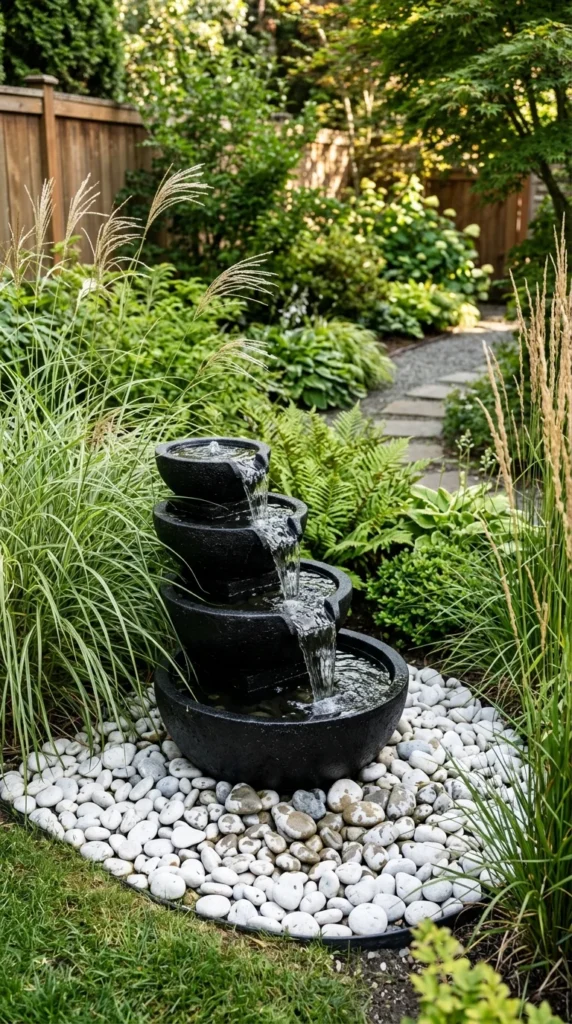
Every small garden needs a “destination for the eye.” Without a focal point, a small space can feel cluttered and chaotic. A focal point gives the viewer a place to rest their gaze, which creates a sense of order and calm.
This could be a sculptural element, a bright blue glazed pot, or a small water feature. Water is particularly effective in small backyards; the sound of a bubbling fountain masks neighborhood noise, creating a sense of seclusion. Ensure the scale of your focal point is appropriate—too small and it gets lost; too large and it overwhelms the space.
5. Color Palette
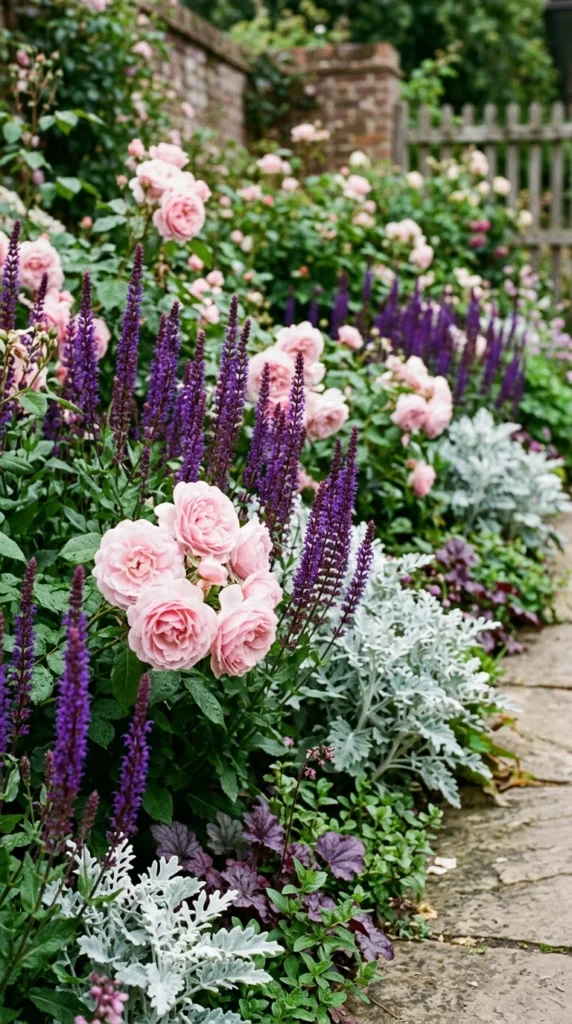
In a small garden, a disciplined color palette is essential. Using too many different colors can make the space feel busy and claustrophobic. Generally, there are two approaches:
- The Cool Palette: Blues, purples, and whites tend to recede from the viewer, making the boundaries of the garden feel further away than they actually are. This is the best choice for making a tiny yard feel expansive.
- The Hot Palette: Reds, oranges, and yellows are vibrant and draw the eye forward. These are great for creating a cozy, high-energy “nook” feeling.
Greenery should be your primary color. Mix different leaf textures—glossy, matte, feathery, and broad—to create visual interest without relying solely on flowers, which have a limited blooming season.
6. Compact Furniture
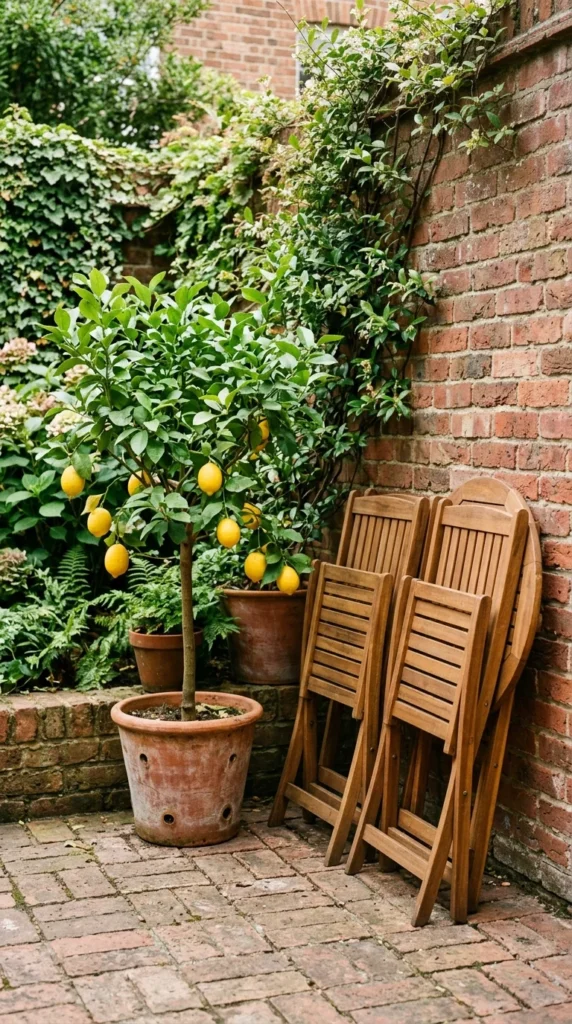
The biggest mistake in small garden design is choosing furniture that is too bulky. Large, overstuffed outdoor sofas can swallow a small patio whole. Instead, look for “light” furniture—pieces with thin legs or mesh frames that allow you to see the ground beneath and through them.
Consider built-in seating. A bench built into the side of a raised planter takes up significantly less space than a standalone chair and provides extra storage underneath for garden tools or cushions. Foldable bistro sets are also excellent, as they can be tucked away when you need open floor space for other activities.
7. Flooring Texture
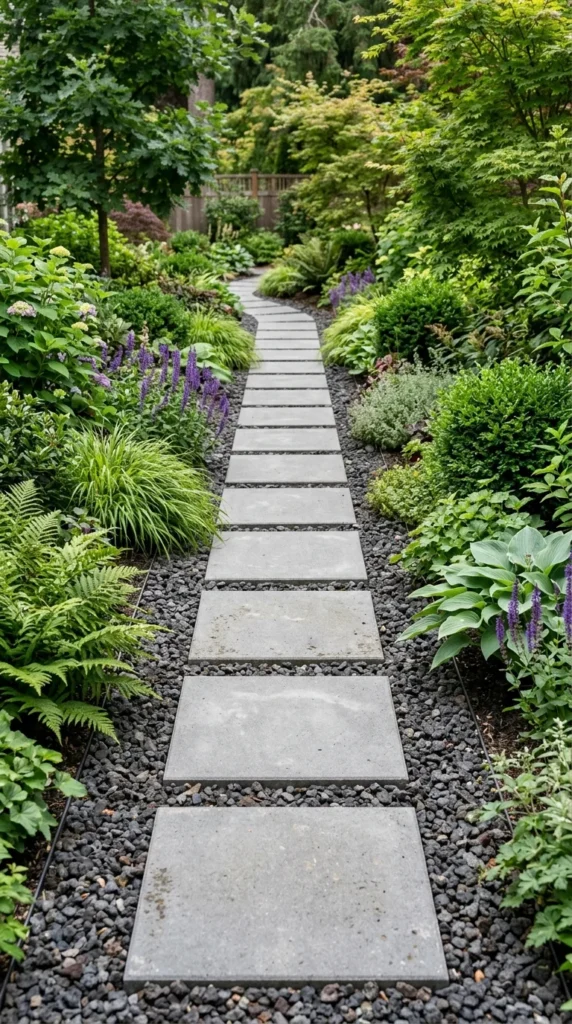
The “floor” of your garden significantly impacts its style and perceived size. Large-format pavers (e.g., 24×24 inches) make a small area feel bigger because there are fewer grout lines to break up the visual plane.
Using a mix of textures can add depth. For instance, pairing smooth stone tiles with a border of fine pea gravel creates a sophisticated, layered look. Avoid using large areas of traditional grass in very small yards; it is often difficult to mow in tight corners and rarely looks its best. Instead, consider high-quality artificial turf, clover, or a complete hardscape with inset planting pockets.
8. Smart Planting
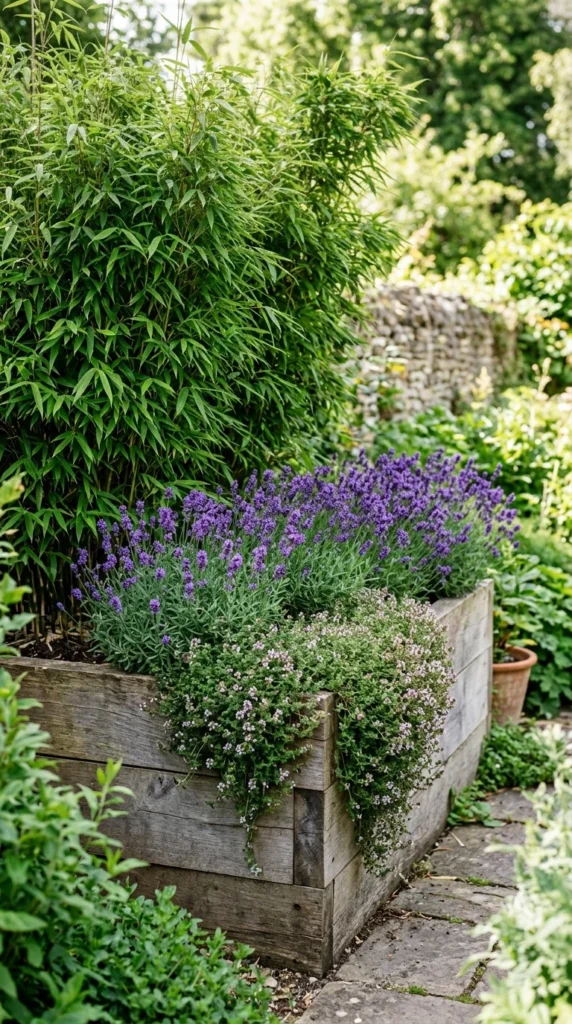
In a small backyard, every plant must “earn its keep.” This means choosing plants that offer more than one season of interest. Look for species that have beautiful spring flowers, interesting summer foliage, and vibrant autumn color.
- Layering: Plant in tiers. Place taller plants at the back against the fence, medium shrubs in the middle, and low-growing groundcovers at the front. This “stadium seating” for plants ensures everything is visible.
- Dwarf Varieties: Modern horticulture has produced “patio” versions of almost every popular tree and shrub. You can now get dwarf fruit trees, compact hydrangeas, and miniature lilacs that provide the look of a full-sized garden in a fraction of the space.
9. Strategic Lighting
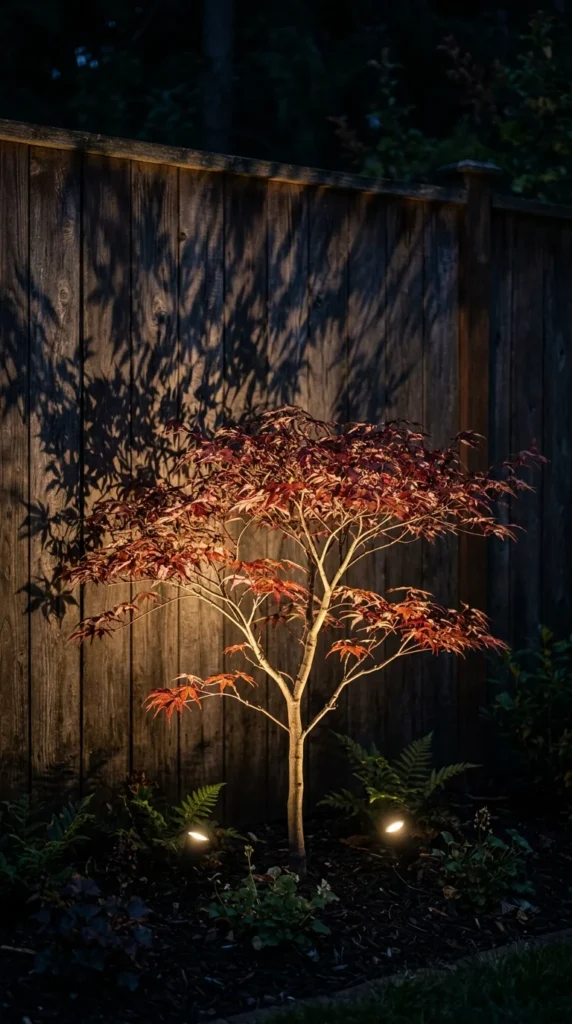
Lighting is what transforms a garden from a daytime utility space into an evening retreat. In a small yard, lighting should be subtle and layered.
- Uplighting: Place small spotlights at the base of trees or architectural plants. This adds height and drama.
- String Lights: Festoon or fairy lights hung across the space create an “outdoor ceiling,” making the area feel cozy and enclosed like a room.
- Path Lighting: Low-level solar lights along a walkway ensure safety and define the boundaries of your zones. Avoid bright, single floodlights, which flatten the space and create harsh shadows. Warm-toned lights are always more inviting.
10. Regular Upkeep
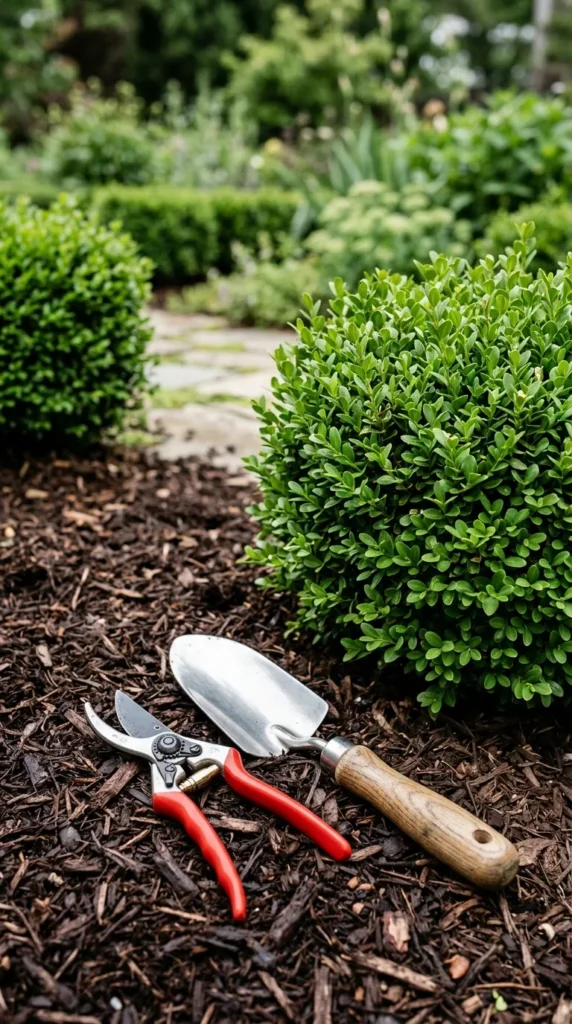
A large garden can hide a few weeds, but in a small garden, every detail is visible. Maintaining a high standard of “grooming” is essential for the design to work.
- Pruning: Keep plants from encroaching on pathways. In a small space, an overgrown shrub can quickly block light and movement.
- Mulching: Use a consistent mulch (like dark wood chips or stone) to tie the beds together and keep weeds at bay.
- Cleaning: Regularly sweep the patio and wipe down furniture. Because you are often sitting closer to your plants and hardscaping, cleanliness contributes significantly to the feeling of luxury and order in a compact environment.