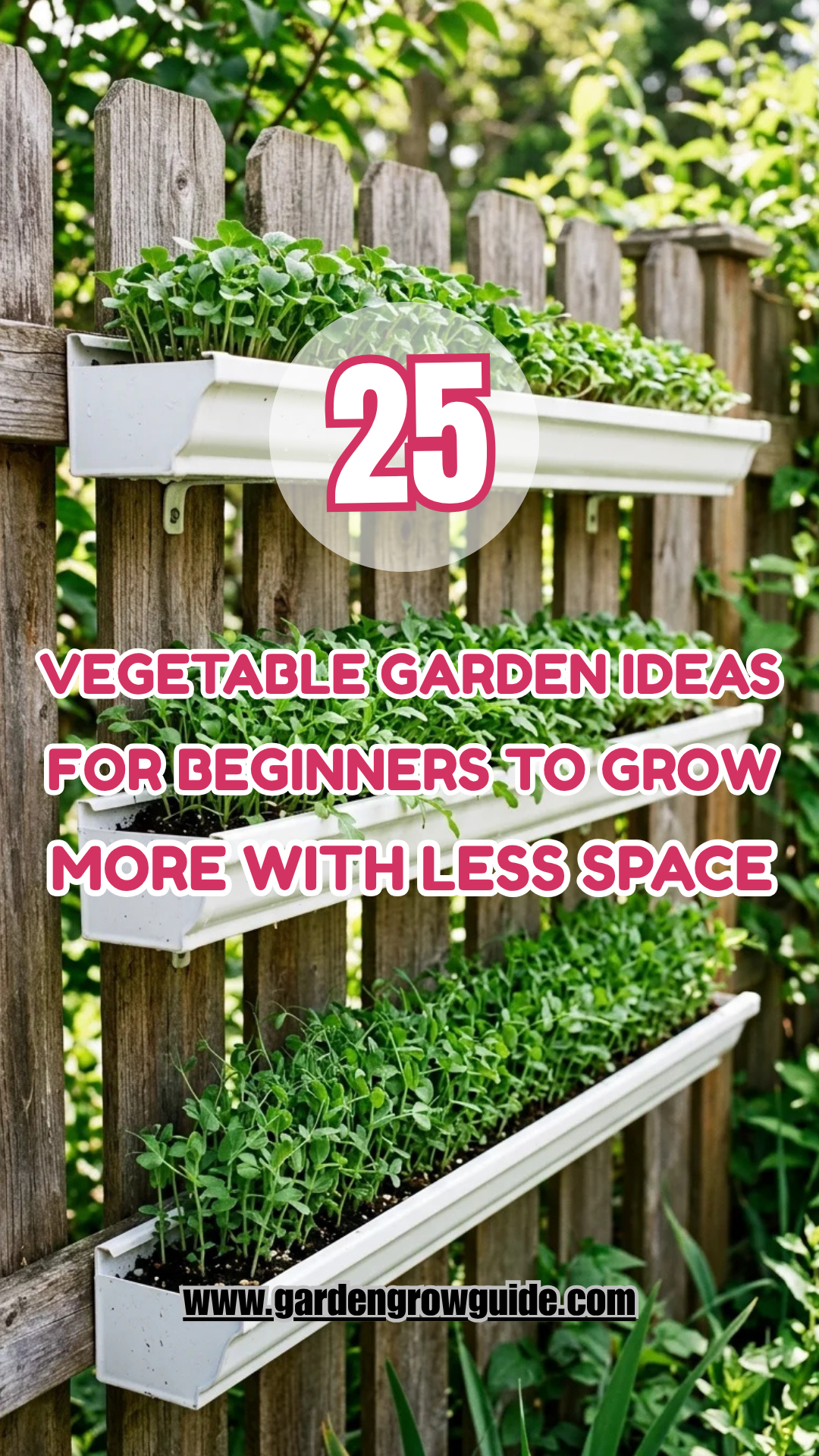
Gardening often feels like a hobby reserved for those with sprawling backyards and rolling hills. However, the rise of urban homesteading has proven that you don’t need an acre to harvest a bounty of fresh produce. For beginners, the challenge is often maximizing a small footprint—whether it’s a balcony, a tiny patio, or even just a sunny windowsill. By utilizing vertical space, intensive planting methods, and creative containers, you can grow a significant amount of food in surprisingly small areas.
1. Vertical Trellises
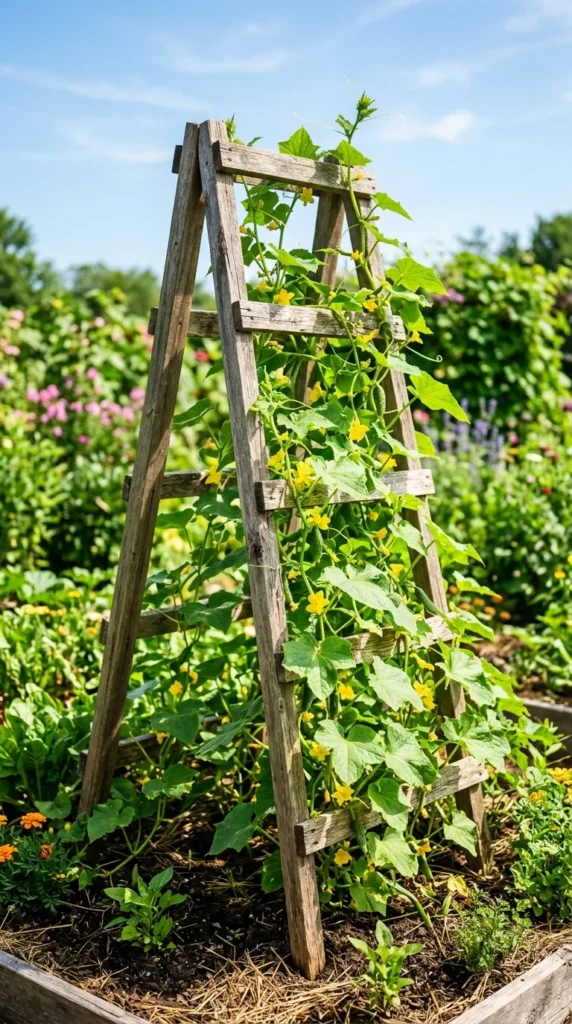
Vertical gardening is the ultimate space-saver. Instead of letting sprawling plants like cucumbers, squash, or pole beans take up precious real estate on the ground, encourage them to grow upward. Using a trellis, cattle panel, or even simple twine allows you to plant more densely at the base. This method also improves air circulation around the foliage, which helps prevent fungal diseases, and makes harvesting much easier on your back.
2. Square Foot Gardening
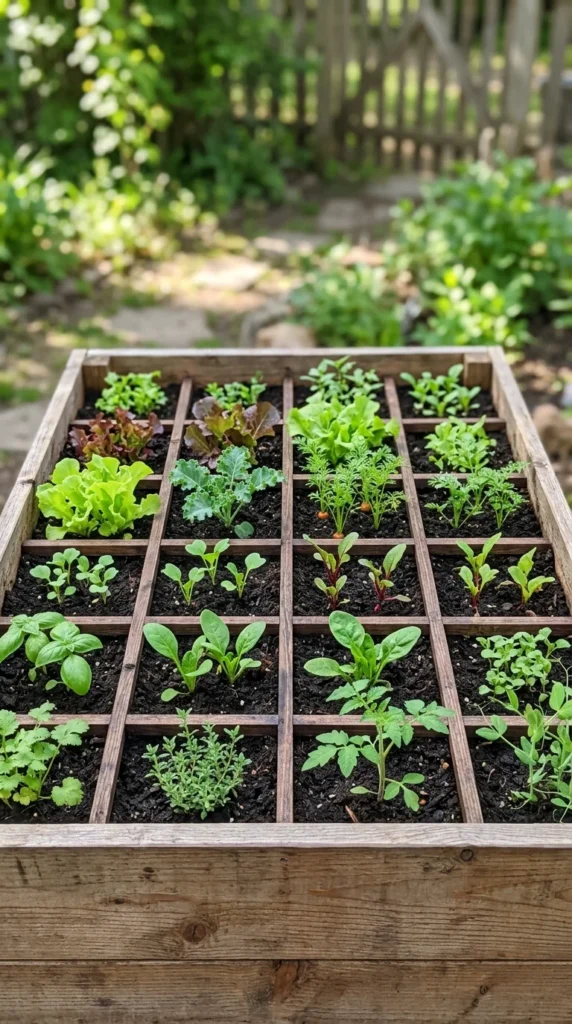
Popularized by Mel Bartholomew, Square Foot Gardening is a method where you divide a raised bed into a grid of 1-foot by 1-foot squares. Instead of traditional rows, you plant a specific number of seeds or seedlings in each square based on the plant’s size. For example, you might plant one tomato in one square, but sixteen radishes in another. This high-density approach eliminates wasted space and reduces the time spent weeding.
3. Hanging Baskets
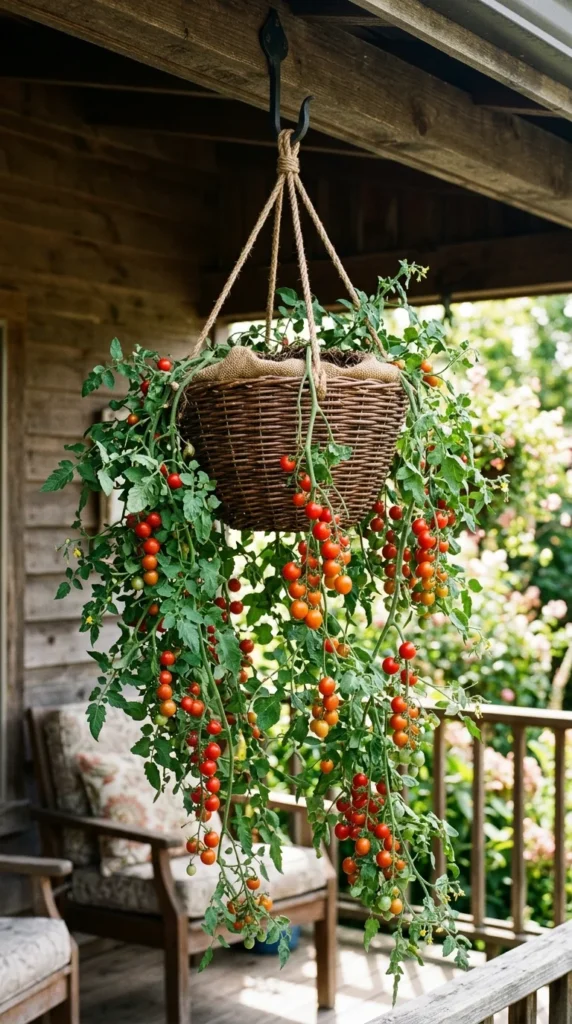
Don’t overlook the space above your head. Hanging baskets are perfect for “trailing” varieties of vegetables. Cherry tomatoes, strawberries, and even some types of peas thrive in suspended containers. This keeps the fruit off the ground, protecting it from pests like slugs, and utilizes vertical space that would otherwise go unused. Ensure your hooks are securely anchored, as wet soil can become quite heavy.
4. Tiered Planters
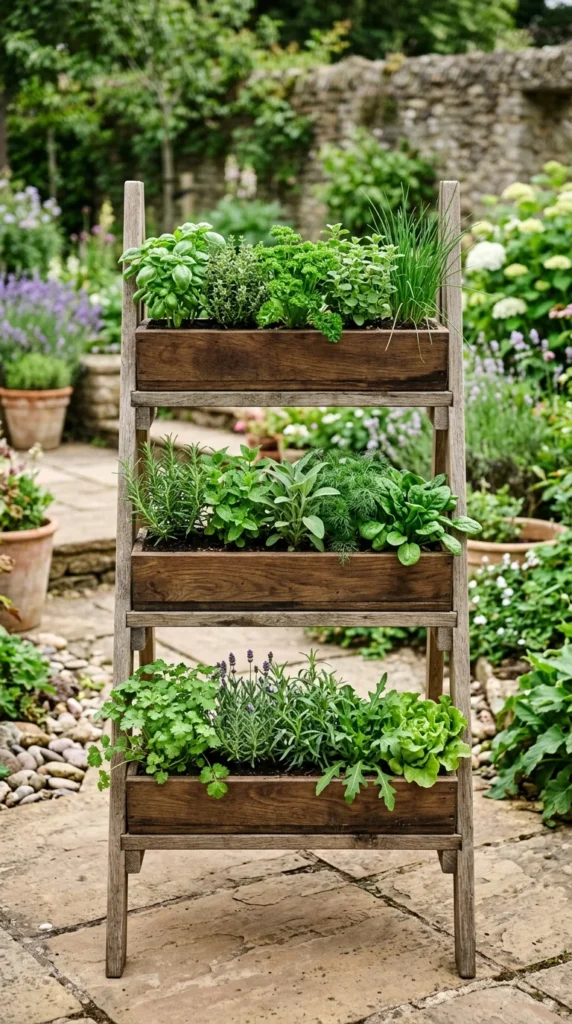
Tiered or “staircase” planters allow you to stack your garden vertically. By using a ladder-like structure, you can host multiple levels of plants in the footprint of a single container. This is particularly effective for herb gardens or salad greens. The staggered design ensures that the plants on the bottom levels still receive adequate sunlight, which is often a struggle with flat, crowded groupings.
5. Companion Planting
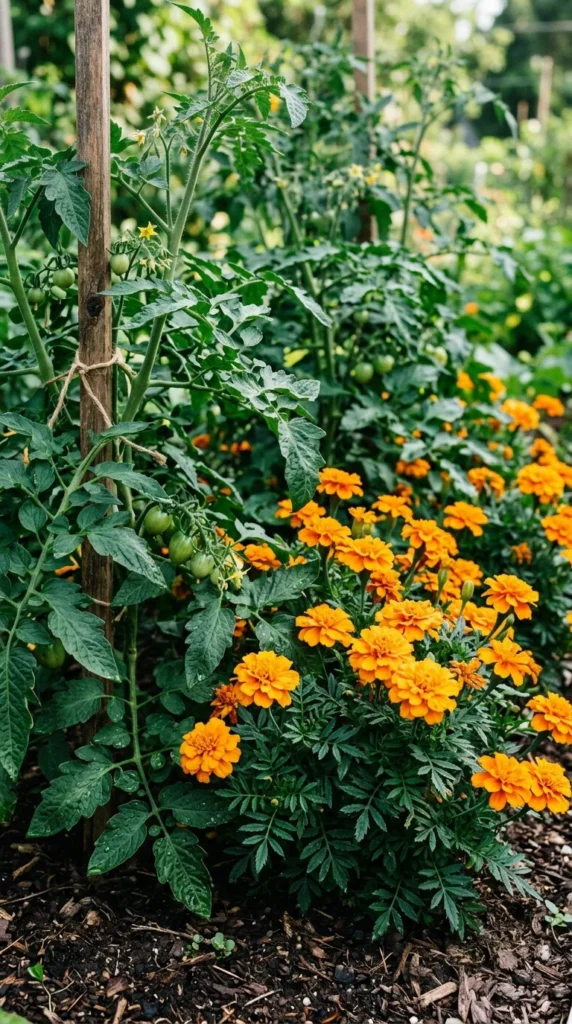
Companion planting is the art of placing plants together that benefit one another. In small spaces, this is a strategic way to boost yields. For example, planting basil near tomatoes can improve the flavor of the fruit and repel certain pests. Planting tall sunflowers or corn can provide a natural trellis for climbing beans. By mixing species, you create a mini-ecosystem that thrives with fewer chemical interventions.
6. Window Boxes
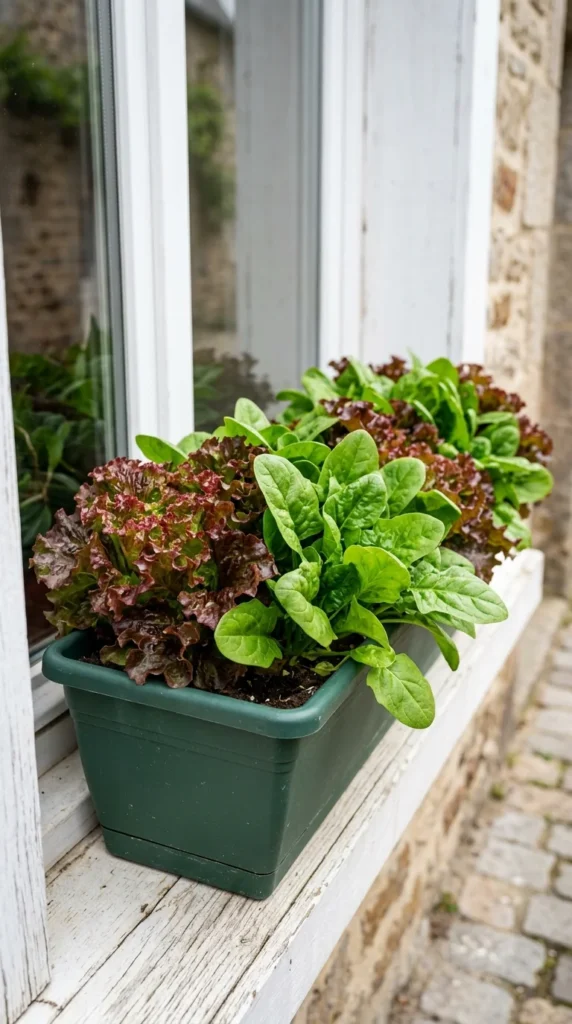
If you have no outdoor ground space at all, window boxes are your best friend. They are ideal for shallow-rooted crops like lettuce, spinach, radishes, and herbs. Mounted directly outside a kitchen window, they provide “cut-and-come-again” harvests that are incredibly convenient for cooking. Just ensure the window receives at least six hours of sunlight per day.
7. Fabric Grow Bags
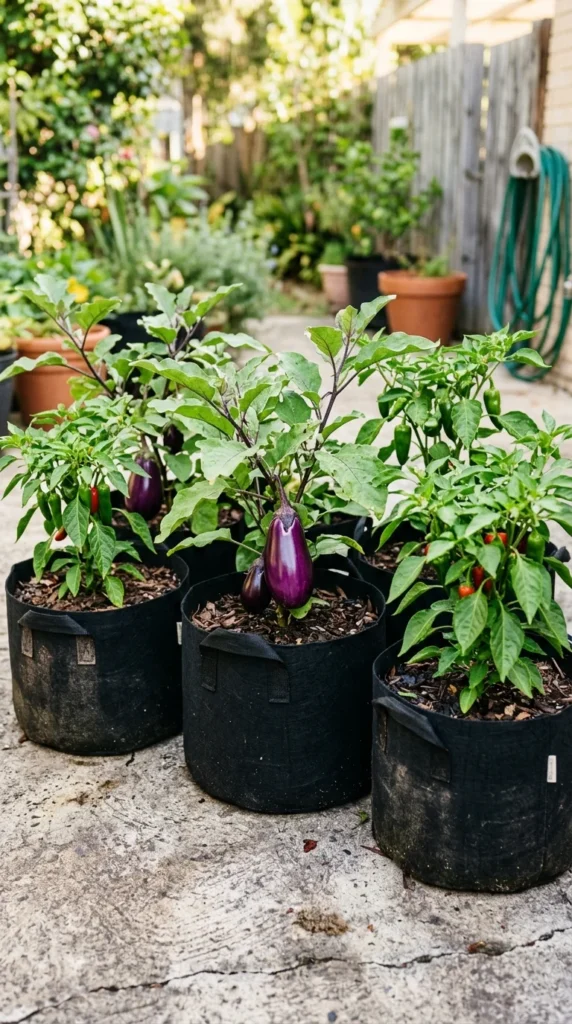
Grow bags are a flexible and affordable alternative to traditional pots. Made of breathable fabric, they allow for “air pruning” of roots, which prevents the plants from becoming root-bound and encourages a more robust root system. They come in various sizes and are particularly excellent for root vegetables like potatoes and carrots, which require deep, loose soil that is often hard to find in standard garden beds.
8. Pallet Gardens
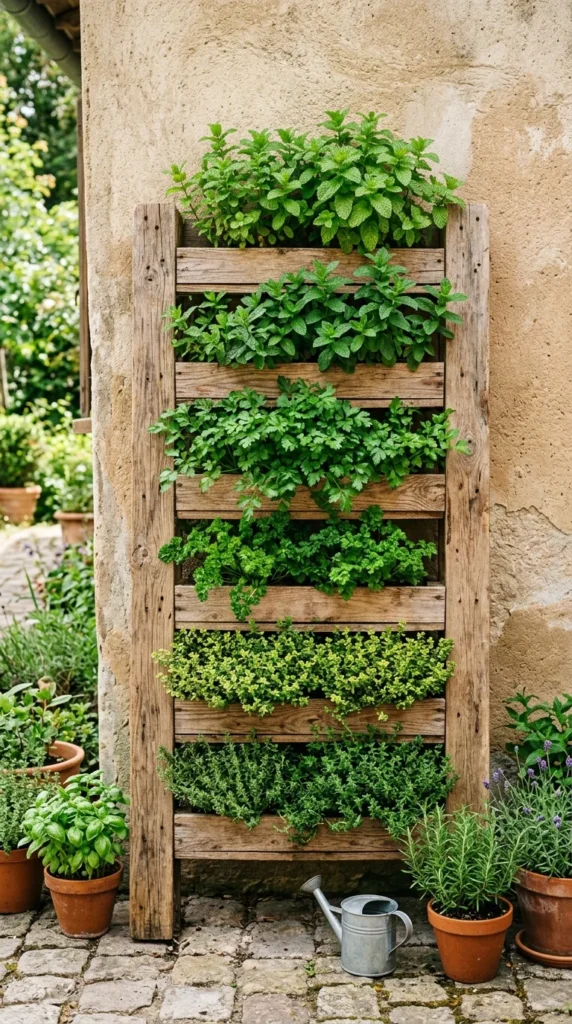
Upcycling a wooden pallet into a vertical garden is a classic DIY project for small spaces. By stapling landscape fabric to the back and bottom of the slats, you create narrow planting pockets. This “green wall” is perfect for small succulents or herbs. It’s important to use pallets marked with “HT” (Heat Treated) rather than chemical treatments to ensure no toxins leach into your edible plants.
9. Gutter Gardens
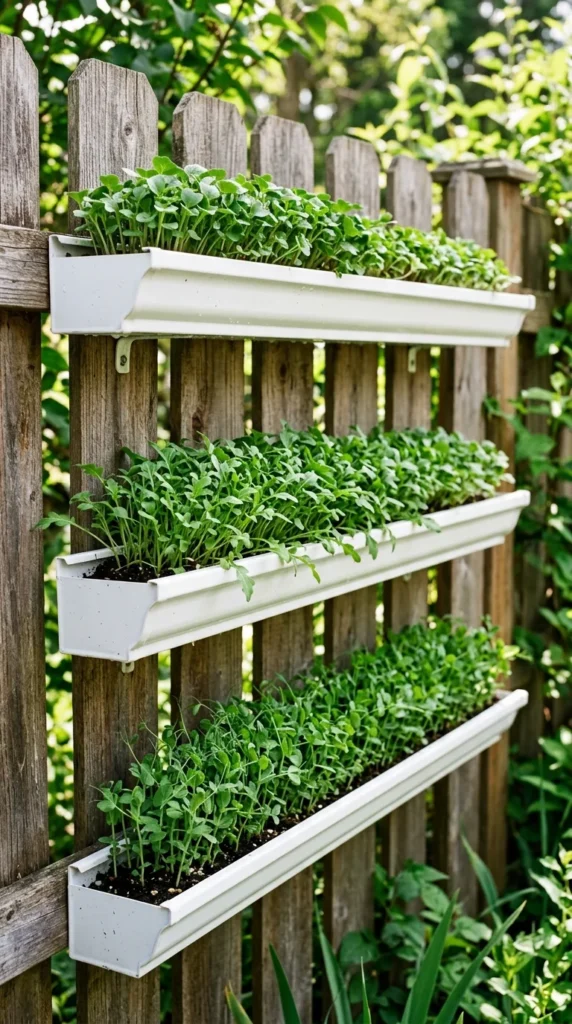
Rain gutters mounted to a fence or wall create a sleek, modern look for a small garden. These are shallow, making them perfect for greens with small root systems, such as arugula, baby kale, and strawberries. Gutter gardens are excellent for keeping your greens away from ground-dwelling pests and can be installed at waist height for easy maintenance.
10. Tower Gardens
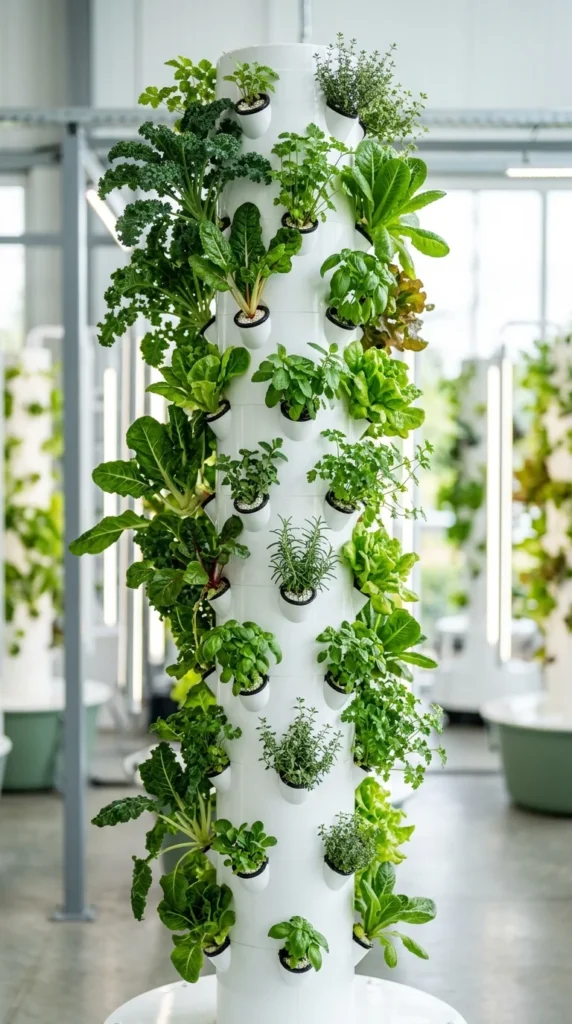
Tower gardens, often using hydroponic or aeroponic systems, are the pinnacle of high-tech small-space gardening. These vertical columns pump nutrient-rich water through a central system to the roots of the plants. While they require an initial investment, they can grow up to 30 plants in just a few square feet and often result in faster growth cycles than traditional soil-based methods.
11. Keyhole Gardens
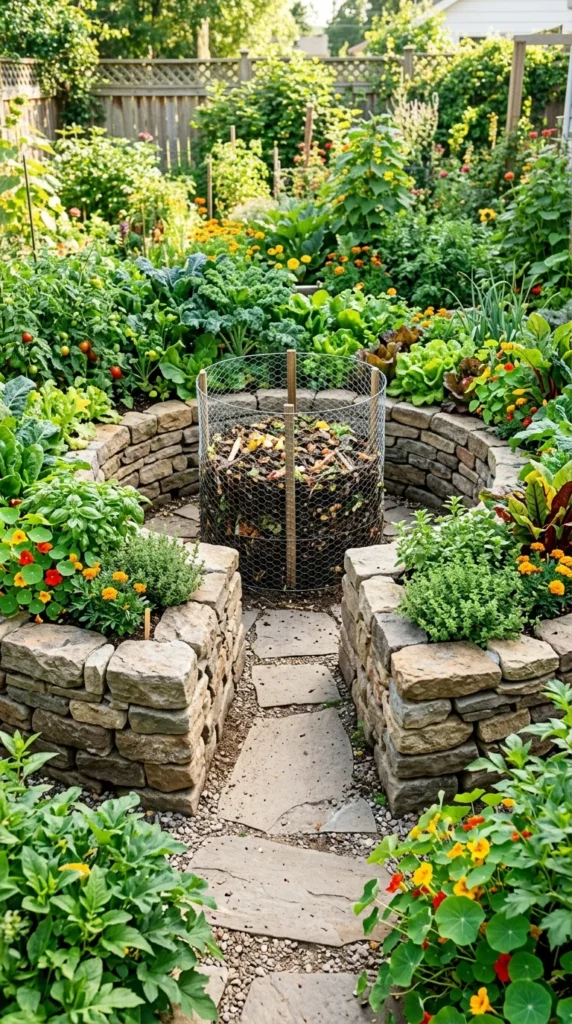
A keyhole garden is a circular raised bed with a central composting basket. A small path (the “keyhole”) allows you to reach the center. You add kitchen scraps directly into the central basket, which decomposes and feeds nutrients and moisture directly to the surrounding plants. This self-fertilizing system is incredibly efficient and sustainable, making it great for beginners who want low-maintenance soil health.
12. Successive Sowing
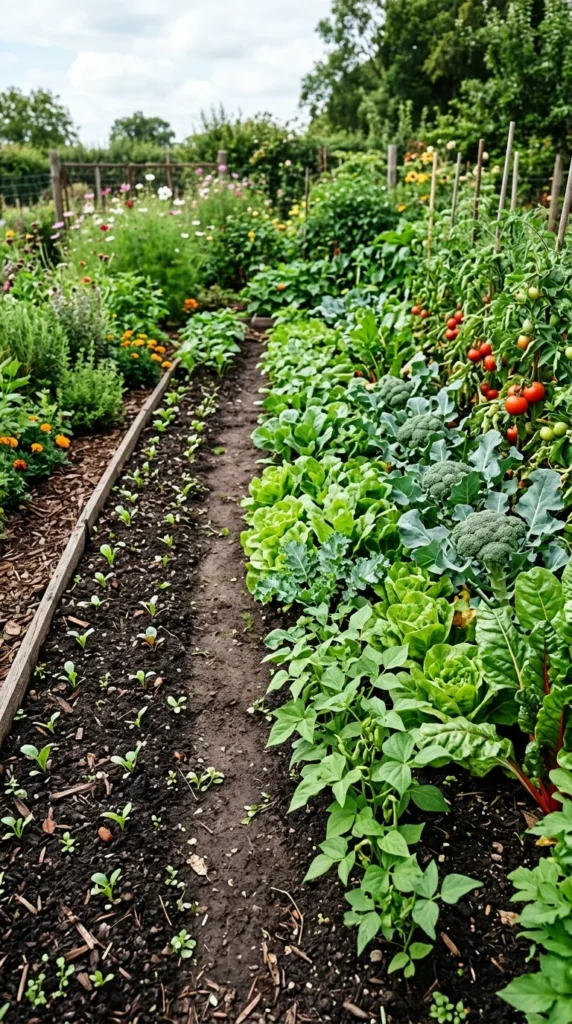
Successive sowing is a technique where you plant small batches of seeds every two weeks rather than planting everything at once. This ensures a continuous harvest throughout the season instead of a massive glut that might go to waste. In small spaces, this keeps the garden productive at all times; as soon as one crop is finished, the next one is already halfway to maturity.
13. Wall Pockets
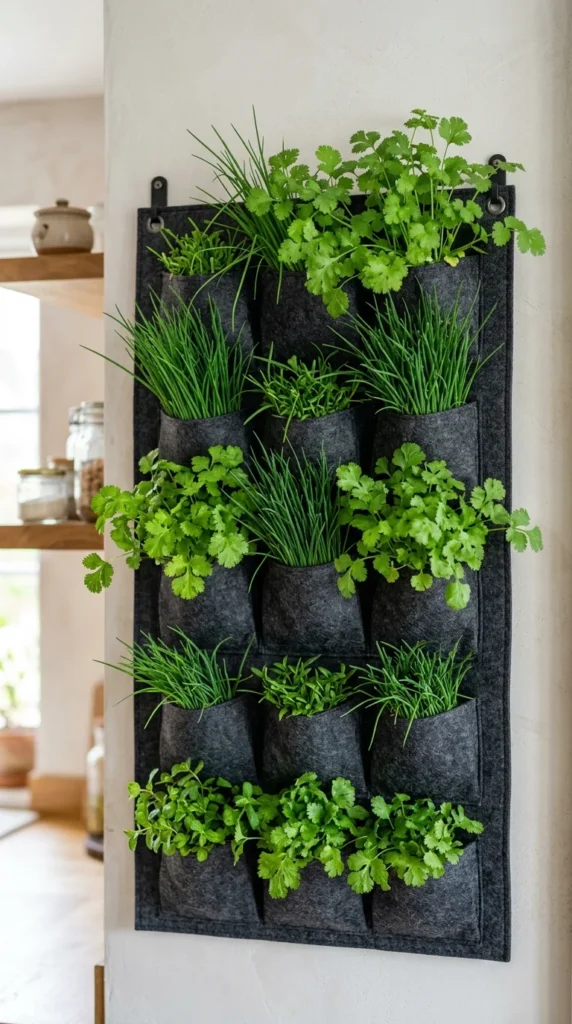
Wall-mounted pockets made of felt or plastic are ideal for turning a bare wall or fence into a living larder. Because they are lightweight, they can be hung almost anywhere. They are best suited for small, lightweight plants like herbs and decorative edible flowers like nasturtiums or pansies. They require frequent watering, as the small pockets of soil tend to dry out quickly in the sun.
14. Espalier Fruit Trees
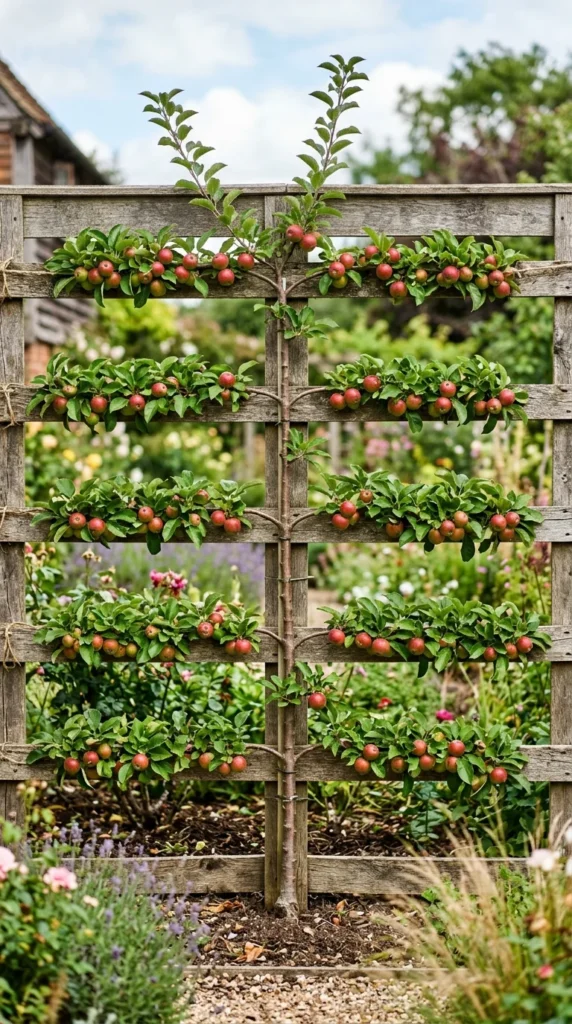
If you want fruit but don’t have room for an orchard, try espalier. This is the ancient practice of training fruit trees to grow flat against a wall or fence. By pruning and tying branches to a support, you can grow apples, pears, or peaches in a space only a few inches deep. This method also exposes more of the fruit to sunlight, often resulting in higher quality harvests.
15. Self-Watering Containers
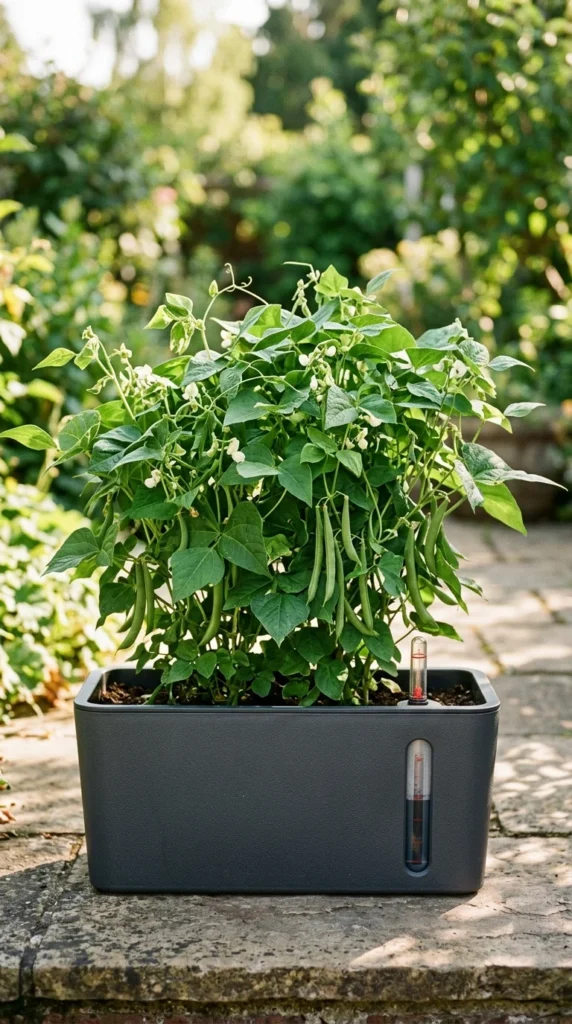
Watering can be the biggest chore for container gardeners. Self-watering containers feature a reservoir at the bottom that wicks moisture up to the roots as needed. This prevents the “feast or famine” cycle of drying out and overwatering. For beginners who may travel or forget to water daily, these containers are a lifesaver for thirsty plants like tomatoes and peppers.
16. Intercropping
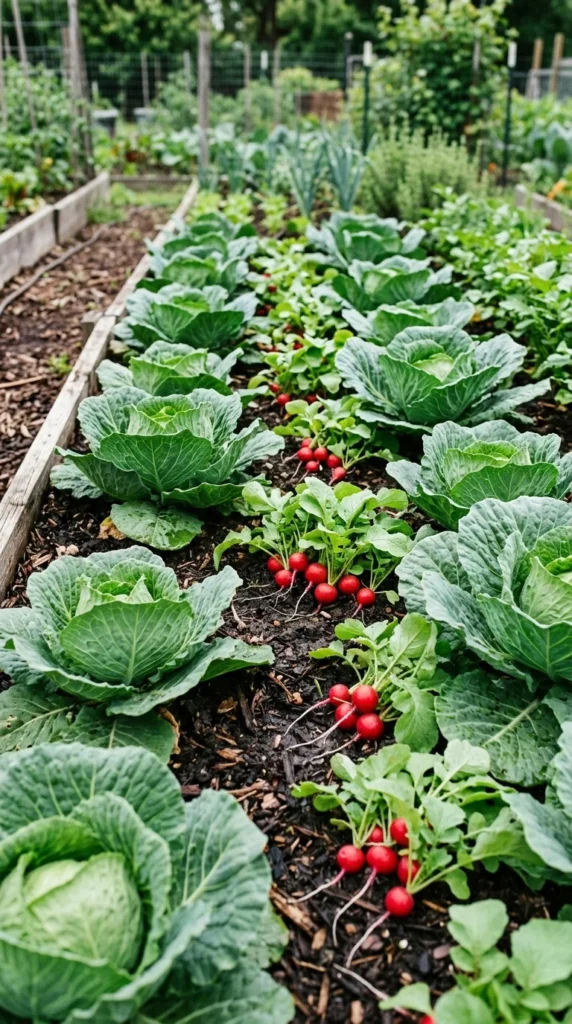
Intercropping involves growing two or more crops in the same space at the same time. The goal is to use “filler” plants that grow quickly and are harvested before the main crop needs the space. A classic example is planting radishes or lettuce between rows of slow-growing broccoli or peppers. By the time the larger plants need the room, the smaller ones are already on your dinner plate.
17. Over-the-Railing Planters
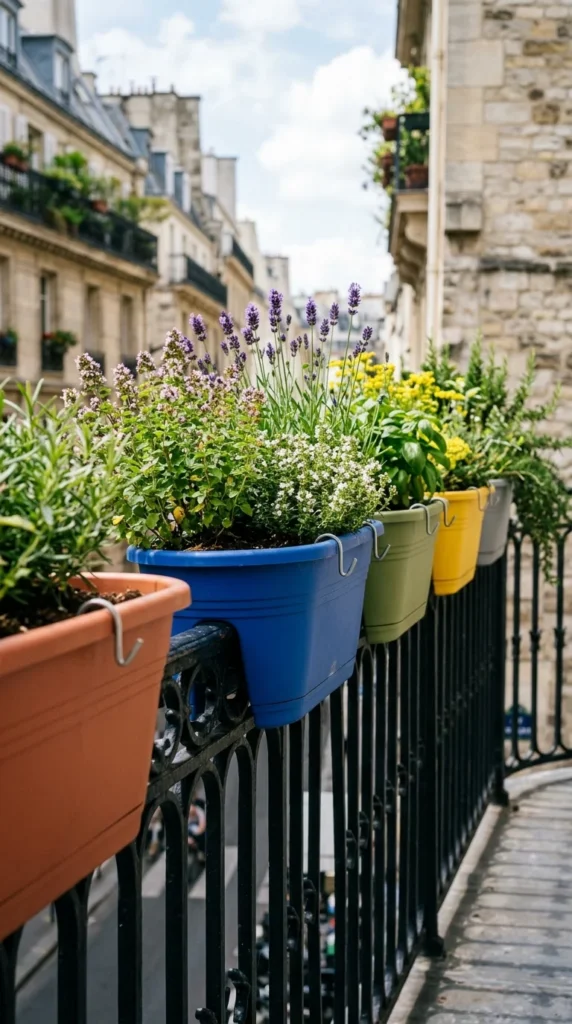
For apartment dwellers with a balcony, the railing is prime real estate. Specialty planters are designed to straddle the railing, providing growing space without taking up any floor area. These are perfect for low-growing herbs, strawberries, or ornamental peppers. They also add a beautiful aesthetic to your outdoor living space.
18. Miniature Varieties
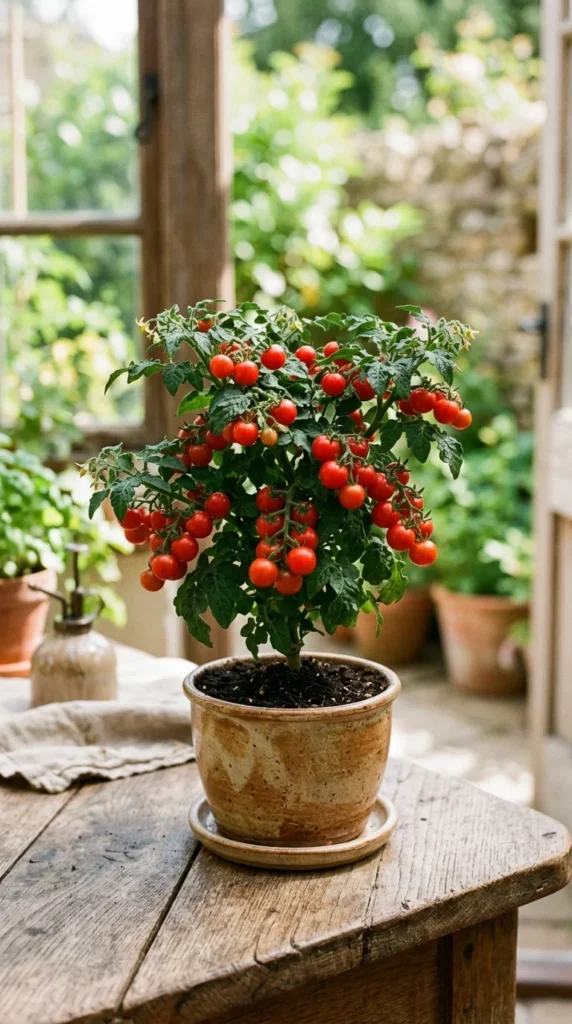
Plant breeders have developed many “dwarf” or “patio” versions of popular vegetables. These plants are genetically programmed to stay small while still producing a significant amount of fruit. Look for seeds labeled with terms like “determinate,” “compact,” or “bush” rather than “vining.” You can now find miniature versions of watermelons, pumpkins, and even corn designed specifically for containers.
19. Straw Bale Gardening
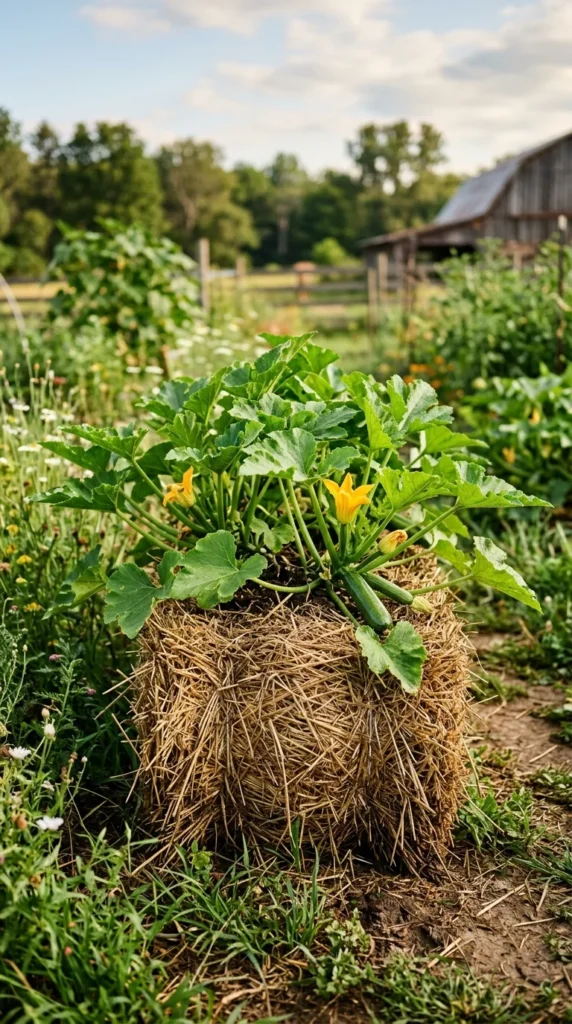
Straw bale gardening uses a conditioned bale of straw as both the container and the growing medium. As the straw decomposes inside, it provides heat and nutrients to the plants. This is an excellent option for beginners with poor soil or no soil at all. At the end of the season, the remaining straw can be used as mulch or added to a compost pile, leaving no trace behind.
20. Shoe Organizer Garden
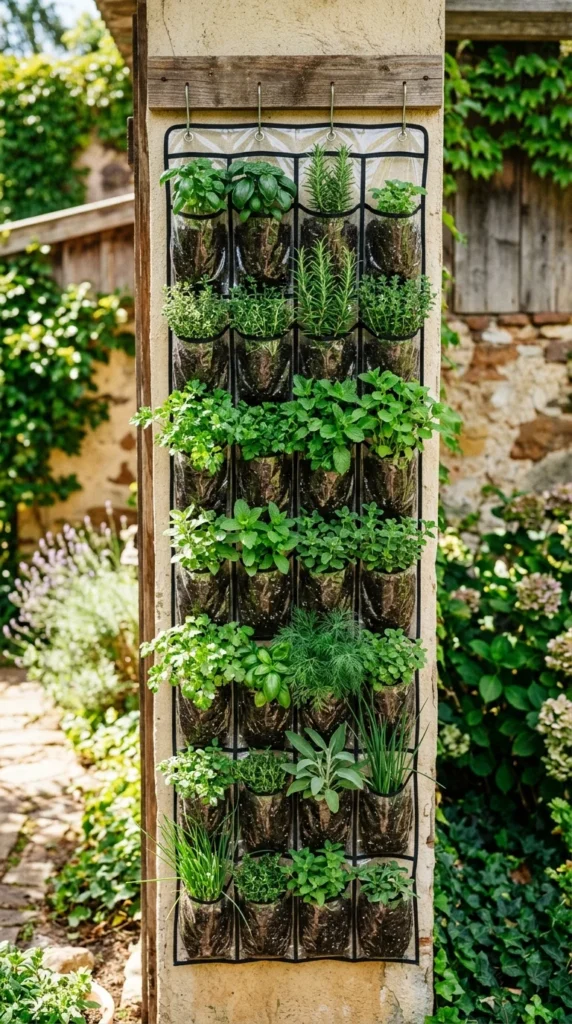
A simple, clear plastic or fabric shoe organizer can be repurposed into a vertical herb garden. This is one of the most budget-friendly ways to grow more with less. Each pocket acts as an individual pot. It is important to poke small drainage holes in the bottom of each pocket to prevent the roots from rotting. This setup is perfect for a kitchen garden right outside the back door.
21. Upside-Down Planters
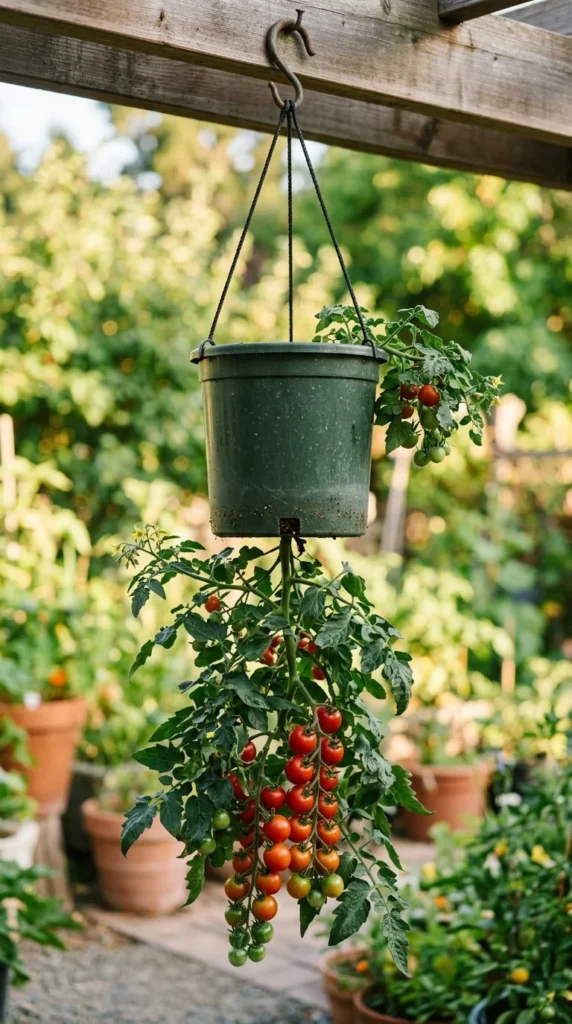
Growing plants upside down might look strange, but it’s a space-saving classic. The most common use is for tomatoes. By hanging the plant, you eliminate the need for cages or stakes. Gravity helps pull nutrients and water down through the stem. It also keeps the plant away from soil-borne pests and maximizes sun exposure on all sides of the foliage.
22. Cold Frames
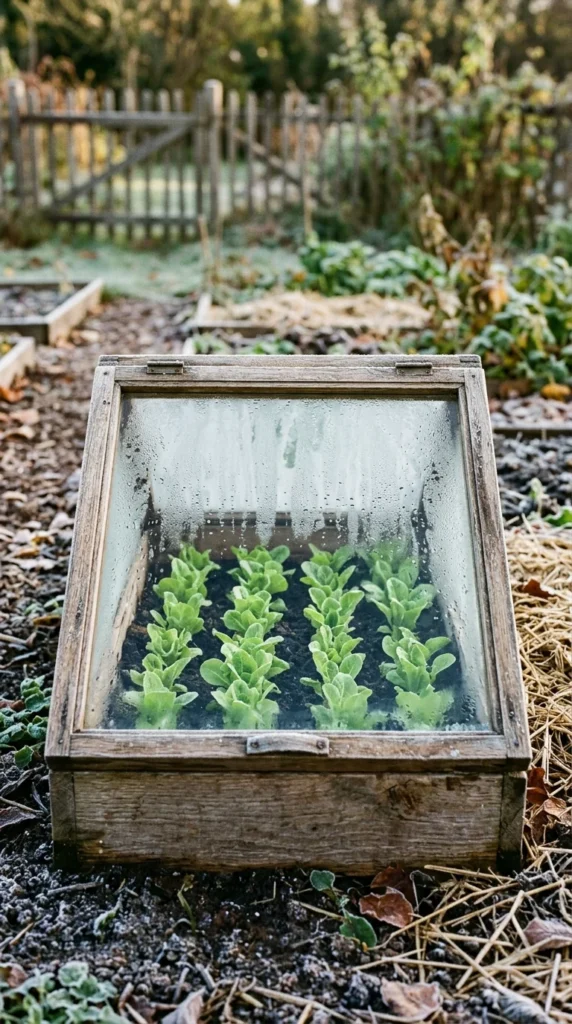
A cold frame is essentially a miniature greenhouse. It’s a bottomless box with a transparent lid that sits over your plants. For the small-space gardener, a cold frame allows you to start earlier in the spring and grow later into the fall. This “season extension” means you get more food out of the same small patch of earth throughout the year.
23. Edible Landscaping
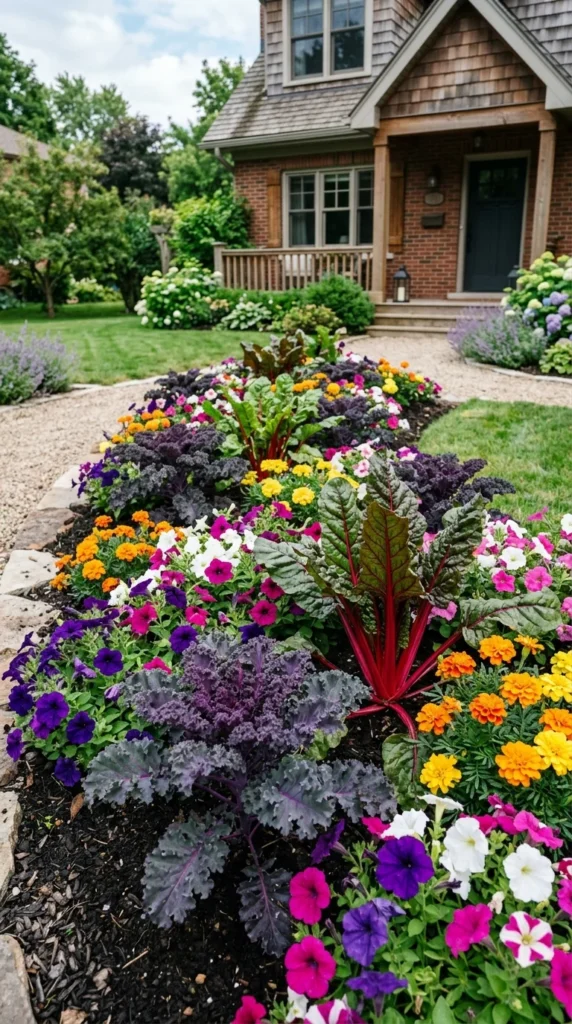
Who says vegetables have to be hidden in the backyard? Edible landscaping is the practice of integrating food plants into your ornamental flower beds. Many vegetables, like “Bright Lights” Swiss chard or purple kale, are stunningly beautiful. By replacing purely decorative plants with edible ones, you utilize existing garden space to provide a harvest without needing a dedicated “vegetable patch.”
24. Spiral Herb Gardens
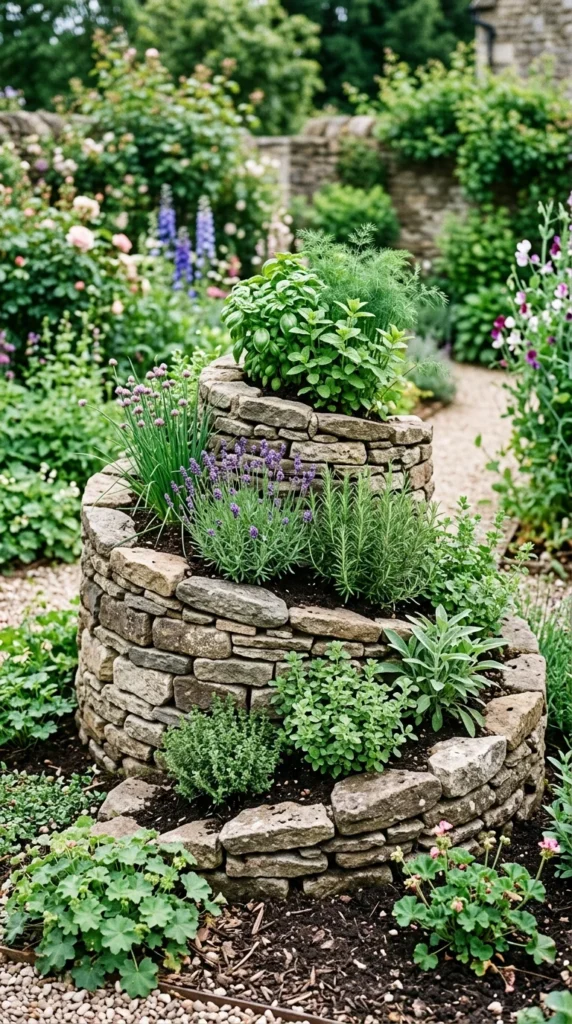
A herb spiral is a permaculture design that creates multiple microclimates in a small footprint. The top of the spiral is driest and warmest (perfect for rosemary and thyme), while the bottom is cooler and more moist (perfect for mint and parsley). This allows you to grow a wide variety of herbs with different needs all within a circular space only five or six feet wide.
25. Greenhouse Cabinets
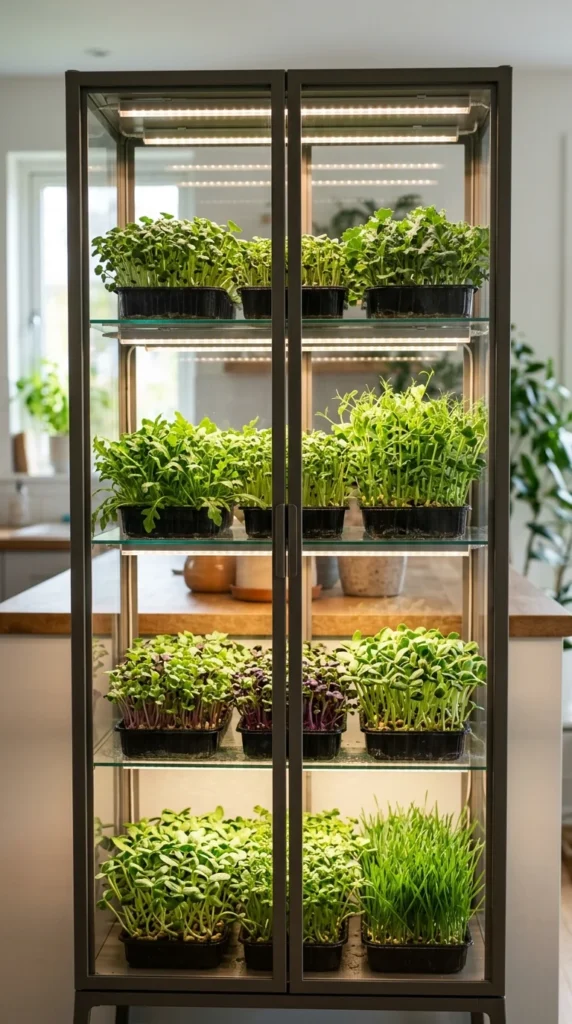
If you have absolutely no outdoor space, an indoor greenhouse cabinet allows you to garden year-round. These can be repurposed display cabinets fitted with grow lights and fans. They are perfect for growing high-value, fast-growing crops like microgreens, pea shoots, and sprouts. It’s a clean, controlled environment that brings the garden right into your living room or kitchen.