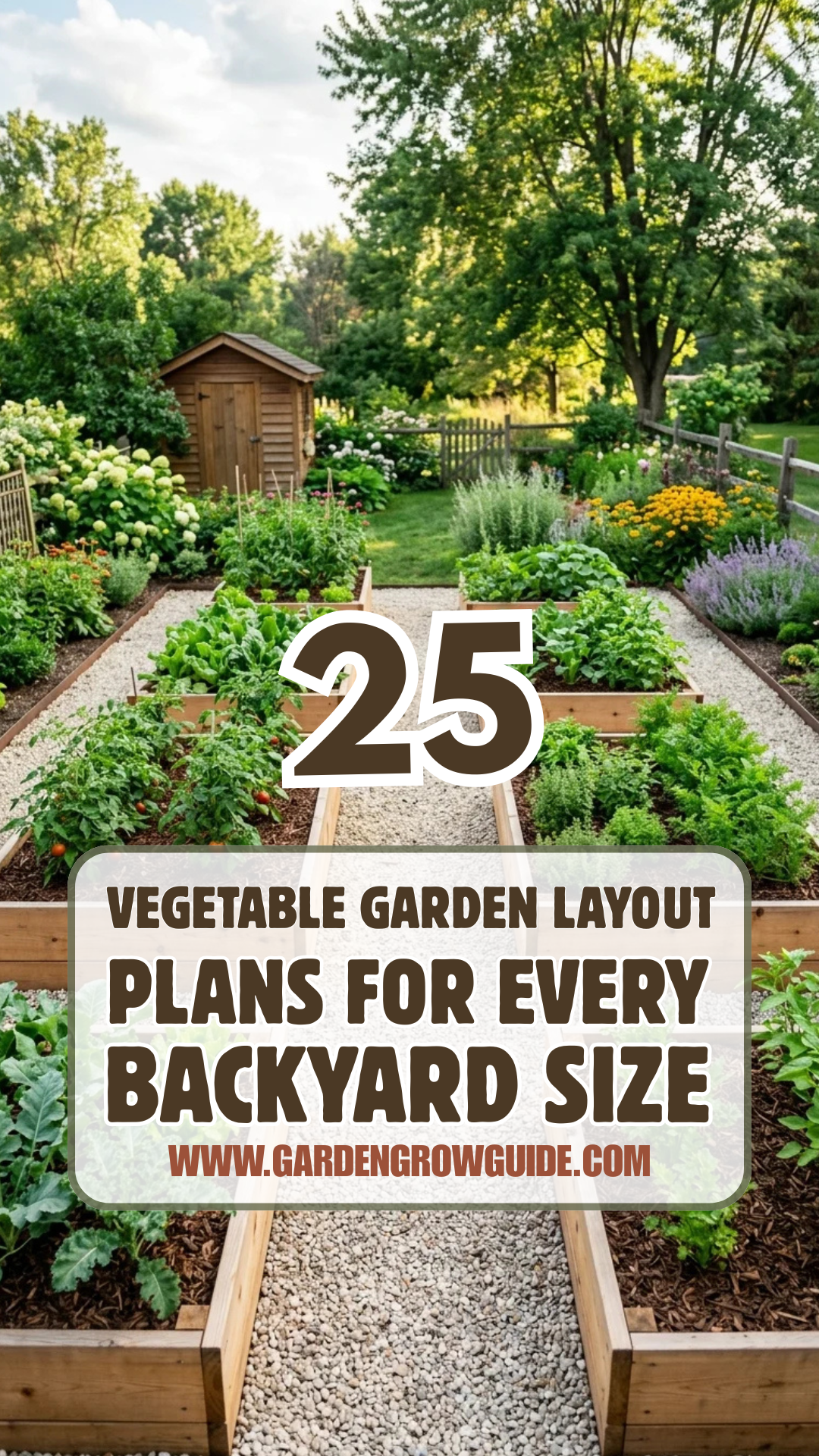
Designing a vegetable garden is more than just putting seeds in the soil; it is an architectural endeavor that balances aesthetics, sunlight, and soil health. Whether you have a sprawling rural acre or a tiny urban balcony, the right layout can maximize your yield and minimize the labor required for maintenance.
1. Square Foot
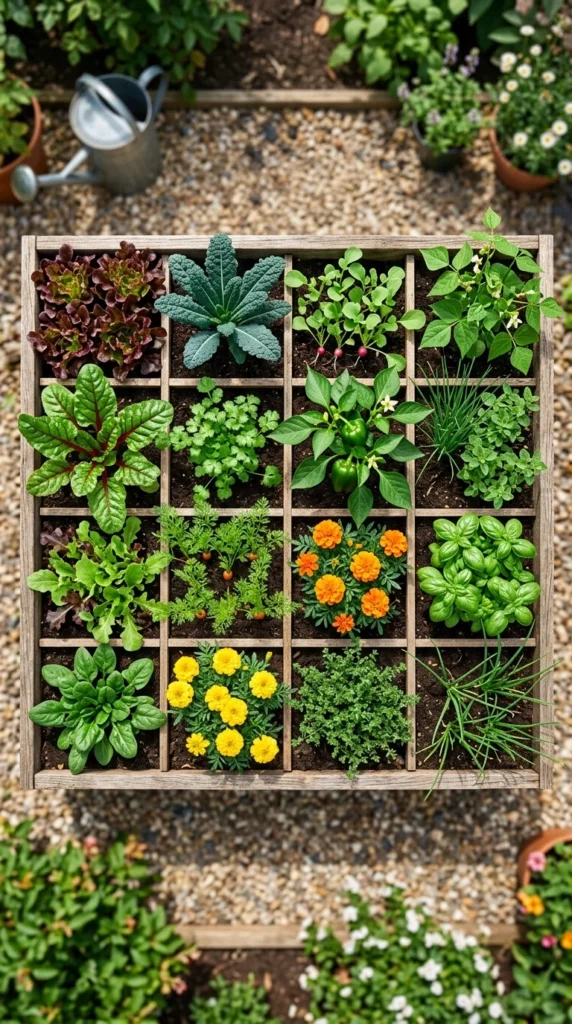
The Square Foot Garden is the gold standard for small spaces and beginners. By dividing a raised bed into a grid of one-foot squares, you can manage different crops in a concentrated area. This method reduces weeding and prevents overcrowding. It is ideal for high-density planting, allowing you to grow sixteen different crops in a single 4×4 bed.
2. The Potager
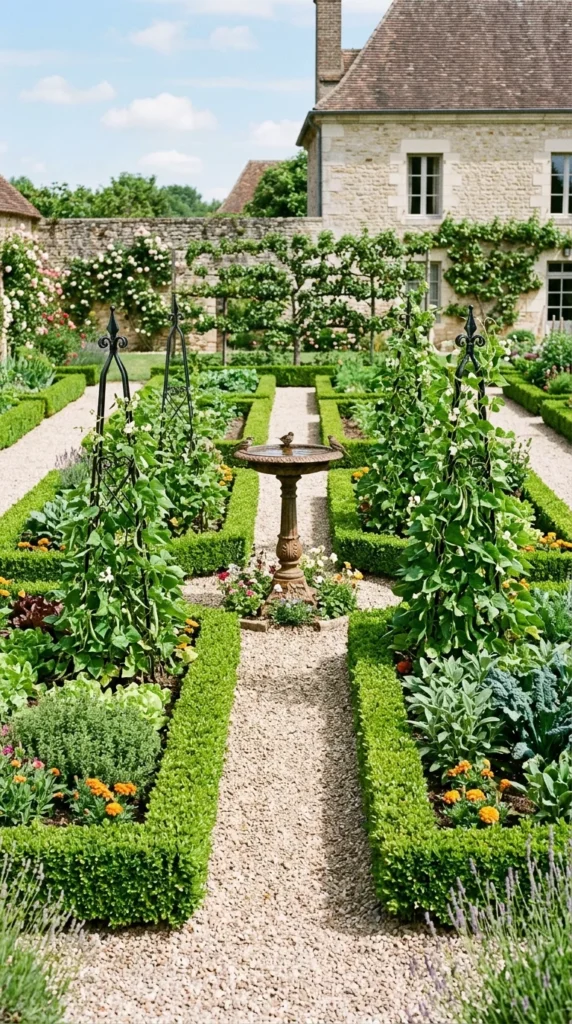
Originating in France, the Potager, or kitchen garden, merges beauty with utility. The layout often uses geometric patterns and incorporates flowers and herbs alongside vegetables. It is perfect for homeowners who want their garden to be a focal point of their landscaping. The use of repetitive patterns and structural elements like tuteurs adds a sense of timeless elegance.
3. Vertical Wall
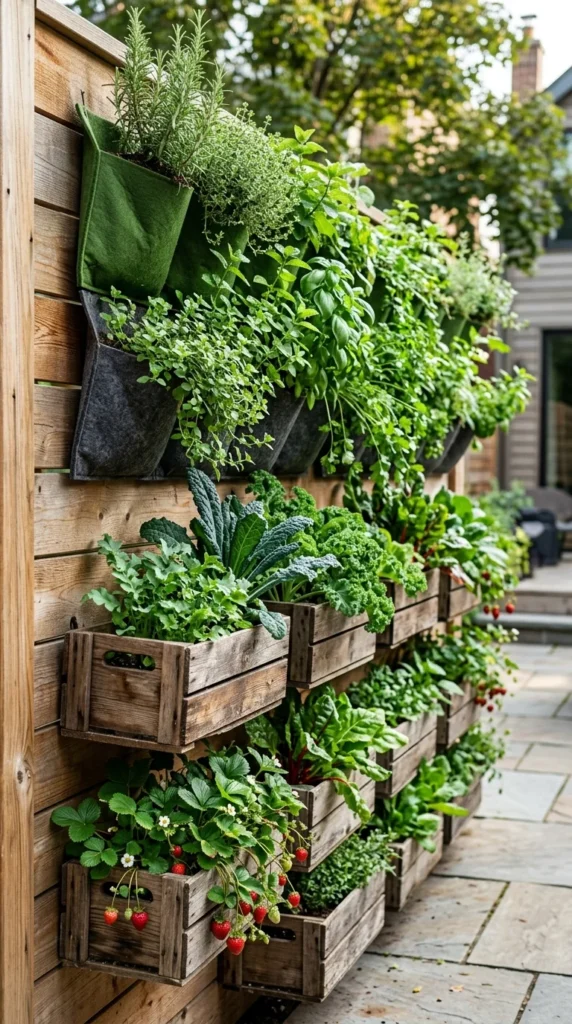
When floor space is at a premium, go up. A vertical wall layout utilizes fences, walls, or freestanding trellises to grow food. This layout is excellent for vining plants like peas, cucumbers, and pole beans. It also improves air circulation around the plants, significantly reducing the risk of fungal diseases.
4. Keyhole Garden
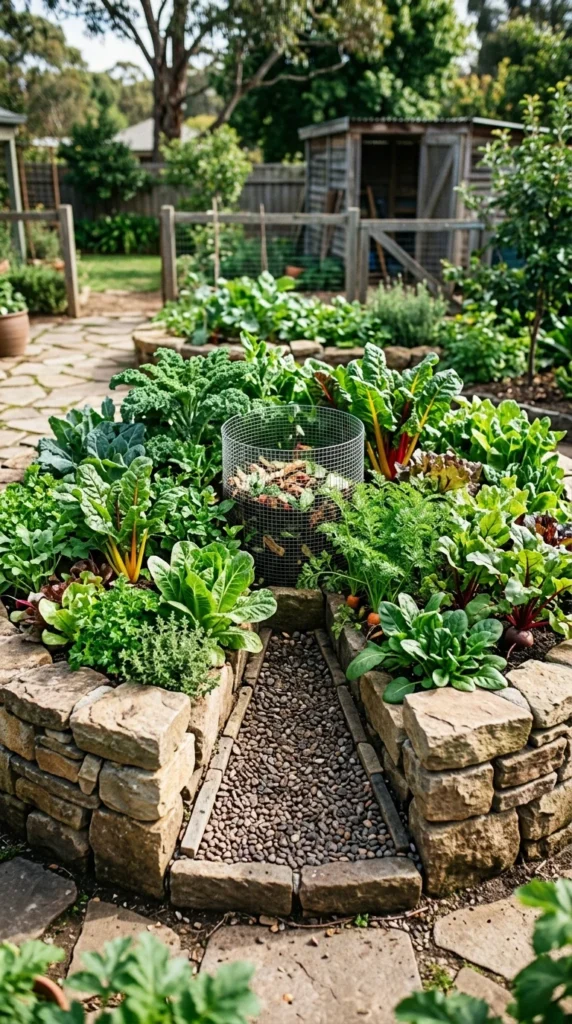
The Keyhole Garden is a sustainable design originally developed for arid climates. It features a circular bed with a small “keyhole” path leading to a central composting basket. Kitchen scraps and gray water are added to the center, which then leaches nutrients directly into the surrounding soil. This layout is highly efficient for nutrient cycling.
5. Traditional Rows
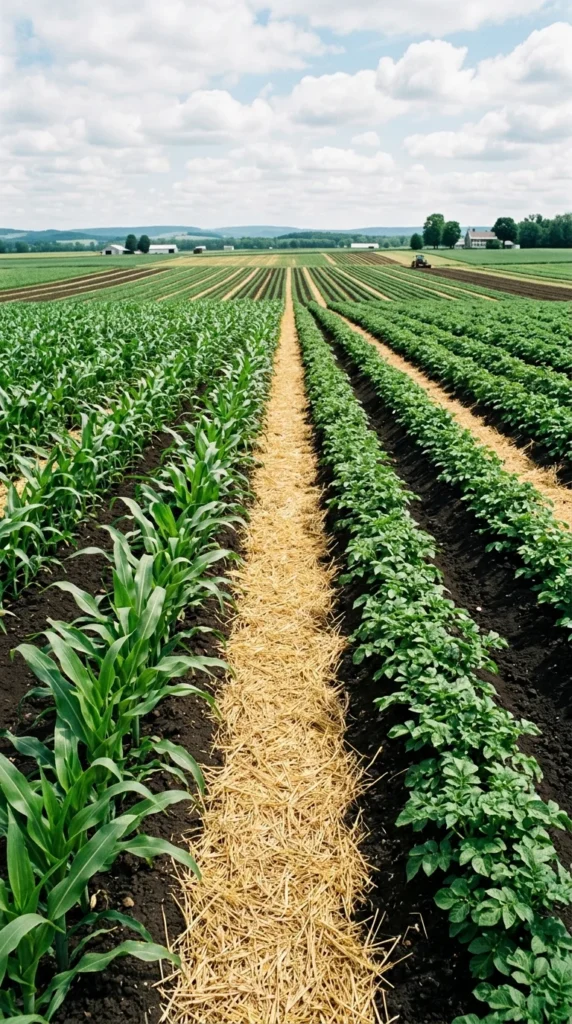
For those with large backyards and mechanical tillers, the traditional row layout remains a classic. It allows for easy movement of equipment and clear organization of crops by family. This layout is best for high-volume production of “staple” crops like corn, potatoes, and beans that require significant space.
6. L-Shaped Bed
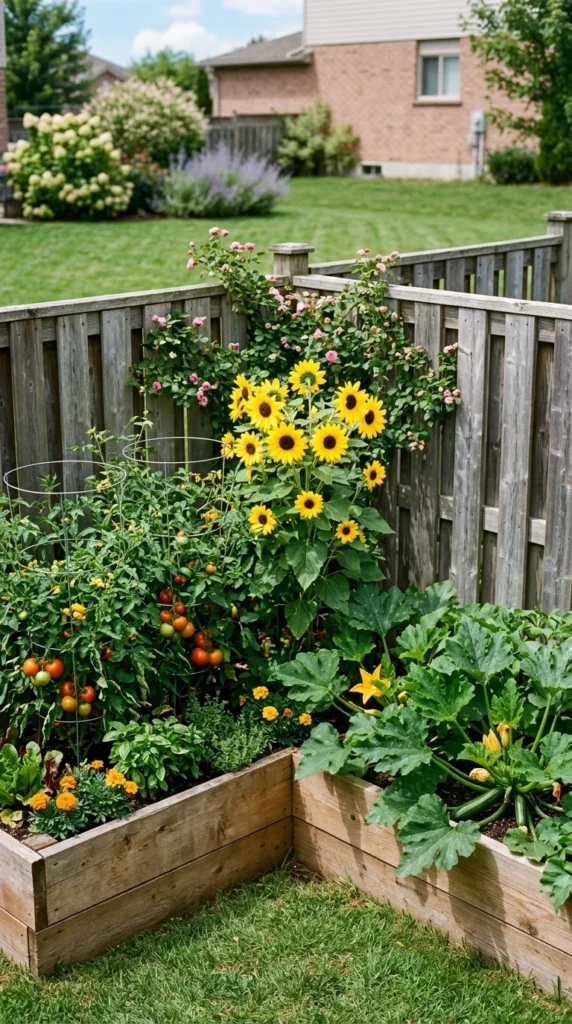
The L-shaped layout is the ultimate corner solution. It hugs the perimeter of a fence or a deck, leaving the center of the yard open for play or entertaining. This layout provides deep growing space while ensuring that every plant is within arm’s reach from the edge of the bed.
7. Circular Hub
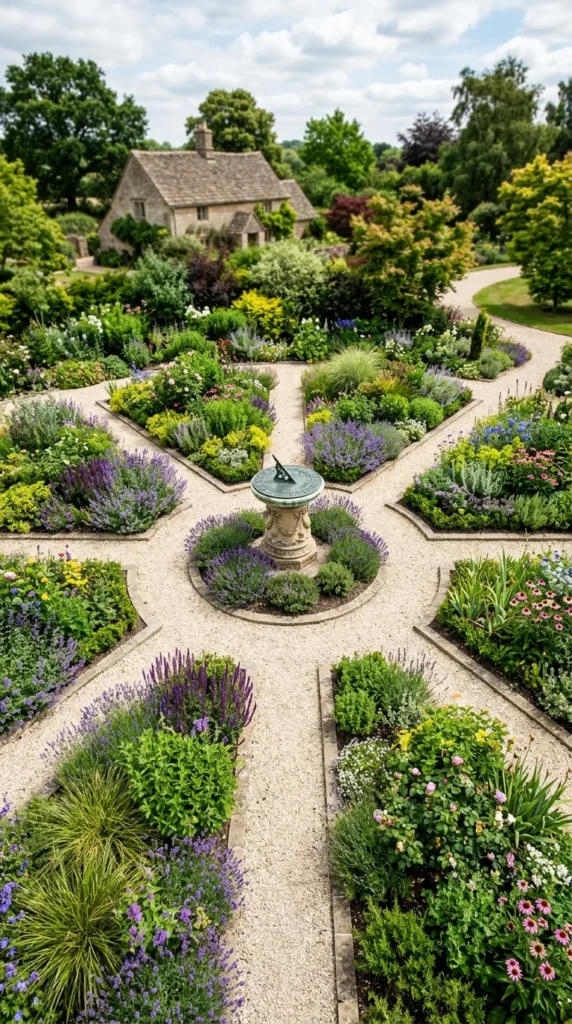
The Circular Hub layout creates a stunning visual centerpiece. The “spoke” paths allow the gardener to access the center of every bed without stepping on the soil. This layout works beautifully for herb gardens or “pizza gardens” where different slices represent different ingredients like tomatoes, basil, and oregano.
8. Herb Spiral
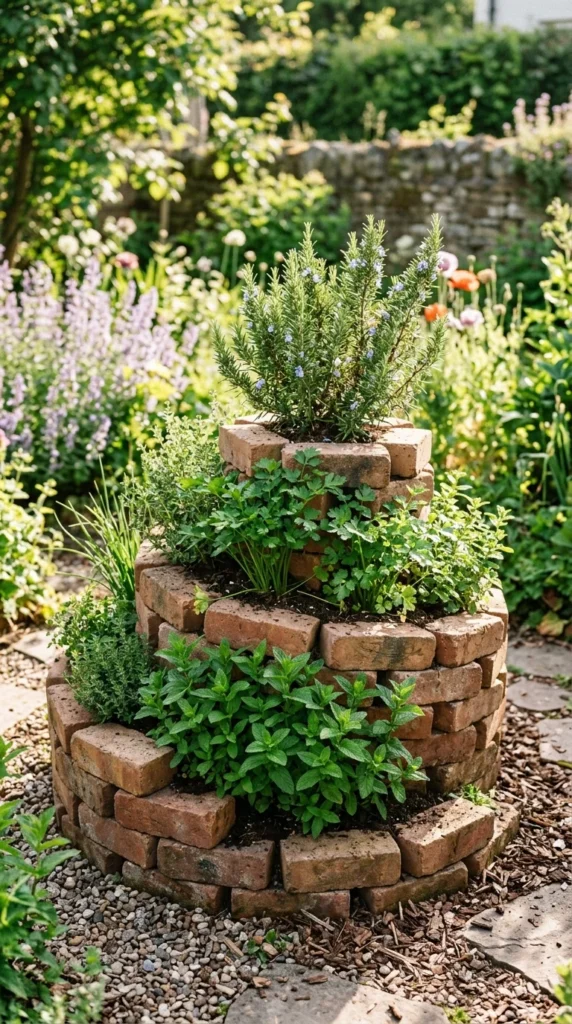
An Herb Spiral utilizes verticality and microclimates. The top is dry and sunny, perfect for Mediterranean herbs like rosemary and thyme, while the bottom is cooler and moister, ideal for mint and chives. It packs a massive amount of variety into a very small footprint.
9. Tiered Terraces
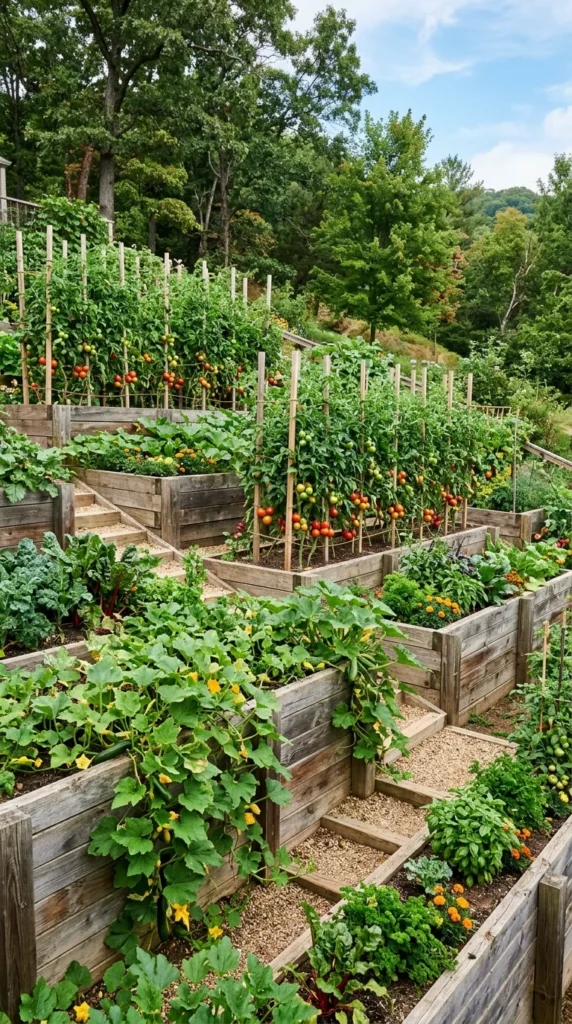
If your backyard is on a slope, tiered terraces are the solution. They prevent soil erosion and water runoff by creating flat planting zones. Terracing allows you to turn “unusable” land into a productive vegetable sanctuary, often providing excellent drainage for the plants.
10. The Greenhouse
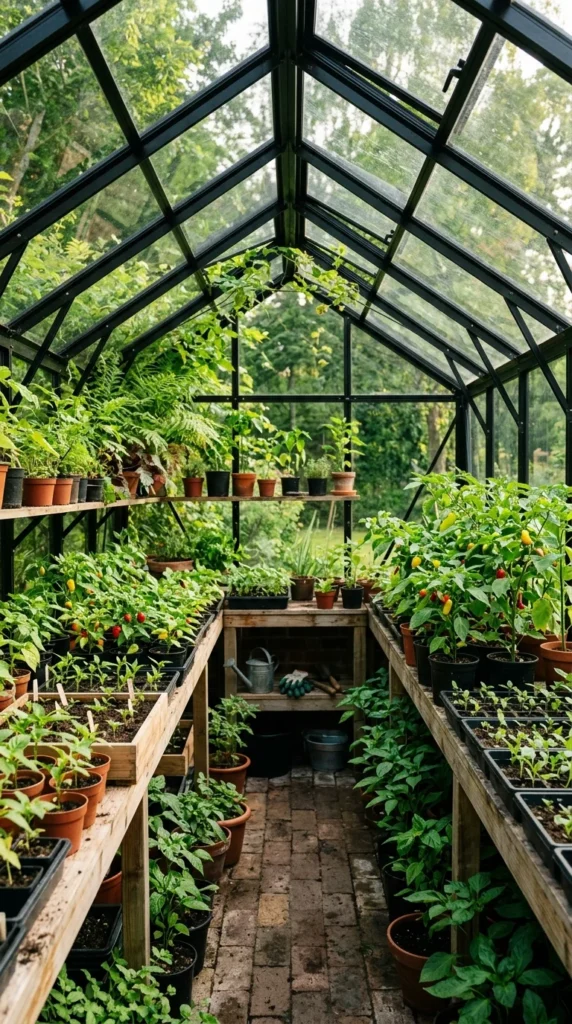
A greenhouse layout is essential for gardeners in cooler climates or those looking to extend their growing season. The interior can be organized with benches for seed starting and floor beds for heat-loving crops like peppers and eggplants that wouldn’t survive the outside night temperatures.
11. Container Cluster
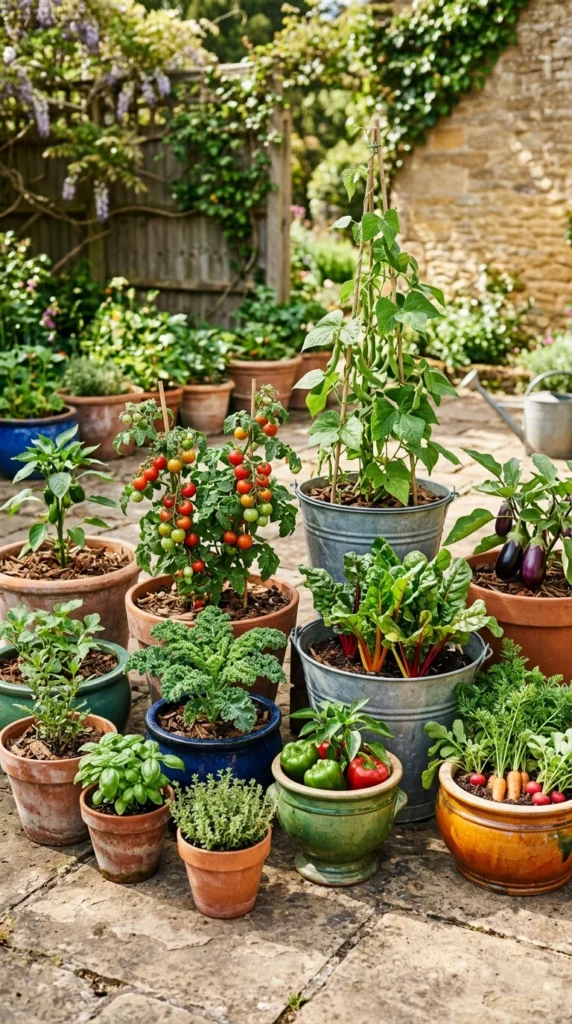
For renters or those with paved backyards, a container cluster offers total flexibility. You can move pots to follow the sun or bring them indoors during a frost. Using different heights and sizes of containers adds visual interest and allows you to customize the soil mix for each specific plant.
12. Companion Bed
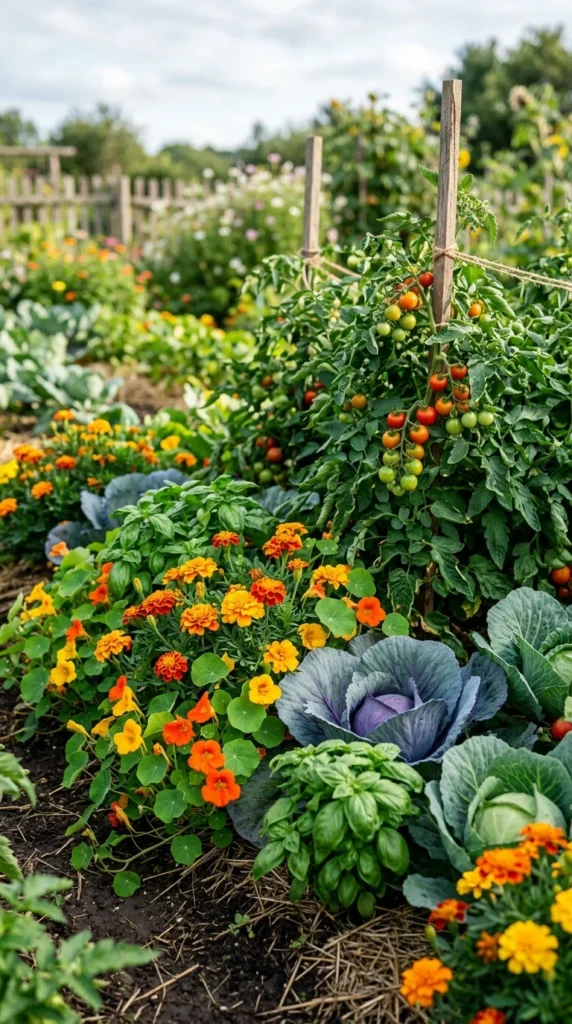
The Companion Bed layout is based on ecological relationships. By planting certain species together—like basil with tomatoes to improve flavor and repel pests—you create a self-sustaining ecosystem. This layout prioritizes plant health and organic pest control over rigid rows.
13. The Archway
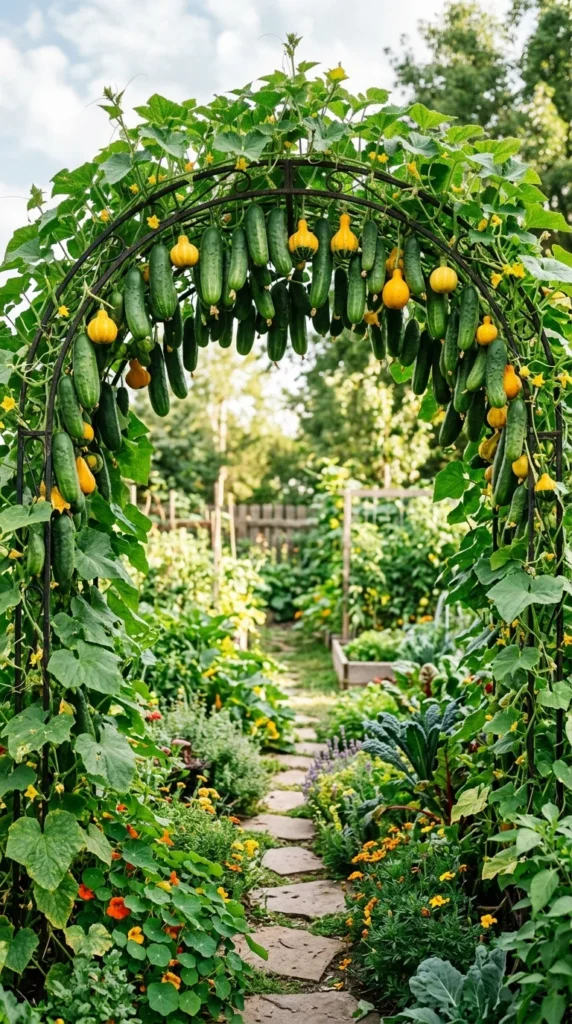
An archway adds a “secret garden” feel to any backyard. It is a functional way to grow climbing vegetables like pole beans, cucumbers, or small squash. Walking through a tunnel of hanging vegetables makes harvesting an easy and magical experience.
14. Raised Bed Grid
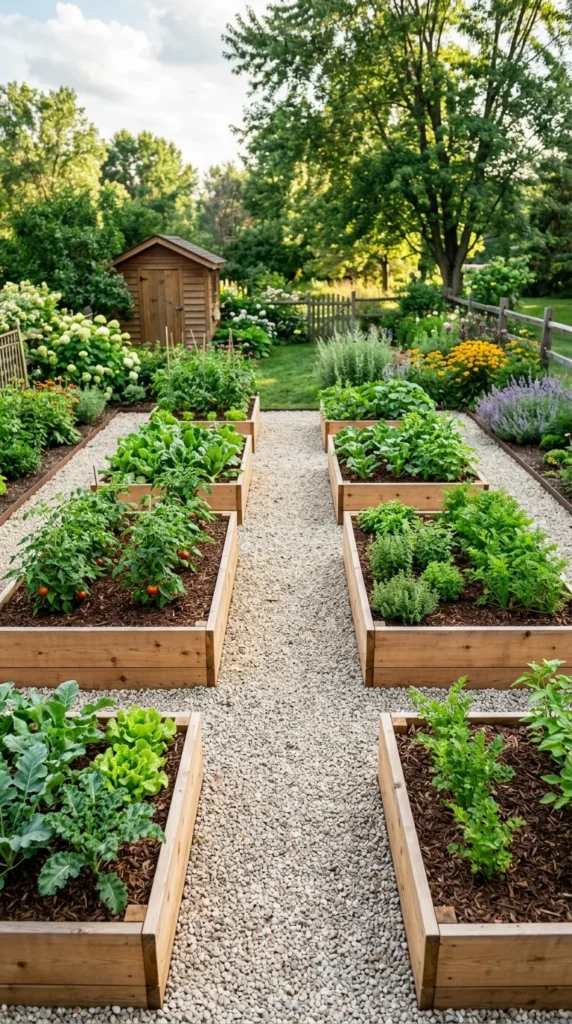
The Raised Bed Grid is perfect for the organized gardener. It provides a clean, modern look and makes crop rotation simple. You can designate one bed for brassicas, another for nightshades, and another for legumes, rotating them every year to prevent soil-borne diseases.
15. Edible Front Yard
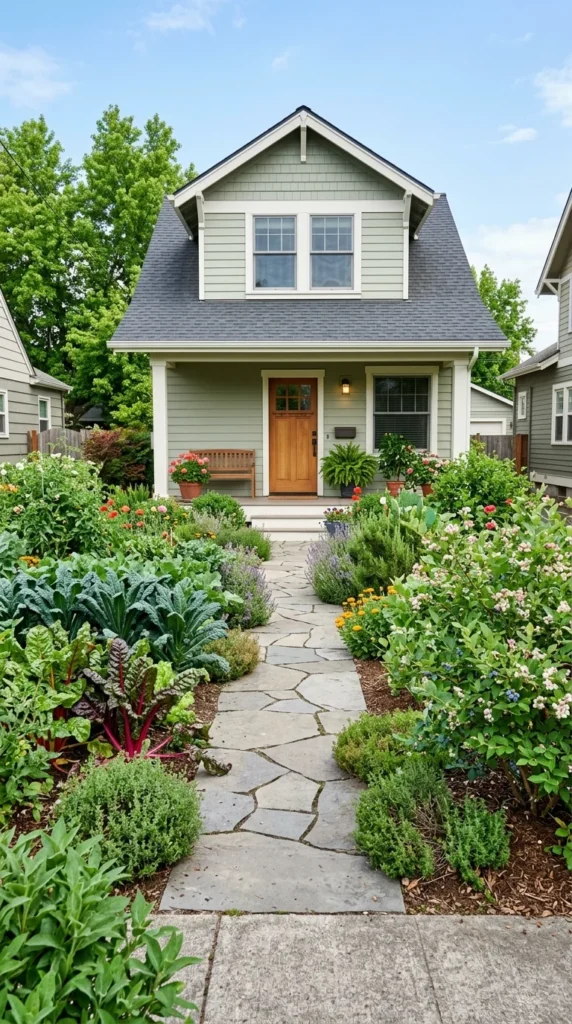
Why waste a sunny front yard on grass? This layout replaces the lawn with edible landscaping. By choosing “pretty” vegetables like rainbow chard, purple kale, and scarlet runner beans, you can create a garden that is as aesthetically pleasing to the neighbors as it is productive for your kitchen.
16. Three Sisters

The Three Sisters is a centuries-old layout featuring corn, beans, and squash. The corn provides a ladder for the beans, the beans fix nitrogen in the soil for the corn and squash, and the squash leaves act as a living mulch to keep the soil cool and moist. It is a masterpiece of companion planting.
17. U-Shaped Garden
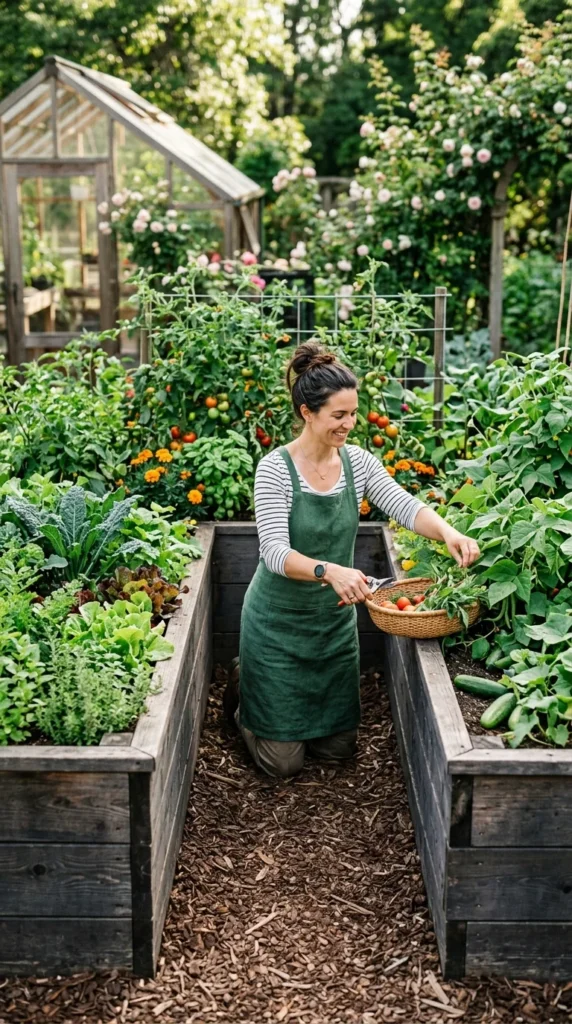
The U-shaped layout is designed for maximum accessibility. By standing in the center of the “U,” you can reach almost every corner of the garden. This is a great choice for larger beds that would otherwise be difficult to reach into, reducing the need for multiple paths.
18. Window Box
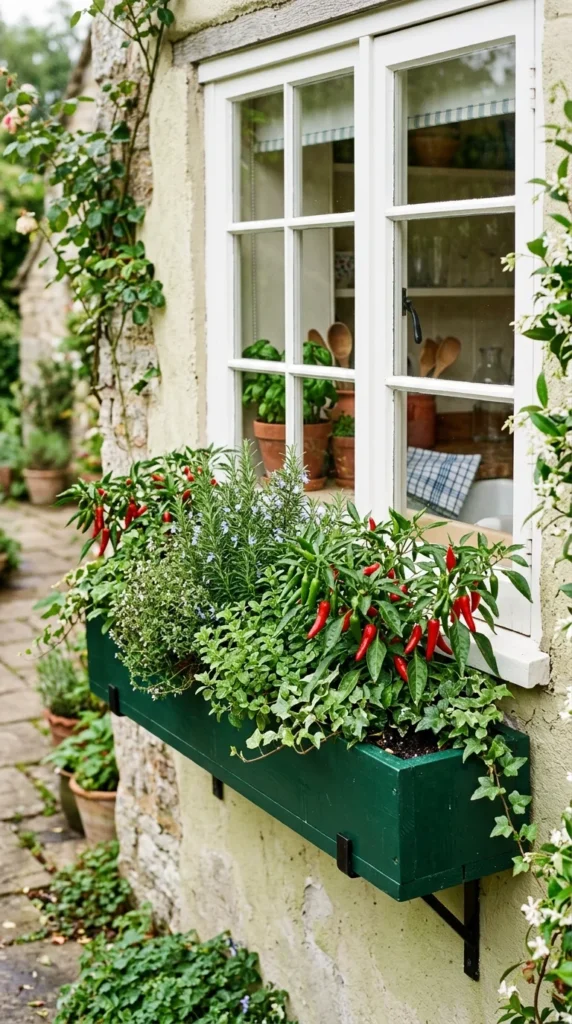
Even if you have no backyard at all, the Window Box layout allows for a “snip garden.” Focused primarily on herbs and small greens like arugula or spinach, this layout keeps your most-used culinary ingredients right outside the kitchen window.
19. Culinary Corner
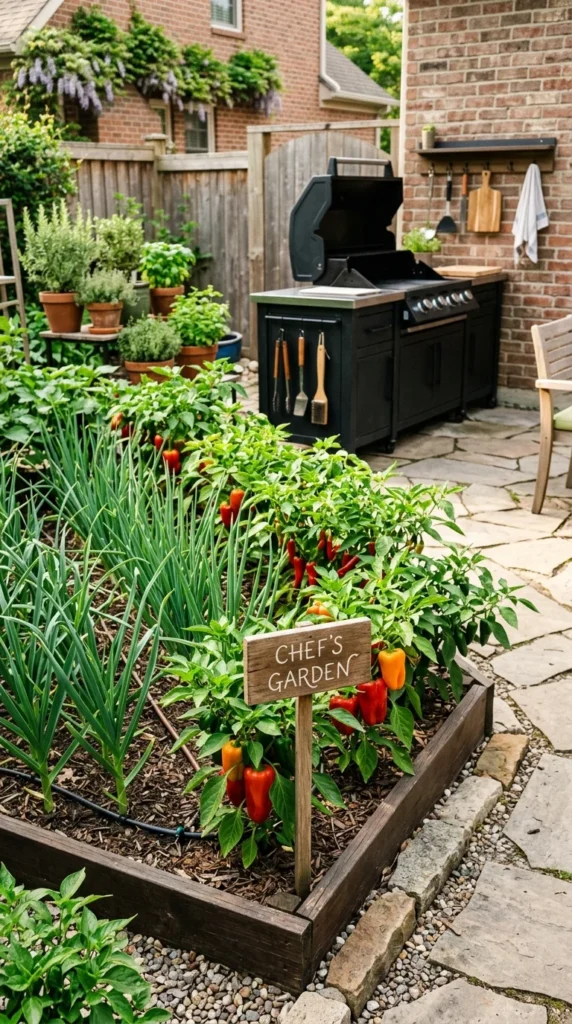
The Culinary Corner is a specialized layout located as close to the kitchen or outdoor grill as possible. It focuses on the “aromatics”—onions, garlic, peppers, and herbs—that are used in almost every meal. It is designed for convenience during the cooking process.
20. Permaculture Zone
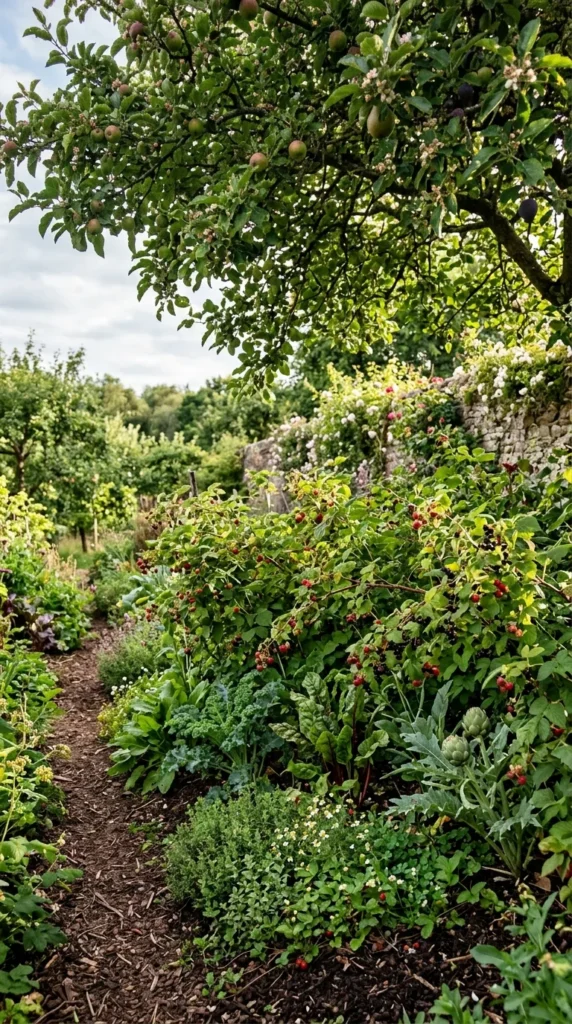
Permaculture layouts focus on perennials and self-sustaining systems. This “food forest” approach mimics a natural ecosystem. Once established, this layout requires very little digging or intervention, as the plants work together to provide shade, mulch, and nutrients.
21. The Tea Garden
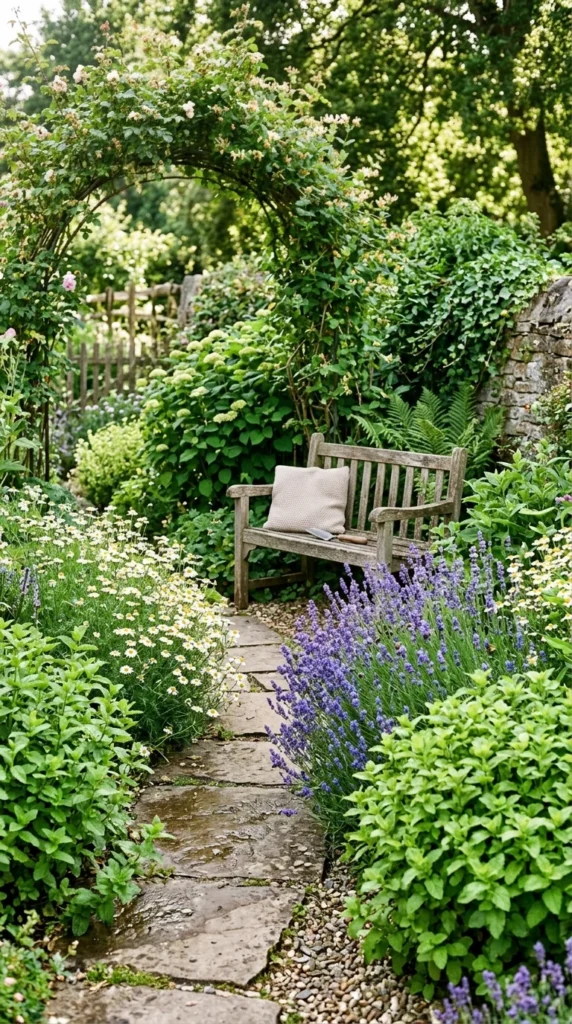
The Tea Garden is a thematic layout focused on relaxation. It features plants that can be dried or used fresh for infusions. This layout often incorporates sensory elements like soft-textured leaves and fragrant flowers to create a meditative space in the backyard.
22. Child-Friendly Plot
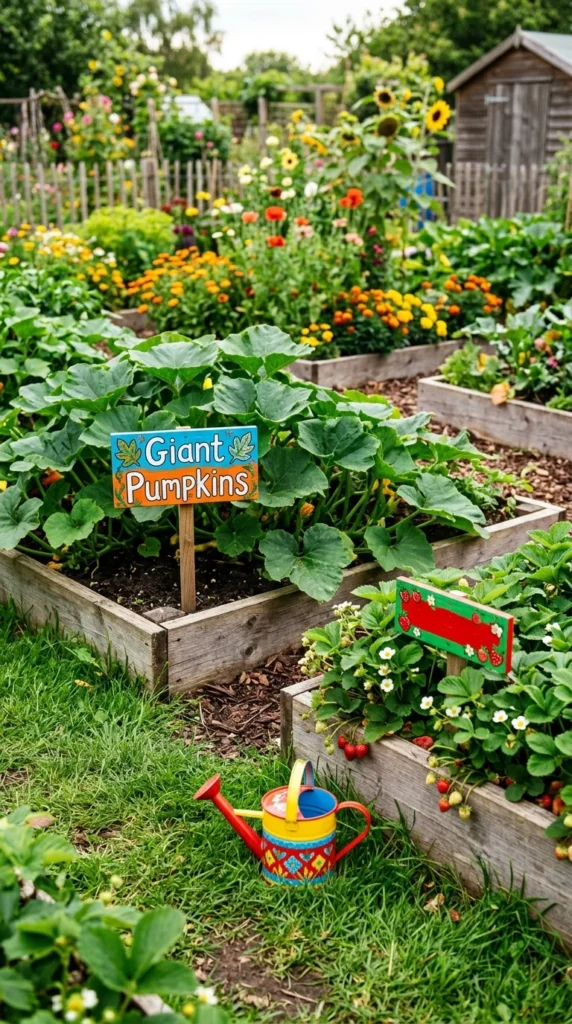
This layout is designed to engage young gardeners. It features easy-to-grow, high-interest plants like giant sunflowers, “dino” kale, and sweet strawberries. The beds are kept low and narrow so children can reach the center without stepping on the plants.
23. Low-Water Xeric
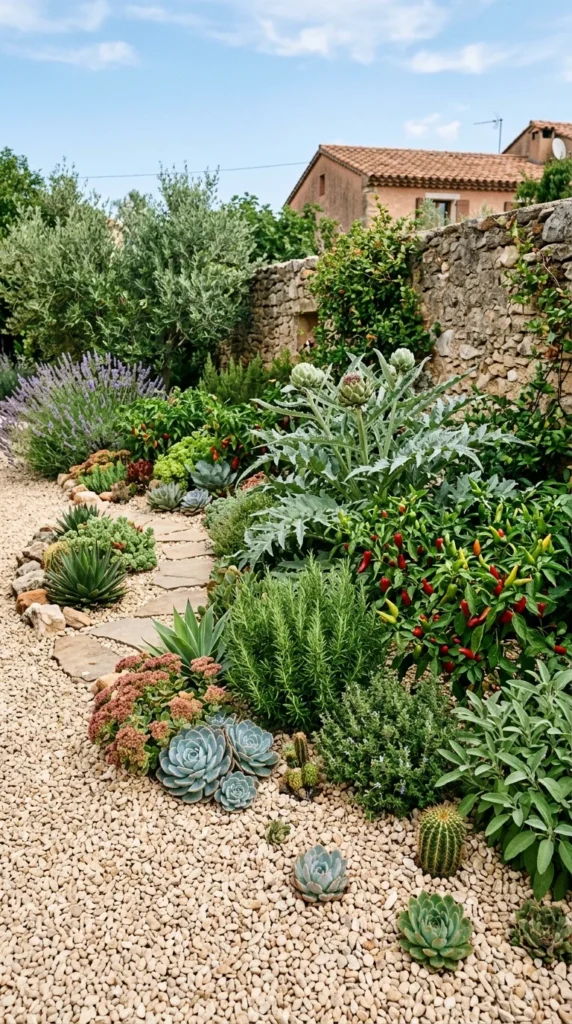
For regions facing water restrictions, the Xeric layout uses drought-tolerant varieties and heavy mulching. It often incorporates “wicking beds,” which are underground reservoirs that provide water directly to the roots, minimizing evaporation from the surface.
24. Four-Square Garden
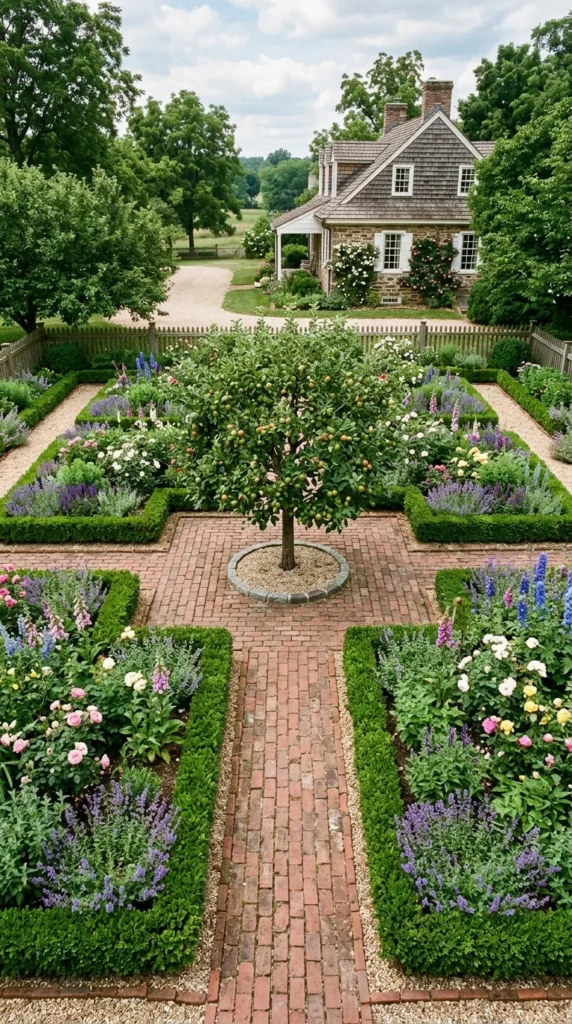
The Four-Square layout is a historical design that is both functional and beautiful. It is perfect for a four-year crop rotation plan. Each year, you move your plant families (roots, brassicas, legumes, and nightshades) one square clockwise to ensure soil health.
25. Large Scale Homestead
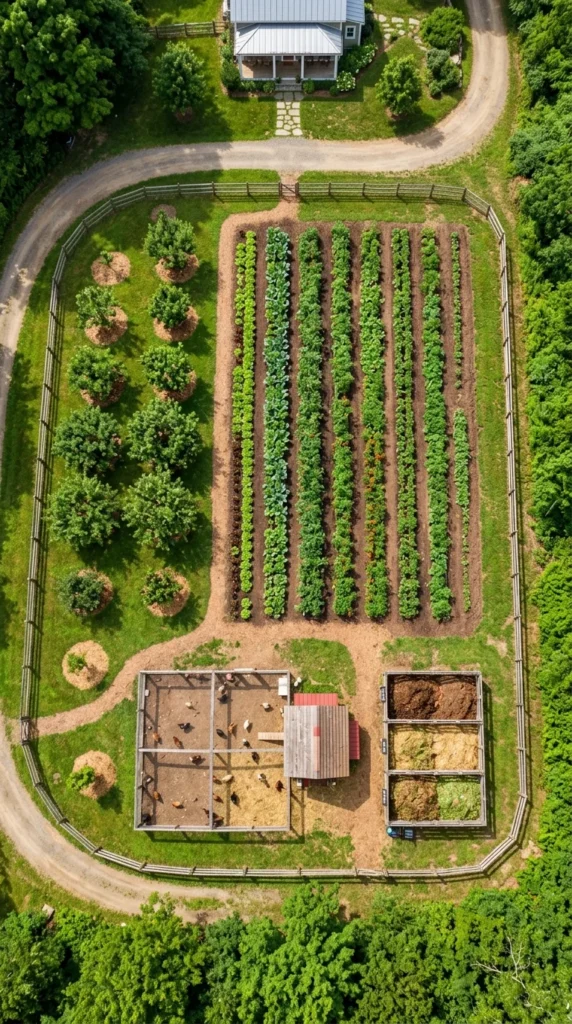
The Homestead layout is for those aiming for self-sufficiency. It integrates vegetable plots with other farm elements like fruit trees, berry patches, and even livestock like chickens. This layout requires careful planning to ensure that the flow of nutrients—from compost to garden to animal—is seamless.