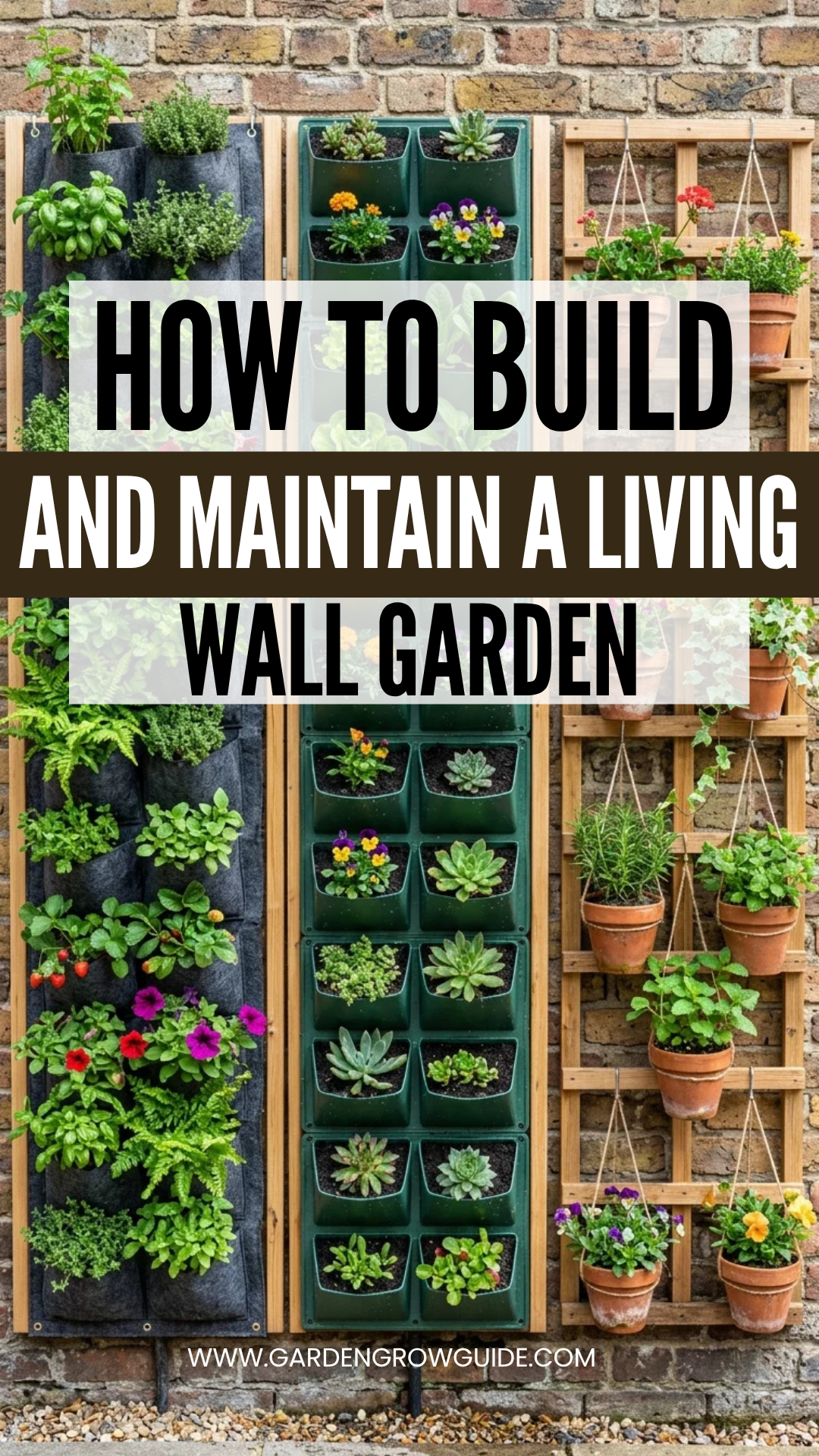
Vertical gardening, or the creation of living walls, has transformed from a niche architectural trend into a mainstream horticultural practice. Often referred to as “green walls” or “vertical forests,” these installations offer more than just aesthetic appeal; they act as natural air purifiers, sound insulators, and psychological stress-relievers. Whether you are looking to breathe life into a cramped apartment or add a dramatic feature to your backyard, building a living wall is a rewarding DIY project that merges engineering with art.
1. Site Selection
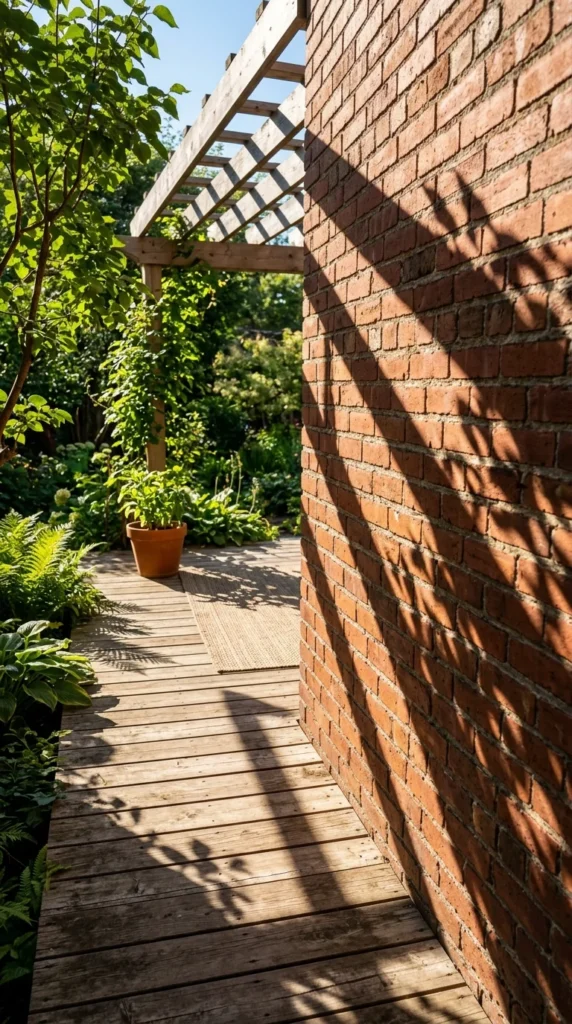
Before a single plant is purchased, you must identify the ideal location for your vertical garden. Sunlight is the most critical factor. Most indoor living walls require bright, indirect light, while outdoor walls depend on the specific climate and cardinal direction. A south-facing wall will receive intense heat and light, requiring drought-tolerant plants like succulents, whereas a north-facing wall is better suited for shade-loving mosses and ferns.
Beyond light, consider the structural integrity of the wall. A fully saturated living wall is heavy; a standard 10-square-foot installation can weigh upwards of 50 to 100 pounds depending on the soil and water content. Ensure the wall can support this weight or plan for a self-supporting frame. Additionally, proximity to a water source and proper drainage is vital to prevent moisture damage to your home’s structure.
2. System Selection
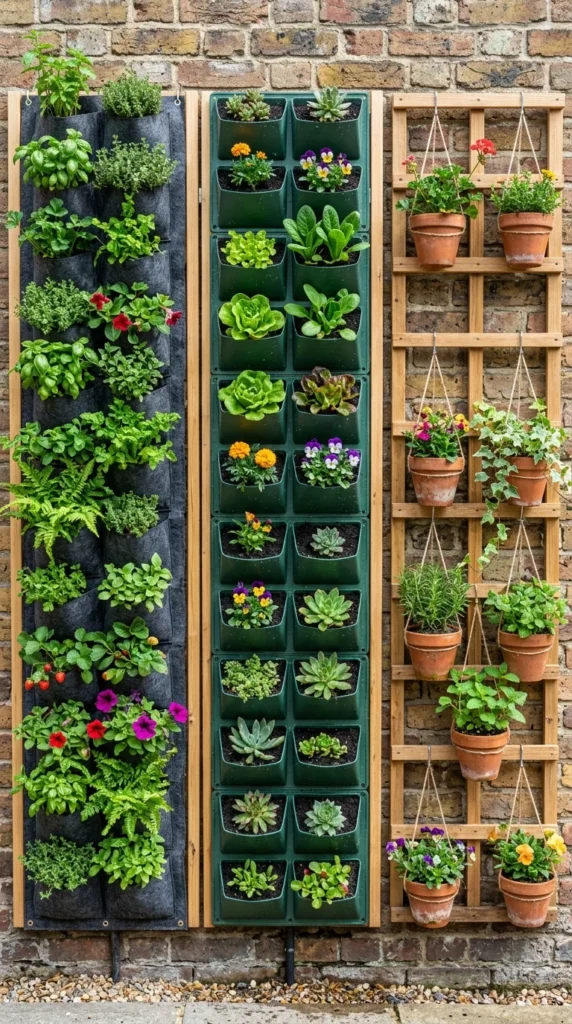
There are three primary types of living wall systems, each with its own set of pros and cons:
- Pocket Systems: Usually made from breathable felt or recycled fabric, these pockets allow for excellent air circulation to the roots. However, they tend to dry out faster and may require a waterproof backing to protect the wall.
- Modular Tray Systems: These consist of plastic or metal grids where individual “cells” or trays are inserted. They are excellent for larger installations because if one plant dies, you can easily swap out a single tray without disturbing the entire wall.
- Hydroponic Systems: These are soil-less systems where plants grow in a nutrient-rich water solution. While highly efficient and clean, they require a pump, a reservoir, and a more technical understanding of nutrient balances.
3. Waterproofing
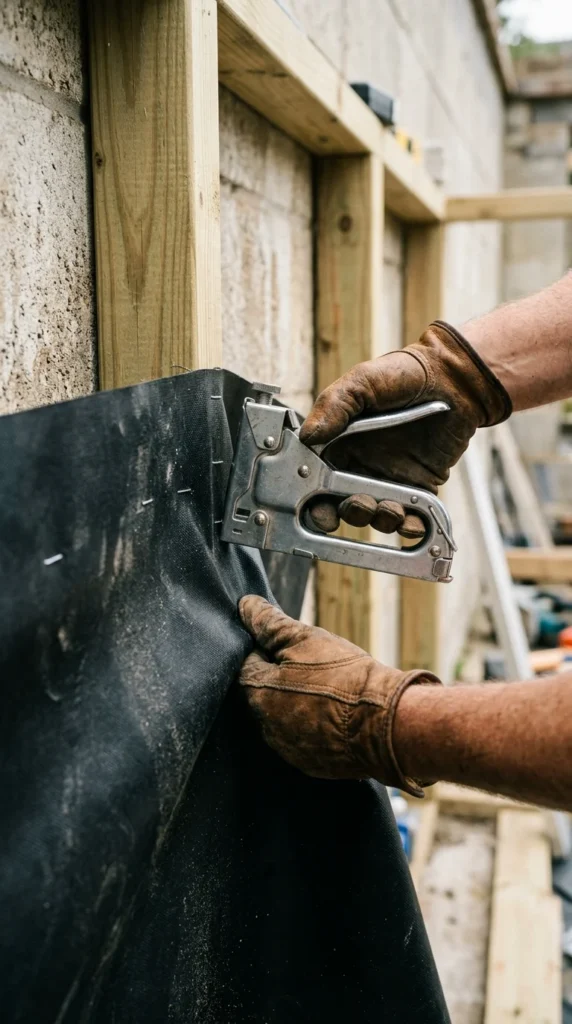
Water is the lifeblood of your garden but the enemy of your home’s infrastructure. To prevent rot, mold, and structural damage, you must create a moisture barrier between the garden and the wall.
Using a vapor barrier or a heavy-duty plastic liner (such as a 6-mil pond liner) is essential. If you are building a wooden frame for your living wall, ensure the wood is pressure-treated or cedar, which is naturally rot-resistant. Attach the plastic liner directly to the frame or the wall backing before mounting the planting containers. This ensures that any runoff or humidity stays within the garden system and doesn’t seep into the drywall or masonry.
4. Irrigation Setup
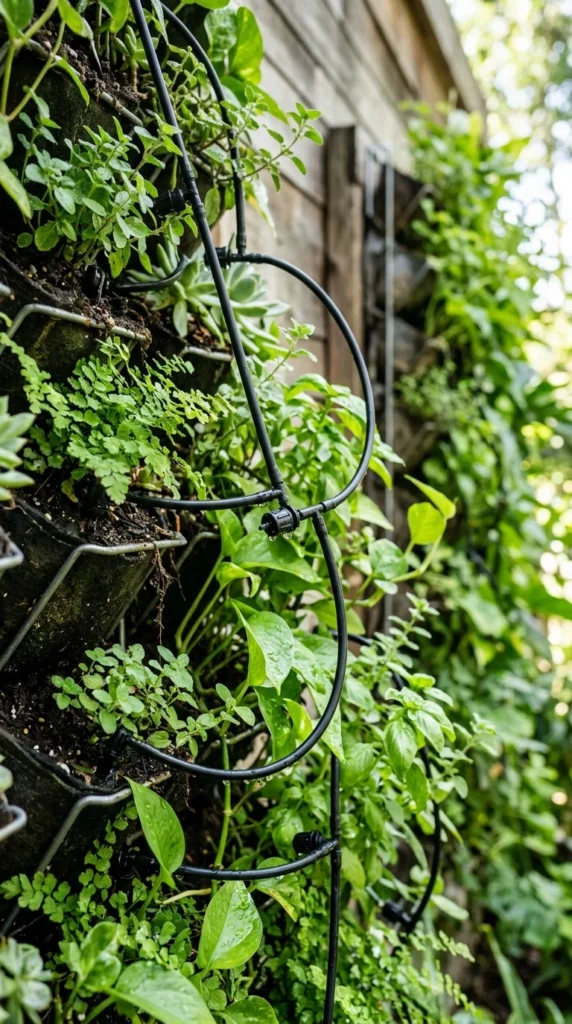
While small living walls can be watered by hand with a spray bottle or a long-necked watering can, larger installations require an automated irrigation system. Gravity is your greatest challenge in vertical gardening; water naturally pools at the bottom, leaving the top plants parched.
A drip irrigation system is the most effective solution. This involves running a main line across the top of the wall with individual emitters or “soaker hoses” placed at intervals. A timer attached to your faucet or a small pump in a reservoir can automate the process. For indoor walls, a “closed-loop” system—where water is pumped from a bottom reservoir to the top and then recirculated—is often the cleanest and most water-efficient choice.
5. Plant Selection
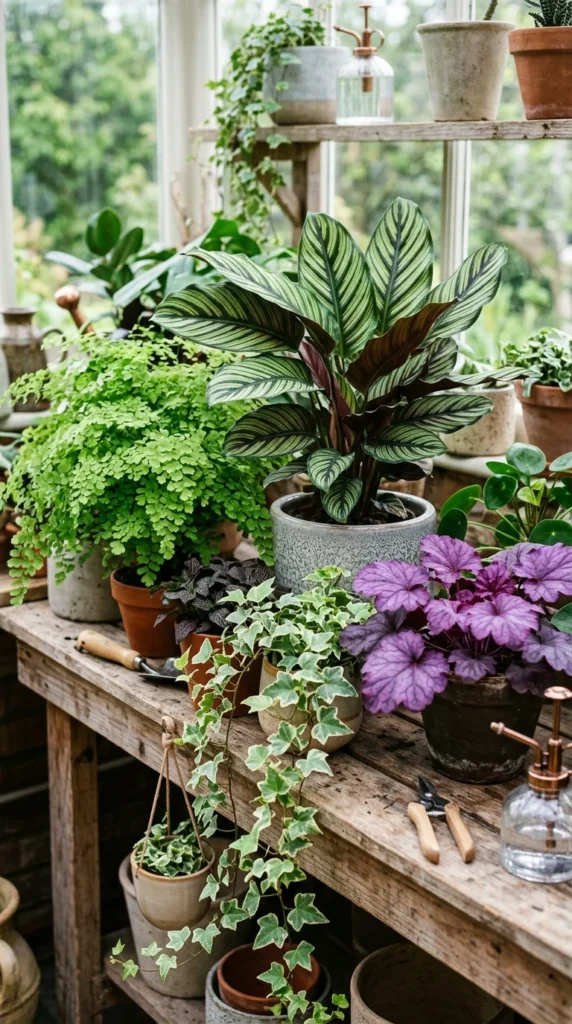
Choosing the right plants is a balance of aesthetics and survival. You must group plants with similar light and water requirements together.
- For Low Light (Indoor): Pothos, Heartleaf Philodendron, ZZ Plant, and various species of Ferns thrive in darker corners.
- For Bright Light (Outdoor): Sedums, Echeveria, Lavender, and even strawberries or herbs like Thyme and Rosemary do well in sunny vertical spots.
- Trailing vs. Upright: Incorporate trailing plants (like Creeping Jenny or String of Pearls) at the edges to soften the frame, and upright plants (like Dracaena or Bromeliads) in the center for structural depth.
Always consider the growth rate; fast-growing species may quickly overshadow slower ones, leading to an uneven and messy appearance.
6. Planting Process
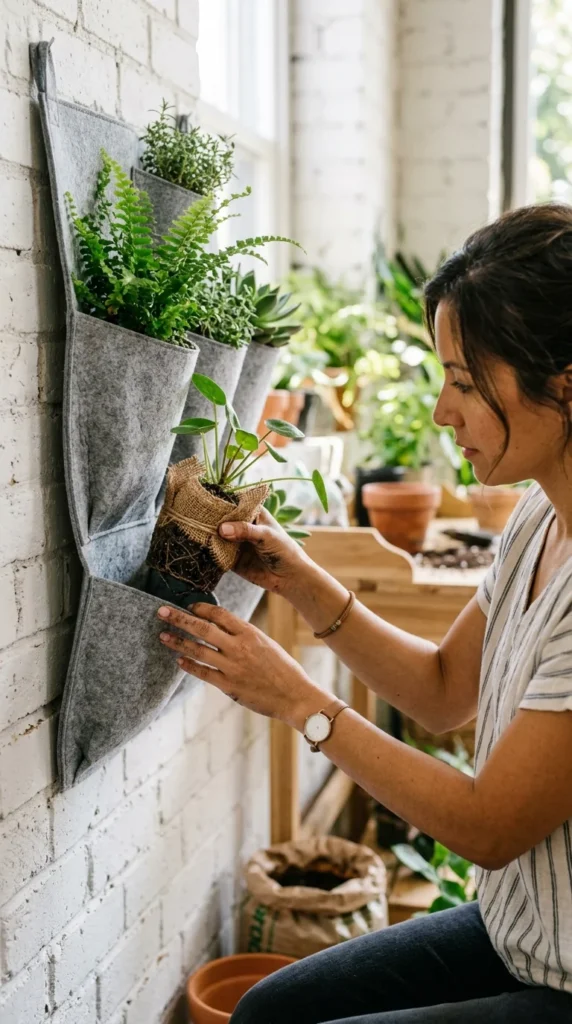
When it’s time to plant, remove the specimens from their nursery pots and gently loosen the root balls. If you are using a pocket system, it is often helpful to wrap the root ball in a piece of landscape fabric or coco coir. This prevents the soil from washing away during watering cycles.
Plant densely. Unlike a traditional garden where you leave space for plants to “fill in,” a living wall looks best when it appears lush from day one. Dense planting also helps maintain humidity levels within the foliage. Start from the bottom and work your way up, ensuring that the foliage of the lower plants doesn’t get completely buried by the plants above them.
7. Nutrient Management
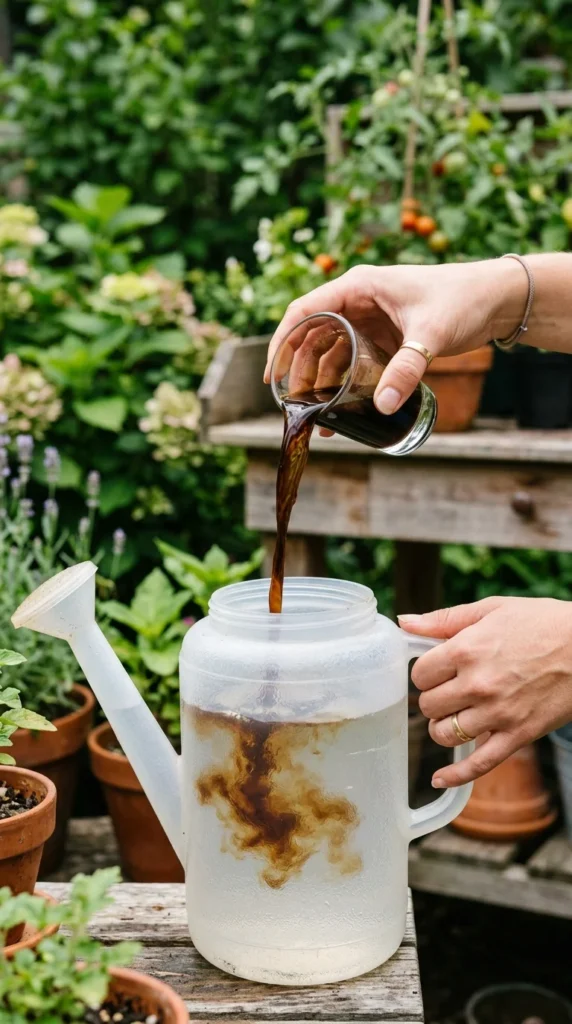
Living walls typically use a limited amount of soil or a soil-less growing medium (like perlite or rockwool). Because of this, the nutrients are depleted much faster than in a traditional backyard garden.
Use a water-soluble, balanced fertilizer once a month during the growing season (spring and summer). For hydroponic or felt systems, “fertigation”—the process of adding liquid nutrients directly into the irrigation water—is the most effective way to ensure every plant receives the minerals it needs. Be careful not to over-fertilize, as salt buildup can burn the roots and cause unsightly white crusts on the planting medium.
8. Pruning and Grooming
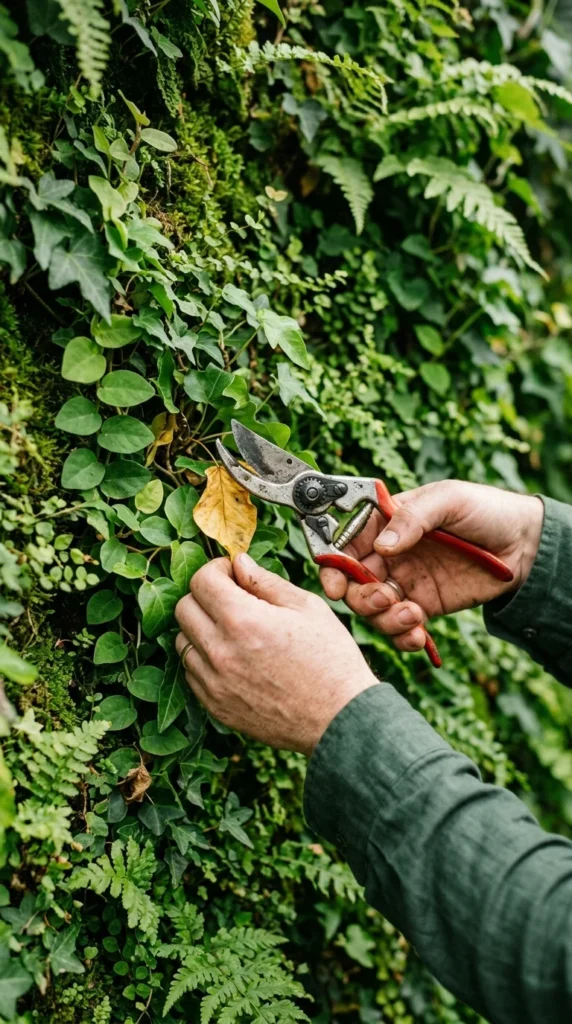
A living wall is a dynamic, changing entity. Regular maintenance is required to keep it looking pristine. This involves “deadheading” (removing spent flowers) and pruning back aggressive growers that might be blocking light from smaller neighbors.
Inspect the wall weekly for yellowing leaves, which can indicate overwatering or a lack of nutrients. Removing dead organic matter is not just for looks; it prevents the onset of pests and fungal diseases. If a particular plant is struggling despite your best efforts, don’t be afraid to pull it out and replace it. A living wall is a modular environment designed for adaptation.
9. Pest Control
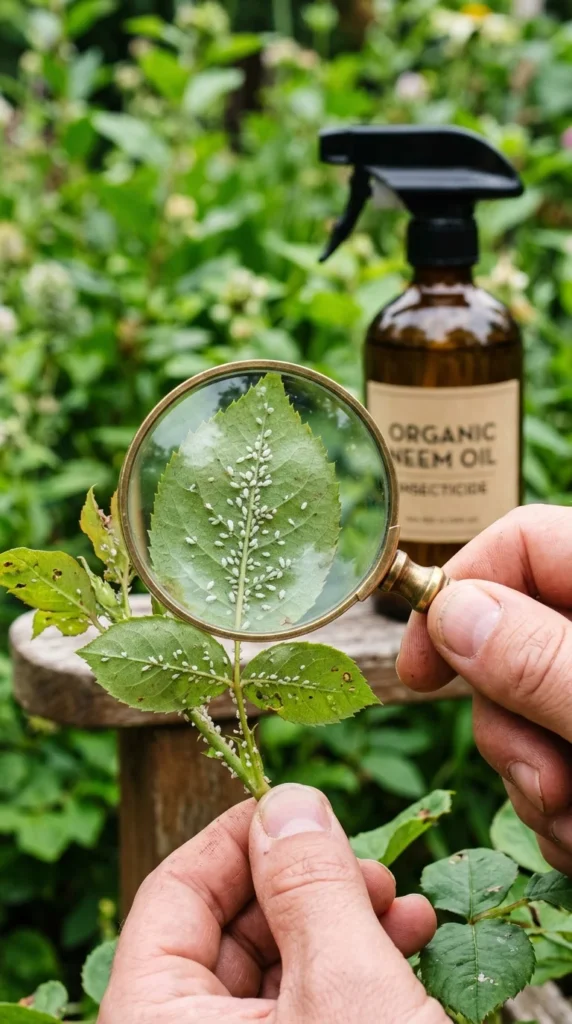
Because plants are packed tightly together, a pest infestation can spread across a living wall with alarming speed. Common culprits include spider mites, aphids, and mealybugs.
Prevention is the best strategy. Ensure there is adequate air circulation around the wall; a small oscillating fan can help prevent the stagnant air that pests love. If you do spot an infestation, treat it immediately with organic options like neem oil or insecticidal soap. Spray the plants in the evening or when they are not in direct sunlight to avoid foliage burn. Regularly wiping the leaves with a damp cloth also helps remove dust and keeps the stomata open for better respiration.
10. Winter Care
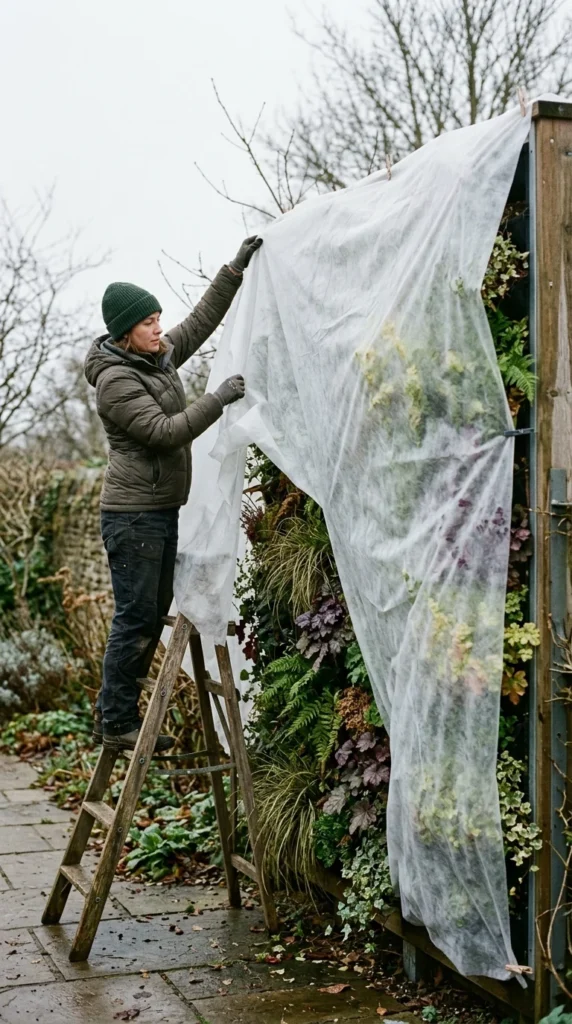
For outdoor living walls in colder climates, winter presents a significant challenge. The roots of plants in a vertical garden are more exposed to the air and freezing temperatures than those buried deep in the ground.
If you live in a region with hard freezes, you may need to treat your living wall as an annual display, replanting each spring. Alternatively, you can choose “ultra-hardy” perennials or move the entire system into a garage or greenhouse for the winter. For indoor walls, the primary winter concern is the drop in humidity caused by home heating systems. Using a humidifier near the wall or increasing the frequency of misting can help your tropical plants survive the dry winter months.