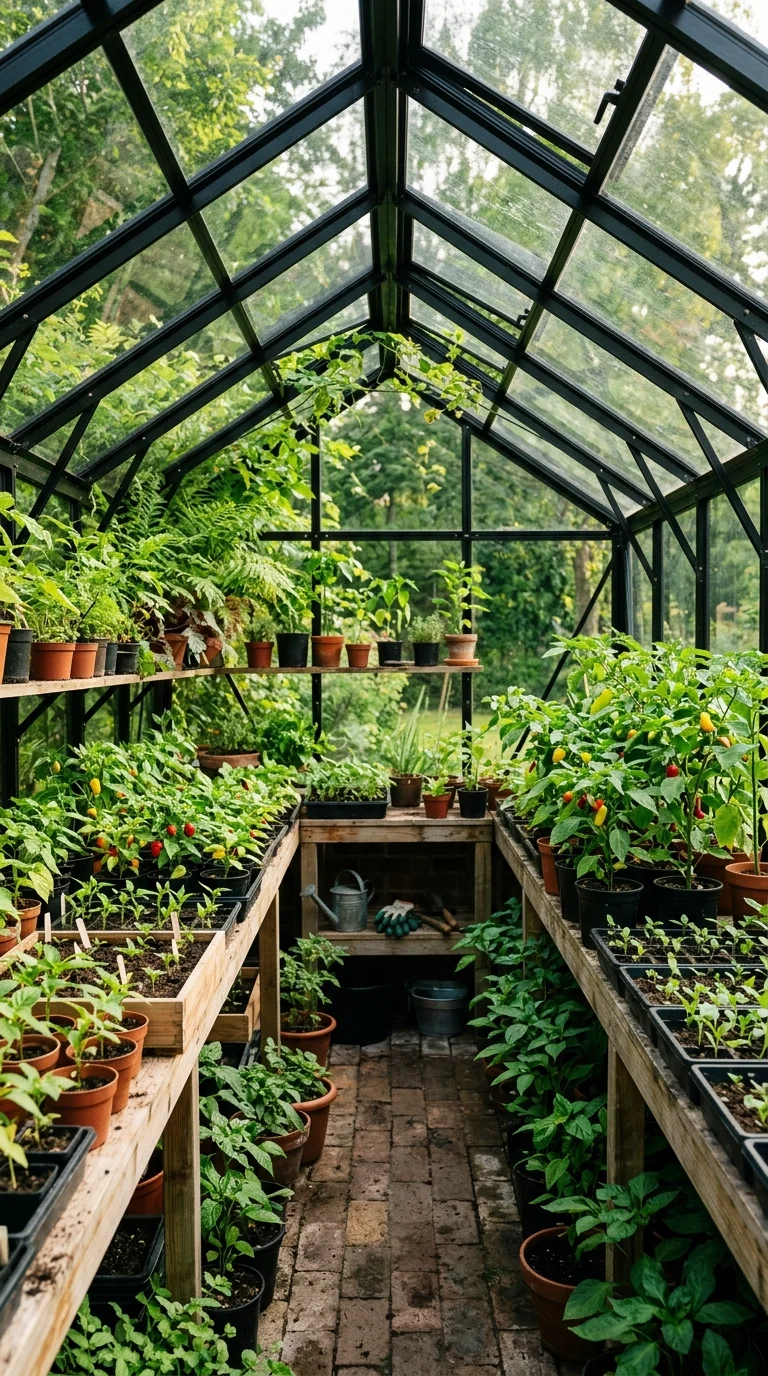
There is nothing more frustrating for a gardener than watching healthy seedlings sprout, look strong for a few days, and then suddenly fall over and die. You did everything right. The seeds came up, the tiny green stems looked bright, and then, almost overnight, they bent at the soil line and collapsed. If this has happened to you, you are not alone. The most common cause is a problem called damping off, and once you understand what causes it, you can stop it from ruining your next batch of seedlings.
What Is Damping Off?
Damping off is a disease that attacks young seedlings at or just below the soil surface. It is caused by fungi that live in soil and in damp, cool conditions. These fungi are common in garden soil, in old potting mix, and on dirty trays and pots. They do not usually harm older plants, because older plants have strong stems and roots. Seedlings are different. Their stems are soft and thin, and they have very little strength to fight off a fungus. When the fungus attacks, it rots the stem at the base, and the seedling can no longer stand up or take in water.
Sometimes damping off kills seeds before they even come up. The seed rots in the soil, and nothing appears above the surface. Gardeners often think the seed was old or bad, but damping off is a common reason for seeds that never sprout. More often, the seedling comes up, looks fine for a day or two, and then dies quickly. This is why damping off feels so sudden. The damage is happening at the soil line, where you may not see it until the stem is too weak to hold the plant up.
Signs Your Seedlings Have Damping Off
The first sign is often a thin, dark, or water-soaked patch on the stem, right where the stem meets the soil. The stem may look pinched, as if someone has squeezed it. The top of the seedling may still look green, but the stem cannot support it, so the seedling leans over and then falls flat. Within a day, the fallen seedling turns soft, pale, and dry.
Other signs include seedlings that die in patches, with one or two dying first and then the rest following in the same tray. The soil may look wet for a long time, and there may be a white or grey fuzzy growth on the soil surface. The roots may look brown or soft when you pull the seedling out. If several seedlings in the same tray die in the same way, and the stems are thin and dark at the base, damping off is the most likely cause.
What Causes Damping Off?
Damping off needs three things to happen: the fungi must be present, the conditions must suit them, and the seedlings must be weak or stressed. The fungi are almost always present in small numbers, so the key is to avoid giving them the damp, cool, still conditions they love.
Wet soil is the biggest cause. When seed-starting mix stays wet for days, air cannot reach the roots, and fungi grow fast. Overwatering, trays with no drainage holes, and pots that sit in water are common mistakes. Cold soil is another cause. Most vegetable seeds need warmth to grow quickly. In cold soil, seeds sprout slowly, and the young plants stay weak for longer, which gives fungi more time to attack. Poor air flow also helps damping off. Seedlings kept under a tight cover, in a closed room with no air movement, or packed too close together stay damp on the surface, and that damp surface is where the fungus attacks.
Dirty equipment can also spread the problem. If you reuse trays, pots, or tools without cleaning them, fungi from last season can stay on the surface and infect new seedlings. Old or garden soil used for seed starting is another risk. Garden soil can hold fungi and may be too heavy for seedlings, because it holds too much water and drains slowly. Sowing seeds too deep, or sowing too many seeds in one small cell, also makes seedlings weak, crowded, and slow to dry out.
How to Prevent Damping Off: Step by Step
Prevention is much easier than treatment, and most of the steps are simple. Follow these steps each time you start seeds indoors, and your seedlings will have a much better chance.
1. Start with clean trays and fresh mix
Clean every tray, pot, and tool before you sow seeds. Wash them with warm soapy water, rinse well, then soak them for a few minutes in a weak bleach solution, one part bleach to ten parts water, and let them dry in the sun. Use fresh, sterile seed-starting mix, not garden soil and not last year’s old mix. Good seed-starting mix is light, drains well, and holds just enough moisture. If you want a richer mix for growing vegetables, you can learn more from our guide to the best soil mixes for a thriving vegetable garden, but for starting seeds, keep the mix light and clean.
2. Give seeds warmth and light
Keep seeds warm while they sprout. Most vegetable seeds sprout best when the soil is between 18 and 24 degrees Celsius. A warm windowsill, a heat mat, or the top of a fridge can help. Once seedlings are up, give them strong, bright light for 14 to 16 hours a day, either from a sunny window or a grow light placed close above them. Strong light keeps stems short and thick. Weak light makes stems long, pale, and thin, and thin stems are much more likely to damp off.
3. Water from below and let the surface dry
Water seedlings from below when you can, by standing the tray in a shallow dish of water for ten minutes, then letting the extra water drain away. This keeps the soil surface drier, and the fungus has less place to grow. If you water from above, use a gentle spray and water in the morning, so the surface dries during the day. Never let pots sit in water. Good soil structure also helps water drain properly. You can improve garden soil naturally with compost and organic matter, and you can use soil amendments to improve garden health when you move seedlings outside, but indoors, the mix must drain freely and never stay soggy.
4. Give seedlings air and space
As soon as seeds sprout, remove any plastic cover or dome, or lift it a little each day so air can move. A small fan on its lowest setting, placed a few feet away and running for a few hours a day, gives gentle air movement and dries the soil surface. Thin seedlings to one per cell, and give them space so their leaves do not touch. Do not crowd trays together on a still, damp shelf.
5. Sow at the right depth and time
Sow seeds at the depth on the packet, usually about twice the width of the seed. Seeds sown too deep grow slowly and stay weak. Start seeds at the right time for your area, so they can go outside soon after they are strong enough, instead of sitting indoors in damp trays for weeks.
What to Do If Damping Off Has Started
If one seedling falls over, act at once, because the fungus can spread fast in a damp tray. Remove every dead or fallen seedling, and throw them in the bin, not in compost. Move the tray to a warmer, brighter place with good air flow, and stop watering for a day or two so the surface dries. Do not water the healthy seedlings from above. If many seedlings in one tray are affected, it is usually better to start that tray again with clean trays and fresh mix than to try to save the rest. Healthy seedlings in a different tray should be kept separate, and you should wash your hands and tools before you touch them.
There is no spray that will bring a fallen seedling back to life, because the stem is already rotten. Some gardeners dust the surface with a little cinnamon or use chamomile tea as a mild, natural treatment, but these are not cures, and they do not replace clean trays, fresh mix, and dry air. The best treatment is to remove the cause, dry the soil, and start again if you need to.
Quick Checklist to Prevent Damping Off
- Use clean trays, pots, and tools, and fresh seed-starting mix.
- Make sure every tray and pot has drainage holes.
- Keep seeds warm, 18 to 24 degrees Celsius, until they sprout.
- Give seedlings strong light for 14 to 16 hours a day.
- Water from below, in the morning, and never let pots sit in water.
- Remove covers after sprouting and give seedlings moving air.
- Thin seedlings to one per cell and give them space.
- Sow at the right depth and at the right time for your area.
Frequently Asked Questions
Can I save a seedling that has fallen over from damping off?
No, a seedling with a thin, rotten stem at the soil line will not recover. Remove it, dry the tray, and protect the healthy seedlings nearby. It is better to sow a new tray than to wait for a damaged seedling to recover.
Does damping off spread to older plants?
Damping off mainly attacks young, soft seedlings. Older plants with woody stems are much less likely to be harmed, but the same fungi can cause root rot in wet soil, so good drainage and air flow still matter for all plants.
Should I use garden soil to start seeds?
No. Garden soil is heavy, holds too much water, and may carry the fungi that cause damping off. Use fresh, sterile seed-starting mix, and save garden soil and compost for plants that are already strong.
Seedlings die after sprouting for a simple reason: damp, cool, still air lets fungi attack soft stems. Keep your trays clean, your mix fresh and free-draining, your seedlings warm and bright, and the soil surface dry. Do that, and most of your seedlings will grow into strong plants you can move outside with confidence.